For diabetics looking to enjoy their coffee without impacting blood sugar, the best coffee creamers are unequivocally those that are sugar-free and low in carbohydrates, ideally sweetened with natural alternatives like stevia or monk fruit. Prioritizing unsweetened plant-based milks or specially formulated sugar-free liquid creamers allows you to add richness and flavor to your brew while maintaining glycemic control. Always check nutritional labels for hidden sugars and artificial ingredients that might counteract your health goals, ensuring your daily coffee ritual supports rather than hinders your diabetes management.



What Makes a Coffee Creamer Diabetic-Friendly?
Navigating the vast array of coffee creamers available can be a challenge, especially when managing diabetes. A diabetic-friendly creamer goes beyond simply being “low-fat” or “diet.” It focuses on key nutritional components that directly impact blood glucose levels and overall health. Understanding these core principles is fundamental to making informed choices that support glycemic control without sacrificing flavor or enjoyment.
* Zero or Low Added Sugars: This is the paramount factor. The primary goal for diabetics is to avoid ingredients that rapidly elevate blood glucose. Added sugars, whether they are sucrose, high-fructose corn syrup, dextrose, or maltodextrin, are quickly absorbed into the bloodstream, triggering an insulin response. A diabetic-friendly creamer should contain little to no added sugars. Instead, it should rely on natural sweeteners that do not metabolize as glucose or have minimal impact on blood sugar. Reading labels carefully for all forms of added sugar is non-negotiable, as manufacturers often use multiple names for the same ingredient. The ideal choice will explicitly state “sugar-free” and have 0g of added sugars per serving.
* Low Carbohydrate Count: Beyond added sugars, the total carbohydrate count is crucial. While some carbohydrates are necessary, excessive amounts, even from natural sources, can contribute to blood sugar spikes. Creamers, especially those made with oat milk or certain thickeners, can sometimes contain hidden carbohydrates. A truly diabetic-friendly creamer will have a minimal total carbohydrate count, typically 1-2 grams or less per serving. This ensures that the creamer contributes negligible amounts to your daily carbohydrate intake, making it easier to manage your overall glycemic load. This also aligns with ketogenic or low-carb dietary approaches often recommended for diabetes management.
* Healthy Fat Sources: The type of fat in your creamer also plays a significant role, not just for heart health, but also for satiety and blood sugar stability. Opt for creamers that contain healthy fats from sources like nuts, seeds, or medium-chain triglycerides (MCTs) derived from coconut oil. These fats can help you feel fuller for longer, reduce cravings, and do not directly impact blood sugar levels. In contrast, unhealthy trans fats or excessive amounts of saturated fats from less desirable sources should be avoided or limited, as they can negatively impact cardiovascular health, which is a particular concern for individuals with diabetes. Healthy fats provide a rich mouthfeel and flavor without the glycemic consequences of sugar.
Key Ingredients to Look For
When selecting a coffee creamer that aligns with diabetic health goals, the ingredient list is your most powerful tool. Focusing on specific components can help you identify products that support stable blood sugar and overall well-being. These ingredients provide flavor, texture, and nutritional benefits without the detrimental effects of sugar.
* Natural Sweeteners: These are the backbone of any truly sugar-free, diabetic-friendly creamer.
* Stevia: Derived from the *Stevia rebaudiana* plant, stevia is a zero-calorie, natural sweetener that does not raise blood sugar levels. It’s significantly sweeter than sugar, so only a small amount is needed. Its widespread availability and natural origin make it a top choice for diabetics.
* Monk Fruit: Extracted from monk fruit (Luo Han Guo), this sweetener is also zero-calorie and has no impact on blood glucose. Monk fruit offers a clean taste profile with less aftertaste than some other sweeteners, making it highly desirable in creamers.
* Erythritol: A sugar alcohol naturally found in some fruits, erythritol has virtually no calories and a minimal effect on blood sugar. It’s well-tolerated by most people and provides bulk similar to sugar, which can improve the texture of sugar-free products. These natural sweeteners offer the sweetness desired in coffee without the metabolic consequences of conventional sugar.
* Unsweetened Plant-Based Milks: These serve as excellent, neutral bases for creamers, allowing you to control the sweetness and flavor. The key is “unsweetened” to avoid hidden sugars.
* Almond Milk: Unsweetened almond milk is a popular choice, incredibly low in calories and carbohydrates, providing a subtly nutty flavor and creamy texture. It’s widely available and versatile.
* Coconut Milk: Full-fat unsweetened coconut milk (from a can or carton) offers a rich, tropical creaminess that can mimic dairy. It’s higher in healthy fats (MCTs) and contributes minimal carbohydrates.
* Soy Milk: If you prefer soy, ensure it’s unsweetened and non-GMO. It provides a good source of protein and a neutral flavor profile.
* Cashew Milk: Similar to almond milk, unsweetened cashew milk offers a creamy texture with a slightly richer mouthfeel and typically low carb count.
* Oat Milk (in moderation due to higher carb count): While many enjoy oat milk’s creaminess, it’s generally higher in carbohydrates than other plant milks. If choosing oat milk, always opt for unsweetened varieties and monitor your serving size and blood sugar response. It might be suitable for those with well-controlled diabetes or in very small quantities.
* Healthy Oils/Fats: Some creamers are fortified with beneficial fats to enhance satiety and provide a source of energy without glucose.
* Coconut Oil/MCT Oil: Medium-chain triglycerides (MCTs) found in coconut oil are easily digested and quickly converted into ketones, providing an alternative energy source that does not require insulin. This can be particularly beneficial for sustained energy and cognitive function without impacting blood sugar. Creamers containing these fats can offer a richer mouthfeel and functional benefits.
Ingredients to Avoid or Limit
Just as important as knowing what to look for, understanding which ingredients to steer clear of is crucial for managing diabetes effectively. Many conventional creamers, and even some marketed as “healthy,” can contain components that undermine glycemic control or overall cardiovascular health, which is a significant concern for individuals with diabetes.
* Added Sugars: This category includes a vast array of ingredients designed to sweeten products, but which directly elevate blood glucose. Beyond the obvious “sugar,” be vigilant for:
* High-Fructose Corn Syrup (HFCS): A highly processed sweetener linked to insulin resistance and metabolic issues.
* Cane Sugar/Cane Juice: While natural, it’s still sucrose and will raise blood sugar.
* Dextrose/Maltodextrin: Often used as fillers or sweeteners, these are rapidly absorbed carbohydrates with a high glycemic index, causing quick blood sugar spikes. Maltodextrin, in particular, can have a higher glycemic index than table sugar itself.
* Brown Rice Syrup, Agave Nectar, Maple Syrup, Honey: While often perceived as “natural,” these are still forms of sugar that will impact blood sugar levels.
* Fruit Juice Concentrate: Another form of hidden sugar, often high in natural sugars without the fiber benefits of whole fruit.
Thorough label reading is essential to identify these various aliases for added sugar.
* Trans Fats/Partially Hydrogenated Oils: These industrial fats are created through a process that adds hydrogen to liquid vegetable oils, solidifying them. They are extremely detrimental to cardiovascular health, raising LDL (“bad”) cholesterol and lowering HDL (“good”) cholesterol. Given that diabetics are already at an increased risk for heart disease, avoiding trans fats entirely is paramount. Look for phrases like “partially hydrogenated oil” in the ingredient list; even if a product claims 0g trans fat, it can still contain small, unhealthy amounts if this ingredient is present. Many creamers traditionally used these fats for texture and shelf stability.
* Certain Artificial Sweeteners: While zero-calorie and often not directly impacting blood sugar, some artificial sweeteners have raised concerns regarding their long-term effects on gut health, metabolism, and even appetite regulation.
* Sucralose (Splenda): While widely used, some studies suggest it may alter gut microbiota, potentially influencing glucose metabolism in susceptible individuals. Some people also report increased sugar cravings after consuming sucralose.
* Aspartame: Another common artificial sweetener, concerns have been raised about its potential impact on gut bacteria and neurological effects, though research is ongoing and often debated.
* Acesulfame Potassium (Ace-K): Often used in combination with other sweeteners, similar concerns about gut health and metabolic effects have been noted.
While these sweeteners are approved for consumption, many diabetics and health-conscious individuals prefer to limit their intake or opt for natural alternatives like stevia or monk fruit, which have a longer history of safe use and fewer reported side effects. The impact can be highly individual, so monitoring personal response is key.
Top Categories of Diabetic-Friendly Creamers
Fortunately, the market for diabetic-friendly coffee creamers has expanded significantly, offering a variety of options to suit different preferences and lifestyles. These can generally be categorized into three main types, each with its own advantages.
* Unsweetened Dairy & Plant-Based Milks: These are often the simplest and most natural choices, providing a blank canvas for your coffee without added sugars or artificial ingredients.
* Unsweetened Plant Milks: As discussed, options like unsweetened almond milk, cashew milk, and coconut milk (from a carton, for lighter consistency) are excellent. They are naturally low in calories and carbohydrates, and provide a pleasant creaminess. Always double-check labels to ensure they are truly unsweetened and ideally free from carrageenan or other unwanted additives. Brands like Califia Farms, Silk Unsweetened, or Blue Diamond Almond Breeze offer various unsweetened varieties.
* Heavy Cream: For those who consume dairy, full-fat heavy cream (or whipping cream) is a fantastic, naturally sugar-free option. It contains virtually no carbohydrates and provides rich flavor and texture due to its high-fat content. Its fat helps in satiety and doesn’t spike blood sugar. A small splash goes a long way. Half-and-half can also be used, but check the carb count as it’s slightly higher than heavy cream due to more milk content.
* Commercial Sugar-Free Liquid Creamers: These products are specifically formulated to be sugar-free, often using artificial or natural sweeteners, and come in a wide range of flavors, offering convenience and variety.
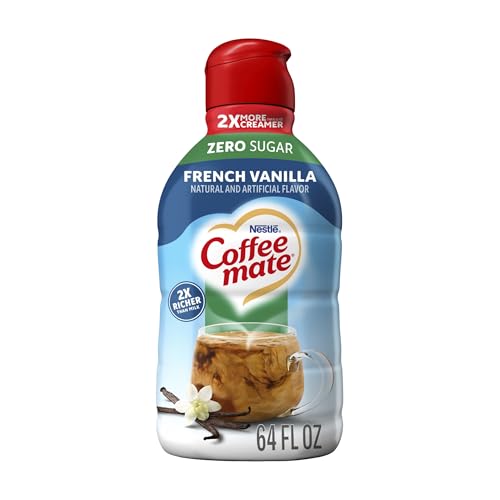
* Coffee Mate Zero Sugar: This popular line offers numerous flavors (French Vanilla, Hazelnut, Caramel Macchiato, etc.) that are sweetened with sucralose and/or acesulfame potassium. They are calorie-free and sugar-free, making them a convenient choice for many. However, due to the artificial sweeteners and other additives, some individuals prefer alternatives.
* Splenda Coffee Creamers: Similar to Coffee Mate, Splenda offers a range of sugar-free liquid creamers using sucralose as their primary sweetener. They are designed to provide flavor and sweetness without carbohydrates.
* Emerging Brands with Natural Sweeteners: Look for newer brands that are using stevia, monk fruit, or erythritol in their liquid creamer formulations. Brands like Laird Superfood Creamers (though some varieties might have small amounts of added sugar, so check carefully) or other health-focused brands are increasingly offering options with cleaner ingredient lists. These often combine healthy fats (like coconut oil or MCT oil) with natural sweeteners for a more wholesome profile.
* Powdered Creamers with Natural Sweeteners: For travel, office settings, or long-term storage, powdered creamers can be a convenient alternative. The key is finding ones that use natural sweeteners.
Traditional powdered creamers like Coffee Mate Original often contain corn syrup solids and hydrogenated oils, making them unsuitable.
However, some health-food brands are now producing powdered creamers based on coconut milk powder, almond milk powder, or even collagen, sweetened with stevia or monk fruit. These often contain MCTs and can be a good shelf-stable option. Always scrutinize the ingredient list to ensure no hidden sugars or undesirable fats are present. They offer the benefit of portion control and ease of transport without refrigeration.
Homemade & DIY Options for Ultimate Control
For those who desire complete control over their ingredients and prefer to avoid any processed additives, crafting your own diabetic-friendly coffee creamer at home is an excellent solution. These DIY options are not only healthier but also allow for endless customization of flavor and sweetness.
* Vanilla Almond Creamer: This is a simple, elegant, and versatile option that you can whip up in minutes.
* Ingredients: 1 cup unsweetened almond milk (or cashew milk for a creamier texture), 1 teaspoon pure vanilla extract, 5-10 drops liquid stevia or monk fruit extract (adjust to taste), a pinch of sea salt (optional, to enhance flavor).
* Instructions: Combine all ingredients in a blender and blend on high until smooth and slightly frothy. Alternatively, you can just whisk them vigorously in a jar. Store in an airtight container in the refrigerator for up to 5-7 days. This creamer offers a subtle sweetness and aromatic vanilla essence, transforming your coffee into a gourmet experience without any sugar.
* Coconut Milk Whipped Topping: For a luxurious, rich, and decadent experience that mimics whipped cream, this is an incredible dairy-free option.
* Ingredients: 1 can (13.5 oz) full-fat unsweetened coconut cream (or the thick cream scooped from the top of a chilled can of full-fat coconut milk), 2-4 drops liquid stevia or monk fruit extract (to taste), 1/2 teaspoon pure vanilla extract (optional).
* Instructions: Chill the can of coconut cream (or full-fat coconut milk) in the refrigerator overnight. This allows the thick cream to separate from the liquid. Carefully open the can and scoop out the thick, solid cream into a cold mixing bowl. Leave the watery liquid behind (you can use it in smoothies). Add the sweetener and vanilla (if using) to the coconut cream. Using an electric mixer (handheld or stand mixer) with a whisk attachment, whip the coconut cream on high speed for 2-5 minutes, until light, fluffy, and resembling whipped cream. This rich, airy topping can be spooned onto hot coffee, providing incredible creaminess and flavor without a single gram of added sugar.
* Spiced Creamers: Adding spices is a fantastic way to introduce complex flavors to plain, unsweetened creamers without relying on sugar or artificial flavorings.
* Method: To any unsweetened plant-based milk (almond, coconut, cashew) or even heavy cream, simply whisk in your favorite spices.
* Spice Combinations:
* Cinnamon Swirl: Add 1/2 teaspoon ground cinnamon per cup of creamer base. Cinnamon has the added benefit of potentially helping with blood sugar regulation.
* Pumpkin Spice: A blend of cinnamon, nutmeg, ginger, and a pinch of cloves creates a comforting autumnal flavor.
* Cardamom Vanilla: A touch of ground cardamom with vanilla extract offers an exotic and sophisticated twist.
* Cocoa Infusion: Whisk in a teaspoon of unsweetened cocoa powder for a sugar-free mocha effect.
* Tip: For best flavor infusion, gently heat the creamer base with the spices for a few minutes on the stovetop before cooling and storing. This allows the flavors to meld beautifully.
Beyond the Creamer: Smart Coffee Habits for Diabetics
While choosing the right sugar-free coffee creamer is a critical step, it’s part of a broader approach to healthy living with diabetes. Integrating mindful coffee consumption into your overall lifestyle can further support your health goals.
* Portion Control is Key: Even with healthy, sugar-free options, moderation is important. While unsweetened almond milk might be low in calories and carbs, excessive amounts can still contribute to your daily intake. Heavy cream, while carbohydrate-free, is very calorie-dense due to its fat content. Regularly consuming large portions of any creamer, even the “good” ones, can add up in calories, which can impact weight management – a crucial aspect of diabetes control. Be mindful of serving sizes and consider measuring your creamer to maintain consistency in your dietary tracking.
* Monitor Your Blood Sugar: Diabetes management is highly personalized. What works well for one individual may have a different impact on another. Even with “diabetic-friendly” creamers, it’s wise to monitor your blood glucose levels after consuming your coffee, especially when trying a new product or ingredient. This practice allows you to understand how your body specifically reacts to different components, helping you fine-tune your choices for optimal glycemic control. Keep a log of your coffee choices and corresponding blood sugar readings to identify any patterns.
* Consider Overall Diet: Your coffee choice is just one small piece of a much larger dietary puzzle. While a sugar-free creamer helps, it won’t counteract the effects of an otherwise unhealthy diet. Ensure your meals are balanced, rich in fiber, lean proteins, and healthy fats, and low in refined carbohydrates and added sugars. Think of your coffee habit as an extension of your overall healthy eating plan. A holistic approach that integrates mindful eating, regular physical activity, and consistent blood sugar monitoring will yield the most significant benefits for long-term diabetes management. Choosing a healthy creamer is a positive step, but it must be supported by a comprehensive approach to your nutritional intake.
Choosing the right coffee creamer doesn’t mean sacrificing flavor; it means making informed, healthier choices that support your diabetic management. By focusing on sugar-free, low-carb options with natural sweeteners and carefully reading ingredient labels, you can confidently enjoy your daily cup of coffee. Experiment with different brands and homemade recipes to find your perfect, diabetes-friendly coffee companion and integrate these smart choices into your overall healthy lifestyle. This proactive approach ensures that every sip contributes to your well-being, allowing you to savor your coffee while maintaining optimal health.
Frequently Asked Questions
What makes a coffee creamer suitable for diabetics?
Diabetic-friendly coffee creamers prioritize low or no added sugars and minimal carbohydrate counts to prevent blood sugar spikes. Look for options sweetened with natural sugar alternatives like stevia, monk fruit, or erythritol, and always check for hidden sugars in ingredient lists. Additionally, consider the overall fat and calorie content, and practice portion control to effectively manage your blood glucose levels.
Which specific brands or types of coffee creamers are best for diabetics?
Some of the best coffee creamers for diabetics include unsweetened almond milk or soy milk, which are naturally low in carbs and sugar. For a richer taste, consider sugar-free dairy creamers like Sugar-Free Coffee-mate or International Delight, often sweetened with sucralose. Additionally, brands like Prymal, Laird Superfood, and some unsweetened oat or coconut creamers offer great low-sugar, low-carb alternatives, sometimes utilizing natural sweeteners like monk fruit or erythritol for a healthier option.
How can diabetics identify hidden sugars in coffee creamers?
To effectively identify hidden sugars in coffee creamers, always scrutinize the ingredients list beyond just the “sugar-free” claim. Watch out for terms like corn syrup, high-fructose corn syrup, dextrose, maltose, sucrose, maltodextrin, and even fruit juice concentrates, all of which are forms of sugar that can impact blood glucose. Furthermore, pay close attention to the “Total Carbohydrates” and “Added Sugars” sections on the nutrition label, ensuring both are as low as possible per serving for diabetic-friendly choices.
Why should diabetics avoid certain sweeteners or ingredients in creamers?
Diabetics should avoid coffee creamers high in added sugars because they cause rapid spikes in blood glucose levels, making blood sugar management challenging and potentially leading to complications. Ingredients like corn syrup, sucrose, and even large amounts of natural sweeteners like agave nectar can significantly impact insulin response. While many artificial sweeteners are generally safe, some individuals might find certain types, or sugar alcohols in excess, cause digestive discomfort or have varied effects on blood sugar, making label reading crucial.
How can diabetics make their own healthy, low-sugar coffee creamer at home?
Creating your own diabetic-friendly coffee creamer at home is a fantastic way to control ingredients and avoid hidden sugars. Simply blend unsweetened almond milk, coconut milk, or even a mix of heavy cream and water, with your preferred sugar-free sweetener like stevia drops, monk fruit, or erythritol. You can also add natural flavorings such as vanilla extract, cinnamon, or a pinch of cocoa powder for variety without impacting blood sugar. This homemade approach ensures a truly sugar-free, low-carb option perfectly tailored to your dietary needs.
References
- Page Not Found – Site Help – Mayo Clinic
- https://www.diabetes.org/healthy-living/recipes-nutrition/sweeteners
- https://www.diabetes.org/healthy-living/recipes-nutrition/meal-planning/making-healthier-drink-choices
- https://health.clevelandclinic.org/is-coffee-good-for-you-if-you-have-diabetes
- Healthy Drinks • The Nutrition Source
- https://www.ucsfhealth.org/education/sugar-substitutes-and-healthy-eating
- Sugar substitute