
For individuals managing diabetes, whole-grain rice varieties like brown rice, wild rice, and black rice are generally the best choices due to their lower glycemic index (GI) and higher fiber content. These options help stabilize blood sugar levels more effectively than refined white rice, though even white rice can be incorporated with careful portioning and preparation. This guide will help you understand the best rice options and how to include them wisely in your diet.



Understanding Rice and Its Glycemic Impact
Managing blood sugar levels is a cornerstone of diabetes care, and carbohydrate-containing foods like rice play a significant role in this process. To make informed dietary choices, it’s essential to understand the Glycemic Index (GI). The GI is a numerical value assigned to foods based on how quickly and significantly they raise blood glucose levels after consumption. Foods with a high GI are rapidly digested and absorbed, leading to a quick and substantial spike in blood sugar. Conversely, low-GI foods are digested more slowly, resulting in a more gradual and controlled rise in blood glucose.
Different types of carbohydrates, particularly those found in various rice grains, directly influence their glycemic impact. Refined carbohydrates, such as those in white rice, have had their fiber-rich outer layers removed. This processing makes their starches readily available for digestion, leading to a rapid conversion to glucose in the bloodstream. In contrast, whole-grain rice varieties retain their bran and germ, which are rich in fiber, vitamins, and minerals. This fiber acts as a physical barrier, slowing down the enzymatic breakdown of starches into sugars, thereby moderating the post-meal glucose response. For individuals with diabetes, making informed rice choices based on their GI is not merely a preference but a crucial component of effective blood sugar management, impacting overall health outcomes and reducing the risk of diabetes-related complications.
Top Rice Choices for Diabetes Management
When navigating dietary choices for diabetes, prioritizing whole-grain rice varieties can make a substantial difference in managing blood sugar levels and enhancing overall nutritional intake.
* Brown Rice: As a quintessential whole grain, brown rice retains its bran and germ layers, which are packed with dietary fiber, magnesium, selenium, and a host of B vitamins. This robust fiber content is the primary reason for its significantly lower GI compared to white rice, typically ranging from 50 to 55 (low to moderate). The fiber slows down carbohydrate digestion and absorption, leading to a more gradual rise in blood glucose. Furthermore, the magnesium in brown rice plays a role in glucose metabolism and insulin sensitivity, while its antioxidants help combat oxidative stress often associated with diabetes. Substituting white rice with brown rice is a practical and impactful step towards better glycemic control.
* Wild Rice: Botanically, wild rice is not true rice but the seed of an aquatic grass. This distinction, however, only adds to its nutritional superiority. It stands out as an excellent source of complete protein, boasting all nine essential amino acids, which is rare for a plant-based food. It is also exceptionally high in fiber, magnesium, phosphorus, and zinc. Its impressive fiber and protein content contribute to a very low GI, often in the range of 35-45. The combination of protein and fiber not only aids in blood sugar stabilization but also promotes satiety, which can be beneficial for weight management, a key aspect of diabetes care. Its chewy texture and distinct, nutty flavor make it a versatile addition to salads, soups, and pilafs.
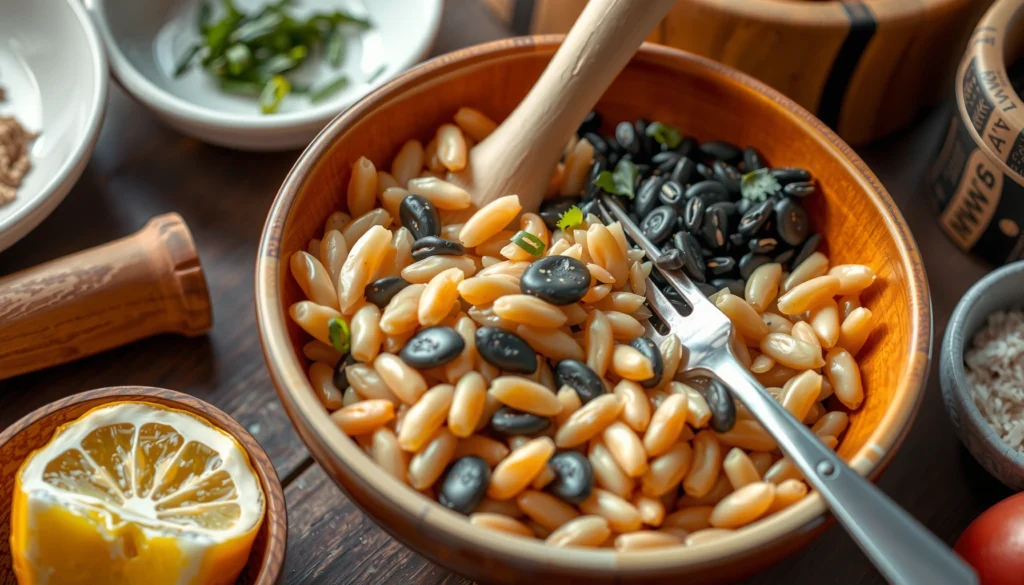
* Black Rice (Forbidden Rice): Historically reserved for Chinese emperors due to its rarity and nutritional prowess, black rice earns its striking dark color from a high concentration of anthocyanin antioxidants – the same powerful compounds found in blueberries and blackberries. Beyond its vibrant hue, black rice is rich in dietary fiber, iron, and vitamin E. Its GI is typically around 42-47, placing it firmly in the low-GI category. The anthocyanins have been studied for their potential anti-inflammatory properties and their role in improving insulin sensitivity and reducing glucose absorption in the gut. Incorporating black rice adds not only a unique aesthetic to meals but also a powerful nutrient boost for blood sugar control and overall health.
* Red Rice: Similar to brown and black rice, red rice is another nutrient-dense whole grain that retains its bran layer, giving it a distinctive reddish-brown color. This color is due to anthocyanins, though typically in lower concentrations than black rice. Red rice offers a good amount of dietary fiber, iron, and antioxidants. Its fiber content contributes to a lower glycemic response compared to refined white varieties, helping to prevent sharp blood sugar spikes. Often found with a chewy texture and nutty flavor, red rice has a GI that generally falls into the low-to-moderate range, making it a valuable addition to a diabetic-friendly diet. It performs well in hearty salads or as a robust side dish.
Basmati Rice: A Closer Look
Basmati rice, a fragrant, long-grain rice variety originating from India and Pakistan, often garners special attention in discussions about diabetes management. While many associate white rice with high glycemic impact, certain long-grain basmati varieties, particularly brown basmati, can exhibit a more moderate GI compared to other white rice types.
The GI of basmati rice can vary based on its specific strain, processing, and how it’s cooked. Generally, white basmati rice tends to have a GI between 50 and 58, which is considered moderate. This is often lower than other popular white rice varieties, such as jasmine or short-grain white rice, which can have GIs upwards of 70-80. The reason for basmati’s comparatively lower GI is attributed to its higher amylose content. Amylose is a type of starch that is more resistant to digestion than amylopectin, which is prevalent in stickier, shorter-grain rice varieties. This slower digestion rate translates to a more gradual release of glucose into the bloodstream.
However, it is crucial to distinguish between white basmati and its whole-grain counterpart, brown basmati. Brown basmati rice is a superior choice for individuals with diabetes. By retaining its bran and germ layers, brown basmati offers significantly more fiber, vitamins, and minerals than white basmati. This increased fiber content further slows down carbohydrate digestion, resulting in a notably lower GI, often in the low 40s. While white basmati can be a better option among white rices, brown basmati remains the preferred whole-grain choice due to its enhanced nutritional profile and more favorable glycemic response.
The importance of quality and proper cooking methods cannot be overstated. Opting for aged basmati rice, which has a firmer texture, can also contribute to a slightly lower GI. Additionally, cooking methods that result in “al dente” (slightly firm) rice rather than overly soft or mushy rice can help mitigate its glycemic effect. It’s always best to check the GI of the specific brand if available and prioritize whole-grain versions whenever possible.
Navigating White Rice and Diabetes
Despite the clear advantages of whole-grain rice varieties, white rice remains a staple in many diets worldwide. Understanding its impact and how to potentially mitigate it is important for individuals managing diabetes. Most refined white rice varieties have a high glycemic impact, typically with a GI ranging from 70 to 80 or even higher. This is primarily due to the milling process, which removes the bran and germ layers. These layers contain almost all the fiber, antioxidants, and B vitamins. Without the fiber, the starches in white rice are quickly broken down into glucose and absorbed into the bloodstream, leading to rapid and significant spikes in blood sugar. Over time, frequent and high consumption of high-GI foods can contribute to insulin resistance and make blood sugar management more challenging.
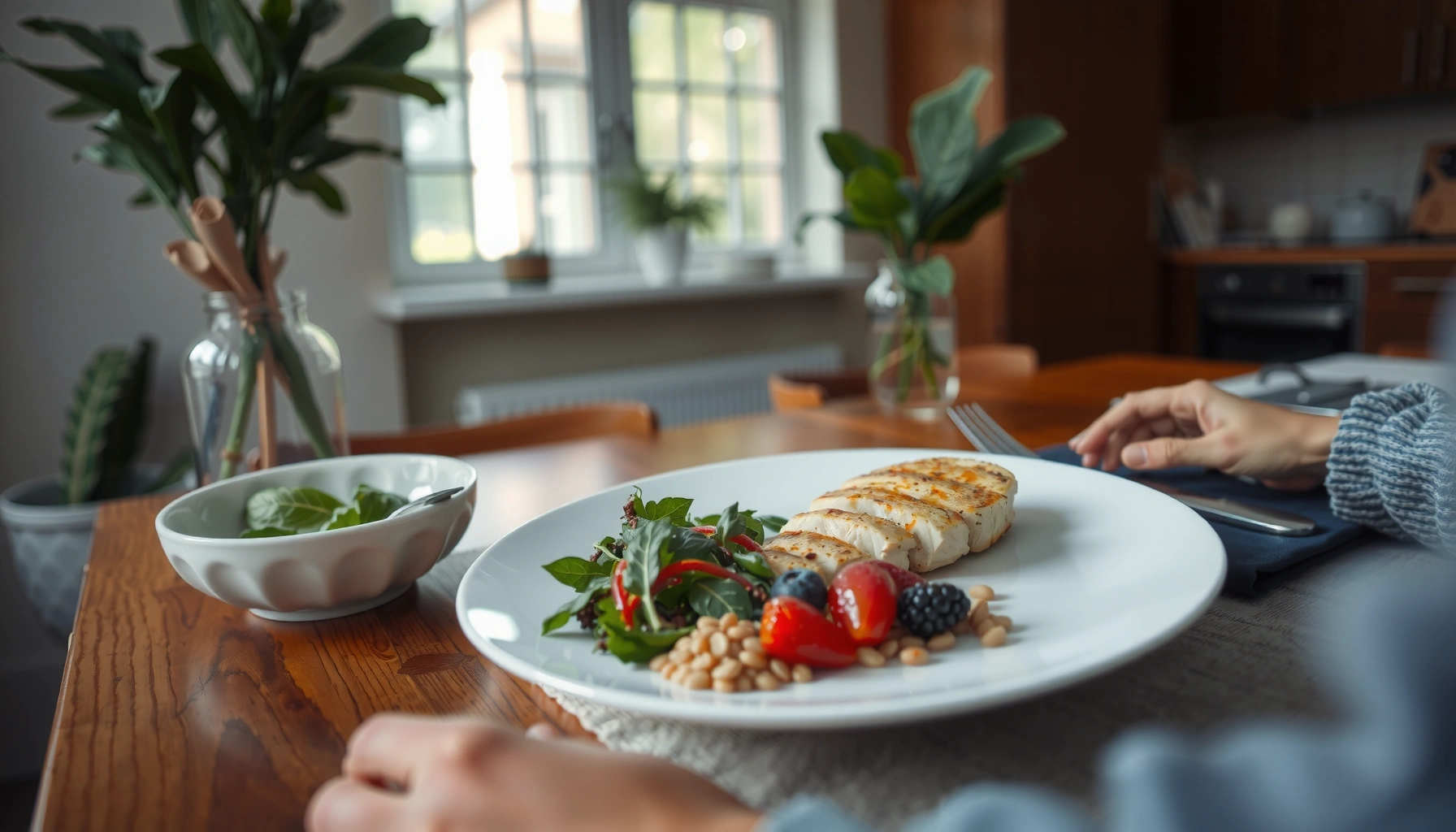
While not ideal as a regular staple, white rice can occasionally be included in a diabetic-friendly diet with careful planning. Practical strategies are key to minimizing its glycemic impact. Strict portion control is paramount; even a small serving can significantly contribute to carbohydrate intake. A typical portion size for white rice might be around one-third to one-half cup cooked. More importantly, pairing white rice with fiber-rich vegetables, lean proteins, and healthy fats is crucial. The fiber from vegetables (like broccoli, spinach, or bell peppers), the protein from sources like chicken breast, fish, or legumes, and healthy fats from avocado or olive oil all work to slow down digestion and absorption of glucose, thereby moderating the blood sugar response. For example, instead of a large plate of white rice with a side of vegetables, aim for a smaller portion of rice, surrounded by a generous serving of non-starchy vegetables and a good source of lean protein.
Furthermore, some intriguing methods exist to potentially reduce the GI of cooked rice. One such method involves cooling cooked rice (a process known as retrogradation). When rice is cooked and then cooled for several hours (e.g., overnight in the refrigerator), some of its digestible starch converts into resistant starch. Resistant starch acts like fiber, meaning it’s not fully digested in the small intestine, leading to a lower caloric contribution and a reduced blood sugar impact. Reheating the cooled rice does not fully reverse this process, retaining some of the resistant starch benefits. While this method can offer a marginal improvement, it does not transform white rice into a low-GI food, and it should still be consumed mindfully with proper portioning and meal pairing.
Beyond Type: Cooking Methods and Portion Control
The type of rice chosen is a primary factor in diabetes management, but how it’s prepared and consumed also significantly influences its glycemic effect. Optimizing these aspects can further support stable blood sugar levels.
* Cooking Techniques: The way rice is cooked can alter its starch structure and, consequently, its GI. Preparing rice “al dente,” or slightly firm with a bit of resistance to the bite, typically results in a lower GI compared to rice that is overcooked and mushy. Overcooking breaks down the starch granules more thoroughly, making them more readily digestible and increasing the rate at which glucose enters the bloodstream. To achieve an al dente texture, reduce the cooking time slightly or use a slightly lower water-to-rice ratio. Another technique involves cooking rice in excess water (like pasta) and then draining the extra water, which can help remove some of the rapidly digestible starches. Furthermore, adding a tablespoon of healthy fat, such as coconut oil or olive oil, to the cooking water and then cooling the rice, as discussed in retrogradation, can also increase resistant starch content and lower the GI.
* Portion Size: Even the healthiest rice types, such as brown or wild rice, contain carbohydrates and require mindful portioning. The amount of rice consumed directly correlates with the amount of carbohydrates ingested, which in turn impacts blood sugar levels. For individuals with diabetes, it’s crucial to understand their individual carbohydrate tolerance, often determined with the guidance of a dietitian. A common recommended portion for cooked rice is typically around one-third to one-half cup, but this can vary based on individual energy needs, activity levels, and medication regimen. Using measuring cups can help ensure consistency in portion sizes. Overlooking portion control, even with low-GI rice, can lead to elevated blood sugar readings.
* Meal Pairing: Perhaps one of the most effective strategies for managing the glycemic impact of rice is intelligent meal pairing. Combining rice with lean proteins, healthy fats, and plenty of non-starchy vegetables creates a balanced meal that significantly slows digestion and reduces blood sugar spikes. Protein (e.g., grilled chicken, fish, tofu, lentils) requires more time to digest and has little direct impact on blood glucose, while healthy fats (e.g., avocado, nuts, olive oil) further delay gastric emptying. Non-starchy vegetables (e.g., leafy greens, broccoli, cauliflower, bell peppers) are rich in fiber and micronutrients, adding bulk and promoting satiety without adding significant carbohydrates. For example, instead of plain rice, consider a balanced meal like a small portion of brown rice served alongside a generous helping of stir-fried vegetables and lean protein, or a wild rice salad with chickpeas, avocado, and a vinaigrette dressing. This synergistic approach ensures a more stable and prolonged energy release, benefiting overall glucose control.
Integrating Healthy Rice into Your Diet
Transitioning to healthier rice varieties is a journey, not a switch, and integrating them effectively into your daily diet can be both simple and delicious.
For those accustomed to refined white rice, gradually transitioning to whole-grain alternatives is key to allowing taste buds and digestive systems to adapt. Start by mixing a small amount of brown rice with white rice, slowly increasing the proportion of brown rice over several weeks. Experiment with different whole-grain options like wild rice or black rice to discover which textures and flavors you prefer. Their nutty, chewier profiles offer a different culinary experience that many come to appreciate. Soaking whole grains before cooking can also reduce cooking time and improve digestibility.
Here are some sample meal ideas and simple recipes that effectively incorporate diabetic-friendly rice varieties:
* Brown Rice Power Bowl: Combine a base of cooked brown rice with roasted vegetables (like sweet potatoes, broccoli, and bell peppers), a source of lean protein (grilled chicken, baked salmon, or black beans), and a drizzle of olive oil or a light vinaigrette. This provides a balanced mix of fiber, protein, and healthy fats.
* Wild Rice and Lentil Salad: Cook wild rice and let it cool. Mix with cooked green lentils, chopped celery, carrots, bell peppers, fresh parsley, and a lemon-tahini dressing. This makes for a robust, high-fiber, and protein-rich meal.
* Black Rice with Tofu Stir-fry: Prepare a colorful stir-fry with a variety of non-starchy vegetables (bok choy, snap peas, mushrooms) and firm tofu. Serve over a small portion of black rice for an antioxidant-rich and satisfying meal.
* Red Rice and Vegetable Pilaf: Sauté onions, garlic, and your favorite non-starchy vegetables (e.g., zucchini, tomatoes, spinach) with red rice and vegetable broth. Season with herbs and spices for a flavorful, fiber-packed side or light main.
While these general guidelines are helpful, it is strongly recommended that individuals managing diabetes consult a healthcare provider or registered dietitian. These professionals can provide personalized dietary advice tailored to individual needs, health goals, medication regimens, and cultural preferences. A dietitian can help determine appropriate carbohydrate targets, provide specific portion recommendations, and offer detailed meal planning strategies to ensure optimal blood sugar management and overall well-being. Their expertise is invaluable in navigating the complexities of a diabetic diet.
Choosing the right type of rice, alongside mindful portioning and smart meal pairings, can significantly contribute to better blood sugar control for individuals with diabetes. Prioritizing whole-grain options like brown, wild, black, or red rice offers greater nutritional benefits and a more stable glycemic response. Start exploring these healthy rice choices today and discuss them with your doctor or a dietitian to create a meal plan that works best for you.
Frequently Asked Questions
Which type of rice is generally considered the best choice for diabetics to manage blood sugar?
For individuals managing diabetes, whole grain rice varieties are typically the best choice due to their higher fiber content and lower glycemic index (GI). Options like brown rice, wild rice, and black rice cause a slower and more gradual rise in blood sugar levels compared to refined white rice. The rich fiber in these options also promotes satiety and supports digestive health, which is beneficial for diabetes management.
How does the glycemic index (GI) of rice impact blood sugar levels for someone with diabetes?
The glycemic index (GI) measures how quickly a carbohydrate-containing food raises blood glucose after consumption. Rice with a lower GI is highly beneficial for diabetics because it leads to a slower, more stable release of glucose into the bloodstream, preventing sharp and dangerous blood sugar spikes. Conversely, high-GI rice can cause rapid blood sugar surges, making it significantly harder to maintain stable glucose levels and manage diabetes effectively.
Why is brown rice frequently recommended over white rice for individuals with diabetes?
Brown rice is consistently recommended over white rice for diabetics primarily because it is a whole grain, meaning it retains its nutrient-rich bran and germ layers. These layers are packed with fiber, B vitamins, and minerals, which significantly slow down the absorption of glucose and contribute to a much lower glycemic response. In contrast, white rice is refined, stripping away these beneficial components and resulting in a higher GI and quicker rise in blood sugar.
Are there any specific types of rice that diabetics should strictly avoid or consume with extreme caution?
Diabetics should generally limit or avoid highly refined white rice and heavily processed or sweetened rice products, such as sticky rice, flavored rice mixes, or sweet rice puddings. These varieties typically have a very high glycemic index and can contain added sugars, unhealthy fats, and excessive sodium, making blood sugar management much more challenging. Even with healthier rice options, vigilant portion control is always crucial.
Beyond choosing the “best” rice, what practical tips can help diabetics incorporate rice into their diet safely?
To safely include rice, diabetics should always practice strict portion control, even with healthier whole-grain options, as all rice contains carbohydrates. Pairing rice with lean protein and plenty of non-starchy vegetables can further reduce its overall glycemic impact and promote fullness. Additionally, cooking rice and then cooling it before reheating can increase resistant starch content, potentially lowering its GI and benefiting blood sugar control.
References
- https://www.mayoclinic.org/diseases-conditions/diabetes/expert-answers/diabetes/faq-20058284
- https://diabetes.org/food-nutrition/what-to-eat/grain-choices
- Rice • The Nutrition Source
- https://www.ncbi.nlm.nih.gov/pmc/articles/PMC8909873/
- https://www.ucsfhealth.org/education/diabetes-and-healthy-eating
- Healthy Living with Diabetes – NIDDK
- Glycemic index