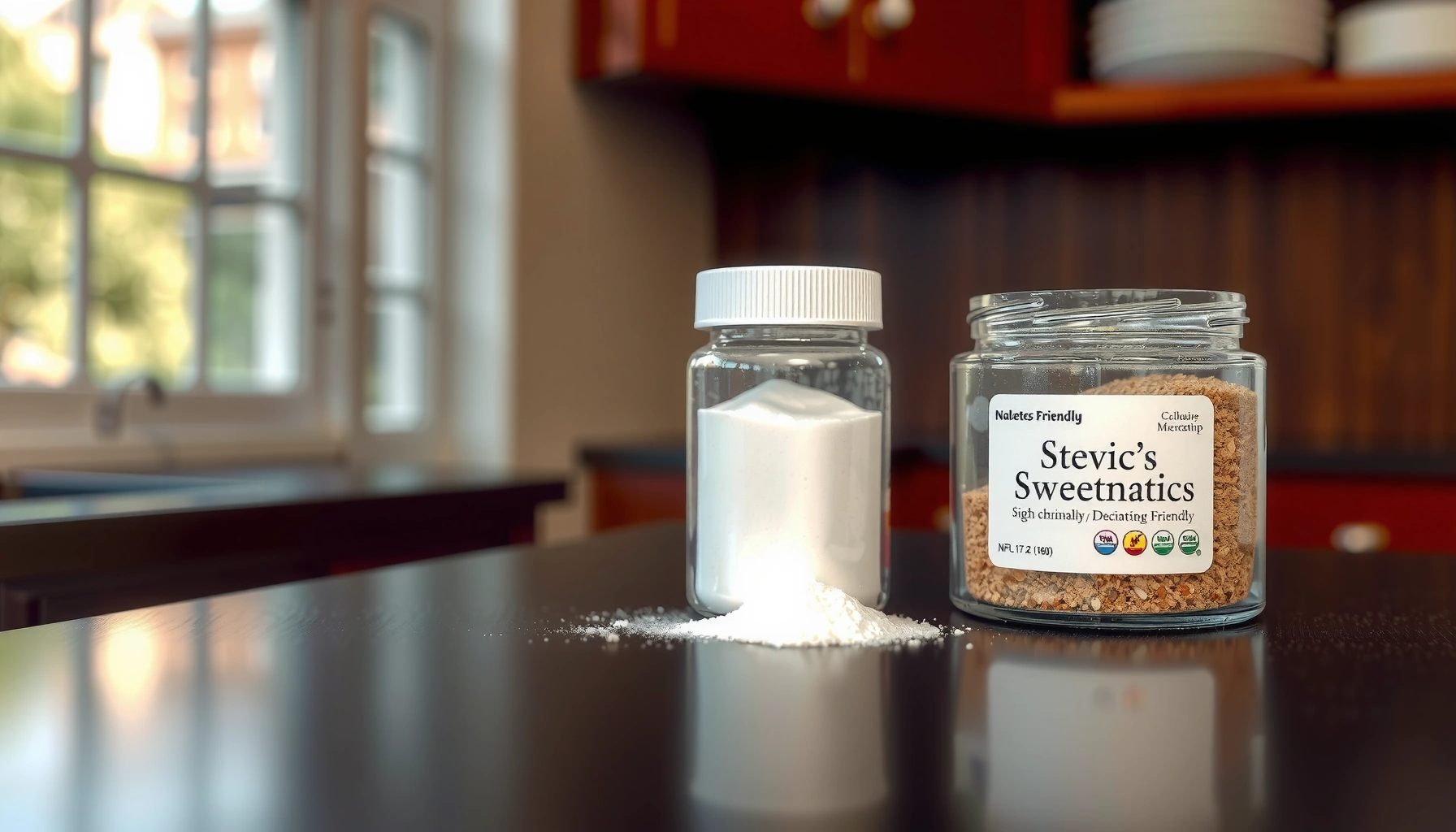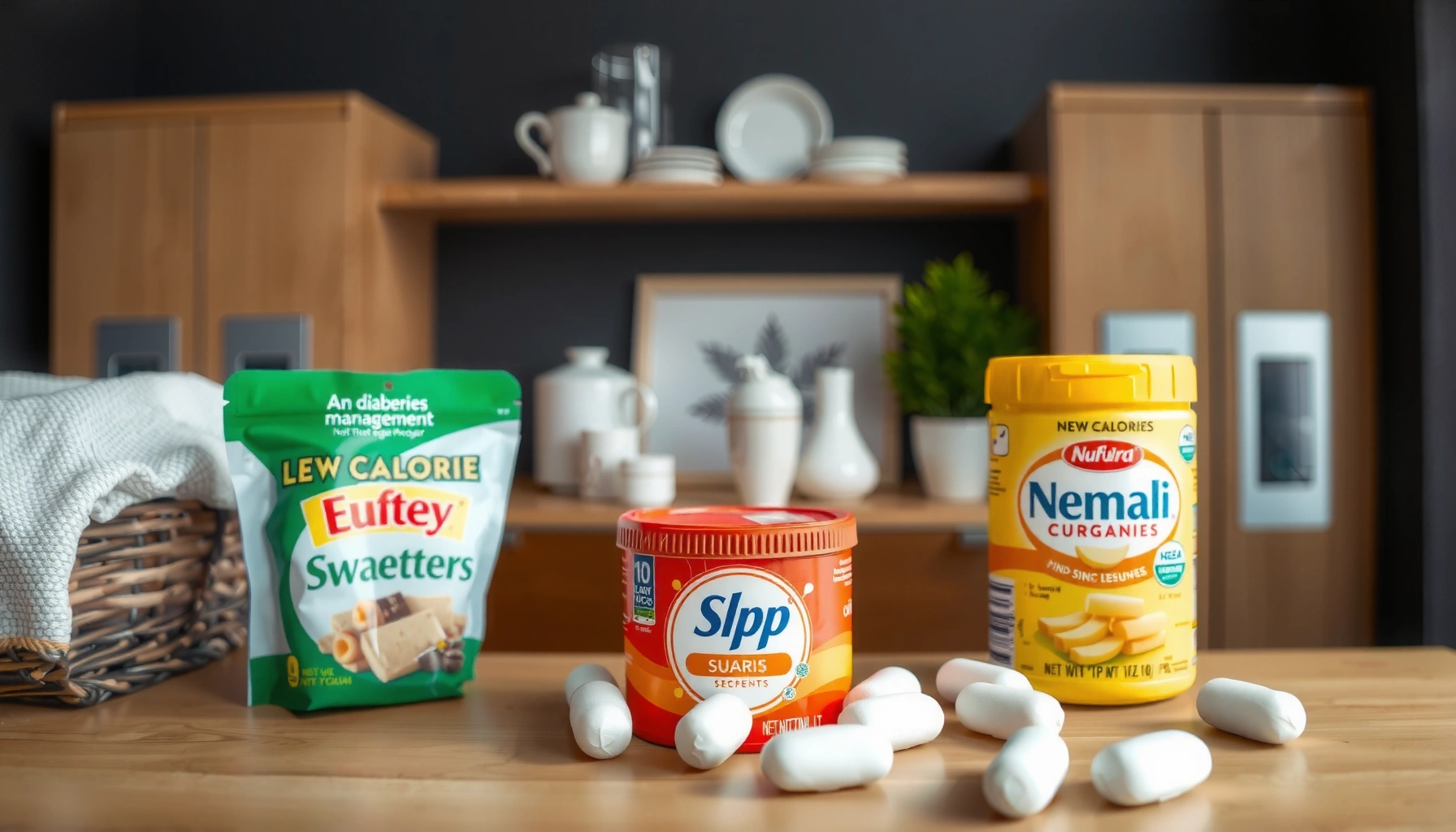

There isn’t a single “best” sweetener universally suitable for everyone with diabetes; rather, the optimal choice depends on individual preferences, potential sensitivities, and overall health objectives. Several low-calorie and zero-calorie options are widely recommended for effective blood sugar management. This comprehensive guide will navigate the diverse array of diabetes-friendly sweeteners, elucidate their distinct benefits and considerations, and equip you with the knowledge to make informed dietary decisions that support your health goals.
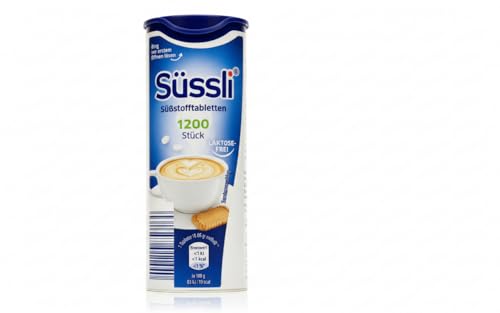



Understanding Diabetes-Friendly Sweeteners
– Minimal Blood Sugar Impact: For individuals managing diabetes, prioritizing sweeteners that exert little to no effect on glucose levels is paramount. Unlike conventional sugar, which triggers rapid spikes in blood glucose and subsequent insulin responses, these preferred alternatives are designed to be metabolized differently, if at all. This crucial characteristic helps prevent the problematic fluctuations in blood sugar that can contribute to long-term diabetes complications, such as cardiovascular disease, neuropathy, and kidney damage. By choosing sweeteners with minimal impact, individuals can enjoy sweet tastes without compromising their glycemic control, fostering greater dietary flexibility and adherence to their management plan.
– Low or Zero Calories: Many of the recommended sweeteners contribute minimal or absolutely no calories, a significant advantage for weight management—a critical factor in preventing and managing Type 2 diabetes. Excess caloric intake often leads to weight gain, exacerbating insulin resistance and making blood sugar control more challenging. Zero-calorie sweeteners offer a way to reduce overall caloric load while still satisfying cravings for sweetness, aiding in weight loss or maintenance efforts. This allows for the enjoyment of sweetened foods and beverages without the added energy density associated with traditional sugars, supporting a more balanced and health-conscious diet.
– Glycemic Index: Focusing on sweeteners with a low or zero glycemic index (GI) is a cornerstone of diabetes-friendly eating. The GI is a value assigned to foods based on how slowly or quickly they cause increases in blood glucose levels. Sweeteners with a high GI, like table sugar, lead to rapid and sharp rises in blood sugar, demanding a quick and substantial insulin response. In contrast, low or zero GI sweeteners ensure a more stable and gradual absorption, preventing these undesirable spikes. This steady blood glucose profile is essential for maintaining consistent energy levels, reducing the strain on the pancreas, and minimizing the risk of both hyperglycemia and subsequent hypoglycemic crashes.
Popular Natural Zero-Calorie Sweeteners
– Stevia: Derived from the leaves of the *Stevia rebaudiana* plant, native to South America, stevia has gained considerable popularity as a natural zero-calorie sweetener. Its intense sweetness, attributed to compounds called steviol glycosides (primarily rebaudioside A and stevioside), can be 200-400 times sweeter than sugar. Stevia is generally recognized as safe (GRAS) by the FDA and has no known impact on blood glucose or insulin levels, making it an excellent choice for individuals with diabetes. While some people may detect a slight licorice-like or bitter aftertaste, especially in higher concentrations, various formulations are available (liquid drops, powders, granulated blends) to suit different preferences and culinary applications, from sweetening beverages to baking.
– Monk Fruit: An extract from the small, green *Siraitia grosvenorii* fruit, commonly known as monk fruit, this natural sweetener offers another compelling zero-calorie alternative. Native to Southeast Asia, monk fruit has been used for centuries for its sweetness and medicinal properties. The sweet compounds in monk fruit are mogrosides, which are powerful antioxidants and contribute to its sweetness, which can be 150-250 times more intense than sugar. Like stevia, monk fruit extract has no impact on blood glucose levels and is considered safe for consumption by health authorities. It is often praised for its clean taste profile, with many finding it has less of an aftertaste compared to stevia, making it a versatile option for a wide range of food and drink applications.
– Erythritol: As a sugar alcohol, erythritol is distinct in its characteristics and is naturally found in some fruits (like grapes, pears, and watermelons) and fermented foods. Commercially, it’s produced through the fermentation of glucose. What sets erythritol apart from other sugar alcohols is its virtually zero-calorie content (approximately 0.24 calories per gram, compared to sugar’s 4 calories per gram) and its exceptional digestive tolerance. The body absorbs about 90% of ingested erythritol in the small intestine, and it is then excreted unchanged in the urine, minimizing fermentation in the large intestine that often causes digestive upset with other sugar alcohols. It has a mild sweetness, about 70% as sweet as sugar, making it an excellent bulking agent in baking, and has a glycemic index of zero, ensuring no impact on blood sugar.
Common Artificial Sweeteners
– Sucralose (Splenda): Sucralose is a highly potent, non-nutritive artificial sweetener derived from sucrose (table sugar) through a chemical process that replaces three hydrogen-oxygen groups with chlorine atoms. This modification renders sucralose indigestible, meaning it passes through the body mostly unabsorbed and contributes virtually no calories. It is approximately 600 times sweeter than sugar and is remarkably stable under heat, making it suitable for cooking and baking without losing its sweetness. Approved by regulatory bodies worldwide, including the FDA, sucralose has been extensively studied and deemed safe for consumption by the general population. Its widespread availability and sugar-like taste make it a popular choice for many seeking to reduce sugar intake.
– Aspartame (Equal, NutraSweet): Aspartame is a low-calorie artificial sweetener composed of two amino acids, aspartic acid and phenylalanine. Despite providing 4 calories per gram, similar to sugar, its intense sweetness (about 200 times sweeter than sugar) means only minute quantities are needed, resulting in a negligible caloric contribution to foods and beverages. Aspartame is safe for most individuals when consumed in moderation and has been one of the most thoroughly studied food additives, with numerous regulatory bodies affirming its safety. However, individuals with phenylketonuria (PKU), a rare genetic disorder, must strictly avoid aspartame due to their inability to metabolize phenylalanine. Aspartame is commonly found in diet soft drinks, chewing gum, and some dairy products, though it tends to break down at high temperatures, limiting its use in baking.
– Saccharin (Sweet’N Low): Saccharin is the oldest artificial sweetener, discovered in 1879. It is a calorie-free, non-nutritive sweetener that is 200-700 times sweeter than sugar. Despite historical controversies regarding potential carcinogenicity in the 1970s (which were later largely disproven in humans), saccharin has undergone extensive re-evaluation and is now widely considered safe for consumption by major health authorities, including the FDA and the World Health Organization. It is highly stable under various conditions, including heat, making it versatile for both tabletop use and incorporation into processed foods and beverages. Some users report a slight metallic or bitter aftertaste, particularly at higher concentrations, but it remains a cost-effective and prevalent artificial sweetener option for diabetes management.
Exploring Sugar Alcohols
– Xylitol & Sorbitol: Sugar alcohols, also known as polyols, are carbohydrates with a chemical structure that resembles both sugar and alcohol, but they are neither. Xylitol, found naturally in many fruits and vegetables, is about as sweet as sugar but contains approximately 40% fewer calories (2.4 calories per gram) and has a much lower glycemic impact. It is also known for its dental benefits, as it doesn’t feed oral bacteria, thus reducing the risk of cavities. Sorbitol, also naturally present in fruits like apples and pears, is about 60% as sweet as sugar and provides around 2.6 calories per gram, with a GI significantly lower than sucrose. These sugar alcohols are slowly and incompletely absorbed by the body, leading to a more gradual rise in blood sugar compared to traditional sugars, making them suitable for moderate use by individuals with diabetes.
– Potential Digestive Effects: While generally considered safe for consumption, a common characteristic of sugar alcohols, including xylitol and sorbitol, is their potential to cause digestive discomfort when consumed in large quantities. Because they are incompletely absorbed in the small intestine, unabsorbed portions pass into the large intestine, where they are fermented by gut bacteria. This fermentation process can lead to symptoms such as bloating, gas, abdominal cramps, and, in some cases, a laxative effect. The severity of these side effects is typically dose-dependent and varies significantly among individuals. Therefore, it is advisable to introduce sugar alcohols gradually and consume them in moderation to assess personal tolerance, especially for those with sensitive digestive systems. Erythritol, due to its unique absorption and excretion pathway, generally causes fewer digestive issues compared to other sugar alcohols.
Sweeteners to Limit or Avoid with Diabetes
– Refined Sugar (Sucrose) & High-Fructose Corn Syrup: These are the primary culprits responsible for rapid and significant elevations in blood sugar levels and should be strictly limited or avoided by individuals with diabetes. Refined sugar, or sucrose, is a disaccharide made of glucose and fructose, both of which are quickly absorbed into the bloodstream. High-fructose corn syrup (HFCS) is another highly processed sweetener, metabolically similar to sucrose, often containing 42% or 55% fructose. Both contribute empty calories, offer no nutritional value, and their high glycemic load directly interferes with stable blood glucose control. Regular consumption not only complicates diabetes management but also contributes to weight gain, insulin resistance, and an increased risk of cardiovascular disease, making careful label reading essential to identify hidden sources in processed foods.
– Natural Sugars (Honey, Maple Syrup, Agave Nectar): Despite their “natural” perception, honey, maple syrup, and agave nectar are still concentrated sources of sugar that can significantly spike blood glucose levels and should be used sparingly by individuals with diabetes. Honey, while containing some antioxidants and trace minerals, is primarily a mix of fructose and glucose, with a glycemic index comparable to, or sometimes even higher than, table sugar. Maple syrup is predominantly sucrose, with similar blood sugar effects to refined sugar. Agave nectar, often marketed as a healthier alternative, is particularly high in fructose (up to 90%), which, while having a lower immediate glycemic impact, can contribute to liver fat accumulation and insulin resistance over time when consumed in excess. Therefore, these natural sugars must be treated with the same caution as refined sugars in a diabetes management plan.
Making Your Personalized Sweetener Choice
– Consider Taste and Tolerance: The journey to finding the ideal sweetener is highly personal, as taste perception and individual tolerance vary significantly. What one person finds delightfully sweet and clean-tasting, another might find to have an undesirable aftertaste. It is advisable to experiment with different zero-calorie and low-calorie options in small amounts to determine which best suits your palate and preferences for various foods and beverages. Pay close attention to how your body responds; some individuals might experience mild digestive upset even with well-tolerated sweeteners if consumed in large quantities. Blending different sweeteners can also be an effective strategy to achieve a balanced flavor profile and mitigate any lingering aftertastes.
– Always Use in Moderation: Even with zero-calorie sweeteners, the principle of moderation remains paramount for a healthy and balanced diet. While these alternatives do not directly impact blood sugar or calorie intake, their overuse can potentially perpetuate a desire for intensely sweet flavors, making it harder to appreciate the natural sweetness in fruits and vegetables. Furthermore, some studies suggest that excessive consumption of intensely sweet substances, even if non-caloric, might influence gut microbiota composition or alter satiety signals, though more research is needed in these areas. Viewing sweeteners as a tool to occasionally enhance enjoyment, rather than a license for unlimited indulgence, aligns with a holistic approach to diabetes management and overall well-being.
– Consult Your Healthcare Provider: The most crucial step in making your personalized sweetener choice involves consulting with your healthcare provider or a registered dietitian. These professionals can offer tailored advice based on your specific diabetes management plan, current medications, blood sugar goals, and any co-existing health conditions (e.g., irritable bowel syndrome, kidney disease). They can help you interpret scientific evidence, guide you through product choices, and monitor how your sweetener consumption impacts your blood glucose levels. Open communication with your medical team ensures that your dietary choices, including the use of sweeteners, are fully integrated into a comprehensive and effective strategy for long-term diabetes control and optimal health.
Choosing the right sweetener for diabetes involves understanding the various options available and their potential impact on your health. While zero-calorie and low-calorie alternatives like stevia, monk fruit, and erythritol are often preferred for their minimal effect on blood sugar, artificial sweeteners can also be a part of a balanced diet when used in moderation. Remember that individual responses vary significantly, so listening to your body and diligently monitoring blood sugar levels is crucial. Always prioritize a well-balanced diet rich in whole foods and consult with your healthcare professional to ensure your sweetener choices align perfectly with your overall diabetes management strategy, empowering you to lead a healthier life.
Frequently Asked Questions
Which types of sweeteners are safest and most recommended for people with diabetes?
For individuals managing diabetes, non-nutritive sweeteners (NNS) or high-intensity sweeteners are generally considered the safest and most recommended choices. These include options like stevia extract, monk fruit extract, sucralose, aspartame, and saccharin, which provide sweetness with minimal to no calories and do not significantly impact blood sugar levels. They are excellent sugar substitutes that can help satisfy sweet cravings without disrupting glucose control.
What’s the difference between artificial sweeteners and natural sugar substitutes for managing diabetes?
Artificial sweeteners, such as sucralose and aspartame, are synthetic compounds designed to mimic sugar’s taste, offering zero or very low calories and no impact on blood glucose. Natural sugar substitutes, like stevia and monk fruit, are derived from plants but are processed to extract their sweet compounds, also providing sweetness without calories or blood sugar spikes. While both types are diabetic-friendly, some prefer the “natural” origin of stevia and monk fruit, although their safety is generally comparable according to health organizations.
How do sugar alcohols like erythritol and xylitol impact blood sugar levels for individuals with diabetes?
Sugar alcohols, including erythritol, xylitol, and malitol, are partially absorbed by the body, meaning they contribute fewer calories and have a lesser impact on blood sugar compared to regular sugar. Erythritol, in particular, has almost no glycemic effect, making it a popular choice among diabetics. However, consuming large quantities of some sugar alcohols can cause digestive discomfort like bloating or diarrhea, so moderation is key when incorporating these into a diabetes-friendly diet.
Why are natural sugars like honey, maple syrup, and agave nectar generally not recommended for people with diabetes?
Although natural, honey, maple syrup, and agave nectar are primarily composed of sugars (fructose and glucose) that directly impact blood sugar levels, similar to table sugar. They are not calorie-free or carb-free, meaning they can cause significant spikes in blood glucose, making them unsuitable for regular consumption by individuals managing diabetes. While they might offer trace nutrients, their high sugar content outweighs any potential benefits for diabetic individuals seeking to control their glycemic response.
Are zero-calorie sweeteners like Stevia and Monk Fruit extracts truly safe and beneficial for long-term diabetes management?
Yes, zero-calorie sweeteners such as pure stevia extract and monk fruit extract are considered generally safe for long-term use and beneficial for diabetes management when consumed in moderation. Approved by regulatory bodies like the FDA, these natural sugar substitutes do not contribute calories or carbohydrates, making them excellent tools to reduce sugar intake without affecting blood glucose. They allow diabetics to enjoy sweet foods and beverages while maintaining stable blood sugar and supporting overall health goals.
References
- https://diabetes.org/healthy-living/recipes-nutrition/sweeteners-sugar-substitutes
- Page Not Found – Site Help – Mayo Clinic
- Low-Calorie Sweeteners • The Nutrition Source
- https://www.cdc.gov/diabetes/managing/eat-well/sugar-substitutes.html
- https://health.clevelandclinic.org/are-sugar-substitutes-healthy-if-you-have-diabetes/
- https://www.who.int/news/item/15-05-2023-who-advises-against-the-use-of-non-sugar-sweeteners-for-weight-control
- https://www.ncbi.nlm.nih.gov/pmc/articles/PMC8911578/
- Sugar substitute