The best diabetic snacks are those that prioritize a balance of protein, fiber, and healthy fats while being low in refined carbohydrates and added sugars. These nutrient-dense options help stabilize blood sugar levels, keep you feeling full, and provide essential nutrients without causing sharp spikes, which is crucial for effective diabetes management. Identifying the ideal snack involves understanding key nutritional criteria and choosing whole, unprocessed foods that support overall health and blood glucose management while offering sustained energy and satiety.



What Makes a Snack “Diabetic-Friendly”?
A snack is considered “diabetic-friendly” when its nutritional profile actively supports stable blood glucose levels and contributes to overall health without causing adverse metabolic effects. This involves a strategic focus on specific macronutrients and food characteristics.
* Focus on foods with a low glycemic index to prevent rapid blood sugar spikes. The glycemic index (GI) is a system that ranks carbohydrate-containing foods by how much they raise blood sugar levels after eating. Foods with a low GI (55 or less) are digested and absorbed more slowly, leading to a gradual and sustained rise in blood glucose rather than a sharp, sudden spike. This is paramount for individuals managing diabetes, as it helps prevent hyperglycemia and the associated complications. Examples of low-GI foods include most non-starchy vegetables, whole grains, nuts, and seeds. Choosing these ensures a steady energy release, reducing the risk of energy crashes and subsequent cravings for less healthy options.
* Prioritize high-fiber ingredients to slow sugar absorption and promote satiety. Fiber, particularly soluble fiber, plays a critical role in blood sugar regulation. It forms a gel-like substance in the digestive tract, which slows down the absorption of glucose into the bloodstream, thereby mitigating post-meal blood sugar surges. Beyond its direct impact on blood glucose, fiber adds bulk to food without contributing calories, promoting a feeling of fullness and satisfaction. This increased satiety helps control appetite, prevents overeating, and can aid in weight management, which is often a key component of diabetes care. Excellent sources include vegetables, fruits with edible skins, legumes, and whole nuts and seeds.
* Include protein and healthy fats to provide sustained energy and fullness. Both protein and healthy fats have minimal direct impact on blood glucose levels, unlike carbohydrates. Their primary role in a diabetic-friendly snack is to enhance satiety and slow down digestion. Protein is vital for tissue repair and building, and its digestion requires more energy, contributing to a higher thermic effect of food. Healthy fats, particularly monounsaturated and polyunsaturated fats, are crucial for hormone production, nutrient absorption, and heart health. When combined with carbohydrates, protein and fats can further reduce the glycemic response of a meal or snack by slowing down gastric emptying. This synergistic effect ensures a steady supply of energy, prevents hunger pangs between meals, and helps maintain stable blood sugar levels over longer periods.
Protein-Packed Powerhouses
Protein is a cornerstone of diabetic-friendly snacking due to its minimal impact on blood sugar and significant contribution to satiety. Incorporating lean, high-quality protein sources can help manage hunger and provide essential amino acids.
* Hard-boiled eggs, cheese sticks, and cottage cheese: These are excellent sources of complete protein, meaning they provide all nine essential amino acids required by the body. Hard-boiled eggs are incredibly convenient, portable, and contain approximately 6 grams of protein per egg, along with healthy fats and vitamins. They are naturally low in carbohydrates, making them an ideal choice. Cheese sticks offer a similar benefit, providing protein and calcium in a pre-portioned, convenient format. Look for lower-fat or part-skim varieties to manage saturated fat intake. Cottage cheese, especially plain, low-fat versions, is rich in casein protein, which is slow-digesting, contributing to prolonged fullness. A half-cup serving can provide over 12 grams of protein, making it a very satisfying snack.
* Plain Greek yogurt (unsweetened): Greek yogurt stands out from regular yogurt due to its higher protein content, often double that of conventional yogurt, ranging from 15-20 grams per serving. The straining process removes much of the whey, resulting in a thicker consistency and reduced lactose content, which also means fewer carbohydrates. It is crucial to choose plain, unsweetened varieties, as flavored yogurts often contain significant amounts of added sugars that can counteract its benefits for blood sugar control. Greek yogurt also provides beneficial probiotics, supporting gut health. Pairing it with a few berries (like raspberries or blueberries) can add natural sweetness, fiber, and antioxidants without excess sugar.
* Lean deli meat or turkey jerky (sugar-free): For those seeking quick, savory protein options, lean deli meats such as turkey breast or chicken breast (without added nitrates or excessive sodium) can be a good choice. These provide protein with very few carbohydrates. Similarly, turkey jerky or beef jerky can be excellent for on-the-go snacking, provided you select brands that are explicitly labeled “sugar-free” or “low-sugar.” Many commercial jerkies contain surprising amounts of added sugars, high-fructose corn syrup, or honey in their marinades, which would negate their diabetic-friendly nature. Always check the nutrition label for carbohydrate and sugar content to ensure it aligns with your dietary needs.
Fiber-Rich Fruits & Vegetables
Fiber is paramount for blood sugar management and overall digestive health. Snacks rich in fiber, especially from fruits and vegetables, provide essential vitamins, minerals, and antioxidants with minimal caloric impact.
* Non-starchy vegetables (celery, carrots, bell peppers, cucumbers): These vegetables are nutritional powerhouses, incredibly low in carbohydrates and calories while being packed with fiber, vitamins, and minerals. They provide volume and crunch, which can be very satisfying. Celery is rich in water and fiber; carrots offer beta-carotene (Vitamin A) and some soluble fiber; bell peppers come in various colors, each providing different antioxidants (Vitamin C being prominent); and cucumbers are refreshing and hydrating. These can be enjoyed in generous portions, either plain or paired with a healthy dip like hummus (in moderation) or a small amount of guacamole, further boosting fiber and healthy fat intake without significantly impacting blood sugar.
* Small portions of berries (strawberries, blueberries, raspberries): While all fruits contain natural sugars, berries are exceptional choices for individuals with diabetes due to their high fiber content and lower glycemic index compared to many other fruits. Raspberries, for example, boast an impressive 8 grams of fiber per cup, while strawberries and blueberries also offer significant amounts. This fiber helps to slow down the absorption of their natural sugars, preventing rapid blood glucose spikes. Furthermore, berries are packed with antioxidants, which combat oxidative stress and inflammation—factors often elevated in individuals with diabetes. Portion control is still important; a small handful or about half a cup is usually a good serving size.
* Apple slices with a tablespoon of nut butter: This classic combination offers a balanced mix of fiber, healthy fats, and a touch of protein. Apples, especially with the skin on, are a good source of soluble and insoluble fiber, which aids digestion and helps stabilize blood sugar. A medium apple contains about 4-5 grams of fiber. Pairing apple slices with a tablespoon of natural nut butter (almond butter, peanut butter, or cashew butter) adds healthy monounsaturated fats, protein, and additional fiber. The fats and protein in the nut butter further slow down the digestion of the apple’s natural sugars, leading to a more gradual rise in blood glucose and prolonged satiety. Always choose nut butters that list only nuts as ingredients, avoiding those with added sugars, hydrogenated oils, or excessive sodium.
Healthy Fats for Satiety
Healthy fats are essential for a balanced diet, providing concentrated energy, supporting cell function, and significantly contributing to satiety without raising blood sugar. Incorporating them into snacks helps keep hunger at bay.
* A small handful of nuts (almonds, walnuts) or seeds (chia, flax): Nuts and seeds are nutritional powerhouses, offering an excellent blend of healthy fats (predominantly monounsaturated and polyunsaturated fats), fiber, and some plant-based protein. Almonds are rich in Vitamin E and magnesium, while walnuts are unique for their high omega-3 fatty acid content. Chia seeds and flax seeds are also incredible sources of omega-3s, fiber, and lignans. These components work synergistically to promote heart health, reduce inflammation, and, critically, enhance satiety. The fiber and fat slow down digestion, ensuring a gradual release of energy. Portion control is key due to their caloric density; a small handful (about 1/4 cup or 1 ounce) is typically an appropriate serving size. Opt for raw or dry-roasted, unsalted varieties to avoid unnecessary sodium and unhealthy oils.
* Avocado slices or guacamole: Avocados are renowned for their high content of monounsaturated fats, particularly oleic acid, which is known for its heart-healthy benefits and its ability to increase feelings of fullness. They also provide a significant amount of fiber, potassium, and various vitamins (K, C, B6, E). Sliced avocado makes a wonderfully creamy and satisfying snack on its own, perhaps with a sprinkle of everything bagel seasoning or a pinch of salt and pepper. Guacamole, made from mashed avocado, can be an excellent dip for non-starchy vegetables like bell peppers or cucumber slices. When choosing guacamole, ensure it’s made with fresh ingredients and minimal additives, and be mindful of portion sizes to keep calorie intake in check.
* Olives: Olives, particularly whole olives or olive tapenade, are another fantastic source of healthy monounsaturated fats, along with antioxidants and vitamin E. They offer a satisfying salty and savory flavor profile that can help curb cravings for less healthy snack options. Different varieties of olives (e.g., Kalamata, green, black) offer slightly different flavors and textures, providing variety. Like avocados, olives contribute to satiety due to their fat content, helping to stabilize blood sugar levels by slowing down overall digestion. A serving size typically ranges from 5-10 large olives, depending on your dietary needs and the overall calorie budget for your snack. Ensure they are plain or marinated simply, avoiding those packed in sugary brines.
Smart Store-Bought & Convenient Options
While whole, unprocessed foods are always ideal, there are times when convenience dictates store-bought options. Choosing these wisely involves careful label reading and understanding ingredient lists.
* Sugar-free gelatin or pudding: When sweet cravings strike, sugar-free gelatin or pudding can be a low-calorie, low-carb treat that satisfies without impacting blood sugar. These options provide a sense of indulgence without the added sugars and refined carbohydrates found in traditional desserts. They are particularly useful for those managing their weight or needing a light snack. It is important to confirm they are indeed sugar-free and to check for artificial sweeteners that you may prefer to avoid or that could potentially cause digestive upset for some individuals. While not providing significant nutritional value in terms of protein, fiber, or healthy fats, they offer a psychologically satisfying option for managing sweet cravings responsibly.
* Pre-portioned nut packets or cheese sticks: For busy schedules, pre-portioned snacks are invaluable tools for portion control. Buying nuts in individual serving packets eliminates the temptation to overeat, which is particularly easy with calorie-dense foods like nuts. Similarly, individually wrapped cheese sticks (e.g., mozzarella string cheese) offer a convenient source of protein and calcium without the need for measuring. These options are easy to toss into a bag for work, travel, or errands, ensuring a healthy snack is always on hand and preventing reliance on less healthy, impromptu choices. Always check the labels for added sugars or excessive sodium, especially in processed cheese products.
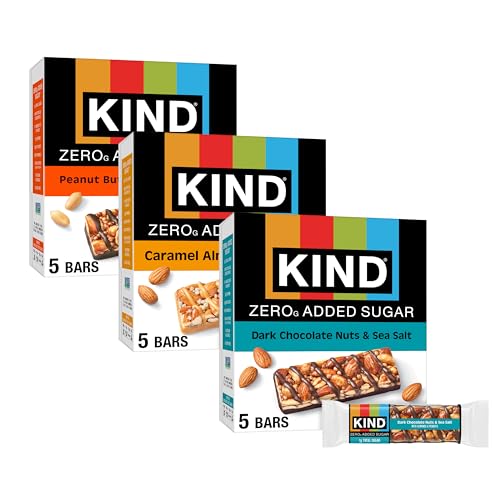
* Low-carb protein bars (check labels carefully for sugar content): Protein bars can be a quick and convenient option for a boost of protein, especially on very busy days or when engaging in physical activity. However, the market for protein bars is saturated with products that, despite their marketing, can be high in sugars, artificial ingredients, and unhealthy fats. It is absolutely critical to read nutrition labels meticulously. Look for bars that are low in net carbohydrates (total carbs minus fiber and sugar alcohols, if applicable), high in protein (at least 10-15 grams), and contain minimal added sugars (preferably less than 5 grams per bar). Opt for bars made with whole food ingredients, natural sweeteners (like stevia or erythritol in moderation), and healthy fats. Consider these as occasional substitutes rather than daily staples, as whole food snacks generally offer superior nutritional benefits.
Portion Control and Timing Are Key
Even the healthiest snacks require mindful management. The quantity and timing of your snacks can significantly influence their effectiveness in managing blood sugar and overall health.
* Mindful portion sizes: While the quality of your snack is paramount, the quantity you consume is equally critical, even for “diabetic-friendly” foods. Overeating healthy snacks, particularly those rich in healthy fats or natural sugars (like nuts, avocados, or fruits), can still lead to excess calorie intake and potential blood sugar fluctuations. For instance, too many nuts can lead to weight gain, while too much fruit, despite its fiber, can still elevate blood glucose if consumed in large quantities. Practicing mindful eating—paying attention to hunger and fullness cues—and adhering to recommended serving sizes are essential for maintaining stable blood sugar and achieving health goals. Use measuring cups or food scales initially to understand what a true portion looks like until it becomes intuitive.
* Strategic timing: Snacking should be approached strategically rather than habitually. The primary reasons for snacking should be to manage genuine hunger between meals, prevent overeating at the next meal, or to preempt a drop in blood sugar (hypoglycemia), especially for individuals on certain diabetes medications. Snacking unnecessarily or out of boredom can lead to excess calorie consumption and less stable blood glucose levels. Pay attention to your body’s signals: Are you truly hungry, or are you just thirsty or bored? For some, a snack mid-morning or mid-afternoon might be beneficial, while others might find it unnecessary. Consulting with a healthcare professional or registered dietitian can help you determine the optimal snacking schedule tailored to your medication regimen and lifestyle.
* Hydration: Always accompany snacks with water to aid digestion and fullness. Often, what we perceive as hunger is actually thirst. Drinking a glass of water before or with your snack can help you better assess your true hunger levels and prevent overeating. Water is also vital for many bodily functions, including nutrient transport and maintaining healthy blood viscosity, which is particularly important for individuals with diabetes. Adequate hydration helps the kidneys remove excess glucose through urine, playing a supportive role in blood sugar management. Choosing water over sugary beverages or even diet sodas with artificial sweeteners is always the best choice for hydration, enhancing the benefits of your carefully selected diabetic-friendly snacks.
Choosing the best diabetic snacks involves a strategic approach to nutrition, focusing on balanced macronutrients that support stable blood sugar. By incorporating a variety of protein-rich, high-fiber, and healthy fat options, you can enjoy satisfying snacks that contribute positively to your diabetes management. These carefully selected foods not only help control blood glucose but also provide sustained energy, promote satiety, and deliver essential nutrients. Remember to always listen to your body, monitor your blood sugar to understand how different snacks affect you individually, and consult with a healthcare professional or registered dietitian. Their personalized guidance can help tailor snack choices to your unique needs, dietary plan, and health goals, ensuring your approach to snacking is both effective and sustainable.
Frequently Asked Questions
What are the best types of snacks for diabetics to help manage blood sugar?
The best diabetic snacks prioritize lean protein, healthy fats, and high fiber to stabilize blood sugar levels and promote satiety. Excellent options include a handful of nuts or seeds, Greek yogurt (plain, unsweetened) with berries, hard-boiled eggs, cheese sticks, or non-starchy vegetables with hummus. These choices help prevent rapid glucose spikes and keep you feeling full longer.
How can I choose a store-bought diabetic snack that’s both healthy and convenient?
When selecting store-bought diabetic snacks, always check the nutrition label for net carbohydrates (total carbs minus fiber and sugar alcohols), aiming for lower numbers. Look for options rich in protein and fiber, and avoid products with added sugars, high-fructose corn syrup, or excessive artificial sweeteners. Convenient choices like pre-portioned nuts, cheese sticks, or individual Greek yogurt cups can be excellent if they meet these criteria.
Why is protein and fiber important in a diabetic-friendly snack?
Protein and fiber are crucial for diabetics because they significantly slow down the digestion and absorption of carbohydrates, which helps prevent sharp blood sugar spikes. This combination also enhances satiety, making you feel fuller and more satisfied with smaller portions, which can aid in weight management and overall diabetes control. Incorporating these nutrients into every diabetic snack can lead to more stable glucose levels.
Which common fruits and vegetables make good snack choices for managing diabetes?
For fruits, berries (strawberries, blueberries, raspberries), apples, and pears are generally good choices due to their fiber content and relatively lower glycemic index compared to tropical fruits. As for vegetables, non-starchy options like celery sticks, cucumber slices, bell pepper strips, baby carrots, and broccoli florets are fantastic diabetic snack choices, offering vitamins and minerals with minimal carbohydrate impact.
What ingredients should diabetics avoid when selecting snacks to prevent blood sugar spikes?
Diabetics should prioritize avoiding snacks high in added sugars, such as cane sugar, high-fructose corn syrup, and concentrated fruit juices, as these can cause rapid blood sugar spikes. Also, steer clear of refined grains like white flour, often found in crackers, cookies, and pastries, which offer little fiber and can similarly elevate glucose levels. Opt for whole, unprocessed ingredients whenever possible to maintain stable blood sugar.
References
- https://www.diabetes.org/healthy-living/recipes-nutrition/healthy-food-sense/healthy-snacking
- https://www.mayoclinic.org/diseases-conditions/diabetes/in-depth/diabetes-diet/art-20048123
- https://www.niddk.nih.gov/health-information/diabetes/overview/diet-eating-physical-activity/eating-meal-plan
- https://www.health.harvard.edu/diseases-and-conditions/diabetic-diet-eating-for-health
- https://www.canr.msu.edu/news/healthy-snack-tips-for-people-with-diabetes
- Not Found | American Heart Association | American Heart Association
- Diet in diabetes