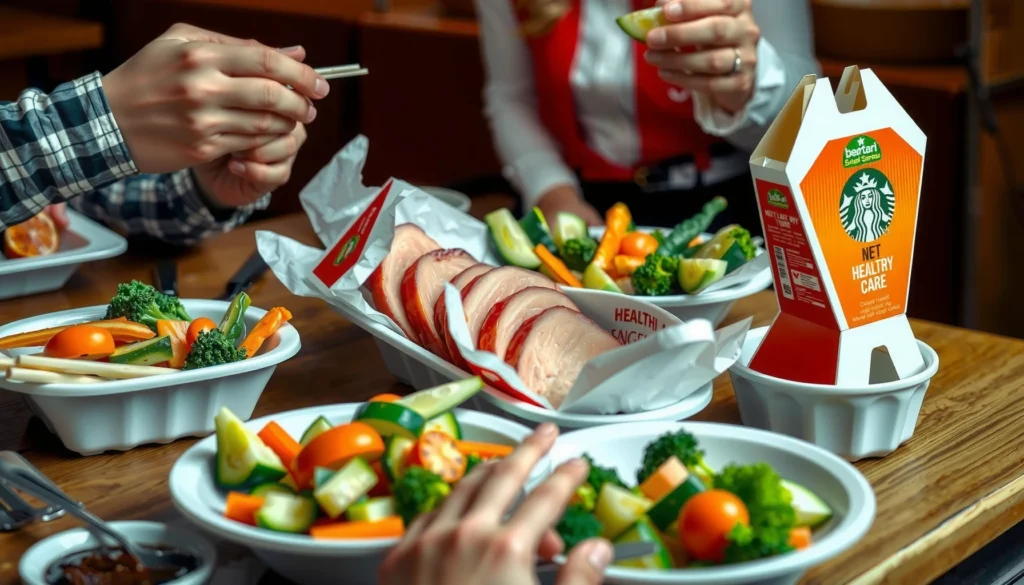

Navigating takeout as a diabetic might seem challenging, but it’s absolutely possible to enjoy delicious meals that support your blood sugar management. The key is to prioritize lean proteins, plenty of non-starchy vegetables, and healthy fats while being mindful of portion sizes and carbohydrate content. With a few smart strategies and informed choices, you can confidently order out without compromising your health goals.



Navigating Takeout with Diabetes: Key Principles
Successfully managing diabetes while enjoying takeout hinges on understanding a few core principles. First and foremost, focus on building balanced meals that feature a strong foundation of lean protein, an abundance of non-starchy vegetables, and healthy fats. This trio works synergistically to promote satiety, stabilize blood sugar levels, and deliver essential nutrients. Protein helps slow down glucose absorption, vegetables provide critical fiber and micronutrients without significant carbohydrate load, and healthy fats contribute to fullness and overall heart health. Secondly, prioritize cooking methods that are gentle on ingredients and avoid excessive added fats or sugars. Opt for dishes that are grilled, baked, steamed, or roasted, as these methods typically involve less oil and preserve the natural integrity of the food. Conversely, steer clear of deep-fried items, which are laden with unhealthy fats and calories. Finally, exercise vigilance regarding hidden sugars and excessive sodium, which are common culprits in many restaurant dishes, especially in sauces, marinades, and processed components. High sugar content can rapidly elevate blood glucose, while excessive sodium contributes to high blood pressure, a common comorbidity for individuals with diabetes. By adhering to these principles, you lay the groundwork for making informed and healthier takeout choices.
Smart Choices from Popular Cuisines
Understanding how to apply these principles to specific cuisines can make ordering out much easier.
* Asian: When opting for Asian cuisine, choose steamed fish or chicken dishes, ideally with extra steamed or stir-fried non-starchy vegetables like broccoli, bok choy, or bell peppers. If you desire rice, request brown rice in moderation, as its fiber content offers a slightly slower glucose release compared to white rice. Broth-based soups like pho (with lean protein and plenty of sprouts, skipping extra noodles) or miso soup can also be good starters. Focus on dishes with light, savory sauces rather than thick, sweet glazes. Avoid: Sweet and sour sauces, General Tso’s or orange chicken, tempura, fried rice, egg rolls, and large portions of white rice. These items are typically high in sugar, unhealthy fats, and refined carbohydrates, leading to rapid blood sugar spikes.
* Mexican: Mexican cuisine offers many opportunities for healthy choices. Chicken or fish fajitas are an excellent option; ask for extra grilled vegetables and skip the tortillas altogether, or use one whole-wheat tortilla if available and within your carb budget. Large salads with grilled protein, black beans, salsa, and avocado (with dressing on the side) are also great. A bunless burrito bowl, customized with lean protein, extra lettuce, pico de gallo, guacamole, and a small portion of beans, can be a satisfying and balanced meal. Avoid: Large servings of tortilla chips and queso, sugary margaritas and sodas, refried beans (often made with lard), and excessive cheese or sour cream. Limit flour tortillas and stick to single corn tortillas if choosing tacos.
* Mediterranean: Mediterranean dishes are inherently rich in healthy fats, lean proteins, and vegetables, making them a fantastic choice for diabetics. Select grilled kebabs made with chicken, lamb, or vegetable skewers. Lentil soup, a hearty and fiber-rich option, can be a good starter or light meal. Large Greek or shepherd salads with grilled chicken or fish, plenty of fresh vegetables, and an olive oil and vinegar dressing are also ideal. Hummus and baba ghanoush are healthy choices but should be enjoyed in moderation due to their calorie density from tahini and olive oil. Look for whole-grain options like tabbouleh, but again, be mindful of portion sizes. Avoid: Large portions of pita bread, fried falafel, and creamy sauces that can be high in fat and calories.
Ingredients to Embrace and Avoid
Making informed ingredient choices is fundamental to diabetic-friendly takeout. Knowing what to seek out and what to limit can significantly impact your blood sugar control and overall health.
* Embrace:
* Lean Proteins: These are crucial for satiety and muscle maintenance, with minimal impact on blood glucose. Opt for chicken breast, turkey, fish (like salmon, cod, or tilapia), tofu, tempeh, and legumes suchles beans and lentils. They provide essential amino acids without excessive saturated fat.
* Fibrous Non-Starchy Vegetables: These are your best friends, providing volume, fiber, vitamins, and minerals with very few carbohydrates. Load up on broccoli, spinach, bell peppers, asparagus, zucchini, kale, mushrooms, green beans, and cauliflower. Fiber helps slow down sugar absorption and promotes digestive health.
* Healthy Fats: While calorie-dense, healthy fats are vital for satiety, hormone production, and heart health. Incorporate sources like avocado, olive oil, nuts, and seeds (in moderation). These fats can help stabilize blood sugar and keep you feeling full longer.
* Avoid:
* Deep-Fried Items: These are typically cooked in unhealthy oils, contributing to high levels of saturated and trans fats, excessive calories, and potential advanced glycation end products (AGEs), which are harmful compounds. Examples include fried chicken, french fries, spring rolls, and tempura.
* Sugary Sauces: Many popular takeout sauces are hidden sugar bombs that can cause rapid blood sugar spikes. Common culprits include teriyaki, sweet chili, BBQ sauce, honey mustard, and many fruit-based glazes. Always ask for sauces on the side or choose alternatives like soy sauce (low sodium), hot sauce, or a squeeze of lemon.
* Large Portions of Refined Grains: White rice, white pasta, white bread, and other refined grain products lack fiber, leading to quick digestion and sharp increases in blood glucose. If choosing grains, opt for smaller portions of whole grains like brown rice or quinoa.
* Creamy or Cheesy Dishes: While tempting, these dishes often contain high amounts of saturated fat, calories, and sometimes hidden carbohydrates and sodium. Examples include rich pasta dishes, heavy cream sauces, and excessive cheese toppings.
Essential Ordering Strategies
Successful diabetic takeout isn’t just about what you order, but how you order it. Strategic communication with your server or restaurant staff can make all the difference.
Firstly, always ask for sauces, dressings, and dips on the side. This simple modification gives you complete control over how much you consume, allowing you to moderate intake of hidden sugars, unhealthy fats, and excessive sodium. For instance, instead of a salad drenched in creamy dressing, you can lightly dip your fork into a vinaigrette. Secondly, don’t hesitate to request extra steamed or grilled vegetables as a substitute for carb-heavy sides. Many restaurants are happy to swap out fries, white rice, or pasta for a larger portion of broccoli, spinach, or mixed grilled vegetables, providing valuable fiber and nutrients. This not only boosts the nutritional profile of your meal but also helps you feel fuller without extra carbohydrates. Thirdly, be confident in asking for modifications to dishes. If a menu item sounds appealing but is deep-fried, inquire if it can be grilled, baked, or broiled instead. You can also request ingredient substitutions, such as opting for grilled chicken instead of breaded, or asking for less oil in a stir-fry. Finally, for chain restaurants or establishments with an online presence, always check their website for nutritional information. Many provide detailed breakdowns of calories, carbohydrates, fats, and sodium content, which can be invaluable for making informed choices that align with your dietary management plan. This proactive approach empowers you to customize your meal to fit your health needs.
Mastering Portion Control and Carb Awareness
Even with the healthiest choices, portion control and a keen awareness of carbohydrate content are paramount for effective blood sugar management when dining out. Restaurant portions are notoriously generous, often exceeding a single serving size, making mindful consumption essential.
A helpful visual strategy is to mentally divide your plate: aim for half your plate to be filled with non-starchy vegetables, a quarter with lean protein, and the remaining quarter with healthy carbohydrates. This simple guide helps ensure a balanced macronutrient profile that supports stable blood sugar. For example, if you order a dish with grilled chicken and rice, ask for extra vegetables, ensuring they take up the largest portion of your plate, while limiting the rice to a quarter. Furthermore, given the large portion sizes, consider splitting an entrée with a dining companion, or immediately box up half of your meal to save for another time. This prevents overeating and allows you to enjoy a moderate, controlled portion. Don’t feel compelled to finish everything on your plate. Lastly, extend this mindfulness to beverages. Many restaurant drinks are loaded with hidden sugars and empty calories that can rapidly spike blood glucose levels. Always stick to water, unsweetened tea, or diet soda as your primary drink choices, avoiding regular sodas, sweetened juices, and sugary alcoholic concoctions. By actively managing portions and monitoring carbohydrate intake, you maintain control over your blood sugar levels and stay on track with your health goals.
Hydration and Drinks: What to Sip On
The beverages you choose alongside your takeout meal are just as important as the food itself in managing diabetes. Proper hydration is critical for overall health and plays a significant role in blood sugar regulation.
* Water is always the best choice and should be your primary beverage with any meal. It helps your body metabolize glucose, aids in kidney function, and keeps you hydrated without adding any calories or carbohydrates. Make it a habit to order water first and refill frequently throughout your meal.
* Unsweetened iced tea or coffee are good alternatives if you desire something with flavor or caffeine. Just be vigilant about what you add to them. Always remember to skip added sugars, honey, or artificial creamers, which can undermine your efforts to manage blood sugar. Opt for lemon slices or a splash of unsweetened almond milk if you prefer.
* Avoid regular sodas, sweetened juices, fruit punches, and sugary alcoholic drinks. These beverages are concentrated sources of rapidly absorbed sugars that can cause significant and immediate blood sugar spikes. Even “healthy” sounding options like fruit juice contain high levels of natural sugars that can be problematic for diabetics. Furthermore, alcoholic mixed drinks often contain sugary mixers that compound the problem. When consuming alcohol, choose options like dry wine or light beer in moderation, and always discuss alcohol consumption with your healthcare provider. Making conscious drink choices reinforces your commitment to blood sugar management and supports overall well-being.
Enjoying takeout doesn’t mean sacrificing your health goals as a diabetic. By making informed decisions, communicating clearly with your restaurant, and being mindful of portions, you can savor a variety of cuisines without derailing your blood sugar management. Prioritize grilled or steamed dishes, load up on non-starchy vegetables, choose lean proteins, and always opt for water to make every takeout experience a healthy and enjoyable one. With these strategies in your toolkit, you can confidently navigate the world of dining out while maintaining excellent control over your diabetes.
Frequently Asked Questions
What are the best types of take-out food for people with diabetes?
When choosing diabetic-friendly take-out, prioritize cuisines that offer lean proteins, plenty of non-starchy vegetables, and options for whole grains or lower-carb sides. Excellent choices often include grilled chicken or fish dishes, salads with dressing on the side, vegetable-heavy stir-fries (with light sauce), and baked seafood plates. These options help manage blood sugar levels by providing balanced nutrition without excessive sugars or unhealthy fats commonly found in other take-out meals.
How can diabetics make healthier choices when ordering fast food or takeout?
To make healthier fast food and take-out choices, always opt for grilled, baked, or broiled items instead of fried ones. Request sauces and dressings on the side to control sugar and fat content, and choose water or unsweetened tea over sugary sodas. Look for opportunities to add extra non-starchy vegetables, like a side salad without croutons, and don’t hesitate to customize your order to remove high-carb components like buns or excessive rice.
Which specific dishes should diabetics look for or avoid in common take-out cuisines like Chinese or Mexican?
For Chinese take-out, look for steamed chicken or shrimp with mixed vegetables, clear broth soups, or lean protein stir-fries with sauce on the side and brown rice in moderation. Avoid deep-fried items like egg rolls, sweet and sour dishes, General Tso’s chicken, and excessive white rice or noodles. In Mexican cuisine, choose grilled chicken or fish fajitas (using lettuce wraps or fewer tortillas), chicken tortilla soup, or salads with plenty of salsa and avocado; steer clear of large portions of refried beans, excessive rice, fried tacos, and sugary margaritas.
Why is it important for diabetics to be mindful of portion sizes with takeout, and how can they manage it?
Takeout portions are notoriously oversized, often containing multiple servings of carbohydrates, fats, and calories, which can significantly spike blood sugar levels in people with diabetes. To manage this, consider sharing a meal, immediately portioning half of your order into a container for a later meal, or using a smaller plate at home to help visualize appropriate serving sizes. Focusing on eating protein and non-starchy vegetables first can also help manage your intake and satiety.
Are there any “secret healthy swaps” or modifications diabetics can request for their take-out orders?
Absolutely! Many restaurants are accommodating to special requests. Ask for extra steamed or grilled vegetables instead of fries, rice, or pasta. Request sauces, dressings, or gravies on the side, or ask for lighter alternatives like lemon wedges, vinegar, or hot sauce. You can also opt for bun-less burgers, lettuce wraps instead of bread or tortillas, and substitute sugary fruit juices in drinks for sparkling water with a fresh fruit slice to significantly reduce carb and sugar intake.
References
- https://diabetes.org/food-nutrition/eating-out
- https://diabetes.org/food-nutrition/recipes/fast-food
- https://www.niddk.nih.gov/health-information/diabetes/overview/diet-eating-physical-activity/meal-planning#eatingout
- Diabetes diet: Create your healthy-eating plan – Mayo Clinic
- https://www.ucsfhealth.org/education/healthy-eating-with-diabetes
- https://www.uky.edu/nutrition/diabeteseatingout
- https://www.rush.edu/news/eating-out-diabetes
- https://www.scripps.org/articles/eating-out-with-diabetes-tips