
Navigating the world of sweeteners when you have diabetes can be challenging, but the good news is that several excellent options exist that won’t spike your blood sugar. The best sweeteners for diabetes generally include natural zero-calorie options like Stevia and Monk Fruit, as well as sugar alcohols such as Erythritol, due to their minimal impact on glucose levels. This guide will help you understand these choices and others, empowering you to make informed decisions for your dietary needs.



Understanding Sweeteners and Diabetes Management
Why Sweetener Choice Matters
For individuals managing diabetes, the choice of sweetener is not merely a matter of taste; it is a critical component of blood glucose management and overall health. Traditional sugars, such as sucrose, glucose, and high-fructose corn syrup, are rapidly absorbed into the bloodstream, leading to sharp increases in blood glucose levels. This necessitates an immediate release of insulin, and over time, frequent spikes can contribute to insulin resistance, making diabetes harder to manage and increasing the risk of long-term complications like cardiovascular disease, neuropathy, and kidney damage. Opting for sweeteners that do not significantly impact blood sugar helps maintain stable glucose levels, reduces the burden on the pancreas, and supports better energy levels and metabolic health.
Key Considerations for Diabetics
When evaluating sweeteners, diabetics should primarily consider three factors:
* Glycemic Index (GI): The GI is a measure of how quickly a carbohydrate-containing food raises blood glucose levels. Sweeteners with a low or zero GI are preferred as they cause minimal to no blood sugar elevation.
* Calorie Content: While the primary concern is blood sugar, calorie content is also important for weight management. Many individuals with Type 2 diabetes benefit from weight loss, and high-calorie sweeteners, even “natural” ones, can hinder these efforts. Zero-calorie or very low-calorie options are often advantageous.
* Potential Impact on Blood Glucose: This is the overarching consideration. Sweeteners should ideally be metabolized in a way that does not require insulin or significantly contribute to post-prandial glucose excursions.
Decoding Sweetener Types
Sweeteners can broadly be categorized into two main types based on their caloric content and metabolic impact:
* Nutritive Sweeteners: These provide calories and can affect blood glucose levels. This category includes traditional sugars (sucrose, fructose, glucose), honey, maple syrup, and some sugar alcohols (though their impact is generally less than traditional sugars). While some nutritive sweeteners have a lower GI than table sugar, they still contribute to carbohydrate intake and must be factored into a diabetic’s meal plan.
* Non-Nutritive Sweeteners (NNS): Also known as high-intensity sweeteners or artificial sweeteners, these provide very few or no calories and typically do not raise blood glucose levels. They are intensely sweet, meaning only small amounts are needed. This category includes natural options like Stevia and Monk Fruit, as well as artificial ones like Aspartame and Sucralose.
Natural Zero-Calorie Sweeteners
Stevia (Steviol Glycosides)
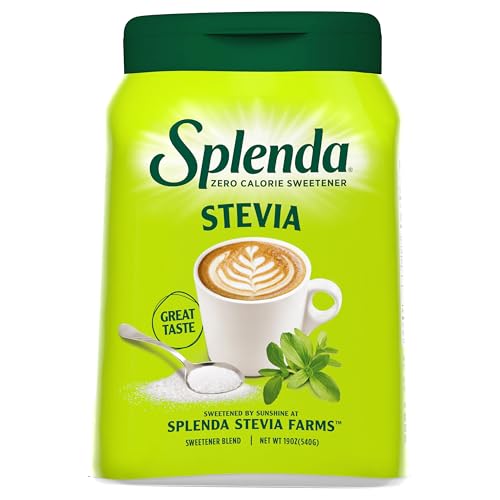
Stevia is a natural, zero-calorie sweetener derived from the leaves of the Stevia rebaudiana plant, native to South America. The sweet compounds, known as steviol glycosides (e.g., rebaudioside A, stevioside), are extracted and purified.
* Benefits: Stevia is celebrated for being natural, having zero calories, and exhibiting no impact on blood glucose levels, making it highly suitable for individuals with diabetes. It is also heat-stable, allowing its use in cooking and baking, and is significantly sweeter than sugar (200-400 times), so only small quantities are needed.
* Common Uses: Widely used in beverages (diet sodas, flavored water, tea, coffee), yogurts, cereals, desserts, and various processed foods marketed as “sugar-free” or “reduced sugar.”
Monk Fruit (Mogrosides)
Monk Fruit, or Siraitia grosvenorii, is a small, green melon native to Southeast Asia, where it has been used for centuries. The sweetness comes from compounds called mogrosides.
* Benefits: Similar to Stevia, Monk Fruit extract is a natural, zero-calorie sweetener with no discernible impact on blood glucose. It is also incredibly potent (150-250 times sweeter than sugar) and heat-stable. Its popularity has grown due to its clean taste profile, with some users finding it has less of an aftertaste compared to certain Stevia formulations.
* Increasing Popularity: Monk Fruit is increasingly found in a wide array of products, from drinks and snacks to protein powders and cooking ingredients, positioning itself as a premium natural sugar alternative.
Things to Note
Both Stevia and Monk Fruit are highly concentrated, which means precise measurement is crucial to avoid over-sweetening. While generally well-tolerated, some individuals report a slight licorice-like or metallic aftertaste, particularly with certain Stevia formulations or at higher concentrations. To mitigate this, many commercial products blend Stevia or Monk Fruit with other ingredients, or use specific steviol glycosides (like Reb M) that are closer in taste to sugar. When purchasing, always check the ingredient list, as some brands may mix these natural sweeteners with bulking agents like dextrose or maltodextrin, which can contribute calories and impact blood sugar. Opt for pure extracts or formulations that explicitly state they are sugar-alcohol-based blends.
Sugar Alcohols: A Closer Look
Sugar alcohols, also known as polyols, are a type of carbohydrate that have a chemical structure similar to both sugar and alcohol (though they do not contain ethanol). They are partially absorbed and metabolized, meaning they provide fewer calories and generally have a lower impact on blood glucose than regular sugar.
Erythritol
Erythritol stands out among sugar alcohols as an exceptional choice for diabetics.
* Near-Zero Calories: It contains virtually no calories (approximately 0.2 calories per gram, compared to sugar’s 4 calories per gram).
* Low Glycemic Impact: Erythritol has a glycemic index of zero, meaning it does not raise blood sugar levels. This is because about 90% of ingested erythritol is absorbed in the small intestine and excreted unchanged in the urine, without being metabolized for energy.
* Good Digestive Tolerance: Unlike many other sugar alcohols, erythritol is generally well-tolerated digestively, even in larger amounts, due to its efficient absorption before it reaches the large intestine, where fermentation can cause gas and bloating. This makes it a preferred option for many. It is about 70% as sweet as sugar.
Xylitol & Sorbitol
While also sugar alcohols, Xylitol and Sorbitol have distinct characteristics compared to Erythritol:
* Lower Glycemic Impact than Sugar: Both have a lower glycemic index than table sugar (Xylitol GI 7-13, Sorbitol GI 9), causing a slower and smaller rise in blood sugar. They provide about 2.4-2.6 calories per gram.
* Higher Calorie Content: Their caloric contribution is more significant than erythritol, which needs to be considered for weight management.
* Potential Digestive Side Effects: A notable caution with Xylitol and Sorbitol is their potential to cause digestive discomfort, such as gas, bloating, and diarrhea, especially when consumed in larger quantities. This is because they are less completely absorbed in the small intestine, leading to fermentation by bacteria in the large intestine.
* Xylitol’s Dental Benefits: Xylitol is particularly recognized for its dental health benefits, as it inhibits the growth of bacteria that cause tooth decay, making it a common ingredient in sugar-free gum and toothpaste.
Practical Use
Sugar alcohols are valuable in baking and cooking because they provide bulk and texture that high-intensity, zero-calorie sweeteners cannot on their own. Erythritol is excellent for creating sugar-free baked goods, frostings, and beverages. Its only common drawback in baking is that it can recrystallize, leading to a slightly grainy texture in some applications if not finely ground. Xylitol can be a good substitute for sugar in recipes due to its similar sweetness and bulk, but its higher calorie count and potential digestive issues necessitate careful portioning. Sorbitol is often used as a humectant (to retain moisture) and a sweetener in sugar-free candies, gums, and dietetic products. When using any sugar alcohol, it’s essential to understand its sweetness level relative to sugar and to adjust recipes accordingly.
Artificial (Non-Nutritive) Sweeteners
Artificial sweeteners, or non-nutritive sweeteners (NNS), are synthetic sugar substitutes that provide intense sweetness with minimal to no calories and no impact on blood sugar. They have been extensively studied and approved by regulatory bodies worldwide.
Aspartame, Sucralose, Saccharin
* Aspartame: Composed of two amino acids (aspartic acid and phenylalanine), aspartame is about 200 times sweeter than sugar. It is commonly found in diet sodas, sugar-free yogurts, and chewing gum. It is not heat-stable for prolonged baking.
* Sucralose: Derived from sugar by modifying its chemical structure, sucralose is approximately 600 times sweeter than sugar. It is widely used because it is heat-stable and has a taste profile very similar to sugar, making it popular in diet beverages, baked goods, and various processed foods (often under the brand name Splenda).
* Saccharin: The oldest artificial sweetener, saccharin is 200-700 times sweeter than sugar. It is used in diet drinks, baked goods, and tabletop sweeteners, though its use has somewhat declined due to a historical (and later disproven) link to bladder cancer in rats. It can have a bitter aftertaste for some individuals.
These FDA-approved sweeteners do not raise blood sugar levels because they are either not metabolized by the body or are metabolized very slowly and incompletely, thus providing negligible calories and no glucose response. They are ubiquitous in “diet” and “sugar-free” products across the food industry.
Safety and Moderation
The safety of artificial sweeteners has been a subject of extensive public debate and scientific scrutiny. Numerous regulatory agencies, including the U.S. Food and Drug Administration (FDA) and the European Food Safety Authority (EFSA), have reviewed thousands of studies and consistently affirmed their safety for human consumption within established Acceptable Daily Intake (ADI) levels. The ADI represents the amount of a substance that can be consumed daily over a lifetime without posing an appreciable health risk.
While current research supports their safety when consumed in moderation and within ADI limits, concerns regarding their long-term effects on gut microbiota, appetite regulation, and potential links to certain health conditions continue to be explored. For diabetics, the immediate benefit of blood sugar control is significant. The key takeaway is to consume them mindfully and in moderation, viewing them as tools for reducing sugar intake rather than an invitation to over-consume sweet foods.
Personal Preference
Taste perception of artificial sweeteners can vary considerably among individuals. Some people find certain artificial sweeteners to have an unpleasant metallic or chemical aftertaste, while others perceive them as perfectly palatable. This subjective experience often dictates personal choice. For individuals who are sensitive to specific aftertastes or who simply prefer more “natural” ingredients, limiting artificial options might be a personal preference, even if their safety is affirmed by scientific bodies. Experimentation with different types can help individuals find what works best for their palate.
Sweeteners to Use with Caution or Avoid
When managing diabetes, it’s just as crucial to know which sweeteners to limit or eliminate from your diet as it is to know which ones are beneficial. The goal is to avoid ingredients that can directly or indirectly compromise blood sugar control and overall health.
High-Fructose Corn Syrup & Regular Sugar
These are the most detrimental sweeteners for individuals with diabetes and should be avoided entirely whenever possible.
* Direct and Significant Negative Impact: Both regular table sugar (sucrose) and high-fructose corn syrup (HFCS) are rapidly broken down into glucose and fructose, causing immediate and substantial spikes in blood sugar. This places a significant strain on the pancreas, contributes to insulin resistance, and makes it exceedingly difficult to maintain stable glucose levels.
* Overall Health Risks: Beyond immediate blood sugar effects, high consumption of these sugars is strongly linked to weight gain, increased triglycerides, fatty liver disease, and heightened risk of cardiovascular disease—all common comorbidities or complications for diabetics. They provide “empty calories” with no nutritional benefit.
Honey, Agave Nectar, Maple Syrup
Often marketed as “natural” or “healthier” alternatives, these sweeteners, while indeed natural, are still fundamentally high in sugar and calories and must be approached with extreme caution by diabetics.
* Still High in Sugar and Calories:
* Honey: Primarily composed of fructose and glucose. While it has a slightly lower GI than table sugar and contains some antioxidants, it still significantly impacts blood sugar and provides calories.
* Agave Nectar: Extremely high in fructose (often 70-90%), which can lead to rapid blood sugar spikes and has been linked to increased liver fat and insulin resistance when consumed in excess. Its low GI is often misleading as it refers to glucose, not fructose’s metabolic effects.
* Maple Syrup: Primarily sucrose, with some glucose and fructose. Similar to honey, it has a slightly lower GI than table sugar and contains some minerals and antioxidants, but it remains a concentrated source of sugar and calories.
* Minimal Use, If Any: For diabetics, these should be consumed minimally, if at all, and only under very careful portion control and within a healthcare provider’s guidance. They offer no significant advantage over regular sugar in terms of blood glucose management.
Reading Labels
The prevalence of added sugars in processed foods makes vigilant label reading an indispensable skill for diabetics. Sweeteners to avoid or limit often hide under various names:
* Sucrose, Glucose, Fructose, Maltose, Dextrose: These are direct sugar forms.
* Corn syrup, High-fructose corn syrup, Corn syrup solids: Indicative of processed sugar.
* Cane sugar, Brown sugar, Raw sugar, Evaporated cane juice: Simply different forms of sugar.
* Honey, Agave nectar, Maple syrup, Date sugar, Fruit juice concentrate: Natural but still high-sugar options.
Always check the “Total Carbohydrates” and “Added Sugars” lines on the nutrition facts panel, and scan the ingredient list for any of these terms. Choosing products explicitly labeled “sugar-free” or “no added sugar” can simplify this process, but a quick check of the ingredient list for hidden sugars or less desirable sweeteners is always prudent.
Making the Best Choice for You
Navigating the array of sweetener options can be complex, and what works best for one individual may not be ideal for another. Personalization, informed decisions, and professional guidance are paramount.
Consult Your Healthcare Provider
The most critical step in determining the best sweetener strategy is to consult with your doctor or a registered dietitian (RD). These professionals can provide personalized recommendations based on your specific medical history, type of diabetes, current medications, dietary preferences, and overall health goals. They can help you understand how different sweeteners might interact with your specific condition, adjust your meal plan, and monitor your blood glucose response to various foods and sweeteners. Their expert guidance ensures your dietary choices align with your comprehensive diabetes management plan.
Read Food Labels Carefully
Developing a habit of meticulously reading food labels is an empowering tool for managing diabetes.
* Identify Sweeteners: Look beyond general terms like “sugar-free” or “diet.” Scrutinize the ingredient list to identify the specific type of sweetener used (e.g., Stevia, Erythritol, Sucralose, Aspartame).
* Check Nutritional Content: Pay close attention to the “Total Carbohydrates” and “Added Sugars” sections on the nutrition facts panel. Even if a product uses a zero-calorie sweetener, it might still contain other carbohydrates that impact blood sugar. For sugar alcohols, remember that they contribute to total carbohydrates, but their glycemic impact is generally lower than traditional sugars; some subtract half of sugar alcohol grams from total carbs for “net carb” calculations, but this approach should be discussed with your dietitian.
* Beware of Hidden Ingredients: As mentioned previously, some products blend “good” sweeteners with undesirable ones or use bulking agents that contain sugar. Diligent label reading empowers you to make truly informed choices.
Moderation is Key
Even the “best” sweeteners, those with zero calories and no blood sugar impact, should be consumed in moderation as part of a balanced diet. Relying heavily on sweeteners, even diabetic-friendly ones, can perpetuate a strong preference for very sweet tastes, potentially leading to overconsumption of sweet-tasting foods that might still be processed or lack essential nutrients. The ultimate goal should be to reduce overall sweetness preference and emphasize whole, unprocessed foods like vegetables, lean proteins, and healthy fats, which form the cornerstone of effective diabetes management. Sweeteners are tools to enjoy occasional treats without derailing blood sugar control, not a license to indulge excessively.
Making informed decisions about sweeteners is a powerful step in managing diabetes effectively. While natural zero-calorie options like Stevia and Monk Fruit, along with Erythritol, often stand out as top recommendations due to their negligible effect on blood glucose, the “best” choice ultimately depends on individual preferences, tolerance, and overall dietary goals. Always prioritize reading labels, practicing moderation, and discussing your sweetener choices with your doctor or a registered dietitian to ensure they align with your health plan.
Frequently Asked Questions
What are the best sugar substitutes for individuals with diabetes?
The best sugar substitutes for individuals with diabetes are generally zero-calorie or low-calorie options that do not impact blood sugar levels. Top choices include non-nutritive sweeteners like stevia, monk fruit extract, erythritol, aspartame, sucralose, and saccharin. These allow individuals to enjoy sweetness without the glycemic load of traditional sugar, making them excellent sweeteners for diabetes management.
How do artificial sweeteners affect blood sugar in people with diabetes?
Most artificial sweeteners, such as sucralose and aspartame, do not directly raise blood sugar levels because they are not metabolized as carbohydrates in the body. They pass through the digestive system largely unabsorbed, offering sweetness without a significant impact on glucose. However, ongoing research explores potential indirect effects on gut microbiome and insulin sensitivity in some individuals, so moderation is key when choosing these sugar substitutes for diabetes.
Are natural sweeteners like stevia and monk fruit extract safe for diabetics?
Yes, natural sweeteners such as stevia and monk fruit extract are considered very safe and beneficial for individuals with diabetes. Derived from plants, they provide intense sweetness without calories or carbohydrates, meaning they do not affect blood sugar levels. These are often preferred by those seeking more natural sweeteners for diabetes options that align with a healthy lifestyle.
Why should diabetics be cautious with sugar alcohols like erythritol and xylitol?
While sugar alcohols like erythritol and xylitol have fewer calories and a lower glycemic impact than sugar, diabetics should use them cautiously. They are not calorie-free and can slightly impact blood sugar in larger quantities, and excessive consumption can lead to digestive issues like gas, bloating, and diarrhea. Always check the “net carb” count and consume these sweeteners for diabetes in moderation, especially if you have a sensitive digestive system.
Which sweeteners should individuals with diabetes avoid to maintain healthy blood sugar levels?
Individuals with diabetes should primarily avoid traditional caloric sweeteners that significantly raise blood sugar levels. This includes regular table sugar (sucrose), high-fructose corn syrup, honey, agave nectar, and maple syrup. These options are high in carbohydrates and can quickly spike blood sugar, making them detrimental to effective diabetes management despite some being “natural.”
References
- https://www.diabetes.org/healthy-living/foods-nutrition/sugar-substitutes
- Healthy Living with Diabetes – NIDDK
- Page Not Found – Site Help – Mayo Clinic
- https://www.health.harvard.edu/diseases-and-conditions/are-sugar-substitutes-safe-for-people-with-diabetes
- https://www.ncbi.nlm.nih.gov/pmc/articles/PMC8143210/
- https://www.who.int/news-room/fact-sheets/detail/non-sugar-sweeteners