
For individuals managing diabetes, choosing the right footwear is not just about comfort—it’s a critical component of foot health and overall well-being. The best shoes for diabetics are those specifically designed to provide superior protection, support, cushioning, and a proper fit, minimizing the risk of serious complications like ulcers, infections, and nerve damage that can arise from neuropathy and poor circulation. This guide will walk you through what to look for, recommended features, and how to ensure your feet stay healthy and protected, ultimately empowering individuals to make informed decisions about their foot care.




Why Specialized Footwear is Crucial for Diabetics
Living with diabetes introduces unique challenges, particularly concerning foot health. The feet are highly susceptible to complications stemming from the disease, making specialized footwear an indispensable tool for preventative care and managing existing conditions.
* Preventing Neuropathy-Related Injuries: Diabetes often leads to diabetic neuropathy, a condition where high blood sugar damages nerve fibers, particularly in the feet. This reduced sensation means that individuals may not feel pressure points, blisters, cuts, or even more significant injuries. A seemingly minor abrasion, unnoticed due to neuropathy, can quickly escalate into a severe wound or ulcer, which, if left untreated, can lead to infection and, in dire cases, amputation. Specialized diabetic shoes are engineered with seamless interiors and non-constricting designs to eliminate potential friction points, offering a protective barrier against unnoticed external hazards.
* Supporting Circulation and Reducing Pressure: Poor circulation is another common diabetic complication, making it harder for the body to heal and deliver essential nutrients and oxygen to the feet. Conventional footwear can exacerbate this by creating localized pressure points that further restrict blood flow. Diabetic shoes are designed with a wider and deeper construction to distribute pressure evenly across the foot, reducing stress on vulnerable areas. This uniform pressure distribution helps maintain optimal blood flow, supports tissue integrity, and reduces the risk of skin breakdown and the formation of ulcers, which are notoriously difficult to heal with compromised circulation.
* Accommodating Foot Deformities: Over time, diabetes can contribute to various foot deformities, such as bunions, hammertoes, claw toes, and the more severe Charcot foot. These conditions alter the foot’s natural shape, making standard shoes uncomfortable and potentially damaging. Specialized diabetic footwear is built with extra depth and width to comfortably accommodate these anatomical changes without causing irritation, rubbing, or compression. This design consideration is vital for preventing friction that could lead to sores and allows for the insertion of custom orthotics or braces, further enhancing comfort and corrective support.
Essential Features of Diabetic Shoes
The design of diabetic shoes is a meticulous process, focusing on integrating specific features that collectively offer unparalleled protection and comfort. These features are not merely enhancements but necessities for safeguarding diabetic foot health.
* Wide Toe Box and Deep Interior: This is perhaps one of the most critical features. A spacious toe box ensures that the toes have ample room to spread naturally without compression, preventing rubbing that can lead to corns, calluses, or blisters. The deep interior accommodates foot swelling, deformities like hammertoes or bunions, and custom orthotic inserts without compromising comfort or fit. This design helps maintain natural foot mechanics and prevents the restrictive pressure that can impede circulation and cause pain.
* Seamless Interior Lining: Traditional shoes often have internal seams that, while imperceptible to those with normal sensation, can cause significant irritation and create pressure points for individuals with neuropathy. Diabetic shoes feature a smooth, seamless lining, typically made from soft, non-abrasive materials, to eliminate these potential friction zones. This greatly reduces the risk of skin breakdown, blisters, and calluses, offering a velvety-soft environment for sensitive feet.
* Supportive, Cushioned Insoles: High-quality insoles are fundamental to diabetic footwear. They provide superior shock absorption, minimizing the impact on the feet during walking and standing. These insoles often feature multi-layered cushioning and are typically removable, allowing for the insertion of custom-molded orthotics. Custom orthotics are particularly beneficial as they can be precisely designed to distribute pressure, provide specific arch support, and accommodate unique foot contours, offering a personalized level of comfort and protection that generic insoles cannot match.
* Adjustable Closures: Shoes with adjustable closures, such as Velcro straps, laces, or buckles, are paramount for achieving a secure and customizable fit. This adjustability is vital because diabetic feet can experience daily fluctuations in size due to swelling. Laces offer the most precise adjustability, allowing for micro-adjustments throughout the day. Velcro straps provide ease of use, particularly for individuals with limited dexterity, ensuring the shoe remains snug without being constrictive, thus accommodating changes and providing consistent support.
* Rigid Shank and Rocker Sole: While not always listed, many high-quality diabetic shoes incorporate a rigid shank to provide mid-foot stability and reduce torsional stress. A rocker-bottom sole can also be beneficial, promoting a natural walking gait, reducing pressure on the ball of the foot and toes, and decreasing the energy expenditure of walking, especially for individuals with limited ankle mobility or forefoot conditions.
Types of Diabetic Footwear
The diverse needs of individuals with diabetes have led to the development of various footwear types, each catering to specific activities and levels of foot protection.
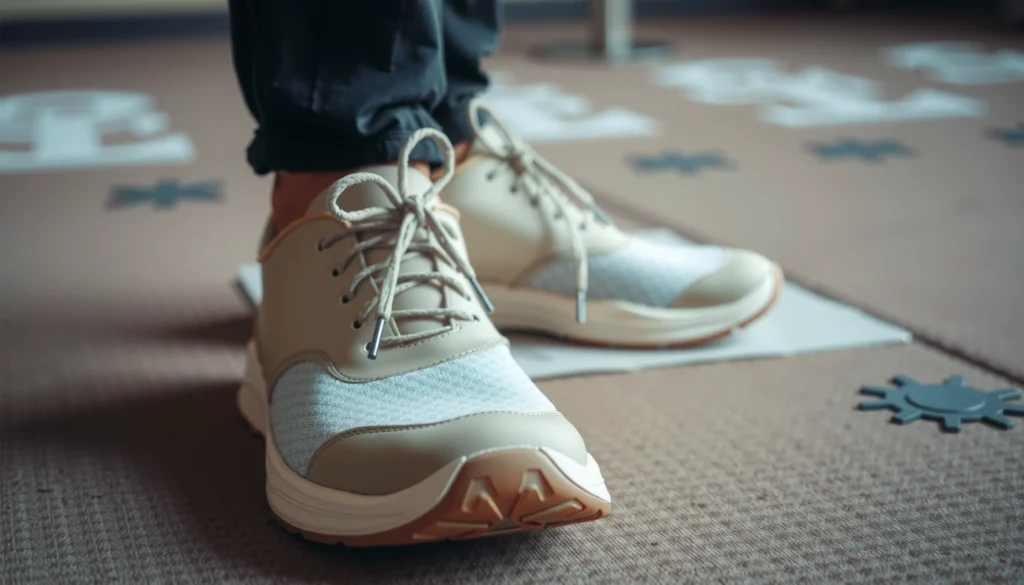
* Everyday Walking & Athletic Shoes: These are the most commonly worn types, designed for daily activities, exercise, and general mobility. They prioritize cushioning, breathability, and durability. Features often include lightweight materials, ample shock absorption through advanced sole technologies, and wider designs to accommodate foot spread during activity. Many brands offer diabetic-friendly athletic shoes that look similar to conventional sports shoes but integrate the essential protective features like seamless linings and supportive insoles, making them suitable for active individuals who need specialized care.
* Diabetic Dress Shoes: For professional settings or formal occasions, diabetic dress shoes offer a crucial blend of style and protection. These shoes are meticulously designed to provide the aesthetic of conventional dress shoes—available in various leathers and finishes—while incorporating the non-negotiable comfort and protective features of diabetic footwear. This includes wide toe boxes, deep interiors, seamless linings, and supportive footbeds, ensuring that individuals can maintain their professional appearance without compromising their foot health.
* Therapeutic Shoes: Also known as “extra-depth” shoes, therapeutic shoes are typically prescribed by a podiatrist for individuals with more advanced foot conditions, severe deformities, or a history of foot ulcers. These shoes offer significantly enhanced depth and width, specifically designed to accommodate custom-molded orthotics, braces, or bulky dressings. Therapeutic shoes provide maximum support, protection, and offloading of pressure from vulnerable areas, playing a critical role in preventing recurrent ulceration and managing complex foot pathologies. They often come with removable spacers or inserts to customize the fit further.
Top Recommended Brands and Popular Styles
Choosing from the myriad of options available can be daunting. Several reputable brands have established themselves as leaders in diabetic footwear, consistently delivering products that meet stringent health standards and user needs.
* Dr. Comfort & Orthofeet: These brands are industry pioneers and consistently receive high recommendations from podiatrists. Dr. Comfort offers an extensive range of styles, from casual walking shoes and athletic sneakers to elegant dress shoes and slippers, all featuring extra depth, seamless interiors, and their proprietary gel insoles for superior cushioning. Their commitment to quality and variety ensures a suitable option for almost any occasion. Orthofeet is renowned for its innovative biomechanical design, offering shoes with anatomical arch support, gel-padded soles, and an advanced Ortho-Cushion™ system that provides superior comfort and protection. Many of their styles also feature non-binding uppers and seamless fabrics, catering to those with sensitive feet or bunions.
* Apex & New Balance (Diabetic Lines): These brands provide excellent options, especially for athletic and casual wear. Apex Foot Health Industries focuses on high-performance, medical-grade footwear. Their shoes are known for their multiple removable insoles for customizable depth, wide toe boxes, and advanced sole technologies that offer stability and shock absorption. They often cater to individuals with more significant foot conditions. New Balance offers specific lines of shoes that meet diabetic footwear standards, emphasizing supportive cushioning, slip-resistant outsoles, and a wide array of width options. Their diabetic-friendly sneakers are popular for daily walking and light exercise, providing a balance of style, comfort, and protection.
* Key Styles: When evaluating specific styles, look for characteristics that promote long-term foot health. Slip-resistant outsoles are crucial for preventing falls, which can be particularly dangerous for individuals with diabetes due to potential nerve damage and slower healing. Breathable uppers made from soft leather, advanced synthetic meshes, or knit fabrics help regulate foot temperature and prevent moisture build-up, reducing the risk of fungal infections and skin irritation. Prioritize designs that promote a natural gait and provide consistent stability, often indicated by a broad sole base and a well-structured heel counter. Consider styles with minimal seams on the upper, especially in the forefoot area, to avoid pressure points.
Tips for Proper Shoe Fitting
A perfectly designed diabetic shoe is only effective if it fits correctly. Improperly fitted shoes, even specialized ones, can cause more harm than good. Following these fitting guidelines is paramount for maximizing the protective benefits of your footwear.
* Measure Your Feet Regularly: Foot size is not static; it can change due to aging, weight fluctuations, and swelling, which is common in diabetic individuals. Therefore, it is crucial to have your feet professionally measured each time you purchase new shoes, not just relying on your last known size. Ideally, measure your feet later in the day when they are naturally slightly larger due to gravity and daily activity. This ensures you account for any typical swelling.
* Always Try on Both Shoes: It’s common for one foot to be slightly larger than the other. Always try on both shoes and ensure they both feel comfortable and provide adequate space, particularly on the larger foot. Walk around in the shoes for a few minutes to assess comfort, fit, and any potential rubbing or pressure points. Never assume a shoe fits based on one foot alone.
* Ensure Proper Length and Width: There should be approximately a thumb’s width (about 1/2 inch) of space between your longest toe and the end of the shoe. This allows for natural foot movement and prevents toe compression. The ball of your foot should comfortably rest at the widest part of the shoe. The shoe should not pinch, bind, or rub on the sides of your foot or across the top. Pay close attention to the heel; it should fit snugly without slipping excessively, but also without causing any friction.
* Wear Appropriate Socks: When trying on shoes, always wear the type of socks you’ll typically wear with that footwear. For diabetics, this usually means moisture-wicking, seamless diabetic socks, which are designed to reduce friction and prevent moisture build-up. The thickness of your socks can significantly impact the fit, so trying shoes with your everyday socks ensures the most accurate assessment of comfort and space.
* Trust Your Feet, Not Just the Size: Shoe sizes can vary between brands. The number on the box is a guide, but your comfort and the actual feel of the shoe are the most important indicators of a good fit. Never buy shoes that feel tight with the hope they will “stretch out.” Diabetic shoes must be comfortable from the very first wear.
Caring for Your Diabetic Feet and Shoes
Even the best diabetic shoes require complementary care strategies for both your feet and the footwear itself. A holistic approach to foot care is essential for preventing complications and promoting overall well-being.
* Daily Foot Inspections: This is perhaps the most critical component of diabetic foot care. Make it a daily habit to meticulously check your feet—tops, bottoms, sides, and between the toes—for any signs of redness, blisters, cuts, cracks, swelling, warmth, or changes in skin color. Use a mirror or ask for assistance if you have difficulty reaching or seeing your feet. Early detection of any anomaly is key to preventing minor issues from escalating into severe infections or ulcers, especially when neuropathy may mask pain.
* Keep Shoes Clean and Inspect for Wear: Regularly clean your shoes according to the manufacturer’s instructions. More importantly, frequently inspect them for any signs of wear and tear, both externally and internally. Check for worn-out soles, broken stitching, cracks in the material, or any internal irregularities (like bunched linings or foreign objects) that could cause irritation or alter the shoe’s protective properties. Replace shoes promptly when they show significant wear, as compromised footwear can negate its protective benefits.
* Never Go Barefoot: The risk of accidental injury is ever-present, even indoors. A stray splinter, a dropped object, or simply bumping into furniture can cause a cut or bruise that, for someone with diabetes, could lead to serious complications. Always wear protective footwear, whether it’s your specialized diabetic shoes, supportive slippers with a sturdy sole, or socks with non-slip grips, to shield your feet from potential harm.
* Consult a Podiatrist: Regular check-ups with a podiatrist (foot specialist) are non-negotiable for individuals with diabetes. A podiatrist can monitor your foot health, assess nerve function and circulation, provide professional foot care (such as proper nail trimming and callus removal), and offer tailored recommendations for footwear. They can help you select the most appropriate shoe styles and features based on your specific foot condition, prescribing therapeutic shoes or custom orthotics when necessary. These expert consultations are vital for proactive management and intervention, significantly reducing the risk of severe diabetic foot complications.
Investing in the best shoes for diabetics is a crucial step in maintaining foot health and preventing serious complications. By prioritizing features like a wide toe box, seamless interiors, superior cushioning, and a perfect fit, you empower yourself to live more comfortably and safely. Remember that proper footwear is just one element of a comprehensive foot care regimen that includes daily inspections, meticulous hygiene, and regular consultations with a podiatrist. Always consult with your doctor or a podiatrist to discuss your specific footwear needs and ensure your chosen shoes provide the optimal protection and support for your individual condition, paving the way for a healthier, more active life.
Frequently Asked Questions
Why are specialized shoes so important for people with diabetes?
Specialized diabetic shoes are crucial because diabetes can lead to serious foot complications like neuropathy (nerve damage) and poor circulation, making individuals highly susceptible to injuries, infections, and ulcers. These shoes are specifically designed to provide extra protection, reduce pressure points, and accommodate foot deformities, significantly lowering the risk of debilitating foot problems. Wearing proper diabetic footwear helps maintain overall foot health and prevents minor issues from escalating into severe conditions that could even require amputation.
What key features should I look for when buying the best shoes for diabetics?
When selecting the best shoes for diabetics, prioritize features like a wide and deep toe box to prevent compression, seamless interiors to minimize irritation, and a rockered sole to reduce pressure on the ball of the foot. Look for shoes with excellent cushioning and support, often provided by removable insoles that can accommodate custom orthotics for personalized comfort and pressure distribution. Breathable materials and adjustable closures are also essential for proper airflow and a secure, adaptable fit throughout the day.
How can I ensure my diabetic shoes fit correctly to prevent foot complications?
To ensure a correct fit for diabetic shoes, always measure both feet at the end of the day when they are slightly swollen, and try shoes on with the type of socks you typically wear. There should be about a thumb’s width of space between your longest toe and the end of the shoe, and your heels should not slip. Make sure the shoes feel comfortable immediately without needing a “break-in” period, as any rubbing or pressure points can quickly lead to skin breakdown for sensitive diabetic feet.
Can individuals with diabetes wear regular athletic shoes or fashion shoes, or must they always wear specialized diabetic footwear?
While specialized diabetic footwear offers optimal protection, some individuals with well-managed diabetes and no existing foot complications might be able to wear certain regular athletic or comfortable fashion shoes. However, these regular shoes must meet key criteria: they should be wide enough, have ample depth, provide good support and cushioning, and have no irritating seams or tight spots. Always consult with a podiatrist or healthcare provider to determine if your foot health allows for non-specialized options and to understand potential risks.
Which common foot problems can proper diabetic shoes help prevent?
Proper diabetic shoes are instrumental in preventing numerous common and serious foot problems associated with diabetes. They significantly reduce the risk of developing foot ulcers and sores by eliminating pressure points and friction, especially important for those with neuropathy. Furthermore, they help prevent calluses, corns, hammertoes, and bunions from worsening, while also mitigating the risk of infections and even Charcot foot by providing stability and protection to fragile joints.
References
- https://www.diabetes.org/healthy-living/medication-treatments/foot-care
- Page Not Found – Site Help – Mayo Clinic
- https://my.clevelandclinic.org/health/articles/11993-foot-care-for-people-with-diabetes
- https://www.cdc.gov/diabetes/managing/complications/foot-problems.html
- Diabetes & Foot Problems – NIDDK
- https://www.medicare.gov/coverage/therapeutic-shoes-inserts-diabetics
- https://www.apma.org/patients/foothealth/diabetic-foot.cfm
- https://en.wikipedia.org/wiki/Diabetic_foot