
For individuals managing diabetes, choosing the right grains is crucial for effective blood sugar control. The best grains for diabetics are generally whole, unprocessed options rich in fiber and with a lower glycemic index, such as oats, quinoa, barley, and certain whole wheats. These choices help slow glucose absorption, preventing sharp spikes and supporting overall metabolic health, making them essential components of a balanced diabetic diet. This guide will explore these beneficial grains and provide actionable advice for their inclusion in your meals.




Understanding Grains and Diabetes Management
Effective diabetes management hinges on making informed dietary choices, and understanding how grains impact blood sugar is fundamental. Grains, primarily carbohydrate sources, can significantly influence glucose levels, but not all grains are created equal. The key lies in differentiating between those that promote stable blood sugar and those that can lead to rapid, unhealthy spikes.
– Glycemic Index (GI) and Load (GL):
The Glycemic Index (GI) is a numerical scale that ranks carbohydrates based on how quickly they raise blood sugar levels after consumption compared to a reference food (usually pure glucose or white bread). Foods with a high GI (70 or more) are rapidly digested and absorbed, causing a quick and sharp rise in blood sugar. Low GI foods (55 or less) are digested and absorbed more slowly, leading to a gradual and lower rise in blood sugar. The Glycemic Load (GL) takes this a step further by considering both the GI of a food and the amount of carbohydrate in a typical serving. A low GL (10 or less) is generally preferred for diabetes management, as it provides a more realistic measure of a food’s impact on blood glucose. Prioritizing grains with a low GI and GL is a cornerstone of a diabetic-friendly diet, helping to maintain stable blood glucose levels and reduce the risk of complications.
– The Power of Fiber:
Fiber is a non-digestible carbohydrate found in plant foods, and its importance for individuals with diabetes cannot be overstated. It exists in two primary forms: soluble and insoluble. Soluble fiber, found in abundance in grains like oats and barley, dissolves in water to form a gel-like substance in the digestive tract. This gel slows down the rate at which carbohydrates are broken down and absorbed into the bloodstream, thereby preventing rapid blood sugar spikes. It also contributes to a feeling of fullness, which can aid in weight management. Insoluble fiber, present in the outer layers of grains, adds bulk to stool and promotes regular bowel movements, supporting overall digestive health. Beyond blood sugar control, a high-fiber diet can help lower cholesterol levels, reduce the risk of heart disease, and improve insulin sensitivity—all critical benefits for people with diabetes.
– Whole vs. Refined Grains:
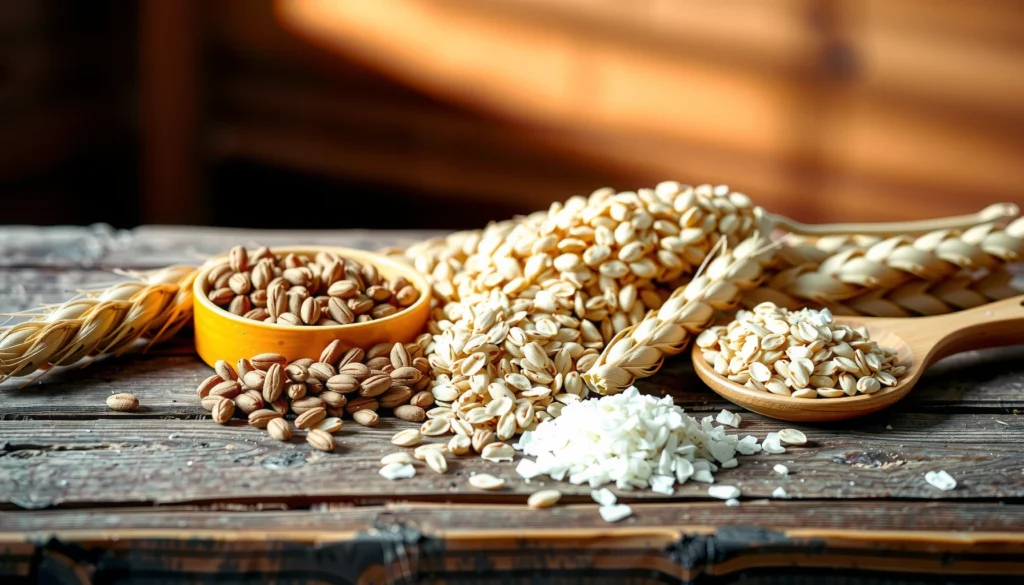
The distinction between whole and refined grains is paramount for diabetes management. A whole grain contains all three parts of the grain kernel: the bran (outer layer, rich in fiber, B vitamins, and minerals), the germ (embryo, packed with healthy fats, vitamin E, and antioxidants), and the endosperm (inner part, primarily starch and protein). When grains are refined, the bran and germ are removed, stripping away the majority of their fiber, vitamins, and minerals. What remains is primarily the starchy endosperm, which is quickly digested and converted to glucose, leading to rapid blood sugar increases. Whole grains, by retaining their natural fiber content, slow down the digestive process, resulting in a more gradual and controlled rise in blood sugar. Always choose products explicitly labeled “100% whole grain” to ensure you are getting the full nutritional benefits.
Top Grains for Stable Blood Sugar
Incorporating specific whole grains into your diet can significantly contribute to better blood sugar control and overall health for individuals with diabetes. These grains are lauded for their unique nutritional profiles and positive impact on metabolic health.
– Oats (Steel-Cut & Rolled):
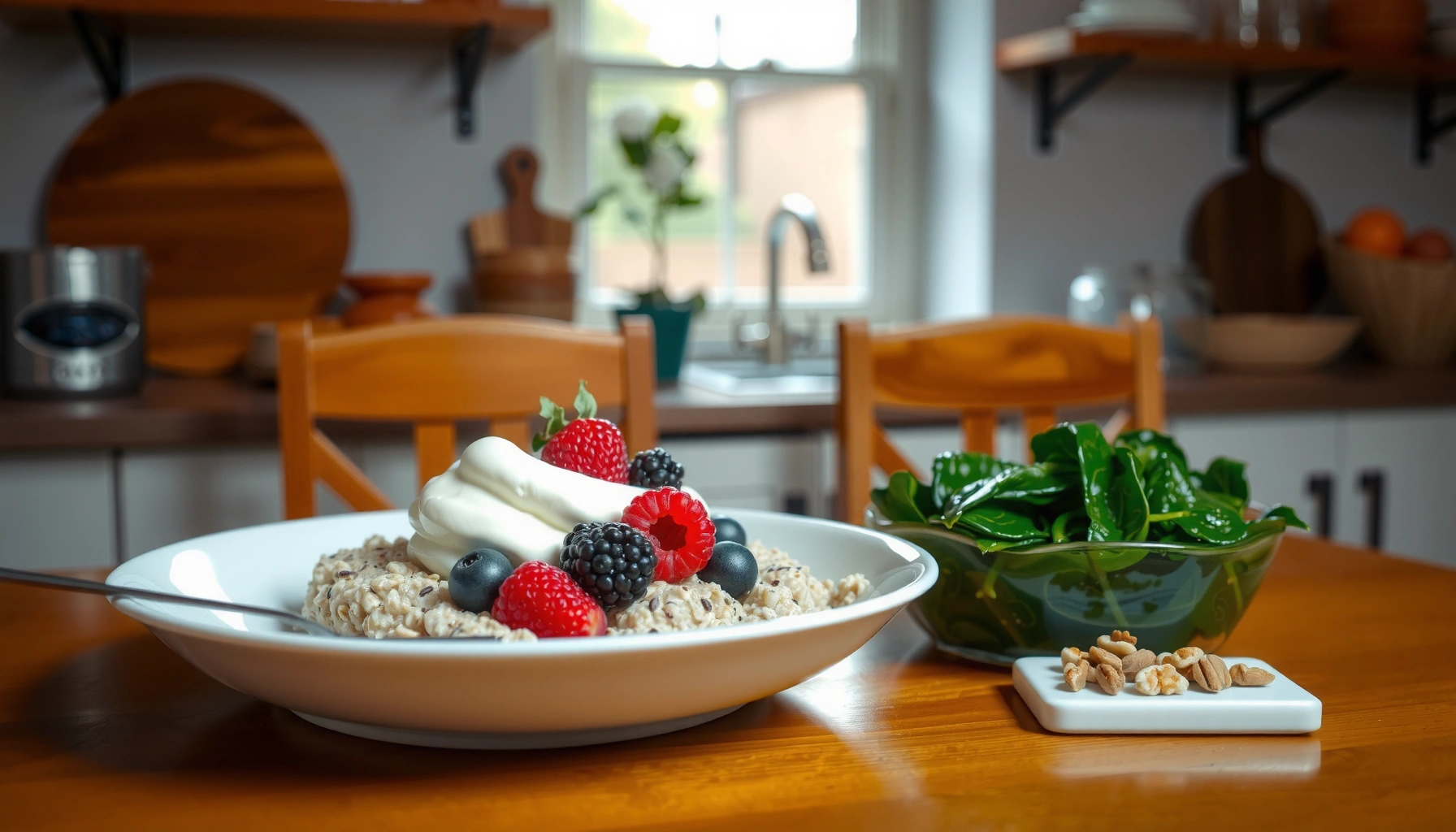
Oats are renowned for their high content of a soluble fiber called beta-glucan, which is exceptionally beneficial for blood sugar management. Beta-glucan forms a viscous gel in the digestive tract, slowing down the emptying of the stomach and the absorption of glucose into the bloodstream. This leads to a more gradual rise in blood sugar after meals and helps to prevent sudden spikes. Furthermore, research suggests that beta-glucan can improve insulin sensitivity and help lower LDL (bad) cholesterol levels. When choosing oats, opt for steel-cut or rolled oats. Steel-cut oats are minimally processed, having the lowest glycemic index, and require longer cooking times. Rolled oats are partially steamed and flattened, cooking faster but still retaining their beneficial fiber. Instant oats, while convenient, are often more processed and can have a higher glycemic index, making them a less ideal choice for diabetics unless they are specifically unsweetened and fortified with extra fiber. Enjoy oats as a nutritious breakfast, topped with nuts, seeds, and berries, avoiding added sugars.
– Quinoa:
Quinoa stands out as a unique grain because it is a complete protein, meaning it contains all nine essential amino acids that the body cannot produce on its own. This makes it an excellent plant-based protein source for vegetarians and vegans, and a valuable addition for anyone managing diabetes. Its protein content contributes to satiety, helping to reduce overall food intake and manage weight, a crucial aspect of diabetes care. Quinoa also boasts a relatively low glycemic index, ensuring a more stable blood sugar response compared to higher GI grains. Beyond protein, it is rich in essential minerals like magnesium, iron, zinc, and phosphorus, as well as B vitamins and antioxidants. Its versatile, slightly nutty flavor makes it a perfect substitute for rice, a base for salads, or an addition to stews and stir-fries.
– Barley:
Barley is another powerful grain for diabetes management, primarily due to its high concentration of soluble fiber, particularly beta-glucan, similar to oats. This fiber plays a critical role in slowing digestion and glucose absorption, leading to a more moderate blood sugar response. Studies have shown that regular consumption of barley can improve insulin sensitivity, a key factor in preventing and managing type 2 diabetes. Additionally, barley’s fiber content contributes to a feeling of fullness, which can aid in weight control. When purchasing barley, prioritize hulled barley over pearl barley. Hulled barley is a whole grain, with only the outermost inedible hull removed, retaining most of its bran and germ. Pearl barley, while more common, has been polished to remove part or all of the bran layer, reducing its fiber content. Barley can be used in hearty soups, stews, as a side dish, or even in salads for added texture and nutrition.
Other Beneficial Grains to Consider
Beyond the top contenders, several other grains offer valuable nutritional benefits and can be incorporated into a diabetic-friendly diet with careful consideration and portion control.
– Brown Rice:
Brown rice is a significantly healthier alternative to white rice, retaining its bran and germ layers, which provide a greater amount of fiber, B vitamins, and minerals like magnesium. While it is a better choice than white rice, it still has a moderate glycemic index, so portion control is paramount for individuals with diabetes. A typical serving size of cooked brown rice (e.g., ½ cup) should be measured carefully. The fiber in brown rice aids in slowing down digestion and sugar absorption compared to its refined counterpart. To further manage its glycemic impact, consider cooking brown rice, allowing it to cool completely in the refrigerator, and then reheating it. This process can increase its resistant starch content, which acts like fiber and has a lower impact on blood sugar.
– Bulgur Wheat:
Bulgur wheat is a versatile, quick-cooking whole grain made from cracked wheat kernels that have been parboiled and dried. It retains a substantial amount of its fiber and nutrients due to minimal processing. With a relatively low glycemic index and good fiber content, bulgur is an excellent choice for diabetics. It contributes to feelings of satiety and helps regulate blood sugar levels. Bulgur is a staple in Mediterranean cuisine, famously used in tabbouleh salad, but it can also be a healthy base for pilafs, stuffings, or as a side dish instead of rice. Its rapid preparation time makes it a convenient option for healthy meals on busy days.
– Whole Wheat Products (100%):
When chosen meticulously, 100% whole wheat products can fit into a diabetic diet in moderation. This means scrutinizing labels to ensure the product genuinely states “100% whole wheat” and not just “wheat flour” or “multigrain,” which often contain refined flours. Look for whole wheat breads, pastas, and tortillas that have a higher fiber content per serving. Even with 100% whole wheat options, portion control remains crucial because they are still carbohydrate-dense. The glycemic index of whole wheat products can vary depending on how finely the grain is ground; coarser grinds generally result in a lower GI. Pairing these products with protein and healthy fats can further mitigate their impact on blood sugar.
Grains and Products to Limit or Avoid
For effective diabetes management, it’s as important to know which grains and grain-based products to limit or avoid as it is to know which ones to embrace. These items can significantly impede blood sugar control due to their rapid impact on glucose levels and often poor nutritional value.
– Refined Grains:
Refined grains are at the top of the list for foods to limit or avoid. This category includes white bread, white pasta, white rice, and any products made from white flour such as most commercial baked goods. During the refining process, the bran and germ are removed from the grain kernel, stripping away essential fiber, vitamins, and minerals. What remains is primarily the starchy endosperm, which is quickly digested by the body, leading to rapid and sharp increases in blood glucose levels. These sudden spikes can make blood sugar management challenging, increase the risk of complications, and contribute to insulin resistance over time. Opting for whole-grain alternatives is always the superior choice.
– Sugary Cereals and Baked Goods:
Many breakfast cereals, especially those marketed to children, are loaded with added sugars and are made from refined carbohydrates. These products deliver a double blow to blood sugar, causing immediate and significant spikes. Similarly, most commercial baked goods such as cakes, cookies, pastries, and donuts combine refined flours with large quantities of added sugar and unhealthy fats. These items offer minimal nutritional value, contribute to empty calories, and can severely disrupt blood sugar stability, making them detrimental for individuals with diabetes. Always check nutrition labels for added sugars and carbohydrate content, and choose unsweetened, fiber-rich options or prepare homemade baked goods with sugar substitutes and whole grain flours in moderation.
– Processed Snack Foods:
A vast array of processed snack foods widely available in supermarkets should be approached with extreme caution or completely avoided. This includes many types of crackers, pretzels, chips, and various pre-packaged pastries and granola bars. These products are frequently made with refined grains (e.g., enriched white flour), often contain unhealthy trans or saturated fats, and are typically high in sodium and added sugars. Such a combination can contribute to inflammation, weight gain, elevated cholesterol, and poor blood sugar control. When choosing snacks, prioritize whole, unprocessed options like fresh fruits, vegetables, nuts, seeds, or whole-grain crackers with healthy toppings.
Practical Tips for Incorporating Grains
Successfully integrating healthy grains into a diabetic diet requires more than just choosing the right types; it also involves mindful preparation and consumption strategies.
– Portion Control is Key:
Even the healthiest whole grains contain carbohydrates, and consuming them in large quantities can still elevate blood sugar levels. Portion control is therefore paramount. A general guideline for a single serving of cooked whole grains (like oats, quinoa, or brown rice) is about ½ cup. Use measuring cups to accurately determine your portions, especially when you are new to managing your carbohydrate intake. Over time, you may become adept at estimating portions by eye, but initial precise measurement helps in understanding appropriate serving sizes and their impact on your blood glucose. Remember that the total carbohydrate count for your meal is what truly matters, so adjust grain portions based on other carbohydrate sources in your meal.
– Pair with Protein and Healthy Fats:
Combining grains with other macronutrients—specifically lean proteins and healthy fats—is an effective strategy to further slow down digestion and stabilize blood sugar. Protein and fat take longer to digest than carbohydrates, which means they can help blunt the glucose response from grains, preventing sharp spikes. For example, instead of just a bowl of oatmeal, add a handful of nuts or seeds (healthy fats and protein) or a scoop of protein powder. Pair quinoa or brown rice with lean chicken, fish, beans, or lentils, along with a drizzle of olive oil or avocado. This synergistic approach not only helps manage blood sugar but also increases satiety, keeping you feeling fuller for longer.
– Cooking Methods Matter:
The way you prepare your grains can influence their glycemic impact. For instance, cooking pasta al dente (firm to the bite) results in a lower glycemic index compared to overcooked, mushy pasta because it takes longer to digest. Avoid adding excessive fats, sugars, or creamy sauces that can negate the health benefits of the grain itself. Simple cooking methods like boiling, steaming, or baking are usually best. Furthermore, some research suggests that cooking certain starchy grains (like rice) and then cooling them thoroughly in the refrigerator can increase their resistant starch content. Resistant starch acts like fiber and is not fully digested in the small intestine, leading to a smaller impact on blood sugar when consumed, even if reheated.
Beyond Grains: A Holistic Approach
While selecting the best grains for diabetics is a significant step, achieving optimal health and blood sugar control requires a broader, holistic approach that extends beyond just grain choices.
– Balanced Diet:
For effective diabetes management, grains should be viewed as one component of a larger, well-balanced diet. Prioritize making non-starchy vegetables the cornerstone of your meals, filling at least half your plate with colorful options like leafy greens, broccoli, peppers, and carrots. These vegetables are low in calories and carbohydrates but rich in fiber, vitamins, and minerals. Complement your grains with lean proteins such such as poultry, fish, legumes, or tofu, which contribute to satiety and muscle maintenance without significantly impacting blood sugar. Incorporate healthy fats from sources like avocados, nuts, seeds, and olive oil to promote fullness and support overall metabolic health. The goal is to create meals where grains play a supportive, rather than dominant, role.
– Regular Physical Activity:
Physical activity is a powerful tool in diabetes management, working synergistically with dietary choices. Regular exercise, whether aerobic activities like brisk walking, cycling, or swimming, or strength training, plays a critical role in improving insulin sensitivity. When you exercise, your muscles use glucose for energy, which helps lower blood sugar levels. Over time, consistent physical activity can help your body’s cells respond more effectively to insulin, reducing insulin resistance. Aim for at least 150 minutes of moderate-intensity aerobic activity per week, along with two or more days of muscle-strengthening activities. Always consult your doctor before starting any new exercise regimen.
– Consult a Professional:
While general dietary guidelines are helpful, diabetes management is highly individual. What works best for one person may not be ideal for another, due to varying medication regimens, individual responses to foods, and lifestyle factors. Therefore, it is always recommended to work closely with a healthcare professional, such as a doctor or a registered dietitian nutritionist (RDN), to tailor your diet to your specific needs. An RDN can provide personalized meal plans, educate you on carbohydrate counting, help identify foods that best suit your body, and offer strategies for managing blood sugar effectively. They can also help you integrate your dietary changes with any prescribed medications or lifestyle modifications, ensuring a comprehensive and safe approach to your diabetes care.
Incorporating the right grains into your diet is a powerful step towards managing diabetes effectively. By prioritizing whole, fiber-rich, and lower-GI options like oats, quinoa, and barley, you can enjoy delicious meals while supporting stable blood sugar levels. Remember that portion control, balanced meal pairings, and consulting with a healthcare professional are crucial for optimizing your dietary choices and achieving long-term health. Start making these healthy grain choices today to empower your diabetes management journey.
Frequently Asked Questions
Which grains are considered the best for managing blood sugar in diabetics?
The best grains for diabetics are typically whole grains rich in fiber and with a low glycemic index, as they help regulate blood sugar levels more effectively. Excellent choices include quinoa, steel-cut oats, barley, brown rice, wild rice, and millet. These whole grains provide sustained energy and essential nutrients, contributing to better overall health management for individuals with diabetes.
Why are whole grains generally recommended over refined grains for people with diabetes?
Whole grains are highly recommended for diabetics because they retain all parts of the grain kernel—bran, germ, and endosperm—which means they are packed with fiber, vitamins, and minerals. The high fiber content in whole grains slows down glucose absorption into the bloodstream, preventing rapid blood sugar spikes compared to refined grains like white bread or white rice, which are stripped of most beneficial nutrients. This makes them a crucial part of a diabetes-friendly diet for stable blood sugar control.
How can diabetics identify and choose truly healthy grain products at the grocery store?
When choosing grain products, diabetics should always check the ingredient list for the word “whole” as the first ingredient (e.g., “whole wheat flour” or “whole oats”). Look for products with at least 3-5 grams of fiber per serving and minimal added sugars, which can significantly impact blood glucose. Understanding serving sizes and comparing nutrition labels will help in making informed choices that support blood sugar management.
What are some common grains diabetics should limit or avoid to prevent blood sugar spikes?
Diabetics should limit or avoid refined grains such as white bread, white rice, regular pasta made from white flour, and many breakfast cereals that are highly processed and often high in sugar. These refined grains have had their fiber and nutrient-rich parts removed, causing them to be digested quickly and leading to rapid and significant spikes in blood glucose levels. Opting for their whole-grain counterparts is always a healthier choice for diabetes management.
Are gluten-free grains always a better option for diabetics, and which ones are recommended?
Gluten-free grains are not inherently better for all diabetics; their suitability primarily depends on whether an individual has celiac disease or gluten sensitivity. However, many naturally gluten-free whole grains are excellent choices for managing blood sugar due to their fiber content and low glycemic index. Recommended naturally gluten-free grains include quinoa, buckwheat, amaranth, gluten-free oats (ensure they are certified gluten-free to avoid cross-contamination), and brown rice.
References
- https://www.diabetes.org/healthy-recipes/meal-planning/meal-planning-foods/carbohydrates/whole-grains
- https://www.health.harvard.edu/diseases-and-conditions/best-grains-for-type-2-diabetes
- Whole Grains • The Nutrition Source
- https://www.cdc.gov/diabetes/managing/eat-healthy.html
- Diabetes diet: Create your healthy-eating plan – Mayo Clinic
- Healthy Living with Diabetes – NIDDK