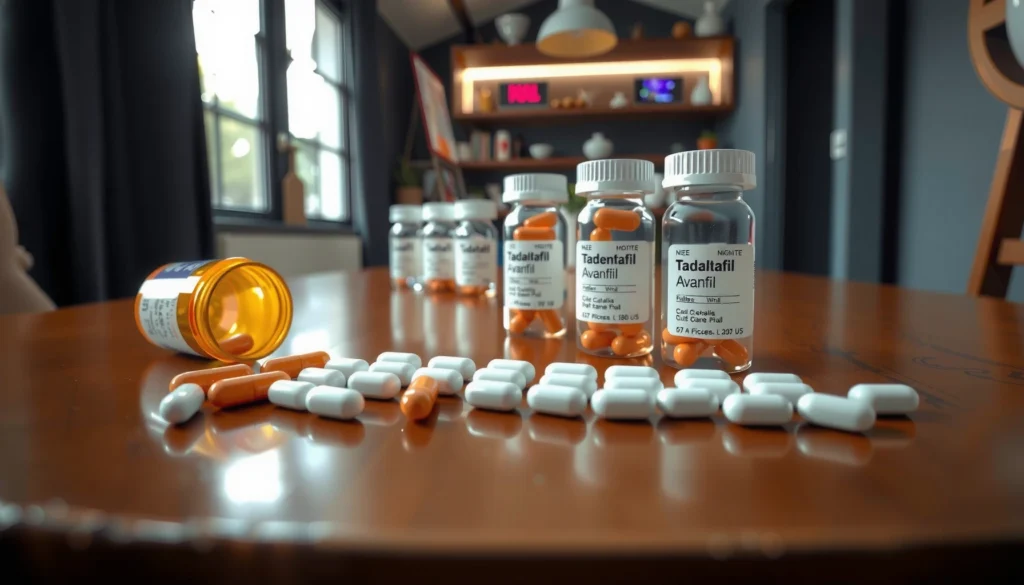

For individuals with diabetes experiencing erectile dysfunction (ED), the “best” ED pill isn’t a one-size-fits-all answer but typically involves one of the PDE5 inhibitors like sildenafil (Viagra), tadalafil (Cialis), vardenafil (Levitra), or avanafil (Stendra). The optimal choice depends heavily on individual health status, diabetes management, existing medications, and potential side effects, making a consultation with your doctor essential. This guide will help you understand the options and considerations for safely and effectively treating ED when you have diabetes.
Understanding ED and Diabetes
Erectile dysfunction is a common complication of diabetes, often emerging earlier and with greater severity in men living with the condition compared to the general population. The link between diabetes and ED is multifaceted, primarily stemming from the long-term effects of high blood sugar on the body’s delicate systems.
Diabetes directly impacts erectile function through two primary mechanisms: nerve damage (neuropathy) and blood vessel damage (atherosclerosis). Diabetic neuropathy can impair the nerve signals essential for initiating and maintaining an erection. These signals originate in the brain and spinal cord and travel to the penis, controlling blood flow and muscle relaxation. When these nerves are damaged, the communication pathway is disrupted, leading to difficulty achieving or sustaining an erection. Concurrently, atherosclerosis, the hardening and narrowing of arteries due to plaque buildup, restricts blood flow throughout the body, including to the penis. Adequate blood flow is crucial for an erection; without it, the erectile tissues cannot fill sufficiently to become rigid. These microvascular complications are often exacerbated by other diabetes-related issues such as hypertension and dyslipidemia, further compromising vascular health.
The prevalence of ED in men with diabetes is significantly higher, with studies indicating that up to 75% of diabetic men experience some degree of ED, often at an earlier age than their non-diabetic counterparts. This increased incidence underscores the critical need for proactive management and awareness. Furthermore, ED can serve as an early warning sign of underlying cardiovascular disease, making its diagnosis in diabetic patients particularly important for broader health assessment.
Crucially, effective diabetes management, including optimal blood sugar control, can significantly improve ED treatment outcomes and overall vascular health. Regular monitoring of blood glucose levels, adherence to prescribed medications, and lifestyle modifications aimed at maintaining an HbA1c target can mitigate the progression of nerve and blood vessel damage. While diabetes cannot be cured, meticulous management can slow the progression of its complications, including ED, and enhance the responsiveness to various ED therapies. A well-managed diabetic condition provides a more stable physiological environment for ED medications to work effectively and reduces the risk of further health deterioration.
Common ED Medications for Diabetics: PDE5 Inhibitors
For many men with diabetes experiencing ED, oral medications known as PDE5 inhibitors are the first-line treatment. These drugs have revolutionized ED management and are generally effective and well-tolerated. The primary PDE5 inhibitors prescribed include Sildenafil (Viagra), Tadalafil (Cialis), Vardenafil (Levitra, Staxyn ODT), and Avanafil (Stendra).
The mechanism of action for all PDE5 inhibitors is similar: they work by relaxing the smooth muscles in the penis and increasing blood flow, thereby aiding an erection when sexual stimulation occurs. This process involves inhibiting the enzyme phosphodiesterase type 5 (PDE5), which is responsible for breaking down cyclic guanosine monophosphate (cGMP). cGMP is a chemical messenger that signals the smooth muscles in the penile arteries to relax, allowing blood to flow into the erectile tissues and cause an erection. By blocking PDE5, these medications maintain higher levels of cGMP, facilitating a stronger and more sustained erection in response to natural arousal. It is important to note that these drugs do not cause an erection on their own; sexual stimulation is still required.
While they share a common mechanism, key differences exist among these medications that can influence the choice for a diabetic patient:
* Sildenafil (Viagra): Typically takes 30-60 minutes to take effect and its effects last for about 4-5 hours. Its absorption can be delayed and its effectiveness reduced if taken with a high-fat meal, making timing around meals a consideration.
* Tadalafil (Cialis): Known for its longer duration of action, lasting up to 36 hours, earning it the nickname “the weekend pill.” Its onset of action is usually 30-60 minutes, and it can be taken with or without food, offering greater spontaneity. Tadalafil is also approved for treating benign prostatic hyperplasia (BPH).
* Vardenafil (Levitra, Staxyn ODT): Similar to sildenafil in terms of onset (30-60 minutes) and duration (4-5 hours). The orally disintegrating tablet (Staxyn ODT) can offer a slightly faster onset as it dissolves in the mouth. Like sildenafil, its effectiveness can be affected by high-fat meals.
* Avanafil (Stendra): This is the newest PDE5 inhibitor, characterized by its rapid onset of action (as early as 15-30 minutes) and a duration of about 6 hours. It tends to have fewer reported side effects compared to older agents and its absorption is less affected by food, making it another good option for spontaneity.
The choice among these depends on individual preferences regarding spontaneity, desired duration of action, tolerance for potential food interactions, and specific side effect profiles. Discussing these nuances with a healthcare provider is essential for selecting the most appropriate option.
Choosing the Right ED Pill: Key Considerations
Selecting the most suitable ED pill for individuals with diabetes requires a comprehensive evaluation of several critical factors. A personalized approach ensures both efficacy and safety, considering the unique health landscape of diabetic patients.
Diabetes Status & Complications
Your overall diabetes status, including your level of blood sugar control (reflected by HbA1c), the duration of your diabetes, and the presence of any diabetes-related complications, will significantly influence the safety and efficacy of ED medications. For instance, individuals with poorly controlled diabetes or those with advanced cardiovascular disease, kidney damage (nephropathy), or severe nerve damage (neuropathy) may have a different response to these medications or be at a higher risk for certain side effects. Your doctor will assess your cardiac health, as ED can often be a marker for underlying heart issues, and PDE5 inhibitors can affect blood pressure. Similarly, kidney or liver impairment can alter how these drugs are metabolized and eliminated from the body, potentially requiring dose adjustments or careful monitoring. A thorough medical history and recent lab results are indispensable in this evaluation.
Other Medications
It is absolutely crucial to disclose all medications you are currently taking, including prescription drugs, over-the-counter remedies, herbal supplements, and recreational drugs, to your doctor. This is paramount due to potentially dangerous interactions, particularly with nitrates and alpha-blockers.
* Nitrates: Medications containing nitrates, such as nitroglycerin (Nitrostat, Nitrolingual) or isosorbide mononitrate/dinitrate, are commonly prescribed for heart conditions like angina (chest pain). Taking any PDE5 inhibitor concurrently with nitrates is an absolute contraindication, as it can cause a sudden and life-threatening drop in blood pressure, leading to dizziness, fainting, heart attack, or stroke. The interaction is severe and potentially fatal.
* Alpha-Blockers: These medications (e.g., doxazosin, tamsulosin, alfuzosin, prazosin) are often prescribed for high blood pressure or benign prostatic hyperplasia (BPH). While not an absolute contraindication, combining PDE5 inhibitors with alpha-blockers can also lead to a significant drop in blood pressure (hypotension). Your doctor may recommend a lower starting dose of the ED medication or advise a specific timing interval between taking the two drugs to minimize this risk.
* Other Drug Interactions: Other medications that can interact include certain antifungal medications (e.g., ketoconazole, itraconazole), antibiotics (e.g., erythromycin), and HIV protease inhibitors (e.g., ritonavir), which can increase the levels of PDE5 inhibitors in the blood, leading to increased side effects. Conversely, drugs like rifampin can decrease the effectiveness of PDE5 inhibitors. Your doctor will meticulously review your medication list to prevent adverse interactions.
Lifestyle & Preference
Your lifestyle and personal preferences play a significant role in determining the most suitable ED medication. Consider the following:
* Sexual Activity Frequency and Spontaneity: If you prefer the flexibility of spontaneous sexual activity, tadalafil (Cialis) with its extended duration of action (up to 36 hours) might be preferable. For those who plan sexual activity in advance, sildenafil, vardenafil, or avanafil, with their shorter durations, might be sufficient.
* Desired Onset of Action: Avanafil offers the quickest onset, making it suitable for those who require rapid effects.
* Tolerance for Potential Side Effects: While all PDE5 inhibitors share similar side effects, individuals may react differently to each. Some may find one drug causes more headaches, while another causes more indigestion. Trying different options under medical supervision can help identify the best fit.
* Food Interactions: Sildenafil and vardenafil can be less effective if taken with a high-fat meal. If you prefer to take medication without strict dietary considerations, tadalafil or avanafil might be more convenient.
* Cost: Generic versions of sildenafil and tadalafil are widely available and often more affordable than their branded counterparts or newer medications like avanafil. Insurance coverage also varies.
An open discussion with your doctor about your lifestyle, sexual habits, and expectations will help them recommend an ED pill that aligns best with your needs and ensures maximum satisfaction and safety.
Potential Side Effects and Safety
While PDE5 inhibitors are generally safe and effective for many men, it is crucial to be aware of their potential side effects and safety considerations, especially for individuals with diabetes who may have coexisting health conditions.
Common Side Effects
The most frequently reported side effects of PDE5 inhibitors are generally mild and transient. These include:
* Headache: A common complaint, often manageable with over-the-counter pain relievers.
* Flushing: A sensation of warmth or redness in the face, neck, or chest.
* Indigestion (Dyspepsia): Heartburn or an upset stomach. This can sometimes be alleviated by taking the medication with a light meal (though not a high-fat one for sildenafil or vardenafil).
* Nasal Congestion: A stuffy or runny nose, similar to cold symptoms.
* Visual Disturbances: These can include a mild blue tinge to vision or increased sensitivity to light, more commonly associated with sildenafil.
* Back Pain and Muscle Aches: These side effects are more commonly reported with tadalafil due to its longer half-life, and typically resolve within 24-48 hours.
Most common side effects are manageable and often diminish with continued use as the body adjusts to the medication. If side effects are persistent or bothersome, discussing them with your doctor is important.
Serious Risks
While rare, some serious side effects associated with PDE5 inhibitors require immediate medical attention:
* Priapism: This is a prolonged and painful erection lasting more than 4 hours. If an erection persists for this duration, seek emergency medical care immediately. Untreated priapism can lead to permanent damage to the penis.
* Sudden Vision Loss (Non-Arteritic Anterior Ischemic Optic Neuropathy – NAION): This rare but serious condition involves sudden, partial, or complete vision loss in one or both eyes. It is thought to be caused by a lack of blood flow to the optic nerve. While the link to PDE5 inhibitors is not definitively proven, individuals experiencing sudden vision changes should stop the medication and seek urgent medical evaluation.
* Sudden Hearing Loss: Rarely, individuals have reported sudden decrease or loss of hearing, sometimes accompanied by ringing in the ears (tinnitus) and dizziness. As with vision loss, immediate medical attention is necessary if these symptoms occur.
It’s important for individuals with diabetes, who are already at a higher risk for vascular complications affecting the eyes and ears, to be particularly vigilant for these serious adverse events.
Absolute Contraindications
The most critical safety warning pertains to the combination of PDE5 inhibitors with nitrate medications. Never take PDE5 inhibitors if you are on nitrate medications (e.g., nitroglycerin, isosorbide mononitrate, isosorbide dinitrate) for chest pain or other heart conditions. This combination can cause a sudden, severe, and potentially fatal drop in blood pressure. The interaction can lead to symptoms like severe dizziness, fainting, heart attack, or stroke. Always inform your doctor and pharmacist about all your medications to avoid this dangerous interaction. Similarly, individuals with severe heart problems, uncontrolled high blood pressure, or recent history of stroke or heart attack may be advised against using these medications. Your doctor will assess your cardiovascular health thoroughly before prescribing any ED treatment.
Beyond Pills: Alternative Treatments and Lifestyle Adjustments
For men with diabetes, managing ED effectively often requires a holistic approach that extends beyond oral medications. For some, PDE5 inhibitors may not be effective, or they may be contraindicated due to other health conditions. In such cases, or as complementary strategies, other medical interventions and significant lifestyle adjustments can play a vital role.
Other Medical Interventions
When oral ED pills are not suitable or do not yield satisfactory results, several other medical interventions are available:
* Alprostadil: This medication can be administered directly into the penis. It’s available as an injectable solution (Caverject, Edex) or as a urethral suppository (Muse). Alprostadil works by relaxing the smooth muscles and dilating blood vessels in the penis, directly inducing an erection. While effective, some men find the injection method intimidating, and side effects can include pain, bruising, or priapism.
* Vacuum Erection Devices (VEDs): A VED is a non-invasive device consisting of a plastic cylinder that is placed over the penis. A pump is then used to create a vacuum, which draws blood into the penis, causing an erection. A constriction ring is placed at the base of the penis to maintain the erection for up to 30 minutes. VEDs are a safe and effective option for many men, particularly those who cannot take oral medications. Potential side effects include bruising, numbness, or a cool sensation in the penis.
* Penile Implants: For individuals with severe ED who have not responded to other treatments, a penile implant (prosthesis) is a surgical option. These devices consist of inflatable or malleable rods surgically placed within the penis. Penile implants offer a reliable and satisfying solution for many men, providing a firm erection on demand. While generally successful, it is an irreversible surgical procedure with potential risks like infection or mechanical failure, making it typically a last-resort option.
Lifestyle Modifications
Adopting a healthy lifestyle is not only crucial for overall diabetes management but can also significantly improve erectile function and enhance the effectiveness of medical treatments.
* Optimal Blood Sugar Levels: Maintaining tight glycemic control (HbA1c targets) is foundational. This helps prevent or slow the progression of nerve and blood vessel damage that underlies diabetic ED. Regular monitoring, adherence to medication, and dietary discipline are key.
* Healthy Diet: A balanced diet rich in fruits, vegetables, whole grains, and lean proteins, while limiting processed foods, saturated fats, and excessive sugars, supports cardiovascular health and weight management, both critical for erectile function.
* Regular Exercise: Engaging in moderate-intensity physical activity most days of the week improves circulation, lowers blood pressure, enhances insulin sensitivity, and helps with weight control. Pelvic floor exercises (Kegels) may also strengthen muscles involved in erections.
* Quitting Smoking: Smoking severely damages blood vessels and impairs blood flow, exacerbating ED. Cessation is one of the most impactful steps a man can take for his vascular and erectile health.
* Limiting Alcohol: Excessive alcohol consumption can acutely impair erectile function and, over the long term, contribute to nerve damage. Moderation is advised.
* Weight Management: Obesity is a significant risk factor for both diabetes and ED. Losing excess weight can improve hormone balance, insulin sensitivity, and vascular health, often leading to improved erectile function.
Psychological Support
Erectile dysfunction often has a significant psychological component, even when there’s an underlying physical cause like diabetes. Anxiety, depression, stress, and relationship issues can contribute to or worsen ED.
* Counseling: Individual or couples counseling with a therapist specializing in sexual health can be immensely beneficial. It can help address performance anxiety, body image concerns, communication problems, and the emotional impact of living with chronic conditions like diabetes and ED.
* Stress Reduction Techniques: Practices like mindfulness, meditation, or yoga can help manage stress, which in turn can positively impact both mental well-being and erectile function.
Addressing the psychological aspects of ED in conjunction with medical treatments can lead to more comprehensive and satisfying outcomes, improving not just sexual function but overall quality of life.
Consulting Your Doctor: Your Essential First Step
For any individual experiencing erectile dysfunction, and especially for those with diabetes, consulting a healthcare professional is not merely advisable – it is an essential first step. Self-medication for ED, particularly in the context of diabetes, is dangerous and can have severe health consequences.
The complexities of diabetes, including its potential impact on cardiovascular health, nerve function, and kidney function, mean that ED treatment must be carefully tailored to each individual’s unique health profile. Attempting to self-diagnose or self-treat can mask serious underlying conditions, lead to dangerous drug interactions, or result in ineffective and frustrating outcomes. Over-the-counter “ED solutions” or unregulated online pharmacies often sell counterfeit products that may contain incorrect dosages, harmful ingredients, or no active ingredient at all, posing significant health risks.
A thorough medical evaluation is necessary to determine the underlying cause of your ED. Your doctor will conduct a detailed medical history, physical examination, and potentially order blood tests to check blood sugar levels, hormone levels (e.g., testosterone), cholesterol, and kidney and liver function. This comprehensive assessment will not only help identify the specific factors contributing to your ED but also uncover any other undiagnosed health issues, such as heart disease, which ED can often signal. Furthermore, this evaluation is crucial for identifying any potential drug interactions with your existing medications, ensuring that any prescribed ED treatment is safe in conjunction with your diabetes management and other health conditions.
Ultimately, your doctor will provide personalized recommendations for the safest and most effective treatment plan. This plan will be tailored specifically to your diabetic condition, overall health status, existing medications, and personal preferences. They can guide you through the various options, explain the risks and benefits of each, and help you make an informed decision that prioritizes your health and well-being. Do not hesitate to initiate this critical conversation with your healthcare provider; it is the most responsible and effective path toward managing your ED and improving your quality of life.
While several effective ED pills are available for men with diabetes, selecting the “best” one requires careful consideration of your unique health profile, existing medications, and lifestyle. The most critical step is an honest and open discussion with your healthcare provider. They can guide you through the options, ensure safety, and help you find a treatment plan that effectively manages your ED while safeguarding your overall health. Don’t hesitate to seek professional medical advice to regain confidence and improve your quality of life.
Frequently Asked Questions
What is considered the best ED pill for diabetics, considering their unique health needs?
There isn’t a single “best” ED pill for all diabetics, as effectiveness and suitability vary greatly by individual health profiles. However, phosphodiesterase-5 (PDE5) inhibitors like sildenafil (Viagra), tadalafil (Cialis), vardenafil (Levitra), and avanafil (Stendra) are generally the first-line treatment for erectile dysfunction in diabetic patients. The most appropriate choice depends on factors like other medications, cardiovascular health, and specific diabetes complications, necessitating a thorough consultation with a healthcare provider.
Are common ED medications like Viagra and Cialis safe and effective for men living with diabetes?
Yes, common ED medications such as sildenafil (Viagra) and tadalafil (Cialis) are generally considered safe and effective for most men with diabetes, provided there are no contraindications. These PDE5 inhibitors work by increasing blood flow to the penis, which can significantly improve erectile function. However, their efficacy can sometimes be influenced by the severity of nerve or vascular damage caused by long-standing or poorly controlled diabetes, and a doctor should always assess overall health before prescribing.
Why might standard ED pills sometimes be less effective for diabetic patients, and what alternative treatments are available?
Standard ED pills might be less effective for some diabetic patients due to advanced nerve damage (neuropathy) or severe blood vessel damage (vasculopathy) that can impair the body’s response to these medications. When oral medications are insufficient, alternative treatments include vacuum erection devices, alprostadil injections directly into the penis (Caverject, Edex) or urethral suppositories (Muse), and even penile implants for long-term solutions. Consulting a urologist or endocrinologist can help explore these other viable options.
How do doctors choose the most appropriate ED medication for individuals with diabetes, factoring in their other health conditions?
Doctors choose the most appropriate ED medication for diabetics by conducting a comprehensive evaluation of their overall health, including their diabetes control, cardiovascular status, kidney function, and all other medications they are taking. They will consider potential drug interactions, especially with nitrates for heart conditions or alpha-blockers for high blood pressure/BPH, which can cause dangerous drops in blood pressure. The goal is to select an ED treatment that is both effective for improving erections and safe given the patient’s specific health profile.
What are the key side effects and drug interactions diabetics should discuss with their doctor before starting ED medication?
Diabetics should discuss potential side effects like headaches, flushing, dyspepsia, and visual disturbances with their doctor. Crucially, they must inform their doctor about all medications they take, especially nitrates for chest pain (e.g., nitroglycerin), as combining these with ED pills can cause a severe, life-threatening drop in blood pressure. Interactions with alpha-blockers (for high blood pressure or enlarged prostate) and certain antifungals or antibiotics should also be reviewed to ensure the safe and effective use of ED medication.
References
- https://www.niddk.nih.gov/health-information/diabetes/additional-resources/erectile-dysfunction-diabetes
- Erectile dysfunction: Viagra and other oral medications – Mayo Clinic
- https://diabetes.org/health-wellness/sexual-health/erectile-dysfunction
- https://www.ncbi.nlm.nih.gov/pmc/articles/PMC8945722/
- Erectile dysfunction
- https://my.clevelandclinic.org/health/articles/12301-diabetes-sexual-health
- https://www.health.harvard.edu/blog/what-to-do-when-diabetes-affects-your-sex-life-2018042513689