

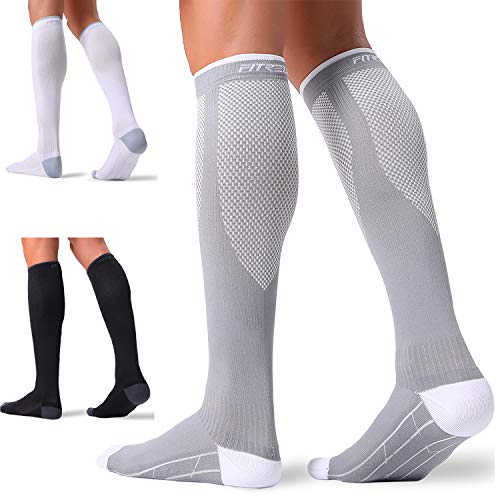
For diabetics, the best compression socks are those specifically designed to offer gentle, graduated support, prioritize comfort, and protect sensitive skin. The ideal choices feature mild compression levels, seamless construction, moisture-wicking fabrics, and non-binding tops to promote healthy circulation without causing irritation or restricting blood flow, thereby helping to prevent common diabetic foot complications. Managing diabetes often involves addressing circulatory challenges and nerve damage, making foot care paramount. Selecting the right compression socks can be a proactive step in a comprehensive foot health regimen, aiding in the prevention of swelling, improving blood flow, and safeguarding against skin issues that can escalate quickly in individuals with diabetes. However, careful consideration and professional guidance are essential to ensure the chosen socks provide therapeutic benefits without introducing new risks.



Why Diabetics Need Compression Socks
Individuals living with diabetes often face unique challenges related to their circulatory system and nerve health, particularly in the lower extremities. Compression socks, when chosen appropriately, can play a significant role in mitigating these issues and promoting overall foot vitality.
* Improve Blood Circulation: Diabetes can impair blood flow, leading to conditions like peripheral artery disease (PAD) and venous insufficiency. Gentle compression socks work by applying external pressure to the legs, which helps to constrict surface arteries and veins, forcing blood back towards the heart. This action prevents blood from pooling in the lower legs and feet, improving venous return, and enhancing the delivery of oxygen and nutrients to tissues. For diabetics, this can be crucial in counteracting the compromised circulation that often contributes to slow-healing wounds and other complications.
* Reduce Swelling and Discomfort: Edema, or swelling, in the legs and feet is a common concern for many diabetics, often exacerbated by prolonged sitting or standing, or underlying kidney conditions. Compression socks provide consistent pressure that helps to reduce fluid accumulation in the interstitial tissues. This not only alleviates discomfort, heaviness, and fatigue in the legs but also helps to prevent skin stretching and potential breakdown, which can be particularly dangerous for sensitive diabetic skin.
* Prevent Complications: By supporting healthy blood flow and reducing swelling, compression socks can significantly contribute to preventing various diabetic foot complications. Enhanced circulation can lower the risk of deep vein thrombosis (DVT), a serious condition involving blood clots. Furthermore, by minimizing edema and maintaining skin integrity, they can help reduce the likelihood of developing slow-healing ulcers and infections, which are severe concerns for individuals with diabetes due to their often-compromised immune and healing responses.
Key Features of Diabetic-Friendly Compression Socks
When selecting compression socks for diabetics, certain features are non-negotiable to ensure safety, comfort, and therapeutic effectiveness. These design elements are specifically tailored to address the unique vulnerabilities of diabetic feet.
* Graduated Mild Compression: Unlike higher compression levels used for severe conditions, diabetic-friendly socks typically feature mild graduated compression, ranging from 8-15 mmHg or 15-20 mmHg. “Graduated” means the compression is strongest at the ankle and gradually decreases up the leg. This design effectively pushes blood upward without constricting arterial flow, which is vital for diabetics who may already have compromised peripheral circulation. Exceeding mild compression levels without specific medical instruction can be detrimental, potentially restricting essential blood flow to the feet.
* Seamless Toe Construction: Diabetic neuropathy can lead to a loss of sensation, making individuals unaware of irritation or friction. Traditional socks with prominent seams across the toes can rub, create pressure points, and lead to blisters or open sores, which are very difficult to heal in diabetic feet and pose a high risk of infection. Seamless toe construction eliminates these abrasive ridges, providing a smooth, continuous interior that significantly reduces the risk of skin breakdown and enhances overall comfort.
* Non-Binding Top Bands: The top band of a compression sock is crucial. For diabetics, a traditional elastic band that digs into the calf can impede crucial blood flow, leading to further circulatory issues or skin irritation. Non-binding top bands are designed to stay up securely without constricting the leg, distributing pressure evenly to avoid creating a tourniquet effect. This ensures continuous, unimpeded circulation while providing the necessary support, making them comfortable and safe for prolonged wear.
Understanding Compression Levels & Choosing the Right Fit
The effectiveness and safety of compression socks for diabetics hinge on selecting the correct compression level and achieving an accurate fit. This process is not one-size-fits-all and requires careful attention.
* Consult a Healthcare Professional: This is the most critical step. Before incorporating compression socks into a diabetic care regimen, always seek medical advice from a qualified healthcare provider, such as an endocrinologist, podiatrist, or vascular specialist. They can assess your specific medical history, current circulatory status (e.g., presence of peripheral artery disease, neuropathy), and the severity of any edema to recommend the appropriate compression level and determine if compression therapy is suitable for you. Self-prescription can lead to adverse effects, especially if underlying conditions are not properly evaluated.
* Accurate Measurement is Crucial: The therapeutic benefits of compression socks are directly tied to their fit. To ensure proper compression and prevent harm, precise measurements of your legs are essential. Typically, measurements are taken first thing in the morning when swelling is minimal. This usually involves measuring the circumference of your ankle at its narrowest point, your calf at its widest point, and potentially the length of your leg from heel to just below the knee (for knee-high socks). Always refer to the specific manufacturer’s sizing chart, as sizes can vary between brands.
* Ill-Fitting Socks Are Harmful: Wearing compression socks that are too tight can be extremely dangerous for diabetics. Overly restrictive socks can impede arterial blood flow, potentially causing tissue damage, nerve compression, and exacerbating conditions like peripheral artery disease. Conversely, socks that are too loose will not provide the necessary graduated compression, rendering them ineffective in supporting circulation or reducing swelling. They may also bunch or wrinkle, creating friction points that can lead to skin irritation or sores, particularly on sensitive diabetic skin.
Top Materials and Design Considerations
Beyond compression levels and fit, the materials and specific design elements of diabetic compression socks play a vital role in ensuring comfort, hygiene, and skin protection. These considerations are paramount for managing the unique skin sensitivities and infection risks associated with diabetes.
* Moisture-Wicking Fabrics: Keeping feet dry is essential for diabetics to prevent fungal and bacterial infections, which can rapidly worsen due to compromised immune responses. Materials like bamboo, merino wool, Coolmax, or other specialized synthetic blends are engineered to draw moisture away from the skin, preventing dampness and creating a healthier microclimate for the feet. This helps to reduce the risk of skin maceration, chafing, and the growth of harmful microorganisms, significantly enhancing foot hygiene and preventing complications.
* Soft and Breathable: Diabetic skin can be fragile and prone to irritation. Therefore, the chosen fabric must be exceptionally soft and gentle against the skin to minimize friction and rubbing. Materials that are breathable allow air circulation, which helps regulate foot temperature and prevents overheating. Overheating can lead to increased perspiration and discomfort. Soft, breathable fabrics ensure all-day comfort, reduce the likelihood of skin abrasions, and support overall skin integrity, which is critical for preventing sores and ulcers.
* Antimicrobial Properties: To further safeguard against infections, many high-quality diabetic compression socks incorporate materials or treatments with antimicrobial properties. These can include natural fibers like bamboo, which has inherent antimicrobial qualities, or socks infused with silver ions or copper. These agents inhibit the growth of bacteria and fungi on the fabric, reducing odor and minimizing the risk of skin infections. This added layer of protection is highly beneficial for diabetics, whose feet are particularly vulnerable to pathogens.
When to Use & When to Avoid (and Doctor Consultation)
Understanding when compression socks are beneficial and when they should be avoided is crucial for diabetics. Improper use can lead to serious complications, underscoring the necessity of professional medical guidance.
* Beneficial for Daily Wear: Compression socks can be highly beneficial for diabetics who spend extended periods sitting or standing, such as office workers, travelers on long flights, or individuals in professions requiring prolonged time on their feet. They are also useful for managing mild, existing edema or simply to support healthy circulation throughout the day. Consistent use can alleviate leg fatigue and discomfort, making daily activities more manageable and proactively supporting vascular health.
* Avoid If Contraindicated: There are specific medical conditions where compression socks are contraindicated or require extreme caution and strict medical supervision. These include severe peripheral artery disease (PAD) with an Ankle-Brachial Index (ABI) of less than 0.8, uncompensated congestive heart failure, acute skin infections (e.g., cellulitis), weeping dermatoses, advanced peripheral neuropathy with significant sensory loss (as pressure damage might go unnoticed), and open wounds or ulcers on the legs or feet. In these cases, compression could worsen the underlying condition or cause severe harm by restricting essential blood flow or exacerbating skin issues.
* Always Consult Your Doctor: Given the complexities of diabetic health, it is paramount for individuals with diabetes to discuss the use of compression socks with their healthcare provider *before* initiating use. A doctor can accurately assess your vascular health, identify any contraindications, and provide tailored recommendations for the appropriate type and level of compression. This consultation ensures that compression therapy is safe, effective, and integrated appropriately into your overall diabetes management plan, protecting you from potential risks.
Maintaining Your Diabetic Compression Socks
Proper care and maintenance of diabetic compression socks are essential to preserve their therapeutic effectiveness, extend their lifespan, and ensure continued hygiene. Neglecting these steps can lead to a loss of compression and diminished benefits.
* Gentle Washing: To maintain the elasticity and integrity of the compression fibers (typically spandex or Lycra), it is crucial to wash your socks gently. Hand washing with mild soap and cold water is often recommended, or machine washing on a delicate cycle in a mesh laundry bag to prevent snagging. Avoid using harsh detergents, bleach, or fabric softeners, as these can degrade the elastic fibers and reduce the sock’s ability to provide consistent compression.
* Air Dry Only: High heat is the enemy of elastic fibers. Tumble drying, even on a low heat setting, can cause the elastic to break down prematurely, leading to a rapid loss of compression effectiveness and shortening the sock’s lifespan. After washing, gently squeeze out excess water and lay the socks flat or hang them to air dry away from direct sunlight or heat sources. This method preserves the fiber structure and ensures the socks retain their therapeutic properties for as long as possible.
* Regular Replacement: Even with meticulous care, the elastic fibers in compression socks will gradually lose their ability to provide optimal pressure over time and through repeated wear and washing. Diabetic compression socks typically need to be replaced every 3-6 months, depending on the frequency of use and the quality of the product. Signs that replacement is needed include a noticeable loss of snugness, stretched-out areas, visible wear and tear, or holes. Regularly replacing your socks ensures you continue to receive the full therapeutic benefits essential for diabetic foot health.
Choosing the right compression socks is a proactive step in managing diabetic foot health, prioritizing gentle support, comfort, and protection. By focusing on features like mild graduated compression, seamless designs, and moisture-wicking materials, you can significantly support your circulation and reduce risks. However, always remember that your specific health needs are unique; therefore, consulting your doctor or a podiatrist before selecting and using compression socks is the most crucial step to ensure they are safe and beneficial for you. With proper selection, fit, and care, diabetic compression socks can be a valuable tool in maintaining lower leg health and preventing serious complications.
Frequently Asked Questions
Why should diabetics consider wearing compression socks?
Diabetics often face challenges with circulation, leading to issues like swelling (edema), discomfort, and poor wound healing. Compression socks designed for diabetics can help improve blood flow in the legs, reduce swelling, and prevent blood pooling, which is crucial for maintaining foot health and preventing complications associated with diabetes. They can also offer support and reduce fatigue during prolonged standing or activity.
Are compression socks safe for all diabetics, especially those with neuropathy or arterial disease?
While compression socks can be beneficial, they are *not* safe for all diabetics, particularly those with severe peripheral arterial disease (PAD) or advanced neuropathy without medical consultation. It is crucial for diabetics, especially those with pre-existing conditions affecting circulation or sensation, to consult their doctor before using compression socks to ensure they choose the appropriate type and compression level, as incorrect usage can be harmful.
What is the ideal compression level (mmHg) for diabetics using compression socks?
For most diabetics without severe circulatory issues, a mild compression level (typically 8-15 mmHg or 15-20 mmHg) is generally recommended. This range provides supportive pressure without being too restrictive, aiding in circulation and reducing mild swelling. However, the ideal compression level for diabetics can vary based on individual needs and health conditions, so it’s always best to follow a healthcare professional’s specific recommendation.
What key features should I look for when choosing the best compression socks for diabetics?
When selecting compression socks for diabetics, prioritize features like a non-binding top band to prevent constriction, a seamless toe design to reduce friction and irritation, and moisture-wicking fabric to keep feet dry and prevent infections. Additionally, look for adequate padding in the sole for comfort and protection, and ensure the material is soft and breathable to protect sensitive diabetic skin.
How do diabetic-specific compression socks differ from regular compression socks?
Diabetic-specific compression socks are often designed with additional features tailored to the unique needs of diabetic feet beyond just graduated compression. They typically feature non-constricting tops, seamless or flat seams to prevent blisters, moisture-wicking and antimicrobial properties to prevent infections, and extra padding to protect sensitive areas, making them gentler and safer for individuals with diabetes and sensitive skin.





Pingback: Top Compression Socks for Diabetic Leg Care: Best Picks - Best For Diabetics