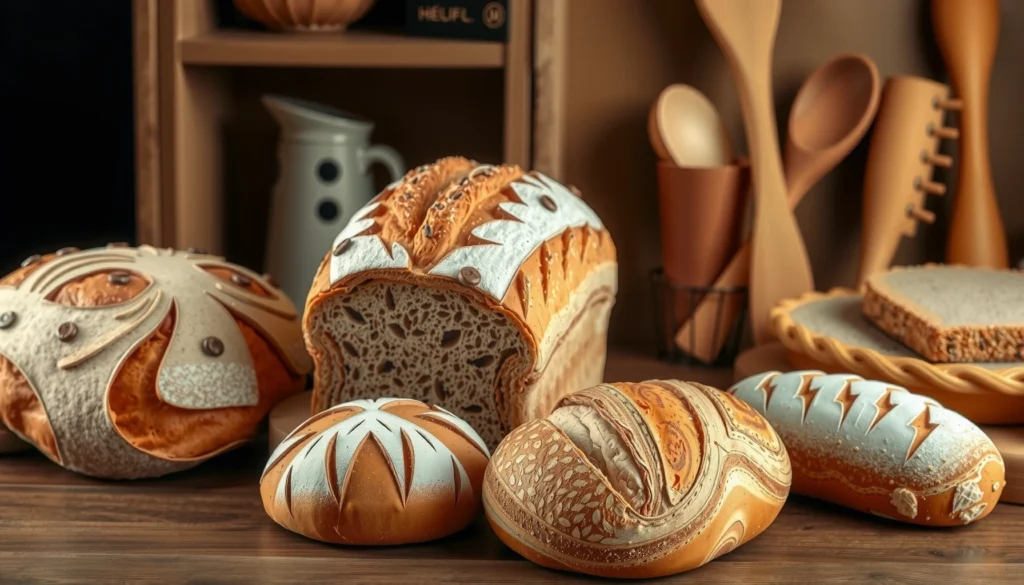

For those managing gestational diabetes, choosing the right bread is crucial for stable blood sugar levels. The best bread options are typically 100% whole grain varieties that are high in fiber and have a low glycemic index, such as 100% whole wheat, whole rye, and authentic sourdough bread. These types help to slow down glucose absorption, making them safer and more beneficial choices during pregnancy, contributing significantly to both maternal and fetal well-being by mitigating the risks associated with hyperglycemia.




Understanding Bread’s Impact on Gestational Diabetes
Managing gestational diabetes necessitates a keen awareness of how dietary choices, particularly carbohydrates, influence blood glucose levels. Bread, a staple in many diets, can have a profound and varied impact depending on its composition.
* How carbohydrates in bread affect blood sugar levels.
All carbohydrates, including those found in bread, are broken down into glucose during digestion. This glucose then enters the bloodstream, signaling the pancreas to release insulin to transport the glucose into cells for energy. In gestational diabetes, the body experiences insulin resistance, meaning insulin isn’t as effective at its job, leading to higher blood sugar levels. Breads made with refined grains (like white bread) are rapidly digested, causing a quick and sharp spike in blood glucose. Conversely, breads rich in fiber and whole grains are digested more slowly, resulting in a gradual and more manageable rise in blood sugar, which is critical for preventing hyperglycemia and its associated complications.
* The role of the Glycemic Index (GI) in making informed food choices.
The Glycemic Index (GI) is a numerical ranking system that indicates how quickly and how much a carbohydrate-containing food raises blood glucose levels after consumption. Foods are categorized as low (GI 55 or less), medium (GI 56-69), or high (GI 70 or more). For individuals with gestational diabetes, prioritizing low-GI foods is a cornerstone of dietary management. Low-GI breads lead to a slower and more sustained release of glucose, helping to maintain stable blood sugar levels and reduce the demands on an already compromised insulin system. Understanding and utilizing the GI can empower expectant mothers to make more strategic food choices that support their health.
* Why not all breads are created equal when managing blood glucose.
The vast array of breads available means that their nutritional profiles and metabolic effects can differ dramatically. The primary differentiator lies in the type of flour used and the processing methods. Refined flours, prevalent in white breads and many commercial products, have had the bran and germ removed, stripping away fiber, vitamins, and minerals. This lack of fiber allows for rapid digestion and glucose absorption. Whole grain breads, on the other hand, retain all parts of the grain, providing a wealth of fiber that slows digestion. Furthermore, ingredients like added sugars, unhealthy fats, and preservatives in highly processed breads can further exacerbate blood sugar control issues, making a critical distinction between genuinely healthy options and those that merely appear to be.
Key Features of Diabetes-Friendly Bread
Selecting the right bread for gestational diabetes involves looking beyond just the front-of-package claims. Understanding the core nutritional attributes that contribute to blood sugar stability is essential.
* Prioritizing 100% whole grain ingredients over refined flours.
The bedrock of a diabetes-friendly bread lies in its whole grain content. A “whole grain” includes all three parts of the grain kernel: the bran (outer layer, rich in fiber), the germ (embryo, containing healthy fats and vitamins), and the endosperm (starchy core). When flour is refined, the bran and germ are removed, leaving only the starchy endosperm. This process strips away the majority of fiber and many essential nutrients, leading to a product that is rapidly digested and quickly converted to glucose. By choosing breads explicitly labeled “100% whole grain” (e.g., 100% whole wheat, 100% whole rye), you ensure the presence of the full nutritional spectrum, including the crucial fiber needed for blood sugar regulation.
* The importance of high fiber content for digestive health and blood sugar regulation.
Fiber is a non-digestible carbohydrate found abundantly in whole grains, fruits, and vegetables, and it plays a paramount role in managing gestational diabetes. There are two main types: soluble fiber and insoluble fiber. Soluble fiber, found in oats, barley, and rye, forms a gel-like substance in the digestive tract, which slows down the absorption of glucose, preventing sharp blood sugar spikes. Insoluble fiber, found in whole wheat and many vegetables, adds bulk to stool, promoting regular bowel movements and preventing constipation, a common issue during pregnancy. Aiming for breads with at least 3-5 grams of fiber per serving is an excellent strategy, as fiber not only helps stabilize blood glucose but also increases satiety, which can assist with weight management and overall digestive health.
* Looking for breads with minimal added sugars and healthier fat profiles.
Beyond the type of flour and fiber content, scrutinizing the ingredient list for added sugars and fat types is critical. Many commercial breads, even some labeled “whole grain,” can contain significant amounts of added sugars in various forms (e.g., high-fructose corn syrup, molasses, honey, dextrose). These added sugars contribute empty calories and can rapidly elevate blood glucose levels, counteracting the benefits of whole grains. Similarly, the fat profile matters. Breads made with healthier fats, such as those from seeds (e.g., flaxseeds, chia seeds) or olive oil, provide beneficial monounsaturated and polyunsaturated fats. Conversely, breads containing unhealthy trans fats (partially hydrogenated oils) or excessive saturated fats should be avoided, as these can negatively impact cardiovascular health and insulin sensitivity.
Top Recommended Bread Choices for Gestational Diabetes
When navigating the bread aisle, specific types stand out as superior choices for managing gestational diabetes due to their nutritional composition and impact on blood sugar.
* 100% Whole Wheat or Whole Grain Bread: Ensure “100% whole” is clearly stated, not just “wheat bread.”
This is often the most accessible and widely available healthy bread option. The key is to look for the “100% whole wheat” or “100% whole grain” label, ensuring that the first ingredient listed is “100% whole wheat flour” or “whole grain flour.” Many products misleadingly labeled “wheat bread” or “multigrain” may primarily use refined white flour with only a small portion of whole grains. True 100% whole wheat bread retains all components of the wheat kernel, providing a robust amount of fiber, B vitamins, iron, and magnesium. This high fiber content significantly slows down glucose absorption, leading to a more gradual rise in blood sugar compared to refined white bread. When chosen correctly, it forms a versatile base for nutrient-dense meals.
* Whole Rye Bread: Varieties like pumpernickel or dark rye, which are dense and high in fiber.
Whole rye bread, especially denser varieties like pumpernickel or dark rye, is an excellent choice. Rye grains have a unique carbohydrate structure, including a high concentration of soluble fiber called beta-glucan. This fiber is particularly effective at slowing the digestion and absorption of carbohydrates, resulting in a lower glycemic response than even many whole wheat breads. Pumpernickel, a very dark, dense, and coarse rye bread, is typically made with whole rye flour and often fermented, further contributing to its low GI. Dark rye bread also offers significant fiber and a distinct flavor profile. When purchasing rye bread, ensure it’s made from “whole rye flour” rather than refined rye or a blend that includes white flour, to maximize its blood sugar stabilizing benefits.
* Authentic Sourdough Bread: The fermentation process can lower its glycemic impact compared to conventional bread.
Authentic sourdough bread is a surprisingly good option for gestational diabetes, and its benefits are rooted in its traditional fermentation process. Sourdough is made using a “starter” culture of wild yeasts and lactic acid bacteria, rather than commercial yeast. During the long fermentation, these microorganisms break down carbohydrates in the flour, producing lactic acid and acetic acid. This process alters the structure of the starch in the bread, making it less readily digestible by human enzymes, and lowers the bread’s glycemic index. The acids also contribute to the bread’s characteristic tangy flavor and can improve nutrient availability. To reap these benefits, it’s crucial to choose genuine, long-fermented sourdough, often found at artisan bakeries, rather than commercially produced “sourdough flavored” breads that may use a shortcut process without the full fermentation benefits.
Breads to Limit or Avoid with Gestational Diabetes
Just as there are beneficial bread choices, there are also types that are particularly detrimental to blood sugar management and should be significantly limited or avoided by those with gestational diabetes.
* White Bread and Enriched Flour Products: These are low in fiber and quickly spike blood sugar.
White bread is perhaps the most critical type of bread to avoid for individuals with gestational diabetes. It is made from highly refined white flour, which has had the nutrient-rich bran and germ stripped away. This refining process removes virtually all of the natural fiber, leaving behind primarily starch. As a result, white bread is rapidly digested and converted to glucose, leading to a sharp and immediate spike in blood sugar levels. Products labeled “enriched flour” have had a few nutrients added back in after processing, but this does not compensate for the significant loss of fiber and the inherent quick glycemic response. Common culprits include standard sandwich white bread, white rolls, hamburger buns, and many types of commercial bagels.
* Sweet Breads and Pastries: Including bagels, brioche, and sweet rolls, which are high in sugar and refined carbs.
This category represents a double threat for gestational diabetes management: they are typically made with refined flours and contain significant amounts of added sugars. Foods like bagels (especially large, plain, or sweetened varieties), brioche, croissants, donuts, muffins, sweet rolls, and most breakfast pastries are laden with simple carbohydrates and often unhealthy fats. The combination of refined flour and high sugar content ensures a rapid and substantial elevation in blood glucose. Moreover, these items are often calorically dense but nutritionally sparse, offering little in terms of fiber, protein, or essential micronutrients to support a healthy pregnancy.
* Heavily Processed Breads: Often contain unhealthy fats, high sodium, and various additives.
Beyond just the flour type and sugar content, many heavily processed commercial breads should be approached with caution. These often have long ingredient lists featuring not only refined flours and added sugars but also hydrogenated oils (sources of unhealthy trans fats), excessive sodium, and a host of artificial preservatives, emulsifiers, and stabilizers. While trans fats are increasingly regulated, their presence can negatively impact cardiovascular health and insulin sensitivity. High sodium content can contribute to elevated blood pressure, which is a concern during pregnancy. The cumulative effect of these non-beneficial ingredients can undermine efforts to manage blood sugar and promote overall health during gestational diabetes. Always review the full ingredient list for these hidden components.
How to Effectively Read Bread Labels
Navigating the grocery store aisle can be challenging given the numerous marketing claims on bread packaging. Becoming proficient at reading nutrition labels is an invaluable skill for managing gestational diabetes effectively.
* First Ingredient Check: Always look for “100% whole wheat” or “100% whole grain” as the very first ingredient.
The order of ingredients on a food label is crucial: ingredients are listed in descending order by weight. Therefore, to ensure you are truly selecting a whole grain product, “100% whole wheat flour,” “whole grain oat flour,” or “100% whole rye flour” must be the very first ingredient listed. Be wary of deceptive terms like “wheat flour” (which is often just refined white flour), “multigrain” (which only means multiple grains are present, not necessarily whole grains), “stone-ground,” or “seven-grain.” These terms do not guarantee that the product is 100% whole grain. Only the explicit “100% whole” declaration for the primary flour can assure you of its benefits for blood sugar management.
* Fiber Content: Aim for at least 3-5 grams of fiber per serving to aid blood sugar control.
After confirming the whole grain status, the next critical element to check is the fiber content per serving. A bread that is genuinely beneficial for blood sugar control should provide a substantial amount of dietary fiber. As a general guideline, aim for breads that offer at least 3 to 5 grams of fiber per slice or per serving (as indicated on the nutrition facts panel). Higher fiber content directly correlates with a slower digestion rate, reduced glucose absorption, and improved satiety, all of which are advantageous for managing gestational diabetes. Compare different brands and types, as fiber content can vary significantly even among 100% whole grain options.
* Sugar and Sodium: Scrutinize the sugar content and avoid breads with high amounts of added sugars or sodium.
Beyond fiber, pay close attention to the “Total Sugars” and “Added Sugars” lines on the nutrition label. While some natural sugars may be present in whole grains, the focus should be on minimizing added sugars. Look for breads with no more than 1-2 grams of added sugar per serving. Be aware that added sugars can appear under many different names, including high-fructose corn syrup, molasses, honey, brown rice syrup, fruit juice concentrate, and dextrose. Similarly, check the sodium content. While not directly affecting blood sugar, high sodium intake can contribute to high blood pressure, which requires careful monitoring during pregnancy. Aim for breads with less than 150-200 mg of sodium per serving.
Mindful Consumption: Portion Control and Pairings
Even with the best bread choices, how and when you consume them plays a pivotal role in managing gestational diabetes effectively. Mindful consumption involves strategic portion control and thoughtful food pairings.
* Appropriate Serving Sizes: Understand and stick to recommended portion sizes to manage carbohydrate intake.
Even 100% whole grain, high-fiber breads contain carbohydrates, and consuming too much can still lead to elevated blood sugar levels. It’s crucial to understand and adhere to recommended serving sizes, which are typically listed on the nutrition label and often correspond to one slice. For many with gestational diabetes, a single slice of whole grain bread might count as one carbohydrate serving (approximately 15 grams of carbohydrates). Working with a registered dietitian can help you determine your individual carbohydrate targets per meal and snack, ensuring that your bread consumption fits within your personalized dietary plan. Overestimating serving sizes is a common pitfall that can derail blood sugar control.
* Pairing with Protein and Healthy Fats: Combining bread with foods like avocado, eggs, or lean protein can further stabilize blood sugar.
The “meal matrix” is just as important as the individual food item. Consuming carbohydrates, even complex ones like whole grain bread, in isolation can lead to a quicker blood sugar rise than when they are paired with protein and healthy fats. Protein and fats slow down gastric emptying, meaning the food takes longer to move from the stomach to the small intestine where carbohydrate absorption primarily occurs. This prolonged digestion leads to a more gradual and sustained release of glucose into the bloodstream, blunting post-meal spikes. Excellent pairings include avocado toast (healthy fat), whole wheat toast with eggs or almond butter (protein), or a sandwich with lean turkey or chicken breast (protein). These combinations not only stabilize blood sugar but also enhance satiety.
* Timing of Consumption: Consider when you eat bread in relation to your meals and activity levels for optimal management.
The timing of your carbohydrate intake can also influence your blood sugar response. For some individuals with gestational diabetes, consuming larger carbohydrate portions, even of healthy breads, at certain times of the day (e.g., breakfast) can lead to more pronounced spikes due to varying insulin sensitivity throughout the day. Spreading carbohydrate intake evenly across meals and snacks can help maintain more stable levels. Additionally, consider your activity levels. Consuming carbohydrates before or after light physical activity might be better managed by the body as muscle activity helps to utilize glucose. Always monitor your blood glucose levels after meals to understand your personal response to different foods and timings, allowing for individualized adjustments.
Navigating bread choices with gestational diabetes doesn’t have to be overly restrictive. By focusing on high-fiber, 100% whole grain options like whole wheat, rye, and authentic sourdough, and being diligent with label reading and portion control, you can enjoy bread safely as part of a balanced diet. Strategic pairing with protein and healthy fats, along with mindful timing, further enhances blood sugar control. Always consult with your healthcare provider or a registered dietitian to tailor dietary advice to your specific needs and ensure the best outcomes for you and your baby.
Frequently Asked Questions
What is the best type of bread for gestational diabetes?
The best bread for gestational diabetes is typically 100% whole grain, high-fiber, and low glycemic index options like 100% whole wheat, sprouted grain bread, or authentic sourdough. These choices provide complex carbohydrates that are digested slowly, helping to prevent sharp blood sugar spikes. Prioritizing breads rich in fiber also contributes to better glucose control and overall digestive health during pregnancy.
How can I choose bread that won’t spike my blood sugar with gestational diabetes?
When selecting bread for gestational diabetes, carefully read the nutrition label and ingredient list. Look for bread with at least 3-5 grams of fiber per serving and ensure the first ingredient is a “whole” grain like 100% whole wheat or sprouted whole grains, rather than “enriched” or “refined” flour. Additionally, check for minimal added sugars and be mindful of the serving size to manage your carbohydrate intake effectively.
Why is whole grain bread beneficial for managing gestational diabetes?
Whole grain bread is highly beneficial for managing gestational diabetes primarily due to its high fiber content. Fiber slows down the digestion and absorption of carbohydrates, leading to a more gradual rise in blood sugar levels compared to refined grains. This sustained energy release helps keep your glucose stable, making it easier to manage your blood sugar throughout the day and supporting both maternal and fetal health.
Can I eat white bread if I have gestational diabetes?
Generally, eating white bread is not recommended if you have gestational diabetes because it is made from refined flour, which lacks fiber and is rapidly broken down into glucose, causing quick blood sugar spikes. These sharp increases in blood sugar can be difficult to manage and are detrimental to gestational diabetes control. It’s much better to opt for whole grain alternatives that offer better blood sugar stability.
Which specific bread ingredients should I look for or avoid when I have gestational diabetes?
When looking for bread suitable for gestational diabetes, prioritize ingredients like “100% whole wheat flour,” “sprouted whole grains,” or other whole grain flours high in fiber. Conversely, actively avoid breads listing “enriched wheat flour,” “white flour,” or “all-purpose flour” as primary ingredients, as these are refined and will elevate blood sugar quickly. Also, check for hidden sugars like high-fructose corn syrup, honey, molasses, or dextrose high up in the ingredient list, which can further impact your blood glucose levels.
References
- https://www.diabetes.org/diabetes/gestational-diabetes/diet-exercise
- https://www.ucsfhealth.org/conditions/gestational-diabetes/nutrition
- https://www.nhs.uk/pregnancy/related-conditions/complications/gestational-diabetes/
- Content – Health Encyclopedia – University of Rochester Medical Center
- https://www.eatright.org/health/diabetes/gestational-diabetes/gestational-diabetes-and-healthy-eating-during-pregnancy
- Overview: Warts – InformedHealth.org – NCBI Bookshelf