
The best breads for individuals with type 2 diabetes are generally those made from 100% whole grains, high in fiber, low in added sugars, and with a lower glycemic index. This means options like true 100% whole wheat, rye, sourdough, and sprouted grain breads often come out on top, offering better nutritional profiles and a more stable impact on glucose levels compared to highly processed alternatives. When navigating dietary choices for type 2 diabetes, selecting the right bread is crucial for effective blood sugar management, as poorly chosen varieties can lead to detrimental post-meal glucose spikes. Understanding the underlying nutritional science behind bread choices empowers individuals to make informed decisions that support their long-term health goals.



Understanding Bread’s Impact on Blood Sugar
Managing type 2 diabetes fundamentally revolves around controlling blood glucose levels, and bread, as a carbohydrate-rich food, plays a significant role in this. The way different types of bread affect your body is complex, influenced by several key factors.
* Glycemic Index (GI): Different breads have varying GI values, which indicate how quickly they raise blood glucose. The Glycemic Index is a ranking system (from 0 to 100) for carbohydrate-containing foods based on their effect on blood glucose levels. Foods with a high GI are rapidly digested and absorbed, causing a quick and significant rise in blood sugar. Conversely, lower GI breads cause a slower, more gradual rise, which is highly beneficial for individuals with type 2 diabetes as it helps prevent dangerous spikes and troughs in blood glucose. For instance, white bread typically has a high GI (around 75), whereas a dense pumpernickel rye bread might have a GI in the low 50s. Opting for breads with a GI below 55 is generally recommended for better glycemic control.
* Carbohydrate Content: All breads contain carbohydrates, which convert to glucose in the body upon digestion. It’s crucial to understand that simply looking at the total carbohydrate content isn’t enough; the *type* and *amount* of carbs are key, not just their presence. Complex carbohydrates, found in whole grains, are broken down more slowly than simple carbohydrates found in refined grains and added sugars. This slower digestion contributes to a more stable blood sugar response. Furthermore, understanding your personal carbohydrate tolerance and adhering to recommended portion sizes is essential, even when consuming healthier bread options. Tracking total carbohydrate intake per meal in conjunction with the GI value provides a comprehensive approach to dietary planning.
* Fiber’s Role: Dietary fiber is a non-digestible carbohydrate that plays a pivotal role in blood sugar management. When present in bread, fiber slows down the digestion and absorption of other carbohydrates, thereby preventing sharp blood sugar spikes. This effect is multifaceted: fiber adds bulk, which delays gastric emptying, and it forms a gel-like substance in the digestive tract that traps glucose, releasing it more gradually into the bloodstream. Beyond glycemic control, fiber also promotes satiety, helping to prevent overeating, and contributes to overall digestive health, including supporting a healthy gut microbiome, which has emerging links to metabolic health.
Key Nutritional Factors for Diabetes-Friendly Bread
When selecting bread for diabetes management, shifting focus from mere taste to nutritional composition is paramount. Certain characteristics indicate a bread’s suitability for a blood sugar-conscious diet.
* 100% Whole Grains: This is perhaps the most critical factor. Look for breads where “100% whole wheat,” “100% whole rye,” or other whole grains (like oats, barley, quinoa) are listed as the first ingredient. The “whole” designation is crucial because it ensures the grain’s beneficial bran, germ, and endosperm are intact. The bran contains fiber, B vitamins, and antioxidants; the germ contains B vitamins, minerals, protein, and healthy fats; and the endosperm primarily contains carbohydrates and some protein. In contrast, refined grains (like white flour) strip away the bran and germ, removing most of these valuable nutrients and fiber, leaving behind quickly digestible starches. This distinction is vital for stable blood glucose.
* High Fiber Content: Aim for at least 3-5 grams of fiber per slice, as this significantly contributes to blood sugar control and digestive health. Bread rich in fiber helps to slow down the absorption of glucose, leading to a more gradual rise in blood sugar after meals. Furthermore, adequate fiber intake is associated with reduced risk of cardiovascular disease, a common comorbidity with type 2 diabetes. To achieve this, examine the nutrition label carefully, noting that some dense, whole-grain breads can offer even higher fiber counts, sometimes exceeding 4-5 grams per slice.
* Low in Added Sugars: Many commercially produced breads, even those marketed as “healthy,” can contain surprising amounts of added sugars. These sugars contribute to elevated calorie intake and can directly spike blood glucose levels. Avoid breads with high fructose corn syrup, sucrose, dextrose, maltose, molasses, or other added sugars listed among the first few ingredients. Ideally, choose breads with less than 2-3 grams of added sugar per serving. Always scrutinize the ingredient list, as sugar can hide under numerous aliases.
* Minimal Processed Ingredients: Opt for breads with shorter, simpler ingredient lists, indicating less processing and fewer artificial additives. A long list filled with unpronounceable chemicals, artificial flavors, preservatives, or unnecessary dough conditioners often signifies a highly processed product. Breads made with whole, recognizable ingredients (e.g., whole grain flour, water, yeast, salt, seeds) are generally superior. Less processing means fewer opportunities for manufacturers to strip out nutrients or add undesirable components that could negatively impact blood sugar or overall health.
Top Bread Choices for Managing Type 2 Diabetes
Several types of bread stand out as excellent choices for individuals managing type 2 diabetes, primarily due to their robust nutritional profiles and beneficial impact on glucose metabolism.
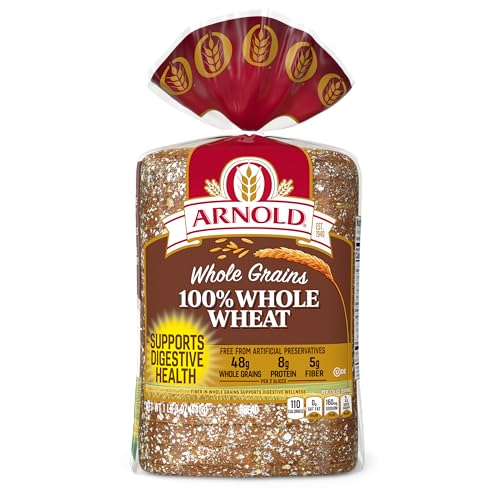
* 100% Whole Wheat Bread: This is a cornerstone for diabetes-friendly eating. True 100% whole wheat bread is rich in dietary fiber, including both soluble and insoluble types, which are crucial for slowing carbohydrate digestion and absorption, leading to a more sustained energy release and preventing rapid blood sugar spikes. Beyond fiber, it provides essential nutrients such as B vitamins (thiamine, riboflavin, niacin, folate), iron, magnesium, and selenium, which support overall metabolic health. When selecting, it is imperative to verify the “100% whole wheat” claim on the packaging, as many “wheat” breads are merely refined white flour with a brown coloring.
* Rye Bread: Often dense and substantial, rye bread, especially pumpernickel or dark rye, is highly regarded for its low glycemic response. Rye grains contain a unique type of fiber called arabinoxylan, which can further slow digestion and help moderate blood glucose levels more effectively than wheat fiber. Pumpernickel, a coarsely ground whole rye bread, is particularly dense and fermented, contributing to its very low GI. Studies have shown that rye bread consumption can lead to lower post-meal insulin responses and improved satiety compared to wheat bread, making it an excellent choice for sustained energy and hunger control.
* Sourdough Bread: The traditional fermentation process used to make sourdough bread offers distinct advantages for blood sugar management. During sourdough fermentation, lactic acid bacteria break down some of the carbohydrates and phytic acid in the flour. This process alters the starch structure, potentially creating more resistant starch, which behaves more like fiber and is not fully digested in the small intestine. As a result, traditional sourdough bread often has a lower glycemic index (GI) compared to regular white bread or even some whole wheat varieties, leading to a slower and more modest rise in blood glucose. Look for authentic sourdough made with minimal ingredients and a long fermentation process.
* Sprouted Grain Bread: Made from grains (like wheat, barley, lentils, or millet) that have begun to sprout, this type of bread offers enhanced nutritional benefits. The sprouting process activates enzymes that break down starches, proteins, and phytic acid, potentially increasing the bioavailability of nutrients such as folate, iron, zinc, magnesium, and B vitamins. Furthermore, sprouting may reduce the glycemic impact of the grains by converting some starches into simpler sugars that are then consumed by the sprouting plant, or by altering the starch structure, leading to a potentially lower GI compared to non-sprouted versions. Brands like Ezekiel 4:9 are popular examples of nutrient-dense sprouted grain breads.
Breads to Limit or Avoid
Just as certain breads are beneficial, others can actively hinder blood sugar management and overall health for individuals with type 2 diabetes. Understanding which to avoid is as crucial as knowing which to choose.
* White Bread: Highly refined and stripped of its bran and germ during processing, white bread is inherently low in fiber and essential nutrients. Its refined carbohydrate content means it is quickly digested and absorbed by the body, leading to rapid and significant blood sugar spikes. This rapid influx of glucose necessitates a high insulin response, which can exacerbate insulin resistance over time and make blood sugar control challenging. Its nutritional emptiness offers minimal satiety, often leading to increased consumption and further metabolic strain.
* Sweet Breads and Pastries: This category includes items like cinnamon swirl bread, banana bread, croissants, donuts, and other bakery items. These are often loaded with excessive amounts of added sugars, refined flour, and unhealthy fats (like trans fats or saturated fats). The combination of high sugar and refined carbohydrates causes immediate and dramatic blood glucose surges. Beyond the immediate glycemic impact, these items contribute to higher caloric intake, inflammation, and can promote weight gain, all of which are detrimental factors for individuals managing type 2 diabetes and associated cardiovascular risks.
* “Wheat Bread” (Not 100% Whole): This is a common marketing trick that can mislead consumers. Many breads labeled simply “wheat bread” are predominantly made with refined wheat flour, meaning the nutritious bran and germ have been removed, similar to white bread. While it may have a slightly darker color due to molasses or other additives, it offers little nutritional advantage over white bread in terms of fiber content or glycemic response. Always check the ingredient list for the “100% whole wheat” designation as the very first ingredient to ensure you are truly getting a whole grain product. If it just says “wheat flour,” it’s best to avoid it.
Practical Tips for Incorporating Bread Safely
Even with the best bread choices, strategic consumption is key to maintaining stable blood glucose levels. Integrating bread into a diabetes-friendly diet requires mindful planning and personal awareness.
* Portion Control: Even healthy breads, being carbohydrate sources, require careful portion management. Stick to one or two slices per serving, depending on your individual meal plan, carbohydrate allowance, and activity level. Using measuring guides or weighing portions initially can help develop an accurate sense of serving sizes. Consulting with a registered dietitian can provide personalized guidance on appropriate carbohydrate intake per meal, tailored to your specific medication regimen, lifestyle, and blood glucose targets. Overconsumption, even of high-fiber, low-GI breads, can still lead to elevated blood sugar.
* Pair with Protein and Healthy Fats: Eating bread alongside sources of protein (e.g., lean meat, eggs, cheese, Greek yogurt, beans, lentils, hummus) or healthy fats (e.g., avocado, nuts, seeds, olive oil) can significantly help to stabilize blood sugar. Protein and fat slow down gastric emptying and the absorption of carbohydrates, blunting the post-meal glucose response. For example, opting for whole wheat toast with avocado and a poached egg, or a slice of rye bread with smoked salmon and cream cheese, creates a more balanced meal that minimizes blood sugar spikes compared to eating bread alone.
* Monitor Your Blood Glucose: Individual responses to food can vary widely. Pay close attention to how different bread types and portions affect your personal blood sugar levels by checking your glucose meter before and 1-2 hours after consuming bread. This practice, often referred to as “test and learn,” is invaluable for identifying which breads and portion sizes work best for *your* body. Continuous Glucose Monitors (CGMs) can provide even more detailed insights into real-time glucose fluctuations, empowering highly personalized dietary adjustments. This bio-individuality underscores the importance of self-monitoring.
Decoding Bread Labels: What to Look For
Navigating the bread aisle can be confusing due to clever marketing and sometimes ambiguous labeling. Learning to read and interpret bread labels effectively is a powerful skill for anyone managing type 2 diabetes.
* First Ingredient Check: Always confirm that the very first ingredient listed is “100% whole wheat,” “100% whole rye,” or another 100% whole grain. If the first ingredient simply says “wheat flour,” “enriched flour,” or “multigrain flour,” it is likely a refined product, regardless of how brown the bread appears. The “whole” designation is the absolute indicator that the grain contains all three parts—bran, germ, and endosperm—which are essential for fiber and nutrient content. Prioritizing this check will immediately filter out many less suitable options.
* Nutritional Panel Scan: Beyond the ingredients, a thorough review of the nutritional panel is crucial. Focus on these key metrics per serving:
* Fiber: Aim for at least 3-5 grams of fiber per slice. Higher fiber content correlates directly with better blood sugar control.
* Total Carbohydrates: While fiber is part of total carbohydrates, be mindful of the overall carb count, as this dictates the potential glucose load. If you’re counting net carbs (total carbs minus fiber), ensure this calculation aligns with your dietary plan.
* Added Sugars: Look for breads with minimal added sugars, ideally less than 2-3 grams per serving. Remember to check the ingredient list for various sugar names. High sugar content will negate the benefits of whole grains and fiber.
* Sodium: Pay attention to sodium content, as high sodium intake can be a concern for individuals with diabetes, who often have co-existing hypertension.
* Beware of Misleading Terms: Terms like “multigrain,” “enriched,” “stone-ground,” “seven-grain,” or “natural” do not guarantee a whole grain product. “Multigrain” simply means the bread contains more than one type of grain, but these grains may still be refined. “Enriched” flour means that nutrients lost during processing have been artificially added back, but not necessarily fiber. “Stone-ground” refers to the milling process, not the whole grain content. Always bypass these marketing terms and go straight to the full ingredient list to ensure “100% whole grain” is explicitly stated as the primary component.
Making smart bread choices is a powerful step in managing type 2 diabetes, focusing on high-fiber, whole-grain options like 100% whole wheat, rye, sourdough, and sprouted grain varieties. By carefully reading labels, controlling portions, and pairing bread with balanced meals rich in protein and healthy fats, you can enjoy bread as part of a healthy, blood-sugar-friendly diet without compromising your glycemic control. Remember that while these general guidelines are highly effective, individual responses can vary, emphasizing the importance of personal blood glucose monitoring. Always consult with a healthcare professional or registered dietitian for personalized dietary advice tailored to your specific health needs and goals.
Frequently Asked Questions
What is the best type of bread for people with type 2 diabetes?
The best bread for individuals with type 2 diabetes is generally 100% whole grain or whole wheat bread, particularly varieties high in fiber and low in added sugars. These breads have a lower glycemic index (GI) compared to refined white bread, which helps to slow down glucose absorption and prevent sharp blood sugar spikes. Prioritizing options like whole wheat, rye, or pumpernickel, especially those with minimal ingredients, is key for managing blood sugar effectively.
Why is fiber-rich, whole grain bread important for managing type 2 diabetes?
Fiber plays a crucial role in diabetes management by slowing down the digestion and absorption of carbohydrates, which helps to stabilize blood sugar levels. Whole grain breads retain all parts of the grain, including the fiber-rich bran, unlike refined breads. This increased fiber content not only aids in blood sugar control but also promotes satiety, supports digestive health, and can contribute to better cholesterol levels for individuals with type 2 diabetes.
How can I identify a truly healthy bread option for diabetes when reading nutrition labels?
When selecting bread for type 2 diabetes, always check the nutrition label for “100% whole wheat” or “100% whole grain” as the *first* ingredient, not just “wheat flour.” Look for breads with at least 3-5 grams of fiber per slice and aim for less than 2-3 grams of added sugar per serving to minimize impact on blood sugar. Additionally, pay attention to the total carbohydrate count per slice and choose brands with simple, minimal ingredients.
Are there specific low glycemic index (GI) bread options suitable for type 2 diabetes?
Yes, several bread options have a lower glycemic index, making them more suitable for managing type 2 diabetes. Sprouted grain breads, like Ezekiel bread, are excellent choices because the sprouting process can reduce the carbohydrate content and increase nutrient availability, leading to a slower rise in blood sugar. Hearty, dense whole grain breads such as pumpernickel or 100% whole grain rye bread also typically have a lower GI due to their higher fiber content and complex carbohydrate structure.
What about sourdough bread or multi-grain bread for individuals with type 2 diabetes?
Sourdough bread can be a better option than regular white bread for type 2 diabetes because its fermentation process may alter carbohydrate structure, potentially leading to a lower glycemic response. However, ensure it’s made with whole grain flours for maximum benefit. Multi-grain bread can be deceptive; always check that “whole grains” are listed prominently and that it’s not just refined flour with a few seeds added, as its blood sugar impact can vary widely depending on the grain types used.
References
- https://www.diabetes.org/healthy-living/recipes-nutrition/eating-well/grain-foods
- Diabetes diet: Create your healthy-eating plan – Mayo Clinic
- Carbohydrates • The Nutrition Source
- Whole Grains • The Nutrition Source
- Healthy Living with Diabetes – NIDDK
- https://www.cdc.gov/diabetes/managing/eat-well/index.html
- Glycemic index