When choosing the best wet food for cats with diabetes, the most critical factor is selecting options that are high in protein, very low in carbohydrates, and have a moderate fat content. This specific nutritional profile helps manage blood glucose levels more effectively by mimicking a cat’s natural carnivorous diet, reducing the insulin demand on their system. Understanding these core dietary requirements is essential for supporting your diabetic cat’s health and well-being.



Understanding Feline Diabetes and Diet
Feline diabetes mellitus, predominantly Type 2 in nature, mirrors human diabetes in many ways, often emerging from a complex interplay of genetic predisposition, lifestyle factors, and diet. A significant contributing factor, and often an exacerbating one, is obesity and the prolonged consumption of diets that are inappropriately high in carbohydrates for a obligate carnivore. Unlike omnivores, cats are metabolically adapted to process fat and protein for energy, not large quantities of carbohydrates. When a cat consumes a carb-heavy diet, their pancreas is constantly stressed to produce insulin to manage the resulting glucose spikes. Over time, this can lead to insulin resistance, pancreatic exhaustion, and ultimately, diabetes.
For cats diagnosed with diabetes, dietary management is not just a supportive measure but a cornerstone of treatment. The primary goals are to stabilize blood sugar levels, minimize post-meal glucose spikes, and, in many cases, reduce the cat’s dependence on exogenous insulin or even achieve diabetic remission. A well-constructed diet can dramatically improve a cat’s glycemic control, alleviating symptoms and enhancing their quality of life. Veterinary studies and clinical practice consistently demonstrate that appropriate dietary changes can lead to better regulation of blood glucose, lower insulin requirements, and a greater chance of remission, especially when coupled with weight management.
When evaluating suitable food options, wet food is generally preferred over dry kibble for diabetic cats. This preference stems from several key benefits. Firstly, wet food typically has a significantly higher moisture content, which supports feline urinary tract health and hydration, crucial for overall well-being. More importantly, commercially available wet foods tend to have a lower carbohydrate count compared to dry kibbles, which often rely on grains and starches as binders and fillers. The lower carbohydrate profile of wet food aligns perfectly with the dietary needs of a diabetic cat, helping to prevent the rapid glucose spikes associated with carbohydrate digestion.
Key Nutritional Pillars for Diabetic Cats
Adhering to specific macronutrient ratios is paramount for effectively managing feline diabetes through diet. These pillars guide the selection of appropriate wet food, directly influencing blood glucose stability and overall health.
* High Protein (45-55% dry matter basis): For an obligate carnivore like a cat, protein is the primary energy source and the building block for lean muscle mass. A diet rich in high-quality animal protein within the 45-55% dry matter basis range is crucial for diabetic cats. Protein provides energy through gluconeogenesis (the production of glucose from non-carbohydrate sources), but this process is slower and more sustained than carbohydrate metabolism, resulting in a more gradual and controlled release of glucose into the bloodstream. This helps avoid rapid blood sugar spikes. Furthermore, adequate protein intake is vital for maintaining lean muscle mass, which is especially important for cats that may be losing weight due to uncontrolled diabetes or those needing to lose excess fat. Muscle tissue also plays a role in glucose uptake and metabolism, contributing to better glycemic control.
* Very Low Carbohydrate (under 10% dry matter basis): This is perhaps the most critical nutritional pillar for diabetic cats. Carbohydrates, once digested, are quickly converted into glucose, directly impacting blood sugar levels. For a diabetic cat with impaired insulin production or sensitivity, high carbohydrate intake leads to significant and rapid glucose spikes that are difficult to manage. By limiting carbohydrates to under 10% on a dry matter basis, the dietary burden on the pancreas is significantly reduced, minimizing the demand for insulin and making blood sugar much easier to regulate. This approach mimics a cat’s natural diet of prey animals, which are inherently low in carbohydrates, helping to restore a more natural metabolic state.
* Moderate Fat Content: While fat is an essential component of a cat’s diet, providing energy, palatability, and aiding in the absorption of fat-soluble vitamins, its content needs careful consideration for diabetic cats. A moderate fat content is necessary to provide sufficient calories and promote satiety, helping cats feel full and preventing overeating. However, excessively high fat levels can contribute to weight gain, which is detrimental to diabetic management, especially given the strong link between obesity and insulin resistance. Moreover, very high fat diets can sometimes exacerbate or contribute to other health issues like pancreatitis in susceptible individuals. The ideal range typically balances providing adequate energy without promoting obesity, often meaning a fat content that is not excessively high but still sufficient to meet caloric needs.
Ingredients to Prioritize in Wet Food
Selecting the right ingredients is fundamental to formulating a beneficial diet for diabetic felines. The quality and type of ingredients directly correlate with the nutritional pillars discussed.
* Meat as the Primary Ingredient: The ingredient list of a suitable wet food for a diabetic cat should always feature named meat sources prominently at the very top. Look for specific animal proteins such as chicken, turkey, beef, salmon, or duck. These whole meat sources provide high-quality, species-appropriate protein that is easily digestible and metabolizable by cats. Named meat sources indicate the exact animal, offering transparency, while terms like “meat by-products” or “animal digest” are less desirable as their exact origin and quality can be inconsistent. Prioritizing real meat ensures that the primary calorie and protein source aligns with a cat’s natural carnivorous diet, supporting lean muscle mass and sustained energy without unnecessary carbohydrate loads.
* Limited Fillers: To maintain a very low carbohydrate profile, it is imperative to avoid foods containing excessive amounts of fillers. These often include grains such as corn, wheat, rice, and barley, as well as soy. While these ingredients might serve as inexpensive binders or provide some nutrients in other species’ diets, they are not biologically appropriate for an obligate carnivore and contribute significantly to the carbohydrate content, which directly counters the goal of diabetic management. A high-quality diabetic cat food will minimize or completely eliminate these ingredients, focusing instead on nutrient-dense animal-based components.
* Essential Nutrients: Beyond macronutrients, a complete and balanced wet food must provide all necessary vitamins, minerals, and essential fatty acids for overall feline health. Diabetic cats, like all cats, require a comprehensive array of micronutrients to support metabolic functions, immune system health, skin and coat quality, and organ function. Key nutrients include taurine (critical for cardiac and retinal health), B vitamins (involved in energy metabolism), and essential fatty acids like Omega-3s (which can support anti-inflammatory processes and overall cellular health). Ensure the chosen food is formulated to meet the nutritional levels established by the AAFCO (Association of American Feed Control Officials) for “maintenance” or “all life stages” to guarantee a complete dietary profile.
Ingredients to Strictly Avoid
Just as important as prioritizing beneficial ingredients is recognizing and strictly avoiding those that can be detrimental to a diabetic cat’s health.
* High Carbohydrate Sources: The most crucial category of ingredients to avoid includes high carbohydrate sources. This encompasses a wide range of common pet food components such as grains (corn, wheat, rice, barley, oats), potatoes, peas, lentils, and sweet potatoes. Even seemingly healthy vegetables like carrots or squash, if present in significant quantities, can contribute to the overall carbohydrate load. These ingredients break down into glucose rapidly, leading to the undesirable blood sugar spikes that diabetic management aims to prevent. Scrutinize ingredient lists for these items and choose foods where they are either completely absent or present in negligible amounts towards the very end of the list.
* Sugars and Sweeteners: Any form of added sugar or sweetener is unequivocally harmful for a diabetic cat and must be strictly avoided. Ingredients like caramel, molasses, corn syrup, high-fructose corn syrup, sucrose, or dextrose will directly and rapidly elevate blood glucose levels, making diabetes control exceedingly difficult. These sugars provide empty calories and serve no beneficial nutritional purpose for cats, especially those with impaired glucose metabolism. Always check the ingredient list carefully, as sugars can be hidden under various names.
* Artificial Additives: While perhaps not directly impacting blood sugar levels, artificial colors, flavors, and preservatives are generally unnecessary and should be avoided for a cleaner, healthier diet. These additives offer no nutritional benefit and can sometimes be linked to sensitivities or allergies in some animals. Opting for foods with natural preservatives (like mixed tocopherols – Vitamin E) and naturally derived flavors ensures a more wholesome and less potentially irritating diet for your sensitive diabetic feline. A diet free from artificial components supports overall well-being and reduces exposure to potentially harmful chemicals.
Decoding Wet Food Labels
Understanding how to interpret pet food labels is a critical skill for any cat owner, especially when managing a complex condition like diabetes. Labels provide the essential information needed to make informed dietary choices.
* Guaranteed Analysis: The “Guaranteed Analysis” section on a pet food label provides the minimum or maximum percentages of key nutrients such as crude protein, crude fat, crude fiber, and moisture. For a diabetic cat, paying close attention to crude protein and crude fat is essential. While these values are “as fed” (meaning as the food is in the can), they offer an initial snapshot. The crude protein percentage should be high, reflecting the protein-rich nature required. Crude fiber should ideally be low, as high fiber can sometimes interfere with nutrient absorption, though moderate levels can be beneficial for digestive health in some cats. The moisture content is also crucial for converting “as fed” to “dry matter basis.”
* “As Fed” vs. “Dry Matter Basis”: This is arguably the most vital concept to grasp when comparing wet foods. The “as fed” percentages on the guaranteed analysis include the moisture content, which can be as high as 75-80% in wet foods. This high moisture significantly dilutes the nutrient concentrations, making direct comparison between a wet food and a dry food, or even between two wet foods with different moisture levels, misleading. To get an accurate picture of the actual macronutrient concentration, you must convert the “as fed” percentages to a “dry matter basis” (DMB).
The conversion formula is:
% Nutrient (Dry Matter Basis) = (% Nutrient As Fed / (100 – % Moisture As Fed)) x 100
For example, if a wet food has 10% protein and 78% moisture:
Protein DMB = (10 / (100 – 78)) x 100 = (10 / 22) x 100 = 45.45% DMB.
This conversion is essential for truly identifying foods that meet the high-protein, very low-carb criteria for diabetic cats.
* Ingredient List Order: The ingredients on a pet food label are listed in descending order by weight. This means the ingredients present in the largest quantities are listed first. For diabetic cats, the first few ingredients should ideally be whole, named meat sources (e.g., “chicken,” “chicken liver,” “turkey”). If corn, wheat, rice, or other carbohydrate sources appear high on the list, it’s a strong indicator that the food’s carbohydrate content is too high for a diabetic feline. A label that lists multiple meat sources before any plant-based ingredients is a good sign that the food prioritizes appropriate macronutrient distribution.
Transitioning and Monitoring Your Cat’s Diet
Implementing a new diet for a diabetic cat requires careful planning and close observation to ensure a smooth transition and effective management of their condition.
* Gradual Transition: Abrupt changes in diet can cause digestive upset, including vomiting or diarrhea, and can also be stressful for cats. For a diabetic cat, such upsets can further complicate blood glucose regulation. Therefore, introduce any new food gradually over a period of 7-10 days. Start by mixing a small amount of the new food (e.g., 25%) with the old food. Over several days, slowly increase the proportion of the new food while decreasing the old, allowing your cat’s digestive system to adjust and for you to monitor their acceptance and any potential adverse reactions. For particularly finicky cats, this transition period may need to be extended.
* Blood Glucose Monitoring: Dietary changes can profoundly impact a diabetic cat’s insulin requirements. Switching to a low-carbohydrate diet, in particular, can significantly reduce the need for insulin, sometimes quite rapidly. It is absolutely crucial to work in close conjunction with your veterinarian during this phase. They will likely advise on increased blood glucose monitoring, either at home with a glucometer or through regular vet visits (e.g., glucose curves). This heightened vigilance allows for timely adjustments to insulin dosage, preventing dangerous hypoglycemia (low blood sugar), which can be life-threatening. Never change insulin dosage without direct veterinary guidance.
* Observe Weight and Activity: Beyond blood glucose levels, observing your cat’s overall health metrics provides valuable insights into the diet’s effectiveness. Track changes in your cat’s weight; ideally, an overweight cat should gradually lose weight, while an underweight cat should gain or stabilize. Monitor their energy levels, activity, thirst, urination, and coat quality. An improvement in these areas often indicates better glycemic control and overall well-being. Conversely, any signs of lethargy, increased thirst, or changes in appetite should prompt immediate communication with your veterinarian. Maintaining detailed records of these observations can be incredibly helpful for your vet in tailoring the long-term management plan.
The Indispensable Role of Your Veterinarian
Navigating feline diabetes, especially the dietary component, necessitates the continuous and expert guidance of a veterinarian. Their specialized knowledge and diagnostic tools are irreplaceable.
* Personalized Dietary Recommendations: While general nutritional guidelines for diabetic cats are well-established, each cat is an individual with unique needs. Your veterinarian will consider your cat’s age, weight, activity level, presence of any co-existing medical conditions (e.g., kidney disease, pancreatitis, allergies), and even their food preferences when making specific dietary recommendations. They can help you identify commercial wet food brands that meet the strict low-carb, high-protein criteria while also being palatable and suitable for your cat’s complete health profile. Attempting to manage these complex variables without professional input can lead to suboptimal outcomes or even exacerbate existing conditions.
* Insulin Dosage Adjustments: This point cannot be overstressed: dietary changes, particularly the transition to a low-carbohydrate wet food, can dramatically alter a diabetic cat’s insulin requirements. A significant reduction in dietary carbohydrates directly translates to a reduced need for exogenous insulin. Adjusting insulin dosage is a delicate balance that must *only* be performed under strict veterinary guidance. Incorrect adjustments can lead to severe hypoglycemia (dangerously low blood sugar) or hyperglycemia (dangerously high blood sugar), both of which can have serious, even fatal, consequences. Your vet will interpret blood glucose curves and clinical signs to safely and effectively modify insulin doses as the diet takes effect.
* Regular Check-ups: Feline diabetes is a dynamic condition that requires ongoing monitoring and management. Consistent veterinary follow-ups are crucial, not only for assessing the effectiveness of the current diet and insulin regimen but also for screening for potential complications or co-morbidities. Regular check-ups allow your vet to perform blood work, urinalysis, and physical examinations to ensure kidney function is stable, detect any signs of diabetic neuropathy or retinopathy, and address any new health concerns promptly. These routine visits are foundational to long-term successful diabetes management and ensuring your cat maintains the best possible quality of life.
Successfully managing feline diabetes through diet is a journey that requires careful attention to nutrition. By focusing on wet foods that are high in protein and extremely low in carbohydrates, you can significantly improve your cat’s blood glucose control and overall quality of life. Always remember to consult your veterinarian before making any changes to your cat’s diet or insulin regimen, as their expertise is invaluable in navigating this condition.
Frequently Asked Questions
What are the key nutritional considerations for wet cat food when managing feline diabetes?
The most critical nutritional consideration for diabetic cats is a diet that is high in protein, low in carbohydrates, and moderate in fat. This specific profile helps stabilize blood glucose levels by minimizing the sugar spikes often caused by high-carb ingredients. Opting for the best wet food for cats with diabetes ensures higher moisture content, which is beneficial for kidney health and overall hydration in diabetic felines.
Why is wet food generally recommended over dry kibble for diabetic cats?
Wet food is overwhelmingly recommended for diabetic cats primarily because it typically contains significantly lower carbohydrate levels compared to dry kibble, which often relies on starches as binders. The high moisture content in wet food also promotes better hydration, supports urinary tract health, and can help with weight management, all crucial aspects for effective feline diabetes management. This makes it a superior choice for controlling blood sugar and improving the overall health of cats with diabetes.
Which ingredients should I look for and avoid in the best wet food for cats with diabetes?
When selecting the best wet food for cats with diabetes, prioritize ingredients like named animal proteins (e.g., chicken, turkey, salmon) as the primary component, along with a minimal inclusion of vegetables and fibers. You should strictly avoid grains (corn, wheat, rice), potatoes, peas, fruits, and added sugars, as these are high in carbohydrates and can cause detrimental blood sugar spikes. Always check the guaranteed analysis for low carbohydrate percentages, ideally below 10% on a dry matter basis.
Can diet alone manage feline diabetes, or does wet food just complement insulin therapy?
While diet is a cornerstone of feline diabetes management, it often complements insulin therapy rather than replacing it entirely, though some cats can achieve diabetic remission solely through dietary changes. A consistent, low-carbohydrate wet food diet is crucial for stabilizing blood glucose, reducing insulin requirements, and sometimes even leading to remission, especially if diabetes is caught early. Always work closely with your veterinarian to tailor the best wet food for cats with diabetes alongside any prescribed insulin treatment.
What are some reputable brands or types of low-carbohydrate wet cat food often recommended by veterinarians for diabetic cats?
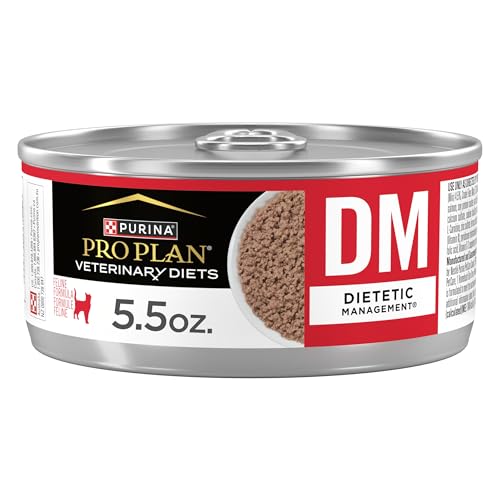
Veterinarians frequently recommend specific prescription diets designed for diabetic cats, such as Purina Pro Plan Veterinary Diets DM Dietetic Management, Royal Canin Veterinary Diet GlycoBalance, or Hill’s Prescription Diet m/d. Beyond prescription options, several high-quality commercial brands offer low-carbohydrate, high-protein wet foods, but always ensure they meet the strict nutritional requirements for diabetic felines. Consulting your vet is essential to determine the most appropriate and best wet food for your cat with diabetes, as individual needs can vary.
References
- Feline Diabetes | Cornell University College of Veterinary Medicine
- https://vet.osu.edu/vmc/companion/our-services/internal-medicine/clinical-nutrition-small-animals/feline-diabetes-mellitus
- Veterinary Partner – VIN
- https://vetmed.tufts.edu/sites/default/files/Legacy/documents/petfoodology/Resources/Feeding_the_Diabetic_Cat_PN_May_2016.pdf
- https://en.wikipedia.org/wiki/Diabetes_mellitus_in_cats
- Cat Advice – International Cat Care