Plain water is undeniably the best drink for individuals managing diabetes to quench thirst effectively and safely. It contains zero carbohydrates, zero calories, and has no impact on blood sugar levels, making it the perfect choice for consistent hydration. Beyond plain water, a variety of unsweetened beverages can also help alleviate thirst without causing blood glucose spikes. This guide will explore the top hydrating choices and what to avoid to maintain optimal health.


Why Hydration is Crucial for Diabetics
Maintaining optimal hydration is not merely about comfort; it is a critical component of effective diabetes management and overall metabolic health. For individuals with diabetes, the body’s fluid balance is particularly vulnerable and plays a significant role in blood glucose regulation.
* High blood sugar levels can lead to increased urination, pulling fluids from the body and causing dehydration. This phenomenon is known as osmotic diuresis. When blood glucose levels are elevated (hyperglycemia), the kidneys work harder to filter out the excess glucose. Glucose acts as an osmotic agent, meaning it pulls water along with it as it’s excreted in the urine. This increased fluid excretion results in frequent urination (polyuria) and can rapidly deplete the body’s water reserves, leading to significant dehydration. The body then signals thirst (polydipsia) in an attempt to replenish these lost fluids. Without adequate fluid intake, this cycle can exacerbate dehydration and make blood sugar management more challenging.
* Dehydration can further concentrate blood sugar, potentially making symptoms worse. When the body is dehydrated, the concentration of solutes in the blood, including glucose, naturally increases. This means that even if the absolute amount of glucose in the bloodstream hasn’t changed, its *concentration* becomes higher due to the reduced fluid volume. This elevated concentration can lead to an increase in perceived blood sugar levels, intensify symptoms like fatigue and headaches, and make it harder for the body to utilize insulin effectively. Furthermore, severe dehydration can strain the cardiovascular system and impair kidney function, creating a dangerous feedback loop where high blood sugar exacerbates dehydration, and dehydration, in turn, worsens blood sugar control.
* Adequate hydration supports kidney function, helps with nutrient transport, and aids in overall metabolic processes vital for diabetes management. The kidneys play a pivotal role in filtering waste products and excess glucose from the blood. Sufficient hydration ensures that the kidneys can perform these functions efficiently, protecting them from damage that can result from chronic high blood sugar and dehydration. Water is also the primary medium for transporting essential nutrients, hormones, and oxygen to cells, and for carrying waste products away. Every metabolic process, including the breakdown of glucose for energy and the action of insulin, relies on an adequately hydrated internal environment. Optimal hydration thus supports cellular function, improves circulation, and helps maintain the electrolyte balance crucial for nerve and muscle function—all of which are paramount for individuals managing diabetes.
The #1 Best Choice: Plain Water
When it comes to hydrating effectively and safely for individuals with diabetes, plain water stands unparalleled as the gold standard. Its simplicity belies its profound benefits for metabolic health and overall well-being.
* Tap, filtered, sparkling water (plain), or mineral water are all excellent, sugar-free options. The beauty of water lies in its versatility and accessibility. Tap water, often readily available and safe in many regions, can be further enhanced by home filtration systems to remove impurities and improve taste. For those who prefer effervescence, plain sparkling water or mineral water offers a satisfying fizz without any added sugars, artificial sweeteners, or calories. It’s crucial to distinguish plain sparkling water from tonic water or flavored sparkling beverages, which often contain significant amounts of sugar or artificial ingredients. Always check labels to ensure “plain” means truly unsweetened and unflavored. These forms of water provide pure hydration, directly contributing to fluid balance without impacting blood glucose levels whatsoever.
* It directly supports glucose regulation and helps the body process insulin more efficiently. Water is integral to the entire process of glucose metabolism. It helps dissolve glucose in the bloodstream, enabling its transport to cells for energy. More importantly, adequate hydration can improve insulin sensitivity. When the body is well-hydrated, cells are more receptive to insulin, allowing glucose to enter them more easily and lowering blood sugar levels. Conversely, dehydration can reduce insulin sensitivity, making it harder for the body to manage blood glucose effectively. By maintaining proper hydration, you empower your body’s natural mechanisms for blood sugar control, supporting the pancreas in its insulin production and cellular uptake of glucose.
* Aim for consistent intake throughout the day to prevent thirst from becoming overwhelming. Waiting until you feel parched often means you are already experiencing a degree of dehydration. For individuals with diabetes, where fluid loss can be more pronounced due to hyperglycemia, a proactive hydration strategy is essential. Rather than gulping large amounts of water infrequently, strive to sip water consistently throughout the day. Keeping a water bottle within reach, scheduling water breaks, or drinking a glass before and after meals can help establish a routine. This steady intake helps maintain stable fluid levels, prevent blood sugar concentration due to dehydration, and ensures all bodily functions, particularly those related to glucose management, operate at their peak efficiency.
Excellent Unsweetened Alternatives
While plain water reigns supreme, there are several unsweetened alternatives that can provide variety and additional benefits without compromising blood sugar control. These options are excellent for diversifying your hydration strategy.
* Unsweetened Teas: Green, black, and herbal teas (like peppermint or chamomile) offer hydration and antioxidants without added sugars.
* Green Tea: Renowned for its high concentration of polyphenols, particularly epigallocatechin gallate (EGCG), green tea has been studied for its potential to improve insulin sensitivity and support cardiovascular health. Its mild flavor and refreshing quality make it a perfect sugar-free choice.
* Black Tea: Also rich in antioxidants, black tea may contribute to better blood sugar control and overall metabolic health. Its robust flavor can be invigorating, especially when served plain.
* Herbal Teas: Options like peppermint, chamomile, ginger, or hibiscus tea are naturally caffeine-free and offer a range of soothing or invigorating properties. Peppermint tea can aid digestion, while chamomile is known for its calming effects. Ensure these teas are brewed from pure herbs and contain no added sugars or artificial flavorings. Always check ingredient lists carefully, as some commercially available “herbal teas” might contain hidden sugars.
* Brewing Tip: Enjoy these teas hot or cold. For iced tea, simply brew a stronger batch and dilute with ice and cold water. Avoid adding honey, sugar, or artificial sweeteners to maintain their sugar-free status.
* Black Coffee (in Moderation): While not for everyone, plain black coffee can be hydrating and sugar-free.
Coffee contains antioxidants and may have some protective effects against type 2 diabetes, though research is ongoing.
The key is “plain black” – steer clear of creamers, syrups, or sugar, which rapidly add calories and carbohydrates.
* Caffeine Considerations: While coffee is hydrating, its caffeine content can affect individuals differently. Some people may experience a temporary increase in blood pressure or anxiety. For those sensitive to caffeine, moderate intake or opting for decaffeinated versions is advisable. Excessive caffeine can also indirectly impact blood sugar by disrupting sleep, which, in turn, can affect insulin sensitivity. Monitor your personal response to caffeine and discuss appropriate intake with your healthcare provider.
* Infused Water: Add slices of cucumber, lemon, lime, mint leaves, or a few berries to water for natural flavor without artificial sweeteners or sugar.
This is an excellent way to make plain water more appealing without introducing any undesirable ingredients. The subtle flavors released from fresh fruits, vegetables, and herbs can transform a simple glass of water into a refreshing treat.
* Flavor Combinations:
* Cucumber and Mint: A classic, refreshing combination.
* Lemon and Ginger: Invigorating and slightly spicy.
* Berries (strawberries, blueberries, raspberries): A small handful of berries can impart a lovely sweetness and color without significantly impacting carbohydrate intake. Just be mindful of the quantity to keep carb counts low.
* Orange Slices and Basil: An unexpectedly delightful pairing.
* Preparation: Simply add your chosen ingredients to a pitcher of water and let it steep in the refrigerator for a few hours or overnight. Remove ingredients after 12-24 hours to prevent bitterness. This method provides flavor without the added sugars or chemicals found in many commercially flavored waters.
Drinks to Limit or Avoid
Making informed choices about beverages is just as much about knowing what to avoid as it is about knowing what to embrace. Certain drinks pose significant risks for individuals managing diabetes and can undermine efforts to maintain stable blood sugar levels.
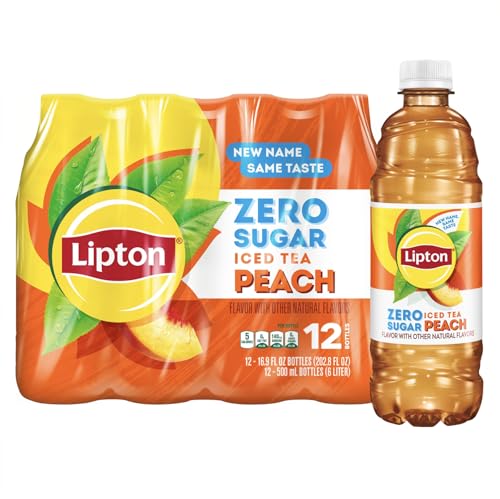
* Sugar-Sweetened Beverages: Sodas, fruit juices (even “100% natural”), sweetened teas, and sports drinks are high in sugar and cause rapid blood sugar spikes.
* Sodas and Sweetened Teas: These are notorious for their high sugar content, often containing many teaspoons of added sugar per serving. A single 12-ounce can of regular soda can have upwards of 39 grams of sugar, equivalent to nearly 10 teaspoons, which can cause an immediate and dramatic surge in blood glucose. This not only makes blood sugar management challenging but also contributes to calorie intake without providing essential nutrients, increasing the risk of weight gain, which further complicates diabetes.
* Fruit Juices: While “100% natural” fruit juice may seem healthy, it often contains just as much, if not more, sugar than soda, but without the beneficial fiber found in whole fruits. The juicing process removes most of the fiber, meaning the natural sugars (fructose) are rapidly absorbed into the bloodstream, leading to similar blood sugar spikes as sugary drinks. For example, a glass of apple juice can contain as much sugar as a can of soda. It’s always better to eat whole fruits in moderation to benefit from their fiber, which helps slow sugar absorption.
* Sports Drinks: Marketed for electrolyte replenishment during intense physical activity, most sports drinks are loaded with sugar to provide quick energy. Unless you are engaging in prolonged, high-intensity exercise and specifically advised by a healthcare professional, these drinks are unnecessary and detrimental for diabetics, contributing excessive sugar and calories.
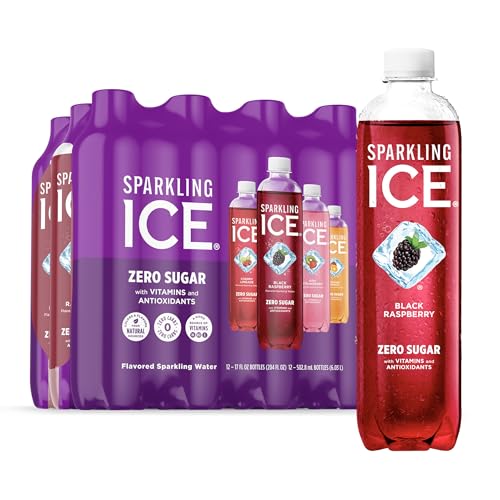
* Diet Sodas & Artificially Sweetened Drinks: While sugar-free, some studies suggest artificial sweeteners may still impact gut health or glucose metabolism in certain individuals; consume in moderation.
Artificial sweeteners (e.g., aspartame, sucralose, saccharin, acesulfame potassium) provide sweetness without calories or carbohydrates, making them seem like an ideal alternative. However, the long-term effects on metabolic health, particularly for individuals with diabetes, are still under investigation.
* Gut Microbiome Impact: Emerging research suggests that artificial sweeteners might alter the gut microbiome, which plays a crucial role in metabolism and blood sugar regulation. Changes in gut bacteria could potentially lead to glucose intolerance in some individuals.
* Sweetness Cravings: Regularly consuming intensely sweet artificial sweeteners might also perpetuate a preference for sweet tastes, making it harder to appreciate the subtle flavors of truly unsweetened beverages and foods.
* Psychological Dependence: Relying heavily on diet drinks may create a false sense of security, potentially leading to less careful choices in other areas of the diet.
* Recommendation: While they are an improvement over sugar-sweetened beverages for immediate blood sugar control, it’s prudent to consume artificially sweetened drinks in moderation and to gradually shift preferences towards unsweetened options like water and plain teas.
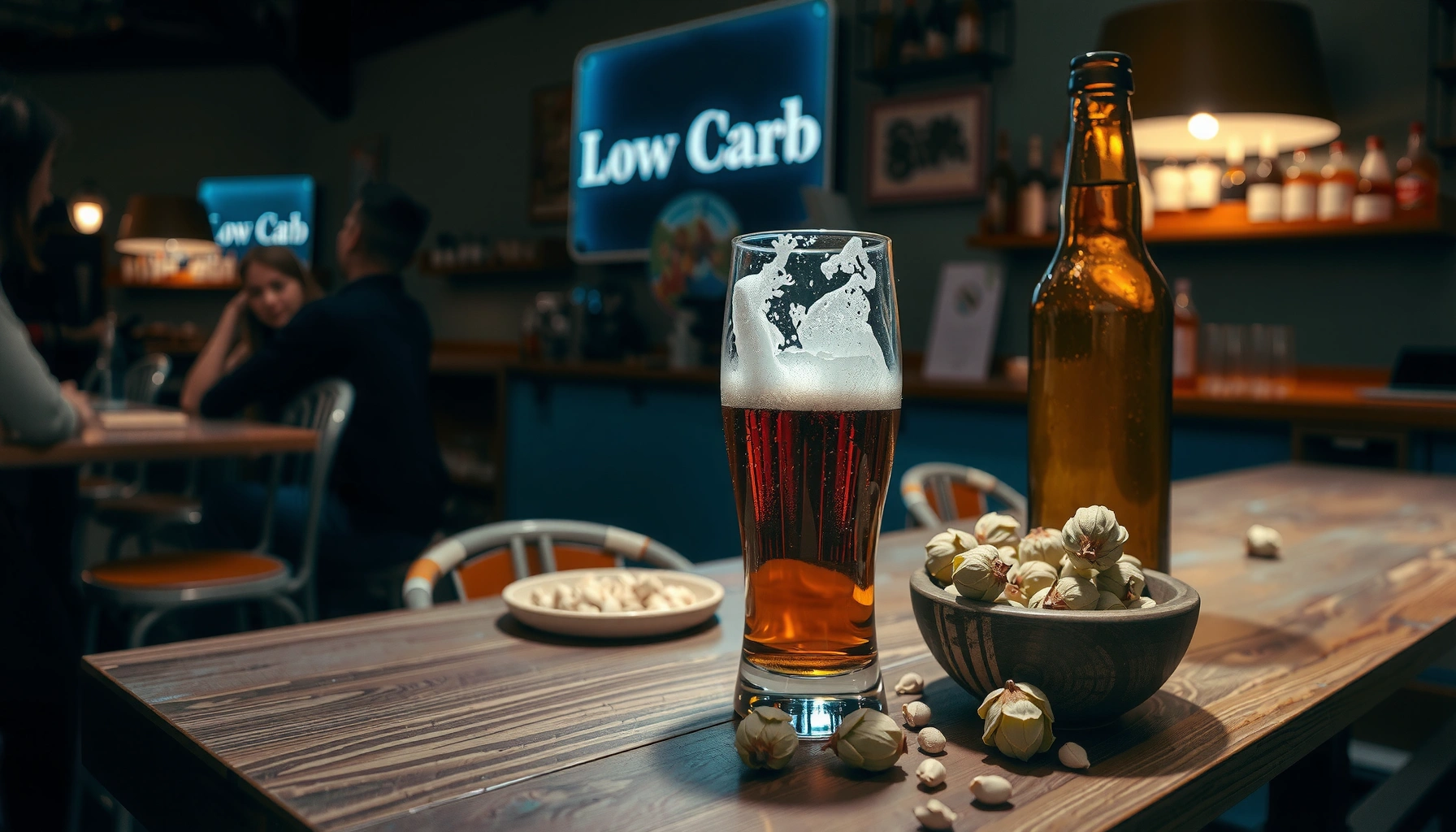
* Alcoholic Beverages: Alcohol can affect blood sugar levels, interact with medications, and contribute to dehydration. Consult your doctor for safe consumption guidelines.
* Blood Sugar Fluctuation: Alcohol metabolism in the liver can interfere with its ability to release stored glucose, potentially leading to hypoglycemia (low blood sugar), especially for those on insulin or certain oral medications. Conversely, some alcoholic drinks, particularly mixed drinks or beer, contain significant carbohydrates that can cause blood sugar spikes.
* Dehydration: Alcohol is a diuretic, meaning it promotes fluid loss through increased urination, thus contributing to dehydration. This effect is compounded for individuals with diabetes already prone to fluid imbalance.
* Medication Interactions: Alcohol can interact dangerously with various diabetes medications, intensifying side effects or altering their effectiveness.
* Empty Calories: Many alcoholic beverages are high in calories with minimal nutritional value, contributing to weight gain.
* Consultation is Key: If you choose to consume alcohol, it is imperative to discuss it with your healthcare provider. They can offer personalized advice on safe amounts, types of alcohol to choose, and strategies for monitoring blood sugar and preventing complications, always emphasizing moderation and careful planning.
Understanding Your Thirst Signals
Your body’s thirst mechanism is a crucial indicator of its hydration status, but for individuals with diabetes, these signals can be particularly important and sometimes indicative of underlying glycemic issues. Paying close attention to your body’s cues is essential for proactive health management.
* Persistent or excessive thirst (polydipsia) is a classic symptom of high blood sugar. As discussed earlier, elevated blood glucose levels cause the kidneys to work overtime, leading to increased urination. This rapid loss of fluids triggers an intense sensation of thirst as the body tries to rehydrate itself. If you find yourself constantly thirsty, even after drinking fluids, it could be a warning sign that your blood sugar levels are consistently too high. This isn’t just a matter of discomfort; it’s a physiological response that demands attention. Recognizing polydipsia as a potential indicator of hyperglycemia can prompt you to check your blood sugar, adjust medication or diet as advised by your doctor, and prevent further complications from prolonged high sugar levels and dehydration.
* Don’t wait until you’re parched; sip water regularly throughout the day to maintain hydration. The sensation of extreme thirst often signifies that your body is already in a state of mild to moderate dehydration. For individuals with diabetes, allowing dehydration to set in can be particularly problematic, potentially concentrating blood glucose and exacerbating symptoms. A proactive approach to hydration is far more effective than a reactive one. By consistently sipping water and other unsweetened beverages throughout the day, you can maintain a steady fluid balance, which helps to keep blood sugar levels more stable, supports kidney function, and enhances overall metabolic efficiency. Think of it as preventative maintenance for your body’s intricate systems.
* Pay attention to other signs of dehydration, such as dry mouth, fatigue, and dark urine. Thirst isn’t the only signal your body sends when it needs fluids. Learning to recognize a broader range of dehydration symptoms can help you intervene before your hydration status becomes critical.
* Dry Mouth: A sticky, dry feeling in your mouth and throat is a direct indication of insufficient saliva production, a common sign of dehydration.
* Fatigue and Low Energy: Even mild dehydration can lead to a drop in energy levels, making you feel sluggish, weak, or unusually tired. This is because fluid loss impacts circulation and the efficient transport of oxygen and nutrients to cells.
* Dark Urine: The color of your urine is an excellent, quick indicator of hydration. Pale yellow or clear urine generally suggests good hydration, whereas dark yellow or amber urine signals that your body is conserving water and likely needs more fluids.
* Headaches, Dizziness, or Lightheadedness: These symptoms can arise from reduced blood volume and pressure due to dehydration, affecting blood flow to the brain.
* Infrequent Urination: While high blood sugar initially causes frequent urination, sustained dehydration can lead to less frequent urination as the kidneys try to conserve remaining fluids.
Learning to interpret these collective signals empowers you to respond promptly, ensuring you maintain optimal fluid balance crucial for managing your diabetes and supporting your overall health.
Tips for Staying Hydrated All Day
Integrating consistent hydration into your daily routine is a simple yet powerful strategy for managing diabetes effectively. Developing habits that encourage regular fluid intake can make a significant difference.
* Keep a reusable water bottle handy and refill it frequently. This is perhaps the most straightforward and effective tip. A visible, accessible water bottle serves as a constant reminder to drink. Choose a size that is manageable for you (e.g., 24 oz, 32 oz) and track your refills to ensure you’re meeting your daily fluid goals. Having it at your desk, in your car, or in your bag eliminates the friction of having to actively seek out water, making hydration a passive and continuous process. Opt for a bottle made from safe, durable materials like stainless steel or BPA-free plastic.
* Set reminders on your phone to drink water at regular intervals. In our busy lives, it’s easy to forget to drink, even when we know it’s important. Leverage technology to your advantage. Set hourly alarms or use dedicated hydration tracking apps that send gentle nudges. These reminders can help you establish a consistent drinking pattern, preventing long stretches of time without fluid intake and averting the onset of dehydration and excessive thirst. Start with a reminder every hour or two, and adjust based on your personal needs and activity levels.
* Incorporate hydrating foods into your diet, such as high-water fruits (berries, melons) and vegetables (cucumber, celery). While beverages are primary for hydration, many foods contribute significantly to your daily fluid intake.
* Vegetables: Cucumber (95% water), celery (95% water), lettuce (96% water), bell peppers (92% water), and zucchini (94% water) are excellent choices. They are low in calories and carbohydrates but rich in fiber and essential nutrients, making them perfect snacks or additions to meals.
* Fruits: Berries (strawberries, raspberries, blueberries) offer a lower glycemic impact compared to many other fruits while still providing hydration and antioxidants. Melons (watermelon, cantaloupe, honeydew) are also incredibly hydrating due to their high water content, but due to their higher natural sugar content, they should be consumed in moderation and factored into your daily carbohydrate limits.
* Preparation: Enjoy these foods raw as snacks, add them to salads, or blend them into unsweetened smoothies with water or unsweetened almond milk. This integrated approach ensures you’re not solely relying on drinks but also benefiting from the fluids found naturally in healthy foods.
Prioritizing plain water and unsweetened beverages is the simplest yet most effective strategy for managing thirst when you have diabetes. By making informed drink choices, you can better control your blood sugar, prevent dehydration, and support your overall health. Always consult your healthcare provider or a registered dietitian for personalized advice on managing your diabetes and hydration needs.
Frequently Asked Questions
What are the best go-to drinks for diabetics to effectively quench thirst without impacting blood sugar?
Plain water is undeniably the ultimate choice for diabetic thirst relief, as it provides hydration without any carbohydrates or calories that could raise blood sugar levels. Unsweetened herbal teas (hot or iced), black coffee, and sparkling water are also excellent options that help you stay refreshed and hydrated throughout the day. Prioritizing these sugar-free beverages is key to managing diabetes effectively while staying well-hydrated.
How can diabetics make plain water more enjoyable and effective for staying hydrated?
To enhance plain water without adding sugar, try infusing it with slices of fruit like lemon, lime, cucumber, or berries for natural flavor. Adding fresh mint, basil, or a small amount of ginger can also create a refreshing twist, encouraging more frequent diabetic-friendly hydration. Consider keeping a pitcher of naturally flavored water in the fridge to make it readily available and appealing throughout the day.
Which sugar-free drink options are safe and recommended for diabetics looking for variety beyond water?
Beyond water, safe sugar-free options include unsweetened iced tea (black, green, or herbal), diet sodas in moderation, and sparkling water with a splash of natural flavor extract. While artificial sweeteners are generally considered safe for diabetics, it’s wise to consume them sparingly and monitor their individual impact on blood sugar. Always check labels for hidden sugars or high-fructose corn syrup to ensure your beverage choices support blood sugar management.
Why is avoiding sugary beverages critical when a diabetic is feeling thirsty?
When a diabetic feels thirsty, their blood sugar levels may already be elevated, and consuming sugary beverages like soda, fruit juice, or sweetened tea will only exacerbate this problem, leading to a rapid and dangerous blood sugar spike. These drinks provide empty calories and contribute to further dehydration, counteracting the very purpose of quenching thirst. Opting for sugar-free hydration is paramount to prevent complications and maintain stable glucose levels.
Are electrolyte drinks beneficial for diabetics experiencing excessive thirst, and what should they look for?
Most standard electrolyte or sports drinks are high in sugar, making them unsuitable for diabetics as they can cause significant blood sugar spikes. However, sugar-free electrolyte options or those specifically formulated for diabetics can be beneficial, especially during illness or intense exercise when electrolyte balance is crucial. Always check the nutrition label carefully to ensure there are no added sugars or high carbohydrate counts, prioritizing products that clearly state “sugar-free” or “zero sugar” for safe diabetic hydration.
References
- https://www.diabetes.org/healthy-living/recipes-nutrition/eating-well/drinks-for-people-with-diabetes
- https://www.cdc.gov/diabetes/managing/eat-well/what-to-drink.html
- Diabetes diet: Should I avoid sweet fruits? – Mayo Clinic
- https://www.health.harvard.edu/diseases-and-conditions/type-2-diabetes-making-healthier-food-and-drink-choices
- https://www.nhs.uk/conditions/type-2-diabetes/food-and-drink-choices/