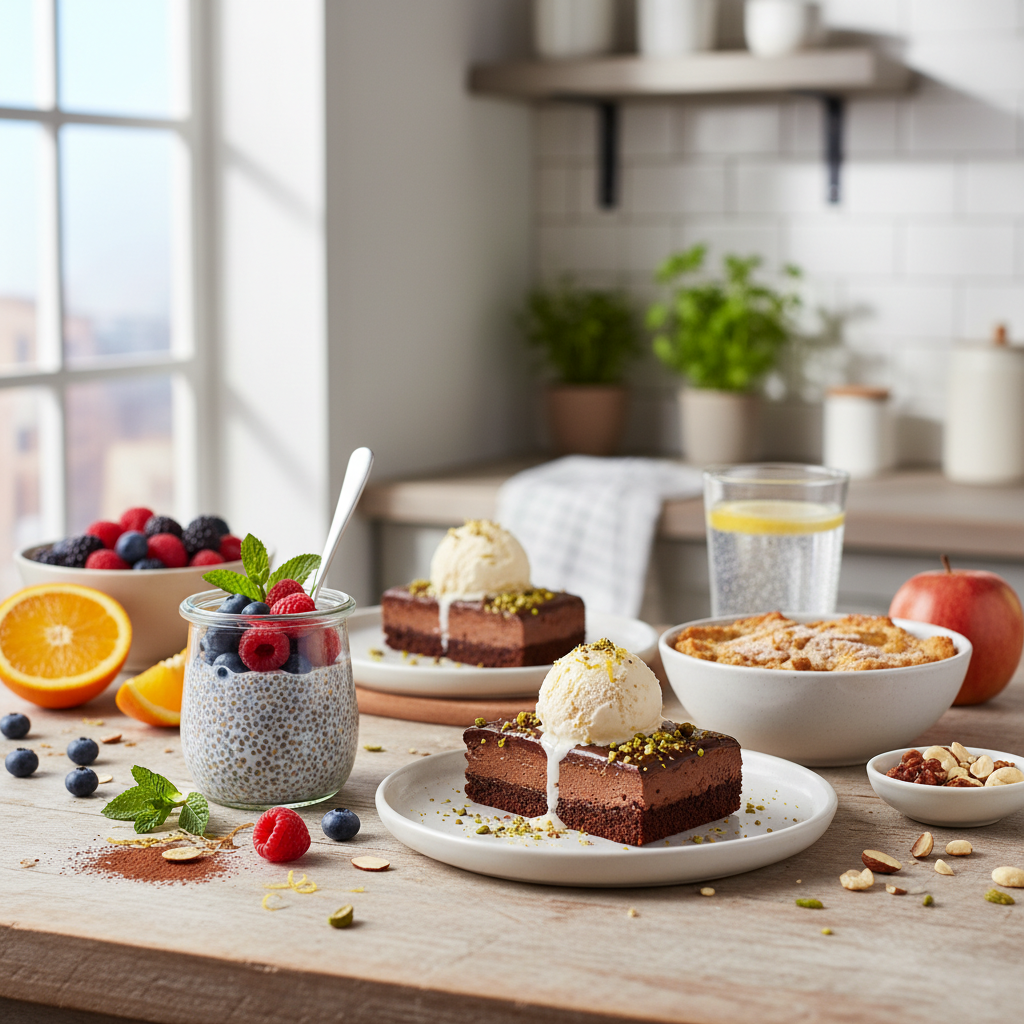

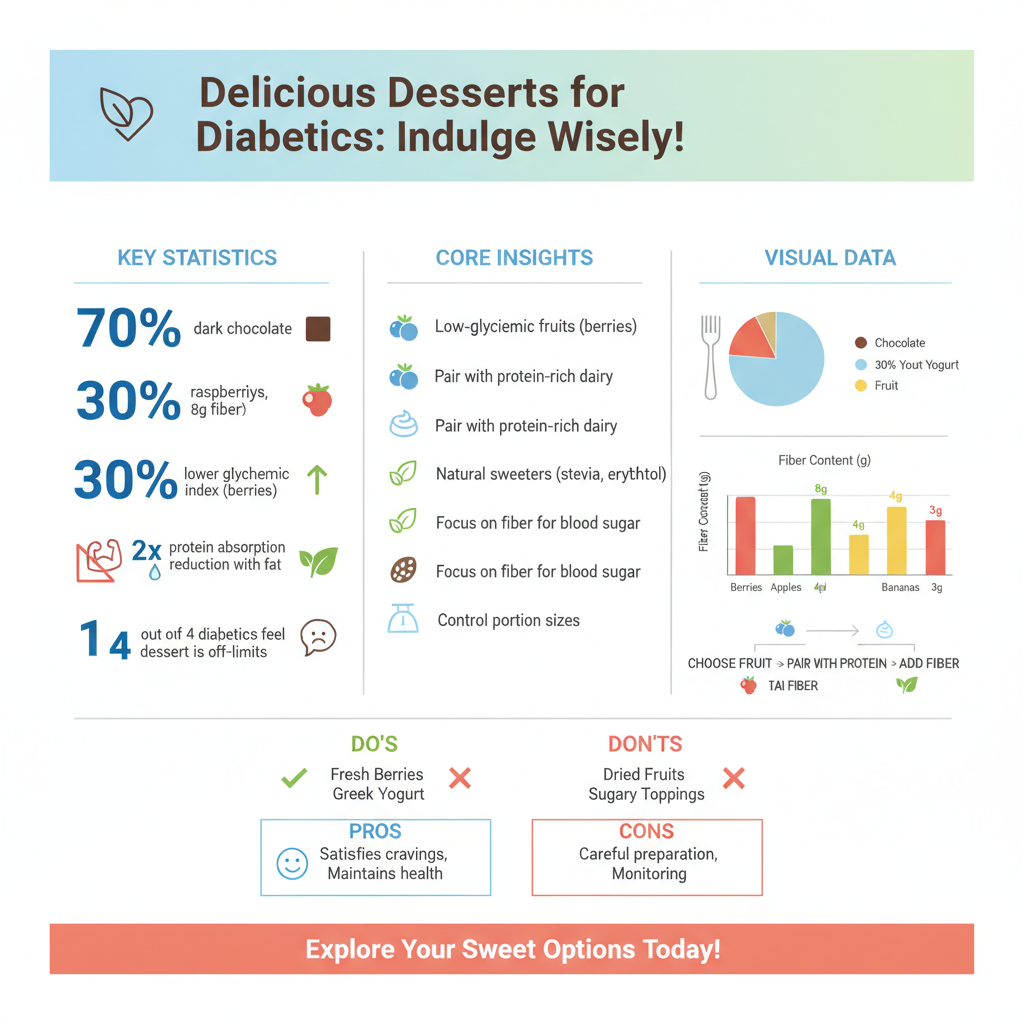
The best desserts for diabetics are those that combine low-glycemic ingredients with healthy fats and protein to stabilize blood sugar levels. Top choices include fresh berries with Greek yogurt, dark chocolate (70% cocoa or higher), chia seed pudding, and treats sweetened with natural alternatives like stevia or monk fruit rather than refined sugar. By focusing on fiber-rich ingredients and portion control, you can satisfy your sweet tooth without compromising your health.



Managing diabetes often feels like a navigation through a minefield of restrictions, especially when dessert rolls around. We all know the feeling of watching others indulge in a slice of cake while politely declining, sipping water instead. But the truth is, a diabetes diagnosis doesn’t mean the end of culinary joy or the permanent prohibition of sweets. It just means the rules of the game have changed. Instead of focusing on what you can’t have, it’s time to explore the incredible variety of things you can enjoy. By understanding how different macronutrients interact—specifically how fats, proteins, and fibers can blunt the spike of insulin caused by carbohydrates—you can unlock a world of desserts that are both safe and satisfying. Let’s dive into some specific, delicious strategies that will put dessert back on the menu.
Fresh Fruit and Berry Parfaits
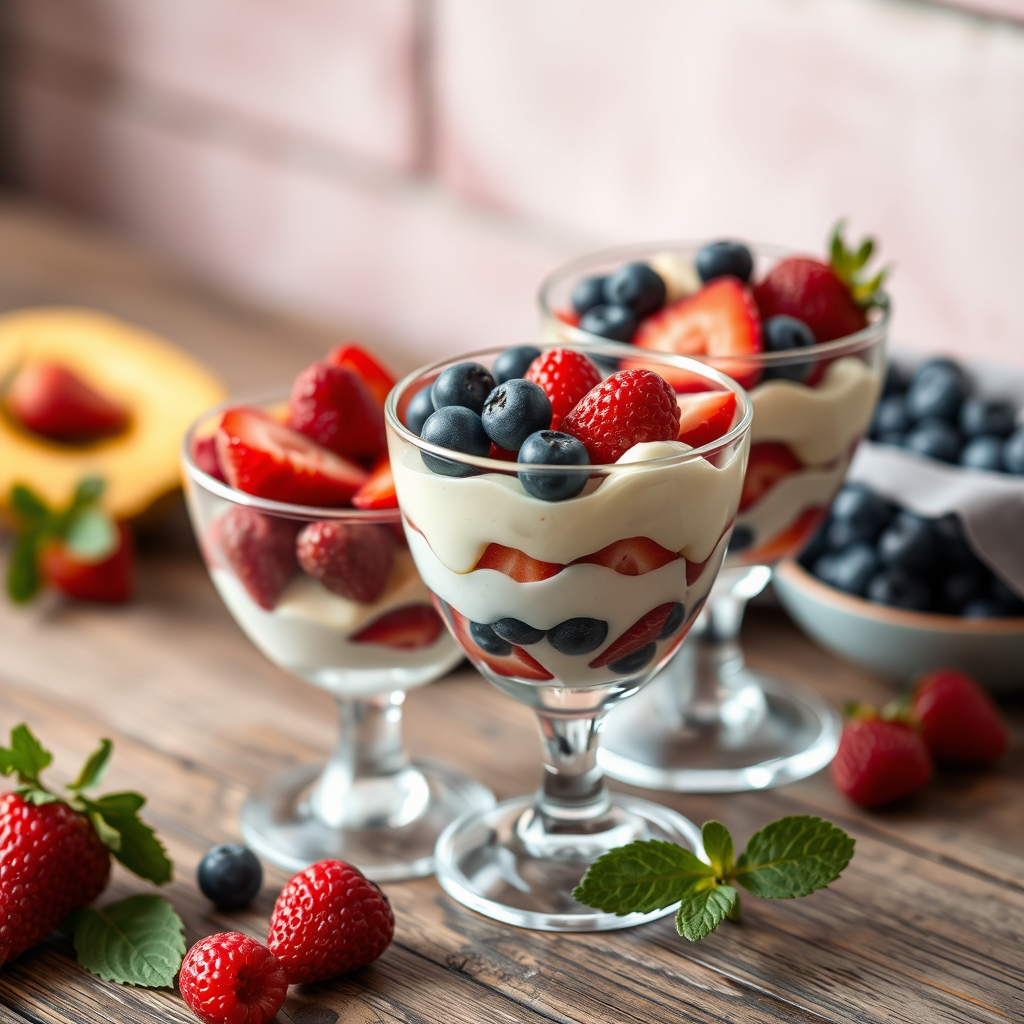
When you are craving something sweet, nature really does provide the best candy. However, not all fruit is created equal when you are managing blood glucose. The key is to look for options that provide sweetness without a massive sugar load.
Prioritize berries like strawberries, blueberries, blackberries, and raspberries as they have the lowest glycemic index and are packed with fiber. Fiber is a diabetic’s best friend because it isn’t digested by the body; instead, it passes through the system, helping to slow the absorption of sugar into the bloodstream. A cup of raspberries, for example, offers a massive amount of fiber relative to its carbohydrate count, making it a “free” feeling indulgence.
However, eating fruit alone can sometimes still cause a blip on your glucose monitor. The secret weapon here is pairing fruit with a protein source, such as plain Greek yogurt or cottage cheese, to slow down sugar absorption. The protein and fat in the dairy act as a buffer. Imagine the sugar as a race car; protein is the speed bump that forces it to slow down. For a delicious dessert, try layering plain, full-fat Greek yogurt with a handful of blueberries and a dash of cinnamon. The result is a creamy, tangy, and sweet parfait that feels decadent but is biologically balanced.
A crucial tip to remember is to avoid canned fruits in syrup and dried fruits, which often contain concentrated sugars that cause spikes. Dried fruits like raisins or cranberries have had their water removed, concentrating the sugar into a dense, sticky package that hits the bloodstream rapidly. Similarly, “fruit cocktail” in heavy syrup is essentially fruit floating in liquid sugar. Stick to fresh or frozen (unsweetened) produce to keep your numbers in the green.
Dark Chocolate and Nut Combinations
If you are a chocoholic, you might fear that your days of cocoa-infused bliss are over. Fortunately, that isn’t the case—you just need to graduate to the “serious” stuff.
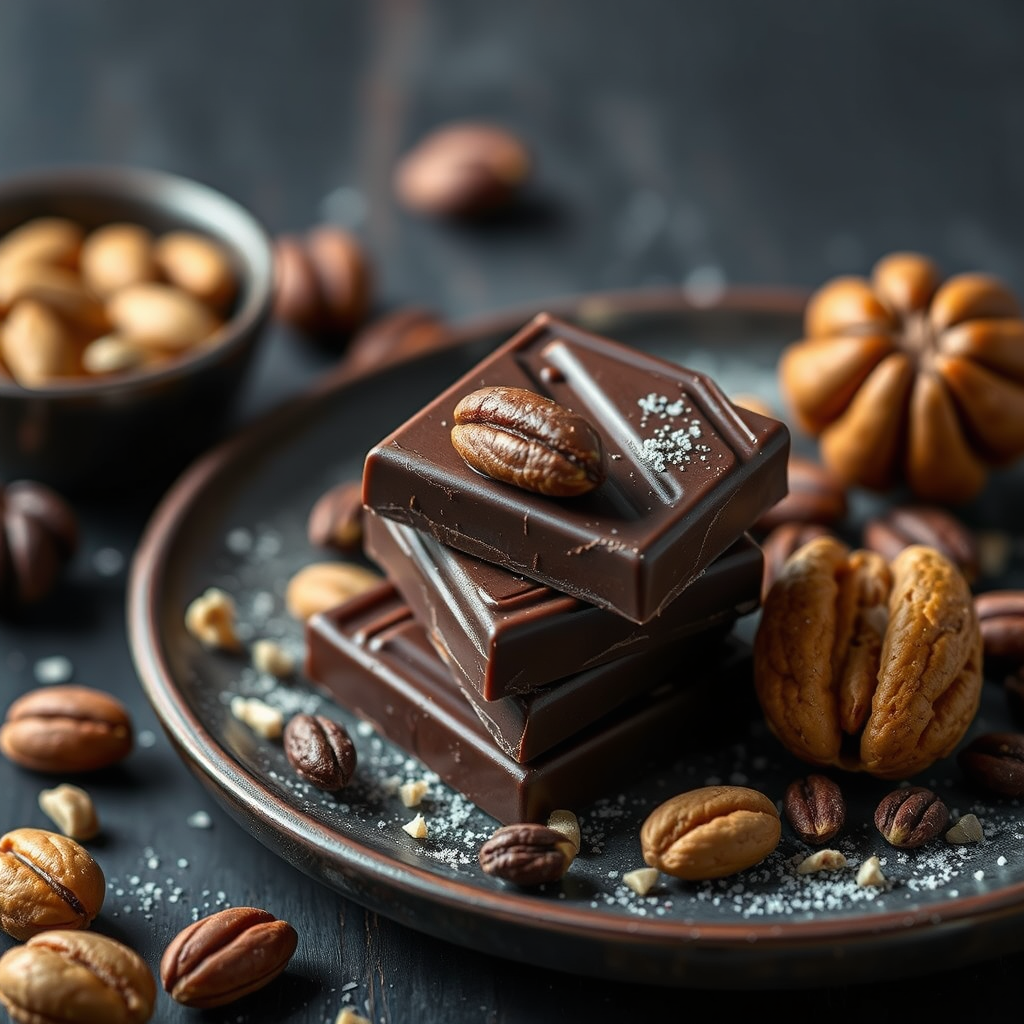
Choose dark chocolate with at least 70% cocoa content, which contains less sugar and more antioxidants than milk chocolate. Milk chocolate is largely sugar and milk powder with a hint of cocoa, causing rapid spikes. Dark chocolate, on the other hand, is rich in flavonoids and healthy fats. The higher the percentage, the lower the sugar. If you can acquire a taste for 85% or 90% cocoa, you are looking at a very low-carb treat that actually offers health benefits, such as improved heart health and lower blood pressure.
Because dark chocolate is calorie-dense, limit portions to one ounce (about one or two squares) to keep calorie and carbohydrate counts in check. This isn’t a dessert you mindlessly munch on while watching TV. It’s meant to be savored. Let a small square melt slowly on your tongue to fully appreciate the complex, bitter-sweet flavor profile.
To make this snack even more blood-sugar friendly, pair a square of chocolate with a handful of almonds or walnuts to add healthy fats that improve satiety. The crunch of the nut combined with the smooth melt of the chocolate creates a satisfying texture contrast. Furthermore, the fats and proteins in the nuts further dampen any glycemic response from the small amount of sugar in the chocolate. It’s the perfect “nightcap” dessert that signals to your brain that eating is done for the day.
Chia Seed Pudding and Gelatin Treats
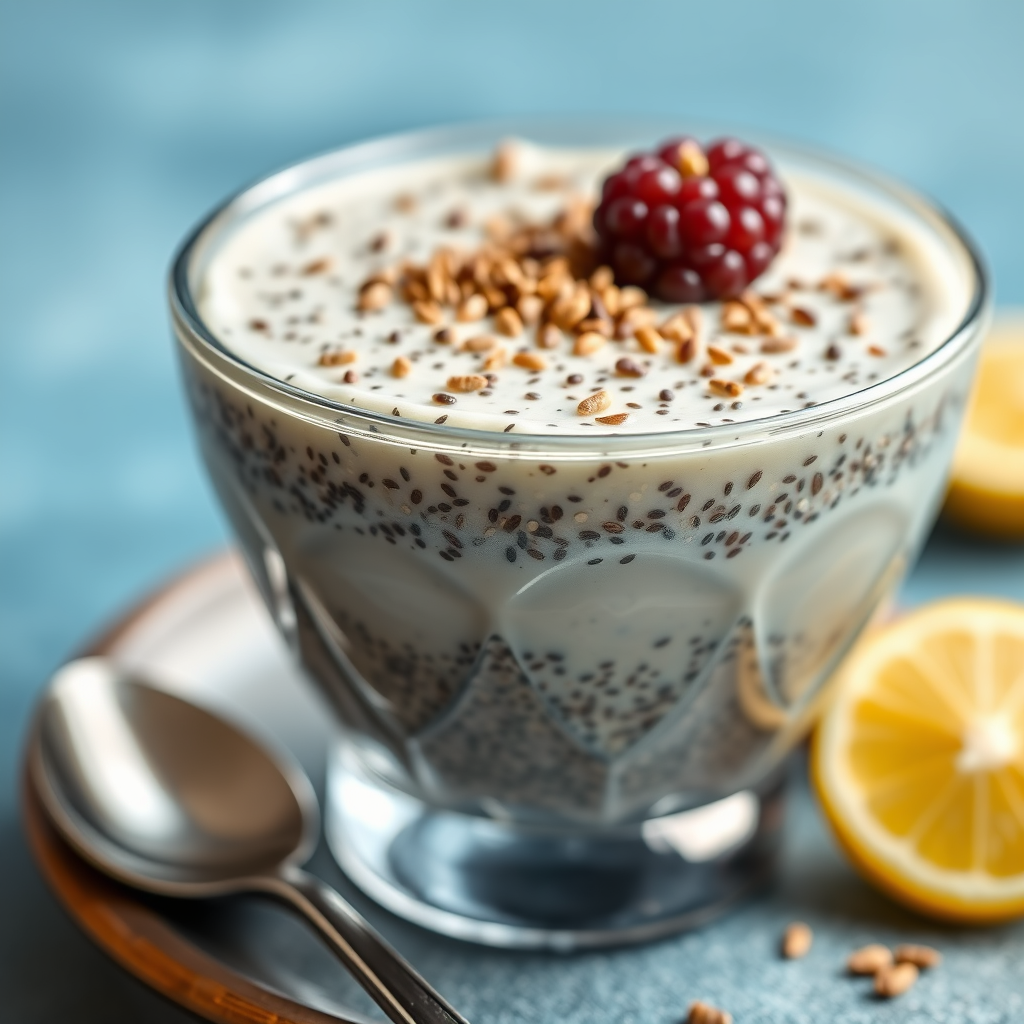
Texture plays a huge role in how satisfied we feel after a dessert. Sometimes you want something creamy, spoonable, and comforting. This is where chia seeds and gelatin come into play.
Utilize chia seeds to create pudding, as they are incredibly high in fiber and omega-3 fatty acids that support heart health. When chia seeds are soaked in liquid, they expand and form a gel-like consistency similar to tapioca pudding. This high-fiber gel moves slowly through the digestive tract, keeping you full for hours and ensuring steady energy levels.
To make a diabetic-friendly version, use unsweetened almond milk or coconut milk as the liquid base to keep the carb count minimal. A basic ratio is usually three tablespoons of chia seeds to one cup of liquid. You can stir in cocoa powder, vanilla extract, or even a little espresso powder for flavor. Let it sit in the fridge overnight, and you have a grab-and-go dessert that is arguably healthy enough to eat for breakfast.
If you are looking for something lighter, experiment with sugar-free gelatin desserts for a low-calorie option that feels indulgent without affecting glucose levels. While they don’t offer the nutritional punch of chia seeds, sugar-free jelly cups are excellent for those moments when you just want something sweet to eat without spending any of your “carb budget.” You can elevate boxed gelatin by adding sliced strawberries into the mix before it sets or topping it with a dollop of sugar-free whipped cream.
Low-Carb Baking with Almond and Coconut Flour
Missing cookies, muffins, and cakes is often the hardest part of a diabetic diet. Traditional baking relies heavily on wheat flour, which converts to glucose almost as fast as pure sugar. The workaround? Alternative flours.
Swap traditional white flour for almond flour or coconut flour to significantly reduce the carbohydrate load of cookies and muffins. Almond flour is simply ground-up almonds; it is low in carbs, high in fat, and high in protein. Coconut flour is extremely fibrous and absorbent. Both behave differently than wheat flour, so you’ll need to follow recipes specifically designed for them, but the result is a baked good that won’t send your blood sugar skyrocketing.
In low-carb baking, texture can sometimes be dry. To combat this, use healthy fat sources like avocado or coconut oil in your batter to create moist textures without relying on butter (though butter is generally fine for blood sugar, healthy plant fats offer extra cardiovascular benefits). Avocado is a particularly sneaky ingredient; it adds incredible creaminess and moisture to chocolate brownies, and you cannot taste the avocado flavor at all once it’s baked!
Flavor is paramount when you remove sugar. Incorporate spices like cinnamon and nutmeg to enhance natural sweetness without adding actual sugar. Cinnamon, in particular, has been studied for its potential ability to help lower blood sugar levels and improve insulin sensitivity. A heavy hand with vanilla extract, cardamom, or ginger can also trick the palate into thinking something is sweeter than it actually is.
Smart Sweetener Substitutions
Sugar is the obvious villain in the diabetic story, but modern food science has provided us with some excellent heroes. Moving away from sugar doesn’t mean moving away from sweet tastes.
Replace table sugar with natural, zero-calorie sweeteners like stevia, erythritol, or monk fruit which do not raise blood sugar. Unlike the chemical-tasting artificial sweeteners of the past, these options come from plants. Erythritol is particularly popular in baking because it provides bulk similar to sugar and caramelizes reasonably well. Monk fruit is intensely sweet, so a little goes a long way. These sweeteners pass through the body largely undigested, meaning they have a glycemic index of zero.
However, be cautious with artificial sweeteners that may cause digestive issues and use them in moderation. Some older sweeteners like aspartame or saccharin are controversial, and some people find they trigger further sugar cravings. Additionally, pure liquid sweeteners are often better than powdered packets, which sometimes contain dextrose (sugar) as a filler agent—always read the ingredients!
For a more whole-food approach, learn to use fruit purees, such as unsweetened applesauce or mashed bananas, to add moisture and slight sweetness to recipes. While these do contain natural sugars and carbs, they bring fiber and nutrients along for the ride. If you use a ripe banana to sweeten a batch of twelve muffins, the amount of sugar per muffin is negligible compared to using a cup of white sugar.
Tips for Buying Store-Bought Desserts
Ideally, we would all have time to bake chia puddings and almond flour cookies from scratch. In reality, sometimes you just need to buy something off the shelf. This is where savvy label reading becomes a survival skill.
Always read the nutrition label for “Total Carbohydrates” rather than just looking for “Sugar-Free” claims on the front of the package. Marketing can be deceptive. A cookie might be “sugar-free” but loaded with white flour, meaning it still has 20 grams of fast-acting carbohydrates. For a diabetic, total carbs are the number that matters most. To get the “net carbs” (the number that impacts blood sugar), subtract the dietary fiber and half of the sugar alcohols from the total carbohydrates.
Speaking of which, watch out for sugar alcohols (like maltitol or sorbitol) which can still impact blood sugar and cause stomach upset if consumed in large amounts. Maltitol is a notorious offender; it has a glycemic index relatively close to sugar and can cause significant spikes, yet it is found in many “diet” candies. It is also famous for causing bloating and gas. Erythritol and Xylitol are generally gentler on the stomach and blood sugar.
Finally, check the serving size strictly, as many packaged diabetic-friendly cookies have very small recommended portion sizes. You might grab a small bag of mini cookies thinking it’s a single snack, only to realize the label says the bag contains three servings. Eating the whole bag could result in consuming three times the carbs you intended.
Living with diabetes doesn’t mean you have to give up dessert entirely; it simply requires smarter ingredient choices and portion awareness. By focusing on whole foods like fruits, nuts, and quality dark chocolate, or baking with low-carb alternatives, you can enjoy treats that fit within your dietary management plan. It is all about finding that sweet spot—pun intended—where flavor meets physiology. Try swapping your usual dessert for a berry parfait or a square of dark chocolate tonight to satisfy your cravings responsibly.
Frequently Asked Questions
What are the best low-carb dessert options for type 2 diabetes?
The most diabetic-friendly desserts focus on pairing low-glycemic ingredients with healthy fats and protein to stabilize blood sugar levels. Excellent options include Greek yogurt parfaits with berries, chia seed pudding made with almond milk, and avocado-based chocolate mousse. These desserts satisfy sweet cravings while providing essential fiber that slows down glucose absorption.
Which sugar substitutes are best for baking diabetic-friendly treats?
Natural, zero-calorie sweeteners like Monk Fruit, Stevia, and Erythritol are the top choices for baking because they do not raise blood glucose levels. Many brands now offer baking blends that measure 1:1 with sugar, making it easy to adapt traditional recipes into lower-carb versions. However, it is important to avoid artificial sweeteners that break down under high heat, such as aspartame.
Is dark chocolate safe for diabetics to eat?
Yes, dark chocolate is generally safe and beneficial for diabetics when consumed in moderation, specifically varieties containing at least 70% cocoa solids. High-quality dark chocolate is lower in sugar than milk chocolate and is rich in flavonoids, which may help reduce insulin resistance. A standard serving size of 1 ounce (roughly one or two squares) is recommended to keep calorie and carbohydrate intake in check.
Can diabetics eat ice cream without experiencing a blood sugar spike?
Diabetics can enjoy ice cream by choosing specific “no sugar added” or keto-friendly brands that utilize sugar alcohols and high fiber instead of refined sugar. It is crucial to read the nutrition label for total carbohydrates, not just sugar content, as even sugar-free versions can contain carbs from milk and fillers. Alternatively, making “nice cream” at home using blended frozen bananas or heavy cream offers better control over ingredients.
How can I choose store-bought desserts that are safe for diabetes?
When selecting store-bought sweets, always examine the nutrition label for the “Total Carbohydrate” count rather than just the “Sugar” line to understand the full glycemic impact. Look for products that have a high dietary fiber count to offset the carbs, and avoid treats where the first three ingredients are sugar, high fructose corn syrup, or white flour. Ideally, aim for snacks with less than 15 grams of carbohydrates per serving.
References
- https://health.clevelandclinic.org/5-best-and-worst-sweet-treats-for-your-diabetes
- Egg recipes – Mayo Clinic
- https://www.diabetesfoodhub.org/collection/desserts.html
- https://www.diabetes.org.uk/guide-to-diabetes/enjoy-food/eating-with-diabetes/healthy-swaps/healthy-swaps-puddings-desserts
- https://www.ucsfhealth.org/education/diabetes-and-sugar
- https://www.bhf.org.uk/informationsupport/heart-matters-magazine/nutrition/sugar-salt-and-fat/healthy-pudding-swaps
- https://www.medicalnewstoday.com/articles/317373



Pingback: Best Frozen Pizza for Diabetics: Top Picks & Nutrition Tips - Best For Diabetics
Pingback: What Flour is Best for Diabetics: Your Best Choices - Best For Diabetics