

For diabetics looking to enjoy white wine safely, the best choices are typically dry varieties with very low residual sugar and moderate alcohol content, such as Sauvignon Blanc, Pinot Grigio, and specific styles of dry Chardonnay. These options minimize the impact on blood glucose while still offering a delightful experience, provided they are consumed in moderation and with awareness of their characteristics and individual health needs. Making informed selections allows individuals with diabetes to partake in social occasions and culinary pairings without significantly compromising their health management.



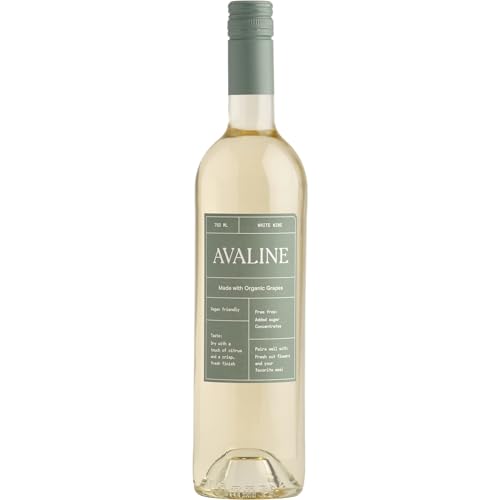
Why White Wine Choices Matter for Diabetics
The decision to consume white wine, or any alcoholic beverage, carries significant implications for individuals managing diabetes. Understanding these impacts is paramount for maintaining stable blood glucose levels and overall health.
– Blood Sugar Impact: The primary concern for diabetics is how different wines affect blood glucose. Many wines, especially sweeter varieties, contain significant amounts of residual sugar — unfermented grape sugars left in the wine. When consumed, these sugars are rapidly absorbed into the bloodstream, leading to immediate spikes in blood glucose levels. For someone with diabetes, such spikes can be challenging to manage, potentially requiring additional insulin or medication adjustments, and over time, contribute to long-term complications. Even seemingly dry wines can have varying sugar levels, making careful selection critical.
– Alcohol’s Effect: Beyond the sugar content, the alcohol itself in wine presents a unique challenge. The liver, which normally plays a crucial role in regulating blood sugar by releasing stored glucose (glycogenolysis) or producing new glucose (gluconeogenesis), prioritizes metabolizing alcohol when it’s present in the bloodstream. This means the liver’s ability to release glucose can be temporarily suppressed. Consequently, alcohol consumption, particularly on an empty stomach or in larger quantities, can lead to a delayed drop in blood sugar, potentially causing hypoglycemia (dangerously low blood glucose) hours after drinking. This effect is especially pronounced for individuals taking insulin or certain oral diabetes medications that increase insulin secretion.
– Informed Decisions: Given these complex interactions, making informed decisions about white wine choices is crucial. It’s not simply about avoiding all wine; rather, it’s about understanding the specific characteristics of different wines – their sugar content, alcohol percentage, and overall composition – and how these factors interact with an individual’s unique metabolic profile and medication regimen. Empowering oneself with this knowledge enables safer consumption, minimizing risks and fostering a more enjoyable, stress-free experience.
Key Factors When Choosing Diabetic-Friendly White Wines
Selecting the best white wine for diabetics involves a careful examination of several key characteristics. Prioritizing these factors can significantly mitigate the risks associated with alcohol consumption for those managing blood sugar.
– Residual Sugar Content: This is arguably the most critical factor. Residual sugar (RS) refers to the grape sugar that remains in the wine after fermentation has stopped. For diabetics, minimizing sugar intake is essential.
* Prioritize “Dry” or “Extra Dry” Wines: These terms indicate a very low residual sugar content, typically less than 4 grams per liter (g/L), which translates to less than 0.5 grams of sugar per 5-ounce serving. Many bone-dry white wines may contain as little as 1-2 g/L of RS. Wines explicitly labeled as “sweet,” “semi-sweet,” “off-dry,” or “dessert wine” should be avoided due to their significantly higher sugar levels, which can range from 30 g/L to over 200 g/L.
* Understanding Winemaking: In dry wines, yeast converts nearly all the grape sugars into alcohol during fermentation. For semi-sweet or sweet wines, fermentation is either stopped early, or a higher concentration of natural grape sugar is used, leaving more unfermented sugar. While many wine labels don’t list specific sugar content, understanding common varietal characteristics and looking for “dry” indicators is a reliable strategy.
– Alcohol by Volume (ABV): The alcohol percentage also plays a vital role. Higher alcohol content means more calories and a greater metabolic burden on the liver, potentially exacerbating the liver’s delayed glucose release effect.
* Opt for Lower ABV: Wines with lower alcohol percentages, generally under 12-13%, are preferable. Many dry white wines naturally fall into this range. Wines exceeding 14% ABV, sometimes found in certain styles of Chardonnay or fortified wines, should be approached with extreme caution, as they can more significantly interfere with blood sugar regulation and contribute more empty calories.
* Calorie Consideration: Alcohol contains approximately 7 calories per gram, nearly twice as much as carbohydrates or protein. Higher ABV wines will naturally have a higher caloric density, which is another factor for diabetics to consider in their overall dietary management.
– Carbohydrate Count: Closely tied to residual sugar, the carbohydrate count in wine is primarily determined by its sugar content. Drier wines naturally contain fewer carbohydrates.
* Fewer Carbs in Dry Wines: A typical 5-ounce serving of a truly dry white wine will contain 3-4 grams of carbohydrates, almost entirely from naturally occurring sugars. In contrast, a sweet wine could have 20-30 grams or more of carbohydrates per serving. Choosing wines with the lowest possible carbohydrate count aligns directly with diabetic dietary guidelines for managing blood glucose effectively. While wine labels aren’t typically required to list nutritional information in detail, knowing that “dry” correlates to low carbs is a powerful guideline.
Top White Wine Varieties for Diabetics
Fortunately, the world of white wine offers several excellent dry varieties that are naturally low in sugar and carbohydrates, making them suitable choices for diabetics when consumed responsibly.
– Sauvignon Blanc: This highly popular varietal is celebrated for its crisp, refreshing, and often herbaceous profile. Sauvignon Blanc wines, especially those from regions like Sancerre, Pouilly-Fumé (Loire Valley, France), or Marlborough (New Zealand), are almost invariably fermented to be bone-dry. They typically boast high acidity and minimal residual sugar, often less than 2 g/L, making them an ideal choice. Their vibrant acidity also makes them excellent food-pairing wines, which is beneficial for diabetics.
– Pinot Grigio/Gris: Known for being light-bodied, dry, and clean, Pinot Grigio (Italy) or Pinot Gris (France, Oregon) is another go-to option. These wines typically exhibit bright fruit flavors like green apple, pear, and citrus, with a refreshing minerality. Most commercially available Pinot Grigio is fermented to be very dry, with residual sugar levels often under 3 g/L. Its moderate alcohol content (often 11.5-12.5% ABV) further enhances its suitability.
– Dry Chardonnay (Unoaked): While some Chardonnays can be rich, buttery, and higher in alcohol, specific styles of dry, unoaked Chardonnay are excellent choices. Unoaked Chardonnay, particularly from Chablis (France) or certain New World producers, emphasizes the grape’s natural crispness and minerality rather than oak-derived flavors. These wines are typically fermented to be very dry, with low residual sugar and often moderate alcohol levels (12-13% ABV). It is crucial to check the label for “unoaked” or region (e.g., Chablis) to ensure it’s not a heavily oaked, higher-alcohol style that might contain more sugar.
– Albariño & Muscadet: These two lesser-known but equally excellent options are fantastic for diabetics.
* Albariño: Hailing primarily from the Rías Baixas region of Spain, Albariño is known for its aromatic profile, vibrant acidity, and distinctive salinity. These wines are consistently fermented to be dry, typically containing very low residual sugar (often less than 2 g/L) and a moderate alcohol content (around 12.5-13% ABV).
* Muscadet: From the Loire Valley in France, Muscadet (made from the Melon de Bourgogne grape) is the epitome of a dry, mineral-driven white wine. It is always fermented to complete dryness, offering crisp, savory, and often saline notes with no detectable sugar. Its alcohol content is also typically on the lower side (10.5-12% ABV), making it a truly diabetic-friendly choice.
White Wines to Approach with Caution or Avoid
While many excellent dry white wines are suitable for diabetics, certain categories should be approached with extreme caution or avoided altogether due to their high sugar content or elevated alcohol levels.
– Sweet Dessert Wines: These wines are specifically crafted to be rich in sugar and are unequivocally unsuitable for diabetics. Varieties such as Moscato, Sauternes, Tokaji, Ice Wine, or most late-harvest Rieslings contain extremely high levels of residual sugar, often ranging from 50 grams per liter (g/L) to over 200 g/L. A single 2-3 ounce serving of these wines can contain as much sugar as a full dessert, leading to rapid and significant blood glucose spikes that are dangerous for individuals with diabetes. Fortified dessert wines like Port or certain Sherries also fall into this category, often having both high sugar and high alcohol content.
– High-Alcohol Content Wines: While residual sugar is the primary concern, wines with an Alcohol by Volume (ABV) over 14% also pose increased risks. Higher alcohol content intensifies the liver’s focus on metabolizing alcohol, further impairing its ability to release glucose, thereby increasing the risk of delayed hypoglycemia. Additionally, high-alcohol wines contribute more empty calories. Some full-bodied Chardonnays, especially those from warmer climates or those designated as “reserve,” can reach 14.5% ABV or higher. While they may be dry, the metabolic strain from the increased alcohol makes them less ideal for diabetic consumption.
– “Sweet” or “Semi-Sweet” Labels: Any wine explicitly marketed with these terms, or their regional equivalents, will contain higher sugar levels and should be avoided. Examples include:
* German Rieslings: While some German Rieslings are dry (Trocken), many are produced in varying levels of sweetness (e.g., Kabinett, Spätlese, Auslese, Beerenauslese, Trockenbeerenauslese) which increase dramatically in sugar content. Unless specifically labeled “Trocken” (dry), it’s best to assume they are sweet.
* “Blush” or “White Zinfandel”: These popular, often inexpensive wines are typically semi-sweet with considerable residual sugar, making them unsuitable.
* Fruity or “Easy-Drinking” Wines with no “Dry” indicator: Some wines, even without explicit “sweet” labels, are crafted to have a noticeable sweetness to appeal to a broader palate. If a wine tastes sweet or lacks the crisp acidity typically found in dry wines, it likely contains higher residual sugar. Always err on the side of caution if the dryness is not explicitly stated or implied by the varietal.
Safe Enjoyment Tips for Diabetics
Responsible consumption is paramount for diabetics who choose to include white wine in their diet. Adhering to these practical tips can help minimize risks and ensure a safer, more enjoyable experience.
– Practice Strict Moderation: This is perhaps the most critical advice. The American Diabetes Association (ADA) recommends that women with diabetes limit alcohol consumption to one serving per day, and men to two servings per day. For wine, a standard serving is typically defined as 5 ounces (approximately 150 ml). Exceeding these limits significantly increases the risk of adverse effects on blood sugar, liver function, and overall health. Consistency in moderation helps the body regulate its response more predictably.
– Always Drink with Food: Consuming white wine alongside a meal is a vital strategy for diabetics. Food helps to slow down the absorption of alcohol into the bloodstream, which in turn helps to stabilize blood sugar levels. Eating carbohydrates and protein with your wine can help prevent the drastic blood sugar drops (hypoglycemia) that alcohol can induce, especially if you are taking insulin or certain oral medications. Avoid drinking on an empty stomach at all costs.
– Monitor Blood Sugar Levels: Regular and diligent blood glucose monitoring is essential when consuming alcohol. Check your blood sugar before you drink, during the consumption period (if feasible and prolonged), and critically, several hours after your last drink, and even the following morning. Alcohol’s effects on blood sugar can be delayed, potentially causing hypoglycemia hours later, even overnight. Understanding your individual response to different wines and quantities is key to safe management.
– Consult Your Healthcare Provider: Before incorporating alcohol into your diet, it is absolutely crucial to have an open and honest discussion with your doctor, endocrinologist, or registered dietitian. They can provide personalized advice tailored to your specific type of diabetes, medication regimen, overall health status, and any potential comorbidities. Your healthcare team can offer guidance on safe limits, potential interactions with your medications, and specific strategies to manage blood sugar around alcohol consumption. Never make significant dietary changes, especially concerning alcohol, without professional medical advice.
Enjoying white wine as a diabetic is absolutely possible by making informed decisions about the types of wine you choose and how you consume them. By focusing on dry, low-sugar, and moderate-ABV options like Sauvignon Blanc or Pinot Grigio, you can savor a glass safely. Always remember to prioritize moderation, pair your wine with food, monitor your blood sugar, and consult your healthcare team for guidance to ensure your choices align with your health management plan. These proactive steps allow you to indulge responsibly while maintaining optimal health and well-being.
Frequently Asked Questions
Which types of white wine are generally considered safest for people with diabetes?
Dry white wines are typically the best choice for individuals managing diabetes, as they contain minimal residual sugar. Varieties like Sauvignon Blanc, Pinot Grigio, Pinot Blanc, and unoaked Chardonnay are excellent options due to their naturally low carbohydrate and sugar content. Always aim for wines with 0-4 grams of residual sugar per liter to minimize blood sugar impact and ensure they are diabetic-friendly white wines.
What nutritional information should diabetics look for on a white wine label?
When selecting white wine, diabetics should prioritize checking for residual sugar (RS) content, ideally looking for wines with 0-4 grams/liter, often indicative of “dry” wines. While not always listed, lower alcohol by volume (ABV) can also be beneficial, as alcohol affects blood sugar levels. Some brands now provide specific carbohydrate information, which is a clear indicator for managing daily intake and choosing the best white wine for diabetics.
How does consuming white wine impact blood sugar levels for individuals with diabetes?
Alcohol in white wine can initially cause a slight rise in blood sugar, but more importantly, it can lead to delayed hypoglycemia, especially if consumed on an empty stomach or with insulin/medication. The liver prioritizes metabolizing alcohol, hindering its ability to release stored glucose, which is crucial for preventing low blood sugar. Therefore, moderation and consumption with food are essential for diabetics when drinking white wine.
Why are dry white wines often recommended over sweeter varieties for diabetics?
Dry white wines are recommended for diabetics primarily because they contain significantly less residual sugar compared to sweeter varieties like Riesling, Moscato, or dessert wines. Residual sugar is the unfermented sugar left in the wine, directly contributing to carbohydrate intake and impacting blood glucose levels. Opting for dry white wines helps minimize sudden blood sugar spikes and makes blood sugar management more predictable and safer for individuals with diabetes.
Are there any specific low-carb or sugar-free white wine brands suitable for diabetics?
While truly “sugar-free” wines are rare (most dry wines have trace amounts), several brands specifically market themselves as low-carb or diabetic-friendly, often clarifying their residual sugar content. Look for brands that explicitly state 0-4g of residual sugar per liter or those that are certified “keto-friendly” or “diabetic-friendly” on their labels or websites. Always double-check the label and consult with a healthcare professional to ensure a white wine fits your individual dietary needs.
References
- https://diabetes.org/healthy-living/recipes-nutrition/alcohol-diabetes
- Concussion in children: What are the symptoms? – Mayo Clinic
- https://www.niddk.nih.gov/health-information/diabetes/managing-diabetes/eating-diet-nutrition/drinking-alcohol
- https://www.health.harvard.edu/diseases-and-conditions/alcohol-and-diabetes-what-to-know
- https://www.nhs.uk/conditions/type-2-diabetes/alcohol/
- https://www.diabetes.org.uk/guide-to-diabetes/living-with-diabetes/food-and-alcohol/alcohol