For individuals living with diabetes and neuropathy, selecting the right slippers is paramount to protecting vulnerable feet and preventing serious complications. The best slippers for diabetics with neuropathy are specifically designed to offer superior cushioning, non-constricting fit, and protective features that prevent injuries and discomfort. They prioritize seamless interiors, supportive soles, and easy adjustability to safeguard against pressure points, potential wounds, and enhance overall foot health, providing a crucial line of defense in daily foot care.



Why Specialized Slippers Are Essential for Neuropathy
Living with diabetic neuropathy means navigating a heightened risk of foot complications, making specialized footwear not just a comfort item, but a medical necessity. The insidious nature of nerve damage can lead to a cascade of problems if proper precautions aren’t taken.
* Reduced Sensation: Neuropathy, particularly peripheral neuropathy, significantly diminishes or completely dulls the ability to feel pain, temperature, or pressure in the feet. This reduction in sensation is incredibly dangerous because minor injuries—like a small cut from a sharp object on the floor, a blister from ill-fitting footwear, or a burn from hot water—can go entirely unnoticed. What would be a painful warning sign for someone without neuropathy becomes an invisible threat. Without the natural alert system of pain, these small injuries can fester and worsen, leading to severe infections before they are even detected, making the protective barrier of appropriate slippers indispensable.
* Increased Vulnerability: The feet of individuals with neuropathy are inherently more vulnerable to trauma and slower to heal. Compromised circulation, often a comorbidity with diabetes, means that skin integrity is weakened, and the delivery of vital nutrients and immune cells to the feet is impaired. This makes the skin more prone to breaking down under pressure or friction, increasing susceptibility to cuts, blisters, and sores. Even a seemingly insignificant rub from a seam or a persistent pressure point can quickly escalate into an open wound or ulcer. Once formed, these wounds heal slowly and are highly susceptible to infection, further underscoring the need for protective, gentle footwear that minimizes any potential for injury.
* Prevention of Serious Complications: The most critical role of proper protective footwear, including specialized slippers, is to prevent the severe complications that can arise from unnoticed or poorly managed foot injuries. A small blister or cut can rapidly develop into a foot ulcer, especially in the context of impaired healing and immune response. If these ulcers become infected, the infection can spread to the bone (osteomyelitis) or into the bloodstream (sepsis), posing a life-threatening risk. In many severe cases, the only recourse is amputation to prevent further spread of infection. Proper, protective slippers are a primary defense strategy, actively working to avert these dire outcomes by cushioning, shielding, and supporting the foot in a non-injurious manner, thereby safeguarding against a critical pathway to disability and mortality for those with diabetes and neuropathy.
Key Features to Look for in Diabetic Slippers
Choosing the right diabetic slipper means scrutinizing its design for specific features that directly address the vulnerabilities of neuropathic feet. These elements are not mere amenities; they are crucial protective mechanisms.
* Seamless Interior: This is perhaps one of the most vital features. Any raised seam or stitching on the inside of a slipper can create a point of friction or pressure against sensitive, desensitized skin. For someone with neuropathy, this seemingly minor irritation can quickly lead to blisters, abrasions, or even open sores, which can then become entry points for infection. A truly seamless or meticulously smooth interior lining eliminates these potential hot spots, ensuring that the foot rests comfortably without any undue pressure or rubbing. High-quality diabetic slippers will feature soft, non-irritating materials throughout their interior, often using advanced stitching techniques or single-piece construction to achieve this critical smoothness.
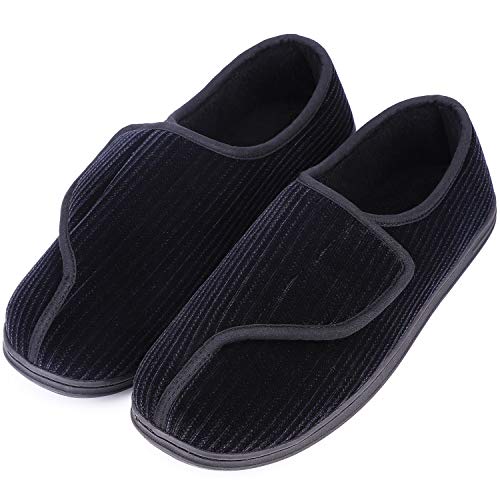
* Non-Compressive & Adjustable Fit: Feet can swell throughout the day, and for individuals with diabetes, this swelling can be more pronounced and variable. Slippers must accommodate these fluctuations without constricting blood flow or creating dangerous pressure points. A non-compressive design ensures that the foot is cradled gently, not squeezed. Adjustable closures, most commonly Velcro straps, are indispensable. These allow the wearer to customize the fit, loosening the slipper when swelling occurs or tightening it for optimal support, ensuring comfort and safety throughout the day without compromising circulation or placing undue stress on any part of the foot.
* Protective Toe Box and Heel Counter: The toes and heels are particularly vulnerable areas for impact and friction. A spacious and protective toe box is essential to shield the toes from bumps against furniture or doorframes, which could otherwise lead to bruising, cuts, or even broken bones. It should be wide and deep enough to prevent any pressure on the top or sides of the toes, accommodating conditions like hammertoes or bunions without causing rubbing. Similarly, a firm but gentle heel counter provides stability, prevents the foot from sliding within the slipper, and offers crucial protection against impacts to the heel, which is susceptible to pressure ulcers. These reinforced areas act as a physical barrier against everyday hazards.
* Cushioning and Arch Support: Adequate cushioning is paramount for shock absorption and even pressure distribution. For neuropathic feet, which may have lost the protective fat pads on the soles, robust cushioning (e.g., memory foam, gel inserts, or specialized EVA foam) helps to absorb the impact of each step, preventing excessive pressure on specific areas that could lead to callus formation or ulcers. Integrated arch support is equally important, as it helps maintain the foot’s natural biomechanics, distributing weight more uniformly across the sole. This prevents strain, reduces fatigue, and can correct pronation or supination issues that might otherwise create unhealthy pressure zones and increase the risk of injury.
* Non-Skid Outsole: Falls pose a significant risk for individuals with neuropathy, often due to impaired balance, muscle weakness, or vision problems. A non-skid, slip-resistant outsole made of rubber or other high-traction materials is a mandatory safety feature. It provides a secure grip on various indoor surfaces—tile, wood, carpet—minimizing the risk of slips and falls. This critical feature enhances stability, boosts confidence in mobility, and directly prevents potential injuries that could arise from an accidental slip, which for someone with neuropathy, can have severe consequences far beyond a simple bruise.
Recommended Slipper Types and Materials
The construction and materials of diabetic slippers are just as crucial as their design features, contributing significantly to both protection and comfort.
* Closed-Back Styles: While open-back slippers or slides might seem convenient, they offer insufficient protection for neuropathic feet. Closed-back styles, which fully enclose the heel, are strongly recommended. They provide comprehensive protection against bumps, scrapes, and impacts from all angles, ensuring the foot remains securely within the slipper. This full enclosure also offers better stability, preventing the foot from sliding out unexpectedly and reducing the risk of falls or twisted ankles, which can be particularly damaging when sensation is compromised.
* Extra-Depth Designs: Many individuals with diabetes experience foot swelling, have deformities such as hammertoes or bunions, or use custom orthotics. Standard slippers often lack the necessary volume to accommodate these needs without causing painful compression. Extra-depth designs provide ample interior room, ensuring that the toes are not cramped, the top of the foot is not pressured, and orthotic inserts can sit comfortably without lifting the foot out of the slipper or creating new pressure points. This design aspect is vital for preventing friction and allowing for proper air circulation.
* Soft, Breathable Uppers: The material of the slipper’s upper is critical for comfort and foot health. Materials like genuine leather, wool, or high-quality, soft micro-suede are ideal choices. Genuine leather and wool are naturally breathable, allowing air to circulate around the foot and preventing excessive moisture buildup, which can lead to fungal infections or skin maceration. They are also pliable, conforming gently to the foot’s unique contours without creating rigid pressure points. Soft micro-suede offers a similar gentle touch and breathability. These materials avoid the stiff, unyielding nature of some synthetics, which can exacerbate pressure on sensitive areas.
* Memory Foam or Gel Inserts: Beyond general cushioning, advanced comfort elements like memory foam or gel inserts can provide superior pressure relief. Memory foam conforms to the exact shape of the foot, distributing weight evenly and virtually eliminating “hot spots” where pressure might otherwise concentrate. Gel inserts offer similar benefits, providing targeted cushioning and shock absorption. These specialized inserts not only enhance overall comfort but also play a critical role in preventing the development of calluses and ulcers by ensuring that no single area of the foot bears excessive load during walking or standing. Many high-quality diabetic slippers incorporate these features directly into their footbeds, or they can be found in removable inserts that accommodate custom orthotics.
Ensuring the Perfect Fit and Sizing
A slipper, no matter how specialized, is only effective if it fits correctly. For individuals with neuropathy, an improper fit is not merely uncomfortable; it’s a significant health risk.
* Measure Your Feet Regularly: Neuropathy itself can lead to changes in foot shape and size over time due to nerve damage affecting muscle tone, bone structure, and fluid retention. Additionally, general aging or weight fluctuations can alter foot dimensions. Therefore, relying on old shoe sizes is risky. It is crucial to have your feet measured professionally at least once a year, or whenever you notice significant changes in your foot health or body weight. A Brannock device can provide accurate length and width measurements, helping ensure that you start your slipper search with current and precise data. This proactive approach helps prevent purchasing ill-fitting footwear that could cause injury.
* Shop Later in the Day: Our feet naturally swell throughout the day due to gravity and activity. For individuals with diabetes, this diurnal swelling can be more pronounced. To ensure that slippers remain comfortable and non-constricting at all times, it is always advisable to try them on in the late afternoon or early evening when your feet are at their largest. If the slippers fit comfortably then, they are unlikely to cause pressure points or discomfort earlier in the day when your feet might be slightly smaller, providing a consistent, safe fit.
* Wear Them with Diabetic Socks: The thickness of your socks significantly impacts the fit of any footwear. When trying on slippers, always wear the specific type of diabetic socks you typically use. Diabetic socks are usually seamless, non-binding, and often padded, but their thickness can vary. Trying on slippers with these socks ensures that there is adequate room and that the slipper doesn’t become too tight or too loose, which could lead to rubbing, blisters, or an unstable fit. This simple step guarantees that the slipper’s fit is accurate for your everyday wear.
* Immediate Comfort: Unlike conventional footwear, which sometimes requires a “break-in” period, slippers for individuals with neuropathy must feel perfectly comfortable from the very first moment they are worn. There should be no areas of tightness, pinching, rubbing, or pressure. Any sensation of discomfort, no matter how minor, indicates a poor fit and a potential source of future injury. The materials should feel soft against the skin, and the foot should feel securely but gently cradled. If a slipper doesn’t offer immediate, uncompromised comfort, it is not the right choice and should be discarded from consideration. Prioritizing immediate comfort is a non-negotiable aspect of selecting appropriate protective footwear.
Daily Care and Foot Inspection Routines
Beyond selecting the right slippers, maintaining them and integrating them into a comprehensive foot care routine are vital for long-term foot health and complication prevention.
* Regular Cleaning: Keeping your slippers clean and dry is essential to prevent the accumulation of bacteria, fungi, and odors. Depending on the material, follow the manufacturer’s specific cleaning instructions. Many fabric slippers can be spot cleaned or even machine washed on a gentle cycle, while leather or suede may require specialized cleaning products. Regularly cleaning and ensuring slippers are thoroughly dry before wearing them again helps maintain a hygienic environment for your feet, reducing the risk of skin infections, which can be particularly dangerous for neuropathic feet with compromised immune responses.
* Daily Foot Checks: This is arguably the most crucial daily routine for anyone with diabetes and neuropathy. Each night, after removing your slippers, dedicate time to a thorough inspection of your feet. Systematically check the top, bottom, sides, heels, and especially between the toes. Look for any signs of redness, swelling, blisters, cuts, scrapes, calluses, ingrown toenails, changes in skin color or temperature, or any new areas of pressure. Use a mirror if necessary to inspect the soles and heels. Due to reduced sensation, many minor injuries go unnoticed; daily checks are your primary defense for early detection. Promptly report any abnormalities or concerns to your podiatrist, as early intervention can prevent minor issues from escalating into severe complications.
* Replace Worn Slippers: Slippers, like all footwear, have a lifespan. Over time, the cushioning materials compress and lose their supportive properties, outsoles wear down and lose their non-skid effectiveness, and the structural integrity may degrade. Worn-out slippers no longer provide the critical protection, shock absorption, and stability necessary for neuropathic feet. A general guideline is to assess slippers for significant wear every 6-12 months, depending on frequency of use and quality. If the cushioning feels flattened, the sole is smooth, or the upper materials are stretched or damaged, it’s time for a replacement. Investing in new slippers when wear becomes apparent is an investment in continued foot health and a direct measure to maintain the effectiveness of your preventative foot care strategy.
Choosing the ideal slippers is a vital part of daily foot care for anyone with diabetes and neuropathy, acting as a crucial line of defense against potential complications. Prioritize features like seamless interiors, adjustable fit, robust support, and non-skid soles to ensure both comfort and protection. Don’t compromise on the quality of your footwear; investing in the right pair can significantly reduce the risk of serious foot complications, including ulcers and infections. Always consult with your podiatrist for personalized recommendations and integrate regular foot check-ups into your health routine, as proactive care is the cornerstone of preserving foot health.
Frequently Asked Questions
What key features should I look for in the best slippers for diabetics with neuropathy?
When searching for the **best slippers for diabetics with neuropathy**, prioritize features that offer superior protection, comfort, and support. Look for a wide and deep toe box to prevent pressure on toes, a seamless interior to eliminate irritation, and adequate cushioning to absorb shock. Additionally, ensure they have a non-slip outsole for stability and adjustable closures like Velcro to accommodate swelling and provide a secure, custom fit for **neuropathic feet**.
Why is choosing specific slippers so crucial for diabetics experiencing neuropathy?
Choosing specialized slippers is paramount for diabetics with neuropathy because their feet have reduced sensation, making them vulnerable to undetected injuries. Regular slippers often lack the necessary protection, support, and seamless design, which can lead to blisters, cuts, or pressure sores that may quickly escalate into serious **foot complications** or infections. **Diabetic slippers** are designed to prevent such issues, safeguarding **neuropathic feet** from harm and promoting better foot health.
How do I ensure my slippers provide adequate support and protection without causing pressure points?
To ensure your slippers provide optimal support and protection without creating painful pressure points, focus on proper fit and construction. Look for styles with supportive arch support that cradles the foot without being overly rigid, and a firm heel counter for stability. The best **slippers for diabetics with neuropathy** should also feature a soft, padded lining and a non-constrictive design that allows ample room for toes, preventing rubbing and ensuring even weight distribution across the foot.
Which types of sole and upper materials are most beneficial in slippers for sensitive, neuropathic feet?
For **sensitive, neuropathic feet**, beneficial sole materials include lightweight, shock-absorbing EVA foam or rubber, which offer both cushioning and excellent traction to prevent falls. For the upper, breathable materials like soft leather, felt, or high-quality synthetic fabrics are ideal, as they conform to the foot without causing irritation. These materials help maintain a healthy foot environment, reducing moisture and promoting air circulation, crucial for **diabetic foot protection**.
Can wearing regular, non-diabetic slippers lead to foot complications for those with neuropathy?
Yes, wearing regular, non-diabetic slippers can significantly increase the risk of serious **foot complications** for individuals with neuropathy. These slippers often lack the necessary depth, width, protective features, and seamless interiors found in specialized **diabetic slippers**. This can lead to unnoticed rubbing, cuts, blisters, or prolonged pressure on sensitive areas, potentially resulting in ulcers, infections, or even amputations due to the impaired sensation and slower healing typical of **neuropathic feet**.
References
- Inflammatory bowel disease (IBD) – Diagnosis and treatment – Mayo Clinic
- Foot Complications | ADA
- https://www.cdc.gov/diabetes/managing/complications-foot.html
- Diabetes & Foot Problems – NIDDK
- Diabetes Awareness – APMA MAIN
- https://my.clevelandclinic.org/health/diseases/21650-diabetic-neuropathy-of-the-foot
- https://www.uthsc.edu/diabetes/pdf/Diabetic%20Foot%20Care%20and%20Shoe%20Selection.pdf