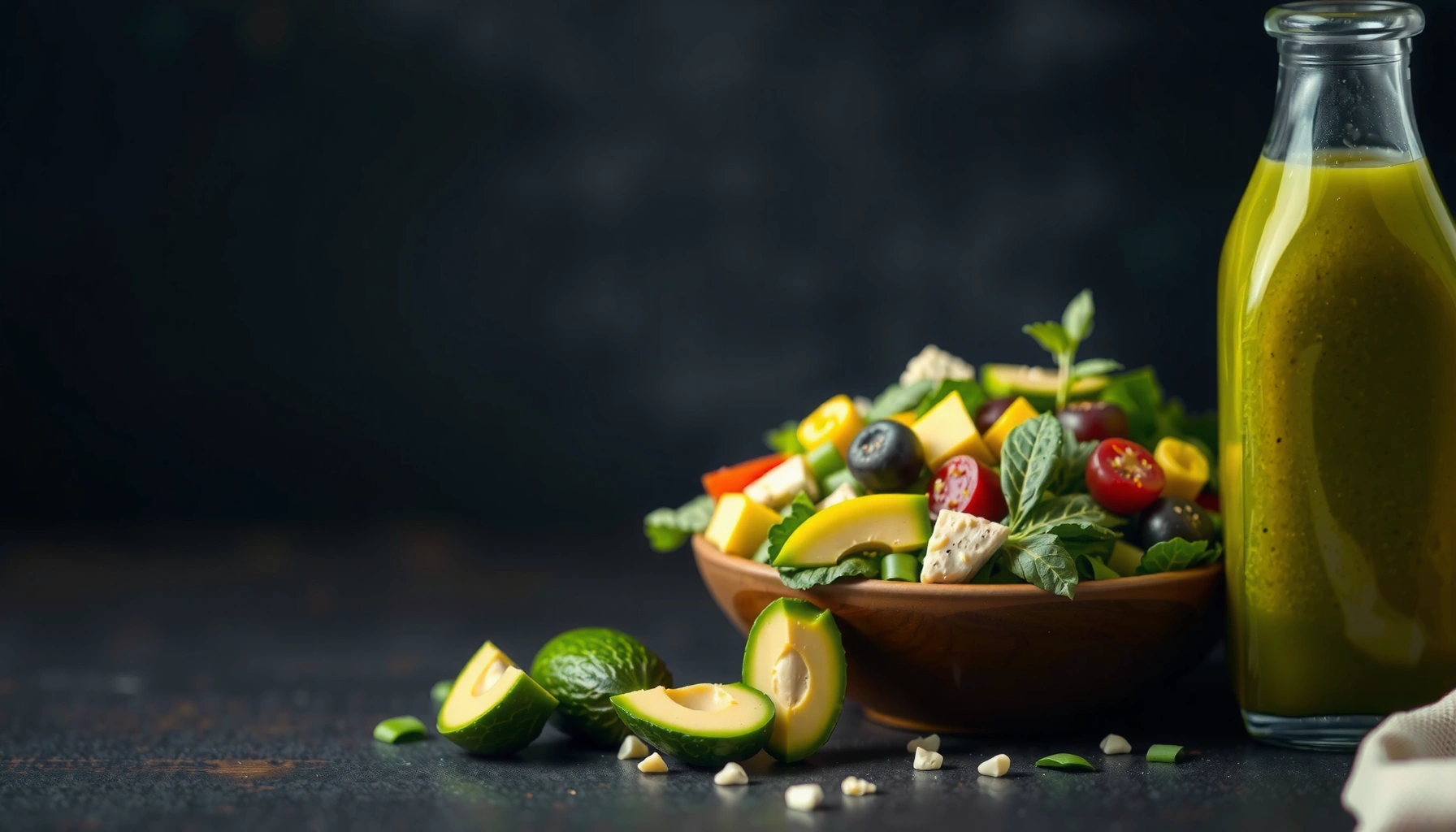

For individuals managing diabetes, selecting the right salad dressing is crucial for blood sugar control and overall health. The best salad dressings for diabetics are typically those low in added sugars, unhealthy fats, and sodium, prioritizing natural ingredients, healthy oils like olive or avocado, and vinegar-based options. Making smart choices here can significantly impact your meal’s nutritional profile without sacrificing flavor, transforming a potentially problematic dish into a cornerstone of a balanced diet.



Understanding Diabetic-Friendly Dressing Criteria
Navigating the myriad of salad dressing options can be daunting, but understanding the core criteria for diabetic-friendly choices simplifies the process. These criteria are not just about avoiding “bad” ingredients but actively selecting those that support metabolic health and cardiovascular wellness, which are paramount in diabetes management.
* Low Added Sugar: This is perhaps the most critical factor. Many commercial dressings, even seemingly savory ones, are laden with various forms of sugar. High-fructose corn syrup, cane sugar, honey, maple syrup, agave nectar, and even fruit juice concentrates can quickly elevate blood glucose levels, leading to spikes that challenge insulin regulation. These sugars contribute to empty calories and can hinder weight management efforts, which is often a key component of diabetes care. Always scrutinize the ingredient list; ingredients are listed in order of prevalence. If a sugar source is among the first few ingredients, it’s best to avoid that product. Look for dressings explicitly labeled “sugar-free” or with minimal (less than 1 gram) naturally occurring sugars per serving.
* Healthy Fats: While “fat-free” once dominated the health food market, we now understand the vital role healthy fats play in satiety, nutrient absorption, and heart health. For diabetics, prioritizing dressings made with monounsaturated fatty acids (MUFAs) and polyunsaturated fatty acids (PUFAs) is essential. Sources like extra virgin olive oil, avocado oil, and certain nut oils (e.g., walnut or flaxseed oil) help improve cholesterol profiles, reduce inflammation, and contribute to a feeling of fullness, which can prevent overeating and support stable blood sugar. Conversely, dressings high in saturated fats (from sources like conventional mayonnaise or creamy dairy bases) or, more critically, trans fats (often from hydrogenated oils) should be avoided due to their detrimental impact on heart health, a common comorbidity in diabetes.
* Controlled Sodium: High sodium intake is a significant concern for individuals with diabetes, as it can contribute to hypertension (high blood pressure). High blood pressure, in turn, increases the risk of cardiovascular complications, kidney disease, and stroke—risks already elevated in the diabetic population. While sodium is a necessary electrolyte, excessive amounts found in many processed foods, including salad dressings, can be problematic. The American Diabetes Association (ADA) recommends limiting sodium intake, and choosing lower-sodium dressings is a simple step towards meeting this guideline. Always check the nutrition facts panel for sodium content, aiming for options with 150 mg or less per serving.
Top Store-Bought Dressings to Look For
While homemade dressings offer the ultimate control, busy schedules often necessitate convenient store-bought options. Fortunately, the market for health-conscious products has expanded, offering several suitable choices for diabetics.
* Oil and Vinegar Vinaigrettes: These are often the safest bet. Traditional vinaigrettes typically consist of olive oil or another healthy oil, vinegar (such as red wine, balsamic, or apple cider), and seasonings. The simplicity of their ingredient list means fewer hidden sugars or unhealthy additives. However, it’s crucial to still read the nutrition label diligently. Some manufacturers add sweeteners to balance the acidity or improve palatability, even in seemingly “simple” vinaigrettes. Look for brands that list only oil, vinegar, water, herbs, and spices. Balsamic vinegar, while often a good choice, does contain natural sugars, so moderate consumption is advised, and again, check for *added* sugars.
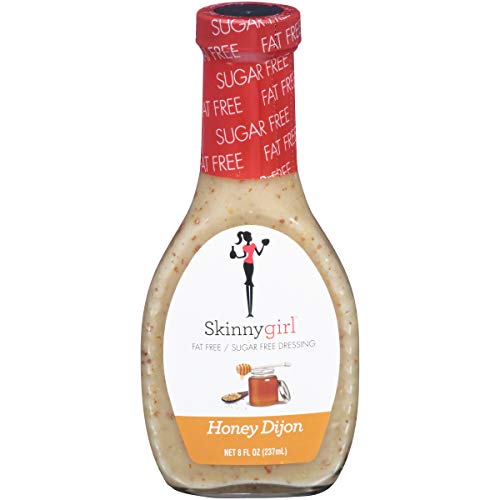
* Sugar-Free/Lite Options: Many mainstream brands now offer “sugar-free” or “light” versions of their popular dressings. These typically replace sugar with artificial sweeteners like sucralose, stevia, or erythritol. While these can be effective in reducing carbohydrate intake, some individuals may prefer to limit artificial sweeteners due to concerns about their potential impact on gut health or taste preferences. Furthermore, “light” versions sometimes reduce fat but compensate with higher sugar or sodium content, so a comprehensive label review is always necessary. Evaluate the overall nutritional profile rather than focusing on just one claim.
* Specific Brands: Several forward-thinking brands have emerged, specifically catering to health-conscious consumers and those with dietary restrictions, including diabetes.
* Primal Kitchen: Known for its dressings made with avocado oil and free from added sugars, grains, dairy, and soy. Their vinaigrettes often use apple cider vinegar, herbs, and spices, making them excellent choices. Examples include their Greek Vinaigrette & Marinade or Lemon Turmeric Vinaigrette.
* Tessemae’s: This brand prides itself on using clean, whole ingredients, offering a wide range of dressings that are typically sugar-free and made with healthy oils like olive or avocado oil. Their Lemon Garlic Vinaigrette or Balsamic Vinaigrette are popular diabetic-friendly options.
* Bragg’s: While primarily known for apple cider vinegar, Bragg’s also offers vinaigrettes that are often organic, non-GMO, and free from added sugars. Their Organic Vinaigrette often features apple cider vinegar, olive oil, and various spices, aligning well with diabetic dietary guidelines.
When choosing any store-bought dressing, the mantra remains: read the label, understand the ingredients, and compare nutritional information.
Homemade Dressings: Your Best Bet
For unparalleled control over your diet and to ensure every ingredient supports your health goals, making your own salad dressings at home is unequivocally the best strategy for diabetics. It eliminates guesswork and allows for customization to your exact preferences and dietary needs.
* Full Ingredient Control: This is the primary advantage. When you prepare dressing from scratch, you dictate the type and quantity of fats, the absence of added sugars, and the precise amount of sodium. You can choose premium extra virgin olive oil or avocado oil, select organic vinegars, and incorporate fresh herbs and spices without worrying about preservatives, artificial colors, or hidden ingredients commonly found in commercial products. This level of control is invaluable for managing blood glucose, weight, and overall cardiovascular health.
* Simple Vinaigrettes: Creating a basic vinaigrette is surprisingly simple and requires only a few core ingredients. A classic ratio is three parts oil to one part acid.
* Oil: Extra virgin olive oil or avocado oil are excellent choices for their healthy fat profiles.
* Acid: Apple cider vinegar (which may offer modest blood sugar benefits), white wine vinegar, red wine vinegar, or even a squeeze of fresh lemon or lime juice can serve as the acidic base. Balsamic vinegar can be used, but due to its slightly higher natural sugar content, use it in moderation or in combination with other vinegars.
* Flavorings: Enhance taste without sugar by adding minced garlic, finely chopped shallots, a spoonful of Dijon mustard (check for added sugar), and plenty of fresh herbs like dill, parsley, basil, oregano, or chives. A dash of black pepper, onion powder, or a pinch of red pepper flakes can also add depth and warmth.
* Method: Combine all ingredients in a jar with a tight-fitting lid and shake vigorously, or whisk in a bowl until emulsified. Taste and adjust seasonings.
* Yogurt or Mustard Bases: For those craving a creamy dressing without the saturated fat and sugar found in many conventional creamy options, plain Greek yogurt or mustard can serve as excellent bases.
* Plain Greek Yogurt: Opt for plain, unsweetened Greek yogurt (full-fat or 2% for better satiety). Combine it with lemon juice, fresh herbs (like dill or mint), a touch of garlic powder, and salt and pepper. This creates a rich, tangy, protein-packed dressing that mimics ranch or blue cheese without the drawbacks.
* Dijon Mustard: Dijon mustard acts as a natural emulsifier and provides a sharp, zesty flavor. Whisk Dijon with a healthy oil, vinegar, a splash of water (to thin), and your choice of herbs and spices for a vibrant dressing. Always check the label of your Dijon mustard to ensure it doesn’t contain added sugars.
Ingredients to Prioritize and Avoid
Being an informed consumer means not just knowing what to look for, but also what specific ingredients to embrace and which ones to steer clear of. This focused approach empowers you to make quick, confident decisions, whether you’re scanning labels or stocking your pantry for homemade creations.
* Prioritize:
* Healthy Oils: Extra virgin olive oil, avocado oil, walnut oil, flaxseed oil. These are rich in monounsaturated and polyunsaturated fats that support heart health.
* Vinegars: Apple cider vinegar (known for potential blood sugar benefits), red wine vinegar, white wine vinegar, balsamic vinegar (in moderation due to natural sugars).
* Acids: Fresh lemon juice, lime juice for bright, natural flavor.
* Herbs & Spices: Fresh or dried dill, parsley, oregano, basil, rosemary, thyme, cilantro, garlic powder, onion powder, black pepper, paprika, chili flakes, turmeric. These add immense flavor without calories or sugar.
* Natural Emulsifiers/Thickeners: Dijon mustard (sugar-free variety), plain Greek yogurt (unsweetened, full-fat or 2%).
* Avoid:
* Added Sugars: High-fructose corn syrup, cane sugar, brown sugar, honey, maple syrup, agave nectar, malt syrup, dextrose, sucrose, fruit juice concentrates. These are hidden in countless products and can significantly impact blood glucose.
* Unhealthy Fats: Hydrogenated oils (trans fats), partially hydrogenated oils, highly refined vegetable oils like soybean oil, corn oil, cottonseed oil (often pro-inflammatory). Creamy dressings often use these.
* Excessive Sodium: Many commercial dressings contain high levels of sodium. Always check the label.
* Artificial Additives: Artificial flavors and colors should generally be avoided for overall health and to minimize exposure to unnecessary chemicals.
* Creamy Dressings High in Saturated Fat or Sugar: Many conventional ranch, blue cheese, Thousand Island, or French dressings are loaded with unhealthy fats and sugars, making them detrimental to diabetic management.
Portion Control and Smart Application
Even the healthiest salad dressing, if used excessively, can contribute unwanted calories and fat, potentially undermining your efforts to manage weight and blood sugar. Mindful portion control and application techniques are just as important as the ingredients themselves.
* Measure Carefully: The standard serving size for most salad dressings is 1 to 2 tablespoons. While this may seem small, remember that oils are calorie-dense, providing about 120 calories and 14 grams of fat per tablespoon. Consistently exceeding this serving size can lead to an unexpected caloric surplus. Always use a measuring spoon to accurately portion your dressing, especially when initially getting accustomed to appropriate amounts. Over time, you may develop an eye for it, but measuring provides crucial guidance.
* Dip, Don’t Drench: This is a highly effective technique for reducing dressing consumption without sacrificing flavor. Instead of pouring dressing directly over your entire salad, pour the measured amount into a small side dish. Then, dip your fork into the dressing before gathering each bite of salad. This method ensures that every bite gets a touch of flavor, but you end up using significantly less dressing overall, as much of it stays in the bowl.
* Flavor with Freshness: Enhance your salad’s natural appeal and reduce your reliance on heavy dressing by incorporating fresh, vibrant flavors directly into your greens and toppings. A generous squeeze of fresh lemon or lime juice over your salad provides brightness and tang. A sprinkle of fresh herbs like parsley, dill, or cilantro adds aromatic complexity. A dash of your favorite vinegar (like apple cider or red wine vinegar) directly on the greens can awaken their flavor without adding significant calories or fats. Freshly cracked black pepper or a pinch of red pepper flakes can also elevate the taste, making your salad more satisfying with less dressing.
Beyond Dressing: Building a Diabetic-Friendly Salad
A healthy dressing is only one component of a truly diabetic-friendly salad. The foundation of the salad itself—the vegetables, protein, and other additions—plays an equally critical role in blood sugar management, satiety, and overall nutritional value.
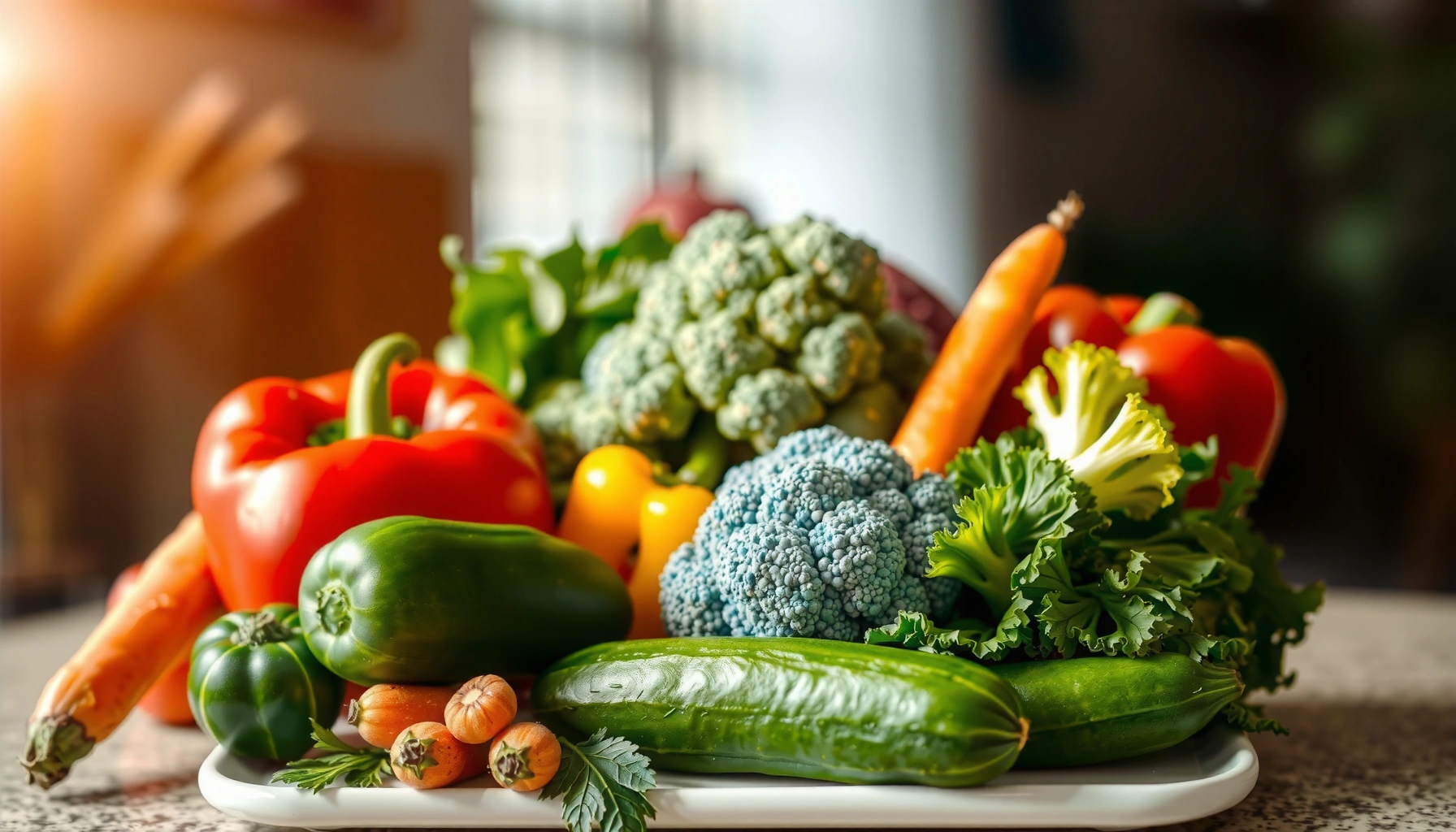
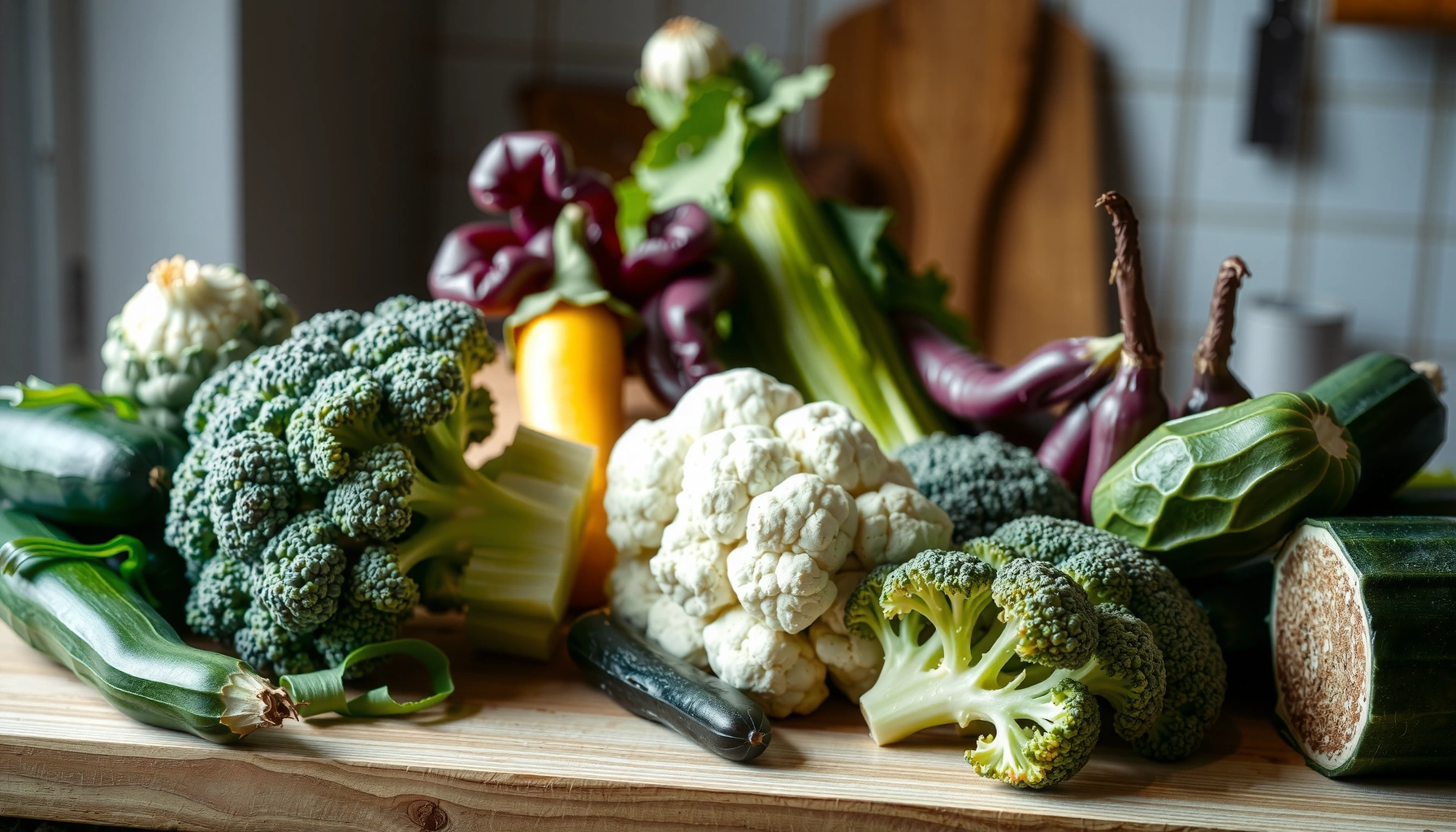
* Focus on Non-Starchy Vegetables: These should form the bulk of your salad. Non-starchy vegetables are low in carbohydrates and calories but rich in fiber, vitamins, and minerals. Fiber is particularly beneficial for diabetics as it helps slow glucose absorption, promoting more stable blood sugar levels. Load up on leafy greens (spinach, kale, romaine, mixed greens), cucumbers, bell peppers (all colors), tomatoes, broccoli florets, cauliflower, radishes, celery, mushrooms, and asparagus. These vegetables contribute volume and nutrients without significantly impacting blood glucose.
* Add Lean Protein: Including a source of lean protein transforms your salad from a side dish into a balanced, satisfying meal. Protein helps increase satiety, keeping you fuller for longer, and it also aids in stabilizing blood sugar by slowing down digestion. Excellent choices include grilled or baked chicken breast, turkey, fish (salmon, tuna, cod), shrimp, hard-boiled eggs, tofu, tempeh, or legumes like chickpeas and lentils (in moderation due to their carb content). Ensure protein sources are prepared without excessive oils, sugary marinades, or breading.
* Include Healthy Fats: While your dressing provides some healthy fats, incorporating other sources directly into your salad further boosts satiety and provides additional nutritional benefits. Slices of fresh avocado are an excellent source of monounsaturated fats and fiber. A small sprinkle of nuts (almonds, walnuts, pecans) or seeds (chia seeds, flax seeds, pumpkin seeds, sunflower seeds) adds healthy polyunsaturated fats, fiber, and micronutrients. Remember to portion these carefully, as nuts and seeds are calorie-dense. These healthy fats help in the absorption of fat-soluble vitamins present in your vegetables and contribute to a feeling of fullness, preventing subsequent cravings and overeating.
Choosing the right salad dressing is a small but impactful step in effectively managing diabetes and promoting overall wellness. By prioritizing low-sugar, healthy-fat, and low-sodium options, whether store-bought or homemade, you can enjoy flavorful salads without compromising your health goals. Always read labels diligently, experiment with homemade recipes to discover your favorite flavor combinations, and remember that portion control is key. For personalized dietary advice and to ensure your choices align with your specific health needs, consider consulting with a registered dietitian or healthcare provider. This comprehensive approach empowers you to create delicious, diabetes-friendly salads that support long-term health.
Frequently Asked Questions
What ingredients should diabetics be cautious of in store-bought salad dressings?
Diabetics should primarily watch out for added sugars like high-fructose corn syrup, sucrose, or dextrose, which can significantly spike blood sugar levels. Also, be wary of unhealthy fats, such as partially hydrogenated oils or excessive omega-6 rich oils like soybean or corn oil, which contribute to inflammation. High sodium content is another concern, as it can impact blood pressure management. Always check the nutrition label for carbohydrate, sugar, and sodium counts when choosing salad dressings for managing diabetes.
Which store-bought salad dressings are typically safe and healthy for diabetics?
For diabetics, the best store-bought salad dressings are often simple vinaigrettes made with healthy oils like extra virgin olive oil or avocado oil, and contain minimal added sugars. Look for options explicitly labeled “sugar-free,” “low-sugar,” or “low-carb,” carefully reviewing the ingredient list to ensure no hidden sugars or unhealthy additives. Brands that prioritize natural ingredients and transparent labeling are generally a good starting point for maintaining stable blood sugar.
How can diabetics easily make healthy, blood-sugar-friendly salad dressings at home?
Making your own diabetic-friendly salad dressings at home is simple and allows complete control over ingredients, ensuring they are low in sugar and unhealthy fats. A basic vinaigrette made with extra virgin olive oil, apple cider vinegar or red wine vinegar, fresh herbs like dill or oregano, and spices such as garlic powder and black pepper, is an excellent choice. You can enhance flavor with a squeeze of lemon juice or a touch of Dijon mustard without adding excess carbohydrates, providing a fresh and beneficial option for blood sugar management.
Why is careful selection of salad dressing so important for managing diabetes?
Careful selection of salad dressing is crucial for managing diabetes because many commercial varieties are laden with hidden sugars, unhealthy trans fats, and excessive sodium, all of which can negatively impact blood sugar control and overall health. These seemingly small additions can quickly turn a healthy salad into a source of blood sugar spikes, increased inflammation, and contribute to weight gain or cardiovascular issues. Opting for low-sugar, healthy-fat dressings helps maintain stable glucose levels and supports long-term diabetes management.
What are some specific low-carb and low-sugar salad dressing types that are good for diabetics?
Excellent low-carb and low-sugar salad dressing options for diabetics include simple oil and vinegar combinations, such as an extra virgin olive oil and apple cider vinegar blend. Lemon-tahini dressing, avocado-based dressings, or creamy dressings made with Greek yogurt or a small amount of low-fat sour cream (unsweetened) and fresh herbs are also great choices. These options provide robust flavor and healthy fats without the carbohydrate load that can negatively impact diabetic blood sugar control.
References
- https://diabetes.org/food-nutrition/recipes/healthy-salad-dressings
- https://www.mayoclinic.org/healthy-lifestyle/recipes/healthy-salad-dressings/rc-20050854
- Not Found | American Heart Association | American Heart Association
- https://www.health.harvard.edu/diseases-and-conditions/best-and-worst-salad-dressings
- https://health.clevelandclinic.org/the-best-and-worst-salad-dressings-to-eat/
- https://www.uwhealth.org/health-nutrition/healthy-salad-dressings/6579
- https://www.purdue.edu/extension/news/articles/2022/healthy-salad-dressings.html



Pingback: Best Diabetic Testing Meter: Top Picks for Accurate Blood Sugar Readings - Best For Diabetics