

The Contour Next One is widely considered the best diabetes blood glucose meter overall due to its high clinical accuracy ratings and “Second-Chance” sampling feature that prevents wasted strips. However, for those seeking specific features like continuous data tracking or budget-friendly supplies, options like the Accu-Chek Guide or the ReliOn Premier may be better suited to your specific lifestyle. This guide compares the top-rated glucometers to help you manage your diabetes effectively.


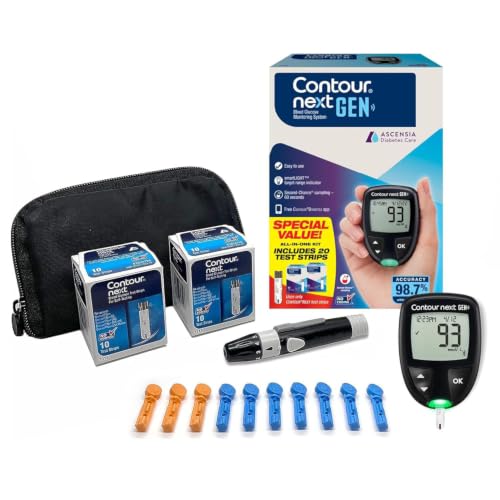
Top Overall Pick: Contour Next One
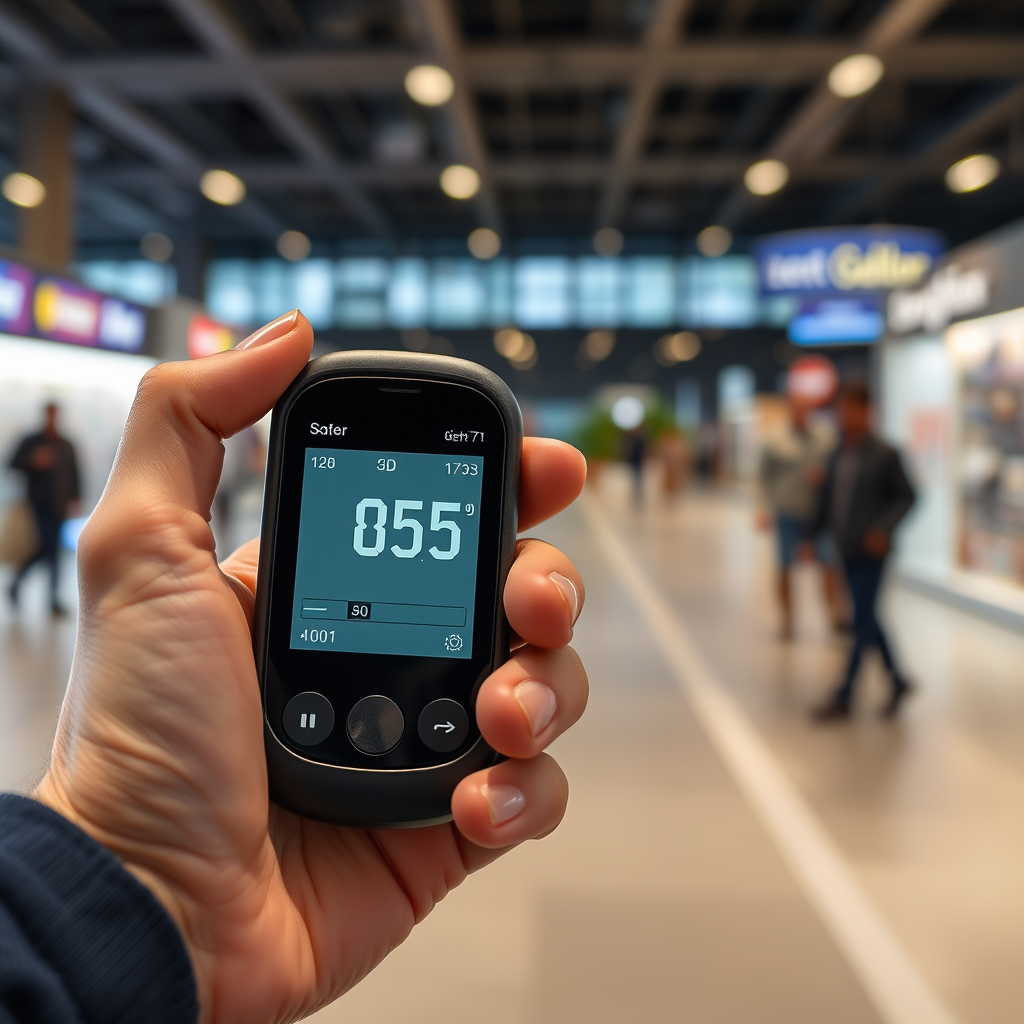
In the realm of blood glucose monitoring, accuracy is paramount. An inaccurate reading can lead to dangerous errors in insulin dosing or missed opportunities to correct hypoglycemia. The Contour Next One by Ascensia Diabetes Care stands out as the market leader primarily because of its exceptional clinical accuracy. Independent studies and clinical trials have consistently shown that this device exceeds the stringent ISO 15197:2013 standards for accuracy. While the standard requires that 95% of results fall within ±15% of the laboratory reference value, the Contour Next One frequently demonstrates even tighter margins. For patients who rely on precise data to calculate bolus insulin doses or manage tight glycemic targets, this level of precision provides invaluable peace of mind.
Beyond its technical specifications, the user experience of the Contour Next One addresses one of the most frustrating aspects of glucose testing: wasted test strips. Test strips are often the most expensive component of diabetes management, and insufficient blood application typically results in an error code and a discarded strip. To combat this, the Contour Next One features “Second-Chance” sampling technology. If the initial blood drop is too small to generate a reading, the meter alerts the user and allows them to apply more blood to the same strip within 60 seconds. This feature not only reduces the cost of ownership by saving strips but also spares the user the pain and inconvenience of a second finger prick. Combined with a sleek, portable design and a SmartLIGHT feature that illuminates the strip port, this meter represents the ideal balance of clinical rigor and user-centric engineering.
Best for Smart Connectivity: Accu-Chek Guide Me


As digital health tools become increasingly integrated into chronic disease management, the ability to seamlessly track and analyze data is a top priority for many patients. The Accu-Chek Guide Me excels in this category through its robust Bluetooth connectivity. Rather than requiring users to manually log numbers into a paper diary—a process prone to human error and forgetfulness—the Guide Me automatically syncs readings to the mySugr app on a smartphone. The mySugr app is one of the most comprehensive diabetes management platforms available, allowing users to spot trends, estimate HbA1c, and share detailed reports with their healthcare team. This automatic transfer of data ensures that no reading is lost and allows for a more holistic view of glycemic patterns over time.
Physical usability is another area where the Accu-Chek Guide Me differentiates itself, specifically regarding the handling of test strips. Traditional test strip vials are essentially open canisters; when a user reaches in to grab one, it is common to accidentally spill the entire contents or struggle to separate a single strip. The Accu-Chek Guide system utilizes a unique “SmartPack” spill-resistant vial design. This container holds the strips tightly in place, allowing the user to slide out one strip at a time without the risk of dumping the rest. For older adults, individuals with diabetic neuropathy, or those with limited dexterity, this design feature significantly reduces the frustration associated with daily testing. The meter also features a wide dosing area on the strip itself, further simplifying the testing process.
Best Value Option: ReliOn Premier Blu

The financial burden of diabetes management is a significant concern for millions of patients. While insurance often dictates the cost of supplies, those who are uninsured, underinsured, or have high deductibles must look for cost-effective over-the-counter solutions. The ReliOn Premier Blu, available primarily through Walmart, is the undisputed leader in value. While the meter itself is inexpensive, the true value lies in the affordability of the test strips. In the long-term economics of diabetes care, the recurring cost of strips far outweighs the one-time purchase of the device. ReliOn strips are sold at a price point significantly lower than major brand-name competitors, making frequent testing financially sustainable for a broader demographic.
However, a lower price point does not necessarily equate to a lack of features or poor performance. The “Blu” in the product name indicates Bluetooth capability, a feature rarely found in budget-friendly meters. Like its more expensive counterparts, the ReliOn Premier Blu can sync data to a proprietary app, allowing users to track their history and monitor averages. The device is reliable and meets necessary regulatory standards for over-the-counter monitoring devices. It serves as an excellent option for patients with Type 2 diabetes who may not require insulin but still need to monitor their levels regularly, or for those who need a reliable backup meter for travel. By lowering the financial barrier to entry, the ReliOn Premier Blu ensures that cost does not become an impediment to health monitoring.
Best for Simplicity: OneTouch Verio Flex
For many individuals, particularly those who are newly diagnosed or perhaps overwhelmed by the complexity of diabetes data, a meter with too many menus and graphs can be counterproductive. The OneTouch Verio Flex addresses this by prioritizing simplicity and immediate interpretation of results. Its defining feature is the ColorSure technology. Immediately below the digital display, there is a color-coded bar (Blue for low, Green for in-range, and Red for high). When a reading is taken, an arrow points to the corresponding color. This provides instantaneous feedback, allowing the user to understand their health status at a glance without needing to memorize specific target ranges or analyze the numerical data deeply in the moment.
The physical design of the OneTouch Verio Flex further complements its philosophy of simplicity. It is compact, slim, and easy to carry, making it unobtrusive for testing in public or at work. The interface is intuitive, avoiding deep menu structures that can confuse users who are not tech-savvy. While it does offer Bluetooth connectivity for those who wish to download their data later, the on-device experience is uncluttered. This makes it an excellent choice for seniors or anyone who prefers a straightforward “check and go” approach to their diabetes management. The large, easy-to-read numbers and the visual reinforcement of the ColorSure bar help reduce the cognitive load associated with frequent testing.
Key Features to Look For in a Glucometer
When selecting a blood glucose meter, the decision should be based on a combination of lifestyle requirements, medical needs, and financial logistics. The following factors are essential to consider before making a purchase:
* Insurance Coverage: This is often the deciding factor. Most insurance plans and Medicare Part B have “preferred formularies,” meaning they will cover specific brands of test strips at a lower copay while charging significantly more for others. Always check which meter your insurance prefers, as the cost of strips will add up quickly.
* Data Storage and Connectivity: Consider how you plan to log your results. If you prefer digital tracking, look for a meter with Bluetooth and a high-quality companion app. If you bring your meter to doctor appointments, ensure the device has a large memory capacity (storing 500+ tests) and that the data is easily retrievable by your healthcare provider.
* Blood Sample Size: The amount of blood required varies by device, usually ranging from 0.3 to 1.0 microliters. While the difference seems small, a meter requiring a smaller sample size (0.4 to 0.6 microliters) generally allows for shallower lancet depth settings, resulting in less pain and faster healing of finger pricks.
* Ease of Use: This encompasses several physical attributes. A large, backlit display is crucial for users with poor vision or those who need to test at night without turning on bright lights. Additionally, consider the physical handling of the strips; some are small and flimsy, while others are larger and more rigid.
* Coding Requirements: Older meters required users to manually enter a code or insert a chip every time they opened a new box of strips. Modern meters should be “No Coding” devices, meaning they calibrate automatically. Avoid purchasing outdated technology that requires manual coding, as this introduces a high risk of user error.
Tips for Accurate Glucose Testing
Even the most technologically advanced meter will produce inaccurate results if the testing procedure is flawed. Environmental factors and user technique play significant roles in the reliability of your data. Adhering to the following best practices will ensure your numbers are actionable and accurate:
* Hand Hygiene: Always wash your hands with warm, soapy water and dry them thoroughly before testing. Traces of sugar on the skin—from fruit, lotions, or handling food—can cause falsely high readings. Avoid using alcohol wipes if possible, as frequent use can dry out and harden the skin, making it more difficult to draw blood over time. If you must use alcohol, ensure it has completely evaporated before lancing.
* Rotate Testing Sites: repeatedly pricking the same spot can lead to callus formation, which not only makes testing painful but can also affect the blood sample. Utilize the sides of the fingertips rather than the sensitive pads, and rotate through different fingers to allow the skin to heal.
* Proper Strip Storage: Test strips are sensitive to environmental conditions. They contain enzymes that react with glucose, and these enzymes can degrade if exposed to extreme heat, cold, or humidity. Keep your strips in their original vial with the lid tightly closed, and store them at room temperature. Never leave your kit in a hot car, and pay close attention to expiration dates.
* Control Solution Testing: If you drop your meter or get a result that doesn’t match how you feel, use a control solution (a liquid with a known glucose concentration) to verify that the meter and strips are working correctly.
Choosing the right blood glucose meter ultimately comes down to balancing accuracy with the cost of supplies and the features that fit your daily routine. Whether you prioritize smart data tracking or simple, low-cost testing, there is a reliable device available to support your health goals. Consult with your healthcare provider or pharmacist to verify which meter is covered by your insurance before making your final purchase. By selecting a device that aligns with your lifestyle and financial situation, you remove barriers to consistent testing, paving the way for better glycemic control and long-term health.
Frequently Asked Questions
What features should I look for when choosing the best blood glucose meter?
When selecting a glucose meter, prioritize accuracy standards (ISO 15197:2013 compliance) and the cost of test strips, as these are ongoing expenses that often exceed the price of the device itself. You should also consider usability features such as display size, whether the device requires coding, and the size of the blood sample needed, which impacts comfort. Finally, look for “smart” capabilities like Bluetooth connectivity if you want to automatically sync data to a smartphone app for easier tracking.
Which blood glucose meter is considered the most accurate on the market?
While many devices are reliable, the Contour Next One and the Accu-Chek Guide are frequently rated as the most accurate glucose meters in clinical studies and independent consumer reviews. These devices consistently perform within tight accuracy margins compared to laboratory results, which is critical for calculating insulin doses safely. Always ensure any meter you buy is FDA-cleared to guarantee it meets strict regulatory accuracy requirements.
Are generic store-brand glucometers as good as name-brand devices?
Yes, generic or store-brand meters (such as Walmart’s ReliOn or CVS Health models) are FDA-cleared and often provide accuracy levels comparable to premium name brands at a much lower cost. These are often the best choice for patients paying out-of-pocket because their test strips can be significantly cheaper than prescription brands. However, they may lack advanced features like mobile app integration or pattern recognition found in more expensive systems.
How do Bluetooth glucose meters help with diabetes management?
Bluetooth-enabled glucose meters, such as the Dario LC or OneTouch Verio Reflect, automatically log your blood sugar readings to a companion app, eliminating the need for manual logbooks. This technology helps identify trends and patterns in your glucose levels over time and allows you to easily generate reports to share with your healthcare team. Many users find that these smart features improve long-term adherence to testing schedules and overall glycemic control.
What is the best diabetes blood glucose meter for seniors or those with poor vision?
For seniors or users with visual impairments, the best meters feature large, backlit displays and simple interfaces with large buttons, such as the Prodigy Voice or the Oracle Talking Glucose Meter. These devices often include audio functionality that reads the results aloud, ensuring the user understands their levels without straining their eyes. Additionally, look for “no coding” meters to reduce technical complexity and potential errors during the testing process.
References
- Blood glucose meter: How to choose – Mayo Clinic
- https://www.fda.gov/medical-devices/blood-glucose-monitoring-devices/home-use-devices
- https://www.consumerreports.org/health/blood-glucose-meters/buying-guide/
- Diabetes Teaching Center
- https://my.clevelandclinic.org/health/drugs/11444-blood-glucose-monitors
- https://www.ncbi.nlm.nih.gov/pmc/articles/PMC5505415/
- https://diabetes.org/health-wellness/technology




Pingback: Best Electrolyte Drinks for Diabetics - Best For Diabetics
Pingback: The Best Medication for Type 2 Diabetes: Top Options - Best For Diabetics
Pingback: Best Protein Powder for Diabetics: Top Choices and Guide - Best For Diabetics
Pingback: Best Type 2 Diabetes Medications: An Overview - Best For Diabetics
Pingback: Best Diabetic Breakfast: Healthy Ideas & Options - Best For Diabetics
Pingback: What Is the Best Cereal for Diabetics? Top Healthy Choices - Best For Diabetics
Pingback: Best Snacks for Diabetes: Healthy and Satisfying Options - Best For Diabetics
Pingback: The Best Food for Diabetes: Top Choices for Blood Sugar - Best For Diabetics
Pingback: The Best Fruits for Diabetics to Manage Blood Sugar - Best For Diabetics