

Navigating the options for orange juice when managing diabetes can be tricky, but the best approach isn’t about finding a single “best” brand; rather, it’s about making smart, informed choices regarding type, ingredients, and portion size. For most diabetics, 100% pure orange juice with no added sugars can be consumed, but only in very small, controlled amounts, while diluted or lower-carb fortified alternatives are often a safer bet to help maintain stable blood glucose levels. Making these mindful choices allows you to enjoy some of the flavors you love without compromising your health goals.




Understanding Orange Juice’s Impact on Blood Sugar

Even the most natural orange juice, labeled as “100% pure,” is a concentrated source of natural sugars, primarily fructose and glucose. While these are naturally occurring, their impact on blood sugar can be significant. When you drink orange juice, you’re essentially consuming the sugar from several oranges without the beneficial fiber that a whole orange provides. This absence of fiber means your body absorbs these sugars much more quickly, leading to a rapid and often pronounced rise in blood glucose levels.
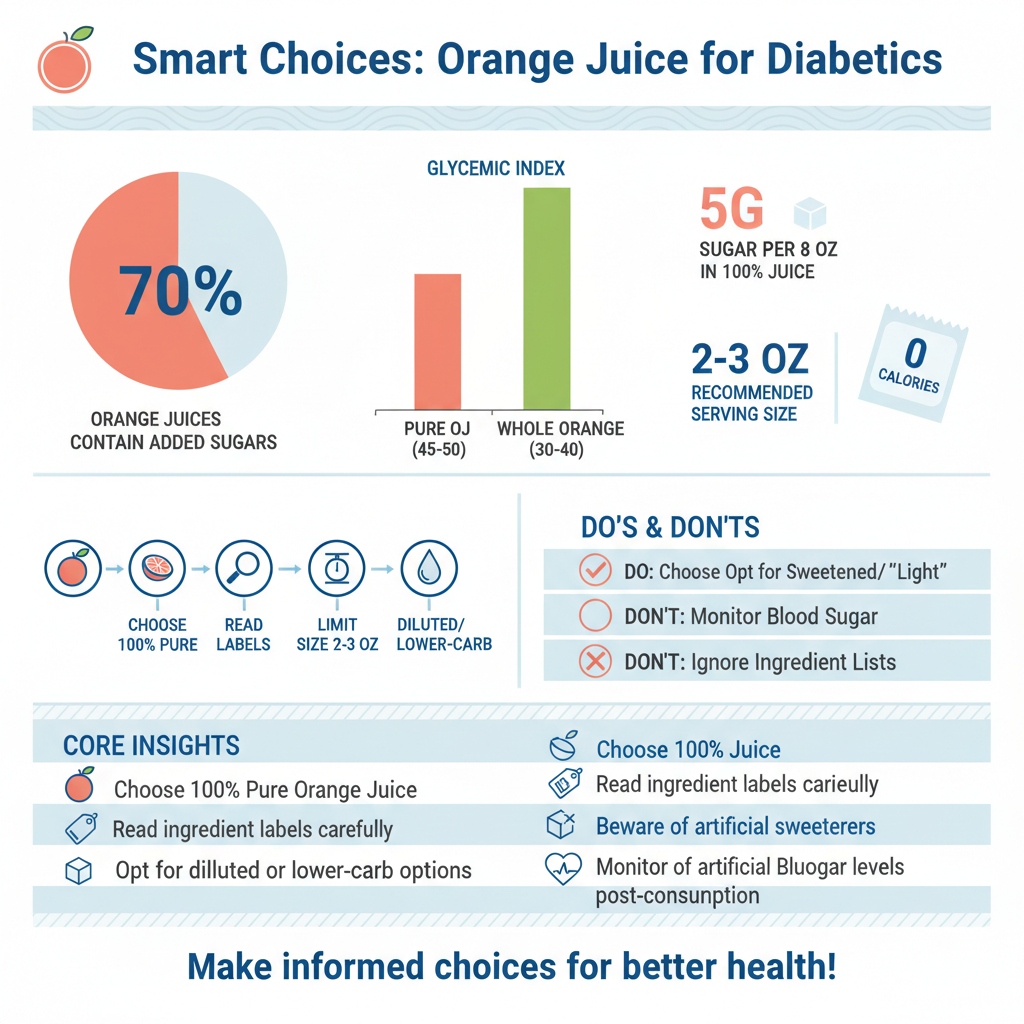
This rapid absorption is why orange juice has a relatively high Glycemic Index (GI). The GI is a value assigned to foods based on how quickly and how high they raise blood sugar. A high GI food like orange juice can cause a swift spike in your blood glucose, which is precisely what individuals managing diabetes strive to avoid. Regular spikes can make it harder to achieve stable blood sugar control over time and may contribute to long-term complications.
To complicate matters further, many commercially available orange juices contain added sugars, high-fructose corn syrup, or artificial sweeteners. These additions are often included to enhance flavor or reduce calorie counts in “light” versions, but they can pose different challenges for blood sugar management. Added sugars directly contribute to higher carbohydrate intake and quick glucose spikes, while artificial sweeteners, although not directly impacting blood glucose, are still a subject of ongoing research regarding their long-term effects on metabolism and gut health. Therefore, understanding the ingredient list is paramount.
What to Look for in Diabetic-Friendly Orange Juice

When you’re navigating the grocery store aisles, knowing what to look for can make all the difference in choosing a more diabetes-friendly orange juice option. It’s all about becoming a label detective!
First and foremost, aim for products explicitly labeled as “100% Pure Orange Juice.” This seemingly simple phrase is crucial because it indicates that the juice contains only oranges – no added sugars, no artificial sweeteners, and no unnecessary preservatives. Always check the ingredient list to confirm this; ideally, it should just say “orange juice” or “100% pure orange juice.” Be wary of terms like “juice drink,” “juice cocktail,” or “nectar,” as these almost always contain added sugars and a lower percentage of actual fruit juice. While 100% juice is still a concentrated sugar source, at least you’re avoiding additional sweeteners.
Another excellent strategy is to seek out Lower Carbohydrate Options. Thanks to growing health consciousness, some brands now offer “reduced-sugar” or “light” versions specifically formulated to have fewer carbs. These options often achieve their lower sugar content by being diluted with water, or through specific filtration processes. When considering these, it’s vital to compare the “Total Carbohydrates” and “Sugars” per serving on the nutrition label against standard 100% pure orange juice. A significant reduction in these numbers makes them a better choice for blood sugar management. Just be sure to also check the ingredient list to ensure they haven’t simply replaced natural sugars with artificial ones if you prefer to avoid them.
Finally, you might consider Fortified Varieties. Some orange juices are fortified with essential vitamins and minerals like Vitamin D and calcium, which can offer additional health benefits without significantly impacting sugar content. Many people, including those with diabetes, may benefit from extra Vitamin D for bone health and immune support. When choosing a fortified juice, follow the same rules as above: prioritize 100% pure, no-added-sugar versions. The fortification itself doesn’t add sugar, but you still need to ensure the base product is a suitable choice for your diabetes management plan. These added nutrients can be a nice bonus if you’ve already found a low-carb, no-added-sugar option.
Smart Portion Control and Consumption Tips

Even the most carefully chosen orange juice needs a smart strategy when it comes to consumption. For individuals with diabetes, portion control isn’t just a suggestion; it’s a vital component of managing blood glucose levels effectively.
The golden rule for orange juice is Strict Portion Sizes. A standard serving of orange juice for someone without diabetes is often considered 8 ounces (one full cup), but for those managing blood sugar, this is far too much. Instead, limit your servings to 4 ounces (half a cup) or even less. This small portion significantly minimizes the total sugar intake and, consequently, its impact on your blood glucose. To ensure accuracy, actually measure out your juice with a measuring cup – don’t just eyeball it. It’s surprising how quickly a small pour can turn into a larger serving. Think of orange juice as a small treat, not a main beverage.
Furthermore, consider when and how you consume your orange juice. Pair with Protein or Fiber. Drinking orange juice by itself on an empty stomach can lead to a very rapid blood sugar spike. However, consuming it alongside a meal rich in protein or fiber can help slow down the absorption of sugars into your bloodstream. For example, a tiny splash of juice with a breakfast of eggs and whole-grain toast, or with a handful of almonds, can mitigate the glycemic response. Protein and fiber both take longer to digest, which means the sugars from the juice are released more gradually, resulting in a more controlled rise in blood sugar.
Perhaps the most important tip is to Monitor Blood Sugar. Every person’s body reacts differently to foods and beverages, especially when managing diabetes. Always test your blood sugar before and after consuming orange juice (usually 1-2 hours after) to understand precisely how your body reacts. This personalized data is invaluable! It empowers you to adjust your intake accordingly, helping you learn your individual tolerance levels and make informed decisions about whether orange juice can fit into your diet and in what quantity. Keeping a food and blood sugar log can be incredibly helpful for this learning process.
Healthier Alternatives and Dilution Strategies
While we’re discussing how to make orange juice fit into a diabetic-friendly diet, it’s also worth exploring options that naturally offer similar flavors or hydration benefits with even less impact on your blood sugar.
One of the simplest yet most effective strategies is to Dilute with Water. Mixing a small amount of orange juice with water can dramatically reduce the overall sugar concentration per serving while still offering a hint of that familiar citrus flavor. You can start with a 50/50 mix, or even go for a 25% juice to 75% water ratio. This trick is great for satisfying a craving without consuming the full sugar load of undiluted juice. It allows you to stretch your limited portion of juice further, making it a more hydrating and less concentrated sugary beverage. You might be surprised how refreshing a diluted juice can be!
If you’re looking for flavor without any added sugar, Infused Water is a fantastic choice. Enjoying water infused with fresh orange slices, lemon, lime, cucumber, or other fruits and herbs offers a delicious and refreshing alternative without any of the sugar or calories found in juice. Simply slice up your favorite fruits and drop them into a pitcher of water, letting it steep in the fridge for a few hours. This gives you a subtly flavored drink that’s hydrating and won’t impact your blood sugar at all. It’s a wonderful way to boost your water intake and add a little zing to your day.
Finally, there’s a whole world of Unsweetened Beverages that serve as excellent low-carb hydration options and won’t cause blood sugar spikes. Think unsweetened herbal teas (hot or iced), black coffee (in moderation), sparkling water with a splash of lemon, or even unsweetened almond or soy milk. For a savory option, low-sodium vegetable juices like tomato juice or V8 can be good choices, but always check their labels for carb content as it can vary. These alternatives provide variety and ensure you stay well-hydrated without the concern of glucose fluctuations.
The Role of Fiber and Whole Fruits
When it comes to fruit consumption for individuals with diabetes, there’s a significant difference between eating a whole fruit and drinking its juice. This distinction primarily boils down to fiber.
The overwhelming advice for anyone managing diabetes is to Choose Whole Oranges over orange juice whenever possible. Eating a whole orange provides valuable dietary fiber, which is largely removed during the juicing process. This fiber is a game-changer because it helps slow down the absorption of natural sugars into your bloodstream. Instead of a rapid sugar spike, you get a more gradual and sustained release of glucose, which is much easier for your body to manage. Beyond blood sugar benefits, the fiber in a whole orange also contributes to satiety, helping you feel fuller for longer, which can be beneficial for weight management. Plus, a whole orange often contains more vitamins and minerals that can be lost in juicing or degraded over time in bottled juice.
Fiber’s Benefits extend far beyond just slowing sugar absorption. It plays a crucial role in overall digestive health, helps regulate cholesterol levels, and can contribute to a healthy gut microbiome. For individuals with diabetes, adequate fiber intake is a cornerstone of effective blood sugar control, helping to prevent the rapid glucose spikes often associated with fruit juices and other refined carbohydrates. There are two main types of fiber: soluble fiber, which dissolves in water and helps regulate blood glucose and cholesterol, and insoluble fiber, which adds bulk to stool and promotes regularity. Whole oranges contain both!
Ultimately, for optimal diabetes management, it’s essential to Balance Your Diet. Prioritize a diet rich in whole foods, lean proteins, healthy fats, and low-GI carbohydrates. While a small, controlled portion of 100% pure, no-added-sugar orange juice might fit into your diet on occasion, it should never replace whole fruits. Instead, view whole oranges and other high-fiber fruits (like berries and apples) as your primary source of fruit. By focusing on a balanced eating pattern that emphasizes nutrient-dense, whole foods, you empower yourself to manage diabetes effectively and enjoy better overall health.
When to Consult Your Healthcare Provider
While blog posts like this offer general guidance, it’s absolutely crucial to remember that managing diabetes is highly individualized. Therefore, Individualized Advice from your healthcare team is non-negotiable. Always discuss your dietary choices, including fruit juice consumption, with your doctor, a registered dietitian (RD), or a certified diabetes educator (CDE). These professionals specialize in diabetes management and can provide guidance tailored specifically to you.
They can help you create a Personalized Meal Plan that takes into account your specific health status, any medications you’re taking (including insulin or oral medications), your activity level, and your personal blood sugar goals. What works for one person with diabetes might not be suitable for another, especially given variations in insulin sensitivity, kidney function, and other co-existing health conditions. A dietitian can help you understand how different foods, including small amounts of orange juice, might interact with your specific treatment plan and overall health.
Finally, it’s vital to Addressing Concerns promptly. If you experience frequent or significant blood sugar fluctuations after consuming orange juice, or if you have any questions or concerns about incorporating it or any other food into your diet, seek professional guidance immediately. Don’t try to self-diagnose or make drastic dietary changes without consulting your healthcare provider. They are your best resource for navigating the complexities of diabetes management and ensuring your dietary choices support your health and well-being.
Making informed choices about orange juice and understanding its impact on your blood sugar is a vital part of effective diabetes management. By selecting 100% pure, no-added-sugar options, practicing strict portion control, considering diluted alternatives, and prioritizing whole fruits and other healthy beverages, you can enjoy some of the flavors you love while maintaining your health. Remember to always consult with your healthcare provider or a dietitian to create a personalized nutrition plan that best suits your individual needs and helps you achieve your blood sugar goals.
Frequently Asked Questions
What type of orange juice is best for diabetics?
The best orange juice for diabetics is typically 100% pure orange juice with no added sugars or artificial sweeteners. Look for labels that clearly state “100% juice” and list only oranges as an ingredient, ensuring it doesn’t contain high-fructose corn syrup or other caloric sweeteners. While even 100% juice contains natural sugars, choosing this option helps avoid unnecessary sugar spikes from additives.
Can diabetics drink orange juice, and if so, how much is safe?
Yes, diabetics can consume orange juice, but it’s crucial to do so in moderation and be mindful of portion sizes due to its concentrated natural sugar content. A typical serving for a diabetic might be a small amount, like 4 ounces (half a cup), and it’s always wise to monitor your blood sugar levels afterward to understand its specific impact. Consulting with a dietitian can help personalize recommendations for your individual dietary needs.
Why is it important for diabetics to choose orange juice carefully?
Diabetics must choose orange juice carefully because even 100% fruit juice can have a high glycemic index, meaning its natural sugars can rapidly elevate blood glucose levels. Many commercial orange juices also contain added sugars, which exacerbate this effect and contribute to unnecessary calorie intake without significant beneficial fiber. Making an informed choice helps prevent unwanted blood sugar spikes and supports better overall glycemic control.
Which features should diabetics prioritize when selecting orange juice brands?
When selecting orange juice brands, diabetics should prioritize labels indicating “no added sugar” and “100% pure orange juice.” Furthermore, checking the nutrition facts for the lowest carbohydrate and sugar content per serving is essential, comparing different brands carefully. Some brands also offer “light” or “reduced sugar” versions, which can be an option if they don’t use artificial sweeteners that some individuals prefer to avoid.
What are some healthier alternatives to traditional orange juice for diabetics?
Healthier alternatives to traditional orange juice for diabetics include consuming whole oranges, which provide beneficial fiber to slow sugar absorption and are more filling. Other excellent choices are unsweetened sparkling water with a splash of fresh orange juice for flavor, plain water, or unsweetened herbal teas. Vegetable juices, particularly those low in fruit content, also offer nutrients with less impact on blood sugar.
References
- https://www.diabetes.org/food-and-fitness/eating-well/what-i-can-eat/food-groups/fruit/juices-and-smoothies
- https://www.diabetes.org/healthy-living/recipes-nutrition/eating-well/food-choices-and-your-health/fruit
- https://www.mayoclinic.org/diseases-conditions/diabetes/expert-answers/fruit-juice-for-people-with-diabetes/faq-20058229
- https://www.cdc.gov/diabetes/managing/eat-well/sugar-sweetened-beverages.html
- https://www.health.harvard.edu/diseases-and-conditions/best-and-worst-drinks-for-diabetes
- Healthy Drinks • The Nutrition Source
- https://www.niddk.nih.gov/health-information/diabetes/overview/diet-eating-physical-activity/choose-foods-drinks