

For diabetics seeking convenient and effective ways to manage blood sugar and nutrition, the best meal replacement shakes are specifically formulated with low added sugar, high fiber and protein, and a balanced macronutrient profile. These shakes offer a practical solution for portion control, blood sugar stability, and ensuring adequate nutrient intake when whole food meals aren’t feasible, acting as a valuable tool in a diabetes management plan.




Understanding Diabetic Nutritional Needs for Meal Replacements

Managing diabetes effectively often feels like a constant balancing act, especially when it comes to nutrition. When considering meal replacement shakes, it’s vital to understand the foundational nutritional principles that guide a diabetic diet. These principles aren’t just good suggestions; they are crucial for maintaining health and preventing complications.
– Blood Sugar Control is Paramount: For individuals with diabetes, the body either doesn’t produce enough insulin or can’t effectively use the insulin it produces, leading to elevated blood glucose levels. Foods that cause rapid spikes in blood sugar can exacerbate this problem, leading to fatigue, nerve damage, and other serious health issues over time. Therefore, the priority for any meal, including a shake, is to prevent these sharp rises. This means carefully selecting ingredients that release glucose slowly and steadily into the bloodstream, helping to maintain stable energy levels and better overall health. Look for ingredients with a low glycemic index and a good balance of macronutrients to achieve this.
– Focus on Macronutrient Balance: A truly diabetic-friendly meal replacement shake isn’t just about cutting carbs; it’s about balance.
* Adequate protein is essential not only for muscle maintenance and repair but also for satiety. Protein helps you feel full longer, reducing the likelihood of overeating or snacking on less healthy options. It also has a minimal impact on blood sugar compared to carbohydrates.
* Healthy fats provide sustained energy, contribute to satiety, and support various bodily functions, including hormone production and nutrient absorption. They also help slow down the digestion of carbohydrates, further aiding blood sugar stability.
* Controlled complex carbohydrates are necessary for energy, but the key is “complex” and “controlled.” These carbs digest slowly, preventing rapid blood sugar spikes. Balancing these three macronutrients ensures your body gets the fuel it needs without overwhelming your system with a sugar surge.
– Fiber’s Role: Often overlooked, fiber is a superstar in diabetic nutrition. High fiber content in a meal replacement shake offers multiple benefits. Soluble fiber, for instance, forms a gel-like substance in your gut, which slows down the absorption of sugar, leading to a more gradual rise in blood glucose. Both soluble and insoluble fiber contribute to improved digestive health, preventing constipation and promoting regularity. Beyond blood sugar, fiber can help lower cholesterol levels and contribute to a feeling of fullness, which is beneficial for weight management. Aim for shakes that clearly highlight a significant fiber content, as this is a strong indicator of a blood-sugar-friendly formulation.
Key Nutritional Criteria for Diabetic-Friendly Shakes
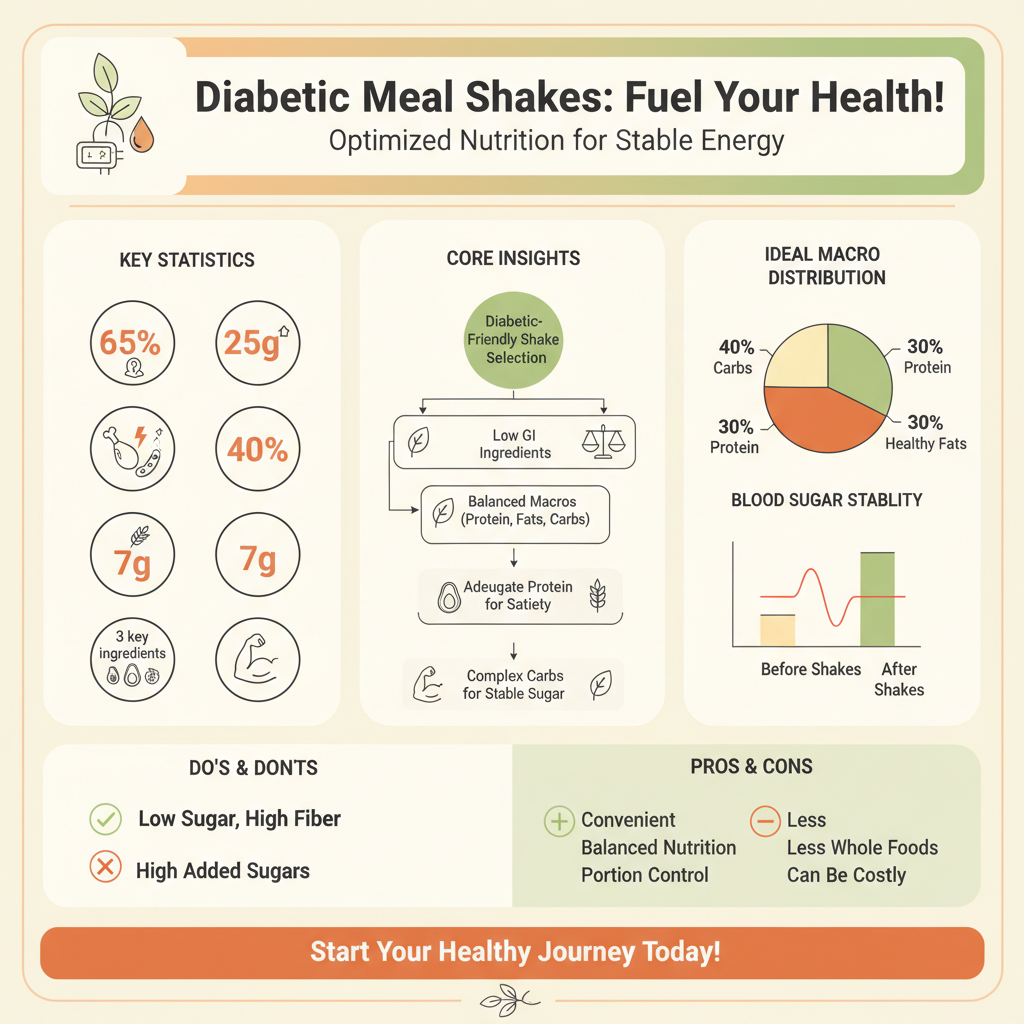

When you’re standing in the supplement aisle or browsing online, the sheer number of meal replacement options can be overwhelming. Knowing exactly what to look for, and what to avoid, will empower you to make the best choice for your diabetes management. Here’s a checklist of key nutritional criteria.
– Low in Added Sugars: This is perhaps the most critical criterion. Many commercially available shakes are packed with added sugars to improve taste, but these can be detrimental for diabetics. Be vigilant and scrutinize the “Added Sugars” line on the nutrition label. Avoid shakes that list high fructose corn syrup, sucrose, dextrose, maltodextrin, or other forms of added sugar among the first few ingredients. Even “natural” sweeteners like agave nectar or excessive amounts of fruit juice concentrate can elevate blood sugar quickly. Ideally, you want a shake with minimal to no added sugars, focusing instead on naturally occurring sugars from whole food ingredients if present, and often relying on non-nutritive sweeteners like stevia, monk fruit, or erythritol if a sweet taste is desired without the glycemic impact.
– High-Quality Protein Sources: Protein is your ally in blood sugar management and satiety. Look for shakes that provide a substantial amount, typically 15-25g per serving. The source matters too.
* Whey isolate is a popular choice, known for its rapid absorption and complete amino acid profile.
* Casein offers a slower, sustained release of amino acids, promoting prolonged satiety.
* For plant-based options, pea protein, soy protein, or rice protein (often combined for a complete amino acid profile) are excellent alternatives. These proteins help maintain muscle mass, which is crucial for metabolic health, and keep you feeling full, which can prevent overeating and snacking on less healthy items.
– Adequate Fiber Content: As we discussed, fiber is essential for slowing glucose absorption and supporting digestive health. Aim for meal replacement shakes that contain at least 5g of dietary fiber per serving, and even more is often better. Ingredients like oat fiber, chicory root (inulin), psyllium husk, or flaxseed are excellent sources. A good fiber content helps create a gentler, more sustained rise in blood sugar after consumption, making it easier for your body to manage glucose levels.
– Healthy Fats: Don’t shy away from fats in your shake, as long as they are the healthy kind! Fats play a vital role in satiety and sustained energy. Some shakes incorporate beneficial fats like MCTs (medium-chain triglycerides), often derived from coconut oil, which provide a quick and efficient energy source without requiring bile for digestion. Omega-3 fatty acids, found in flaxseed or algal oil, are also excellent additions, known for their anti-inflammatory properties and benefits for heart health, which is particularly important for individuals with diabetes. These healthy fats contribute to a balanced macronutrient profile, further supporting blood sugar stability.
– Controlled Carbohydrates: While carbohydrates provide energy, careful control is paramount for diabetics. Look for shakes with a total carbohydrate count that aligns with your individual dietary plan, typically under 20-30g per serving, but always check with your dietitian. More importantly, focus on the *type* of carbohydrates. Complex carbohydrates with a low glycemic index, such as those derived from whole grains or certain vegetables, are preferred. Avoid shakes where simple sugars make up a large portion of the carbohydrate content. The goal is to provide your body with a steady supply of energy without causing a dramatic spike in blood glucose.
Characteristics of the Best Meal Replacement Shakes

Beyond the core nutritional criteria, certain characteristics elevate a good meal replacement shake to a great one for diabetic management. These features enhance effectiveness, trustworthiness, and overall dietary support.
– Optimized Macronutrient Ratios: The magic often lies in the balance. The most effective shakes for diabetics don’t just have low sugar and high protein; they feature an optimized ratio of protein, healthy fats, and complex carbohydrates designed to prevent blood sugar swings. While specific ratios can vary based on individual needs, a common guideline might be around 30-40% protein, 20-30% healthy fats, and 30-40% complex carbohydrates. This careful balance ensures you get sustained energy, feel full, and most importantly, keep your blood glucose levels steady and predictable after consumption.
– Fortified with Vitamins and Minerals: Meal replacement shakes, by their nature, are designed to stand in for a full meal. This means they should offer more than just macronutrients. The best options are fortified with a comprehensive array of essential vitamins and minerals, providing a significant percentage of your daily recommended intake. This helps to fill potential nutritional gaps that might occur due to busy schedules, restrictive diets, or even the challenges of managing diabetes itself. Look for shakes that explicitly list a broad spectrum of vitamins (A, C, D, E, K, B-vitamins) and minerals (calcium, iron, magnesium, zinc, selenium) on their nutrition label.
– Clinically Tested or Recommended: While not every excellent product will have a clinical study behind it, those that are backed by medical professionals, designed specifically for diabetic nutrition, or have undergone third-party testing often offer an added layer of trust and reassurance. Products developed in consultation with registered dietitians or endocrinologists are more likely to align with the specific needs of individuals managing diabetes. Look for certifications or clear statements regarding their suitability for diabetic diets. This doesn’t mean other products aren’t good, but these can provide extra confidence in your choice.
– No Artificial Ingredients (Optional but Preferred): Many health-conscious individuals, especially those managing a chronic condition like diabetes, prefer to avoid artificial sweeteners, colors, and flavors. While artificial sweeteners are often used to reduce sugar content without sacrificing taste, some people report digestive issues or simply prefer a more “natural” ingredient list. The best shakes often opt for natural sweeteners like stevia or monk fruit extract, and derive their flavors and colors from real foods. This preference is personal, but for those seeking a cleaner label, it’s a significant characteristic to consider.
Benefits of Incorporating Shakes into a Diabetic Diet
Integrating meal replacement shakes into your routine isn’t just about convenience; it offers several distinct advantages that can significantly support diabetes management and overall well-being.
– Convenient Blood Sugar Management: Let’s face it, life gets busy. When you’re constantly on the go, it’s incredibly easy to grab something quick and unhealthy that can send your blood sugar soaring. Meal replacement shakes are pre-portioned and nutritionally balanced, making them a perfect grab-and-go option. They simplify meal planning by removing guesswork and reducing the temptation to make impulsive, high-sugar, high-carb food choices, which are detrimental to blood sugar stability. Knowing you have a reliable, blood-sugar-friendly meal ready in minutes can be a game-changer.
– Weight Management Support: Many individuals with Type 2 diabetes can benefit immensely from weight loss or maintaining a healthy weight. Meal replacement shakes offer a controlled calorie option for meals, making it easier to stick to a calorie deficit if weight loss is a goal. Because they are designed to be filling with their protein and fiber content, they can help reduce overall calorie intake without leaving you feeling deprived. This controlled approach to portion size and calorie intake is a key tool in achieving and maintaining a healthy weight, which in turn can improve insulin sensitivity and overall diabetes control.
– Consistent Nutrient Intake: Even with the best intentions, it can be challenging to consistently consume all the vital nutrients your body needs from whole foods alone. This is especially true for those with busy schedules, specific dietary restrictions (like allergies or intolerances), or a reduced appetite. Meal replacement shakes, particularly those fortified with vitamins and minerals, act as a reliable safety net, ensuring a regular consumption of essential nutrients. This consistent intake helps to prevent deficiencies that could impact energy levels, immune function, and overall metabolic health, complementing your whole food diet.
– Reduced Meal Prep Stress: The thought of preparing every single meal from scratch, ensuring it meets all diabetic nutritional guidelines, can be incredibly stressful and time-consuming. Meal replacement shakes offer a quick and easy option for breakfast, lunch, or even a snack, freeing up valuable time and reducing the mental load associated with constant meal planning and cooking. This reduction in stress can contribute to better overall health, as chronic stress can also impact blood sugar levels. It provides a welcome break without compromising your dietary goals.
How to Safely Use Meal Replacement Shakes
While meal replacement shakes can be a fantastic tool, like any dietary component, they need to be used wisely and safely to maximize their benefits and avoid potential pitfalls. Think of them as part of a larger, balanced picture, not a complete overhaul.
– As a Meal or Snack Replacement: Meal replacement shakes are designed to substitute for one or two meals daily, or to serve as a controlled, nutritious snack. They are incredibly useful for convenience, managing portion sizes, and ensuring nutrient intake during busy periods. However, it’s crucial not to rely solely on shakes to entirely substitute whole foods long-term. Whole foods provide a broader spectrum of nutrients, beneficial compounds, and the satisfying act of chewing that shakes cannot fully replicate. Aim for balance: maybe one shake for breakfast or lunch, and then a well-planned whole food meal.
– Read Labels Carefully: This point cannot be stressed enough. Don’t just glance at the front of the package. Turn it over and meticulously scrutinize the nutrition label and ingredient list.
* Sugar Content: Look for “Added Sugars” first.
* Fiber: Aim for 5g or more.
* Protein: Ensure 15-25g from quality sources.
* Carbohydrates: Check total carbs and what percentage comes from fiber versus other sources.
* Ingredient List: Be aware of artificial sweeteners, preservatives, and allergens. Understanding what you’re putting into your body is your greatest tool for successful diabetes management.
– Listen to Your Body: Every individual with diabetes is unique, and how a specific meal replacement shake impacts one person’s blood glucose may differ for another. It’s essential to monitor your blood glucose levels after consuming new shakes. Pay attention to how you feel – your energy levels, satiety, and any digestive responses. This personalized feedback will help you understand how different shakes impact your individual response and allow you to fine-tune your choices to find what works best for *your* body and *your* diabetes management plan.
– Don’t Rely Solely on Shakes: While convenient and effective, meal replacement shakes are best viewed as a supplement to, rather than a total replacement for, a varied and nutrient-dense diet. Ensure your overall diet still includes a rich variety of whole foods. This means plenty of fresh vegetables and fruits (in moderation, considering sugar content), lean proteins (chicken, fish, legumes), and healthy fats (avocado, nuts, seeds). Whole foods provide essential micronutrients, phytochemicals, and dietary fiber that contribute to overall health and a diverse gut microbiome, which is increasingly linked to metabolic health.
Important Considerations & Professional Guidance
Navigating the world of meal replacement shakes for diabetes can be complex, and there are a few important considerations to keep in mind, along with the golden rule of seeking professional advice.
– Potential for Artificial Sweeteners: It’s a common strategy for low-sugar shakes to use artificial sweeteners such as sucralose, aspartame, acesulfame potassium, or sugar alcohols. While these typically don’t raise blood sugar, some individuals may prefer to limit or avoid them due to personal preferences, potential digestive discomfort (especially with sugar alcohols in large quantities), or concerns about their long-term health effects (though regulatory bodies generally deem them safe). If you prefer natural alternatives, look for shakes sweetened with stevia, monk fruit, or erythritol. Always check the ingredient list if this is a concern for you.
– Allergens and Dietary Restrictions: Just like with any food product, checking for common allergens is crucial. If you have sensitivities or allergies to dairy, soy, gluten, nuts, or other ingredients, carefully review the allergen statement and ingredient list. Many shakes are available in dairy-free (using plant-based proteins) or gluten-free formulations. Finding a shake that aligns with your specific dietary needs ensures you can enjoy its benefits without adverse reactions.
– Cost-Effectiveness: Meal replacement shakes can vary significantly in price. When considering a product for long-term use, it’s wise to evaluate the cost per serving. Sometimes, a slightly higher upfront cost for a larger container might result in a lower cost per shake. Factor this into your budget to ensure that incorporating these shakes is sustainable for you. Think about the value they provide in terms of convenience and nutritional support against their monetary cost.
– Consult Your Healthcare Team: This is, without a doubt, the most important consideration. Before making any significant dietary changes, especially when managing a condition like diabetes, always consult with your doctor or a registered dietitian. They can provide personalized advice based on your specific health needs, current medications, blood sugar targets, and overall treatment plan. A dietitian can help you integrate meal replacement shakes effectively into your diet, recommend specific brands, and monitor your progress to ensure they are helping you achieve your health goals safely and effectively. Their expertise is invaluable in tailoring any dietary strategy to your unique circumstances.
Choosing the right meal replacement shake can be a supportive component of a diabetic diet, offering convenience and reliable nutrition for managing blood sugar. By prioritizing low-sugar, high-fiber, and protein-rich options, you can effectively incorporate these shakes into your routine. Remember, however, that these are supplements to a balanced diet, not replacements for professional medical advice. Always consult your doctor or a registered dietitian to ensure these products align with your individual health goals and treatment plan, empowering you to make informed choices for a healthier, more balanced life.
Frequently Asked Questions
What key nutritional factors should diabetics look for in a meal replacement shake?
Diabetics should prioritize meal replacement shakes that are low in added sugars, contain complex carbohydrates, and are high in protein and fiber. Look for products with 15-20g of protein to promote satiety and support muscle health, along with at least 5g of fiber to aid digestion and help stabilize blood glucose levels. Crucially, choose shakes with a low glycemic index to prevent rapid blood sugar spikes, making them excellent choices for managing blood glucose.
How do meal replacement shakes help diabetics manage blood sugar levels and weight?
Diabetic-friendly meal replacement shakes are formulated to provide balanced nutrition with controlled portions, which is vital for effective blood sugar management. Their high protein and fiber content slows digestion, leading to a more gradual rise in blood glucose and prolonged fullness, significantly aiding in weight loss or maintenance. This precise nutrient profile helps prevent overeating and promotes stable energy levels throughout the day, which are critical for diabetics.
Which ingredients should diabetics prioritize, and which should they avoid, in meal replacement shakes?
Diabetics should prioritize ingredients like whey protein, casein, soy protein, or plant-based proteins (pea, brown rice), alongside soluble and insoluble fiber sources such as inulin or oat fiber. It’s essential to strictly avoid added sugars (e.g., sucrose, high-fructose corn syrup) and seek out shakes naturally sweetened or using low-calorie sweeteners like stevia or monk fruit. Always check for low net carb counts and the presence of healthy fats for sustained energy.
Why might a diabetic choose a meal replacement shake instead of a traditional meal?
Diabetics often choose meal replacement shakes for their unparalleled convenience, making healthy eating accessible even with a busy lifestyle or when specific dietary restrictions are challenging to meet. They offer precise portion control and a balanced macronutrient profile, which can be difficult to achieve with traditional meals on the go. Furthermore, these shakes can support weight management goals and ensure consistent nutrient intake for better blood sugar control, especially when appetite is low.
Are meal replacement shakes a safe and effective long-term solution for diabetic meal management?
While beneficial for short-term convenience, weight management, or specific dietary goals, meal replacement shakes are generally best used as part of a varied, balanced diet for long-term diabetic management. They can be a safe and effective tool when chosen carefully and integrated thoughtfully, but they shouldn’t fully replace whole foods without professional guidance. Always consult with a doctor or registered dietitian to ensure they align with individual health needs and comprehensive diabetes care plans for sustained well-being.
References
- https://www.mayoclinic.org/diseases-conditions/diabetes/expert-answers/meal-replacement-shakes-for-diabetics/faq-20058204
- https://www.mdpi.com/2072-6643/11/4/914
- https://academic.oup.com/ajcn/article/80/Supplement_2/290S/4689886
- https://www.joslin.org/news/meal-replacement-diet-helps-reverse-type-2-diabetes
- https://www.ncbi.nlm.nih.gov/pmc/articles/PMC8956977/