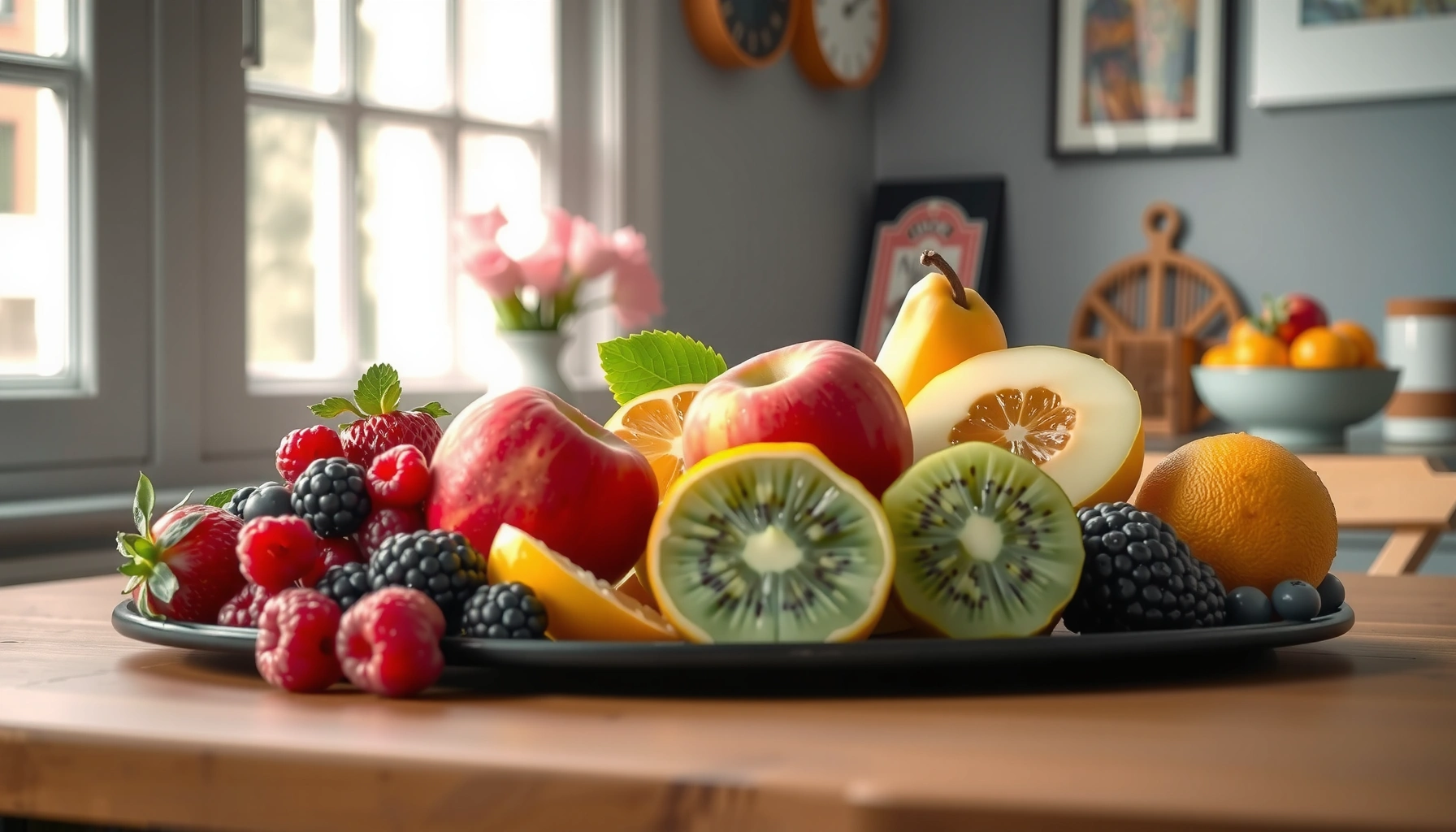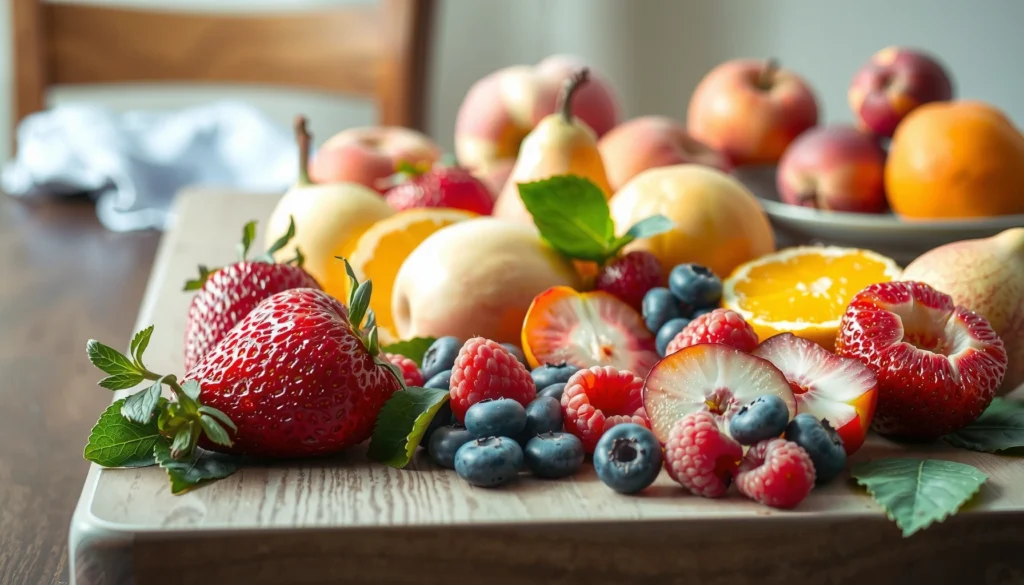

For individuals managing type 2 diabetes, fruits can absolutely be part of a healthy diet when chosen wisely. The best fruits are generally those with a low glycemic index and high fiber content, such as berries (strawberries, blueberries, raspberries), apples, pears, oranges, and peaches. These options provide essential vitamins and antioxidants without causing rapid spikes in blood sugar, making them smart choices for daily consumption and a delicious way to support your well-being.




Understanding Fruit and Diabetes Management
Fruits are nature’s candy, bursting with vibrant flavors and essential nutrients! They are packed with vitamins, minerals, fiber, and antioxidants, making them incredibly valuable for overall health, including supporting a strong immune system, healthy digestion, and fighting oxidative stress. For anyone, and especially those navigating type 2 diabetes, incorporating a variety of these nutritional powerhouses into your diet is a wonderful idea.
The key for diabetes management is to understand the glycemic index (GI) and fiber content of fruits. The glycemic index is a system that ranks carbohydrate-containing foods based on how quickly they raise blood glucose levels after eating. Foods with a low GI cause a slower, more gradual rise in blood sugar, which is ideal for diabetes management, while high GI foods can lead to rapid spikes.
Fiber, on the other hand, is a superstar nutrient that truly makes a difference. It’s the indigestible part of plant foods that plays a crucial role in slowing down sugar absorption into your bloodstream. This slower absorption helps prevent those rapid blood glucose spikes, keeping your energy levels more stable and making you feel fuller for longer. Plus, dietary fiber contributes to digestive health and can even help lower cholesterol. So, when picking your fruits, think “low GI and high fiber” as your guiding principle!
Top Low-Glycemic Fruit Choices
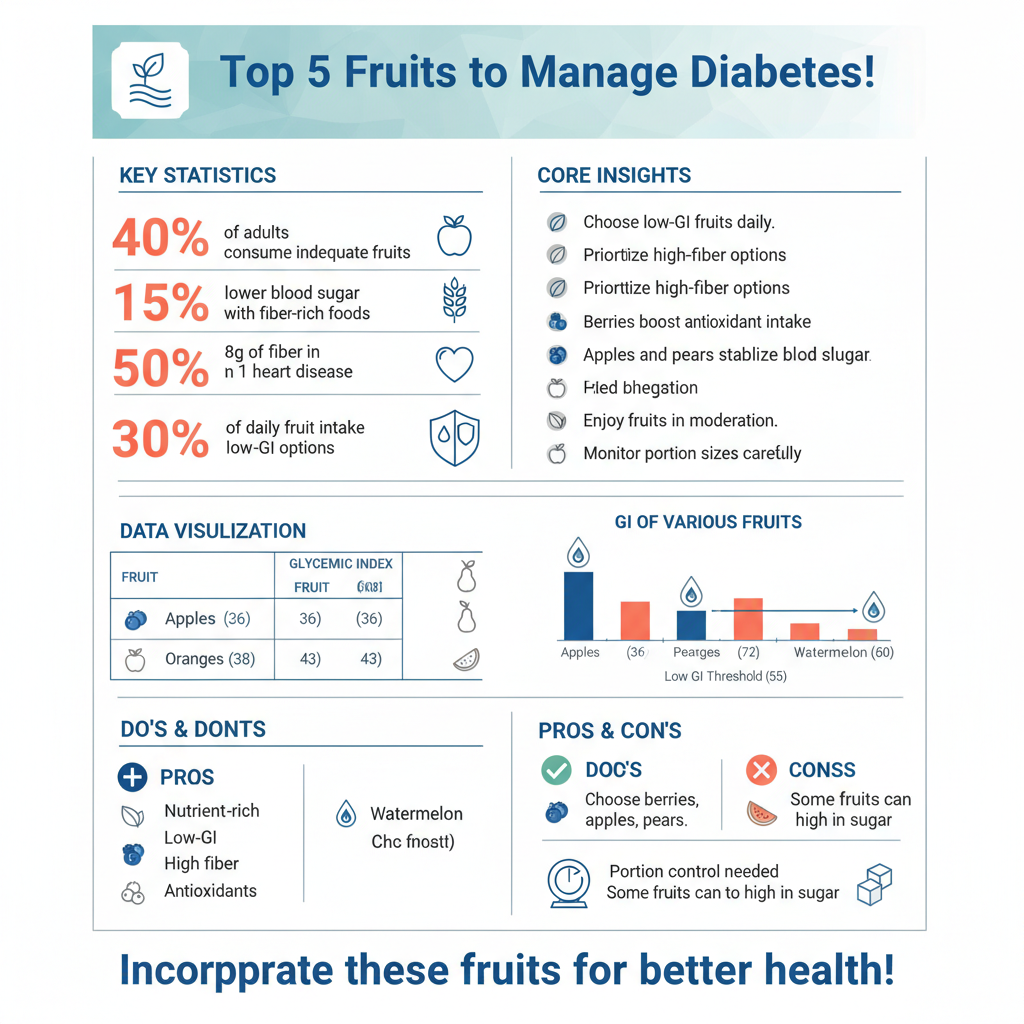
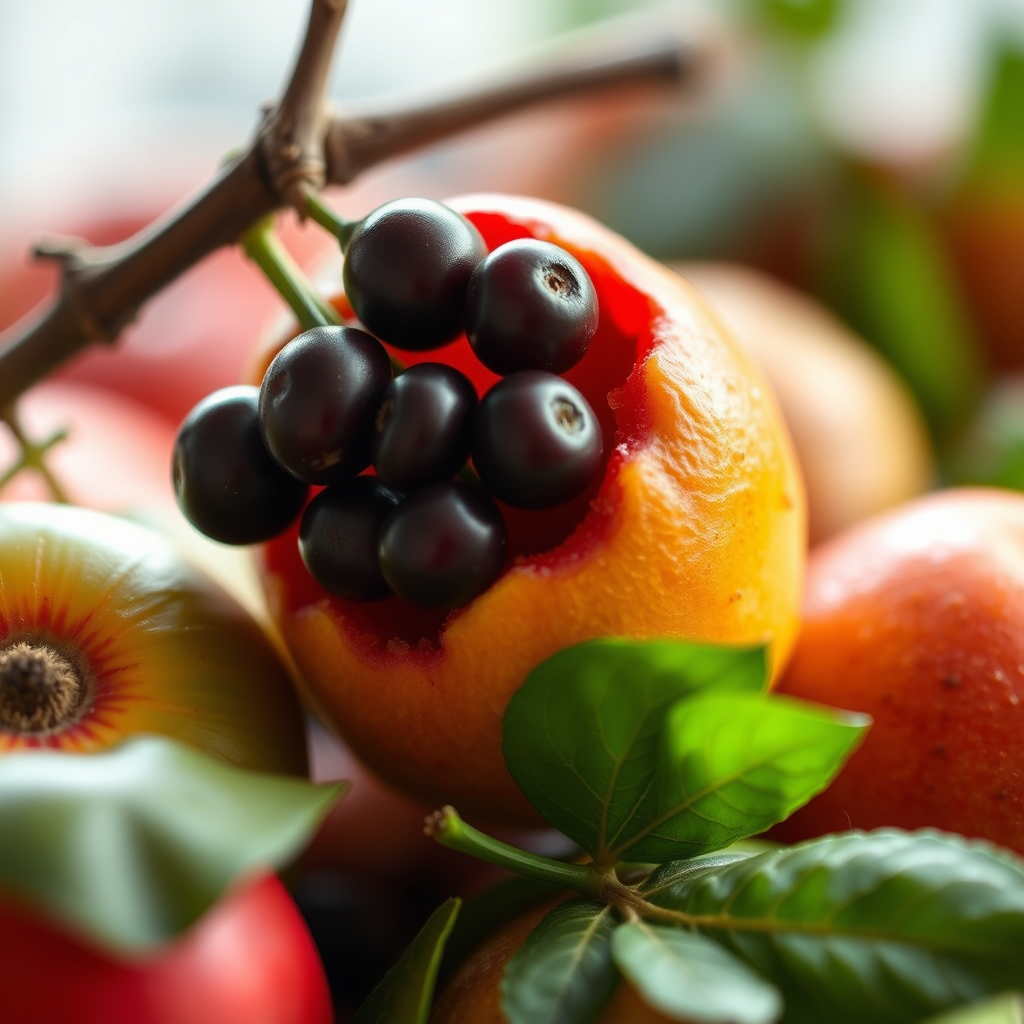
When it comes to managing type 2 diabetes, focusing on low-glycemic fruits is a fantastic strategy. These options allow you to enjoy the natural sweetness and incredible nutrients of fruit without the worry of sharp blood sugar fluctuations.
* Berries (Strawberries, Blueberries, Raspberries): These little jewels are truly a diabetic-friendly dream! They are incredibly high in fiber, which helps moderate sugar absorption, and absolutely packed with antioxidants, like anthocyanins, that offer amazing anti-inflammatory benefits. Their low glycemic index means they won’t send your blood sugar soaring, making them excellent for snacking, adding to yogurt, or topping your morning oatmeal. A handful of fresh raspberries or a cup of blueberries is a perfect, guilt-free treat.
* Apples and Pears: An apple a day might just help keep the blood sugar spikes away! Both apples and pears are fantastic sources of soluble fiber, particularly a type called pectin, which is known for its ability to help regulate blood glucose. They have a relatively low GI, especially when enjoyed with the skin on, which is where a good portion of their beneficial fiber and antioxidants reside. Just remember to rinse them well and crunch away! These fruits are also wonderfully portable, making them great on-the-go snacks.
* Citrus Fruits (Oranges, Grapefruits, Lemons): Zesty and refreshing, citrus fruits are another excellent choice. They are famously rich in Vitamin C, a powerful antioxidant that supports immune health, and also provide a good amount of fiber, especially the white pith. With a naturally low glycemic index, oranges and grapefruits can be enjoyed in moderation. Just a friendly reminder: if you’re taking certain medications, especially for cholesterol or blood pressure, be mindful of potential interactions with grapefruit. Always check with your doctor or pharmacist about any concerns. Lemons and limes, while not typically eaten whole, are fantastic for adding flavor to water or meals without adding significant sugar.
* Stone Fruits (Peaches, Plums, Cherries): These delightful fruits, known for their single large pit, offer a sweet taste with a moderate to low glycemic impact. Peaches, plums, and cherries are all good sources of fiber and essential vitamins, contributing to a balanced diet. Cherries, in particular, have been studied for their potential anti-inflammatory properties. Enjoy them fresh and in season for the best flavor and nutritional punch. A medium peach or a handful of fresh cherries can be a wonderfully satisfying and healthy treat.
Enjoying Higher-Glycemic Fruits Wisely
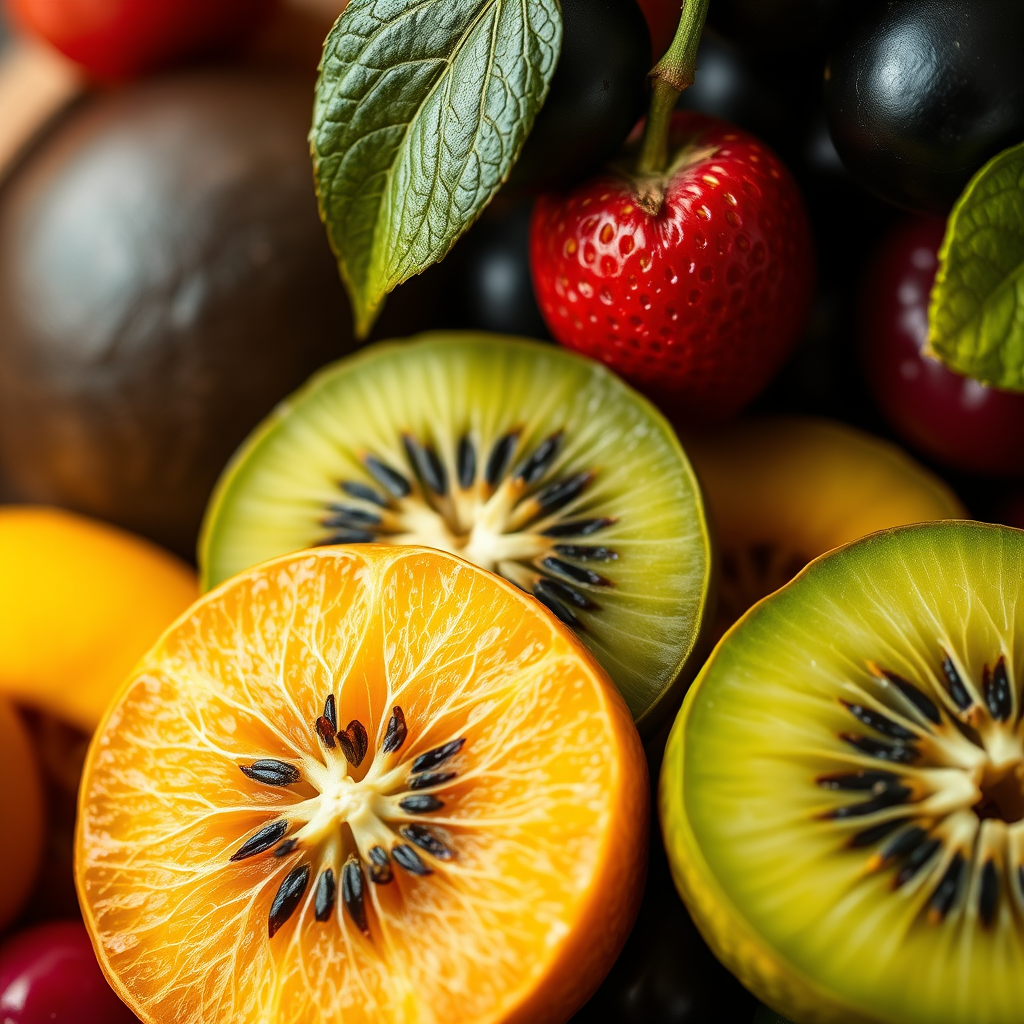
While some fruits boast a lower glycemic index, others, despite their fantastic nutritional profiles, tend to have a higher GI. This doesn’t mean you have to avoid them entirely! The key is understanding how to enjoy them smartly, with an emphasis on portion control and strategic pairing.
* Bananas and Mangoes: These tropical delights are incredibly nutritious, packed with potassium, vitamins, and other beneficial compounds. However, they do have a higher glycemic index compared to berries or apples, meaning they can raise blood sugar levels more quickly. For bananas, ripeness plays a role; a greener banana has a lower GI than a very ripe one. The strategy here is simple: enjoy them in smaller portions. Instead of a whole large banana, perhaps have half, or a smaller mango portion. You can also pair them with protein or healthy fats, like a small handful of almonds or a tablespoon of peanut butter. This pairing helps to slow down the absorption of sugar, making the blood sugar response more gradual and manageable.
* Grapes: Naturally sweet and incredibly juicy, grapes are easy to overeat. While they offer antioxidants, their high natural sugar content means they also have a higher glycemic impact. If you love grapes, consume them in limited quantities. Instead of mindlessly snacking from the bunch, measure out a small portion, perhaps 10-15 individual grapes. Think of them as a treat to be savored rather than a free-for-all snack. Again, pairing them with a source of protein or fat can help, like a small piece of cheese or a few walnuts.
* Portion Control: This is perhaps the most crucial takeaway for enjoying any fruit, especially those higher on the glycemic index scale. Even the healthiest fruits contain carbohydrates, and managing your total carbohydrate intake effectively is paramount for blood sugar management. A standard serving size is often one small piece of fruit (like a tennis ball size) or about ½ cup of chopped fruit or berries. Always be mindful of your serving sizes and consider your overall carb allowance for the day. Learning to listen to your body and how different foods affect your blood sugar levels is a powerful tool in your diabetes management journey.
Fruits and Forms to Approach with Caution
While whole, fresh fruits are generally beneficial, there are certain forms of fruit that can be detrimental to blood sugar management due to their concentrated sugar content or lack of fiber. It’s wise to approach these options with caution or avoid them altogether.
* Dried Fruits: Picture this: a delicious grape shrinks down to a raisin. What happens? All the water is removed, leaving behind a highly concentrated little package of sugar and calories. While dried fruits like raisins, dates, and dried cranberries still contain some fiber and nutrients, their sugar content per serving skyrockets. This can lead to rapid blood glucose spikes, making them very challenging for individuals with type 2 diabetes. If you absolutely love them, they are best avoided or consumed in very small, measured portions (think a tablespoon, not a handful!) and always paired with a protein or fat source to help slow absorption. Fresh is almost always best when it comes to fruit.
* Fruit Juices: Ah, the tempting simplicity of a glass of orange juice. While it might seem healthy, fruit juice is a major concern for blood sugar management. The biggest problem? It lacks the beneficial fiber that whole fruit provides. When you juice a fruit, you strip away the pulp and skin, removing most of that crucial fiber. This means the natural sugars (fructose) are absorbed much more quickly into your bloodstream, leading to rapid and significant blood glucose spikes. It’s essentially like drinking sugar water with a few vitamins. Opt for whole fruit instead, which offers all the fiber and nutrients, and satisfies your hunger better.
* Canned Fruits in Syrup: This category is a double whammy for blood sugar. Canned fruits are often preserved in heavy syrup, which is essentially just added sugar. This significantly increases the sugar and calorie content of an already naturally sweet food. Even “light syrup” versions can be problematic. The processing involved in canning can also sometimes reduce the nutritional value of the fruit. Your best bet is always to opt for fresh or frozen fruits. If canned is your only option, look for varieties packed in water or their own juice with “no added sugar,” and be sure to drain and rinse them thoroughly before eating.
Practical Tips for Incorporating Fruit
Successfully incorporating fruit into a diabetes-friendly diet is all about smart choices and mindful habits. Here are some practical tips to help you enjoy the goodness of fruit without compromising your blood sugar goals.
* Prioritize Whole Fruit: This is the golden rule! Always choose whole, fresh, or plain frozen fruit over juices, dried varieties, or canned fruit in syrup. Whole fruits retain all their natural fiber, which is crucial for slowing down sugar absorption and promoting satiety. Fresh fruit offers the best flavor and nutrient profile, while frozen fruit (without added sugar) is an excellent, convenient, and often more affordable alternative, perfect for smoothies or baking.
* Mindful Portion Sizes: Even with low-glycemic fruits, portion control is key. While fruits are healthy, they still contain carbohydrates, and too much of a good thing can elevate blood sugar. Stick to recommended serving sizes, which are typically about one small piece of fruit (the size of a tennis ball), or ½ cup of berries or chopped fruit. Using measuring cups can be helpful when you’re first learning what a proper portion looks like.
* Pair with Protein or Healthy Fats: This strategy is a game-changer for mitigating blood sugar spikes. Eating fruit alongside a source of protein (like a handful of nuts, a hard-boiled egg, or a spoonful of plain Greek yogurt) or healthy fats (such as avocado slices, chia seeds, or a drizzle of olive oil) significantly slows down the digestion and absorption of sugars. This helps create a more gradual and stable blood sugar response, keeping you feeling fuller and more satisfied for longer. For example, enjoy an apple with a tablespoon of almond butter, or some berries stirred into cottage cheese.
* Spread Intake: Instead of consuming all your fruit servings at once, distribute them throughout the day. For instance, have a small serving of berries with your breakfast, an apple as a mid-morning snack, and a few peach slices with dinner. This helps keep your carbohydrate intake balanced across meals, preventing large influxes of sugar into your bloodstream at any single time. It also ensures a steady supply of vitamins and minerals throughout your day.
Beyond the Fruit Bowl: A Holistic Approach
While understanding which fruits are best for managing type 2 diabetes is incredibly helpful, it’s vital to remember that fruit is just one part of a larger, balanced puzzle. For optimal health and effective diabetes management, a holistic approach is always best.
Focus on building a comprehensive diet that emphasizes lean proteins, which help with satiety and muscle maintenance; whole grains, providing sustained energy and fiber; and an abundance of non-starchy vegetables, which are low in calories and carbohydrates but rich in vitamins, minerals, and fiber. Think colorful salads, steamed broccoli, or roasted asparagus to complement your meals. These foods work synergistically to support stable blood sugar levels and overall well-being.
Beyond diet, regular physical activity is undeniably crucial. Whether it’s a brisk walk, swimming, cycling, or strength training, consistent exercise helps improve insulin sensitivity, meaning your body can use insulin more effectively to lower blood sugar. Adherence to medication, as prescribed by your healthcare provider, is also a cornerstone of managing type 2 diabetes effectively. Your medications are there to support your body’s ability to regulate glucose.
Finally, keep track of your blood sugar levels. This is your personal feedback system! Monitoring how different fruits and food combinations affect you individually provides invaluable insights. What works perfectly for one person might have a slightly different effect on another. By observing and learning, you empower yourself to make the smartest dietary choices tailored specifically to your body and your unique health journey.
By prioritizing low-glycemic, high-fiber whole fruits and practicing mindful portion control, individuals with type 2 diabetes can confidently enjoy the many nutritional benefits fruits offer without compromising blood sugar management. Always remember to consult with your healthcare provider or a registered dietitian to create a personalized meal plan that best suits your individual needs and health goals, ensuring you’re making choices that support your best health every single day.
Frequently Asked Questions
Which fruits are generally considered the best choices for managing type 2 diabetes?
For individuals with type 2 diabetes, fruits rich in fiber and with a lower glycemic index (GI) are excellent choices. Berries (strawberries, blueberries, raspberries), citrus fruits (oranges, grapefruits), apples, and pears are highly recommended. These healthy fruits help stabilize blood sugar levels, provide essential nutrients, and contribute to satiety without causing sharp spikes, making them ideal for diabetes management.
How do I choose fruits that won’t spike my blood sugar with type 2 diabetes?
To prevent blood sugar spikes, focus on fruits with a low to moderate glycemic index (GI) and high fiber content, as fiber helps slow sugar absorption. Always opt for whole, fresh fruit over dried fruit or juices, which concentrate sugar and remove beneficial fiber. Additionally, paying close attention to portion sizes is crucial, as even low-GI fruits can affect blood sugar if consumed in large quantities when managing type 2 diabetes.
Why is it important for people with type 2 diabetes to eat whole fruits instead of drinking fruit juice?
Eating whole fruits is significantly better than drinking fruit juice for individuals with type 2 diabetes primarily due to the presence of fiber. Whole fruits retain their natural fiber, which slows down sugar absorption into the bloodstream, leading to a more gradual rise in blood glucose. In contrast, fruit juices strip away this beneficial fiber, concentrating the natural sugars and causing rapid blood sugar spikes, making them less ideal for stable blood sugar control.
Are popular fruits like bananas and grapes safe to eat for individuals with type 2 diabetes?
Yes, popular fruits like bananas and grapes can be included in a type 2 diabetes diet, but moderation and portion control are key due to their higher natural sugar content and glycemic index. While they offer valuable nutrients, it’s best to enjoy a small banana or a handful of grapes as part of a balanced meal or snack, ideally paired with protein or healthy fats. This approach helps to minimize their impact on blood sugar levels, allowing individuals with type 2 diabetes to enjoy these fruits responsibly.
What’s the recommended portion size for fruits if you have type 2 diabetes to help manage blood sugar levels?
For effective blood sugar management in type 2 diabetes, a standard fruit portion is generally considered to contain about 15 grams of carbohydrates. This often translates to a small apple, a medium orange, half a large banana, 1 cup of berries, or 1/2 cup of sliced mango or melon. It’s crucial to monitor your individual blood glucose response after eating fruit and consult with a healthcare professional or registered dietitian to determine the best personalized portion sizes for your specific dietary needs.
References
- https://diabetes.org/healthy-living/recipes-nutrition/eating-well/fruit-and-diabetes
- Detox foot pads: Do they really work? – Mayo Clinic
- https://health.clevelandclinic.org/what-are-the-best-fruits-for-diabetics
- https://www.health.harvard.edu/diseases-and-conditions/fruit-and-diabetes
- https://www.ucsfhealth.org/education/healthy-eating-for-type-2-diabetes