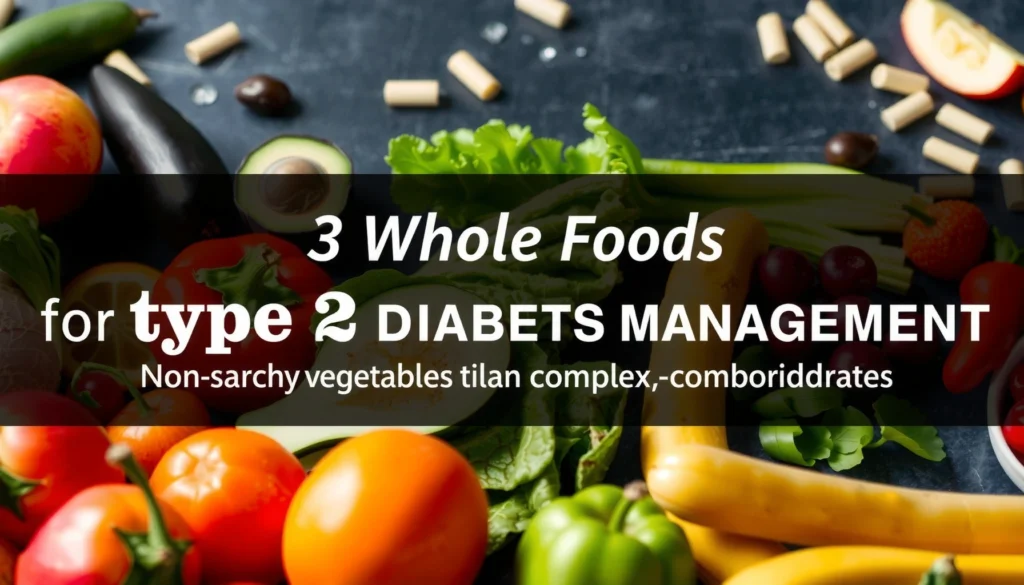

For individuals managing type 2 diabetes, prioritizing a diet rich in whole, unprocessed foods is crucial for stable blood sugar levels and overall well-being. The best foods to incorporate are non-starchy vegetables, lean proteins, healthy fats, and specific complex carbohydrates and fruits, all of which contribute to better glucose control and heart health. This guide outlines key food groups that should form the foundation of your diet, helping you navigate your meal choices with confidence and a friendly approach to healthier living.




The Power of Non-Starchy Vegetables
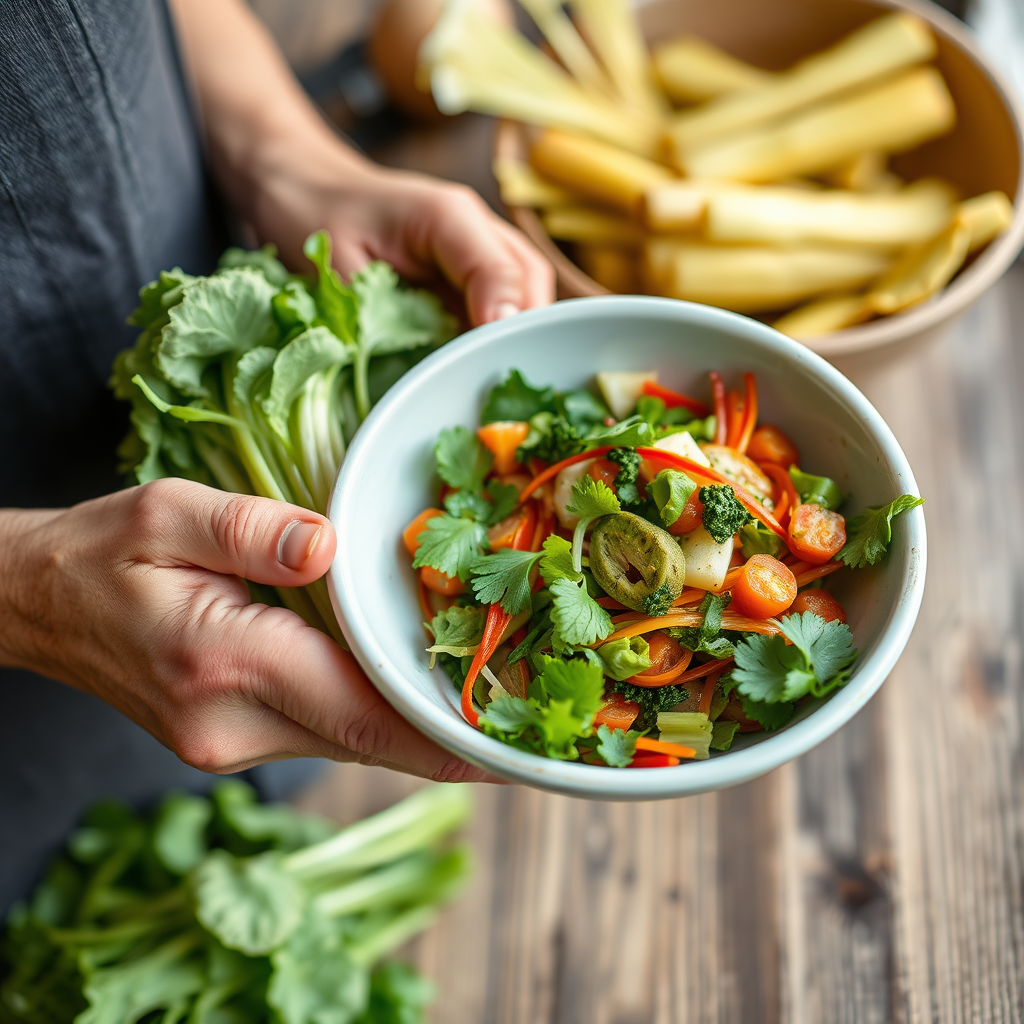
These nutrient-dense options are very low in carbohydrates, allowing you to eat them in large quantities without significantly impacting blood sugar. This makes them incredibly powerful for anyone managing type 2 diabetes, as they fill you up with essential nutrients without adding excessive calories or carbs that can spike glucose levels. Imagine filling half your plate with vibrant, crisp veggies at every meal – that’s a fantastic starting point for blood sugar management!
Examples abound and offer a wonderful variety to keep your meals exciting. Think leafy greens like spinach, kale, and collard greens, which are packed with vitamins A, C, and K, as well as crucial antioxidants. Broccoli and cauliflower are cruciferous powerhouses, offering fiber and compounds that support overall health. Bell peppers (in all their colorful glory), cucumbers, zucchini, asparagus, green beans, and mushrooms are also excellent choices. These vegetables are truly your allies; they’re rich in fiber, which aids in digestion and helps slow down the absorption of sugars, leading to more stable blood glucose. Furthermore, they’re bursting with vitamins, minerals, and phytonutrients that support everything from immune function to heart health, all while keeping you feeling satisfied and full.
Lean Proteins for Satiety and Stability
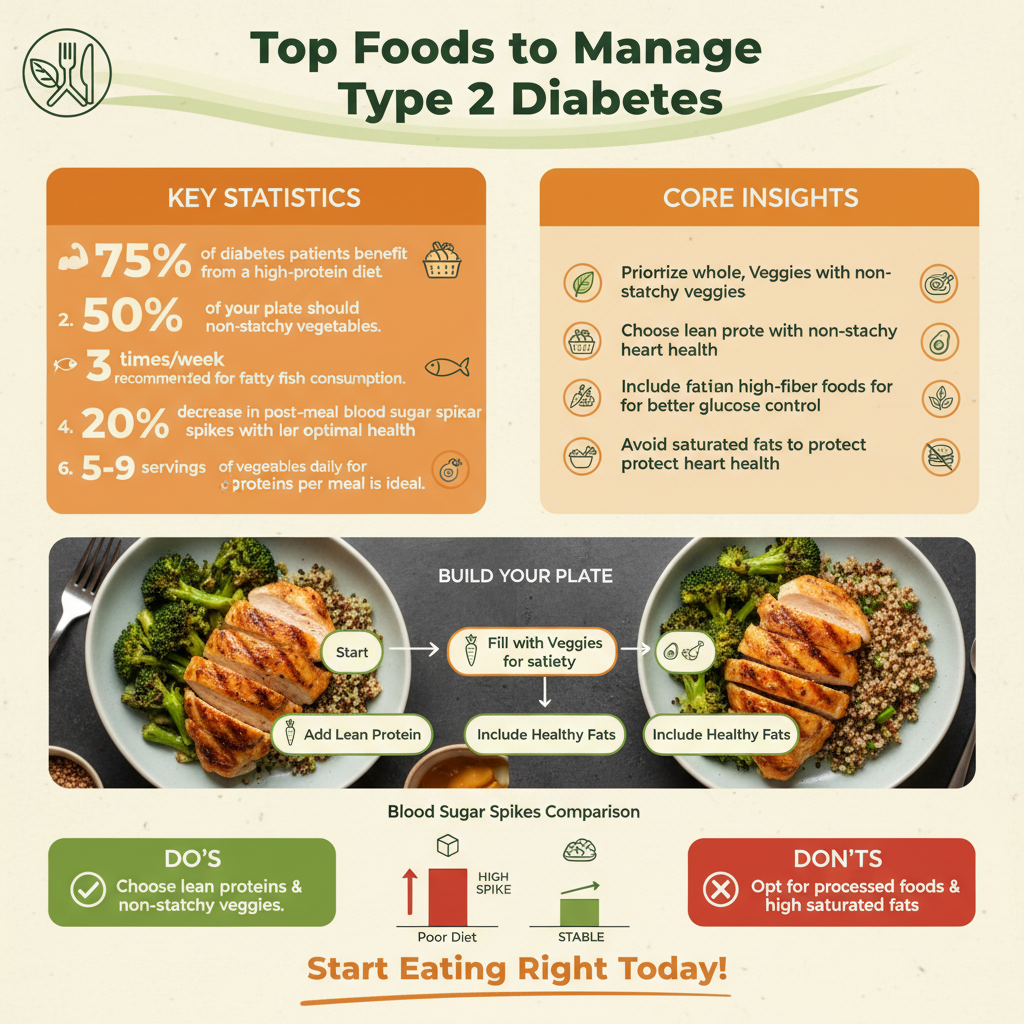
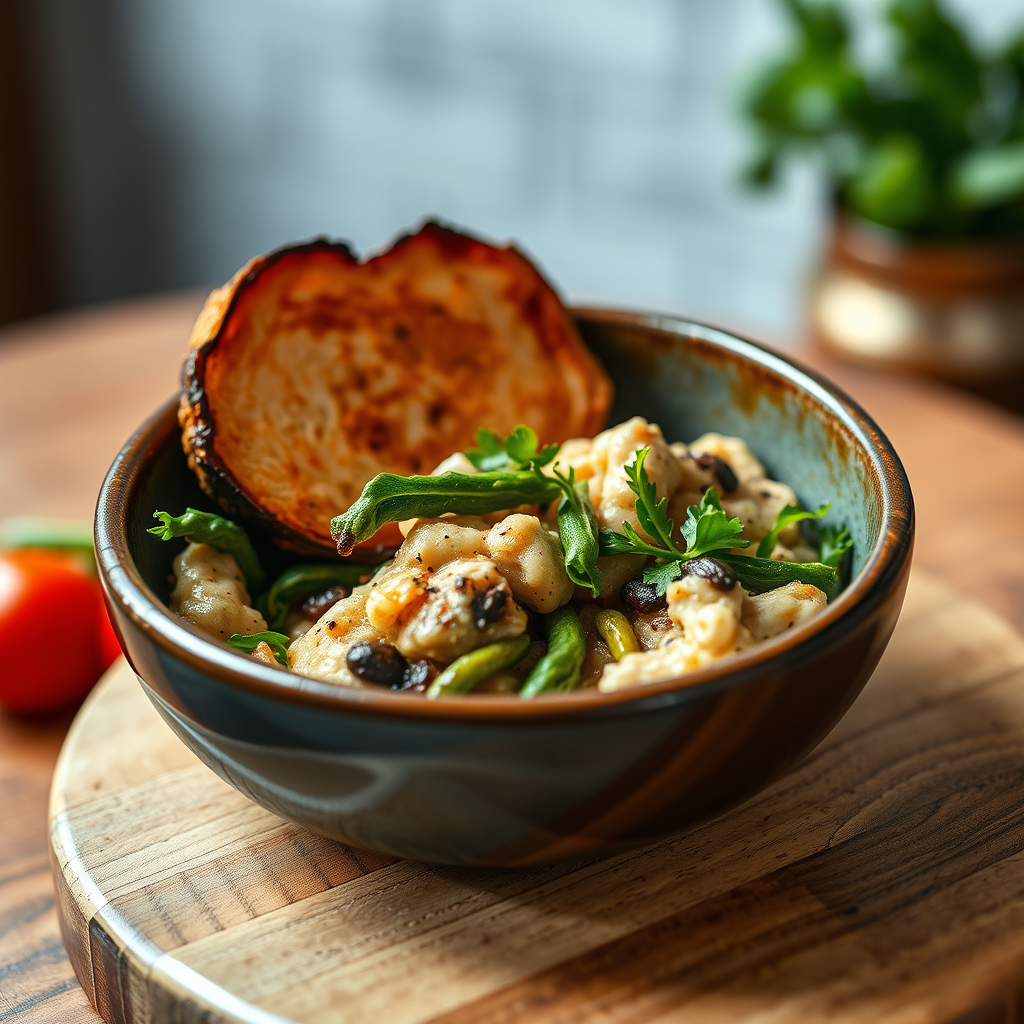
Protein is an absolute superstar when it comes to managing type 2 diabetes, and for good reason! It plays a vital role in slowing down the absorption of glucose into your bloodstream, which helps prevent those unwanted post-meal blood sugar spikes. Beyond that, protein is incredibly satiating, meaning it keeps you feeling full and satisfied for longer. This natural curb on hunger can be a huge help in reducing the likelihood of overeating or reaching for unhealthy snacks between meals, making your blood sugar management journey much smoother.
When choosing protein sources, focus on lean options to keep saturated fat intake in check, especially since heart health is a major consideration for individuals with type 2 diabetes. Top choices include skinless chicken breast and turkey, which are versatile and low in fat. Fish is another fantastic option; aim for fatty fish like salmon, mackerel, and sardines a couple of times a week for their omega-3 fatty acids, which are great for heart health. Lean white fish like cod, tilapia, and tuna (packed in water) are also excellent. Don’t forget eggs – they’re a complete protein and incredibly versatile! For our plant-based friends and those looking to diversify, tofu, tempeh, edamame, lentils, and beans (like black beans, kidney beans, and chickpeas) are superb sources of protein and fiber. Making an effort to incorporate a lean protein source at every meal, whether it’s a handful of nuts with your snack or grilled chicken with dinner, can significantly aid in maintaining stable blood sugar levels and provide a steady source of energy throughout your day.
Healthy Fats: Your Allies for Heart Health
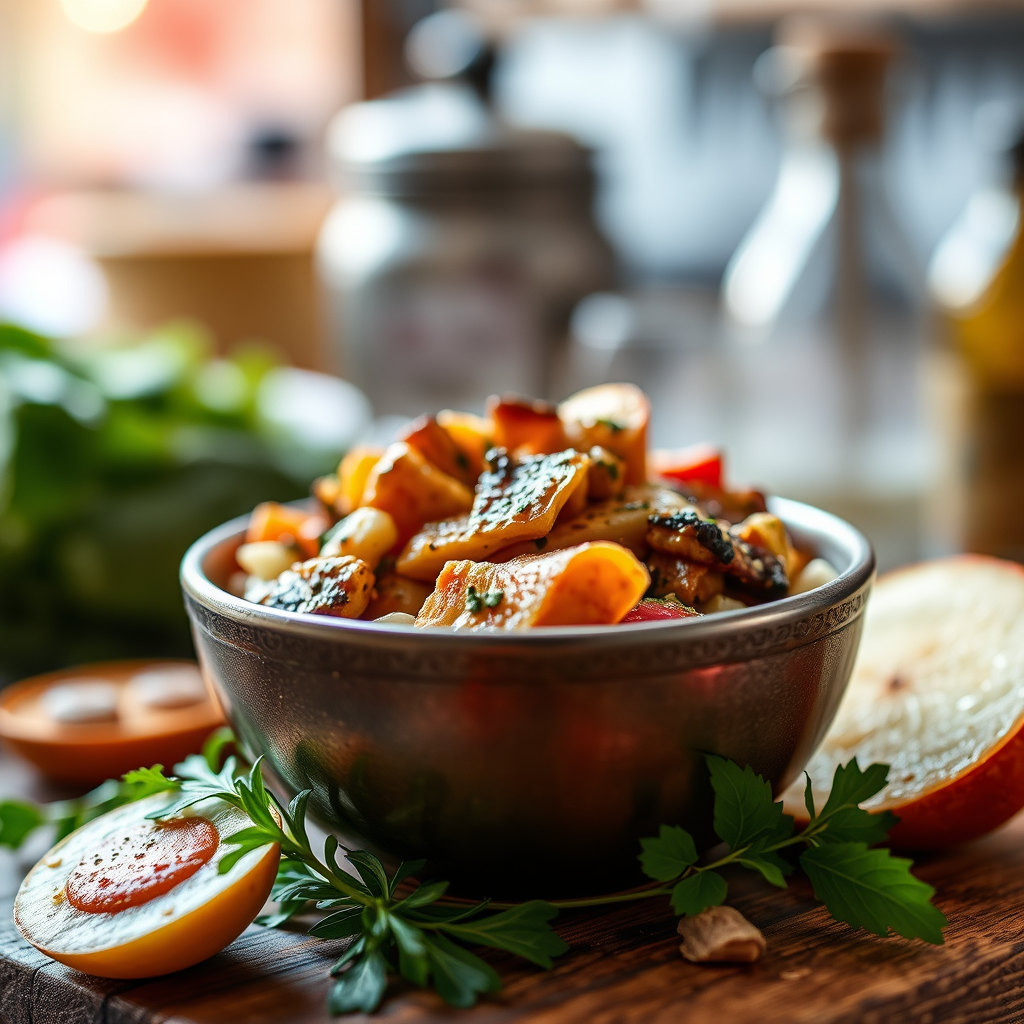
While fats are more calorie-dense than proteins or carbohydrates, healthy fats are absolutely essential and should not be feared, especially for those managing type 2 diabetes. They are crucial for several reasons: they help absorb fat-soluble vitamins (A, D, E, K), support hormone production, and, most importantly, play a significant role in managing inflammation and protecting heart health. Given that individuals with type 2 diabetes have an increased risk of cardiovascular disease, choosing the right fats is a vital strategy.
Focus on incorporating monounsaturated and polyunsaturated fats into your diet. These “good” fats can help lower bad cholesterol (LDL) and raise good cholesterol (HDL), contributing to a healthier heart. You’ll find these beneficial fats in delicious sources like avocados, which are also rich in fiber and potassium. Nuts such as almonds, walnuts, pecans, and pistachios offer a satisfying crunch along with protein and healthy fats. Seeds, including chia seeds, flaxseeds, and sunflower seeds, are another excellent addition, often providing omega-3s and fiber. And of course, extra virgin olive oil is a cornerstone of heart-healthy diets; it’s perfect for cooking at lower temperatures or drizzling over salads and vegetables. While these fats are incredibly beneficial, remember to consume them in moderation. They are calorie-dense, so a little goes a long way. The great news is they don’t directly raise blood sugar levels and can help you feel full and satisfied, making your meals more enjoyable and supportive of your diabetes management goals.
Smart Carbohydrate Choices: Whole Grains and Legumes
It’s a common misconception that all carbohydrates are off-limits for people with type 2 diabetes. The truth is, not all carbohydrates are created equal! The key is to be smart about your choices, focusing on complex carbohydrates that are high in fiber and have a lower glycemic index (GI). Foods with a lower GI are digested more slowly, leading to a more gradual rise in blood sugar rather than a sharp spike. This approach allows you to enjoy beneficial carbs while maintaining better blood glucose control.
When it comes to whole grains, think quality over quantity. Include small, controlled portions of options like oats (especially steel-cut or rolled oats, not instant), quinoa, brown rice, and 100% whole-wheat bread or pasta. These grains retain their bran and germ, which are packed with fiber, vitamins, and minerals, unlike refined grains that are stripped of these valuable components. For example, starting your day with a small bowl of oatmeal can provide sustained energy and help manage morning blood sugar. Legumes are another fantastic carbohydrate choice that often gets overlooked. Foods such as black beans, chickpeas, kidney beans, and lentils are nutritional powerhouses. They provide an excellent combination of fiber and plant-based protein, making them incredibly filling and having a much gentler impact on blood sugar compared to simple starches. You can add them to soups, salads, stews, or even make delicious veggie burgers. By prioritizing these smart carbohydrate choices, you’re fueling your body efficiently and effectively supporting your diabetes management strategy.
Nutrient-Rich Fruits and Unsweetened Dairy
Fruits often raise questions for people with type 2 diabetes due to their natural sugar content. However, the good news is that fruits are packed with essential vitamins, minerals, and fiber, and they absolutely can be part of a healthy diabetes diet! The trick is to choose wisely and enjoy them in moderation. Certain options are lower in glycemic index and offer a fantastic nutritional punch, making them perfect additions to your daily routine.
Berries, such as strawberries, blueberries, raspberries, and blackberries, are particularly excellent choices. They are relatively low in sugar, high in fiber, and bursting with antioxidants. A handful of berries can be a delicious and healthy snack or a topping for your yogurt. Apples and pears are also good options, especially when eaten with their skins on for maximum fiber content. The fiber in these fruits helps to slow down sugar absorption, preventing rapid blood sugar spikes. Always aim for whole fruit over fruit juice, as juice lacks the beneficial fiber. When it comes to dairy, opt for unsweetened products to avoid hidden sugars that can sabotage your blood sugar goals. Plain Greek yogurt is a fantastic choice; it’s high in protein and can be a satisfying snack or breakfast base. Unsweetened plant-based milks like almond milk or soy milk are also great alternatives to traditional dairy, providing calcium and vitamin D without the added sugars often found in flavored varieties. By making these smart fruit and dairy choices, you can enjoy delicious and nutritious foods while keeping your blood sugar in check.
Hydration Heroes: Best Beverages
Staying well-hydrated is crucial for overall health, and your beverage choices play a significant role in blood sugar management for type 2 diabetes. What you drink can either support your efforts or undermine them, so making smart liquid choices is just as important as choosing healthy foods.
Water is, without a doubt, always the best choice. It has no calories, no carbohydrates, and no impact on blood sugar. It’s essential for countless bodily functions, including helping your kidneys flush out excess glucose. If plain water feels a bit bland, try infusing it with natural flavors by adding slices of lemon, lime, cucumber, mint, or a few berries. This can make hydration more enjoyable without adding sugar. Unsweetened tea is another excellent option; green tea, black tea, and a variety of herbal teas (like peppermint or chamomile) offer antioxidants and can be a comforting, calorie-free drink. Just be sure to skip the sugar and honey. Black coffee in moderation can also be part of a diabetes-friendly diet, as long as you’re mindful of how caffeine affects you and avoid adding sugar, creamers, or syrups that are often loaded with sugar and unhealthy fats. Steer clear of sugary sodas, fruit juices (even 100% fruit juice, due to its concentrated sugar and lack of fiber), sweet teas, and energy drinks, as these can cause significant blood sugar spikes and offer little nutritional value. By making water and unsweetened beverages your go-to options, you’ll be giving your body the best support for hydration and blood sugar stability.
Building a diet around whole, unprocessed foods is the cornerstone of effective type 2 diabetes management. By consciously focusing on nutrient-dense non-starchy vegetables, lean proteins for sustained energy and satiety, heart-healthy fats, and smart, fiber-rich carbohydrate choices from whole grains and legumes, you can achieve better blood sugar control, support heart health, and significantly improve your overall quality of life. Remember, managing type 2 diabetes is a journey, and every positive food choice contributes to your well-being. Always consult with your doctor or a registered dietitian to create a personalized meal plan tailored to your specific needs, health goals, and preferences, ensuring you have the best possible strategy for your unique situation.
Frequently Asked Questions
What are the best categories of food to prioritize for managing type 2 diabetes?
For effective type 2 diabetes management, prioritize non-starchy vegetables, lean proteins, and whole grains. Non-starchy vegetables like leafy greens and broccoli are low in carbs and high in nutrients, while lean proteins such as fish and chicken help with satiety and muscle maintenance without impacting blood sugar significantly. Whole grains, legumes, and healthy fats found in avocados and nuts offer sustained energy and support heart health, crucial for individuals with type 2 diabetes.
How do carbohydrates affect blood sugar in type 2 diabetes, and which types are best to choose?
Carbohydrates are the primary nutrient that directly impacts blood sugar levels, breaking down into glucose. For people with type 2 diabetes, choosing complex carbohydrates rich in fiber is best. Opt for whole grains like brown rice, oats, and quinoa, as well as legumes such as lentils and beans. These foods digest slowly, preventing rapid blood sugar spikes and providing sustained energy compared to refined carbs and sugary foods.
Can people with type 2 diabetes eat fruit, and if so, which fruits are considered the best choices?
Yes, people with type 2 diabetes can absolutely eat fruit, as it provides essential vitamins, minerals, and fiber. However, portion control is key due to natural sugars. The best choices are fruits with a lower glycemic index and higher fiber content, such as berries (strawberries, blueberries), apples, pears, and citrus fruits like oranges and grapefruit. Enjoy them in moderation and ideally whole, rather than as juice, to maximize fiber benefits for blood sugar control.
Why are fiber-rich foods particularly important for individuals with type 2 diabetes?
Fiber-rich foods are incredibly important for type 2 diabetes management because fiber slows down the digestion and absorption of sugar, which helps prevent sharp blood sugar spikes after meals. Additionally, fiber contributes to a feeling of fullness, aiding in weight management – a critical factor for many with type 2 diabetes. Incorporating sources like non-starchy vegetables, whole grains, legumes, and fruits can significantly improve glycemic control and overall digestive health.
What are some practical, diabetes-friendly snack ideas to help keep blood sugar stable between meals?
Practical, diabetes-friendly snacks are essential for maintaining stable blood sugar levels and preventing overeating at main meals. Excellent choices include a handful of unsalted nuts or seeds, Greek yogurt with a few berries, vegetable sticks with hummus, or a hard-boiled egg. These snacks combine protein and/or fiber, which helps slow glucose absorption and provides lasting satiety, making them ideal for managing type 2 diabetes effectively.
References
- Eating Well & Managing Diabetes | ADA
- https://www.cdc.gov/diabetes/managing/healthy-eating.html
- Healthy Living with Diabetes – NIDDK
- https://www.health.harvard.edu/diseases-and-conditions/type-2-diabetes/healthy-eating-for-type-2-diabetes
- Diabetes diet: Create your healthy-eating plan – Mayo Clinic
- https://www.nhs.uk/conditions/type-2-diabetes/food-and-diet/
- https://my.clevelandclinic.org/health/articles/21171-type-2-diabetes-diet
- Diabetes management