

For individuals managing Type 2 Diabetes, the best foods are those that help stabilize blood sugar levels, promote satiety, and provide essential nutrients without causing spikes. This primarily involves prioritizing whole, unprocessed foods rich in fiber, lean protein, and healthy fats, while carefully managing the intake of carbohydrates, especially refined sugars. The goal is to build a sustainable eating pattern that supports overall health and effective blood sugar management, empowering you to live your best life while effectively controlling your condition.




Understanding the Basics of a Diabetes-Friendly Diet

Navigating a diagnosis of Type 2 Diabetes can feel overwhelming, but understanding the fundamentals of a diabetes-friendly diet is your first step towards taking control. It’s not about deprivation, but about making smart, informed choices that support your body.
* Focus on nutrient-dense foods with a low glycemic index to minimize blood sugar fluctuations. The glycemic index (GI) is a tool that ranks carbohydrate-containing foods by how quickly they raise blood sugar levels. Foods with a low GI, like most non-starchy vegetables, whole grains, and legumes, are digested more slowly, leading to a gradual and healthier rise in blood sugar. Prioritizing these nutrient-rich foods means your body gets more vitamins, minerals, and antioxidants per calorie, which is crucial for overall health and managing diabetes complications. Think vibrant salads, hearty lentil soups, and wholesome oatmeal to keep your energy steady and your blood sugar happy.
* Emphasize balanced meals that combine carbohydrates, proteins, and healthy fats. Every meal is an opportunity to nourish your body and manage your blood sugar. A balanced plate isn’t just visually appealing; it’s functionally superior for diabetes management. When you combine carbohydrates with protein and healthy fats, you slow down the digestion and absorption of glucose from the carbohydrates. For example, pairing a piece of whole-grain toast (carbohydrate) with avocado (healthy fat) and an egg (protein) creates a more stable blood sugar response than eating the toast alone. This strategy helps you feel fuller for longer, prevents sudden blood sugar spikes, and ensures your body receives all the macronutrients it needs to function optimally.
* Maintain consistent eating patterns to help regulate blood sugar levels throughout the day. Your body thrives on routine, especially when it comes to blood sugar management. Eating meals and snacks at regular intervals throughout the day prevents your blood sugar from dropping too low (hypoglycemia) or spiking too high after long periods of fasting. Skipping meals can lead to overeating later, which can make blood sugar control more challenging. Aim for three balanced meals and perhaps 1-2 small, healthy snacks if needed, distributed evenly. This consistent fueling helps your pancreas, if it’s still producing insulin, work more efficiently, or helps your medication work more predictably, keeping your blood sugar within a healthy target range.
Smart Carbohydrate Choices for Blood Sugar Control
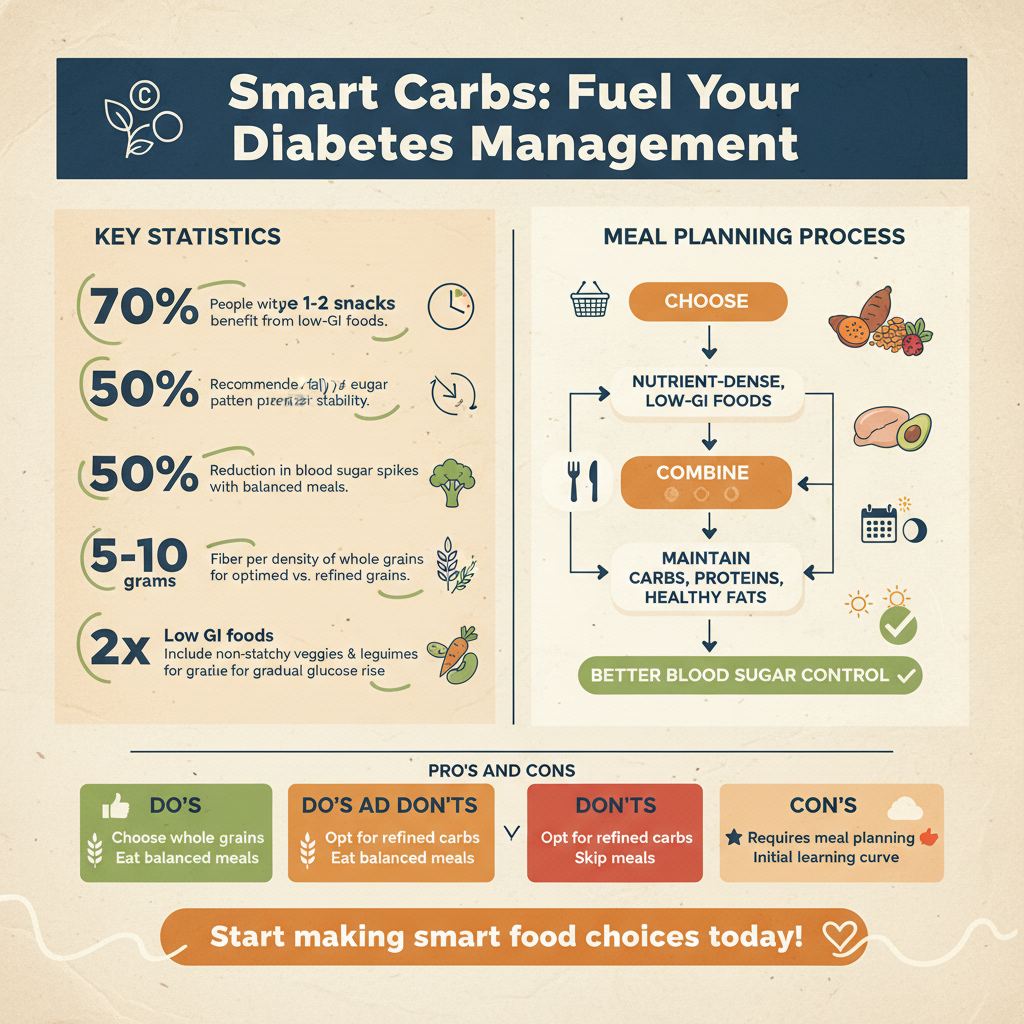

Carbohydrates often get a bad rap when it comes to diabetes, but they are an essential energy source. The key isn’t to eliminate them, but to make intelligent choices about the types and amounts you consume.
* Prioritize complex carbohydrates such as whole grains (oats, brown rice, quinoa), legumes (beans, lentils), and starchy vegetables (sweet potatoes in moderation). Complex carbohydrates are your friends because they are rich in fiber, which slows down digestion and the absorption of sugar into your bloodstream. Unlike their refined counterparts, these foods provide sustained energy without the dramatic blood sugar spikes. Imagine swapping white rice for nutty brown rice with your stir-fry, or starting your day with a bowl of old-fashioned oats instead of a sugary cereal. Legumes like black beans and lentils are powerhouses of both fiber and protein, making them excellent choices for soups, salads, and main dishes. Even starchy vegetables like sweet potatoes can be enjoyed in moderation, offering vitamins and minerals, as long as you watch your portion sizes.
* Drastically limit refined carbohydrates found in white bread, pasta, pastries, and sugary drinks. These are the carbohydrates that can wreak havoc on your blood sugar levels. Refined carbohydrates have been stripped of most of their fiber and nutrients during processing, leading to rapid digestion and quick surges in blood sugar. Think about how quickly you feel hungry again after eating white bread compared to a slice of whole-grain bread. Sugary drinks, in particular, are notorious for delivering a concentrated dose of sugar directly into your bloodstream, causing immediate and significant spikes. Making a conscious effort to reduce or eliminate these items is one of the most impactful changes you can make for your diabetes management. Opt for water, unsweetened tea, or sparkling water with a splash of lemon instead of soda or fruit juice, and choose whole-grain versions of bread and pasta.
* Practice portion control and consider carbohydrate counting to manage intake effectively. Even healthy carbohydrates need to be consumed in appropriate portions. Eating too much of even a “good” carb can still lead to elevated blood sugar. Learning about portion sizes – for instance, a serving of cooked pasta is about the size of a light bulb, and a slice of bread is often one serving – is incredibly empowering. For those who want more precise control, carbohydrate counting can be a valuable tool. This involves tracking the grams of carbohydrates you eat at each meal and snack, which can then be matched with insulin doses or simply help you stay within a target range recommended by your healthcare team. This approach provides a clear understanding of how different foods affect your individual blood sugar, allowing for more personalized and effective management.
The Power of Lean Proteins and Healthy Fats

Protein and healthy fats are indispensable allies in managing Type 2 Diabetes. They not only provide essential nutrients but also play a critical role in blood sugar stability and overall cardiovascular health, which is especially important for individuals with diabetes.
* Incorporate lean protein sources like fish, poultry (skinless), tofu, eggs, and plant-based options like nuts and seeds, which aid satiety and slow glucose absorption. Protein is fantastic for keeping you feeling full and satisfied, which can help prevent overeating and unnecessary snacking that might destabilize blood sugar. When you eat protein, it slows down the digestion of carbohydrates, meaning glucose enters your bloodstream at a more gradual, controlled pace. Think about grilling a piece of salmon, baking a chicken breast (skin removed to reduce saturated fat), or scrambling some eggs with vegetables for a satisfying meal. Tofu and tempeh are excellent plant-based protein sources that are versatile and easy to incorporate into stir-fries or curries. Nuts and seeds, in controlled portions, offer protein along with healthy fats and fiber, making them great for snacks.
* Choose healthy fats such as avocados, olive oil, fatty fish (salmon), and various nuts and seeds to support heart health and provide sustained energy. While often misunderstood, fats are crucial for health. The key is choosing the *right* kind of fats. Monounsaturated and polyunsaturated fats, found in foods like avocados, olive oil, and nuts, are beneficial for heart health, helping to lower bad cholesterol levels, which is a significant concern for people with diabetes. Omega-3 fatty acids, abundant in fatty fish like salmon, mackerel, and sardines, are particularly celebrated for their anti-inflammatory properties and cardiovascular benefits. These healthy fats also contribute to satiety and provide a steady source of energy without impacting blood sugar levels, helping you power through your day without energy crashes. Drizzle olive oil on your salads, add avocado to your sandwiches, or snack on a small handful of almonds.
* These nutrients help stabilize blood sugar by slowing down the digestion of carbohydrates. This synergistic effect is why balanced meals are so important. When protein and healthy fats are present with carbohydrates, they form a protective barrier, if you will, slowing down the enzymatic breakdown of carbs into glucose. This delay means your body has more time to process the sugar, leading to a much gentler and more manageable rise in blood glucose levels compared to consuming carbohydrates alone. This mechanism is one of the most powerful dietary tools you have for maintaining stable blood sugar throughout the day and reducing the burden on your insulin-producing cells.
Embrace Non-Starchy Vegetables and Fruits
Non-starchy vegetables and certain fruits are superstars in a diabetes-friendly diet. They pack a huge nutritional punch while being low in calories and carbohydrates, making them ideal for filling your plate and boosting your health.
* Fill a significant portion of your plate with non-starchy vegetables like leafy greens, broccoli, cauliflower, bell peppers, and asparagus, which are high in fiber and low in calories. These vibrant vegetables are truly the foundation of healthy eating for diabetes management. They are incredibly rich in vitamins, minerals, and antioxidants, and their high fiber content is a game-changer. Fiber helps you feel full without adding many calories, which is excellent for weight management—a crucial aspect of Type 2 Diabetes care. It also contributes directly to blood sugar control by slowing down digestion. Aim to make half of your plate non-starchy vegetables at every meal. Think of colorful stir-fries packed with bell peppers and broccoli, a generous side of steamed asparagus, or a big, leafy green salad. Get creative and enjoy the variety!
* Enjoy low-glycemic fruits in moderation, such as berries, apples, pears, and oranges, opting for whole fruit over juices. While fruit contains natural sugars, it also comes with essential vitamins, minerals, and, most importantly, fiber. The fiber in whole fruit helps to moderate the impact of its natural sugars on your blood glucose. Berries (strawberries, blueberries, raspberries) are particularly fantastic due to their high antioxidant content and relatively low sugar. Apples, pears, and oranges are also great choices. The key is moderation and choosing whole fruit over juice. Fruit juice, even 100% natural juice, lacks the fiber of whole fruit and can cause a rapid blood sugar spike, much like a sugary soda. When you eat a whole apple, your body has to work to break down the fiber, resulting in a slower, more sustained release of sugar.
* The high fiber content in these foods is crucial for blood sugar regulation and digestive health. We can’t emphasize fiber enough! It’s truly a powerhouse nutrient for diabetes management. Dietary fiber, found abundantly in non-starchy vegetables and whole fruits, acts like a sponge in your digestive system. It slows down the absorption of sugar, helping to prevent sharp blood sugar spikes. Beyond blood sugar, fiber is vital for digestive health, promoting regularity and preventing constipation. It also contributes to a healthy gut microbiome, which emerging research suggests plays a role in metabolic health. By consistently incorporating plenty of fiber-rich foods into your diet, you’re not just managing your diabetes; you’re supporting your entire body’s well-being.
Foods to Limit or Avoid for Optimal Management
Just as there are foods that help, there are foods that hinder your Type 2 Diabetes management. Being aware of these and making conscious choices to limit or avoid them is essential for maintaining stable blood sugar and preventing complications.
* Strictly limit or avoid sugary beverages, candies, cakes, and highly processed snacks that cause rapid blood sugar spikes. These items are often referred to as “empty calories” because they provide little to no nutritional value while being loaded with refined sugars. Sugary drinks like sodas, sweetened teas, energy drinks, and fruit juices (even 100% fruit juice, as previously mentioned) deliver sugar directly and quickly into your bloodstream, leading to immediate and often significant blood sugar spikes. Similarly, candies, cakes, cookies, and many packaged snacks are concentrated sources of sugar and refined carbohydrates that overwhelm your body’s ability to process glucose efficiently. Making a firm commitment to reduce or eliminate these items is one of the most impactful dietary changes you can make for your blood sugar control.
* Reduce intake of saturated and trans fats found in fried foods, processed meats, and many baked goods, which can increase the risk of heart disease. While healthy fats are beneficial, unhealthy fats, particularly saturated and trans fats, are detrimental. Saturated fats, often found in high amounts in fatty cuts of red meat, full-fat dairy, and many processed foods, can raise LDL (“bad”) cholesterol levels. Trans fats, often listed as “partially hydrogenated oil” on ingredient labels, are even worse, as they not only raise LDL cholesterol but also lower HDL (“good”) cholesterol. Both saturated and trans fats contribute to an increased risk of heart disease, a complication that individuals with Type 2 Diabetes are already at a higher risk for. Opt for leaner protein sources, use healthy cooking oils like olive or avocado oil, and be diligent about reading food labels to avoid trans fats.
* Be mindful of hidden sugars and excessive sodium in packaged foods. Sugar isn’t always obvious. It hides under many names (e.g., corn syrup, dextrose, maltose, sucrose, high-fructose corn syrup) in seemingly savory items like salad dressings, sauces (ketchup, BBQ sauce), canned soups, and even “healthy” granola bars. Always read ingredient labels carefully to identify added sugars. Similarly, many packaged and processed foods are loaded with excessive sodium. High sodium intake can contribute to high blood pressure, another common comorbidity with Type 2 Diabetes, further increasing the risk of heart disease and kidney problems. Choosing fresh, whole foods whenever possible is the best way to avoid these hidden culprits. When buying packaged items, compare labels and choose options that are lower in added sugars and sodium.
Practical Tips for Meal Planning and Portion Control
Knowledge about good foods is only half the battle; putting it into practice through effective meal planning and portion control is where real progress happens. These practical strategies can make managing your diabetes diet much easier and more sustainable.
* Plan your meals and snacks in advance to ensure a consistent intake of diabetes-friendly foods and prevent impulsive unhealthy choices. Spontaneity can be fun, but when it comes to diabetes management, a little planning goes a long way. Taking time, perhaps once a week, to plan your meals and snacks can transform your eating habits. This means deciding what you’ll eat, making a grocery list, and maybe even doing some meal prep (like chopping veggies or cooking a batch of whole grains). When healthy options are readily available and unhealthy choices are less convenient, you’re far less likely to succumb to impulsive decisions like grabbing fast food or sugary snacks. This consistency helps maintain stable blood sugar levels and reduces the mental load of daily food decisions.
* Utilize smaller plates and practice mindful eating to help manage portion sizes and avoid overeating. Our brains can sometimes be tricked by visual cues. Using smaller plates can make your portions look larger and more satisfying, helping you naturally eat less without feeling deprived. Beyond plate size, practicing mindful eating is a powerful tool. This involves paying full attention to your food—savoring each bite, noticing flavors and textures, and listening to your body’s hunger and fullness cues. Eating slowly, without distractions like TV or smartphones, gives your brain time to register that you’re full, which can prevent overeating. It also enhances the enjoyment of your food, making healthy eating a more pleasurable experience.
* Consult with a registered dietitian or healthcare professional to develop a personalized meal plan tailored to your specific needs and health goals. While general guidelines are helpful, every individual with Type 2 Diabetes has unique needs, preferences, and metabolic responses. A registered dietitian (RD) is an invaluable resource who can provide personalized guidance. They can help you understand your specific carbohydrate targets, create a meal plan that fits your lifestyle and cultural preferences, address any nutritional deficiencies, and offer practical strategies for managing your blood sugar. Working with a healthcare professional ensures your dietary changes are safe, effective, and aligned with your overall medical treatment plan, empowering you with a truly individualized approach to your diabetes management.
Adopting a diet focused on whole, unprocessed foods, lean proteins, healthy fats, and fiber-rich carbohydrates is fundamental for managing Type 2 Diabetes effectively. By making informed food choices and maintaining consistent eating habits, you can significantly improve blood sugar control and enhance overall well-being. Start by integrating more nutrient-dense options into your daily routine and work with your healthcare team to create a sustainable eating plan that empowers you to live a healthier life. Remember, every healthy choice you make is a step towards better health and a more vibrant future!
Frequently Asked Questions
What are the best foods to include daily for managing Type 2 Diabetes?
For effective management of Type 2 Diabetes, focus on a diet rich in non-starchy vegetables like leafy greens, broccoli, and peppers, which are low in calories and carbohydrates. Incorporate lean proteins such as fish, chicken breast, beans, and tofu, as they help regulate blood sugar and promote satiety. Healthy fats from avocados, nuts, seeds, and olive oil are also crucial for heart health and blood sugar control within a balanced eating plan.
How can building a balanced plate help effectively manage blood sugar with Type 2 Diabetes?
Building a balanced plate using the “plate method” is a highly effective strategy for managing blood sugar levels in Type 2 Diabetes. This involves filling half your plate with non-starchy vegetables, a quarter with lean protein, and the remaining quarter with complex carbohydrates. This proportion helps to slow glucose absorption, prevent sharp blood sugar spikes, and provides sustained energy, making it a cornerstone of a healthy diabetic diet.
Why is fiber particularly beneficial for individuals with Type 2 Diabetes?
Fiber is incredibly beneficial for people with Type 2 Diabetes because it plays a crucial role in blood sugar management. Soluble fiber, found in oats, beans, and apples, helps to slow the absorption of sugar into the bloodstream, preventing rapid spikes. Additionally, fiber promotes gut health, can aid in weight management by increasing fullness, and contributes to better overall glycemic control, making it an essential component of the best food for diabetes type 2.
Which types of carbohydrates are recommended for a Type 2 Diabetes diet, and which should be limited?
For a Type 2 Diabetes diet, prioritize complex carbohydrates that are high in fiber, such as whole grains (quinoa, brown rice, whole-wheat bread), legumes (lentils, chickpeas), and starchy vegetables (sweet potatoes in moderation). These digest slowly, leading to a more gradual rise in blood sugar. Conversely, limit or avoid simple carbohydrates like sugary drinks, white bread, pastries, and processed snacks, as they cause rapid blood glucose spikes and offer minimal nutritional value.
What common foods should individuals with Type 2 Diabetes limit or avoid to maintain healthy blood sugar levels?
To maintain healthy blood sugar levels and support Type 2 Diabetes management, individuals should significantly limit or avoid foods high in added sugars, such as sodas, fruit juices with added sugar, candies, and many desserts. Highly processed foods, refined grains like white bread and pasta, and unhealthy saturated and trans fats found in fast food and deep-fried items should also be restricted. These foods can cause rapid blood sugar surges and contribute to insulin resistance and weight gain.
References
- Eating Well & Managing Diabetes | ADA
- Healthy Living with Diabetes – NIDDK
- https://www.cdc.gov/diabetes/managing/eat-well.html
- Diabetes diet: Create your healthy-eating plan – Mayo Clinic
- https://www.health.harvard.edu/diseases-and-conditions/a-diet-for-type-2-diabetes
- https://my.clevelandclinic.org/health/articles/10049-diabetes-and-diet
- Diet in diabetes