
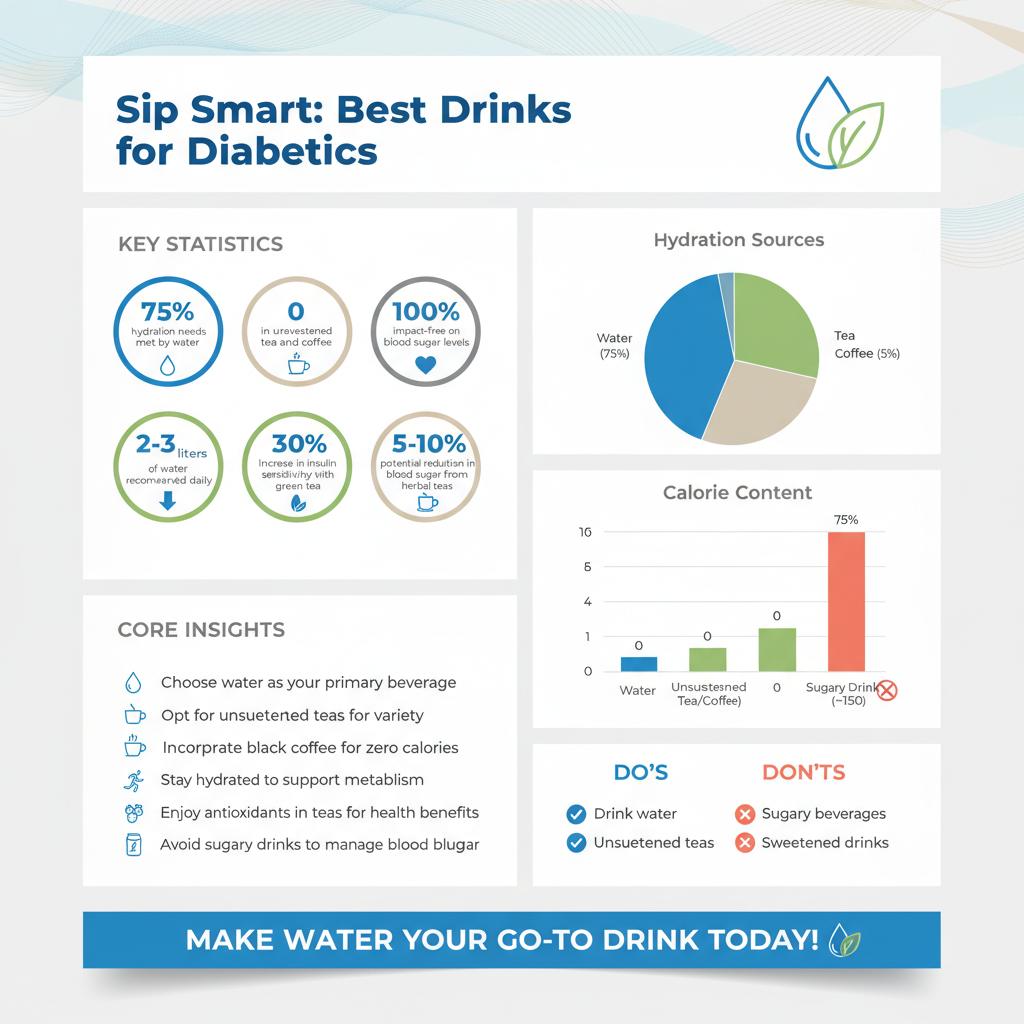
For individuals managing diabetes, choosing the right beverages is crucial for maintaining stable blood sugar levels. The best drinks are primarily water, unsweetened teas, and plain black coffee, as these zero-calorie, sugar-free options provide essential hydration without impacting glucose, making them cornerstone choices for a diabetes-friendly diet. Understanding which drinks to prioritize and which to avoid can significantly support overall health and blood sugar management, empowering you to make smart choices that contribute positively to your well-being.


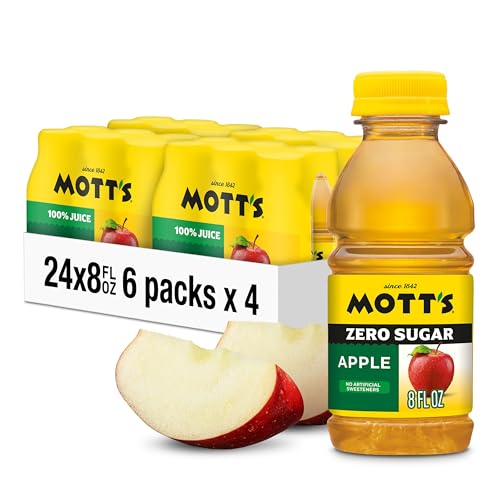

Water: The Foundation of Healthy Hydration
Water isn’t just a drink; it’s the lifeblood of good health, especially when you’re managing diabetes. It’s truly a superhero beverage because it’s calorie-free, carb-free, and has absolutely no impact on your blood sugar levels. This makes it your number one go-to, no-brainer choice for hydration. Beyond being perfectly neutral for your glucose, water is vital for countless bodily functions, from regulating body temperature to cushioning joints. It plays a particularly important role in kidney health, helping your kidneys filter waste and excess glucose from your body through urine. Adequate hydration also helps prevent dehydration, which can sometimes lead to higher blood sugar concentrations.
Making water your primary beverage is incredibly easy because it’s Always Available. Whether it’s refreshing tap water, filtered water from your fridge, or bottled water when you’re on the go, there’s no excuse not to reach for it. Keep a reusable water bottle handy throughout the day to sip on; seeing it reminds you to stay hydrated. For many, the simple act of having water within arm’s reach significantly increases their daily intake.
Furthermore, adequate hydration Supports Metabolism, which is crucial for overall metabolic health. Water aids in nutrient transport, ensuring that vitamins, minerals, and other essential nutrients get to where they need to be. It also facilitates waste removal, helping your body efficiently flush out toxins and byproducts of metabolic processes. When your metabolism is running smoothly, your body is better equipped to manage glucose and energy levels. So, think of every glass of water as a supportive ally in your diabetes management journey!
Unsweetened Teas & Coffees: Flavorful Zero-Calorie Options
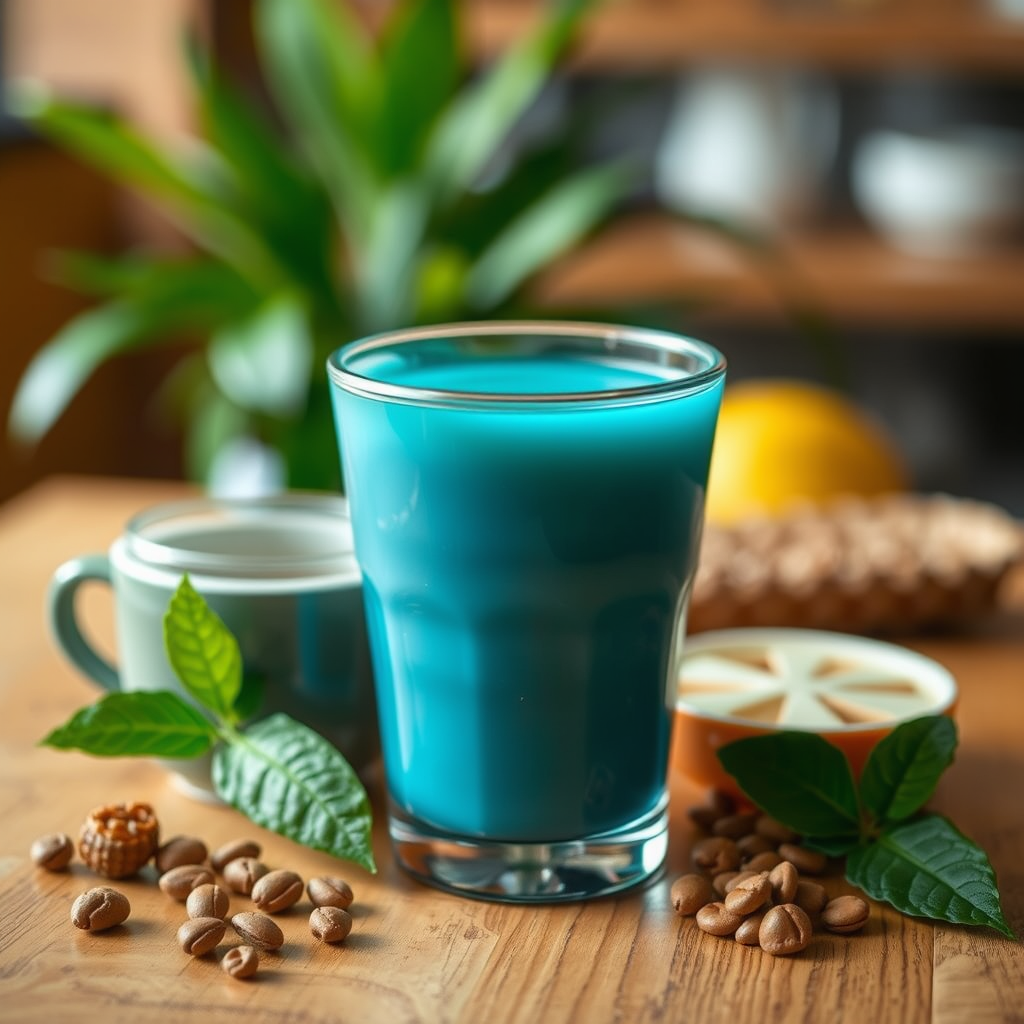
Sometimes, you want a little more flavor than plain water can offer, and that’s where unsweetened teas and coffees come in as fantastic, diabetes-friendly choices. These beverages can add variety and enjoyment to your day without compromising your blood sugar goals, provided you choose them wisely.
Black & Green Tea are not just delicious; they’re powerhouses of beneficial compounds. Both are packed with antioxidants, particularly catechins in green tea, which have been studied for their potential to improve insulin sensitivity and support heart health. You can enjoy these teas hot and comforting on a chilly morning, or brewed strong and chilled over ice for a refreshing afternoon pick-me-up. The key is to keep them truly unsweetened – no sugar, honey, or artificial sweeteners that you haven’t approved. A squeeze of fresh lemon or a sprig of mint can add a natural, vibrant zest without any sugar.
For many, Black Coffee is a morning ritual that’s hard to give up, and good news – in moderation, plain black coffee typically does not raise blood sugar. In fact, some studies suggest a potential link between regular coffee consumption and a lower risk of type 2 diabetes, though more research is always ongoing. The critical factor here is “plain black coffee.” Be incredibly mindful of what you add to your cup. Sugary syrups, whipped cream, sweetened creamers, and even a spoonful of sugar can quickly turn a harmless beverage into a sugary indulgence that will send your blood sugar soaring. If you need to cut the bitterness, try a tiny splash of unsweetened almond milk or a sprinkle of cinnamon for flavor without the glucose impact.
Beyond black and green teas, the world of Herbal Teas offers a diverse array of caffeine-free options that are perfect for any time of day. Varieties like peppermint, chamomile, ginger, rooibos, and hibiscus teas provide soothing, invigorating, or calming flavors without affecting glucose levels. They are naturally sugar-free and offer a wonderful way to relax or refresh. Always check the ingredients list on packaged herbal teas to ensure there are no hidden sugars or artificial flavors. A simple cup of steeped herbs and hot water can be a wonderful, guilt-free pleasure.
Low-Sugar Dairy & Plant-Based Milks: Nutrient-Rich Choices
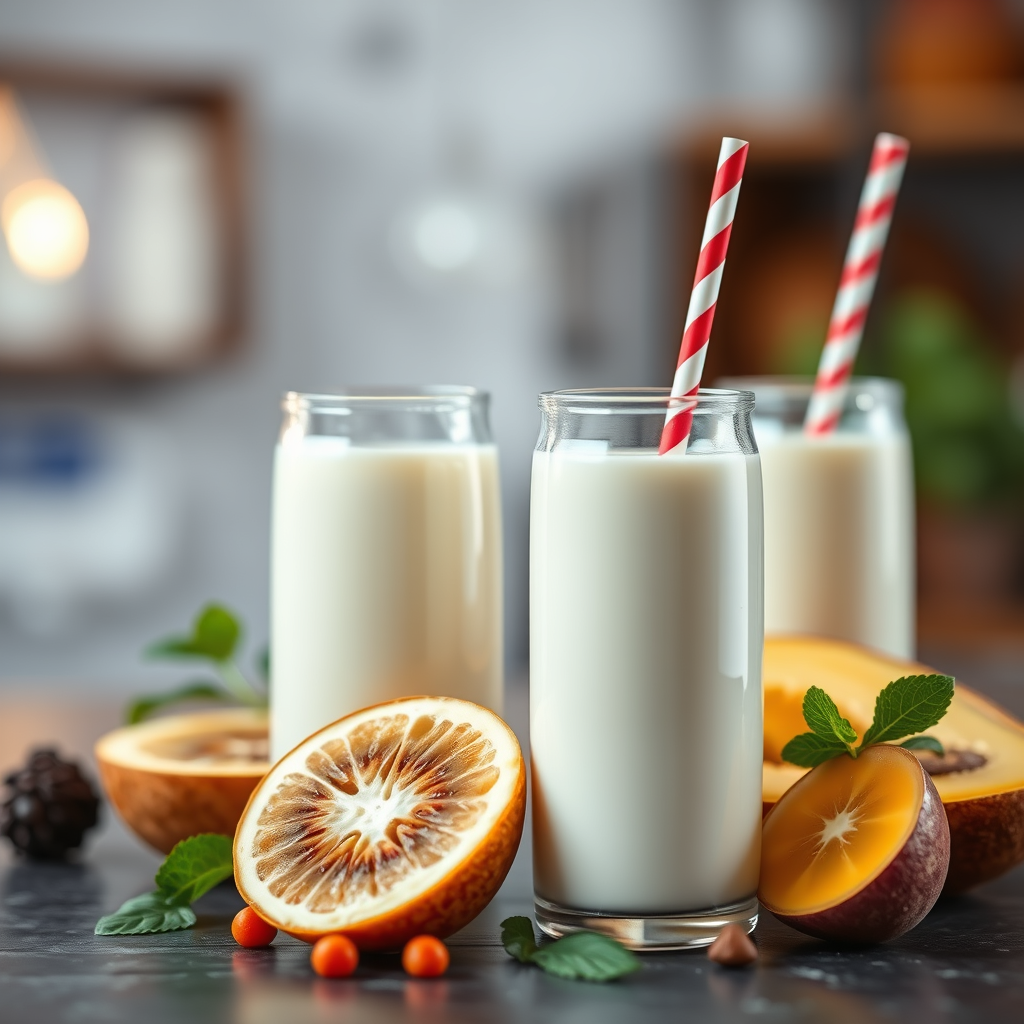
When you’re looking for something a bit creamier or richer than water or tea, low-sugar dairy and plant-based milks can be excellent options, but careful selection is vital. These can be great sources of essential nutrients, but their sugar content can vary significantly.
Unsweetened Almond Milk has surged in popularity and is a fantastic choice for individuals managing diabetes. It’s naturally low in calories and carbohydrates, making it a very blood sugar-friendly alternative to traditional dairy milk. Most unsweetened almond milks contain only 30-40 calories and 1 gram of carbs per cup, often with added calcium and vitamin D. It has a mild, slightly nutty flavor that makes it incredibly versatile – perfect for pouring over your morning cereal, blending into smoothies, adding to your coffee, or using in recipes. Always double-check the label to ensure you’re picking an “unsweetened” variety, as sweetened versions can contain a surprising amount of added sugar.
While it contains natural sugars (lactose), Skim Milk (in moderation) can still be a part of a diabetes-friendly diet for those who consume dairy. Skim or low-fat milk provides important nutrients like calcium and vitamin D, which are vital for bone health. However, lactose is a carbohydrate, so it will affect blood sugar. One cup of skim milk typically contains about 12 grams of carbohydrates. The key here is portion control and factoring it into your daily carb count. Discuss with your healthcare provider or dietitian how much dairy milk fits into your personalized meal plan.
The market for plant-based milks has exploded, offering more choices than ever before. Unsweetened Soy & Oat Milk can also be good options, but like almond milk, checking labels carefully is paramount. Many flavored or regular varieties of soy and oat milk contain significant amounts of added sugars to enhance taste. Always opt for the “unsweetened” or “original unsweetened” versions. Unsweetened soy milk is often higher in protein than almond milk, offering a good plant-based protein boost. Unsweetened oat milk tends to be slightly higher in carbs than almond or soy milk, so always check the specific brand’s nutritional information and adjust your portions accordingly. These milks can be great for adding creaminess to dishes, cereals, or coffee.
Non-Starchy Vegetable Juices & Sparkling Water: Refreshing Alternatives
For those moments when you crave something truly different or a little bubbly, there are still excellent choices that won’t derail your blood sugar management. These refreshing alternatives offer variety and flavor without the hidden sugars of many commercial beverages.
Green Vegetable Juices can be a nutrient-dense way to hydrate and get some vitamins without a significant sugar spike. Juices made primarily from non-starchy vegetables like spinach, kale, cucumber, and celery can provide a wealth of nutrients and antioxidants. These vegetables are naturally low in carbohydrates and sugars, making their juice a much better choice than fruit juice. Be very wary of blends that include high-sugar fruits (like apples, oranges, or grapes) unless they are in very small, controlled quantities, as these can quickly add up to a carb bomb. If you’re making your own, stick to mostly green veggies, maybe with a small piece of lemon or ginger for flavor. Store-bought versions should always be checked for added sugars and fruit content.
When you’re looking for that satisfying fizz, Sparkling Water is an absolute winner. It’s essentially just carbonated water, meaning it has zero calories, zero sugar, and no impact on your blood sugar. It’s a fantastic way to add variety and a sense of indulgence without any of the drawbacks of sugary sodas. Enjoy it plain for a crisp, clean taste, or elevate it with a squeeze of fresh lemon, lime, orange, or a few muddled berries. Many brands also offer naturally flavored sparkling waters (e.g., lime, berry) that use natural extracts without added sweeteners; just make sure to confirm the label.
Another wonderful way to add subtle flavor to your hydration routine is with Infused Water. This is incredibly simple to make and allows you to customize your drink exactly to your liking. Just add slices of fresh cucumber, invigorating mint leaves, a few berries (like raspberries or blueberries), or citrus slices (lemon, lime, orange) to a pitcher of plain water and let it steep for a few hours in the fridge. The flavors will gently infuse into the water, giving it a natural, refreshing taste without any added sugar or artificial ingredients. It’s a beautiful, healthy, and hydrating alternative to sugary drinks, perfect for hot days or when you just want something a bit more interesting than plain water.
Understanding Artificial Sweeteners & Sugar Substitutes
Navigating the world of sweeteners can be tricky, but understanding your options is key when managing diabetes. Zero-Calorie Options like stevia, erythritol, and sucralose are popular choices that can provide sweetness without impacting blood sugar levels. These are generally recognized as safe (GRAS) by regulatory bodies and don’t contribute calories or carbohydrates in the same way sugar does, making them suitable for many individuals with diabetes. Stevia, derived from a plant, and erythritol, a sugar alcohol, are often favored for their more “natural” origins, while sucralose is an artificial sweetener. They allow you to enjoy a sweet taste in your coffee, tea, or other beverages without the glucose spike.
However, Moderation is Key with artificial sweeteners. While they don’t directly raise blood sugar, some individuals may experience digestive issues like bloating or gas with certain sugar alcohols (e.g., xylitol, maltitol, though erythritol is generally well-tolerated) if consumed in large quantities. There’s also ongoing research into the long-term effects of artificial sweeteners on gut microbiome and appetite, so a balanced approach is always recommended. It’s best not to over-rely on them to satisfy a sweet tooth, but rather use them judiciously to make otherwise healthy choices more palatable.
Finally, you must always Read Labels diligently. The term “sugar-free” doesn’t always mean “carb-free” or even “calorie-free.” Some “sugar-free” products might contain sugar alcohols that contribute some carbohydrates or calories, or they might have other ingredients that can impact glucose levels. Always check the full nutritional label, not just the front packaging claims, to understand the total carbohydrate content and ingredient list. This vigilance ensures you’re making truly informed choices that align with your diabetes management plan.
Drinks to Absolutely Avoid for Diabetics
Just as important as knowing what to drink is knowing what to steer clear of. For individuals managing diabetes, certain beverages are practically off-limits due to their high sugar content and immediate, detrimental impact on blood sugar levels. Avoiding these can prevent dangerous spikes and support long-term health.
Top of the “avoid” list are Sugary Sodas & Energy Drinks. These are absolute sugar bombs, often containing 30-50 grams of added sugar in a single serving – sometimes even more! This is equivalent to many teaspoons of sugar directly entering your bloodstream, leading to a rapid, dangerous spike in blood glucose. Beyond the immediate effect, regular consumption contributes to weight gain, increased risk of heart disease, and can make blood sugar management incredibly challenging. They offer no nutritional value and are essentially liquid candy.
Next up are Fruit Juices. While 100% fruit juice might sound healthy because it comes from fruit, it’s a concentrated source of natural sugar. When you juice a fruit, you strip away most of the beneficial fiber that would normally slow down sugar absorption in whole fruit. This means that a glass of apple juice or orange juice can cause a blood sugar spike similar to a soda, even without added sugars. It’s far better to eat whole fruit, which provides fiber, vitamins, and minerals with a much gentler impact on your glucose levels.
Sweetened Teas & Coffees are another significant pitfall. This category includes commercially bottled sweetened teas, fancy lattes, blended coffee drinks, and flavored coffees that are often loaded with hidden sugars, syrups, and artificial flavors. A seemingly innocent “caramel macchiato” or a “sweet tea” can contain as much sugar as a soda. Always assume any pre-made or café drink is sweetened unless it explicitly states “unsweetened” or you’ve customized it yourself. When ordering, specify “no sugar,” “unsweetened,” and be wary of flavored syrups.
Finally, Alcoholic Beverages require careful consideration and should always be discussed with your doctor. Many alcoholic drinks contain significant carbohydrates and sugar. For example, beer is high in carbs, and many mixed drinks are made with sugary sodas or juices. Alcohol can also interact dangerously with diabetes medications, potentially causing dangerously low blood sugar (hypoglycemia) hours after consumption, especially if consumed on an empty stomach. If your doctor clears you for occasional alcohol consumption, it’s crucial to choose wisely (e.g., dry wine, light beer, spirits with sugar-free mixers) and monitor your blood sugar closely. Always drink in moderation and with food.
Making informed beverage choices is a powerful step in managing diabetes effectively. By prioritizing water, unsweetened teas, coffee, and smart low-sugar alternatives, you can enjoy a variety of refreshing drinks while consistently keeping your blood sugar in check. Remember that every sip contributes to your overall health, so choose wisely and with intention. Always take the time to read labels carefully, as hidden sugars can lurk in unexpected places. Most importantly, consult with your healthcare provider or a registered dietitian for personalized advice on the best hydration strategy for your unique needs, ensuring your beverage choices perfectly support your journey to better health.
Frequently Asked Questions
What are the best everyday drinks for diabetics to maintain healthy blood sugar levels?
The absolute best drinks for diabetics are those with zero or minimal carbohydrates and sugars. Plain water is paramount for hydration and blood sugar regulation, as it doesn’t affect glucose levels. Unsweetened coffee and tea (herbal, green, or black) are also excellent choices, offering antioxidants without added sugars or artificial sweeteners that could potentially impact metabolic health over time. Prioritizing these options helps in effective diabetes management and promotes overall wellness.
How can diabetics add flavor to their drinks without unhealthy sugars or artificial sweeteners?
Diabetics can significantly enhance drink flavor naturally without relying on added sugars or artificial sweeteners. Infuse water with slices of fresh fruits like lemon, lime, berries, or cucumber, along with herbs such as mint or basil, for a refreshing twist. A splash of apple cider vinegar or a pinch of cinnamon can also add interesting notes and potential health benefits without impacting blood glucose. These natural additions provide variety, making healthy hydration more enjoyable and sustainable for blood sugar control.
Why are seemingly healthy drinks like fruit juice or even some milk options problematic for diabetics, and what’s better?
Fruit juices, even 100% natural ones, concentrate the natural sugars from fruit, leading to a rapid spike in blood sugar levels without the beneficial fiber found in whole fruit. Similarly, regular cow’s milk contains lactose, a natural sugar, which can impact glucose levels for some individuals. Better alternatives for diabetics include eating whole fruit to benefit from the fiber, and opting for unsweetened plant-based milks like almond, soy, or oat milk, which are much lower in carbohydrates and sugars.
Which alcoholic beverages are considered lower-risk for people with diabetes, and what important considerations are there?
For diabetics who choose to consume alcohol, lower-risk options include dry wines, light beers, or spirits mixed with sugar-free sodas or water. It’s crucial to consume alcohol in moderation, as excessive intake can lead to dangerously low blood sugar (hypoglycemia), especially if drinking on an empty stomach or combined with certain medications. Always monitor blood sugar before and after drinking, and discuss alcohol consumption with your healthcare provider to ensure it aligns with your diabetes management plan.
Are diet sodas truly safe for diabetics, or are there hidden concerns to be aware of regarding artificial sweeteners?
While diet sodas and other sugar-free drinks sweetened with artificial sweeteners do not directly raise blood sugar levels, their long-term effects on diabetics are still debated. Some research suggests artificial sweeteners might impact gut microbiome, potentially affecting glucose metabolism, or encourage cravings for sweet foods. Although diet sodas are generally considered a better alternative to sugary beverages, prioritizing plain water, unsweetened tea, and naturally flavored options remains the healthiest choice for optimal diabetic health.
References
- https://www.diabetes.org/healthy-living/recipes-nutrition/eating-well/drinks
- https://www.diabetes.org/diabetes/medication-management/healthy-drinks-for-people-with-diabetes
- https://www.mayoclinic.org/diseases-conditions/diabetes/in-depth/diabetes/art-20046033
- https://www.cdc.gov/diabetes/managing/eat-well/what-to-eat-drink.html
- https://www.health.harvard.edu/blog/best-drinks-for-type-2-diabetes-202206272765
- https://health.clevelandclinic.org/best-drinks-for-diabetics/
- Healthy Living with Diabetes – NIDDK
- Diet in diabetes