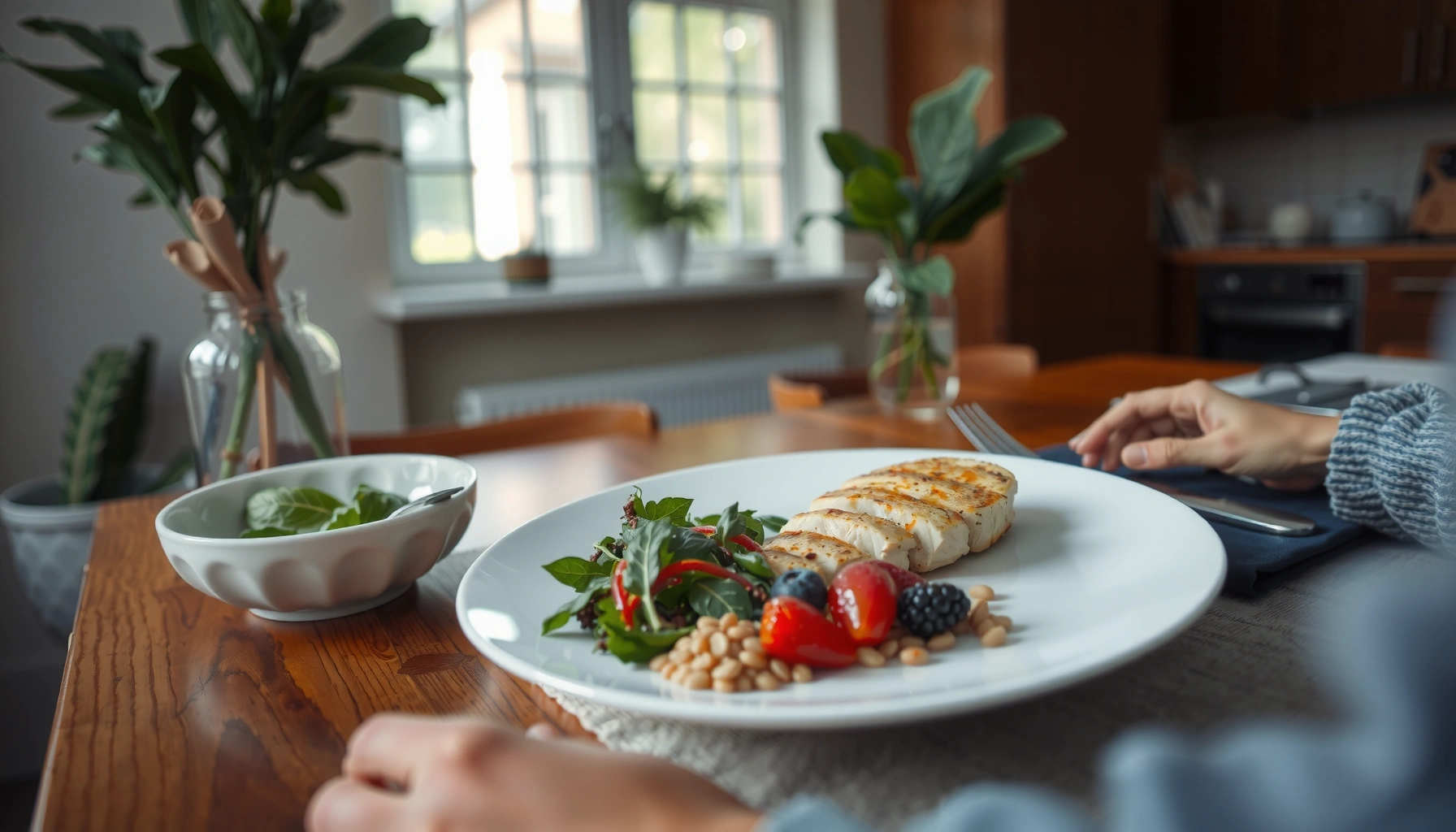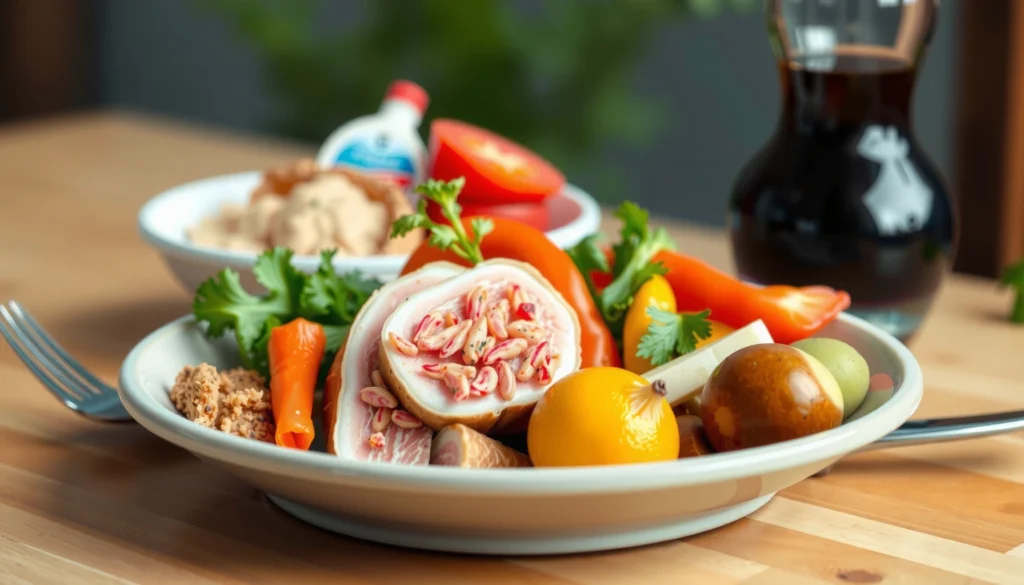

The best diabetic meals are those that prioritize balanced macronutrients, control carbohydrate intake, and focus on whole, unprocessed foods to effectively manage blood sugar while providing satisfying nutrition. These meals emphasize lean proteins, healthy fats, fiber-rich vegetables, and complex carbohydrates in appropriate portions, proving that eating well with diabetes can be both delicious and easy to integrate into your daily routine.



Understanding Diabetic Meal Principles
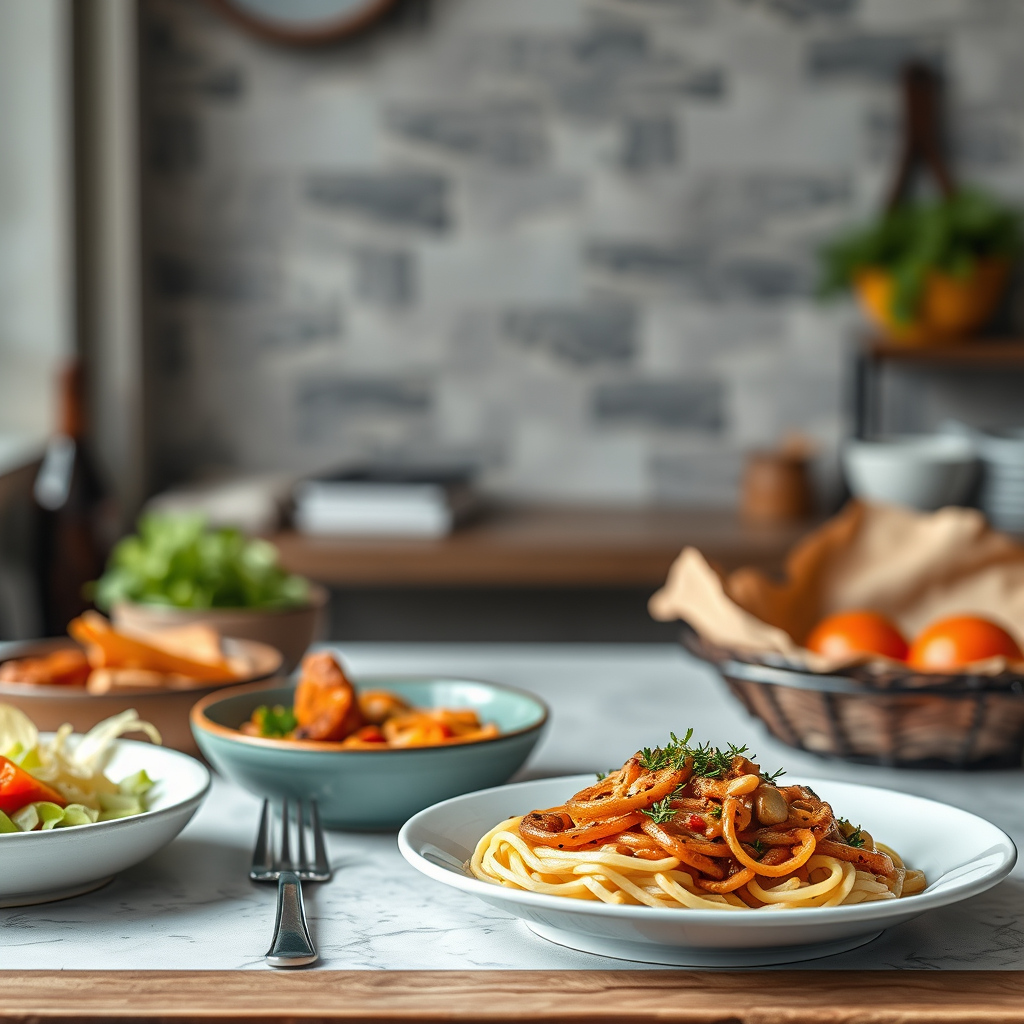
Navigating a diabetic-friendly diet doesn’t have to be complicated! It’s all about making smart choices that keep your body feeling great and your blood sugar stable. Let’s break down the core principles that will guide you to delicious and healthy eating every day.
* Focus on whole foods: This is your golden rule! Prioritize unprocessed ingredients that come straight from nature. Think vibrant fresh fruits, crisp vegetables, lean meats like chicken or fish, eggs, legumes, and hearty whole grains such as oats or quinoa. These foods are packed with essential vitamins, minerals, and fiber, and they’re naturally lower in the added sugars, unhealthy fats, and refined carbohydrates often found in processed foods. Choosing whole foods helps your body digest slowly, preventing rapid blood sugar spikes and providing sustained energy throughout your day. It’s a simple switch that makes a huge difference in how you feel!
* Balance macronutrients: Every meal is an opportunity to create a harmonious blend of complex carbohydrates, lean protein, and healthy fats. This trio works together like a well-oiled machine to stabilize blood sugar levels. Complex carbohydrates (like those found in whole grains and vegetables) provide steady energy, while protein helps you feel full and satisfied, slowing down the absorption of carbs. Healthy fats (think avocado, nuts, olive oil) also contribute to satiety and play a crucial role in overall health without significantly impacting blood sugar. Aim for a plate that visually represents this balance: a good portion of non-starchy vegetables, a palm-sized serving of lean protein, and a smaller amount of complex carbs and healthy fats.
* Portion control and carb awareness: Understanding appropriate serving sizes and keeping an eye on your carbohydrate intake is absolutely key to managing blood sugar effectively. Carbohydrates are the primary nutrient that impacts blood sugar levels, so being mindful of how much you’re consuming at each meal is vital. This doesn’t mean eliminating carbs entirely – good carbs are essential for energy! Instead, it means learning to identify carb sources, estimating portions (a good trick is using your hand as a guide – a cupped hand for carbs, a palm for protein), and choosing complex, fiber-rich options over simple sugars. Reading nutrition labels, using measuring cups, and even keeping a food journal can be incredibly helpful tools to master portion control and become carb-savvy.
Breakfast Ideas for Blood Sugar Control
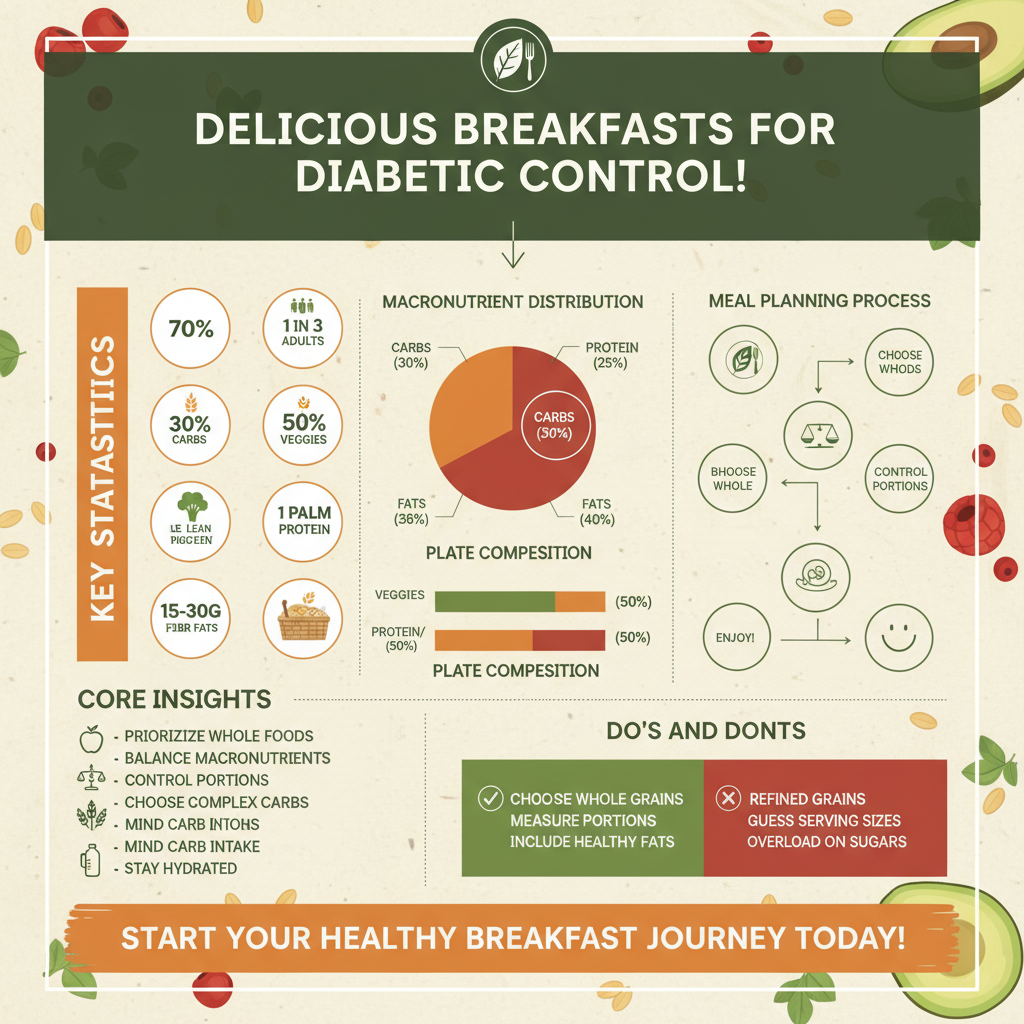
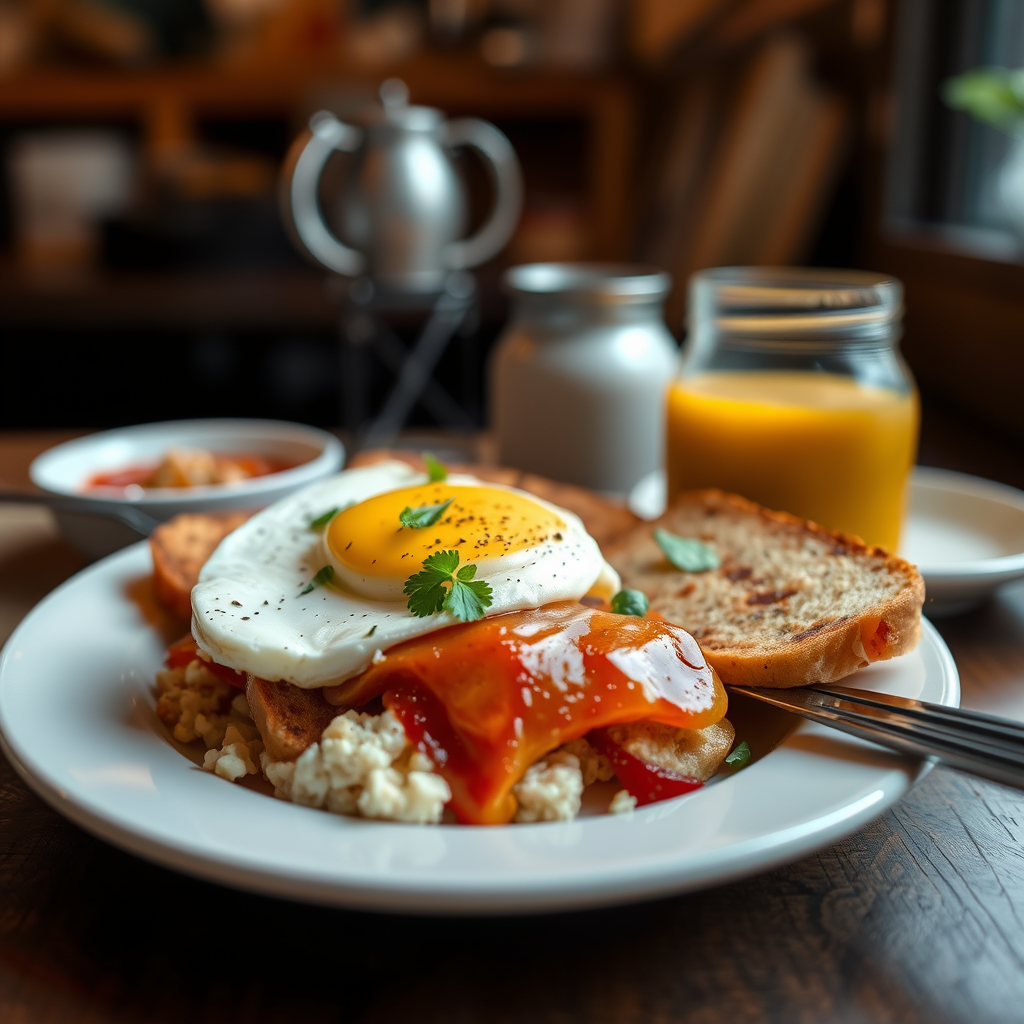
Starting your day with a balanced, delicious breakfast sets the stage for stable blood sugar and sustained energy. Forget sugary cereals; these options are packed with goodness!
* Protein-packed eggs with non-starchy vegetables: Eggs are a fantastic choice for breakfast because they’re a complete protein source and very low in carbohydrates. Scrambled eggs or a fluffy omelet become a powerhouse meal when you load them up with non-starchy vegetables. Sauté fresh spinach, vibrant mushrooms, and colorful bell peppers before adding your eggs for a nutrient boost. This combination provides excellent satiety, meaning you’ll feel full and satisfied for longer, helping to prevent mid-morning cravings and subsequent blood sugar dips or spikes. A sprinkle of herbs like chives or parsley can elevate the flavor without adding extra carbs or sodium.
* Fiber-rich oatmeal with berries and nuts: While some might worry about carbs in oatmeal, choosing the right type and balancing it correctly makes it an excellent diabetic-friendly option. Opt for steel-cut or rolled oats (avoid instant, highly processed varieties) which are higher in fiber and have a lower glycemic index. Prepare them with water or unsweetened almond milk. The magic happens with your toppings: a handful of fresh berries (like blueberries, raspberries, or strawberries) adds natural sweetness, antioxidants, and even more fiber, helping to slow down sugar absorption. Finish with a small portion of almonds or walnuts – these healthy fats and proteins further contribute to satiety and blood sugar stability. Remember to keep the portion of oats moderate, typically around 1/2 cup dry.
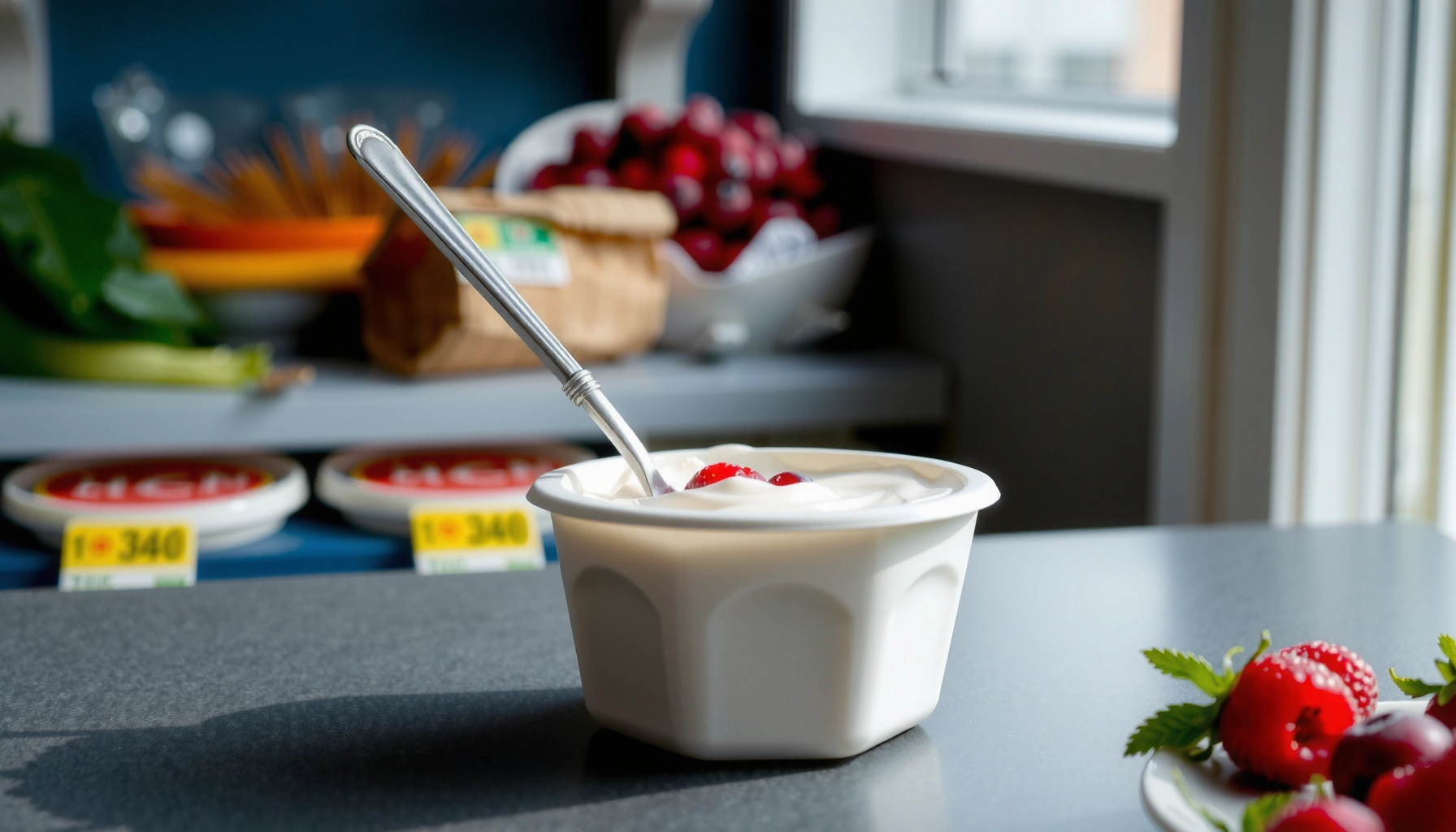
* Greek yogurt parfait: Plain, unsweetened Greek yogurt is a breakfast superstar due to its incredibly high protein content and relatively low sugar (when unsweetened). It’s wonderfully versatile and makes a fantastic parfait base. Layer your Greek yogurt with a sprinkle of chia seeds, which are tiny powerhouses of fiber and omega-3 fatty acids, aiding digestion and promoting fullness. Add a few fresh berries for natural sweetness and a burst of antioxidants. Avoid flavored yogurts that are often loaded with added sugars. This simple yet satisfying meal offers a creamy texture and a delightful mix of flavors, keeping your blood sugar levels gently humming along rather than spiking.
Lunch Solutions: Easy & Balanced
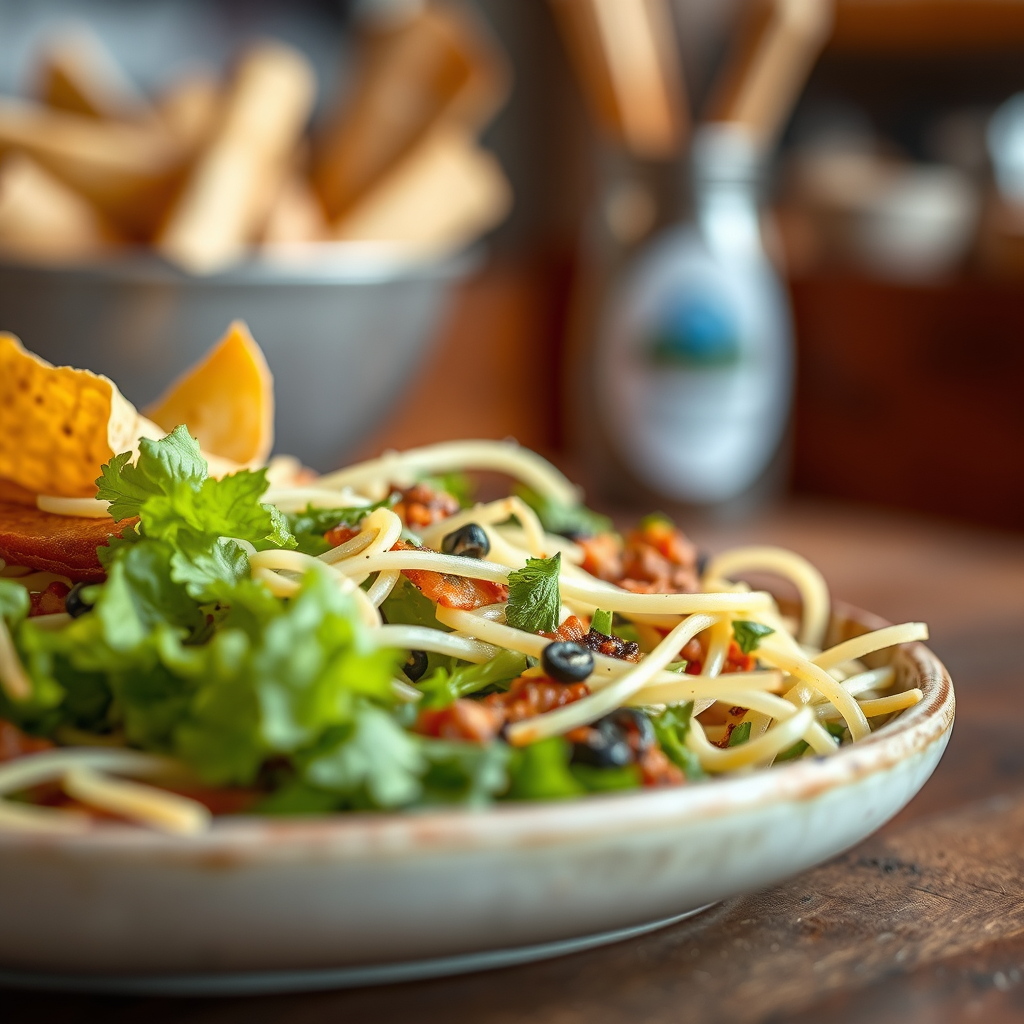
Lunch doesn’t have to be a struggle, even on busy days. These options are designed to be both simple to prepare and perfectly balanced to keep your energy steady through the afternoon.
* Large salad with lean protein: A vibrant, generously sized salad is a fantastic lunch choice because it allows for a huge variety of nutrient-dense vegetables. Start with a base of mixed greens (spinach, romaine, spring mix) and pile on colorful non-starchy vegetables like cucumbers, cherry tomatoes, bell peppers, carrots, and radishes. The key to making it a complete meal is adding a lean protein source such as grilled chicken breast, lean turkey slices, or plant-based options like chickpeas or black beans. Finish with a light vinaigrette dressing made with olive oil and vinegar – avoid creamy, high-sugar dressings. This ensures a meal packed with fiber, vitamins, and protein, promoting satiety and supporting stable blood sugar without a post-lunch slump.
* Whole-wheat wrap or sandwich: When you’re craving something hearty and portable, a thoughtfully prepared whole-wheat wrap or sandwich can be a great option. The crucial step is choosing the right bread or wrap: look for 100% whole-grain options or low-carb/high-fiber wraps to ensure you’re getting complex carbohydrates that digest slowly. Fill it generously with lean deli meat (like turkey or ham, checking for low-sodium options), a slice of avocado for healthy fats, crisp lettuce, juicy tomato, and maybe some sliced cucumber or bell peppers. Avoid excessive condiments like sugary sauces. This provides a satisfying crunch and a balanced mix of fiber, protein, and healthy fats, making it a perfect quick lunch that fuels your body without unwanted sugar spikes.
* Lentil or vegetable soup: A warm, comforting bowl of soup can be surprisingly filling and incredibly healthy, especially when it’s packed with vegetables and legumes. Opt for homemade or low-sodium store-bought varieties to control the salt content. Lentil soup, for example, is rich in plant-based protein and fiber, making it incredibly satisfying and excellent for blood sugar management. A hearty vegetable soup, loaded with carrots, celery, zucchini, green beans, and tomatoes, provides a wealth of nutrients and fiber. Pair your soup with a small side salad (dressed lightly) to boost your non-starchy vegetable intake and add an extra layer of freshness. This meal is hydrating, nutrient-dense, and perfect for a lighter, yet fulfilling, midday meal.
Dinner Delights: Healthy Evening Meals
Winding down your day with a delicious and blood-sugar-friendly dinner is a wonderful way to nourish your body. These options are satisfying, flavorful, and easy to prepare.
* Baked salmon with roasted vegetables: Salmon is a true superstar in the diabetic diet, celebrated for its richness in omega-3 fatty acids, which are fantastic for heart health and reducing inflammation. Baking or grilling salmon with a squeeze of lemon and a sprinkle of herbs keeps it light and flavorful. Pair this fatty fish with a generous portion of roasted non-starchy vegetables like broccoli florets, tender asparagus spears, or colorful cauliflower. Roasting brings out their natural sweetness and a delightful texture without adding unnecessary fats or sugars. This meal delivers a powerful punch of healthy fats, lean protein, and fiber, ensuring you feel satisfied and your blood sugar remains stable throughout the night.
* Lean chicken stir-fry with brown rice: A vibrant chicken stir-fry is not only quick and easy but also highly customizable and incredibly healthy. Cut lean chicken breast into bite-sized pieces and sauté it with a rainbow of colorful vegetables – think bell peppers, snap peas, carrots, broccoli, and mushrooms. Use a low-sodium soy sauce or tamari, a touch of ginger, garlic, and a splash of rice vinegar for a flavorful, diabetic-friendly sauce. Serving this delightful medley with a small, controlled portion of brown rice or quinoa provides complex carbohydrates that release energy slowly. This dish is packed with lean protein and fiber from the vegetables, making it a balanced and incredibly flavorful option that’s far healthier than takeout.
* Turkey meatballs with zucchini noodles: For a comforting, pasta-like experience without the carb load, homemade turkey meatballs served over spiralized zucchini noodles are an absolute revelation. Ground turkey is a lean protein choice, and when mixed with herbs, spices, and a little egg, it makes tender, flavorful meatballs. Simmer them in a simple, low-sugar marinara sauce (check labels carefully for added sugar!). Instead of traditional pasta, use a spiralizer to create “zoodles” from zucchini. Lightly sauté the zucchini noodles or steam them briefly until al dente. This meal is incredibly satisfying, rich in protein, and provides a significant serving of vegetables, making it a fantastic low-carb, high-flavor dinner that will leave you feeling full and happy.
Snack Smarter: Between-Meal Options
Snacking strategically can be a powerful tool for managing blood sugar and keeping hunger at bay. The key is choosing options that offer protein, fiber, or healthy fats to provide sustained energy.
* Nuts and seeds: A small handful of nuts or seeds is a fantastic go-to snack. Almonds, walnuts, pistachios, or pumpkin seeds are packed with healthy fats, protein, and fiber – a trifecta for satiety and blood sugar control. They help slow down digestion, preventing sudden blood sugar spikes. However, remember that nuts are calorie-dense, so portion control is important; a small handful (about 1/4 cup) is usually sufficient. Keep a small baggie of your favorite mix in your purse or desk for a convenient and wholesome pick-me-up.
* Vegetable sticks with hummus: This classic combination is a winner for its simplicity and nutritional value. Crisp carrots, crunchy celery, and colorful bell pepper strips offer plenty of fiber and vitamins, along with a satisfying crunch. Pairing them with a serving of hummus (made from chickpeas, tahini, olive oil, and lemon juice) adds plant-based protein and healthy fats. Hummus is not only delicious but also helps to make this snack more filling and contributes to stable blood sugar levels. It’s an excellent way to boost your daily vegetable intake while enjoying a flavorful, guilt-free snack.
* Cottage cheese or cheese sticks: For a quick and convenient protein boost, cottage cheese or individual cheese sticks are excellent choices. Cottage cheese is a rich source of casein protein, which is digested slowly, providing a steady release of amino acids and helping you feel full for longer. Opt for low-fat or reduced-fat varieties. Similarly, a single-serving cheese stick offers protein and calcium, making it a satisfying and portable snack that helps stave off hunger effectively. Both options are low in carbohydrates and provide a good amount of protein to support stable blood sugar levels between meals.
Meal Planning & Preparation Tips
Successful diabetes management often comes down to smart planning and preparation. A little effort upfront can save you time, stress, and help you make healthier choices throughout the week.
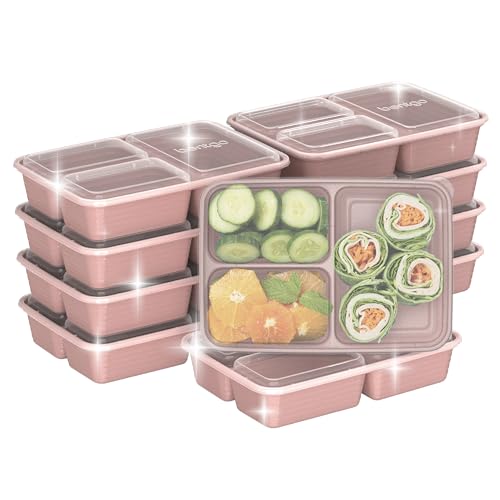
* Batch cooking: Embrace the power of batch cooking! Dedicate a couple of hours on a weekend to prepare larger quantities of healthy components that can be mixed and matched throughout the week. For instance, grill a big batch of chicken breasts or fish fillets, roast a sheet pan full of your favorite vegetables (like broccoli, sweet potatoes, or Brussels sprouts), or cook a large pot of quinoa or brown rice. Having these pre-cooked items on hand means that assembling a balanced meal during a busy weekday becomes incredibly fast and easy. You’ll be less likely to resort to less healthy takeout options when a delicious, home-cooked meal is just minutes away.
* Ingredient swapping: Become a master of ingredient swapping to effortlessly reduce carbs and boost nutrients. This is where creativity in the kitchen really shines! Instead of white rice, try cauliflower rice or quinoa. Swap traditional pasta for zucchini noodles (zoodles) or spaghetti squash. Replace regular potatoes with roasted sweet potatoes (in moderation) or mashed cauliflower. Use lettuce wraps instead of bread for sandwiches, or opt for whole-wheat, low-carb tortillas. By consciously choosing healthier, lower-carb, and higher-fiber alternatives, you can enjoy many of your favorite dishes in a way that supports your blood sugar management without sacrificing flavor.
* Read food labels: This is a non-negotiable habit for anyone managing diabetes. Before purchasing packaged foods, take a moment to carefully read the nutrition labels. Pay close attention to serving sizes, as they can often be smaller than you might assume, leading to unintended overconsumption of carbohydrates and calories. Focus on the carbohydrate count, sugar content (especially added sugars), and fiber. Aim for foods with higher fiber content, as fiber helps to slow down sugar absorption. Also, check for hidden sugars, which can appear under many different names (e.g., corn syrup, dextrose, fructose, maltose). Becoming an educated consumer empowers you to make informed decisions that align with your health goals.
Creating the best diabetic meals is about more than just managing a condition; it’s about embracing a lifestyle of nourishing and enjoyable eating. By focusing on whole foods, balancing your plates with lean protein, healthy fats, and complex carbohydrates, and practicing conscious portion control, you can enjoy a wide variety of delicious meals that support stable blood sugar and overall well-being. Start incorporating these principles into your daily routine and consult with a dietitian or healthcare provider for personalized guidance to achieve your health goals.
Frequently Asked Questions
What defines the “best diabetic meals” and what are their core components?
The best diabetic meals prioritize stable blood sugar control by focusing on a balance of macronutrients and nutrient-dense ingredients. They typically feature lean proteins, healthy fats, complex carbohydrates with high fiber content, and plenty of non-starchy vegetables. Key components include portion control, low glycemic index foods, and minimizing added sugars and refined grains to support overall metabolic health.
How can I effectively plan and prepare healthy diabetic meals for an entire week?
Effective meal planning for diabetic meals involves dedicated time for prep, often on a specific day. Start by creating a varied menu that includes lean proteins, complex carbs, and plenty of vegetables, then build a comprehensive shopping list to avoid impulse buys. Batch cooking staples like grilled chicken, roasted vegetables, or whole grains can significantly simplify daily meal assembly, making it easier to stick to your healthy eating goals.
Why is strategic carbohydrate management so crucial when selecting and preparing the best diabetic meals?
Strategic carbohydrate management is crucial because carbohydrates directly impact blood glucose levels more significantly than fats or proteins. Opting for complex carbohydrates like whole grains, legumes, and non-starchy vegetables, along with practicing carb counting or mindful portion control, helps prevent sharp blood sugar spikes. This careful selection and monitoring are fundamental for maintaining stable blood sugar and long-term diabetes management through diet.
What are some quick and delicious ideas for breakfast, lunch, and dinner to create the best diabetic meals?
For breakfast, consider oatmeal with berries and nuts, or scrambled eggs with spinach and whole-wheat toast. Lunch can be a vibrant salad with grilled chicken or fish, or a whole-grain wrap packed with lean protein and plenty of vegetables. Dinner ideas include baked salmon with quinoa and steamed broccoli, or a lean ground turkey chili loaded with beans and tomatoes, providing satisfying and blood-sugar-friendly options.
Which specific foods or ingredients should I limit or avoid when aiming for the best diabetic meals?
When preparing the best diabetic meals, it’s essential to limit or avoid foods high in added sugars, such as sugary drinks, desserts, and many processed snacks. Refined grains like white bread and pasta, unhealthy trans and saturated fats found in fried foods and highly processed items, and excessive sodium should also be minimized. Prioritizing whole, unprocessed ingredients helps prevent blood sugar spikes and supports overall health in diabetes management.
References
- https://www.cdc.gov/diabetes/managing/eat-well.html
- Healthy Living with Diabetes – NIDDK
- Nutrition and Diabetes | ADA
- Diabetes diet: Create your healthy-eating plan – Mayo Clinic
- https://www.health.harvard.edu/diseases-and-conditions/best-foods-for-diabetes-a-guide-to-healthy-eating
- https://health.clevelandclinic.org/what-to-eat-if-you-have-diabetes
- Not Found | American Heart Association | American Heart Association