

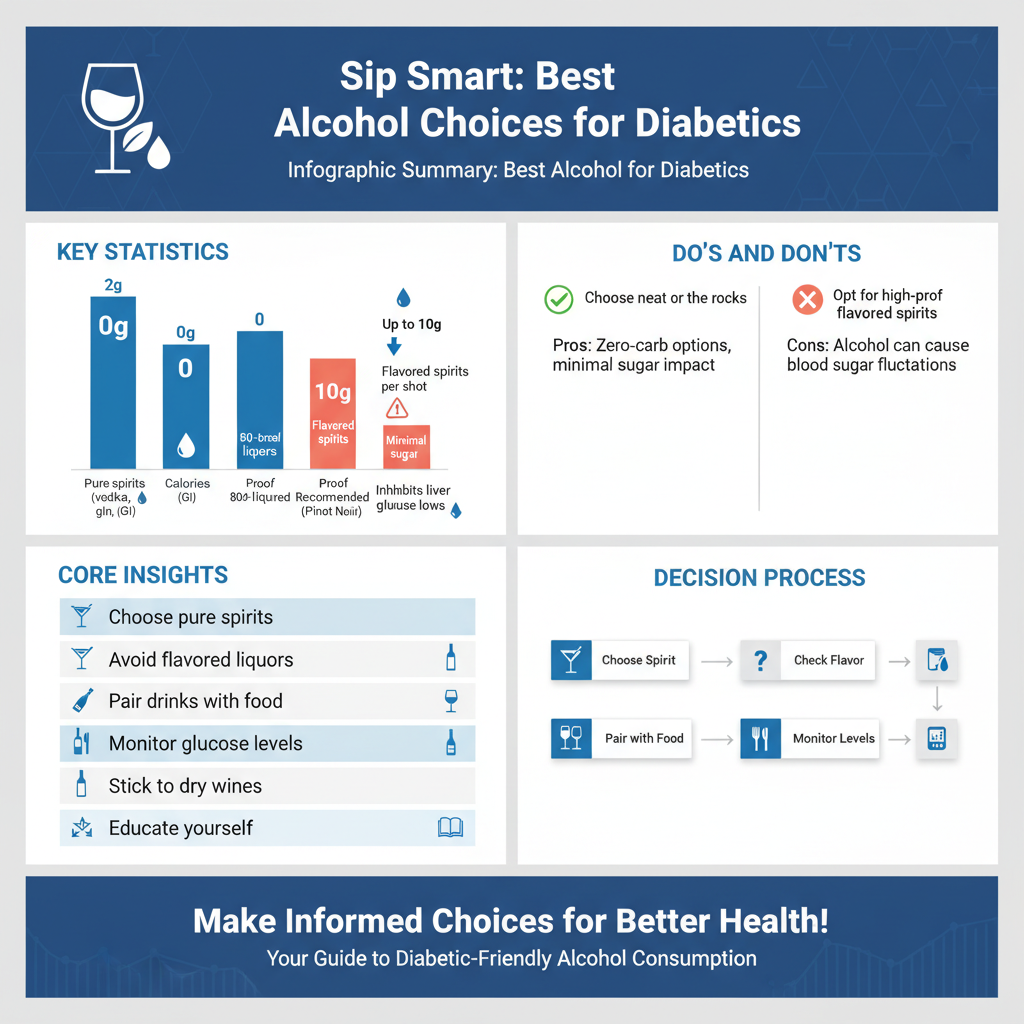
The best alcohol for diabetics typically includes pure spirits like vodka, gin, whiskey, and tequila, as they contain zero grams of carbohydrates and do not spike blood sugar on their own. Dry wines such as Pinot Noir or Sauvignon Blanc, along with light beers, are also safer choices because they have minimal sugar content compared to sweet cocktails. While these options are generally better, it is crucial to consume them with food and monitor glucose levels, as alcohol can interfere with the liver’s ability to regulate blood sugar. Navigating social situations or dining out while managing diabetes requires a nuanced understanding of how different alcoholic beverages interact with metabolic processes. Unlike food, which is digested and converted into glucose, alcohol is processed by the liver as a toxin, causing a unique physiological disruption that can lead to both immediate and delayed fluctuations in blood glucose. Therefore, selecting the right beverage is not merely a matter of calorie counting, but a critical component of glycemic management.



Hard Spirits and Liquors

When aiming for minimal glycemic impact, hard liquor is often the most straightforward choice for individuals with diabetes. Through the process of distillation, the sugars from the original fermenting ingredients (such as potatoes, grains, or sugar cane) are eliminated, leaving behind ethyl alcohol with no residual carbohydrates.
– Zero-carb options: Pure distilled spirits like vodka, gin, rum, tequila, and whiskey contain no carbohydrates or sugar, making them the safest base for a drink. Whether you prefer the botanical notes of a dry gin, the smokiness of a Scotch whisky, or the clean profile of a silver tequila, these spirits have a Glycemic Index (GI) of zero. This means that, when consumed neat or on the rocks, they will not directly raise blood sugar levels. However, it is vital to remember that while they do not raise sugar, the alcohol itself can inhibit gluconeogenesis (the production of glucose by the liver), potentially leading to lows later on.
– Watch the proof: Stick to standard 80-proof options and avoid flavored versions (like vanilla vodka or spiced rum), which often contain added syrups and hidden sugars. There is a significant distinction in the spirits market between “infused” liquors and “flavored” liquors. An infused vodka usually relies on steeping ingredients like citrus peels or herbs in the alcohol, adding flavor without sugar. Conversely, many commercial vanilla, cherry, or “cake” flavored spirits are essentially lower-proof liqueurs packed with high-fructose corn syrup or cane sugar. A standard 1.5-ounce shot of flavored rum can contain upwards of 10 grams of carbs, whereas the unflavored version has none. Always verify the nutritional label or ask the bartender if the spirit is sweetened.
Best Wines for Blood Sugar Control

Wine can be a sophisticated and enjoyable option for people with diabetes, provided one understands the concept of “residual sugar.” During fermentation, yeast consumes the natural grape sugars and converts them into alcohol. In dry wines, the yeast is allowed to finish this process completely, leaving very little sugar behind.
– Dry Reds: Varieties like Pinot Noir, Cabernet Sauvignon, and Merlot are naturally low in residual sugar and high in antioxidants. Red wines are often cited in medical literature for their potential cardiovascular benefits, primarily due to the presence of polyphenols like resveratrol. From a glycemic standpoint, a standard 5-ounce pouring of dry red wine typically contains between 3 to 4 grams of carbohydrates. Research suggests that moderate consumption of red wine may not significantly affect short-term glucose control and could potentially improve insulin sensitivity in some individuals, though this should always be discussed with a healthcare provider.
– Dry Whites and Sparkling: Sauvignon Blanc, Pinot Grigio, and Brut Champagne (extra dry) are excellent choices that usually contain fewer than 4 grams of carbs per serving. When selecting white wines, the terminology on the label is paramount. “Dry” or “Crisp” usually indicates low sugar content. Conversely, wines labeled as “off-dry,” “semi-sweet,” or “late harvest” retain a significant amount of grape sugar. Champagne and sparkling wines require specific attention to classification; “Brut Nature” or “Extra Brut” are the driest options available, while “Demi-Sec” or “Doux” contain high sugar levels that can cause rapid spikes in blood glucose.
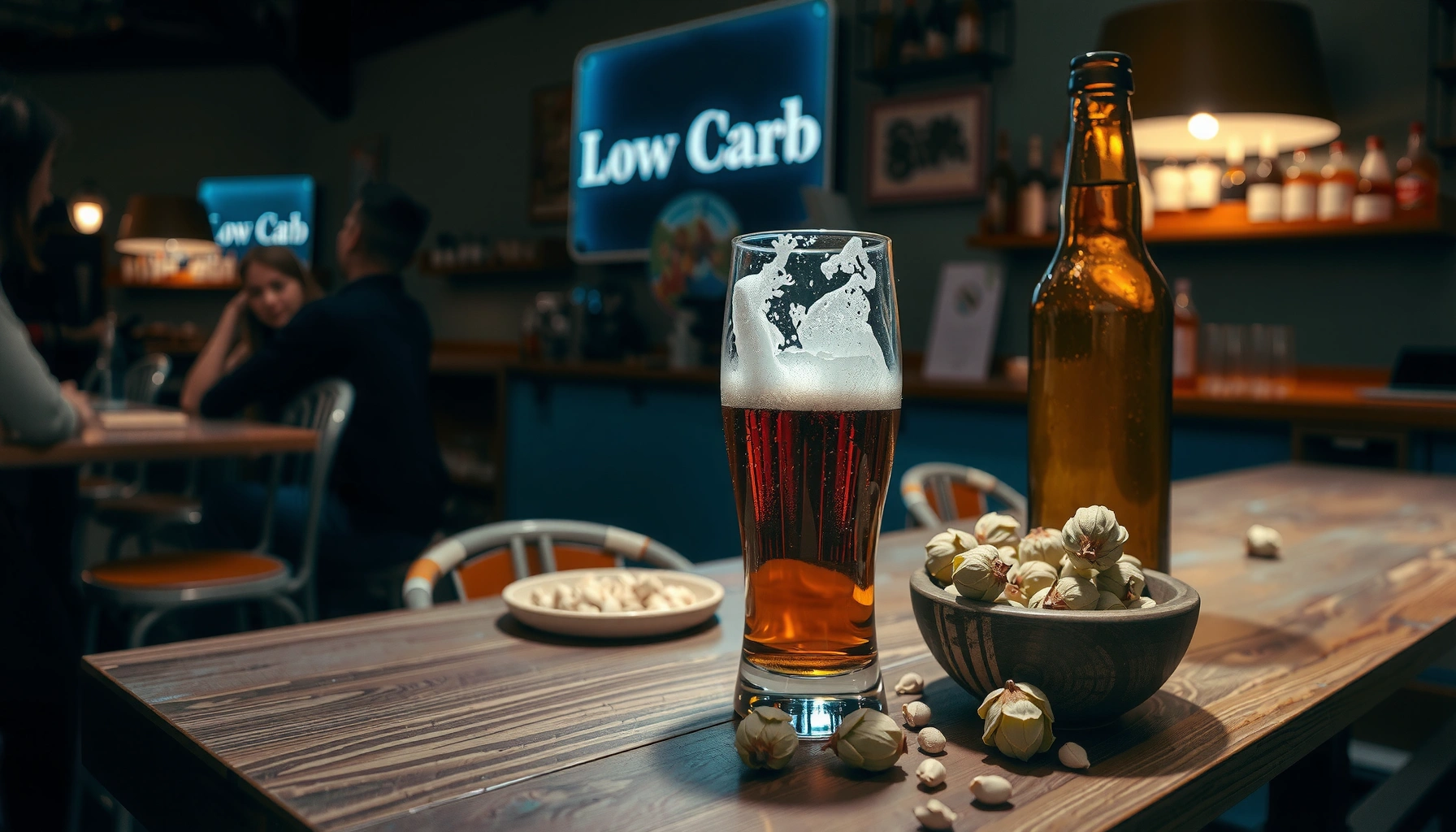
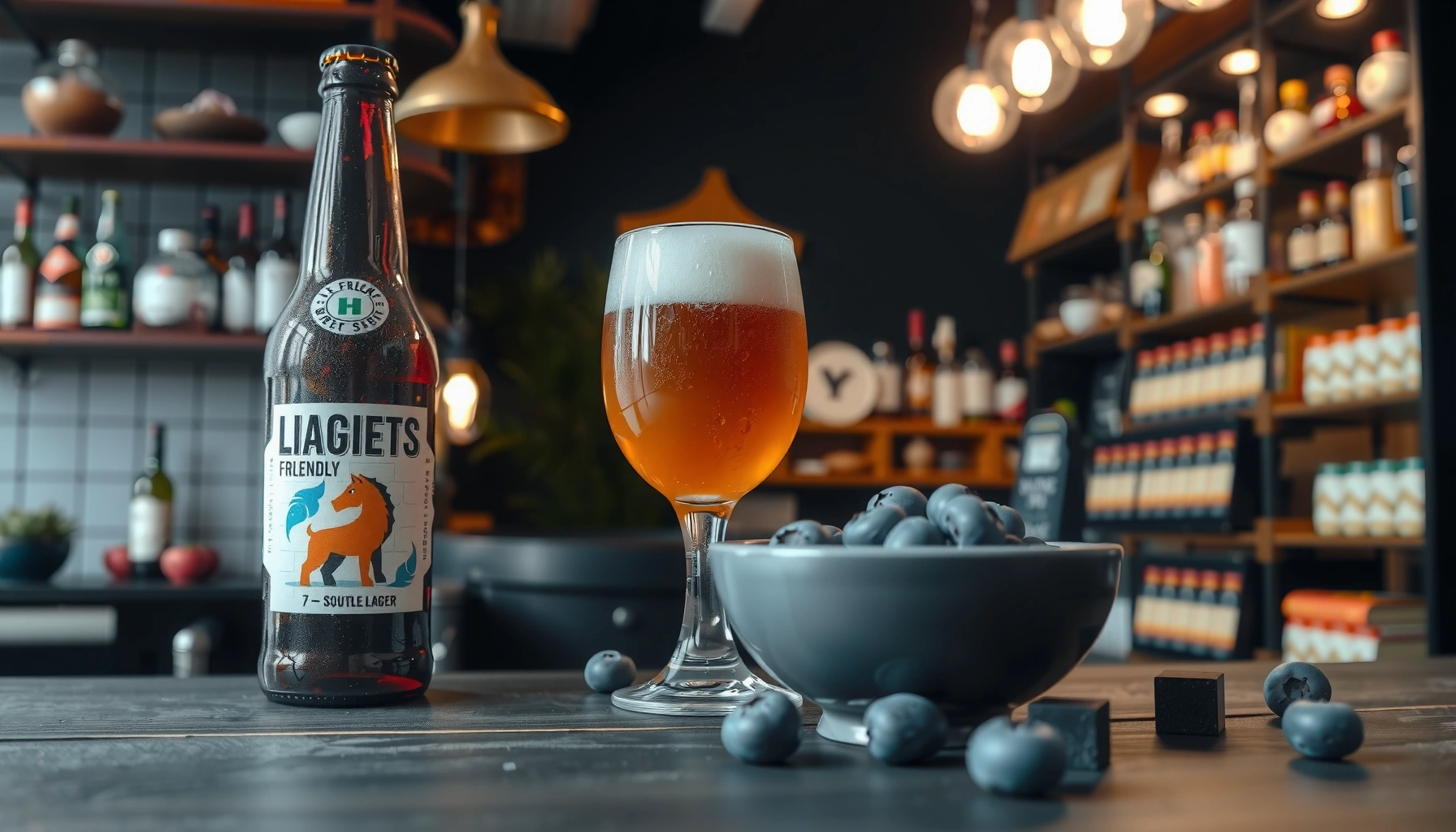
Light Beers and Low-Carb Seltzers
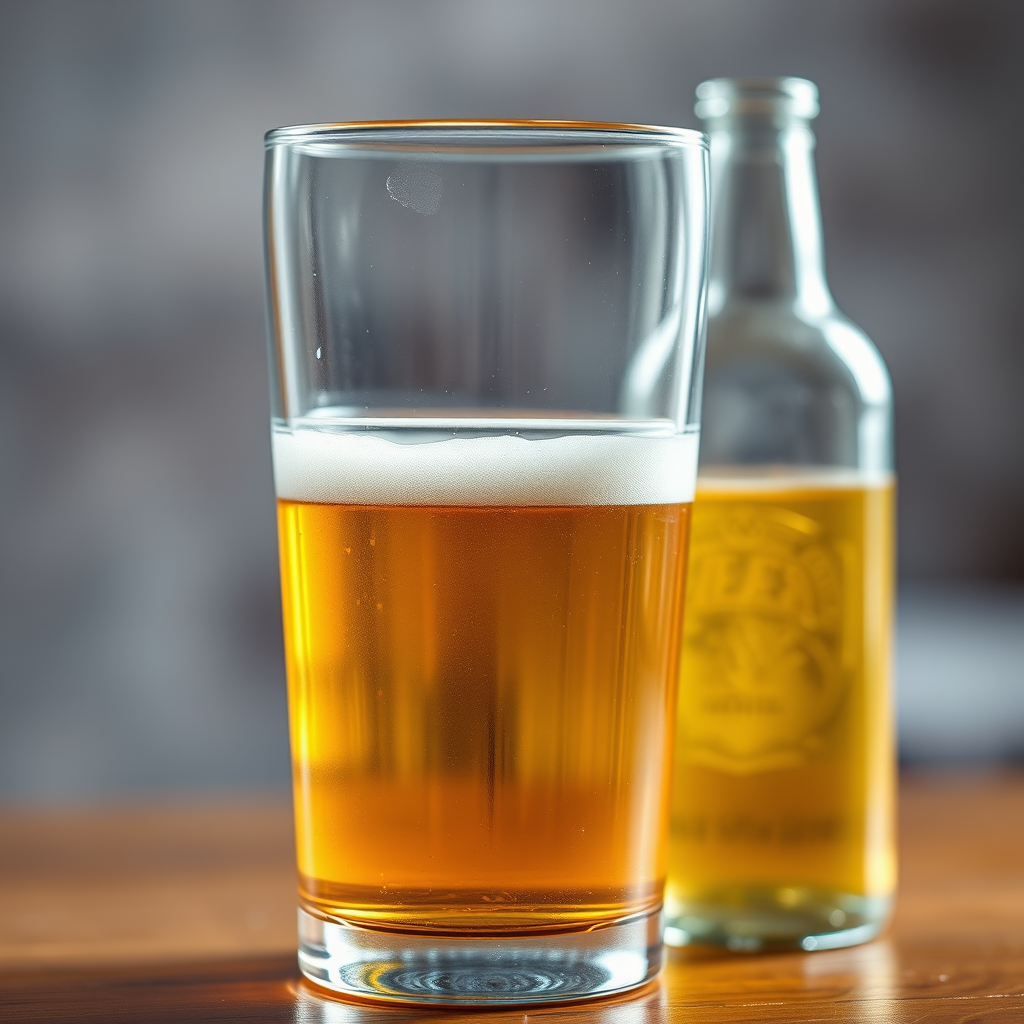
The beer industry has undergone a significant transformation, offering a wide array of options specifically brewed for health-conscious consumers. Traditional beers are made from grains like barley and wheat, which inherently contain carbohydrates. However, brewing techniques can alter the final carb count significantly.
– Light Beer: Choose standard light beers over heavy craft beers, stouts, or IPAs, as light versions are specifically brewed to have fewer calories and carbohydrates. Standard lagers and ales can contain 10 to 15 grams of carbohydrates per bottle, while heavier stouts or hazy IPAs can exceed 20 or even 30 grams—essentially liquid bread. Light beers, however, utilize enzymes during brewing to break down more dextrins (complex sugars) into fermentable sugars that the yeast then consumes. The result is a beverage that typically ranges from 2 to 5 grams of carbohydrates per 12-ounce serving, making it a manageable option for carb counting.
– Hard Seltzers: Most modern hard seltzers are diabetic-friendly, usually containing 1-2 grams of carbs and using stevia or natural flavors instead of sugary syrup. The explosion of the hard seltzer market has been a boon for diabetic drinkers. These beverages are typically brewed from cane sugar or malted barley, but the fermentation process is so complete that almost no sugar remains. It is important, however, to differentiate between seltzers and “hard sodas” or “canned cocktails.” While a standard seltzer is low-carb, a canned hard lemonade or ready-to-drink margarita can be laden with 20+ grams of sugar. Always read the nutrition facts panel, which is increasingly common on these types of packaging.
Safe Mixers to Use
Often, the danger to a diabetic’s blood sugar is not the alcohol itself, but the mixer accompanying it. A single mixed drink can contain more sugar than a large dessert if prepared with standard commercial mixers.
– Sugar-free options: Always pair your spirits with zero-carb mixers such as club soda, diet soda, seltzer water, or plain water. The distinction between club soda and tonic water is one of the most critical knowledge points for diabetics. While they look identical, tonic water is a sweetened soft drink containing quinine and roughly 32 grams of sugar per 12-ounce can—comparable to full-sugar cola. Club soda, on the other hand, is merely carbonated water with added minerals and zero carbs. Diet tonic water is available and is a safe alternative, but one must specify “diet” when ordering.
– Fresh flavor enhancers: Use a squeeze of fresh lemon, lime, or a few muddled berries to add flavor without the massive glucose spike caused by fruit juices or tonic water. To elevate a drink without sugar, utilize the complexity of aromatics. Muddled mint, basil, or rosemary adds depth to clear spirits. Fresh cucumber slices or a dash of bitters (which generally contain negligible alcohol and sugar in the quantities used) can transform a simple vodka soda into a cocktail experience. A “splash” of juice—literally a teaspoon—may be acceptable for flavor, but full pours of orange, cranberry, or pineapple juice are concentrated sources of fructose that cause rapid hyperglycemia.
Drinks to Strictly Avoid
Certain beverages possess a glycemic load so high that they are difficult to manage even with insulin adjustments. These drinks essentially flood the bloodstream with glucose while the alcohol simultaneously impairs the liver’s ability to manage that glucose.
– Sugary Cocktails: Steer clear of Margaritas, Piña Coladas, and Daiquiris made with pre-made mixes, which are packed with liquid sugar. Commercial sweet-and-sour mix, commonly used in bars for margaritas and whiskey sours, is essentially high-fructose corn syrup, water, and artificial coloring. A single frozen margarita can contain upwards of 60 grams of carbohydrates. If you desire these flavor profiles, you must request them to be made “skinny”—using fresh lime juice and a sugar substitute—or make them at home where you can control the ingredients.
– Dessert Wines and Ciders: Avoid sherries, ports, sweet Rieslings, and most hard ciders, as they have very high sugar content that can cause rapid hyperglycemia. Dessert wines are fortified to halt fermentation early, preserving high levels of natural grape sugars. Similarly, hard cider is derived from apples; unlike light beer, many commercial ciders are back-sweetened after fermentation, resulting in a sugar content similar to full-sugar soda. While dry ciders exist, they are less common in standard bars, making them a risky order unless you can verify the nutrition label.
Important Safety Tips for Drinking
Understanding the physiological impact of alcohol on diabetes management is just as important as choosing the right drink. Alcohol creates a metabolic priority shift in the body that can have serious acute consequences.
– Risk of Hypoglycemia: Be aware that alcohol stops the liver from releasing glucose, which can lead to dangerous lows (hypoglycemia) hours after drinking, especially for those on insulin. Under normal conditions, the liver releases stored glucose (glycogen) into the bloodstream to maintain energy levels. However, because the body views alcohol as a toxin, the liver prioritizes metabolizing the alcohol over regulating blood sugar. This means that if your blood sugar drops while the liver is busy processing alcohol, the liver will not release the glucose needed to correct the low. This effect can last for up to 24 hours after drinking, creating a risk for delayed hypoglycemia, particularly during sleep.
– Never Drink on an Empty Stomach: Always eat a meal containing protein and complex carbohydrates before or while drinking to help stabilize blood sugar absorption. Food acts as a buffer. When there is food in the stomach, the rate at which alcohol is absorbed into the bloodstream is slowed. Furthermore, eating ensures that there is available glucose from digestion entering the bloodstream to counteract the liver’s temporary inability to produce glucose. A meal combining healthy fats, proteins, and fiber—such as grilled chicken with vegetables or a handful of nuts—provides a steady release of energy that complements the consumption of alcohol safely.
In summary, the key to enjoying alcohol with diabetes is sticking to pure spirits, dry wines, and light beers while strictly avoiding sugary mixers. This approach minimizes the immediate spike in blood glucose while allowing for social enjoyment. However, the biological reality of alcohol consumption requires vigilance; always remember to monitor your blood sugar frequently while drinking and ensure you have food in your system to prevent unexpected drops in glucose levels. Because individual responses to alcohol can vary significantly based on medication, weight, and insulin sensitivity, it is imperative to consult your healthcare provider to understand how alcohol interacts with your specific medication and diabetes management plan. By combining knowledge of carbohydrate content with strict safety protocols, individuals with diabetes can navigate alcohol consumption responsibly.
Frequently Asked Questions
Which types of alcohol have the least sugar and carbs for diabetics?
The best alcohol options for diabetics are distilled spirits like vodka, gin, whiskey, rum, and tequila, as they contain zero carbohydrates and no sugar in their pure form. To keep these drinks diabetic-friendly, it is crucial to avoid sugary additives and instead drink them neat, on the rocks, or mixed with soda water. Always check labels, as flavored versions of these spirits often contain hidden syrups that can spike blood glucose levels.
What are the best low-carb beers for people managing diabetes?
Light beers and specifically marketed low-carb beers are the safest choices for diabetics, generally containing between 2 to 5 grams of carbohydrates per 12-ounce serving. In contrast, heavy craft beers, stouts, and ales can pack significantly more carbs and calories, acting similarly to bread in your system. When choosing a beer, look for “light” or “ultra” varieties and monitor your blood sugar, as alcohol can initially raise levels before causing them to drop.
Is dry red wine or sweet white wine better for blood sugar control?
Dry wines are significantly better for blood sugar control than sweet wines because the fermentation process consumes most of the natural grape sugar. Varieties like Pinot Noir, Cabernet Sauvignon, Chardonnay, and Sauvignon Blanc typically contain only 3 to 4 grams of carbs per glass, making them a low-glycemic option. You should avoid dessert wines like Sherry, Port, or late-harvest Rieslings, as these are packed with residual sugar that will cause rapid glucose spikes.
How does alcohol cause low blood sugar (hypoglycemia) in diabetics?
Alcohol can induce low blood sugar because the liver prioritizes metabolizing the alcohol over its normal job of releasing stored glucose into the bloodstream. This creates a risk of delayed hypoglycemia, where your blood sugar drops hours after you stop drinking, especially if you take insulin or sulfonylureas. To prevent this dangerous drop, you should never drink on an empty stomach and should consume food with complex carbohydrates while drinking.
What are the best sugar-free mixers to use for diabetic-friendly cocktails?
To enjoy cocktails without the sugar crash, replace fruit juices and full-calorie sodas with zero-carb mixers like club soda, seltzer water, diet tonic, or diet soda. You can enhance the flavor of your drink naturally by using fresh garnishes such as lime wedges, lemon slices, cucumber, or mint leaves. Avoiding pre-made cocktail mixes is essential, as even a small amount of margarita or sweet-and-sour mix can contain as much sugar as a candy bar.
References
- https://www.cdc.gov/diabetes/managing/eat-well/alcohol.html
- Alcohol and Diabetes | ADA
- https://www.mayoclinic.org/diseases-conditions/diabetes/expert-answers/diabetes-and-alcohol/faq-20058439
- https://www.diabetes.org.uk/guide-to-diabetes/enjoy-food/eating-with-diabetes/alcohol-and-diabetes
- https://my.clevelandclinic.org/health/articles/12061-alcohol–diabetes
- Avocado and diabetes: Benefits, daily limits, and how to use
- https://www.ucsfhealth.org/education/alcohol-and-diabetes
- https://www.hopkinsmedicine.org/health/conditions-and-diseases/diabetes/mixing-alcohol-with-diabetes



Pingback: Best Mushroom Coffee for Diabetes: Top Picks - Best For Diabetics
Pingback: Best Sweets for Diabetics: Safe & Delicious Options - Best For Diabetics
Pingback: Best Alcohol Drink for Diabetics: Smart Choices - Best For Diabetics
Pingback: Best Coffee Creamer for Diabetics: Top Choices & Key Tips - Best For Diabetics
Pingback: Best Store Bought Cookies for Diabetics: Top Choices - Best For Diabetics
Pingback: The Best Multivitamin for Men Over 50 with Diabetes - Best For Diabetics
Pingback: Best Diet Soda for Diabetics: Top Picks - Best For Diabetics