
For individuals managing type 2 diabetes, the “best” cereals are those specifically formulated to support stable blood sugar levels. This typically means prioritizing options that are high in fiber, low in added sugars, and made from whole grains. Steel-cut oats, plain shredded wheat, and bran cereals with minimal processing are excellent starting points, offering sustained energy without causing sharp blood glucose spikes. Making smart cereal choices can be a simple yet impactful way to start your day right and keep your blood sugar in check.




Understanding Cereal’s Impact on Blood Sugar
The type of cereal you choose can have a dramatic effect on your blood sugar levels. Not all cereals are created equal, and understanding the science behind how carbohydrates interact with your body is key to making informed decisions.
* Glycemic Index (GI) and Load: The Glycemic Index (GI) is a system that ranks carbohydrate-containing foods by how much they raise blood sugar levels after eating. High-GI foods (like white bread or sugary cereals) cause rapid and significant spikes, while low-GI foods (like whole grains or non-starchy vegetables) lead to a slower, more gradual rise. Glycemic Load (GL) takes into account both the GI and the amount of carbohydrate in a serving, providing an even more accurate picture of a food’s impact. For type 2 diabetics, prioritizing low-GI and low-GL options is crucial to prevent dangerous blood sugar fluctuations and improve long-term glucose control.
* Role of Fiber: Fiber is a superstar nutrient, especially for those with diabetes. There are two main types: soluble and insoluble. Soluble fiber, found in oats and some fruits, dissolves in water to form a gel-like substance that slows down the absorption of sugar into the bloodstream, helping to stabilize blood glucose. It also contributes to a feeling of fullness, which can aid in weight management. Insoluble fiber, found in wheat bran and whole grains, adds bulk to stool, promoting regular bowel movements and overall digestive health. Both types of fiber work together to improve satiety, reduce cholesterol, and support a healthy gut, all of which are beneficial for diabetes management.
* Hidden Sugars: It’s easy to be misled by cereal boxes that seem healthy but are secretly loaded with added sugars. Many breakfast cereals marketed to families or even as “diet-friendly” contain significant amounts of corn syrup, high-fructose corn syrup, brown sugar, dextrose, maltose, or other forms of added sweeteners. These hidden sugars can quickly elevate blood glucose levels, making them detrimental for diabetes management. Always be a detective when reading nutrition labels, looking beyond the front-of-box claims to identify the true sugar content.
Key Nutritional Criteria for Diabetic-Friendly Cereals
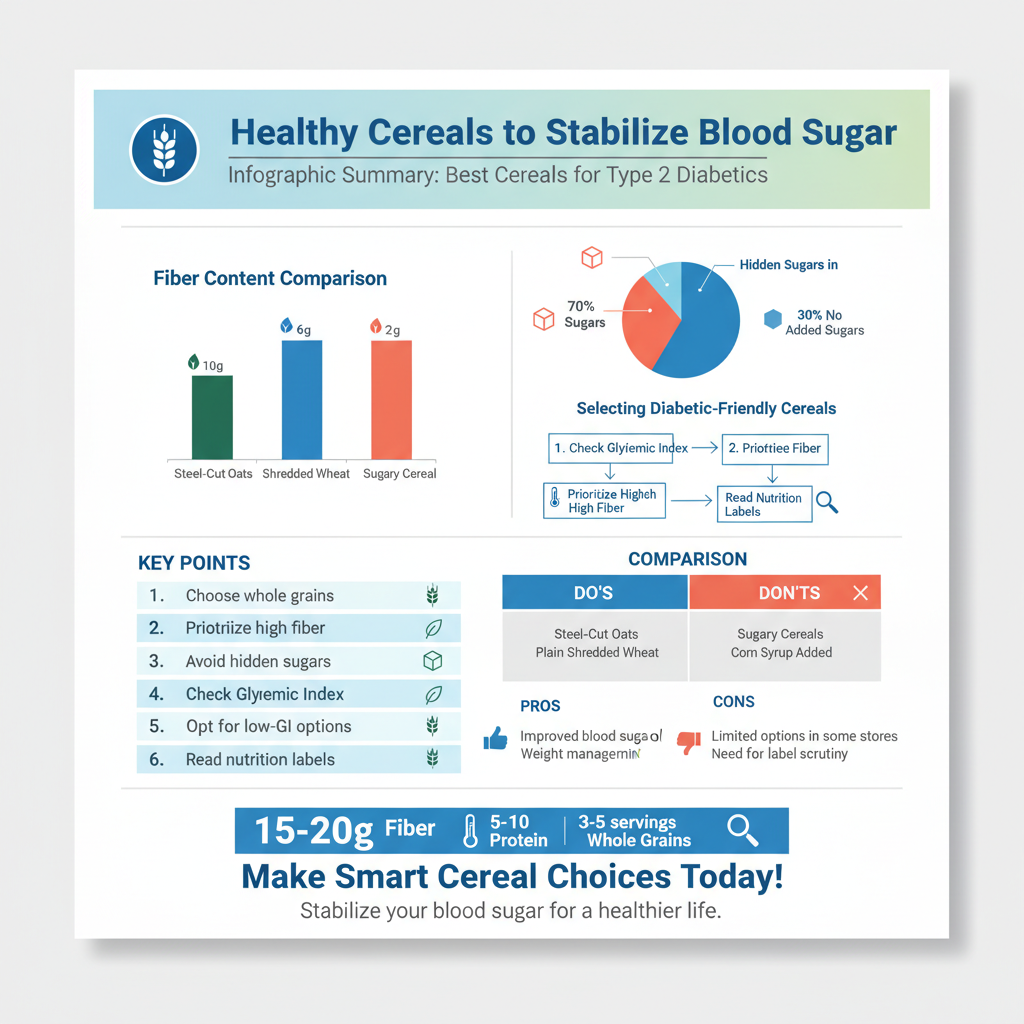

Navigating the cereal aisle can be overwhelming, but armed with a few key nutritional criteria, you can confidently select options that support your health goals.
* High Fiber Content: When scouting for a diabetic-friendly cereal, fiber should be at the top of your list. Aim for at least 5 grams of fiber per serving, and ideally more. This robust fiber content is your ally in slowing down carbohydrate digestion, preventing sharp blood sugar spikes, and promoting a feeling of fullness that lasts longer. Look for options where fiber makes up a significant portion of the total carbohydrates.
* Low Added Sugars: This is perhaps one of the most critical criteria. Many “breakfast” cereals are more akin to dessert than a healthy start to the day. Always choose cereals with less than 5 grams of *added* sugar per serving. Even better, opt for cereals with 0-2 grams of total sugar, allowing you to add natural sweetness through berries or spices yourself. Be wary of cereals that list sugar as one of the first few ingredients.
* Whole Grains First: The “whole grain first” rule is a golden standard. Ensure that the very first ingredient listed on the nutrition label is a whole grain, such as whole wheat, rolled oats, steel-cut oats, whole barley, or brown rice. This indicates that the cereal is made from the entire grain kernel, retaining all its beneficial fiber, vitamins, and minerals. Avoid cereals that list refined grains like “enriched flour,” “corn flour,” or “rice flour” as their primary ingredient, as these have been stripped of much of their nutritional value and can cause quicker blood sugar spikes.
* Protein Content: While not always a primary focus for cereals, a modest amount of protein can significantly enhance satiety and further stabilize blood glucose. Protein slows down digestion and helps to prevent the rapid rise in blood sugar that can occur after carbohydrate consumption. Look for cereals that offer a few grams of protein per serving (3-5g is a good start), and consider boosting your meal with additional protein sources like nuts, seeds, or Greek yogurt.
Top Cereal Choices for Type 2 Diabetics
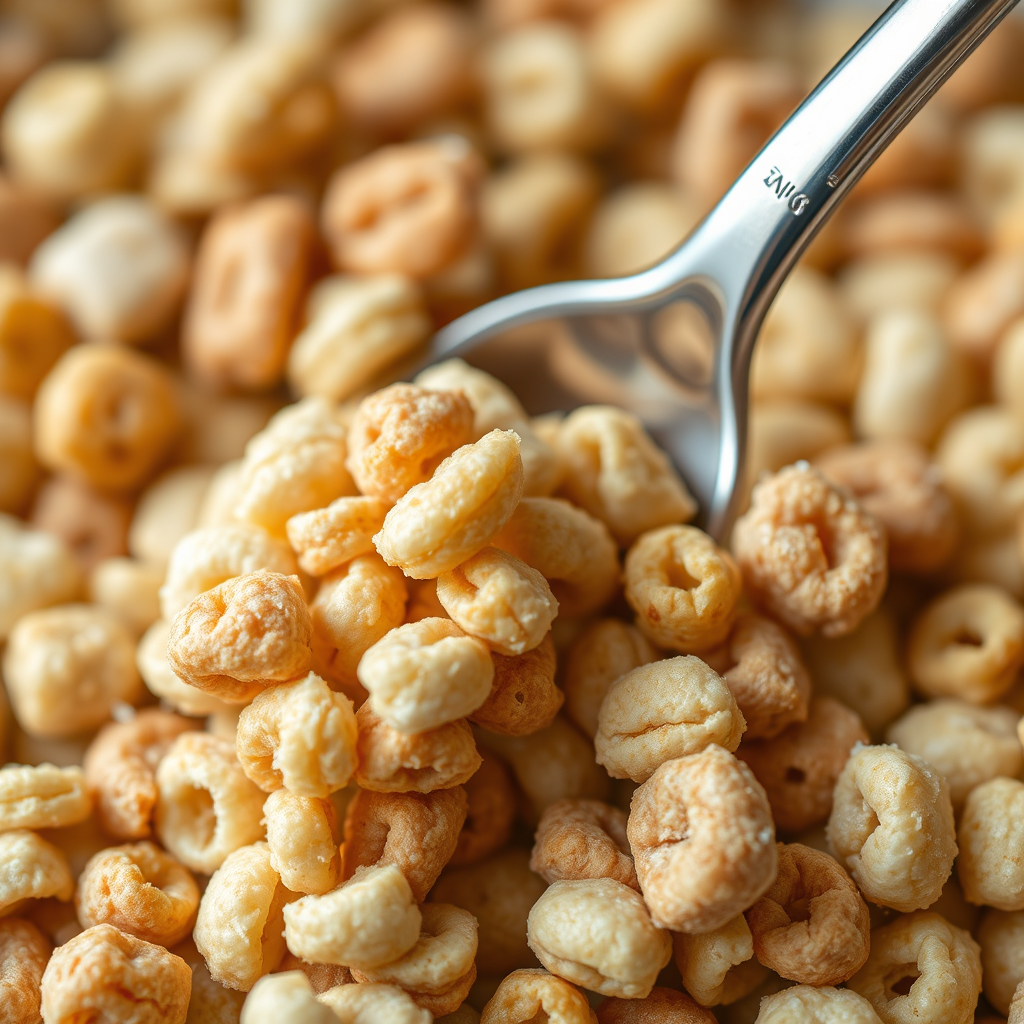
With the right knowledge, you’ll find there are indeed delicious and nutritious cereal options that fit into a diabetes-friendly eating plan.
* Steel-Cut and Rolled Oats: These are champions in the world of diabetic-friendly breakfasts. Steel-cut oats, also known as Irish oats, are the least processed, having been cut into small pieces rather than rolled flat. This minimal processing gives them a chewier texture, a lower glycemic index, and a higher fiber content compared to instant or quick oats. Old-fashioned rolled oats are also an excellent choice, offering good fiber and a moderate GI. The key is to choose plain, unsweetened varieties and avoid instant oats, which are often highly processed, lower in fiber, and contain added sugars and artificial flavors. Prepare them with water or unsweetened milk and flavor them with cinnamon or a few berries for a truly healthful meal.
* Plain Shredded Wheat: Simple, effective, and often overlooked, plain shredded wheat is a fantastic option. Look for the variety that contains only one ingredient: whole wheat. These large, biscuit-shaped cereals are made entirely from whole grains, are naturally high in fiber, and contain absolutely no added sugar, artificial colors, or preservatives. Its minimal processing means you get the full benefits of the whole grain, providing sustained energy and supporting stable blood sugar levels without any hidden surprises.
* Bran Cereals: Bran cereals, such as oat bran or wheat bran cereals, can be another excellent choice for individuals with type 2 diabetes due to their incredibly high fiber content. The “bran” is the outer layer of the grain, packed with dietary fiber. When selecting a bran cereal, the crucial step is to carefully check the nutrition label. Many popular bran cereals can be surprisingly high in added sugars, negating their fiber benefits. Seek out plain varieties with the lowest amount of added sugar possible (ideally less than 5 grams per serving) and a high fiber count (8-10+ grams per serving is fantastic).
Cereals to Approach with Caution or Avoid
Just as there are great options, there are also many cereals that can sabotage blood sugar control. It’s important to be aware of these to make the best choices for your health.
* Sugary and Frosted Cereals: This category includes most cereals marketed heavily to children, but also many that appear to be for adults. Think brightly colored, heavily frosted, or sugar-coated options like Frosted Flakes, Froot Loops, Lucky Charms, or many granola cereals with added sweeteners. Their high sugar content leads to rapid and significant spikes in blood glucose, offering little nutritional value and contributing to weight gain and overall poor glycemic control. These should be strictly avoided in a diabetic-friendly diet.
* Refined Grain Cereals: Cereals made primarily from refined grains, such as corn flakes, rice krispies, puffed rice, or crispy rice cereals, typically lack the beneficial fiber found in whole grains. Without fiber to slow down digestion, the carbohydrates in these cereals are quickly broken down into glucose and absorbed into the bloodstream. This can lead to rapid and sharp blood sugar spikes, similar to consuming pure sugar, making them unsuitable for managing type 2 diabetes effectively.
* “Healthy” Marketing Traps: Don’t be fooled by clever marketing. Cereal boxes often use buzzwords like “natural,” “multi-grain,” “fortified with vitamins,” or even “whole grain” to imply health benefits, even when the product is far from ideal. For example, a cereal might boast “whole grain,” but if refined flours and sugar are listed higher on the ingredient list, it’s not a truly healthy choice. Always turn the box over and meticulously read the Nutrition Facts panel and ingredient list, rather than relying solely on front-of-package claims. Look for actual fiber content and added sugar grams to reveal the real nutritional story.
Enhancing Your Diabetic-Friendly Cereal Bowl
A bowl of plain, unsweetened cereal might sound boring, but with a few smart additions, you can transform it into a delicious, nutritious, and blood-sugar-friendly meal.
* Add Fresh Berries: Berries are a fantastic choice for natural sweetness and an extra boost of fiber and antioxidants without the blood sugar spike. Blueberries, raspberries, and strawberries are particularly good options as they are relatively low in carbohydrates and high in fiber. A handful of fresh or frozen (unsweetened) berries can add vibrant flavor and essential nutrients to your morning bowl.
* Boost with Nuts and Seeds: Incorporating a small handful of nuts or seeds is a brilliant way to add healthy fats, protein, and additional fiber to your cereal. Chia seeds, flax seeds, almonds, walnuts, or pecans are all excellent choices. These additions can help slow down glucose absorption, increase satiety, and provide valuable micronutrients. Just remember to mind your portion sizes, as nuts and seeds are calorie-dense.
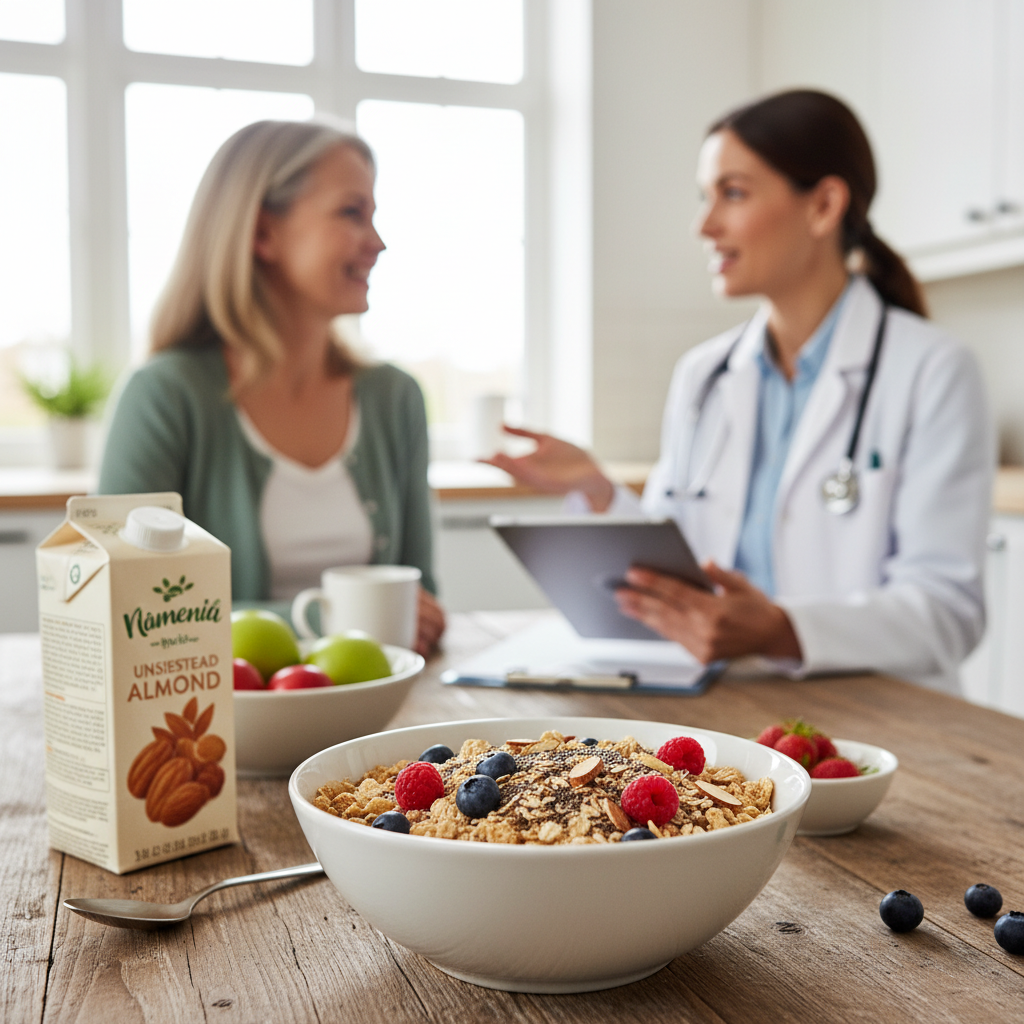
* Use Unsweetened Liquids: The liquid you pour over your cereal matters just as much as the cereal itself. Opt for unsweetened almond milk, unsweetened soy milk, or even plain Greek yogurt as alternatives to regular cow’s milk, which contains natural sugars (lactose), or flavored plant-based milks, which often have significant added sugars. These unsweetened options provide fluid without adding unnecessary carbohydrates or sweeteners, keeping your blood sugar in check.
* Flavor with Spices: Instead of reaching for sugar, enhance the flavor of your cereal with spices. Cinnamon is a particularly good choice, as some research suggests it may have beneficial effects on blood sugar regulation. A dash of vanilla extract, a pinch of nutmeg, or a sprinkle of cardamom can also add warmth and complexity to your plain cereal, making it more enjoyable without impacting your glucose levels.
Portion Control and Meal Planning
Even the healthiest cereal can negatively impact blood sugar if consumed in excessive amounts. Portion control and strategic meal planning are vital components of diabetes management.
* Mindful Serving Sizes: Always refer to the recommended serving size on the cereal box’s nutrition label. It’s incredibly easy to pour a much larger serving than intended, inadvertently consuming more carbohydrates and calories than planned. Using a measuring cup to portion out your cereal can help you stay within your carbohydrate targets and prevent unexpected blood sugar spikes. Remember, the serving size on the box is often smaller than what you might typically consider a “bowlful.”
* Pair with Protein: To further enhance satiety and ensure stable blood glucose levels, consider complementing your cereal with a source of protein. While nuts and seeds added to your cereal can help, a separate protein source can be even more effective. This could be a side of plain Greek yogurt (unsweetened), a couple of hard-boiled eggs, or a small portion of cottage cheese. Protein helps slow digestion, keeps you feeling fuller for longer, and prevents the rapid blood sugar fluctuations that can sometimes occur with carbohydrate-heavy meals.
* Monitor Blood Glucose: Everyone’s body responds differently to food. What works well for one person with type 2 diabetes might have a slightly different effect on another. Regular blood glucose monitoring is an invaluable tool to understand how specific cereals, additions, and portion sizes impact *your* individual blood sugar levels. Keep a food diary alongside your blood glucose readings to identify patterns and fine-tune your cereal choices for optimal personal management.
Choosing the right cereal is a simple yet powerful step in managing type 2 diabetes. By focusing on whole, unprocessed grains high in fiber and low in added sugars, you can enjoy a nutritious and satisfying breakfast without compromising your health goals. Always remember to check nutrition labels carefully and consider consulting a dietitian for personalized recommendations to best suit your dietary needs and preferences. With mindful choices, your morning cereal can be a delicious and beneficial part of your diabetes management plan.
Frequently Asked Questions
Which types of cereal are generally considered the best options for managing type 2 diabetes?
The best cereal for diabetics type 2 typically includes options that are high in fiber, low in added sugars, and made from whole grains. Look for cereals like plain rolled oats, steel-cut oats, and original shredded wheat, as these provide sustained energy without causing rapid blood sugar spikes. These choices contribute to better blood sugar control and help you feel fuller for longer.
How can I effectively read nutrition labels to choose a diabetic-friendly cereal?
When reading nutrition labels for a diabetic-friendly cereal, prioritize products with at least 5 grams of fiber per serving and less than 5 grams of added sugar. Also, ensure that “whole grain” is listed as the first ingredient to guarantee a higher nutritional value and slower glucose absorption. Pay attention to the total carbohydrate count and factor it into your daily meal plan to manage your blood sugar effectively.
Why is fiber content so crucial when selecting cereal for type 2 diabetes management?
Fiber content is crucial because it significantly aids in managing type 2 diabetes by slowing down the absorption of sugar into the bloodstream, thus preventing sharp blood sugar spikes. High-fiber cereals also promote a feeling of fullness, which can help with weight management, and contribute to overall digestive health. This makes high-fiber options essential for any diabetic-friendly diet plan.
What specific cereal brands or categories are often recommended for individuals with type 2 diabetes?
Commonly recommended cereal brands or categories for individuals with type 2 diabetes include plain, unsweetened options like regular or quick-cooking oatmeal (ensure it’s not instant flavored versions with added sugar), original Shredded Wheat, and some plain bran cereals. It’s always best to choose the least processed versions and add your own diabetic-friendly toppings like berries or nuts. Always double-check the nutrition label, even for these general categories, as formulations can vary.
What ingredients should type 2 diabetics specifically avoid when choosing a breakfast cereal?
Type 2 diabetics should specifically avoid cereals with high amounts of added sugars, which often appear as ingredients like high-fructose corn syrup, sucrose, dextrose, or malt syrup listed early in the ingredient list. It’s also wise to steer clear of highly refined grains, often found in many popular sugary cereals, as these can lead to rapid blood sugar increases. Opting for whole, unprocessed ingredients helps maintain stable glucose levels.
References
- https://diabetes.org/food-and-nutrition/eating-well-with-diabetes/what-to-eat/grain-foods
- Diabetes diet: Create your healthy-eating plan – Mayo Clinic
- https://health.clevelandclinic.org/what-to-eat-for-breakfast-when-you-have-diabetes
- Healthy Living with Diabetes – NIDDK
- https://www.cdc.gov/diabetes/managing/eat-well.html
- https://www.hsph.harvard.edu/nutritionsource/carbohydrates/fiber/
- https://www.ucsfhealth.org/education/eating-well-with-diabetes