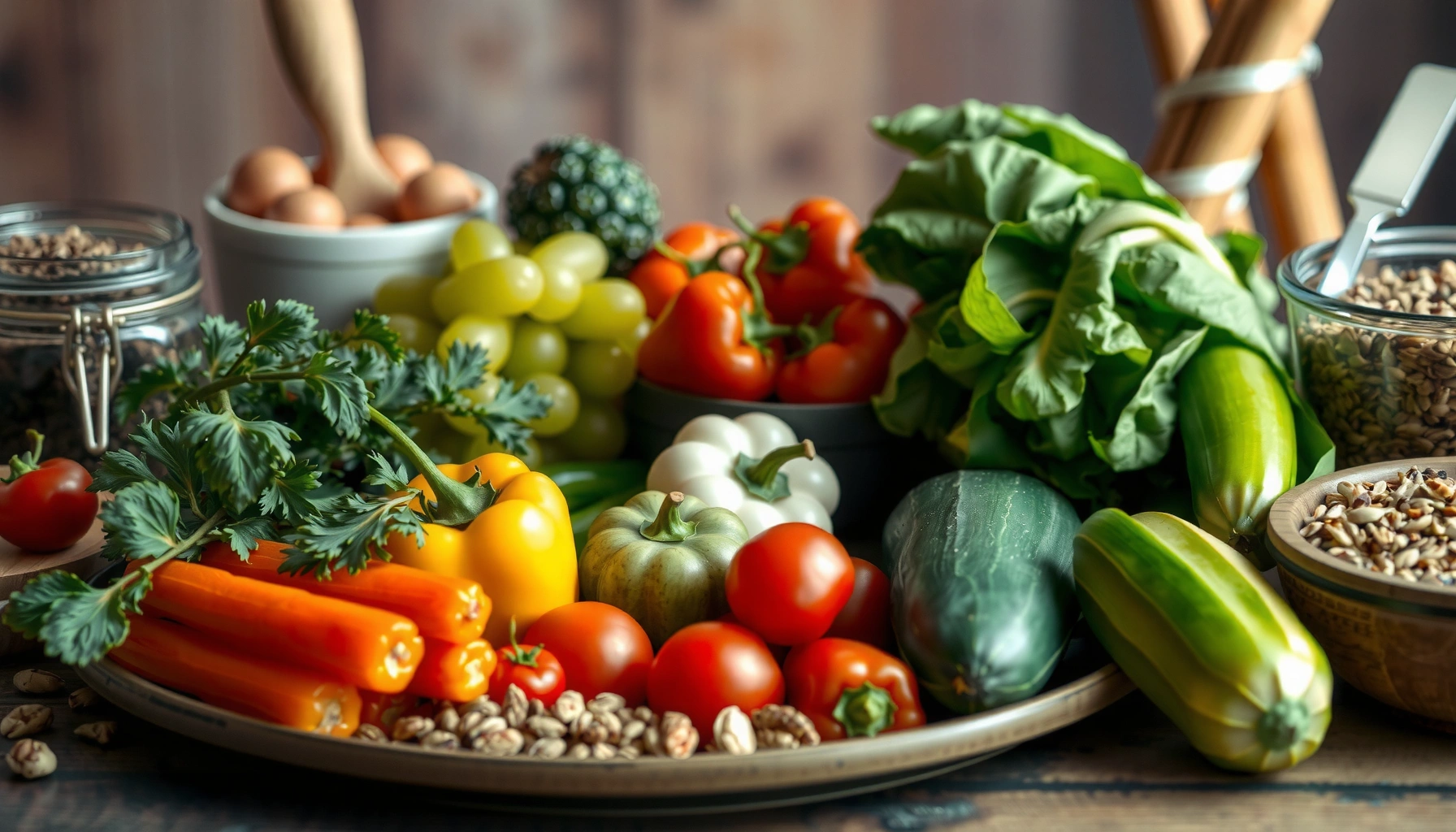

Navigating what to eat as a diabetic can feel overwhelming, but the best food choices aren’t about strict deprivation; rather, they center on a balanced diet rich in whole, unprocessed foods that help manage blood sugar, promote heart health, and maintain a healthy weight. The core insight is to prioritize non-starchy vegetables, lean proteins, healthy fats, and complex carbohydrates, while carefully moderating portions and avoiding refined sugars and processed items. This article will guide you through the optimal food selections to support your diabetic management effectively, helping you make delicious and health-conscious decisions with confidence.




Prioritizing Non-Starchy Vegetables
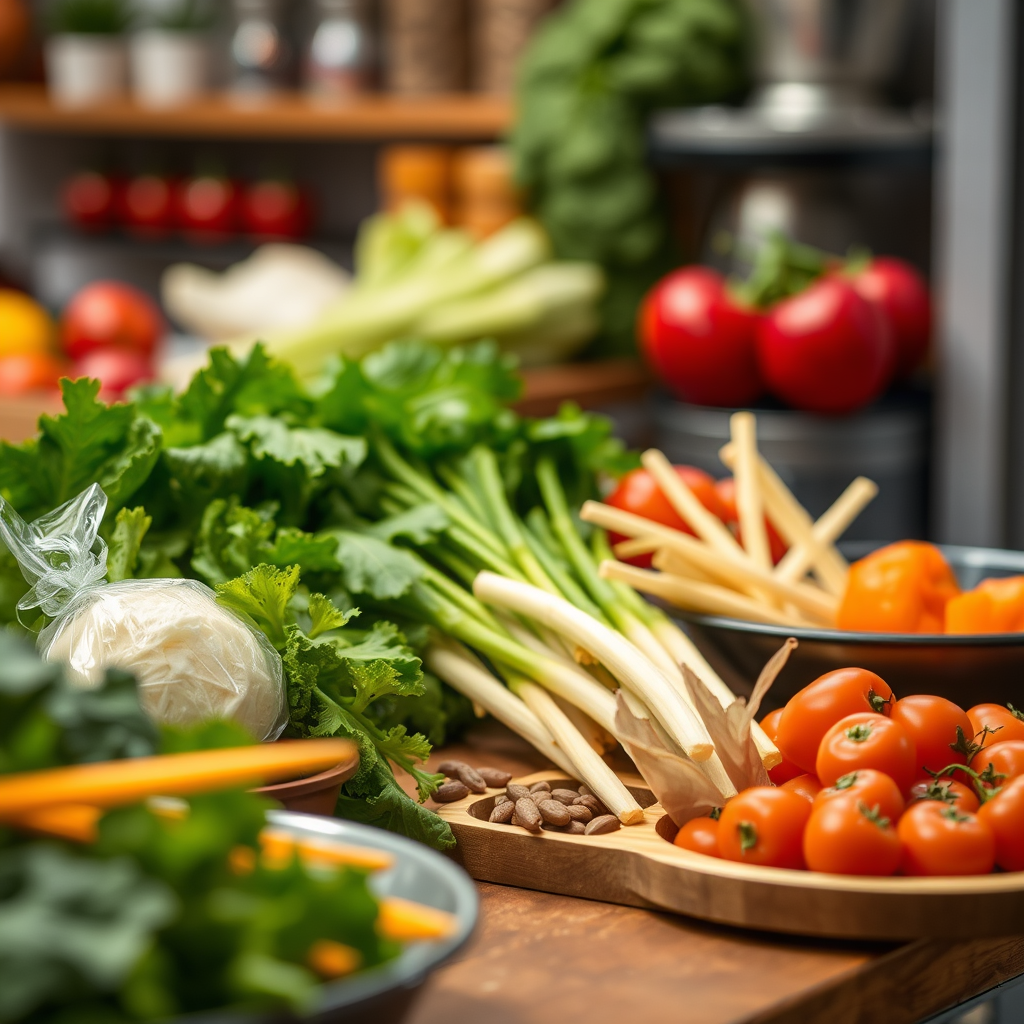
When it comes to managing diabetes, non-starchy vegetables are truly the superstars of your plate! These vibrant powerhouses are incredibly rich in fiber, essential vitamins, and vital minerals, all while having a minimal impact on your blood sugar levels. Their high water content and low caloric density mean you can enjoy generous portions, helping you feel full and satisfied without the worry of glucose spikes. The fiber content is particularly beneficial as it slows down the absorption of sugars into your bloodstream, contributing to more stable energy levels throughout the day.
Think of an exciting array of colors and textures for your meals. Excellent examples include leafy greens like spinach, kale, and romaine lettuce, which are packed with nutrients and antioxidants. Cruciferous vegetables such as broccoli, cauliflower, and Brussels sprouts offer a fantastic crunch and a wealth of health benefits. Don’t forget bell peppers (in all their glorious colors!), crisp zucchini, tender green beans, and delicate asparagus – each bringing its unique flavor profile to your culinary adventures.
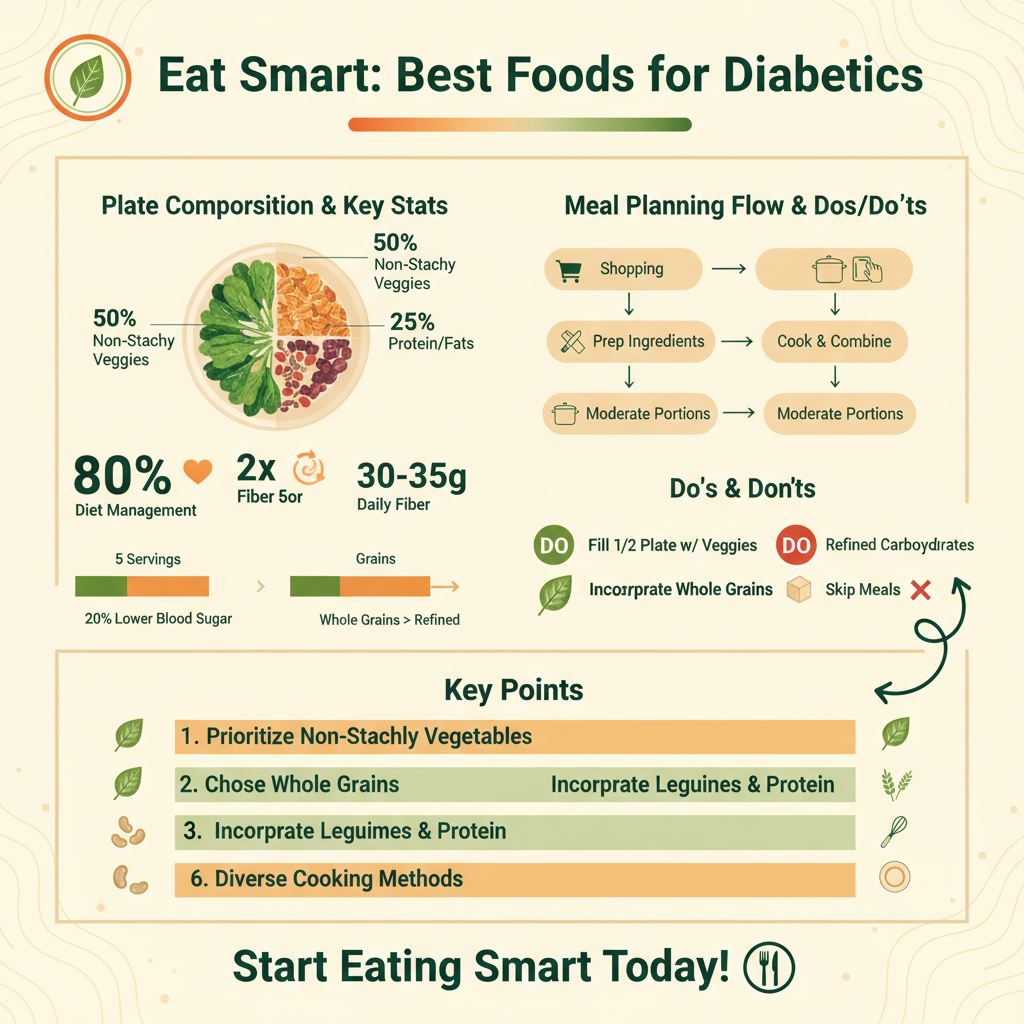
Your actionable goal should be to make these nutrient-dense options the foundation of every meal. Aim to fill at least half of your plate with non-starchy vegetables at breakfast, lunch, and dinner. This strategy not only ensures you get a generous dose of fiber and essential nutrients but also naturally limits the space available for higher-carbohydrate foods, making blood sugar management simpler and more intuitive. Get creative with them: roast them with a sprinkle of herbs, steam them lightly, add them raw to salads, blend them into smoothies, or sauté them into a delicious stir-fry. Embracing a diverse range of non-starchy vegetables is a flavorful way to nourish your body and support your diabetic journey.
Smart Carbohydrate Choices: Whole Grains and Legumes
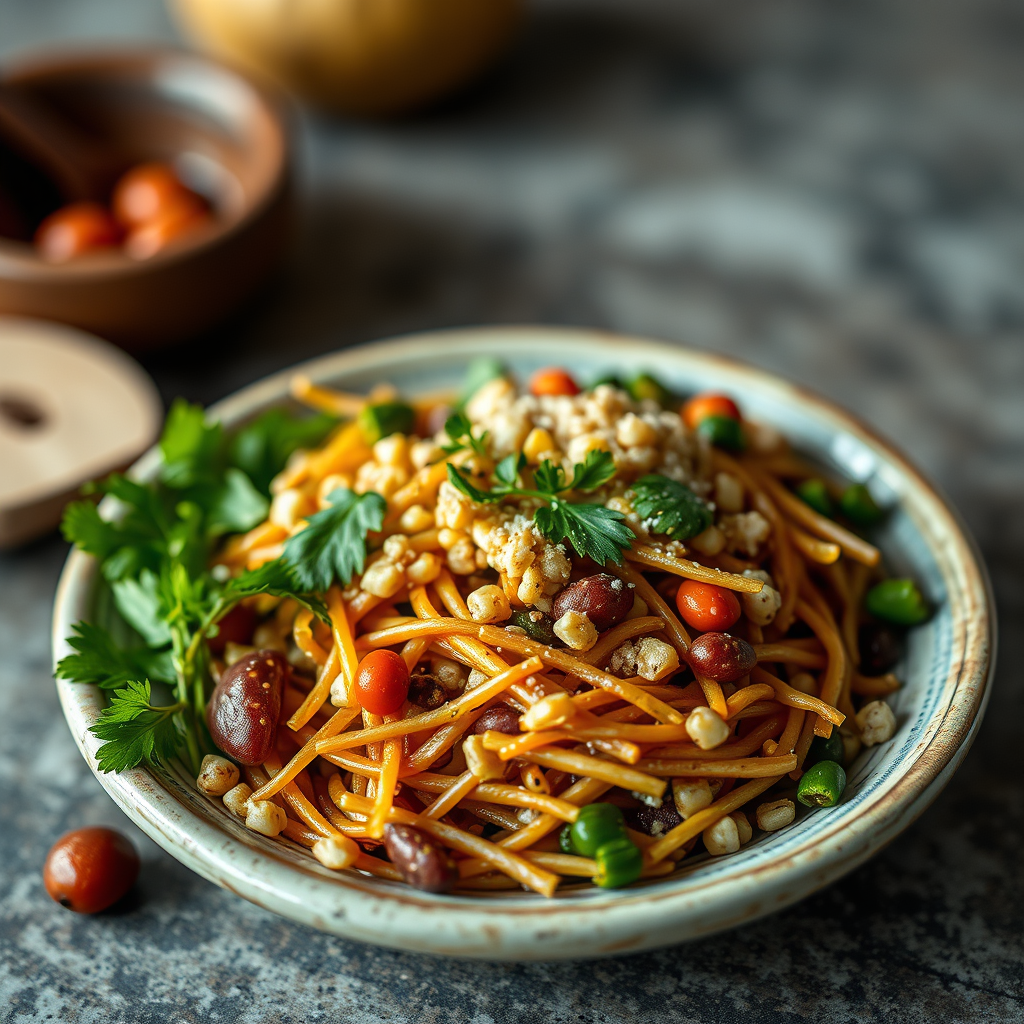
While many people with diabetes are told to avoid carbohydrates, the truth is that smart carbohydrate choices are a vital part of a balanced diet. The key is to focus on complex carbohydrates that are naturally high in fiber and digest slowly. Unlike refined carbohydrates that cause rapid spikes in blood sugar, these smart choices release glucose gradually into your bloodstream, providing sustained energy without the dramatic peaks and crashes. The fiber in these foods also plays a crucial role in promoting digestive health and can even help lower cholesterol.
When choosing your carbohydrates, always lean towards whole grains and legumes. Key choices include hearty oats, which are excellent for soluble fiber, and versatile quinoa, a complete protein that’s perfect as a side or in salads. Brown rice offers more fiber and nutrients than its white counterpart, and truly whole-wheat bread and pasta (look for “100% whole wheat” on the label!) are far superior to their refined versions. Legumes like lentils, black beans, kidney beans, and chickpeas are nutritional powerhouses, delivering both complex carbohydrates and a significant amount of plant-based protein and fiber, making them incredibly satiating and beneficial for blood sugar control. Consider also other ancient grains like farro, bulgur, and barley for added variety and nutrient boosts.
The golden rule with even the smartest carbohydrates is strict portion control. Even healthy carbs can raise blood sugar if consumed in excess. A serving might typically be around ½ cup cooked grain or legumes, or one slice of whole-wheat bread. Using measuring cups until you’re familiar with appropriate portion sizes can be incredibly helpful. Always try to pair your carbohydrates with a source of lean protein and healthy fats, as this further slows digestion and helps stabilize blood sugar levels. Incorporating these foods into your diet wisely ensures you get the energy you need without compromising your blood sugar management.
Lean Proteins for Satiety and Blood Sugar Control

Incorporating lean proteins into your diet is a cornerstone of effective diabetes management. Proteins are fantastic because they help you feel full and satisfied for longer periods, which can be a huge help in managing weight and reducing overall calorie intake. Furthermore, protein has a minimal direct impact on blood glucose levels and, when consumed alongside carbohydrates, can actually help slow the absorption of sugars, leading to a more stable and gradual rise in blood sugar. They are also crucial for maintaining and building muscle mass, which is vital for a healthy metabolism.
You have a wide array of excellent protein sources to choose from. Skinless poultry, such as chicken breast and turkey, is a go-to for many due to its leanness and versatility. Fish, especially fatty fish like salmon, tuna, mackerel, and sardines, is not only an amazing protein source but also rich in Omega-3 fatty acids, which are fantastic for heart health – a critical concern for people with diabetes. Eggs are an incredibly affordable, versatile, and complete protein source. For plant-based options, tofu and tempeh are excellent choices, offering a firm texture and absorbing flavors beautifully. If you enjoy red meat, opt for lean cuts of beef or pork, making sure to trim any visible fat and choose healthier cooking methods like grilling or baking.
To truly harness the power of protein, aim to incorporate a lean protein source into every meal and even into your snacks. This consistent intake helps stabilize blood sugar levels throughout the day, keeps hunger at bay, and supports your overall metabolism. Think scrambled eggs or Greek yogurt for breakfast, grilled chicken in your salad for lunch, and a baked salmon fillet for dinner. By making protein a regular feature in your meals, you’re building a strong foundation for both blood sugar control and general well-being.
Healthy Fats for Heart Health
Often misunderstood, healthy fats are absolutely essential for our bodies, especially for those managing diabetes who face an increased risk of heart disease. While fats are higher in calories, the right types are crucial for nutrient absorption (particularly fat-soluble vitamins like A, D, E, and K), hormone production, and promoting satiety, which can prevent overeating. They also contribute significantly to the flavor and enjoyment of your meals! We’re talking about monounsaturated (MUFAs) and polyunsaturated (PUFAs) fats, which actively protect your heart.
When it comes to beneficial fat sources, you have some delicious options. Avocados are creamy, satisfying, and packed with heart-healthy monounsaturated fats and fiber. A small handful of nuts like almonds, walnuts, pecans, and pistachios (unsalted, please!) provides a great mix of healthy fats, protein, and fiber – walnuts are particularly noteworthy for their Omega-3 content. Seeds such as chia, flax, pumpkin, and sunflower seeds are tiny but mighty, offering healthy fats, fiber, and various micronutrients, perfect for sprinkling over salads or yogurt. Olive oil, especially extra virgin, is a Mediterranean diet staple and an excellent choice for cooking at lower temperatures, making salad dressings, or drizzling over finished dishes. And, of course, the fats found in fatty fish, as mentioned before, are a prime source of those crucial Omega-3s.
The key with healthy fats is moderation due to their caloric density. A serving might be a quarter of an avocado, a tablespoon of olive oil, or a small handful of nuts. Focus on incorporating these unsaturated fats into your diet regularly, perhaps by swapping out less healthy cooking oils for olive oil, adding seeds to your morning oatmeal, or enjoying a small portion of nuts as a mid-afternoon snack. These smart fat choices contribute significantly to your satiety, nutrient intake, and overall cardiovascular health, which is incredibly important for long-term diabetes management.
Fruit and Dairy: Mindful Consumption
Fruits and dairy products can certainly be part of a diabetic-friendly diet, but they require a bit more mindful consumption due to their natural sugar content. Fruits are nutritional powerhouses, offering vital vitamins, minerals, antioxidants, and fiber, which is fantastic for digestion and blood sugar moderation. However, their natural sugars (fructose) can impact blood sugar levels, especially when consumed in large quantities or in juice form. Dairy products provide essential calcium and protein, but many commercial options come loaded with added sugars.
When selecting fruits, prioritize whole fruits over juices, as the fiber in whole fruits helps slow down sugar absorption. Opt for fruits with a lower glycemic index, meaning they cause a slower rise in blood sugar. Berries like strawberries, blueberries, raspberries, and blackberries are excellent choices, brimming with antioxidants and fiber. Apples and pears, particularly with their skins on, are also great options. Oranges and grapefruit offer a good source of Vitamin C. It’s generally best to limit dried fruits, as their sugars are highly concentrated, and completely avoid fruit juices, which strip away beneficial fiber and can cause rapid blood sugar spikes.
For dairy, the watchword is “plain” and “unsweetened.” Choose plain, unsweetened Greek yogurt (a fantastic protein source that also contains beneficial probiotics), low-fat milk, or cottage cheese. Always make it a habit to check nutrition labels carefully for hidden sugars, especially in flavored yogurts, kefirs, and milks, as these can significantly impact your blood sugar. If you’re lactose intolerant or prefer plant-based options, unsweetened almond milk, soy milk, or oat milk can be good alternatives. The trick is to enjoy fruits in controlled portions and to select dairy products that are free from added sugars, ensuring you reap their benefits without unintended blood sugar surges.
Foods to Limit or Avoid
While focusing on what to eat is empowering, understanding which foods to limit or avoid is equally crucial for effective diabetes management and overall health. These categories of foods can wreak havoc on blood sugar levels and contribute to other health complications, particularly heart disease, which is a significant concern for individuals with diabetes.
First and foremost, you’ll want to minimize refined sugars. These are the primary culprits behind rapid blood sugar spikes, offering little to no nutritional value. This category includes obvious items like sugary drinks (soda, sweetened teas, energy drinks), candies, pastries, cakes, and most desserts. However, be vigilant about hidden sugars that often lurk in unexpected places such as flavored yogurts, breakfast cereals, sauces, salad dressings, and processed snacks. Learning to read food labels for added sugars like high-fructose corn syrup, sucrose, dextrose, and maltose is a vital skill.
Next, significantly reduce your intake of highly processed foods. These items, often found in packages with long ingredient lists, are typically stripped of their natural fiber and nutrients, while being loaded with unhealthy fats, sodium, and refined carbohydrates. Examples include white bread, white rice (which behaves similarly to sugar in the body), most sugary breakfast cereals, packaged cookies, crackers, and many fast-food items. These foods provide little satiety and contribute to systemic inflammation and poor blood sugar control.
Finally, limit unhealthy saturated and trans fats. Trans fats, often found in fried foods, many processed snacks, commercial baked goods, and some fast-food items (look for “partially hydrogenated oil” on labels), are particularly damaging to heart health and can worsen insulin resistance. Saturated fats, present in fatty cuts of meat, full-fat dairy, and some tropical oils like coconut and palm oil, should also be consumed sparingly to protect your cardiovascular system. Opting for fresh, whole foods and cooking from scratch more often are excellent strategies to steer clear of these detrimental food categories.
Building a Diabetic-Friendly Meal Plan
Bringing all these great food choices together into a practical and delicious diabetic-friendly meal plan is simpler than you might think! It’s all about thoughtful combinations and consistency, helping you take control of your blood sugar and energy levels throughout the day.
A fantastic starting point for building balanced meals is the “plate method.” Picture your dinner plate: fill half of it with vibrant, non-starchy vegetables (like a big salad or steamed broccoli). Dedicate a quarter of the plate to a lean protein source (such as grilled chicken, fish, or tofu). The remaining quarter should be for a smart, portion-controlled carbohydrate (like a small serving of brown rice, quinoa, or lentils). This visual guide ensures you’re getting a good mix of nutrients, fiber, and protein to keep your blood sugar stable and help you feel satisfied. For example, a perfect meal might be baked salmon with a large serving of roasted asparagus and a small portion of quinoa.
Beyond individual meals, focus on consistent meal timing. Eating regular, evenly spaced meals and snacks throughout the day helps prevent drastic blood sugar fluctuations and can curb extreme hunger, which often leads to overeating. Aim for three main meals and perhaps one or two small, balanced snacks, depending on your individual needs and activity level. Don’t skip breakfast – it jump-starts your metabolism and can prevent mid-morning crashes.
Lastly, never underestimate the power of proper hydration. Staying well-hydrated by drinking plenty of water throughout the day is vital for metabolic function, kidney health, and overall well-being. Unsweetened tea (hot or iced) and black coffee are also excellent, low-calorie choices. Avoid sugary drinks entirely, as they are a direct route to blood sugar spikes. By combining foods from recommended groups, maintaining consistent eating patterns, and prioritizing hydration, you’re not just eating for diabetes management; you’re building a sustainable lifestyle for vibrant health.
In summary, the best food for diabetics isn’t about rigid restrictions, but rather making informed, balanced choices that prioritize whole, nutrient-dense foods. By embracing non-starchy vegetables, smart carbohydrates, lean proteins, and healthy fats, while mindfully limiting sugars and processed items, you can effectively manage your blood sugar, maintain a healthy weight, and enhance your overall well-being. Remember, small, consistent changes add up to significant health benefits and a greater sense of control over your health. For a personalized approach, always consult with a registered dietitian or healthcare professional to tailor a meal plan that perfectly suits your individual health needs and goals.
Frequently Asked Questions
What types of foods are generally recommended for a diabetic diet?
A healthy diabetic diet emphasizes whole, unprocessed foods that help stabilize blood sugar levels. Key recommendations include non-starchy vegetables (like leafy greens, broccoli, peppers), lean proteins (fish, chicken, beans, tofu), healthy fats (avocado, nuts, olive oil), and whole grains in moderation (oats, quinoa, brown rice). These foods are nutrient-dense and typically have a lower glycemic index, contributing to better overall glucose control and managing diabetes effectively.
Which foods should people with diabetes limit or avoid to manage blood sugar?
To effectively manage blood sugar levels, individuals with diabetes should limit or avoid highly processed foods, sugary drinks, refined carbohydrates (like white bread, pasta, pastries), and foods high in unhealthy saturated and trans fats. These items can cause rapid spikes in blood glucose, contribute to insulin resistance, and increase the risk of other health complications. Careful label reading is essential to identify hidden sugars and unhealthy fats that negatively impact diabetic health.
How can incorporating fiber-rich foods benefit diabetes management?
Incorporating fiber-rich foods is highly beneficial for diabetes management because fiber slows down the absorption of sugar into the bloodstream, preventing sharp blood glucose spikes. It also promotes satiety, which can aid in weight management, and supports gut health, both crucial for individuals with diabetes. Excellent sources include vegetables, fruits with skins, legumes, and whole grains, all contributing to more stable energy levels throughout the day and improved blood sugar control.
Are fruits suitable for people with diabetes, and if so, which ones?
Yes, fruits can absolutely be part of a healthy diabetic diet when consumed in appropriate portions. They provide essential vitamins, minerals, and beneficial fiber, which helps moderate their impact on blood sugar. Fruits with a lower glycemic index and higher fiber content are often preferred, such as berries, apples, pears, peaches, and oranges. It’s best to eat whole fruit rather than fruit juice, which lacks fiber and can cause quicker blood sugar increases.
What are some healthy and satisfying snack options for individuals with diabetes?
Healthy and satisfying snack options for individuals with diabetes often combine protein and fiber to help manage blood sugar and promote fullness. Great choices include a handful of almonds or walnuts, Greek yogurt with a few berries, vegetable sticks with hummus, a hard-boiled egg, or a small apple with a tablespoon of natural peanut butter. These balanced snacks help prevent overeating at main meals and provide sustained energy without significant glucose spikes.
References
- Eating Well & Managing Diabetes | ADA
- https://www.cdc.gov/diabetes/managing/healthy-eating.html
- Healthy Living with Diabetes – NIDDK
- Diabetes diet: Create your healthy-eating plan – Mayo Clinic
- https://www.health.harvard.edu/diseases-and-conditions/a-good-diet-for-diabetes
- Diabetic Diet | MedlinePlus
- https://www.ucsfhealth.org/education/eating-for-diabetes