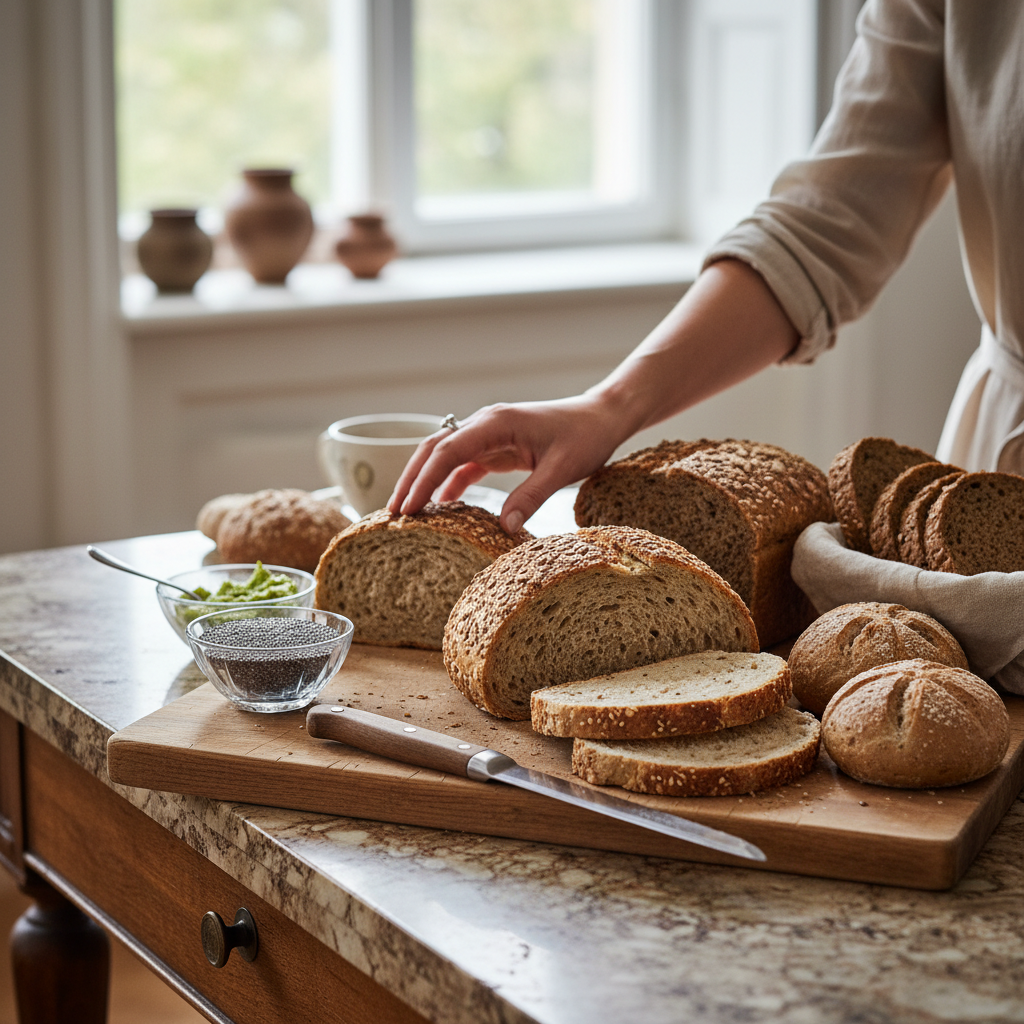

For individuals managing diabetes, the best bread choices are those high in fiber, made from 100% whole grains, and low in added sugars. Specifically, varieties like 100% whole wheat, whole grain, sprouted grain, and some traditional sourdough breads tend to have a lower impact on blood sugar levels compared to refined options. This guide will walk you through understanding why these choices are optimal and what to look for when selecting bread to support your health goals.




Understanding Glycemic Index and Bread

Navigating the world of bread when you’re managing diabetes can feel like a maze, but understanding a few key concepts can make all the difference. Let’s break down how bread affects your blood sugar.
* Glycemic Index (GI) Explained: Imagine your blood sugar level as a roller coaster. The Glycemic Index (GI) is a system that measures how quickly a particular food causes that roller coaster to go up after you eat it. Foods with a *high* GI are like a steep climb followed by a fast drop – they cause a rapid spike in blood glucose. On the other hand, *lower* GI foods are like a gentle hill; they lead to a slower, more gradual rise in blood sugar, which is much better for diabetes management. Our goal is to choose breads that help keep your blood sugar roller coaster smooth and steady!
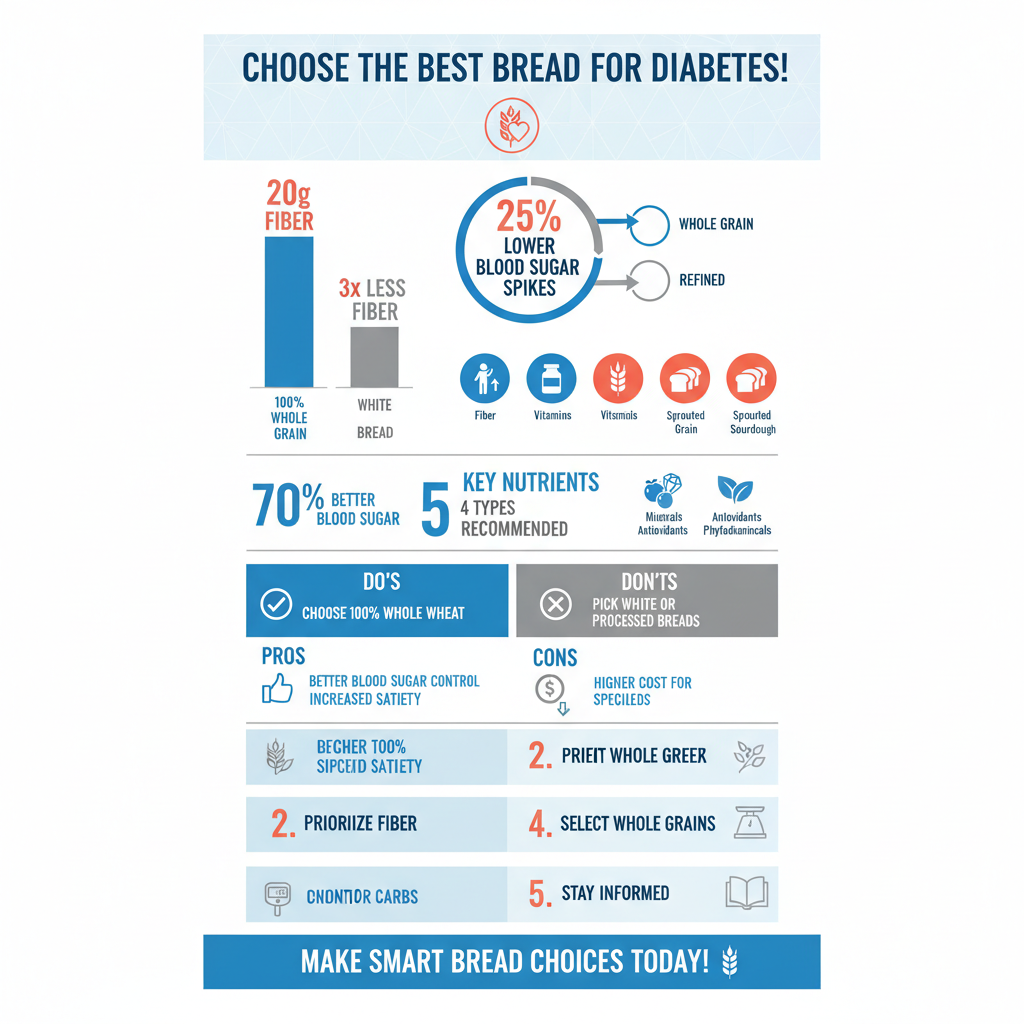
* Fiber’s Role in Blood Sugar Management: Fiber is truly a superhero when it comes to healthy eating, especially for diabetics. Think of fiber as a friendly traffic cop for your digestive system. When you eat fiber-rich foods, it slows down the digestion and absorption of carbohydrates. This means that the sugars from your bread are released into your bloodstream more gradually, preventing those undesirable sudden spikes. Not only does fiber help stabilize blood sugar, but it also keeps you feeling fuller for longer, which can aid in weight management – another important aspect of diabetes care. It’s why high-fiber breads are at the top of our list!
* Complex vs. Refined Carbs: This is a crucial distinction. Whole grains are packed with complex carbohydrates. These carbs are “complex” because they contain all three parts of the grain kernel – the bran, germ, and endosperm – each offering unique nutrients and, crucially, fiber. Your body takes its sweet time to break down these complex structures, leading to that steady, sustained energy release we talked about. Refined grains, like those found in white flour, are a different story. They’ve been stripped of their bran and germ during processing, losing most of their fiber and many vital nutrients. Without that fibrous outer layer, your body processes refined carbs super quickly, almost like consuming pure sugar, which can cause rapid and problematic blood sugar surges. Opting for whole grains over refined ones is a fundamental step in making better bread choices.
The Best Bread Varieties for Diabetics
Now that we understand the science, let’s dive into the delicious world of breads that are generally better choices for managing blood sugar. These varieties offer more fiber, nutrients, and a steadier glucose response.
* 100% Whole Wheat Bread: This is often the go-to recommendation, and for good reason! When you see “100% whole wheat” explicitly stated on the label, it means the bread is made using the entire wheat kernel, including the bran, germ, and endosperm. This ensures you’re getting all the natural fiber, vitamins, and minerals that help slow down glucose absorption. Beware of labels that just say “wheat bread” or “multigrain” without the “100% whole” prefix, as these can still be made predominantly with refined white flour. Always make sure “100% whole wheat flour” is the *very first ingredient* on the list to guarantee you’re getting the good stuff.
* Whole Grain Bread: Similar to 100% whole wheat, truly whole grain breads are fantastic options. The key here is the term “whole grain.” This means the bread is made from flours that include all parts of the grain kernel, which could be wheat, oats, rye, barley, or a blend of several. Each of these whole grains brings its unique fiber content and nutrient profile to the table, contributing to a lower glycemic impact. Again, scan the ingredient list diligently: “whole grain flour” should be at the top, and watch out for added sugars or refined flours hiding further down the list. Whole grain breads often have a heartier texture and richer flavor that many people adore!
* Sprouted Grain Bread: If you haven’t tried sprouted grain bread, you’re in for a treat! These breads are made from whole grains (like wheat, barley, or lentils) that have been allowed to begin germinating or “sprouting” before they are milled into flour and baked. This sprouting process is quite remarkable; it can break down starches, increase the amount of soluble fiber, and enhance the bioavailability of certain vitamins and minerals. The result? A bread that often has a lower glycemic index than even traditional whole grain breads, making it an excellent choice for blood sugar management. Plus, many find sprouted grain breads easier to digest and appreciate their unique, slightly sweeter, and nutty flavor.
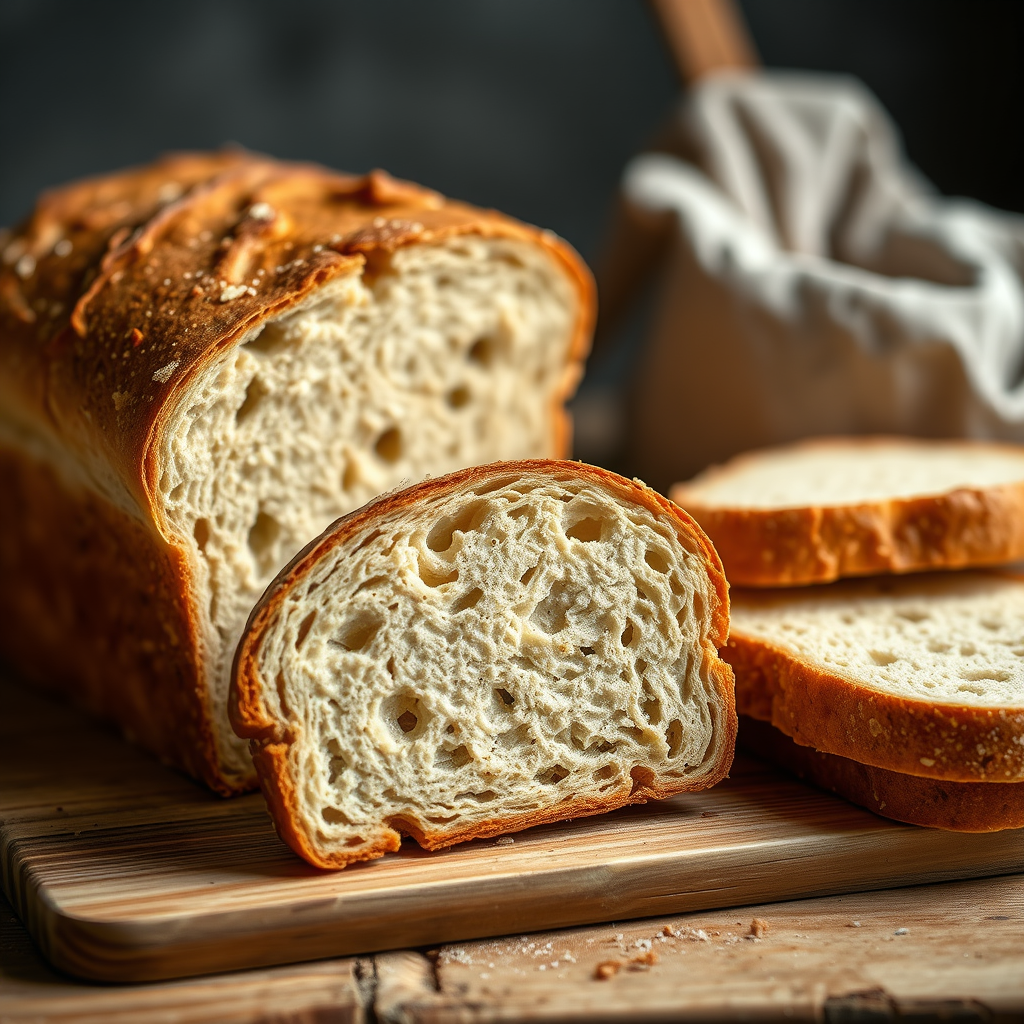
* Traditional Sourdough Bread: Ah, sourdough – a timeless classic! But not all sourdough is created equal when it comes to diabetes management. We’re talking about *traditional* sourdough, made with a long fermentation process using a live sourdough starter (wild yeast and bacteria), rather than commercial baker’s yeast. This lengthy fermentation can work wonders: it helps break down starches and phytic acid in the flour, which can potentially lower the bread’s glycemic index. The acids produced during fermentation may also contribute to a slower release of glucose. Look for true artisan sourdough, often found at local bakeries or specialty stores, and inquire about their fermentation process. Avoid “sourdough flavored” breads that use commercial yeast and flavorings, as these won’t offer the same benefits.
Breads to Limit or Avoid
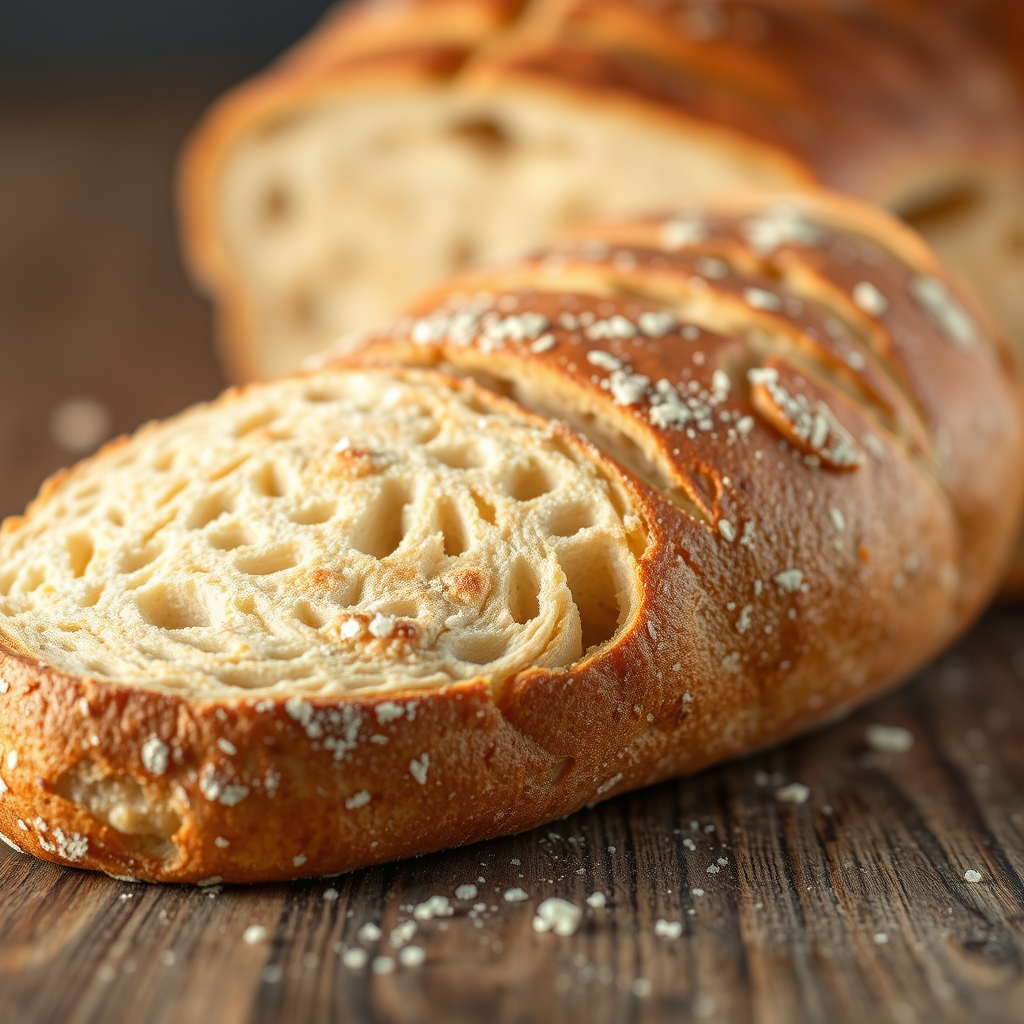
While it’s great to know your best options, it’s equally important to understand which breads can derail your blood sugar management. Avoiding or limiting these choices will make a significant positive impact on your health.
* White Bread and Refined “Wheat” Breads: These are the primary culprits for rapid blood sugar spikes. White bread, and many breads simply labeled “wheat bread” (without the “100% whole” assurance), are made from refined flour. This means the nutrient-rich bran and germ have been stripped away, leaving behind mostly the starchy endosperm. Without fiber, these breads are rapidly converted to glucose in your body, causing your blood sugar to surge like a rocket. They offer very little nutritional value beyond simple carbohydrates and should be kept to an absolute minimum in a diabetic diet.
* Sweetened Breads: This category includes many delicious-sounding but problematic options like raisin bread, cinnamon swirl bread, brioche, challah, and even some “healthy” sounding fruit-and-nut loaves. These breads often contain significant amounts of added sugars, honey, molasses, or dried fruit, which are concentrated sources of natural sugars. All of these contribute directly to a higher carbohydrate load and can severely impact blood glucose levels, leading to unwanted spikes. Always remember to check the ingredient list for hidden sugars – they can be lurking in unexpected places!
* Breads with High Fructose Corn Syrup: High Fructose Corn Syrup (HFCS) is a common sweetener found in many processed foods, including a surprising number of commercial breads. It’s an ingredient you should absolutely avoid. HFCS not only contributes to empty calories and blood sugar destabilization, but it has also been linked to other metabolic issues. Always take a moment to scan the ingredient list on any packaged bread. If you see HFCS or any other form of added sugar (like corn syrup, dextrose, sucrose, maltose, or even concentrated fruit juice) high up on the list, it’s best to put that loaf back on the shelf.
Key Factors on Nutrition Labels
Becoming a pro at reading nutrition labels is one of the most powerful tools you have for managing diabetes through diet. Let’s break down what to look for when choosing bread.
* Fiber Content: This is your number one priority! When you pick up a loaf, flip it over and head straight to the “Dietary Fiber” line. Aim for at least 3 grams of fiber per serving (which is typically one slice). The higher the fiber content, the better. Breads with 4 or 5 grams per slice are truly excellent. Remember, fiber acts as that crucial speed bump for glucose absorption, helping to keep your blood sugar steady and preventing those unwelcome spikes. It’s a game-changer!
* Whole Grains as First Ingredient: This is your visual cue that you’re on the right track. Scan the ingredient list and confirm that “100% whole wheat flour,” “whole wheat flour,” “whole grain flour,” or a specific whole grain like “whole rye flour” is listed as the *very first ingredient*. If the first ingredient is just “wheat flour” or “enriched wheat flour,” that means it’s mostly refined flour, even if it has a little bit of whole grain mixed in later. The order of ingredients matters because they are listed by weight from most to least.
* Added Sugars: This is where many seemingly healthy breads can trick you. The “Added Sugars” line on the nutrition label is your friend. Choose breads with minimal or, ideally, no added sugars. Many quality whole grain breads don’t need added sweeteners. Be vigilant and look beyond just “sugar” – common culprits include high fructose corn syrup, corn syrup, molasses, honey, brown sugar, dextrose, sucrose, maltose, and even fruit juice concentrates. If these appear high on the ingredient list, especially before any whole grains, it’s a red flag.
* Protein Content: While not as critical as fiber or whole grains, a higher protein content in your bread can also be beneficial. Protein helps slow down digestion, much like fiber, contributing to a more gradual rise in blood sugar. It also helps you feel fuller and more satisfied, which can prevent overeating. Some breads naturally have more protein due to the grains used (like rye or oats) or if they incorporate ingredients like seeds. Look for breads that offer 4-5 grams of protein per slice or more, if possible.
Portion Control and Healthy Pairings
Even with the best bread choices, moderation and smart pairings are key to effective blood sugar management. It’s not just what you eat, but also how much and what with that makes a difference.
* Mindful Portion Sizes: This is a golden rule for any food when managing diabetes. Even the highest-fiber, lowest-GI bread can impact your blood sugar if you eat too much of it. Most standard serving sizes for bread are one slice, or around 20-30 grams of carbohydrates per serving. Pay close attention to the serving size listed on the nutrition label and stick to it. If you’re used to having two slices, consider starting with one and seeing how your blood sugar responds. Smaller, mindful portions ensure you get to enjoy your bread without overdoing the carb intake.
* Pair with Protein and Healthy Fats: This is an excellent strategy to further stabilize your blood sugar! Eating bread alone can still cause a quicker rise in glucose. However, when you combine it with sources of protein and healthy fats, you create a more balanced meal that slows down carbohydrate absorption significantly. Think about having your whole grain toast with a generous dollop of avocado, a slice of lean turkey breast, a scrambled egg, or some natural peanut butter. These pairings add satiety, nutrients, and act as a buffer, making your bread work harder for your blood sugar goals.
* Monitor Your Response: Everyone’s body is unique, and how each individual responds to different foods and portion sizes can vary. The best way to truly understand what works for *you* is to use a glucose meter. After trying a new type of bread or a specific portion size, check your blood sugar levels before eating and then again about one to two hours afterward. This direct feedback will empower you to make the most informed choices and tailor your bread consumption to your personal needs. It’s a great way to become your own food detective!
Choosing the right bread for diabetes management doesn’t mean giving up bread entirely. By prioritizing 100% whole grain, high-fiber, and low-sugar options like whole wheat, sprouted grain, and sourdough, you can enjoy bread while effectively managing your blood sugar. Always remember to read nutrition labels carefully, practice portion control, and pair your bread with other nutritious foods. For personalized dietary advice, it’s always best to consult with a registered dietitian or your healthcare provider to create a meal plan tailored to your specific needs.
Frequently Asked Questions
What type of bread is generally considered best for people with diabetes?
For individuals managing diabetes, 100% whole grain breads like whole wheat, whole rye, pumpernickel, or sprouted grain breads are generally the best choices. These breads are rich in fiber, which helps slow down the absorption of glucose, leading to a more stable blood sugar response compared to refined white breads. Prioritizing options with a low glycemic index can significantly aid in diabetes management.
Why are whole grain and high-fiber breads recommended for blood sugar management?
Whole grain and high-fiber breads are crucial for blood sugar management because the fiber content slows digestion and the absorption of carbohydrates. This prevents rapid spikes in blood glucose levels after eating, offering a more gradual and sustained release of energy. Additionally, these breads often contain more essential nutrients, contributing to overall health for people with diabetes.
How can I identify a truly diabetic-friendly bread when shopping?
When selecting a diabetic-friendly bread, always check the ingredient list to ensure “100% whole wheat” or “100% whole grain” is the first ingredient, not just “wheat flour.” Next, examine the nutrition label for a high fiber content, aiming for at least 3 grams per serving, and scrutinize sugar content, choosing breads with minimal or no added sugars. Look for lower net carbs per slice to make a healthy choice for blood sugar control.
Are there specific breads or ingredients diabetics should avoid to prevent blood sugar spikes?
Yes, diabetics should generally avoid refined white breads, highly processed bakery items, and breads made with enriched flour, as these have a high glycemic index and can cause rapid blood sugar spikes. Also, be wary of breads containing significant amounts of added sugars, high-fructose corn syrup, or artificial ingredients. Opting for unrefined, whole grain options is key to preventing unwanted glucose surges.
Besides whole wheat, what are some other healthy bread alternatives for diabetics?
Beyond 100% whole wheat, excellent healthy bread alternatives for diabetics include sprouted grain breads, which are often easier to digest and have a lower glycemic impact. Traditional sourdough bread, made through a slow fermentation process, can also be a better choice for some due to its potential effects on blood sugar. Additionally, low-carb tortillas, lettuce wraps, or cloud bread can serve as versatile, diabetic-friendly options to reduce carbohydrate intake.
References
- https://www.diabetes.org/food-and-fitness/what-can-i-eat/making-healthy-food-choices/grains
- Diabetes diet: Create your healthy-eating plan – Mayo Clinic
- https://www.cdc.gov/diabetes/managing/eat-well.html
- https://www.health.harvard.edu/staying-healthy/glycemic-index-and-glycemic-load
- https://www.niddk.nih.gov/health-information/diabetes/overview/diet-eating-physical-activity
- https://www.ucsfhealth.org/education/healthy-eating-for-people-with-diabetes
- Glycemic index