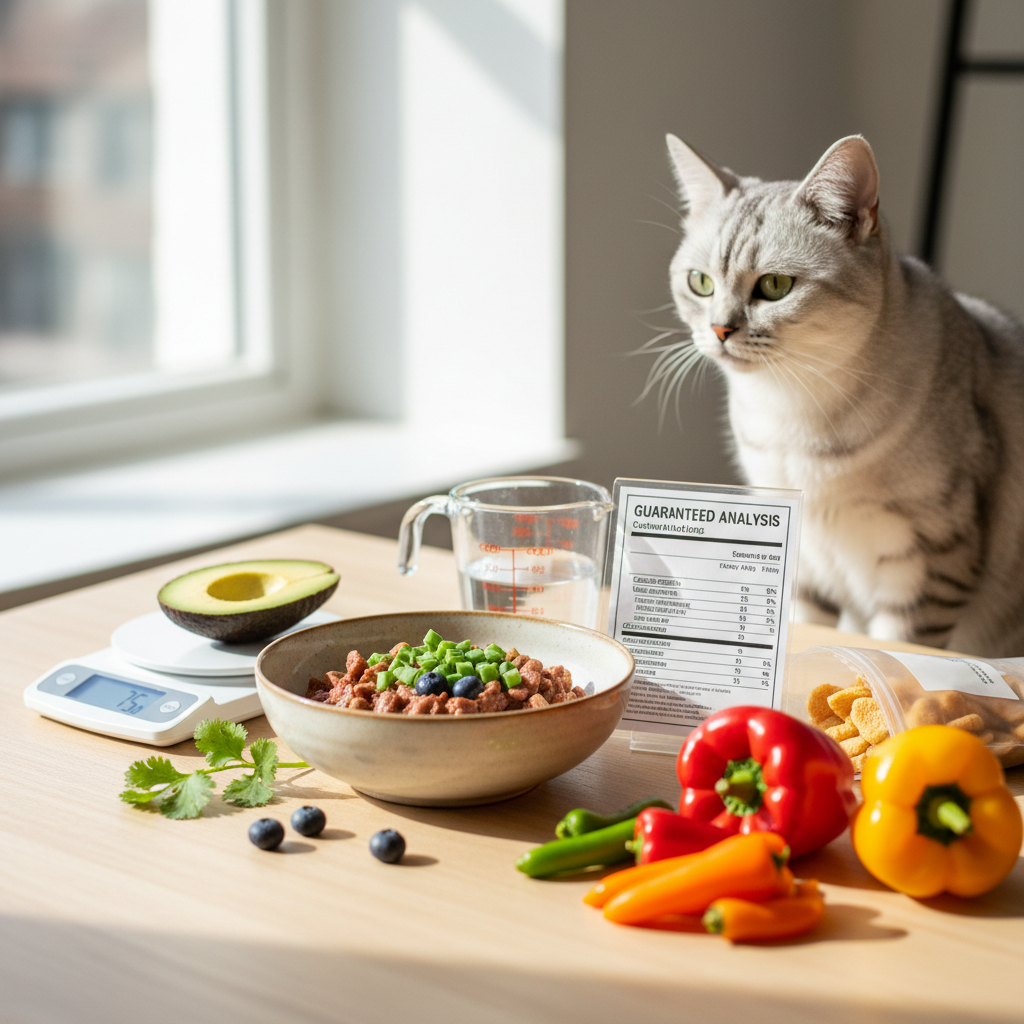

For diabetic cats, the best wet food is typically high in animal-based protein, very low in carbohydrates, and moderate in fat, designed to mimic their natural prey diet. This specific nutritional profile is crucial for helping to regulate blood sugar levels, reduce the need for insulin, and manage the condition effectively. Choosing the right diet can significantly impact your cat’s health, energy levels, and overall quality of life, making informed food selection a cornerstone of diabetes management.



Why Diet is Critical for Feline Diabetes Management

Managing feline diabetes effectively hinges significantly on dietary choices. It’s not just about giving them any food; it’s about providing the specific nutrition that supports their unique metabolic needs as an obligate carnivore dealing with insulin resistance. The right diet works in harmony with insulin therapy, often leading to better blood sugar control and sometimes even diabetic remission.
* Stabilizing Blood Glucose: High-carbohydrate foods are a significant adversary for diabetic cats. When a cat consumes food rich in carbs, these are rapidly broken down into sugars, causing a sudden and often dramatic spike in blood glucose levels. This makes it incredibly difficult for the pancreas to produce enough insulin (if it can) or for administered insulin to effectively manage these surges. Low-carb wet food, conversely, provides a slow, steady release of energy without overloading the system with sugar, thereby helping to maintain more stable, predictable glucose levels throughout the day. This reduces the pancreatic workload and makes insulin therapy far more effective.
* Mimicking Natural Diet: Cats are obligate carnivores, meaning their bodies are biologically designed to derive nutrition almost exclusively from animal tissue. Their ancestors hunted small prey animals – mice, birds, insects – which are naturally high in protein, moderate in fat, and very low in carbohydrates. A cat’s digestive system is short and lacks the robust enzymatic machinery (like amylase) that omnivores and herbivores possess to efficiently break down complex carbohydrates. Feeding a high-carb diet forces their system to process nutrients it’s not well-equipped for, leading to metabolic stress and contributing to insulin resistance over time. A species-appropriate wet diet aligns with their evolutionary needs, promoting optimal digestion and nutrient absorption.
* Weight Management: Obesity is a significant risk factor for developing diabetes in cats and often complicates its management. Excess body fat can lead to insulin resistance, making the body less responsive to insulin’s effects. A proper diet, specifically one that is high in protein and low in carbohydrates, plays a crucial role in helping overweight diabetic cats shed those extra pounds. Protein promotes satiety, helping your cat feel fuller for longer, and supports the maintenance of lean muscle mass during weight loss. Losing weight often dramatically improves insulin sensitivity, reducing the need for insulin injections and, in many cases, leading to diabetic remission where the cat no longer requires exogenous insulin.
Essential Nutritional Criteria for Diabetic Cat Food
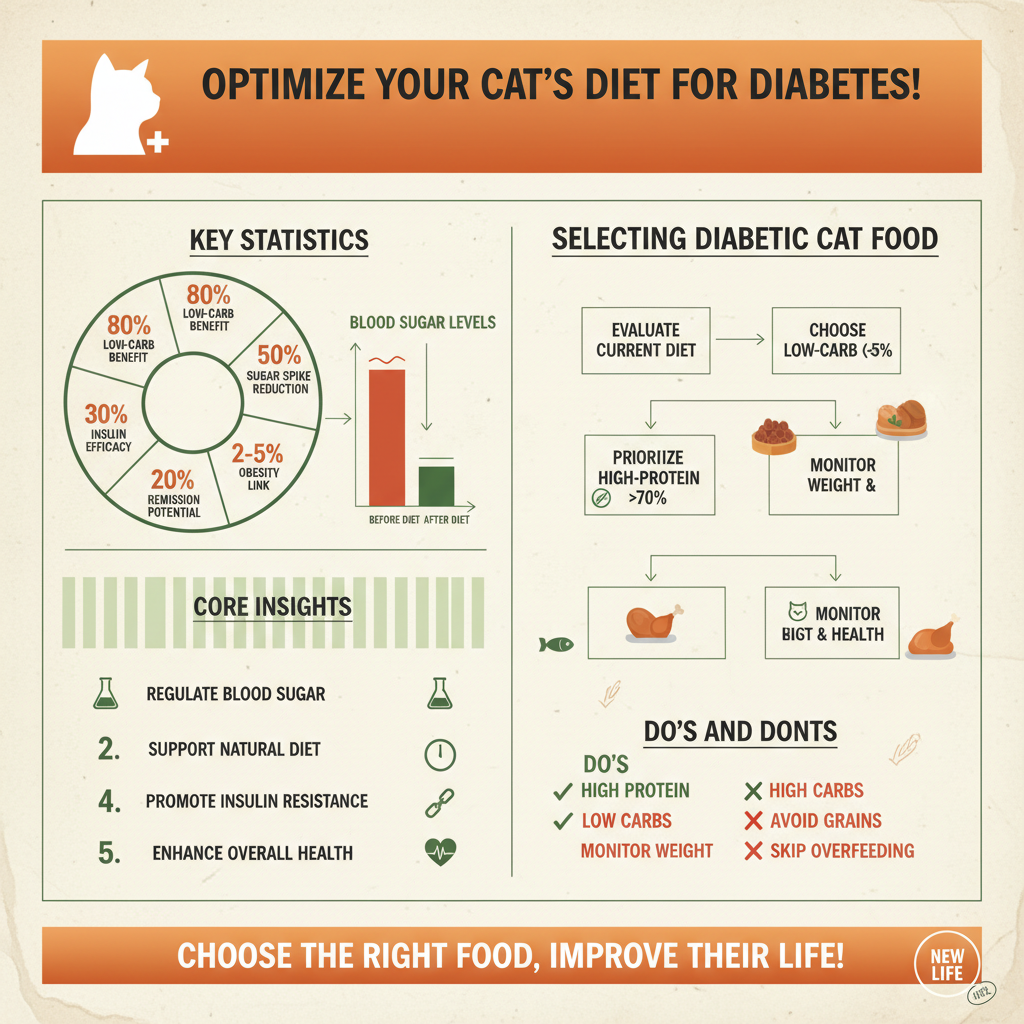

When you’re sifting through the countless options on pet store shelves, knowing exactly what to look for can feel overwhelming. However, by focusing on a few key nutritional criteria, you can confidently select a diet that best supports your diabetic feline friend. These guidelines are rooted in understanding a cat’s natural biology and how it interacts with insulin and glucose.
* High Protein Content: For diabetic cats, protein is king! Aim for a diet with at least 40% protein on a Dry Matter Basis (DMB). This protein should primarily come from high-quality animal sources such as chicken, turkey, beef, lamb, and fish, including muscle meat and organs. High protein not only supports the maintenance of crucial muscle mass, which can be lost during illness or weight management, but it also provides energy without causing significant blood sugar spikes. Furthermore, protein contributes to satiety, helping your cat feel full and satisfied, which is particularly beneficial for weight management.
* Very Low Carbohydrate Content: This is perhaps the most critical criterion. Carbohydrates are the primary nutrient that directly impacts blood sugar levels. For diabetic cats, the goal is to minimize this impact as much as possible. Look for foods with less than 10% carbohydrates on a Dry Matter Basis. This means actively avoiding ingredients like grains (corn, wheat, rice, barley), potatoes, sweet potatoes, peas, and other starchy vegetables or fruits, especially if they appear high on the ingredient list. These ingredients break down into sugars, which can destabilize blood glucose and make diabetes management a constant uphill battle.
* Moderate Fat Content: While not as problematic as carbohydrates, fat still plays a vital role. A moderate fat content, typically around 20-30% DMB, is ideal. Fat is a concentrated source of energy, provides essential fatty acids (like Omega-3s, which can have anti-inflammatory benefits), and significantly enhances the palatability of the food, making it more appealing to picky eaters. However, very high-fat diets can contribute to weight gain if not carefully managed, which is counterproductive for diabetic cats. The key is balance: enough fat for energy and essential nutrients without contributing to obesity.
* High Moisture: This is where wet food shines! The naturally high moisture content (typically 70-80%) in canned or pouch foods is incredibly beneficial for a cat’s overall health, but especially for those with chronic conditions like diabetes. High moisture supports kidney health, which is a common concern in older cats and can sometimes coexist with diabetes. It also promotes urinary tract health and ensures adequate hydration. Furthermore, the higher water content can help your cat feel fuller on fewer calories (on a DMB basis), assisting with weight management efforts.
Decoding Food Labels: Dry Matter Basis Calculations

Understanding pet food labels can feel like deciphering a secret code, especially when you’re trying to compare wet foods with vastly different moisture levels. The key to making accurate comparisons and truly understanding the nutritional breakdown lies in converting the “Guaranteed Analysis” to a “Dry Matter Basis” (DMB).
* Understanding “As Fed” vs. “Dry Matter Basis”: Most pet food labels list their nutritional analysis “as fed,” meaning it includes the moisture content. This can be misleading when comparing a dry kibble (typically 10% moisture) with a wet canned food (75-80% moisture). For instance, a wet food might show 10% protein “as fed,” while a dry food shows 30%. Without conversion, you might think the dry food is higher in protein, but on a DMB, the wet food could actually be superior. DMB removes all the moisture, allowing you to compare the actual nutrient content directly.
* Calculating DMB Protein and Fat: The calculation is straightforward once you know the guaranteed analysis percentages and the moisture content.
1. First, find the dry matter percentage: 100% – Moisture% = Dry Matter%.
2. Then, calculate the DMB for protein or fat: (Guaranteed Analysis % / Dry Matter %) x 100%.
Example: If a wet food lists:
Protein: 10% (as fed)
Moisture: 75%
1. Dry Matter % = 100% – 75% = 25%
2. DMB Protein = (10% / 25%) x 100% = 40%
This means the food is actually 40% protein on a dry matter basis, which is excellent for a diabetic cat! Apply the same calculation for fat to get its DMB percentage. This calculation empowers you to make truly informed decisions beyond surface-level label reading.
* Estimating Carbohydrate Content: Unlike protein, fat, and fiber, carbohydrate content is almost never listed on pet food labels. However, you can estimate it using a simple subtraction method. The total components of any food add up to 100%.
* Formula: 100% – Moisture% – Protein% – Fat% – Fiber% – Ash% = Carbohydrates% (on an as-fed basis).
Once you have the “as fed” carbohydrate percentage, you can convert it to DMB using the same method as protein and fat.
* Important Note: Ash content is often not listed on labels. If it’s missing, you might have to estimate it (a common range for wet food is 2-4%) or accept a slightly less precise carbohydrate estimate. Always aim for the lowest calculated DMB carbohydrate percentage possible, ideally below 10%.
Characteristics of Suitable Wet Food Options
Beyond the numerical analysis of protein, fat, and carbs, there are practical characteristics of wet food that can guide your choice towards optimal nutrition for your diabetic cat. These insights help you spot suitable options even before diving deep into the DMB calculations.
* Meat as First Ingredient(s): When you look at the ingredient list, the first few items are the most abundant in the food. For a diabetic cat, you want to see identifiable animal protein sources listed prominently. Look for specific meats like “chicken,” “turkey,” “beef,” “salmon,” or “tuna” as the very first ingredients. This indicates that the food is truly meat-based, delivering the high-quality protein your cat needs. Be wary of vague terms like “meat by-products” or “animal digest” if they are the sole or predominant protein source, though some specific, high-quality by-products can be nutritious.
* Avoidance of High-Glycemic Fillers: This goes hand-in-hand with keeping carbohydrate content low. Scrutinize the ingredient list for common high-glycemic fillers that can quickly spike blood sugar. Actively steer clear of foods that list corn, wheat, soy, rice, potatoes, sweet potatoes, tapioca, or fruit (like cranberries or apples, which are sometimes added) high up in the ingredient list. These are typically included as cheap fillers or binders but offer little nutritional value for an obligate carnivore and can wreak havoc on a diabetic cat’s blood glucose control.
* Pâté-Style vs. Gravy/Slices: The texture of wet food can often give you a hint about its carbohydrate content. Pâté-style foods, which have a uniform, smooth consistency, are generally lower in carbohydrates. This is because gravy, sauce, or foods with “chunks” or “slices” often rely on starches (like corn starch, potato starch, or rice starch) and gelling agents to achieve their texture and keep the pieces together. These starches contribute to the carbohydrate content. While not always the case, gravitating towards pâté-style options is often a safer bet for keeping carbs in check.
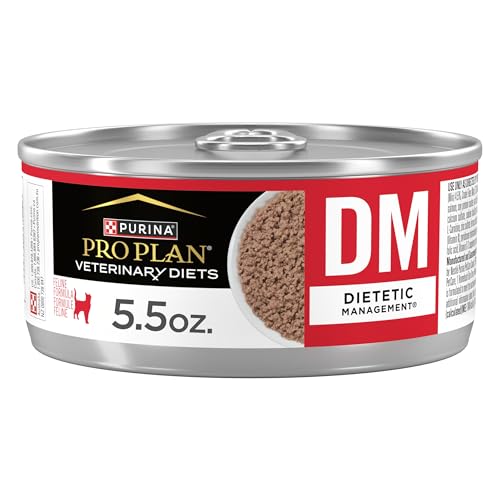
* Veterinary-Prescribed Diets: Your veterinarian may recommend specific prescription diets that are expertly formulated for diabetic cats. Brands like Purina DM (Diabetes Management) or Royal Canin GlycoBalance are examples of such therapeutic diets. These foods are designed with the precise nutritional profile—high protein, low carb—to help manage feline diabetes, and they have often undergone rigorous testing and research. While these can be an excellent starting point and highly effective, they are not the only options. Many commercial over-the-counter wet foods can also meet the strict nutritional criteria, giving you more variety once you know what to look for.
Safe and Effective Dietary Transition
Changing a diabetic cat’s diet requires careful planning and close monitoring. Unlike a healthy cat, a diabetic cat’s metabolism is sensitive to dietary shifts, and abrupt changes can lead to complications. The goal is a smooth, stress-free transition that supports stable blood glucose levels.
* Gradual Introduction: Never switch your diabetic cat’s food cold turkey. A sudden change can cause digestive upset (vomiting, diarrhea) and significantly impact blood sugar levels. Instead, introduce the new food slowly over a period of 7-10 days, or even longer if your cat is particularly sensitive. Start by mixing a small amount of the new food (e.g., 10-25%) with their old food. Over several days, gradually increase the proportion of the new diet while decreasing the old, allowing your cat’s digestive system and metabolism to adjust. Watch for any signs of food aversion or digestive upset during this period.
* Monitor Blood Glucose Closely: This is absolutely critical. A change in diet, especially to a lower-carbohydrate option, can drastically improve insulin sensitivity and lower blood glucose. If your cat is on insulin, continuing the same dosage on a new diet could lead to hypoglycemia (dangerously low blood sugar). It’s imperative to monitor your cat’s blood glucose levels more frequently during a dietary transition – your vet will advise on the exact schedule. Be prepared to communicate with your vet regularly, as insulin dosages almost certainly will need adjustment, often downwards. Never change insulin dosage without direct veterinary guidance.
* Watch for Digestive Upset: Even with a gradual transition, some cats may experience mild digestive upset. Keep a close eye on your cat for any signs of vomiting, diarrhea, constipation, reduced appetite, or lethargy. While a minor, transient issue might be tolerable, persistent or severe symptoms warrant immediate contact with your veterinarian. These could indicate the new food isn’t agreeing with your cat, or it could be a sign of a more serious issue that needs medical attention. Your vet can guide you on whether to slow down the transition, try a different food, or investigate underlying causes.
Ongoing Monitoring and Veterinary Partnership
Managing feline diabetes is a marathon, not a sprint. It requires ongoing vigilance, a consistent routine, and a strong partnership with your veterinary team. Your role as a pet parent is invaluable in observing your cat and implementing the care plan.
* Consistent Feeding Schedule: Establishing and sticking to a regular feeding routine is paramount for managing a diabetic cat. Consistent meal times help stabilize blood sugar levels throughout the day, which in turn helps insulin (whether endogenous or injected) work more effectively. Your feeding schedule should ideally align with your cat’s insulin administration times, typically giving food before or at the time of insulin injection. Discuss with your vet whether smaller, more frequent meals or two larger meals per day are best for your cat’s specific needs and insulin regimen.
* Regular Blood Glucose Checks: Your veterinarian will advise you on the frequency of blood glucose monitoring. This might involve clinic visits for glucose curves, but many cat owners find at-home monitoring to be a less stressful and highly effective way to track their cat’s progress. At-home monitoring using a pet-specific glucometer or even a continuous glucose monitor (CGM) can provide valuable insights into how your cat’s body is responding to food, insulin, and daily activities. Sharing these detailed records with your vet allows them to make more informed decisions about diet adjustments, insulin dosage, and overall treatment strategy.
* Annual Wellness Exams: Even with diligent daily care, regular check-ups with your veterinarian are essential. These annual or semi-annual exams (and more frequent diabetes rechecks) allow your vet to assess your cat’s overall health, monitor for potential complications associated with diabetes (like neuropathy or cataracts), and screen for other age-related conditions that can impact diabetes management (such as kidney disease or hyperthyroidism). These comprehensive evaluations ensure that your treatment plan remains appropriate and effective, allowing for proactive adjustments to support your cat’s long-term well-being.
Choosing the best wet food for your diabetic cat is a cornerstone of effective disease management, requiring careful label reading and a clear understanding of nutritional needs. Prioritizing high protein and very low carbohydrate options will significantly aid in blood sugar control and your cat’s well-being. Always work closely with your veterinarian to formulate and implement a dietary plan that is tailored to your cat’s specific health profile and insulin requirements, ensuring a smooth transition and optimal health outcomes.
Frequently Asked Questions
Why is a high-protein, low-carbohydrate wet diet generally recommended over dry food for diabetic cats?
High-protein, low-carbohydrate wet food is crucial for diabetic cats because it closely mimics their natural diet as obligate carnivores, helping to stabilize blood glucose levels more effectively than high-carb dry foods. Wet food also provides essential moisture, which supports kidney health and overall hydration, often a concern for diabetic cats. This dietary approach helps reduce the demand on the pancreas and can even lead to insulin dosage reduction or remission in some cases.
What key nutritional factors should I prioritize when choosing wet food for a diabetic cat?
When selecting wet food for a diabetic cat, prioritize high-quality animal protein as the primary ingredient, typically 40-60% of the caloric content on a dry matter basis. Carbohydrates should be very low, ideally less than 10% on a dry matter basis, to prevent blood sugar spikes. Look for foods with moderate fat content and essential amino acids, ensuring the formulation supports muscle maintenance and metabolic health without contributing to glucose fluctuations.
Which specific ingredients should I avoid when choosing wet food for my diabetic cat?
To effectively manage your cat’s diabetes, avoid wet foods containing high levels of simple carbohydrates like corn, wheat, rice, potatoes, peas, and fruit, as these can significantly elevate blood sugar. Also, steer clear of foods with added sugars, syrups, and excessive plant-based fillers. Opt for formulations that list meat or poultry as the first ingredient and have minimal to no grains or starchy vegetables.
How does switching to a proper diabetic wet food diet specifically help manage my diabetic cat’s blood sugar and insulin needs?
Transitioning to a high-protein, low-carb wet food diet fundamentally helps manage blood sugar by minimizing the dietary intake of glucose precursors, leading to more stable and lower post-meal blood glucose levels. This consistent glucose control often allows for a reduction in the required insulin dosage for diabetic cats, and in some instances, can facilitate diabetic remission, particularly if diagnosed early. Working closely with your veterinarian is essential to adjust insulin as the diet takes effect.
What if my diabetic cat is a picky eater and refuses to eat the recommended low-carb wet food?
If your diabetic cat is a picky eater, introduce new low-carb wet food gradually by mixing small amounts with their current food and slowly increasing the proportion over several days. You can also try warming the food slightly to enhance its aroma, adding a small amount of low-sodium chicken broth, or experimenting with different textures and protein sources from recommended diabetic-friendly brands. Persistence and patience are key to finding a suitable and palatable option for your feline friend.
References
- https://www.vet.cornell.edu/departments-centers-and-institutes/cornell-feline-health-center/health-information/feline-health-topics/feline-diabetes-mellitus
- https://vet.osu.edu/vmc/companion/our-services/internal-medicine/diabetic-cat-care
- https://vetmed.tufts.edu/newsroom/pet-foodology/feeding-diabetic-cat-what-do-and-what-avoid/
- https://vetmed.wsu.edu/outreach/pet-health-topics/categories/diseases/feline-diabetes-mellitus/
- https://www.vetmed.ucdavis.edu/hospital/small-animal/internal-medicine/feline-diabetes-mellitus
- https://www.aaha.org/publications/newstat/articles/2023-01/feeding-your-diabetic-cat-what-you-need-to-know/
- Veterinary Partner – VIN