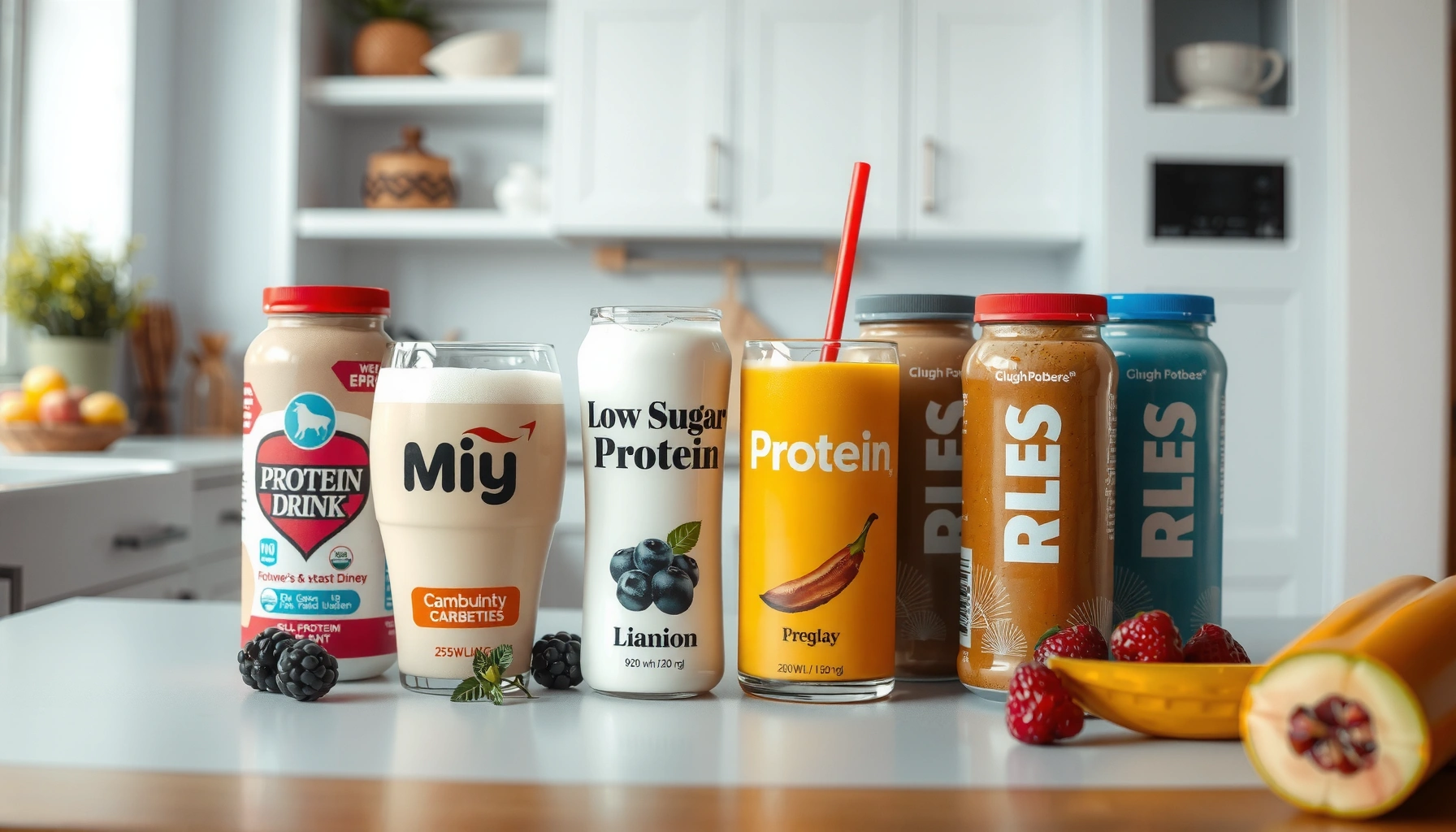

For individuals managing diabetes, the best protein drinks are those specifically formulated to be low in sugar and carbohydrates, high in quality protein, and often fortified with beneficial fiber. These carefully selected options can effectively support blood sugar control, promote satiety, and aid in muscle maintenance without causing unwanted spikes, making them a smart addition to a diabetic-friendly diet. Choosing wisely involves understanding labels and prioritizing ingredients that align with diabetic dietary guidelines.




Why Protein Drinks Are Beneficial for Diabetics

Navigating a diabetic diet can sometimes feel like a tightrope walk, but incorporating the right protein drinks can be a real game-changer. These convenient options offer a host of advantages that directly support your health goals, going beyond just providing a quick nutrient boost.
Blood Sugar Management
One of the primary benefits of protein drinks for diabetics lies in their favorable impact on blood sugar levels. Unlike carbohydrates, protein has a minimal and much slower effect on blood glucose, meaning it won’t cause the rapid spikes and crashes that sugary foods do. When you consume protein, especially alongside other macronutrients, it helps slow down the digestion and absorption of carbohydrates, leading to a more gradual rise in blood sugar. This steady release helps maintain more stable glucose levels throughout the day, reducing the strain on your body’s insulin response and making blood sugar management significantly easier. It’s like having a natural buffer against those unwanted sugar surges!
Satiety and Weight Control
Feeling full and satisfied is a major component of successful diabetes management, especially when weight control is a factor. High protein intake is renowned for its ability to boost satiety, meaning it helps you feel fuller for longer periods compared to fats or carbohydrates. This happens because protein stimulates the release of satiety hormones and takes longer to digest, keeping hunger pangs at bay. By reducing constant cravings and overall calorie intake, protein drinks can be a powerful ally in achieving and maintaining a healthy weight, which in turn improves insulin sensitivity and overall diabetes control. Less hunger means fewer temptations and a smoother path to your health goals.
Muscle Maintenance and Repair
Maintaining lean muscle mass is incredibly important for everyone, but it holds particular significance for individuals with diabetes. Muscle tissue is metabolically active, meaning it helps burn calories and improves the body’s ability to use insulin effectively, enhancing insulin sensitivity. Adequate protein intake is essential for preventing muscle loss (sarcopenia), especially as we age or if activity levels fluctuate. Protein provides the necessary building blocks – amino acids – for muscle repair and growth, supporting a robust metabolism and a healthier response to glucose. By helping you preserve and even build lean muscle, protein drinks contribute directly to better metabolic health and more effective diabetes management.
Key Factors to Look For in Diabetic-Friendly Protein Drinks
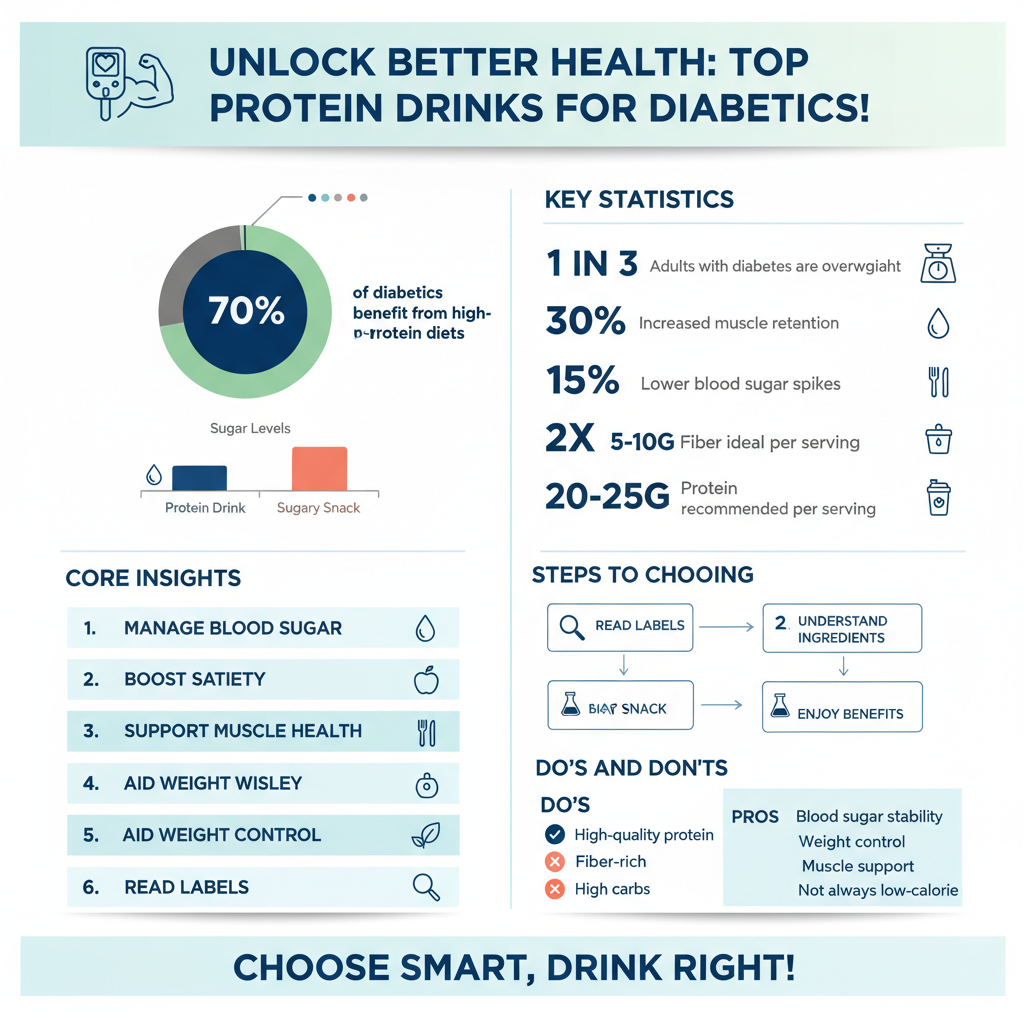

With so many options on the market, knowing what to prioritize when choosing a protein drink for diabetes can feel overwhelming. Focusing on a few key factors will help you make excellent, health-conscious choices every time.
Low Sugar & Carbohydrate Content
This is arguably the most critical factor for individuals with diabetes. The goal is to prevent blood sugar spikes, and excessive sugars and carbohydrates are the primary culprits. When scanning nutrition labels, prioritize drinks with minimal added sugars – ideally zero or less than 5 grams per serving. Be wary of “hidden” sugars that might appear under different names like high-fructose corn syrup, maltodextrin, dextrose, or cane juice. Similarly, aim for a low total carbohydrate count, generally below 10-15 grams per serving, unless it’s primarily from fiber. Choosing truly low-carb and sugar-free options will provide the protein benefits without the glycemic downsides, ensuring your drink supports, rather than hinders, your blood sugar control.
High-Quality Protein Sources
Not all protein is created equal, especially when it comes to supporting your body efficiently. Opting for high-quality protein sources ensures you’re getting a complete profile of essential amino acids, which are crucial for muscle repair, satiety, and overall health. Excellent choices include whey isolate (known for its purity and low lactose content), casein (which digests slowly, offering a sustained release of amino acids), pea protein, or soy protein. These sources are easily digestible and highly effective. Whey isolate, for instance, is a fantastic choice for post-workout recovery due to its rapid absorption, while casein can be great for a bedtime snack to support muscle repair overnight. Choose a source that fits your dietary preferences and digestive needs, ensuring it’s a “complete” protein.
Artificial Sweeteners & Additives
While artificial sweeteners can help keep sugar content low, it’s wise to approach them with a mindful perspective. Common artificial sweeteners like sucralose, aspartame, acesulfame potassium, and sugar alcohols (erythritol, xylitol) are often used in diabetic-friendly products. Many are generally considered safe in moderation, but some individuals might experience digestive upset from certain sugar alcohols or have individual sensitivities. Natural, zero-calorie sweeteners like stevia leaf extract or monk fruit are often preferred as they come from natural sources and typically don’t cause digestive issues. Beyond sweeteners, keep an eye out for excessive artificial colors, flavors, or unnecessary fillers. A shorter, more recognizable ingredient list is generally a good sign of a higher-quality product that focuses on nutrition rather than unnecessary additives.
Top Protein Drink Categories for Diabetics
When you’re ready to pick your perfect protein companion, understanding the different categories available can make your decision much easier. Each type offers unique benefits that might align perfectly with your lifestyle and dietary needs.
Sugar-Free Whey Protein Shakes
Whey protein is a superstar in the fitness and nutrition world, and for good reason! Specifically, sugar-free whey protein shakes, especially those made with whey isolate, are an excellent choice for individuals managing diabetes. Whey isolate undergoes a processing technique that removes most of the lactose and fat, resulting in a product that’s incredibly high in pure protein and very low in carbohydrates and sugars. This means rapid absorption, making it ideal for a quick post-workout recovery or a convenient snack that won’t spike your blood sugar. It’s also packed with essential amino acids, which are vital for muscle health and overall metabolic function. Look for “whey isolate” on the label to ensure you’re getting the purest form with the lowest carb count.
Plant-Based Protein Drinks
For those with dairy sensitivities, allergies, or who follow a vegan lifestyle, plant-based protein drinks are a fantastic alternative. Options like pea protein, soy protein, or hemp protein have become increasingly popular and effective. Pea protein, for instance, is highly digestible and provides a good amino acid profile, while soy protein is a complete protein source. Hemp protein offers additional fiber and healthy fats. The key here is to ensure these plant-based options are unsweetened or naturally sweetened with diabetic-friendly alternatives like stevia or monk fruit. Always check the ingredient list meticulously, as some plant-based drinks can sometimes sneak in added sugars or high carbohydrate fillers. Blended plant proteins (e.g., pea and rice protein together) can also offer an even more comprehensive amino acid profile.
Casein Protein for Sustained Release
If you’re looking for a protein source that will keep you full and nourished for a longer period, casein protein is your go-to. Unlike whey, which is rapidly digested, casein forms a gel in the stomach, leading to a much slower and more sustained release of amino acids into the bloodstream. This makes it an ideal choice for specific timing needs, such as a nighttime snack to support muscle repair throughout sleep or as a way to curb hunger between meals for extended periods. The slow digestion helps maintain a steady supply of protein, preventing catabolism (muscle breakdown) and promoting satiety, which is incredibly beneficial for blood sugar stability and managing cravings for individuals with diabetes.
Understanding Nutrition Labels for Informed Choices
Becoming a pro at reading nutrition labels is one of the most empowering steps you can take in managing diabetes. It’s not just about looking at the big numbers; it’s about understanding what’s truly inside your drink.
Scrutinize Carb and Sugar Counts
This is where your detective skills come in handy! When you pick up a protein drink, immediately turn it over to the nutrition facts panel. Your first priority is the “Total Carbohydrates” and “Sugars” sections. For diabetics, the goal is to aim for very low or zero added sugars. Remember to differentiate between naturally occurring sugars (like a tiny amount in milk-based proteins) and those explicitly added. Also, pay close attention to the “Total Carbohydrates” and then look for “Dietary Fiber.” You can often calculate “net carbs” by subtracting the fiber from the total carbohydrates, which gives a better indication of how many carbs will affect your blood sugar. A general guideline is to seek out drinks with less than 5 grams of sugar and minimal net carbs per serving to ensure they are truly diabetic-friendly.
Fiber Content
Beyond carbs and sugar, the fiber content of your protein drink is another crucial piece of the puzzle. Dietary fiber is a powerhouse nutrient for diabetes management. It helps slow down the absorption of glucose, which further contributes to stabilizing blood sugar levels. Furthermore, fiber supports digestive health, promotes feelings of fullness, and can even contribute to a healthier gut microbiome. Drinks fortified with added dietary fiber, such as psyllium husk, chicory root fiber (inulin), or soluble corn fiber, can provide additional benefits. Look for options that offer a few grams of fiber per serving to enhance the blood-sugar-regulating effects and boost your daily fiber intake.
Ingredient List Inspection
Don’t stop at the nutrition panel; the ingredient list tells an even deeper story. A good rule of thumb is to look for whole, recognizable ingredients at the top of the list. Be wary of products where sugar or artificial sweeteners are among the very first ingredients, or where there’s a long list of unpronounceable chemicals. Avoid products with excessive fillers, artificial flavors, hydrogenated oils, or high amounts of food dyes, as these offer little nutritional value and can sometimes lead to adverse reactions or simply displace more beneficial ingredients. Opt for drinks that use natural flavorings (like cocoa powder or real fruit extracts, if the sugar is controlled), and prioritize products from reputable brands that emphasize clean, transparent ingredient sourcing.
Safe Integration into a Diabetic Diet
Adding protein drinks to your diabetes management plan can be incredibly beneficial, but like any dietary change, it’s most effective when done thoughtfully and safely.
Portion Control and Timing
Even the best protein drink needs to be consumed with an eye on portion control. While protein is great for diabetics, consuming excessive calories from any source can still impact weight management. Stick to the serving size recommended on the label, or as advised by your healthcare professional. Think about when you’re having your protein drink. It can be an excellent choice as a post-workout recovery aid, a hunger-busting snack between meals, or even alongside a low-carb meal to enhance satiety and moderate glycemic response. For instance, a small protein shake in the morning can help you feel full until lunch, preventing mid-morning snacking temptations. The goal is to use them strategically to support your diet, not to add unnecessary calories.
Consultation with Healthcare Professionals
This point cannot be stressed enough: always discuss new dietary additions, including protein drinks, with your doctor or a registered dietitian (RD) specializing in diabetes. Every individual’s diabetes management plan is unique, influenced by factors such as medication, other health conditions, and specific dietary needs. A healthcare professional can provide personalized guidance, help you select the most appropriate products for your specific situation, and ensure that incorporating protein drinks aligns perfectly with your overall treatment strategy. They can also help you understand how protein might interact with your medications or specific dietary requirements, making sure your choices are truly safe and effective for you.
Not a Meal Replacement (Unless Directed)
While protein drinks offer incredible convenience and nutritional benefits, it’s crucial to remember that they are generally meant to complement a balanced diet of whole foods, not replace full meals. Whole foods provide a broader spectrum of nutrients, including vitamins, minerals, and various types of fiber that a protein drink simply cannot fully replicate. Unless specifically advised by a healthcare provider for a particular medical reason (like specific liquid diets, pre- or post-surgical needs, or managing very particular caloric requirements), protein drinks should be viewed as a supplemental tool. They’re fantastic for snacks, boosts, or bridging gaps in your nutrient intake, but they shouldn’t take the place of balanced meals featuring lean proteins, plenty of vegetables, and healthy fats.
Selecting the right protein drink can be a valuable tool in your diabetes management strategy, offering convenience and nutritional benefits without compromising blood sugar control. By focusing on low-sugar, high-protein options and meticulously reading nutrition labels, you can make informed choices that support your health goals. Remember to always consult with your healthcare team to ensure any new dietary supplement aligns with your individual needs and treatment plan. With a little knowledge and mindful selection, protein drinks can be a delicious and effective addition to your journey toward better health!
Frequently Asked Questions
What characteristics define the best protein drinks for diabetics?
The best protein drinks for diabetics are typically low in added sugars, carbohydrates, and unhealthy fats, while being rich in high-quality protein and often fiber. Look for options with minimal artificial ingredients, sweeteners that don’t spike blood glucose, and ingredients lists that are easy to understand. These features help support stable blood sugar levels, promote satiety, and provide essential nutrients without unwanted spikes.
How do protein drinks help manage blood sugar levels for individuals with diabetes?
Protein-rich drinks can significantly help manage blood sugar by slowing down the absorption of carbohydrates and glucose into the bloodstream, leading to a more gradual rise in blood sugar compared to carb-heavy options. Protein also increases satiety, which can help prevent overeating and reduce cravings for sugary snacks. Furthermore, adequate protein intake supports muscle maintenance, and muscles play a key role in glucose uptake, improving overall insulin sensitivity.
Which types of protein are most beneficial for diabetics, and are there any to avoid?
For diabetics, highly beneficial protein types include whey, casein, soy, pea, and hemp protein, as they offer complete amino acid profiles and are typically low in carbs when unflavored. Whey protein is fast-digesting, making it excellent post-workout, while casein is slow-digesting, providing sustained release. Diabetics should primarily avoid protein drinks high in added sugars, corn syrup, maltodextrin, or excessive artificial sweeteners, as these can negatively impact blood glucose control and overall health.
Can diabetics use protein drinks as a meal replacement or for weight management?
Yes, diabetics can use carefully chosen protein drinks as part of a meal replacement strategy or for weight management, but with important considerations. When used as a meal replacement, ensure the drink is nutritionally balanced with adequate fiber, healthy fats, and controlled carbohydrates to provide sustained energy and satiety. For weight management, protein drinks can help reduce calorie intake while preserving muscle mass, but always consult a healthcare provider or registered dietitian to ensure it aligns with your individual dietary and medical needs.
What key ingredients or nutritional information should diabetics look for on a protein drink label?
Diabetics should prioritize checking the “Total Carbohydrates” and “Added Sugars” sections, aiming for options with very low or no added sugars and a reasonable total carbohydrate count. Also, pay attention to the “Protein” content (aim for 15-30g per serving) and “Fiber” for added benefits in blood sugar control. Be mindful of artificial sweeteners; while generally safe in moderation, some individuals may prefer natural alternatives or zero-calorie sweeteners like stevia or monk fruit.
References
- https://diabetes.org/healthy-living/recipes-nutrition/food-decoder/protein-drinks
- Menopause and high blood pressure: What’s the connection? – Mayo Clinic
- https://www.ncbi.nlm.nih.gov/pmc/articles/PMC8909893/
- https://health.clevelandclinic.org/meal-replacement-shakes-for-diabetes/
- Healthy Living with Diabetes – NIDDK
- Diabetes • The Nutrition Source
- https://www.cdc.gov/diabetes/managing/eat-well.html