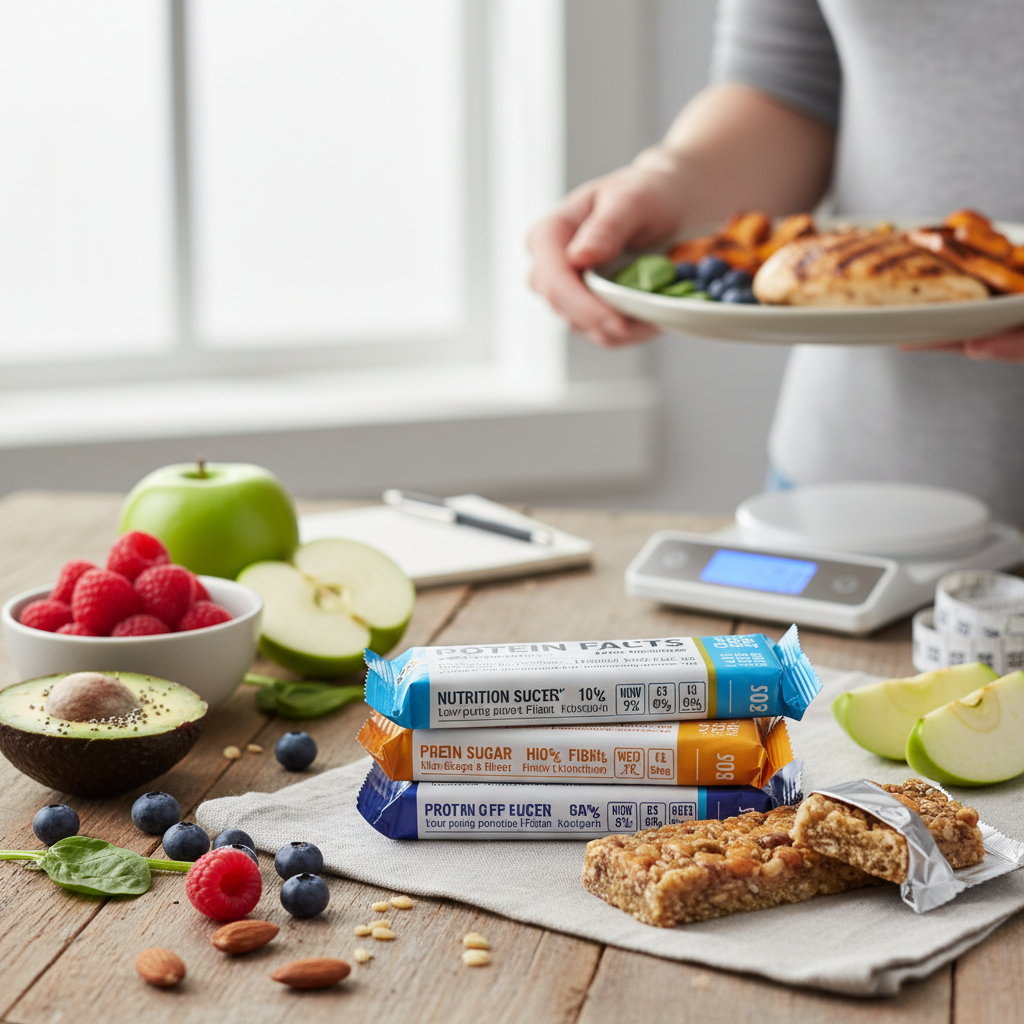

Finding the best protein bar for diabetics means prioritizing options that are low in net carbohydrates, high in fiber, and contain minimal added sugars. The ideal bar will help manage blood sugar levels, provide sustained energy, and offer high-quality protein without unwanted spikes. Look for bars rich in whole food ingredients and natural, non-caloric sweeteners to support your dietary needs effectively.




Understanding Diabetic Nutritional Needs for Protein Bars

When you’re managing diabetes, every food choice matters, and protein bars are no exception. They can be a fantastic, convenient tool in your dietary arsenal, but only if they align with your specific nutritional needs. Let’s dive into what makes a protein bar truly diabetic-friendly.
Blood Sugar Management
The primary goal for anyone with diabetes is to maintain stable blood sugar levels. This means avoiding foods that cause rapid and significant spikes in glucose. For protein bars, this translates to carefully scrutinizing their carbohydrate content, especially the type of carbs. Ingredients with a low glycemic index (GI) are crucial because they release glucose slowly into the bloodstream, preventing those dangerous peaks and valleys. A sudden influx of sugar can lead to short-term complications like fatigue and blurred vision, and over time, contribute to long-term health issues. Therefore, the right protein bar should be designed to support smooth, steady energy, not a rollercoaster ride for your blood sugar.
Role of Macronutrients
Each macronutrient plays a distinct role in how a protein bar impacts your body, particularly when it comes to blood sugar and satiety.
* Protein is your best friend for blood sugar management. It slows down digestion, which in turn slows the absorption of carbohydrates, helping to prevent sharp glucose spikes. Beyond that, protein is essential for muscle repair and growth, and it’s incredibly satiating, meaning it helps you feel full longer. This can reduce the urge to snack unnecessarily, which is vital for weight management and consistent blood sugar.
* Fiber is another superstar. This indigestible carbohydrate is critical for digestive health and significantly impacts blood sugar. Soluble fiber, found in ingredients like oats and psyllium, forms a gel-like substance in the gut, which further slows down sugar absorption. Insoluble fiber adds bulk, promoting regularity. Both types contribute to satiety, helping to keep hunger at bay.
* Healthy Fats offer sustained energy and contribute to that feeling of fullness. Unlike carbohydrates, fats have a minimal direct impact on blood sugar levels. When paired with protein and fiber, healthy fats can further slow gastric emptying, contributing to a more gradual and controlled release of glucose into the bloodstream. This means you get lasting energy without the worry of a crash.
Carbohydrate Control
This is often where the most confusion lies. For diabetics, the focus isn’t just on “total carbohydrates” but rather on “net carbohydrates.”
Net carbs are the carbohydrates that your body actually digests and converts into glucose. The calculation typically involves:
Net Carbs = Total Carbohydrates – Fiber – (some) Sugar Alcohols
It’s crucial to understand that not all sugar alcohols are created equal. While fiber is almost always subtracted, some sugar alcohols like erythritol and xylitol have a negligible impact on blood sugar and can generally be subtracted. However, others like maltitol can have a more significant glycemic response and may cause digestive upset if consumed in large quantities. Therefore, prioritizing bars with very low net carbs, ideally under 10 grams and even better, under 5 grams per bar, is key to effective blood sugar management. This approach allows you to enjoy the convenience of a bar without derailing your carbohydrate goals.
Key Nutrients and Ingredients to Prioritize
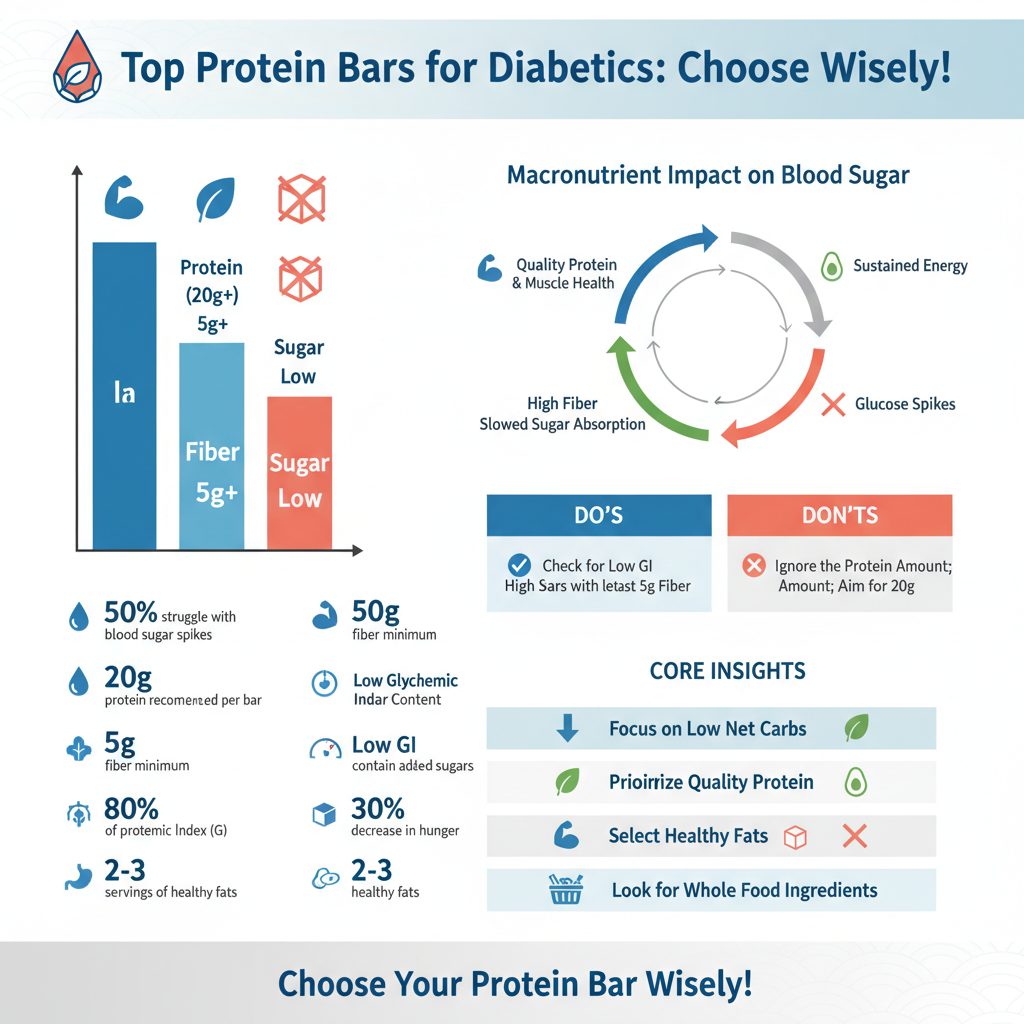

When you’re scanning the endless options in the protein bar aisle, knowing which ingredients are your allies is half the battle. Prioritizing specific nutrients ensures you’re choosing a bar that actively supports your diabetic health goals.
High-Quality Protein Sources
The type and quality of protein in your bar significantly impact its effectiveness. Look for sources that provide a complete amino acid profile and are easily digestible.
* Whey Isolate: This is a popular dairy-derived protein, known for its rapid absorption. It’s great for post-workout recovery and has very little lactose, making it suitable for many with sensitivities.
* Casein: Also dairy-derived, casein is a slow-digesting protein, providing a sustained release of amino acids. This makes it excellent for prolonged satiety and a steady nutrient supply, making it a good choice to help keep hunger at bay between meals.
* Pea Protein: An excellent plant-based alternative, pea protein is hypoallergenic and provides a good range of amino acids. It’s a fantastic option for those avoiding dairy, soy, or gluten.
* Brown Rice Protein: Another plant-based powerhouse, brown rice protein is easily digestible and suitable for those with common allergens.
Often, bars combine different protein sources to offer a broader amino acid spectrum and varied digestion rates, which can be a beneficial approach. Aim for at least 10-15 grams of protein per bar to ensure you’re getting sufficient muscle support and satiety benefits.
Ample Fiber Content
Fiber is a non-negotiable for diabetics due to its profound impact on blood sugar and digestive health. It slows the absorption of sugars, helps you feel full, and supports a healthy gut microbiome.
* Chicory Root Fiber/Inulin: These are fantastic sources of soluble, prebiotic fiber. They can add a subtle sweetness and improve the texture of the bar while feeding beneficial gut bacteria and helping to stabilize blood sugar.
* Psyllium Husk: A powerful soluble fiber that’s excellent for regulating digestion and creating a feeling of fullness.
* Oat Fiber and Flaxseed Meal: These are other excellent fiber sources, often adding a pleasant texture and additional nutritional benefits like healthy fats in the case of flaxseed.
A good protein bar for diabetics should aim for 5-10 grams of fiber per serving. This significant amount will contribute to better blood sugar control and sustained satiety.
Healthy Fats
Don’t fear fats—embrace the right fats! Healthy fats are crucial for satiety, sustained energy, and overall health, including heart health.
* Nuts (Almonds, Walnuts, Peanuts): These are packed with monounsaturated and polyunsaturated fats, fiber, and some protein. They offer a satisfying crunch and a wealth of micronutrients. Just ensure they aren’t coated in sugar or unhealthy oils.
* Seeds (Chia, Flax, Hemp): These tiny powerhouses are rich in omega-3 fatty acids, fiber, and protein. Chia seeds, for instance, can absorb liquid and form a gel, contributing to satiety and texture.
* Almond Butter/Peanut Butter: Natural nut butters provide healthy fats and a creamy texture. Always check the label to ensure they don’t contain added sugars or hydrogenated oils.
* Coconut Oil/MCT Oil: While controversial for some, these fats can provide a quick source of energy and contribute to the bar’s texture and satiety without impacting blood sugar significantly. Look for these in moderation.
These healthy fat sources help to slow down the release of carbohydrates, ensuring a steady energy supply and preventing abrupt blood sugar spikes.
Ingredients to Avoid or Severely Limit
Just as important as knowing what to include is understanding what to avoid. Certain ingredients can quickly turn a seemingly healthy protein bar into a hidden sugar bomb, undermining your blood sugar management efforts.
High Added Sugars
This is the number one culprit to watch out for. Any ingredient that quickly elevates your blood sugar should be strictly limited or avoided entirely.
* Sucrose (Table Sugar), Corn Syrup, High-Fructose Corn Syrup (HFCS): These are notorious for causing rapid blood glucose spikes and offer little to no nutritional value beyond empty calories. HFCS, in particular, has been linked to various metabolic issues.
* Honey, Agave Nectar, Maple Syrup: While often perceived as “natural” or “healthier,” these are still concentrated sugars that can significantly elevate blood sugar levels. For diabetic management, their impact is similar to table sugar.
* Fruit Juices/Concentrates: These are often used as “natural” sweeteners, but they are essentially sugar with most of the beneficial fiber removed. They can still cause a rapid spike in blood glucose.
Always scan the ingredient list for multiple forms of sugar disguised under different names. If sugar (or a form of it) is one of the first few ingredients, put that bar back!
Refined Carbohydrates
Refined carbohydrates are grains that have had their fibrous, nutrient-rich outer layers removed. This leaves a product that is quickly digested and absorbed, acting much like sugar in your bloodstream.
* White Flour/Wheat Flour (unless specified as whole grain), Potato Starch, Corn Starch: These are common refined carbohydrates found in many processed foods, including some protein bars. They lack fiber and nutrients, contributing to rapid blood sugar increases.
When looking at ingredients, prioritize bars that use whole-grain flours (like whole oat flour) in moderation, or even better, avoid refined grains as primary binders altogether. The goal is to maximize nutrient density while minimizing glycemic impact.
Certain Artificial Sweeteners/Sugar Alcohols
The world of sweeteners can be tricky. While some are beneficial for diabetics, others should be approached with caution.
* Maltitol: This is the most important sugar alcohol for diabetics to be aware of. Unlike erythritol or xylitol, maltitol has a significant glycemic index (around 50% of sugar’s impact) and is absorbed more readily. In large amounts, it can cause a blood sugar rise similar to regular sugar and is also a common culprit for digestive upset, including bloating, gas, and diarrhea. If you see maltitol high on the ingredient list, it’s best to choose another option.
* Sucralose (Splenda) and Aspartame: While non-caloric and generally considered safe by regulatory bodies, some studies suggest that these artificial sweeteners might impact gut microbiota or glucose metabolism in certain individuals, potentially affecting insulin sensitivity. It’s often advisable to prefer natural, non-caloric sweeteners like stevia, monk fruit, or erythritol, and to use all sweeteners in moderation.
The general rule is to be discerning. Natural, low-glycemic alternatives are usually the safer bet.
How to Read a Nutrition Label for Diabetics
Navigating a nutrition label can feel like deciphering a secret code, but for diabetics, it’s an essential skill. Knowing exactly what to look for will empower you to make informed, health-supporting choices.
Net Carb Calculation
As discussed, net carbs are your key metric. This calculation helps you understand the true impact a bar will have on your blood sugar.
* Formula Review: Start with the “Total Carbohydrates” amount. From this, subtract the “Dietary Fiber.” Then, identify any sugar alcohols. If the label specifies erythritol, xylitol, or allulose, you can generally subtract these entirely. However, if it lists maltitol or a generic “sugar alcohols” without specifying the type, be cautious. Many dietitians advise subtracting only half the amount of maltitol (or other high-GI sugar alcohols) to account for its partial absorption.
* Example: A bar has 20g Total Carbs, 10g Fiber, and 5g Erythritol.
Net Carbs = 20g (Total Carbs) – 10g (Fiber) – 5g (Erythritol) = 5g Net Carbs.
This bar would likely be a good choice. Aim for a net carb count of 5 grams or less for an ideal snack, or slightly higher (up to 10g) if it’s a larger bar for a meal replacement.
Added Sugars Section
Thanks to updated FDA regulations, nutrition labels now include a specific line for “Added Sugars.” This is incredibly helpful for diabetics.
* Zero is the Hero: Ideally, you want to see 0 grams of added sugars. However, this isn’t always realistic for taste and texture in some bars.
* The 5-Gram Rule: A good benchmark is to aim for 5 grams of added sugars or less per bar. This allows for a small amount of natural sweeteners that might be necessary for palatability without causing significant blood sugar spikes. Remember that “Total Sugars” will include naturally occurring sugars (like from nuts or dairy), but it’s the “Added Sugars” that are the primary concern for diabetic management.
Protein and Fiber Grams
These two macronutrients are crucial for satiety and blood sugar stabilization, so their amounts should be generous.
* Protein Power: Look for at least 10-15 grams of protein per serving. This range ensures you’ll feel full and helps support muscle mass, which is important for metabolism. Bars marketed as meal replacements might offer 20 grams or more, which can be beneficial.
* Fiber Fortification: Aim for a minimum of 5-10 grams of dietary fiber per bar. High fiber content significantly slows digestion and glucose absorption, leading to a smoother blood sugar response and sustained energy. It also contributes significantly to satiety, helping you avoid overeating later.
By systematically checking these three areas on the nutrition label, you can quickly assess whether a protein bar is a friend or foe to your blood sugar goals.
Choosing the Right Protein Bar for Your Lifestyle
The “best” protein bar isn’t just about its nutritional profile; it’s also about how it fits into your life. Your lifestyle, specific needs, and even personal preferences play a big role in finding a bar you’ll actually stick with.
Meal Replacement vs. Snack
Understanding the purpose of your protein bar is key to choosing wisely.
* Meal Replacement: If you’re using a bar to replace a full meal, perhaps during a busy commute or when traveling, it needs to be more substantial. Look for bars that offer higher calorie counts (typically 200-350+ calories), more protein (20+ grams), and a good amount of healthy fats (10+ grams). These bars are designed to provide sustained energy and keep you full for several hours, similar to a small meal. They should also be rich in fiber to help manage blood sugar effectively.
* Snack: For a quick pick-me-up between meals, a pre- or post-workout boost, or to stave off hunger, a lighter bar is more appropriate. These typically range from 100-200 calories, with 10-15 grams of protein and a moderate amount of fiber and healthy fats. They’re designed to bridge the gap between meals without adding excessive calories or causing blood sugar spikes.
Always tailor your choice to your specific energy needs and overall dietary plan for the day.
Ingredient Transparency
A brand’s willingness to be transparent about its ingredients speaks volumes about its quality and commitment to consumer health.
* Avoid Proprietary Blends: If an ingredient list includes vague terms like “proprietary protein blend” without specifying the exact ratios of each protein, be wary. You want to know precisely what you’re consuming.
* Recognizable Ingredients: Opt for bars with ingredient lists that sound like real food – almonds, chia seeds, pea protein, cocoa powder, etc. The fewer unpronounceable ingredients, the better.
* Certified Quality: Look for certifications like “Non-GMO Project Verified,” “USDA Organic,” or third-party tested claims (especially for protein content). These can offer an extra layer of assurance about the bar’s quality and the integrity of its ingredients.
Choosing brands that are open about their sourcing and manufacturing practices builds trust and ensures you’re putting high-quality fuel into your body.
Taste and Texture
Let’s be real: if a protein bar tastes like cardboard, you won’t eat it, no matter how nutritionally perfect it is. Adherence to a healthy diet is built on enjoyment, not just deprivation.
* Experiment: Don’t be afraid to try different brands and flavors. Many companies offer sample packs or single bars, so you don’t have to commit to a whole box if you don’t like it.
* Texture Preferences: Do you prefer chewy, crunchy, soft, or cake-like? Protein bars come in a wide variety of textures. Find what you genuinely enjoy. Some people love a gooey, brownie-like bar, while others prefer something with a satisfying crunch from nuts and seeds.
* Personal Enjoyment is Key: If you find a few bars that you genuinely look forward to eating, you’re much more likely to incorporate them consistently into your diet, making your healthy lifestyle more sustainable and enjoyable. Remember, a sustainable diet is one you can stick with long-term.
Incorporating Protein Bars Safely into Your Diet
Even the best protein bars, carefully selected for diabetic needs, need to be integrated thoughtfully into your overall diet. They are a tool, not a magic bullet, and mindful consumption is key to reaping their benefits without unintended consequences.
Portion Control
This cannot be stressed enough: “diabetic-friendly” does not mean “eat unlimited quantities.”
* Stick to Serving Sizes: Always adhere to the recommended serving size, which is typically one bar. Even bars low in net carbs can still contain calories and other macronutrients that, in excess, can impact your blood sugar and weight management goals.
* Monitor Impact: Pay attention to how a particular bar affects your blood sugar levels. What might be fine for one person could cause a slight rise for another. Testing your blood glucose an hour or two after consumption can provide valuable personal data.
* Bars as Supplements, Not Staples: Remember that protein bars are supplements to your diet, designed for convenience. They should complement, not constantly replace, whole, unprocessed foods like fresh fruits, vegetables, lean proteins, and whole grains, which offer a broader spectrum of nutrients.
Timing
When you eat your protein bar can be just as important as what’s inside it.
* Mid-Morning or Mid-Afternoon Snack: This is an excellent time to prevent extreme hunger that could lead to overeating at the next meal. A protein and fiber-rich bar can stabilize blood sugar and keep you satiated.
* Post-Workout: A protein bar can be a convenient way to refuel your muscles and aid recovery after exercise, especially if a whole meal isn’t immediately available. The protein helps repair muscle tissue, while minimal carbs can replenish glycogen stores without a sugar rush.
* Emergency/On-the-Go: Protein bars are fantastic for those times when you’re caught without healthy food options, like during travel or unexpected delays. Having a couple in your bag can prevent you from reaching for less healthy, high-sugar alternatives.
Avoid consuming them too close to main meals if you’re not using them as a meal replacement, as they can add unnecessary calories.
Consult a Professional
Managing diabetes is a highly individualized journey, and professional guidance is invaluable.
* Your Doctor/Endocrinologist: Always discuss any significant dietary changes or new dietary additions, including specific protein bars, with your healthcare provider. They can advise on how these fit with your overall health plan, medications, and specific medical conditions.
* Registered Dietitian (RD): A registered dietitian specializing in diabetes management can provide personalized recommendations based on your unique metabolic needs, activity level, and dietary preferences. They can help you integrate protein bars into a balanced meal plan, clarify net carb calculations for specific products, and offer guidance on other suitable snacks and meals. They can also help you understand how different ingredients might interact with your specific medications.
Never hesitate to seek expert advice to ensure your dietary choices are safe and effective for your long-term health.
In summary, the best protein bar for diabetics is one meticulously chosen for its low net carb count, high fiber, quality protein, and minimal added sugars. By carefully reading nutrition labels and prioritizing whole-food ingredients, you can find a suitable option that supports blood sugar management and dietary goals. Remember to integrate these bars thoughtfully into your overall meal plan and consult with a healthcare professional to ensure they align with your specific health needs.
Frequently Asked Questions
What makes a protein bar suitable for people with diabetes?
A protein bar is suitable for people with diabetes if it’s low in net carbohydrates and added sugars, while being high in protein and fiber. These nutritional characteristics help minimize blood sugar spikes, promote satiety, and support stable energy levels throughout the day. Prioritizing bars with natural, whole-food ingredients and minimal artificial additives is also key for overall health management.
How can I identify a low-carb protein bar that won’t spike my blood sugar?
To identify a low-carb protein bar safe for blood sugar, carefully check the nutrition label for total carbohydrates and subtract the fiber and sugar alcohol content to estimate “net carbs.” Aim for bars with 5-10g net carbs or less, and less than 5g of added sugars per serving. High fiber content (5g+) is beneficial as it slows sugar absorption, helping to prevent rapid blood glucose increases.
Which ingredients should diabetics prioritize and avoid when choosing protein bars?
Diabetics should prioritize protein bars containing high-quality protein sources like whey isolate, casein, or plant-based proteins, along with ample fiber from ingredients such as chicory root, oats, or nuts. Look for healthy fats from nuts and seeds, and natural sweeteners like stevia or monk fruit. Conversely, avoid bars high in added sugars, corn syrup, excessive artificial sweeteners that can cause digestive upset, and unhealthy trans fats or hydrogenated oils.
Are protein bars with sugar alcohols safe for diabetics, and what should I know about them?
Protein bars containing sugar alcohols can be a safe option for diabetics in moderation, as they generally have a lower impact on blood glucose compared to traditional sugars. However, some sugar alcohols like maltitol can still raise blood sugar slightly, and consuming large amounts can lead to digestive discomfort such as bloating or diarrhea. Prioritize bars using erythritol or xylitol, which tend to have the least impact on blood sugar and fewer gastrointestinal side effects.
Why is the fiber content important in a protein bar for managing diabetes?
Fiber content is crucial in a protein bar for effective diabetes management because it slows down the digestion and absorption of carbohydrates, which helps prevent rapid spikes in blood sugar levels. Additionally, high fiber promotes a feeling of fullness, aiding in weight management by reducing overall calorie intake and curbing cravings. Soluble fiber, in particular, can also improve cholesterol levels and contribute to better gut health, benefiting overall well-being for individuals with diabetes.
References
- https://health.clevelandclinic.org/best-and-worst-snacks-for-people-with-diabetes/
- https://diabetes.org/food-nutrition/eating-well/healthy-snacking
- https://www.health.harvard.edu/heart-health/snack-right-for-blood-sugar-control
- https://www.cdc.gov/diabetes/managing/eat-well/food-labels.html
- Diabetes diet: Create your healthy-eating plan – Mayo Clinic