
Yes, fruits are absolutely on the menu for people with diabetes! Many fruits are fantastic choices due to their fiber, vitamins, and antioxidants, and they can be a delicious and naturally sweet part of a balanced diet. The secret lies in making smart choices, focusing on lower glycemic index (GI) options, and understanding appropriate portion sizes to keep blood sugar levels steady. This guide will help you navigate the world of fruits, highlighting which ones offer the most benefits and how to enjoy them thoughtfully for better health and stable blood sugar management.




Understanding Fruit and Blood Sugar
When you’re managing diabetes, understanding how different foods affect your blood sugar is paramount, and fruits are no exception. It’s not about cutting them out, but rather understanding their unique characteristics.
* Fruits contain natural sugars (fructose) which can impact blood glucose levels.
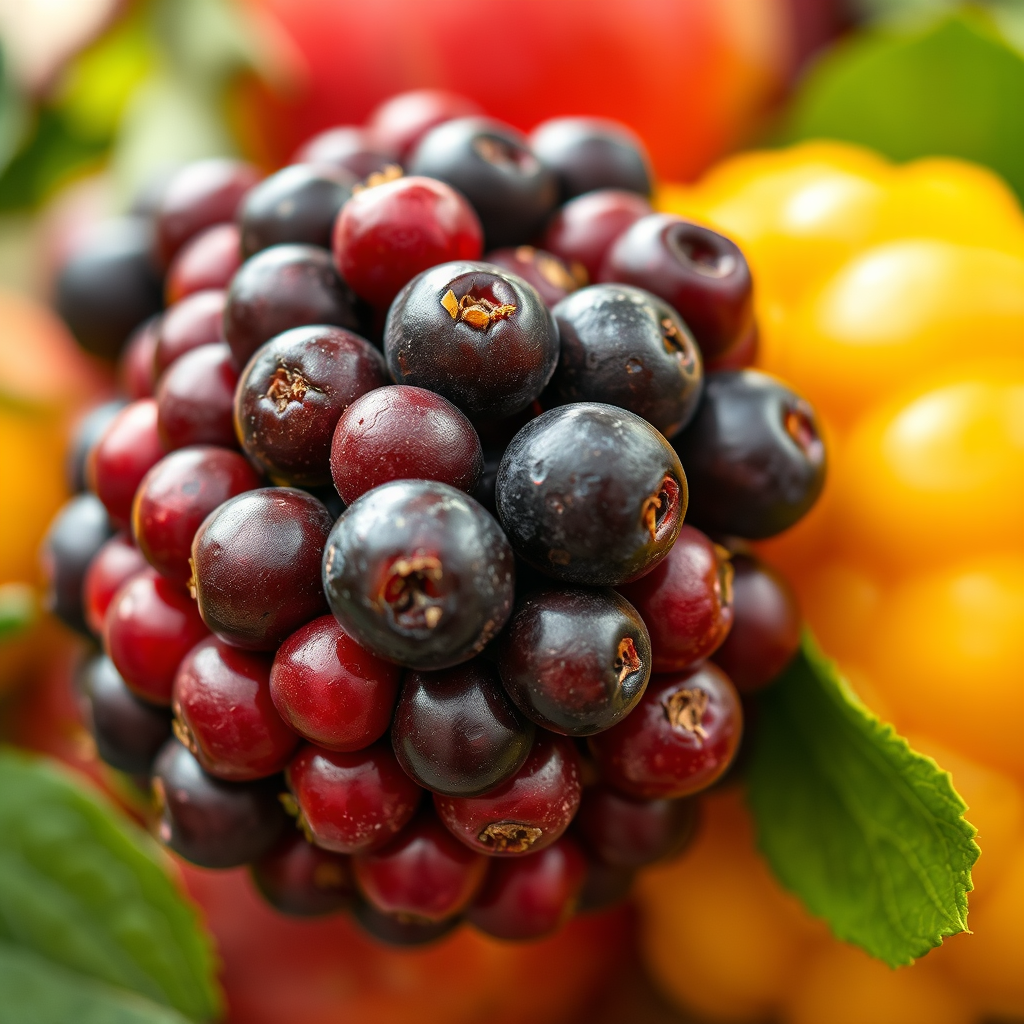
While fruits are packed with goodness, they do contain natural sugars, primarily fructose, glucose, and sucrose. When you eat fruit, your body breaks down these sugars, eventually converting them into glucose that enters your bloodstream. This is a normal process, but for someone with diabetes, the speed and amount of this glucose can make a difference. It’s crucial to differentiate between the natural sugars found in whole fruit and the added sugars found in processed foods or fruit juices. Natural sugars in whole fruits come packaged with fiber, which significantly alters how your body processes them compared to consuming isolated sugars. This is why a whole apple has a different impact on blood sugar than apple juice, even if they contain the same amount of sugar.
* The glycemic index (GI) and glycemic load (GL) are crucial metrics for understanding how quickly a fruit raises blood sugar.
To make informed choices, familiarize yourself with the glycemic index (GI) and glycemic load (GL). The GI is a rating system that ranks carbohydrate-containing foods from 0 to 100 based on how quickly they raise your blood sugar after consumption. Foods with a high GI (70 or more) cause a rapid spike, while low GI foods (55 or less) lead to a slower, more gradual rise. However, GI alone doesn’t tell the whole story, as it doesn’t account for portion size. This is where the glycemic load (GL) comes in. GL considers both the GI of a food and the amount of carbohydrates in a typical serving, offering a more realistic picture of a food’s impact on blood sugar. For example, watermelon has a relatively high GI, but because it’s mostly water, a standard serving has a low GL, meaning its overall effect on blood sugar is less dramatic than its GI might suggest. Focusing on low GI and low GL fruits is a smart strategy for diabetes management.
* Fiber in whole fruits helps slow down sugar absorption, promoting more stable blood glucose.
Fiber is truly a superhero when it comes to fruit and blood sugar management. Whole fruits, especially those eaten with their skin, are rich in both soluble and insoluble fiber. Soluble fiber dissolves in water to form a gel-like substance in your gut, which slows down the digestion and absorption of sugars. This means glucose enters your bloodstream at a more gradual pace, preventing sharp spikes and helping to maintain stable blood sugar levels. Insoluble fiber adds bulk to your stool and aids in digestive regularity, contributing to overall gut health. Beyond blood sugar control, fiber also promotes satiety, helping you feel fuller for longer, which can be beneficial for weight management—a key factor in diabetes control. Always opt for whole fruits over juices to ensure you’re getting all that beneficial fiber.
Top Low-GI Fruits for Diabetes Management
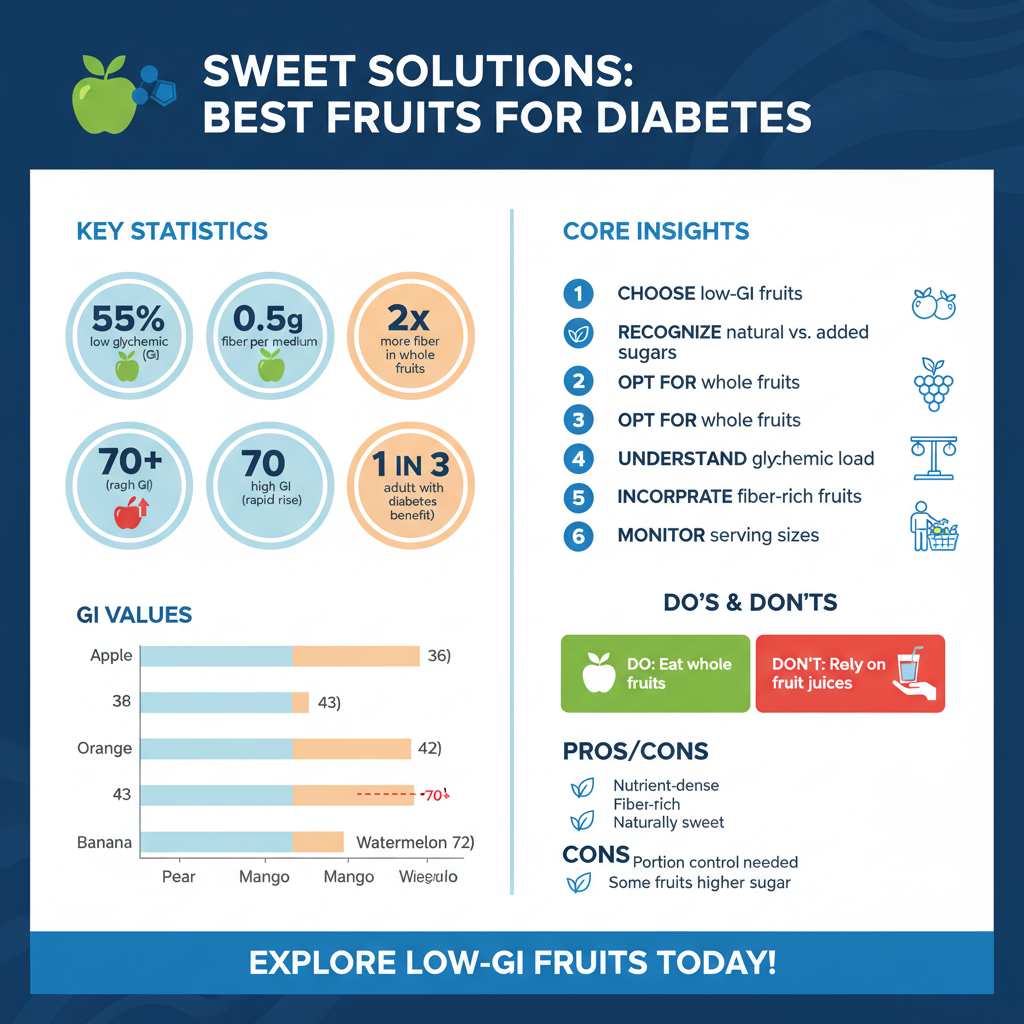
When selecting fruits, prioritizing those with a lower glycemic index and a high fiber content is a fantastic strategy. These fruits offer a wealth of nutrients without causing rapid blood sugar surges.
* Berries (strawberries, blueberries, raspberries): Rich in antioxidants and fiber, with a low GI.
Berries are absolute powerhouses for people with diabetes. Strawberries, blueberries, raspberries, and blackberries are not only bursting with flavor but are also incredibly low in sugar and high in fiber, making them excellent choices. A cup of raspberries, for instance, can pack around 8 grams of fiber and is relatively low in carbohydrates. They are loaded with antioxidants, particularly anthocyanins, which give them their vibrant colors and have been linked to improved insulin sensitivity and reduced inflammation. You can enjoy berries in countless ways: toss them into your morning Greek yogurt, blend them into a healthy smoothie, sprinkle them over oatmeal, or simply enjoy a handful as a refreshing snack. Their low GI means you can indulge without significant blood sugar worries, provided you stick to sensible portion sizes.
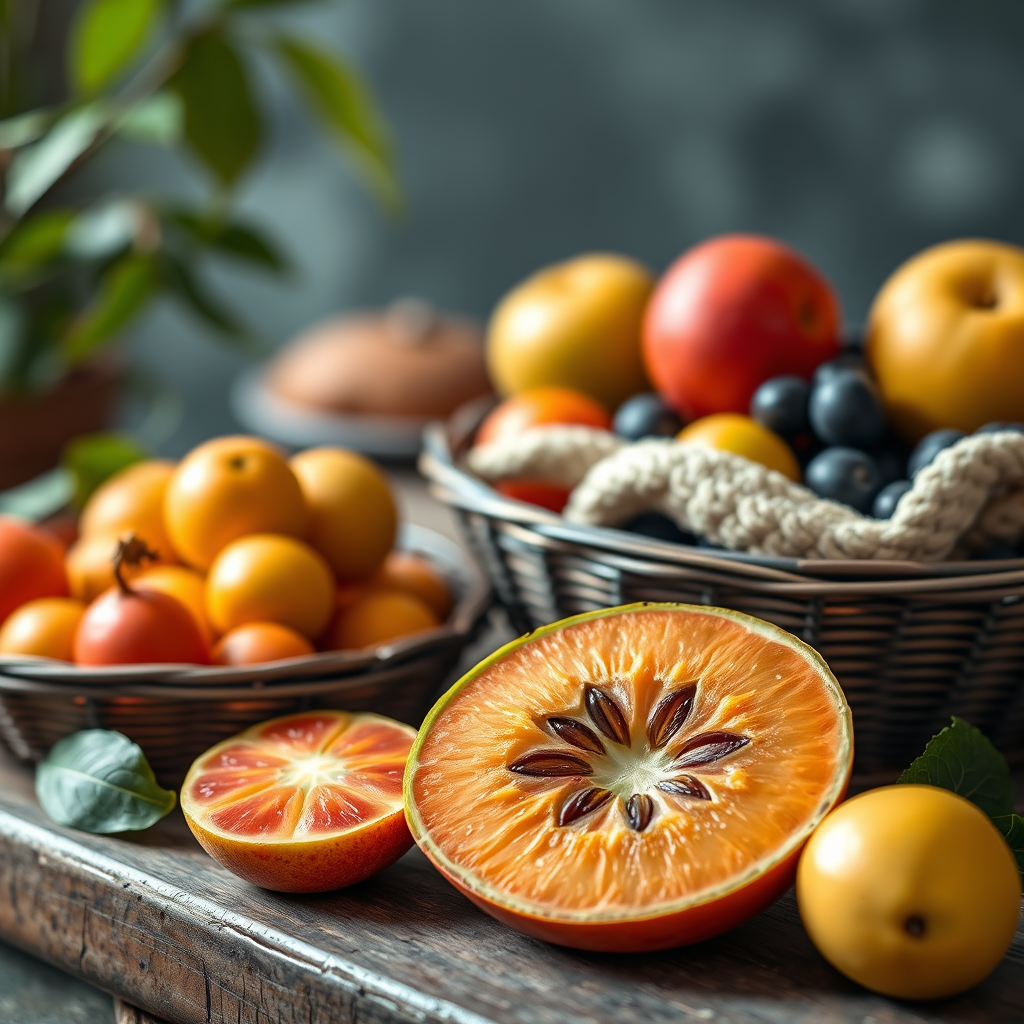
* Citrus Fruits (oranges, grapefruits): Excellent sources of Vitamin C and fiber, generally low on the GI scale.
Zesty and refreshing, citrus fruits like oranges and grapefruits are another wonderful addition to a diabetes-friendly diet. They are renowned for their high Vitamin C content, an important antioxidant that supports immune function. Beyond Vitamin C, they also provide a good amount of fiber, especially when you eat the whole fruit and not just the juice. Oranges, with their soluble fiber called pectin, can help lower cholesterol and slow sugar absorption. Grapefruits, though similar in benefits, come with a crucial caveat: they can interact with certain medications, including some for cholesterol and blood pressure, so always check with your doctor or pharmacist if you’re on medication before incorporating them regularly. When choosing citrus, opt for a medium-sized whole fruit rather than a large glass of juice to maximize fiber benefits and minimize sugar impact.
* Apples and Pears (with skin): High in fiber and relatively low GI, making them satisfying and blood-sugar friendly.
The humble apple and pear are truly nutritional gems, especially when consumed with their skin. Both are excellent sources of soluble fiber, particularly pectin, which plays a significant role in moderating blood sugar levels by slowing down digestion. They also contain quercetin, a powerful antioxidant that may help reduce inflammation. Eating the skin is non-negotiable here, as that’s where a large portion of their beneficial fiber and antioxidants are concentrated. A medium-sized apple or pear has a relatively low glycemic index, making it a smart choice for a snack or a part of a meal. They’re incredibly versatile too – enjoy them raw, sliced into salads, or gently baked with a sprinkle of cinnamon for a warm treat. Remember that different varieties might have slightly different sugar contents, but overall, they are great choices.
* Kiwi: Packed with Vitamin C and fiber, with a modest sugar content.
These small, fuzzy fruits are often overlooked but are nutritional powerhouses perfect for diabetes management. Kiwi offers an impressive amount of Vitamin C, even more than oranges per serving, along with Vitamin K, Vitamin E, and potassium. Crucially for diabetes, kiwi is also rich in fiber, which contributes to its low glycemic index. Its unique enzyme, actinidin, can aid in protein digestion, and its combination of nutrients supports overall health. A single kiwi has a modest sugar content and can be a delightful and healthy addition to your fruit rotation. You can peel and slice it, or for an extra fiber boost, some people even eat the skin (though it’s an acquired taste!).
Fruits to Enjoy in Moderation
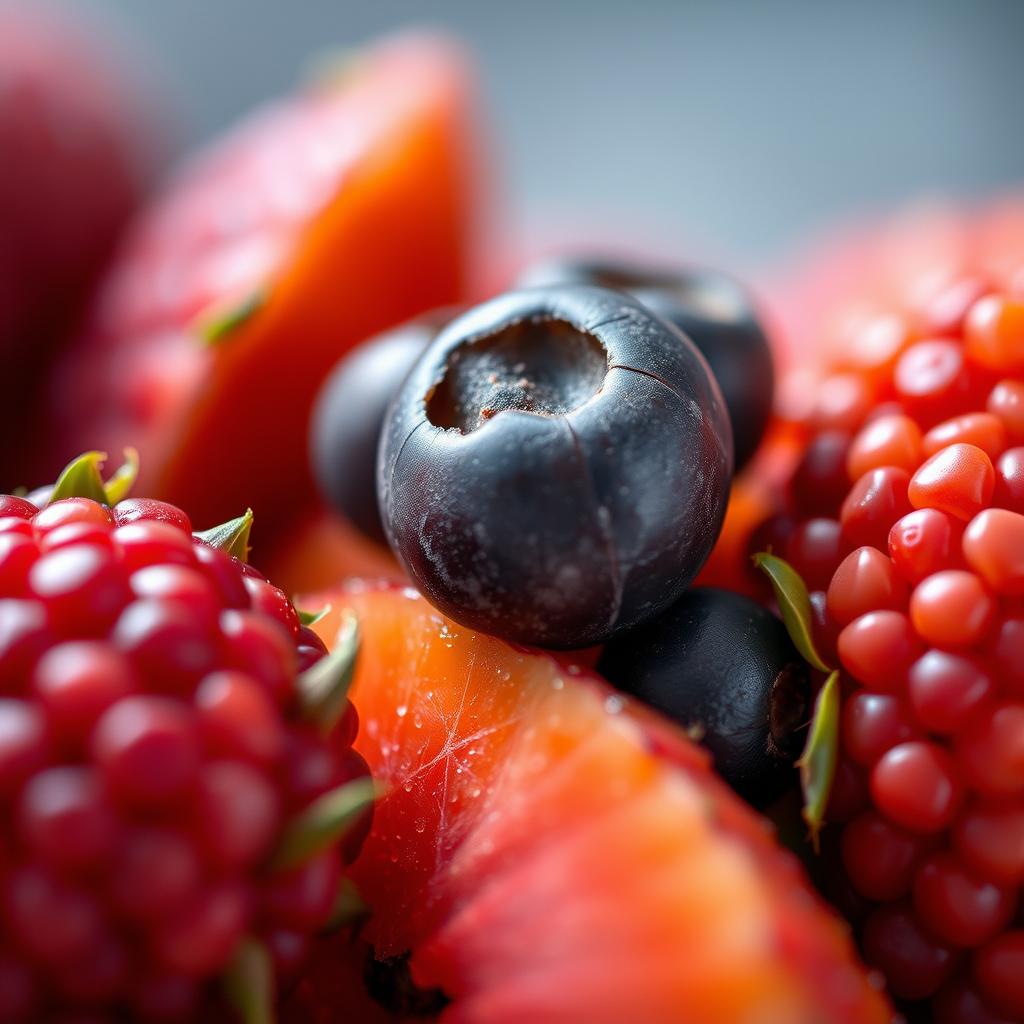
While some fruits are excellent for daily consumption, others require a bit more mindfulness due to their higher natural sugar content or glycemic index. These can still be part of a healthy diet, but portion control and timing become even more critical.
* Bananas: Depending on ripeness, bananas can have a moderate GI; opt for less ripe ones and control portion sizes.
Bananas are a popular and convenient fruit, but their impact on blood sugar can vary significantly with ripeness. Green, less ripe bananas contain more resistant starch, which behaves more like fiber and has a lower GI. As bananas ripen, this resistant starch converts into simple sugars, increasing their GI. Therefore, opting for slightly less ripe, firmer bananas is a better choice for blood sugar control. Portion size is also key; a small banana (around 6 inches) contains fewer carbohydrates than a large one. Consider pairing a small, slightly green banana with a source of protein or healthy fat, like a spoonful of peanut butter or a small handful of almonds, to further slow down sugar absorption and prevent spikes.
* Mangoes and Pineapples: These tropical fruits are delicious but contain more natural sugar, so moderation is key.
Tropical delights like mangoes and pineapples are undeniably delicious and packed with vitamins and antioxidants, but they do come with a higher sugar content compared to berries or apples. A serving of mango or pineapple will typically have a higher glycemic index, meaning it can raise blood sugar more quickly. However, this doesn’t mean you have to avoid them entirely! The key is moderation. Enjoy them in smaller servings—perhaps a quarter to a half-cup—and try to incorporate them into a meal rather than eating them on their own. For example, a small amount of diced mango could be a delightful addition to a chicken salad, or a few pieces of pineapple can brighten up a yogurt parfait. Their nutritional benefits, like the Vitamin C in mangoes and bromelain in pineapple, are still valuable when consumed mindfully.
* Melons (watermelon, cantaloupe): While high in water content, they have a higher GI; enjoy in smaller servings.
Melons, including watermelon and cantaloupe, are incredibly hydrating and refreshing, especially in warmer months. They are mostly water, which is fantastic, but the carbohydrates they do contain tend to have a higher glycemic index. This means they can potentially cause a quicker rise in blood sugar. However, because of their high water content, a typical serving of melon actually has a relatively low glycemic load (GL). So, while the quality of the carb might be higher GI, the quantity of carbs in a typical slice isn’t overwhelming. The strategy here is once again focused on smaller servings. Instead of a huge wedge, opt for a small cup of diced melon. Pairing it with a handful of nuts or a cheese stick can help buffer the sugar impact and make it a perfectly acceptable treat.
The Importance of Portion Control and Timing
Beyond choosing the right types of fruits, how much you eat and when you eat it are equally vital for effective blood sugar management. Even the healthiest foods can impact your glucose levels if consumed in excessive amounts.
* Even healthy fruits should be consumed in measured portions to manage carbohydrate intake.
This is perhaps the most crucial rule for enjoying fruit with diabetes. All fruits contain carbohydrates, and it’s the total carbohydrate intake that directly affects your blood sugar levels. Even low-GI fruits, if eaten in large quantities, can add up to a significant carbohydrate load. It’s helpful to learn about standard serving sizes and their corresponding carbohydrate counts. For example, a medium apple might contain about 15-20 grams of carbohydrates, while a cup of berries might have 10-15 grams. Using measuring cups or a food scale, at least initially, can help you get a better sense of appropriate portions. Thinking of fruits as a “carb choice” within your daily meal plan can help you fit them in without overdoing it. Work with a registered dietitian to understand your individual carbohydrate targets per meal or snack.
* Pairing fruit with a protein or healthy fat (e.g., nuts, Greek yogurt) can further slow sugar absorption.
One of the smartest strategies for consuming fruit is to combine it with other macronutrients that slow down digestion. When you eat fruit alone, its sugars can be absorbed relatively quickly. However, when you pair it with a source of protein (like Greek yogurt, cottage cheese, or a hard-boiled egg) or a healthy fat (such as a small handful of almonds, walnuts, or a tablespoon of nut butter), you create a more balanced snack or meal. The protein and fat slow down gastric emptying, meaning the sugars from the fruit enter your bloodstream at a much more gradual and controlled pace. This helps prevent rapid blood sugar spikes and keeps you feeling satisfied for longer. Think apple slices with peanut butter, a berry and spinach salad with some grilled chicken, or a small bowl of fruit with a few pecans.
* Consider eating fruit as a snack between meals or as part of a balanced meal rather than on its own right before bed.
The timing of your fruit consumption can also influence its impact. Eating fruit as a snack between meals can help stave off hunger and provide a boost of nutrients without disrupting your main meal’s carbohydrate balance. Integrating fruit as part of a balanced meal, for instance, adding berries to your breakfast oatmeal or a few orange segments to a lunch salad, can help distribute its sugar content among other foods. It’s generally advisable to avoid eating large portions of fruit, especially higher-sugar varieties, right before bedtime. Your metabolism slows down at night, and without the activity to utilize the incoming glucose, it could lead to higher blood sugar readings in the morning. Instead, if you need a late-night snack, opt for something low-carb like a small handful of nuts or some plain Greek yogurt.
Fruits to Limit or Avoid
While the focus should always be on what you can eat, it’s equally important to be aware of certain fruit forms that can be detrimental to blood sugar control. These often remove the beneficial fiber or add excessive sugars, turning a healthy food into a less-than-ideal choice.
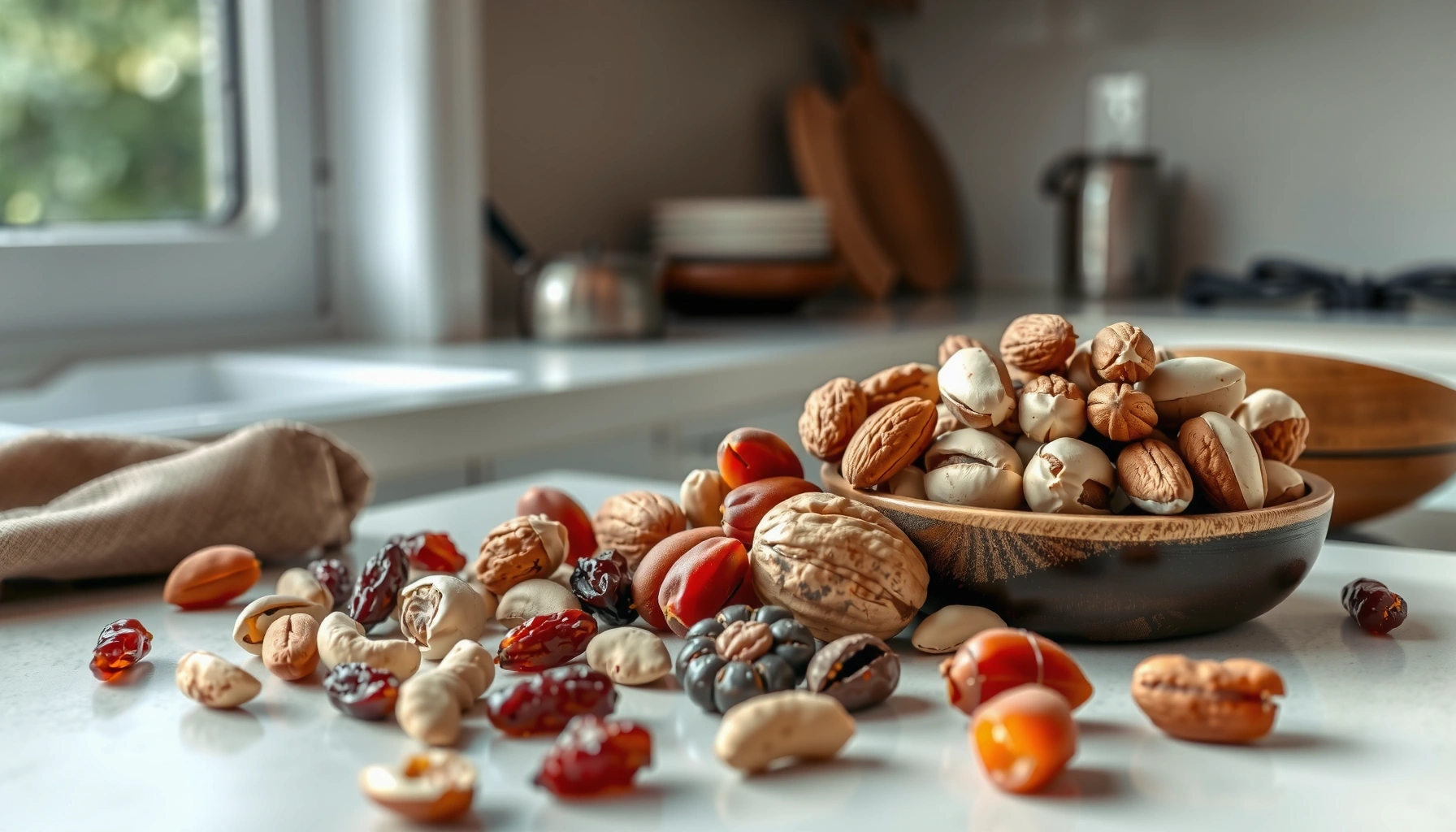
* Dried Fruits: Highly concentrated in sugar, making their GI and GL much higher than fresh fruit (e.g., raisins, dates, dried cranberries).
Dried fruits might seem like a healthy snack because they come from whole fruit, but the drying process removes most of the water, leaving behind a highly concentrated source of natural sugars. This concentration means that a small serving of dried fruit contains significantly more sugar and carbohydrates than an equivalent serving of fresh fruit. For example, a small box of raisins can contain as much sugar as a large bunch of grapes, but without the bulk and water to slow absorption, it can cause a rapid and significant spike in blood sugar. Dates, dried cranberries (especially those with added sugar), and dried apricots are other common culprits. If you occasionally enjoy dried fruit, treat it as a dessert, consume it in very small, measured portions, and pair it with a protein or fat to mitigate the sugar rush.
* Fruit Juices: Lack the beneficial fiber of whole fruit, leading to rapid blood sugar spikes.
This is perhaps one of the most important distinctions to make: fruit juice is not the same as whole fruit, especially for people with diabetes. When fruit is juiced, its beneficial fiber is almost entirely removed. Without this fiber, the natural sugars present in the juice are absorbed very quickly into your bloodstream, leading to rapid and often significant blood sugar spikes, much like drinking a sugary soda. Even 100% natural fruit juice, without any added sugars, behaves this way. While juice does contain some vitamins, the adverse effect on blood sugar far outweighs these benefits for someone with diabetes. It’s best to steer clear of fruit juices entirely and opt for plain water, unsweetened tea, or sparkling water with a slice of fresh lemon or lime instead.
* Canned Fruits in Syrup: Often loaded with added sugars, which should be avoided.
Canned fruits can be convenient, but many varieties are packed in heavy syrup, light syrup, or even fruit juice concentrate. These syrups are essentially just added sugars that will significantly increase the carbohydrate content and caloric value of the fruit, leading to unwanted blood sugar elevations. Always check the label carefully. If you choose canned fruit, look for options that are explicitly labeled “in water,” “no added sugar,” or “unsweetened.” Even then, it’s crucial to drain and rinse the fruit before consuming to remove any residual sugars. However, fresh or frozen fruit without added sugar is always the superior choice, as it retains all its natural fiber and nutrients without any hidden pitfalls.
Beyond Fruit: A Holistic Approach
While understanding which fruits are best for diabetes is a fantastic step, remember that it’s just one piece of a much larger, more intricate puzzle. Managing diabetes effectively requires a comprehensive and holistic approach to your overall lifestyle.
* Fruit is just one part of a balanced diabetes-friendly diet; focus on whole foods, lean proteins, and healthy fats.
A truly diabetes-friendly diet extends far beyond just fruit choices. It’s about building a foundation of nutrient-dense, whole foods. This means prioritizing a wide variety of non-starchy vegetables (like leafy greens, broccoli, peppers), choosing lean protein sources (fish, chicken, beans, lentils, tofu), and incorporating healthy fats (avocado, nuts, seeds, olive oil). Whole grains in moderation (like quinoa, oats, brown rice) also have a place. The synergy of these food groups works together to stabilize blood sugar, provide sustained energy, and deliver a broad spectrum of vitamins and minerals. Think about your plate as a whole: half non-starchy vegetables, a quarter lean protein, and a quarter whole grain or starchy vegetable, with fruit fitting in as a controlled snack or a small part of a meal.
* Regular physical activity also plays a vital role in blood sugar management.
Diet and exercise are two sides of the same coin when it comes to diabetes management. Regular physical activity is incredibly powerful in helping to control blood sugar levels. When you exercise, your muscles use glucose for energy, effectively removing it from your bloodstream. Additionally, physical activity increases your body’s sensitivity to insulin, meaning your body can use its own insulin more efficiently to move glucose into cells. This can lead to lower blood sugar levels and, over time, potentially reduce the need for certain diabetes medications. Aim for at least 150 minutes of moderate-intensity aerobic activity (like brisk walking, swimming, or cycling) per week, along with two days of strength training. Find activities you enjoy to make it a sustainable part of your routine.
* Always consult with a healthcare provider or a registered dietitian for personalized dietary advice tailored to your specific needs.
While this guide provides valuable general information, it’s absolutely crucial to remember that diabetes management is highly individual. What works perfectly for one person may not be ideal for another, especially given variations in medication, activity levels, other health conditions, and personal preferences. Your healthcare provider, particularly a doctor specializing in endocrinology or a certified diabetes educator, can offer medical advice tailored to your specific diagnosis and treatment plan. Furthermore, a registered dietitian (RD) or certified diabetes care and education specialist (CDCES) is an invaluable resource for personalized dietary counseling. They can help you create a meal plan that fits your lifestyle, teaches you practical carbohydrate counting skills, and ensures you’re meeting all your nutritional needs while effectively managing your blood sugar. Don’t hesitate to seek their expert guidance.
Incorporating the right fruits into your diabetes meal plan can be both healthy and delicious. By choosing low-GI, fiber-rich options and being mindful of portion sizes, you can enjoy the natural sweetness and nutritional benefits of fruit without compromising your blood sugar goals. Start by experimenting with berries and citrus, track your blood sugar responses to see what works best for you, and remember to pair fruits with proteins or healthy fats for more stable glucose levels. Always avoid dried fruits, juices, and canned fruits in syrup. Ultimately, fruit is a wonderful part of a balanced diet when managed smartly, so work closely with your healthcare team to find what truly works best for you and your unique diabetes journey.
Frequently Asked Questions
What are the best fruits for people with diabetes to manage blood sugar?
The best fruits for people with diabetes are generally those low in glycemic index (GI) and high in fiber, which help minimize blood sugar spikes. Excellent choices include berries (strawberries, blueberries, raspberries), apples, pears, oranges, grapefruit, and peaches. These fruits provide essential vitamins, minerals, and antioxidants, making them healthy diabetes-friendly snacks.
How does fruit sugar (fructose) impact blood sugar levels for diabetics?
The natural sugars (fructose) in whole fruits affect blood sugar differently than added sugars found in processed foods. The fiber in whole fruits slows down sugar absorption into the bloodstream, leading to a more gradual rise in blood glucose. However, portion control is still important, as even natural sugars contribute to carbohydrate intake for individuals managing diabetes.
Which fruits should diabetics eat in moderation or be cautious with due to higher sugar content?
While no fruit is strictly “off-limits,” some fruits should be consumed in moderation due to their higher natural sugar content or glycemic index. These include tropical fruits like mangoes, bananas, grapes, and cherries. Additionally, dried fruits and fruit juices, which lack the beneficial fiber of whole fruit and are concentrated sources of sugar, should be consumed sparingly or avoided by people with diabetes.
How much fruit can a person with diabetes safely consume daily?
Most people with diabetes can safely enjoy 2-3 servings of fruit per day, but individual needs vary based on their diabetes management plan and activity level. A standard serving size is typically one small piece of whole fruit (like an apple or orange) or about a half-cup of berries or chopped fruit. It’s always best to consult with a healthcare provider or registered dietitian to determine personalized fruit intake recommendations.
Why is the glycemic index (GI) important when choosing fruits for diabetes management?
The Glycemic Index (GI) is important because it measures how quickly a food raises blood glucose levels after eating. Choosing fruits with a lower GI helps maintain more stable blood sugar, preventing sharp spikes and crashes that can be detrimental for people with diabetes. Fruits high in fiber often have a lower GI, making them a preferred choice for better diabetes control and overall health.
References
- Best Fruit Choices for Diabetes | ADA
- https://www.mayoclinic.org/diseases-conditions/diabetes/expert-answers/fruit-and-diabetes/faq-20057790
- https://www.hsph.harvard.edu/nutritionsource/food-features/fruits-and-vegetables/
- https://health.clevelandclinic.org/what-are-the-best-fruits-for-diabetes/
- https://www.uofmhealth.org/health-library/aa156096
- https://www.diabetes.org.uk/guide-to-diabetes/eating-well/fruit
- Diet in diabetes