
For individuals managing diabetes, the best snacks are those rich in fiber and protein, low in added sugars, and mindful of carbohydrate content, helping to stabilize blood sugar levels between meals. Prioritizing whole, unprocessed foods that offer sustained energy and essential nutrients can significantly impact blood sugar control and overall well-being. This guide will explore a variety of smart snacking options to keep you feeling satisfied and your blood sugar in check.




Understanding Smart Diabetic Snacking Principles
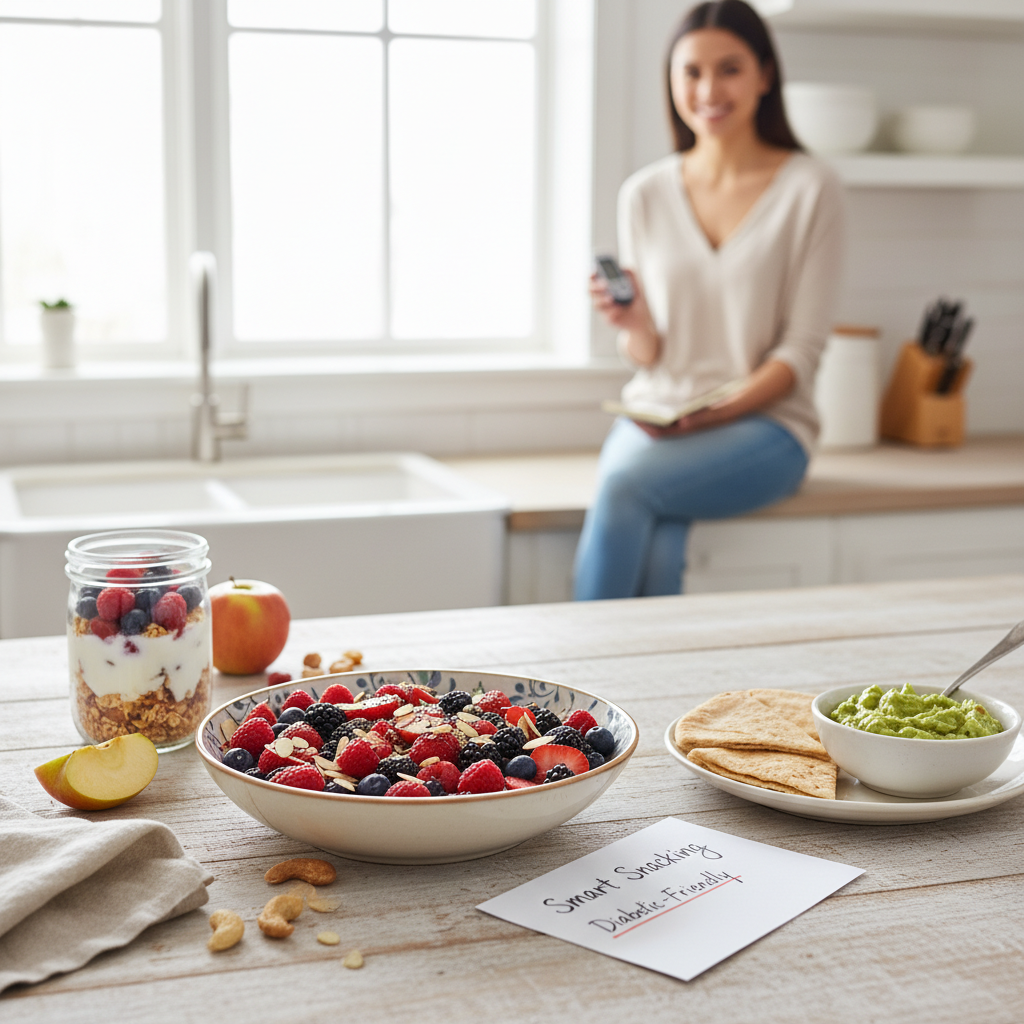
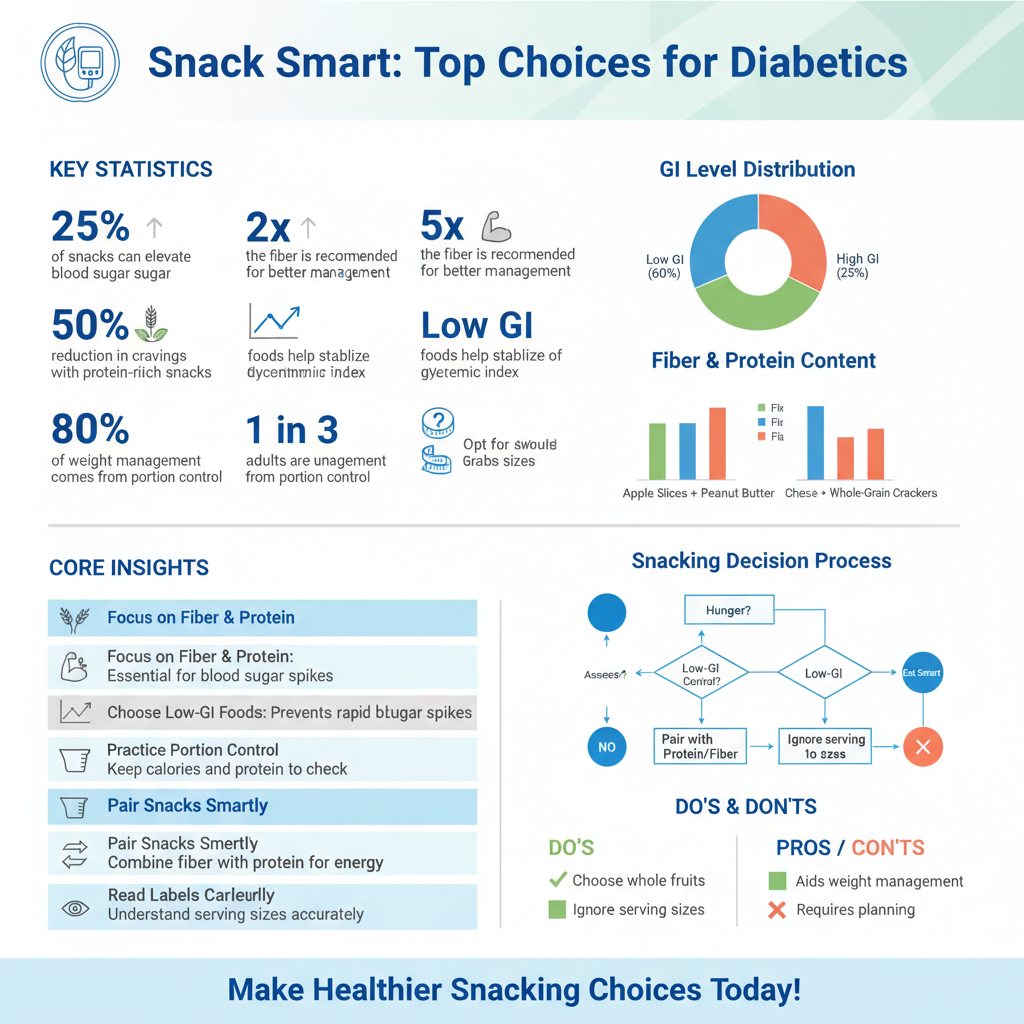
When it comes to managing diabetes, every food choice matters, and snacking is no exception! Thinking strategically about your snacks can be a game-changer, helping you maintain stable blood sugar levels, control your appetite, and even boost your nutrient intake throughout the day. Here’s a closer look at the key principles to guide your healthy snacking adventures:
* Focus on Fiber & Protein: These nutrients are truly a dynamic duo for diabetes management. Fiber, found abundantly in plants, slows down the digestion and absorption of carbohydrates, which in turn helps prevent rapid blood sugar spikes. It also contributes to a feeling of fullness, aiding in weight management. Protein, on the other hand, provides satiety and helps stabilize blood sugar by slowing down glucose absorption and preventing cravings. When you combine fiber and protein in your snacks, you create a powerful synergy that keeps your energy levels steady and your hunger at bay for longer. Think about pairing an apple (fiber) with a tablespoon of peanut butter (protein and healthy fat) or enjoying some Greek yogurt (protein) with a handful of berries (fiber).
* Mind the Glycemic Index (GI): The Glycemic Index is a system that ranks carbohydrate-containing foods based on how quickly they raise blood glucose levels. Foods with a high GI are rapidly digested and absorbed, causing a quick and significant rise in blood sugar. Low-GI foods, however, are digested and absorbed more slowly, leading to a gradual and more manageable rise in blood sugar. For smart diabetic snacking, opting for low-GI foods is ideal. This includes most non-starchy vegetables, many fruits (like berries and apples), legumes, and whole grains. Understanding and applying the GI can help you make informed choices that contribute to better blood sugar control, reducing the risk of sudden peaks and crashes.
* Practice Portion Control: Even the healthiest snacks contribute calories and carbohydrates to your daily intake, and too much of a good thing can still lead to elevated blood sugar or unintended weight gain. Portion control is absolutely crucial for effective diabetes management. It means being aware of appropriate serving sizes for each food item. This might involve reading nutrition labels carefully, using measuring cups or a kitchen scale, or simply being mindful of recommended serving suggestions. For instance, a small handful of almonds is a healthy snack, but eating the entire bag will likely negate its benefits. Learning to eyeball portion sizes or pre-portioning snacks can be incredibly helpful in keeping your blood sugar within target ranges and managing your overall calorie intake.
Fruity & Veggie Powerhouses
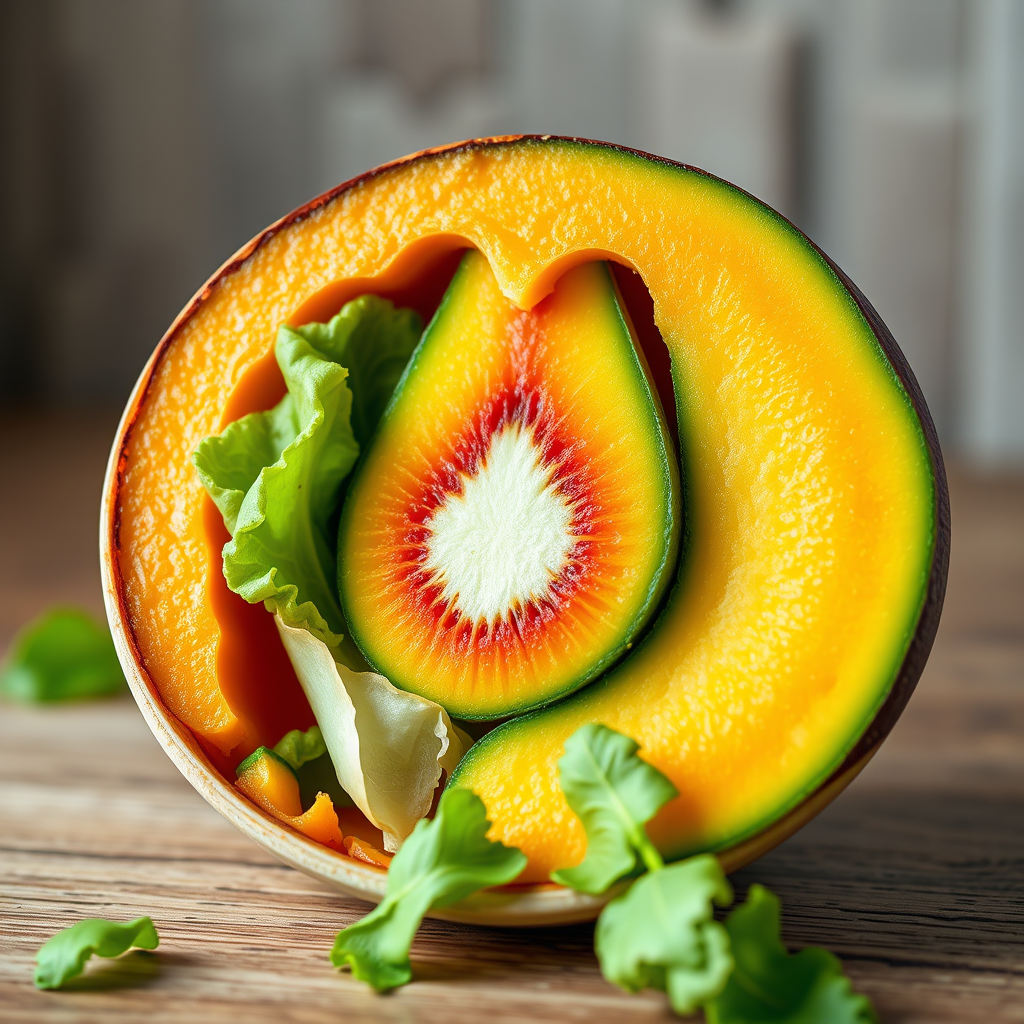
Nature’s candy and crunchy goodness are fantastic snack options for people with diabetes, provided you make smart choices and practice mindful pairing. These vibrant foods are packed with essential vitamins, minerals, and antioxidants, alongside that all-important fiber.
* Berries & Apples: When it comes to fruit, berries are often hailed as a superstar for individuals managing blood sugar. Blueberries, strawberries, raspberries, and blackberries are bursting with fiber and antioxidants, and their natural sugar content is generally lower compared to other fruits. A small bowl of mixed berries can be incredibly satisfying and won’t send your blood sugar soaring when enjoyed in moderation. Apples, especially with their skin on, are another excellent choice, offering soluble fiber that can help slow glucose absorption. Enjoy them sliced or whole, but remember that portion size is key due to their natural sugar content. Pears and oranges also make great low-GI fruit choices, providing a refreshing and nutrient-dense snack.
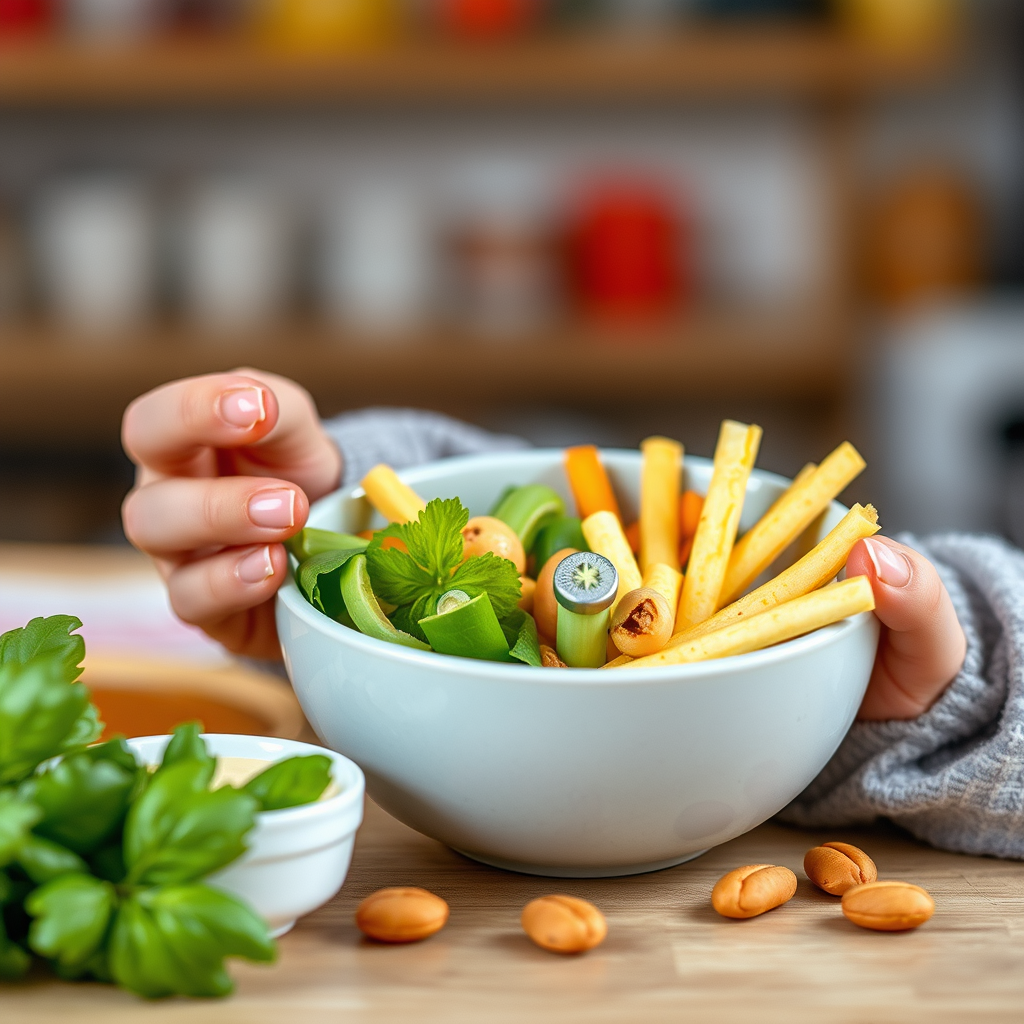
* Non-Starchy Vegetables: These are truly your best friends in the snack world! Non-starchy vegetables are incredibly low in carbohydrates and calories, yet high in fiber, vitamins, and minerals. You can enjoy a generous amount of these without significantly impacting your blood sugar. Think about crunchy carrots, crisp celery sticks, refreshing cucumber slices, vibrant bell pepper strips (red, yellow, orange!), nutrient-rich broccoli florets, or even cherry tomatoes. They provide a satisfying crunch and are excellent for curbing hunger. They’re perfect for dipping or simply enjoying plain, offering a wealth of health benefits without the carb load.
* Pairing for Balance: While fruits and some starchy vegetables are healthy, their carbohydrate content can still affect blood sugar. The trick is to pair them with a source of protein or healthy fat. This brilliant strategy further slows down digestion and absorption of sugars, leading to an even more stable blood sugar response. Imagine pairing apple slices with a tablespoon of natural peanut butter, or enjoying your favorite berries swirled into a cup of plain Greek yogurt. Carrot sticks become even more satisfying when dipped into a serving of hummus, which adds protein and healthy fats. This intelligent pairing not only helps manage blood sugar but also keeps you feeling fuller and more energized for longer.
Protein-Packed Dairy & Eggs
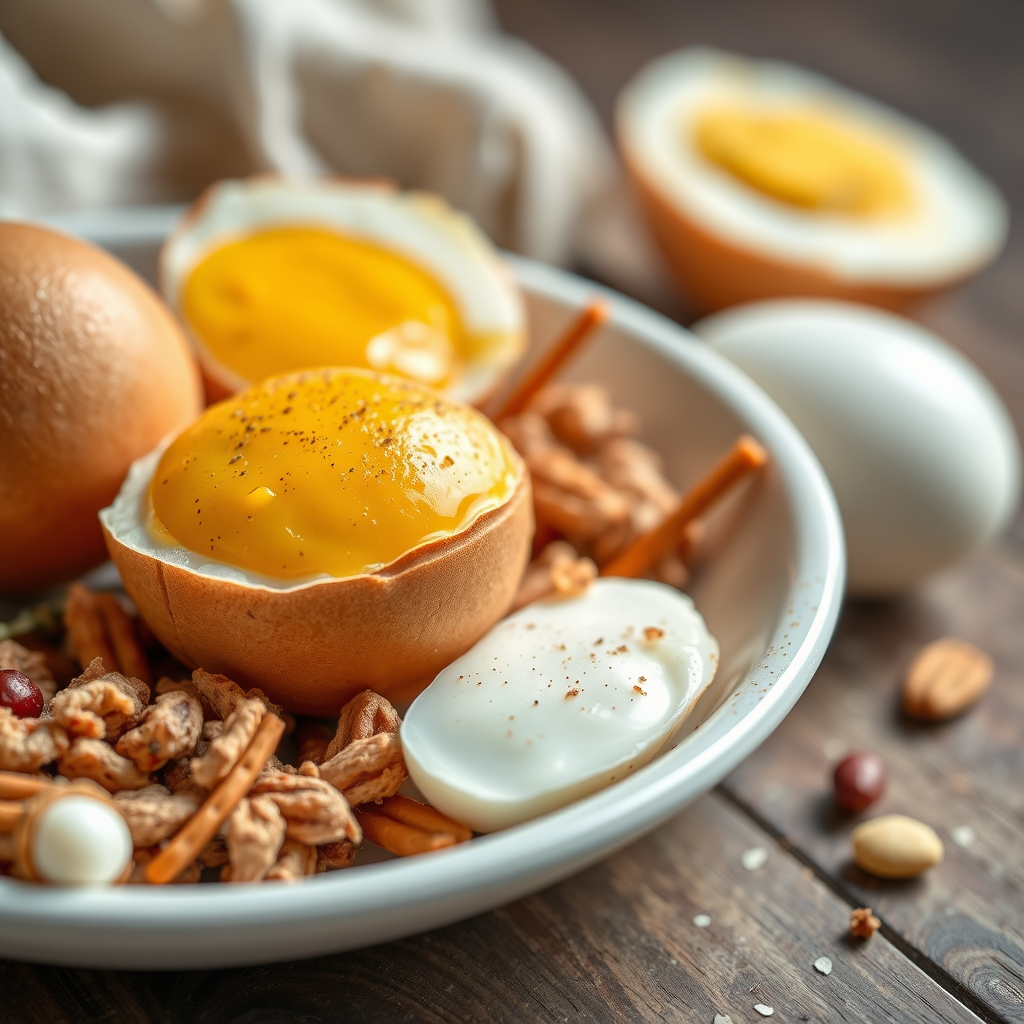
Dairy and eggs are champions of protein, offering versatility, satiety, and essential nutrients. They are fantastic choices for snacks that help stabilize blood sugar and keep hunger pangs at bay.
* Plain Greek Yogurt: This is a true powerhouse! Plain Greek yogurt stands out for its significantly higher protein content compared to regular yogurt, often providing twice as much. This protein helps you feel full and satisfied, while also slowing down the rate at which carbohydrates are absorbed, leading to more stable blood sugar levels. Beyond protein, it’s also an excellent source of calcium for bone health and often contains beneficial probiotics for gut health. The key here is “plain” and “unsweetened” – flavored yogurts can hide a surprising amount of added sugar. Spruce up your plain Greek yogurt with a small handful of fresh berries, a sprinkle of cinnamon, or a few chopped nuts for added flavor and nutrients without the sugar rush.
* Cottage Cheese: Another excellent source of protein, cottage cheese is a versatile and often overlooked snack. It’s particularly rich in casein protein, which is digested slowly, providing a sustained release of amino acids and helping you feel full for an extended period. This makes it an ideal choice for preventing those mid-afternoon energy slumps and warding off cravings until your next meal. Like Greek yogurt, it’s also a good source of calcium. Enjoy cottage cheese plain, or enhance its flavor by adding a few slices of fresh tomato and a sprinkle of black pepper, or a tiny amount of your favorite berries. You can even mix in a tablespoon of chopped nuts or seeds for an extra boost of healthy fats and fiber.
* Hard-Boiled Eggs: When it comes to convenience and nutritional bang for your buck, you can’t beat hard-boiled eggs. They are a complete protein source, meaning they contain all nine essential amino acids your body needs. Each large egg offers about 6 grams of protein, along with vital vitamins and minerals like Vitamin D, B12, and choline. Hard-boiled eggs are incredibly satisfying, helping to curb hunger without impacting your blood sugar significantly. They are also incredibly portable, making them a perfect grab-and-go snack for busy days. Prepare a batch at the beginning of the week, and you’ll have a quick, healthy, and filling snack ready whenever hunger strikes.
Nut & Seed Wonders
Nuts and seeds are miniature nutritional powerhouses, packed with healthy fats, fiber, and protein. While calorie-dense, their benefits for blood sugar management and heart health make them excellent snack choices when enjoyed in appropriate portions.
* Almonds, Walnuts & Pistachios: These tree nuts are champions of healthy fats, particularly monounsaturated and polyunsaturated fats, which are known to support heart health and help manage cholesterol levels. Beyond healthy fats, they also offer a good dose of plant-based protein and fiber, contributing to satiety and helping to slow down sugar absorption. Almonds are rich in Vitamin E, walnuts boast omega-3 fatty acids, and pistachios offer a vibrant array of antioxidants. The key with nuts is strict portion control. Due to their calorie density, a small handful (about 1/4 cup or 1 ounce) is typically the recommended serving size. Enjoy them raw or dry-roasted and unsalted to avoid unnecessary sodium and added oils.
* Chia Seeds & Flax Seeds: These tiny seeds punch well above their weight when it comes to nutritional value. Chia seeds are a fantastic source of soluble fiber, which forms a gel-like substance in water, aiding digestion, promoting fullness, and helping to regulate blood sugar levels. They are also rich in omega-3 fatty acids, which have anti-inflammatory benefits. Flax seeds, especially when ground, are another excellent source of omega-3s and fiber. Both can be easily incorporated into your snacks: sprinkle a tablespoon over your Greek yogurt or cottage cheese, blend them into a diabetic-friendly smoothie, or even make a chia seed pudding (using unsweetened almond milk and a touch of stevia) for a delicious and filling treat.
* Nut Butters: Natural, unsweetened nut butters, such as peanut, almond, or cashew butter, can be a creamy, delicious, and satisfying snack option. The protein and healthy fats in nut butters contribute significantly to satiety and help to stabilize blood sugar by slowing the absorption of carbohydrates. It is absolutely crucial to choose varieties that list only nuts (and perhaps a little salt) as ingredients, avoiding those with added sugars, hydrogenated oils, or excessive sodium. A tablespoon or two is generally an appropriate serving size. Pair your nut butter with a high-fiber companion like celery sticks, apple slices (remember to portion the apple!), or even a few whole-wheat crackers for a balanced and delightful snack.
Whole Grains & Legume Ideas
When chosen wisely, whole grains and legumes can be fantastic additions to a diabetic-friendly snack plan. They are rich in complex carbohydrates, fiber, and often protein, providing sustained energy and supporting blood sugar stability.
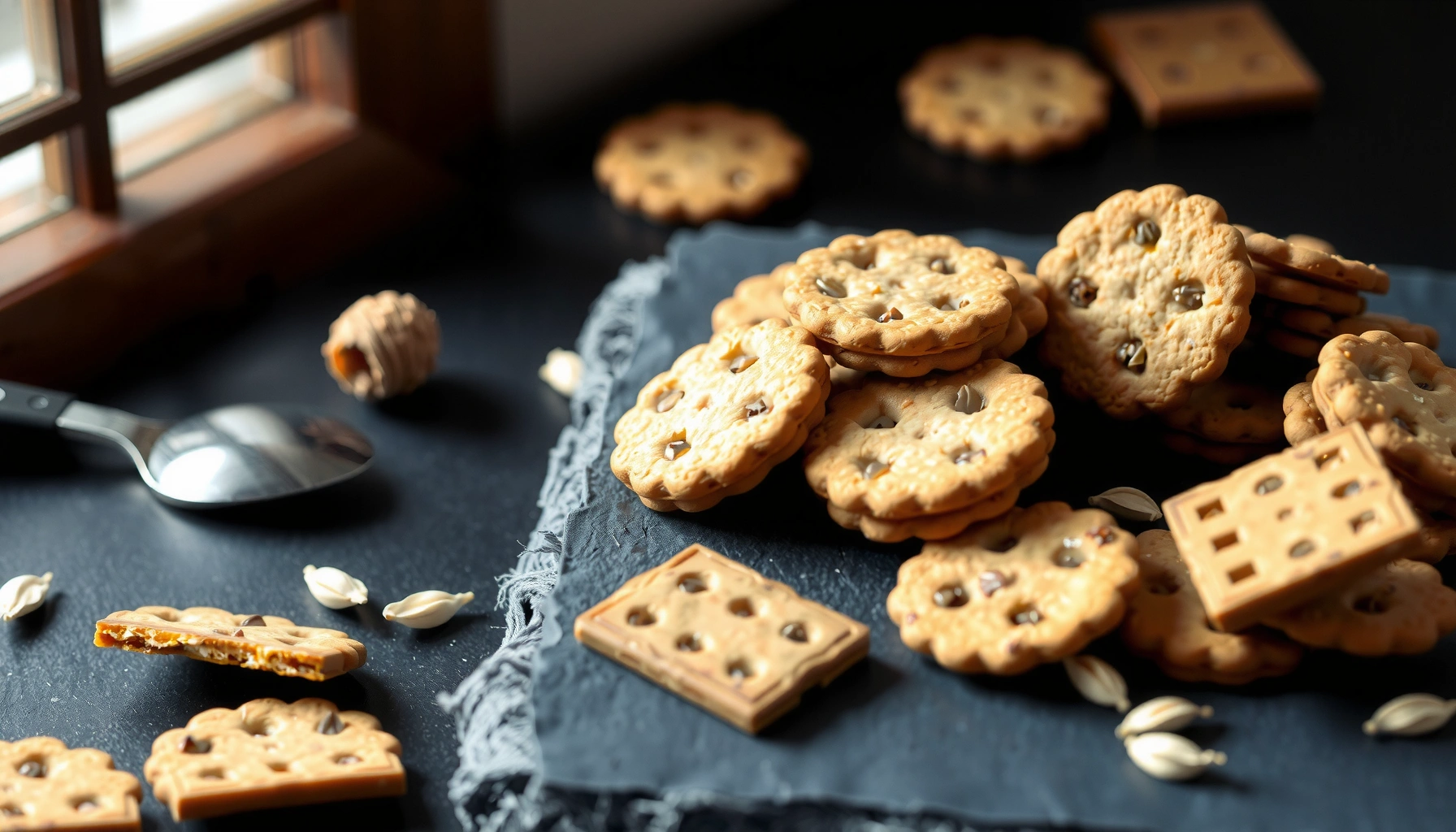
* Whole-Wheat Crackers: Not all crackers are created equal! For individuals managing diabetes, selecting whole-wheat crackers is paramount. Look for options that explicitly state “100% whole wheat” or “whole grain” as the first ingredient. These crackers are significantly higher in fiber than their refined counterparts, which aids in slowing digestion and preventing sharp blood sugar spikes. It’s also wise to check the nutrition label for low-sodium varieties and minimal added sugars. Whole-wheat crackers serve as an excellent base for other healthy toppings; pair them with a small slice of low-fat cheese, a dollop of hummus, or some mashed avocado for a balanced and satisfying snack that combines fiber, protein, and healthy fats. Always be mindful of the serving size, as crackers can add up quickly.
* Hummus with Veggies: Hummus, a delicious spread made from chickpeas, tahini (sesame paste), olive oil, lemon juice, and garlic, is a fantastic diabetic-friendly snack. Chickpeas are legumes packed with plant-based protein and soluble fiber, both of which are excellent for blood sugar management and promoting feelings of fullness. The healthy fats from tahini and olive oil further contribute to satiety and slow down carbohydrate absorption. The best way to enjoy hummus as a snack is by pairing it with non-starchy vegetables. Think crisp cucumber slices, vibrant bell pepper strips, crunchy carrot sticks, or refreshing celery. This combination offers a perfect blend of fiber, protein, and healthy fats without a significant impact on your blood sugar, making it a flavorful and nutritious choice.
* Edamame: These vibrant green soybeans, often enjoyed steamed in their pods and lightly salted, are a stellar snack option for anyone, especially those looking to manage blood sugar. Edamame is a complete plant-based protein, providing all the essential amino acids your body needs, making it incredibly satisfying. It’s also an excellent source of fiber, helping to slow down digestion and stabilize blood sugar levels. Additionally, edamame contains beneficial vitamins and minerals. Whether you opt for edamame in the pod (which can make the snacking experience last longer) or shelled, it’s a convenient, quick-to-prepare snack that offers a satisfying texture and a healthy boost of nutrients. A typical serving size is about ½ cup shelled edamame, providing a great balance of protein and fiber.
Convenient Grab-and-Go Options
Life gets busy, and sometimes you need a snack you can literally grab and take with you. Thankfully, there are several convenient options that fit perfectly into a diabetic-friendly eating plan, ensuring you’re never caught off guard without a healthy choice.
* Cheese Sticks: Simple, delicious, and incredibly convenient, cheese sticks are a fantastic grab-and-go snack. They are an excellent source of protein and calcium, making them beneficial for both satiety and bone health. The fat content in cheese also helps to slow digestion, which means a more gradual rise in blood sugar compared to a carb-heavy snack. Opt for varieties like mozzarella, cheddar, or Colby jack cheese sticks for a quick protein boost. They’re individually wrapped, making portion control a breeze, and don’t require refrigeration for short periods. For an even more balanced snack, consider pairing a cheese stick with a handful of whole-wheat crackers or a few non-starchy vegetable sticks like mini bell peppers or cucumber slices.
* Sugar-Free Gelatin or Pudding: Sometimes you just crave something sweet, and that’s perfectly normal! Sugar-free gelatin or pudding can be a lifesaver for satisfying a sweet tooth without significantly impacting your blood sugar levels. These options typically use artificial sweeteners, which provide sweetness without the added carbohydrates or calories of traditional desserts. They are generally low in calories and can offer a refreshing or creamy texture depending on your preference. While they don’t provide a significant amount of nutrients like fiber or protein, they can serve as a harmless treat to manage cravings. Just remember to check the labels to ensure they are truly sugar-free and consume them in moderation as part of an otherwise nutrient-dense diet.
* Diabetic-Friendly Protein Bars: The market is flooded with protein bars, but finding a truly “diabetic-friendly” one requires careful label scrutiny. These bars can be incredibly convenient for travel or busy days when other healthy options aren’t available, but not all are created equal. Look for bars that are high in fiber (at least 3-5 grams per serving), offer adequate protein (10-15 grams or more), and are low in net carbohydrates (total carbs minus fiber and sugar alcohols, if present). Crucially, steer clear of bars with excessive added sugars, corn syrup, or a long list of unpronounceable ingredients. Many “health” bars are essentially glorified candy bars in disguise. When chosen wisely, a good protein bar can provide a balanced blend of protein and fiber to keep you full and your blood sugar stable until your next meal.
Incorporating smart snacking into your daily routine is a powerful tool for managing diabetes, helping to prevent extreme blood sugar fluctuations and maintain energy levels. By focusing on balanced, fiber-rich, and protein-packed options, you can enjoy delicious treats that support your health goals. Always consult with your healthcare provider or a registered dietitian to tailor a snack plan that best fits your individual needs and dietary requirements.
Frequently Asked Questions
What are the best types of snacks for diabetics to help manage blood sugar effectively?
The best diabetic snacks are those rich in protein, fiber, and healthy fats, as these nutrients help slow down sugar absorption and promote satiety. Prioritizing options like non-starchy vegetables, lean proteins, nuts, seeds, and whole-grain crackers (in moderation) can significantly aid in blood sugar control. These foods minimize rapid glucose spikes, keeping energy levels stable throughout the day.
How can diabetics choose quick and easy, grab-and-go snack options that are also healthy?
For convenient, healthy diabetic snacks, focus on single-serving portions of protein-rich foods or fiber-filled vegetables. Think hard-boiled eggs, a small handful of almonds or walnuts, string cheese, Greek yogurt (plain), or pre-cut veggie sticks with a dollop of hummus. These options are easy to prepare or purchase and effectively curb hunger without significant blood sugar impact.
Why is it important for diabetics to pair carbohydrates, like fruit, with protein or healthy fats when snacking?
Pairing carbohydrates, especially those found in fruits, with protein or healthy fats is crucial because it significantly slows down the digestion and absorption of sugar into the bloodstream. This pairing helps prevent rapid blood sugar spikes that can occur when carbs are eaten alone. For instance, enjoying an apple with a small serving of peanut butter or a handful of nuts provides a more balanced and sustained energy release, making it a smarter diabetic snack choice.
Which common snack foods should diabetics limit or avoid to maintain better blood sugar control?
Diabetics should limit or avoid snacks high in added sugars, refined carbohydrates, and unhealthy fats, as these can cause rapid blood sugar spikes and contribute to weight gain. This includes items like sugary sodas, candy, pastries, white bread products, chips, and many pre-packaged snack bars often marketed as “healthy” but laden with hidden sugars. Opting for whole, unprocessed foods is always a better strategy for managing diabetes.
What practical tips can help diabetics incorporate healthy snacking into their daily routine without feeling deprived?
To integrate healthy snacking without deprivation, plan your snacks ahead, focusing on variety and flavor to keep things interesting. Experiment with different low-carb vegetables, lean protein sources, and healthy fats like avocado or nut butters. Also, pay attention to portion sizes and listen to your body’s hunger cues, ensuring snacks genuinely satisfy without overeating. This mindful approach to “best snacks for a diabetic” helps maintain blood sugar while enjoying delicious foods.
References
- https://diabetes.org/healthy-living/recipes-nutrition/eating-well/snacks
- Mayo Clinic
- https://www.niddk.nih.gov/health-information/diabetes/overview/diet-eating-physical-activity/eating-plan-meal-planning
- https://www.cdc.gov/diabetes/managing/eat-well/meal-plan-healthy-eating.html
- https://www.health.harvard.edu/blog/diabetes-and-diet-what-to-eat-201607219904
- Not Found | American Heart Association | American Heart Association
- https://www.eatright.org/health/diseases-and-conditions/diabetes/smart-snacking-for-diabetes