
The best snacks for diabetics are those rich in fiber, protein, and healthy fats. When it comes to the best snacks for diabetics, the key is to choose options that are rich in fiber, protein, and healthy fats, as these nutrients help stabilize blood sugar levels and promote satiety. Instead of reaching for sugary treats or refined carbohydrates, focus on whole, unprocessed foods like nuts, seeds, non-starchy vegetables with dips, plain Greek yogurt, and hard-boiled eggs. This guide will provide you with a comprehensive list of delicious, diabetes-friendly snack ideas to support your health goals.




Understanding Smart Snacking for Diabetes

Snacking often gets a bad rap, but for individuals managing diabetes, strategic snacking can be a powerful ally! Regular, healthy snacks are crucial because they help distribute your food intake throughout the day, preventing long gaps between meals that can lead to dangerously low blood sugar (hypoglycemia) or excessive hunger that results in overeating and subsequent blood sugar spikes. Think of snacks as mini-meals designed to keep your energy levels stable and your blood sugar on an even keel, bridging the gap between breakfast, lunch, and dinner without causing a roller coaster effect.
The secret to a diabetes-friendly snack lies in understanding the role of macronutrients: carbohydrates, protein, fiber, and fats.
* Carbohydrates are your body’s primary energy source, but they directly impact blood glucose. Choosing complex carbohydrates (found in whole foods) over simple ones is key, but even then, moderation is vital.
* Protein has a minimal direct impact on blood sugar but is fantastic for satiety and helps slow down the absorption of carbohydrates eaten alongside it, thus blunting potential blood sugar spikes.
* Fiber, a type of carbohydrate that your body can’t digest, is a superstar for diabetes management. It slows down sugar absorption, promotes digestive health, and makes you feel full for longer without adding calories.
* Healthy Fats also contribute significantly to satiety and help slow down nutrient absorption, providing sustained energy without spiking blood sugar. They’re also crucial for overall health, including heart and brain function.
Beyond the type of food, portion control is absolutely paramount. Even healthy snacks can elevate blood sugar if eaten in excess. Always pay attention to serving sizes and learn to read nutrition labels diligently. Look for total carbohydrates, fiber content, and added sugars. Understanding what you’re eating and how much empowers you to make smart choices that support your blood sugar goals.
Protein-Packed Power Snacks
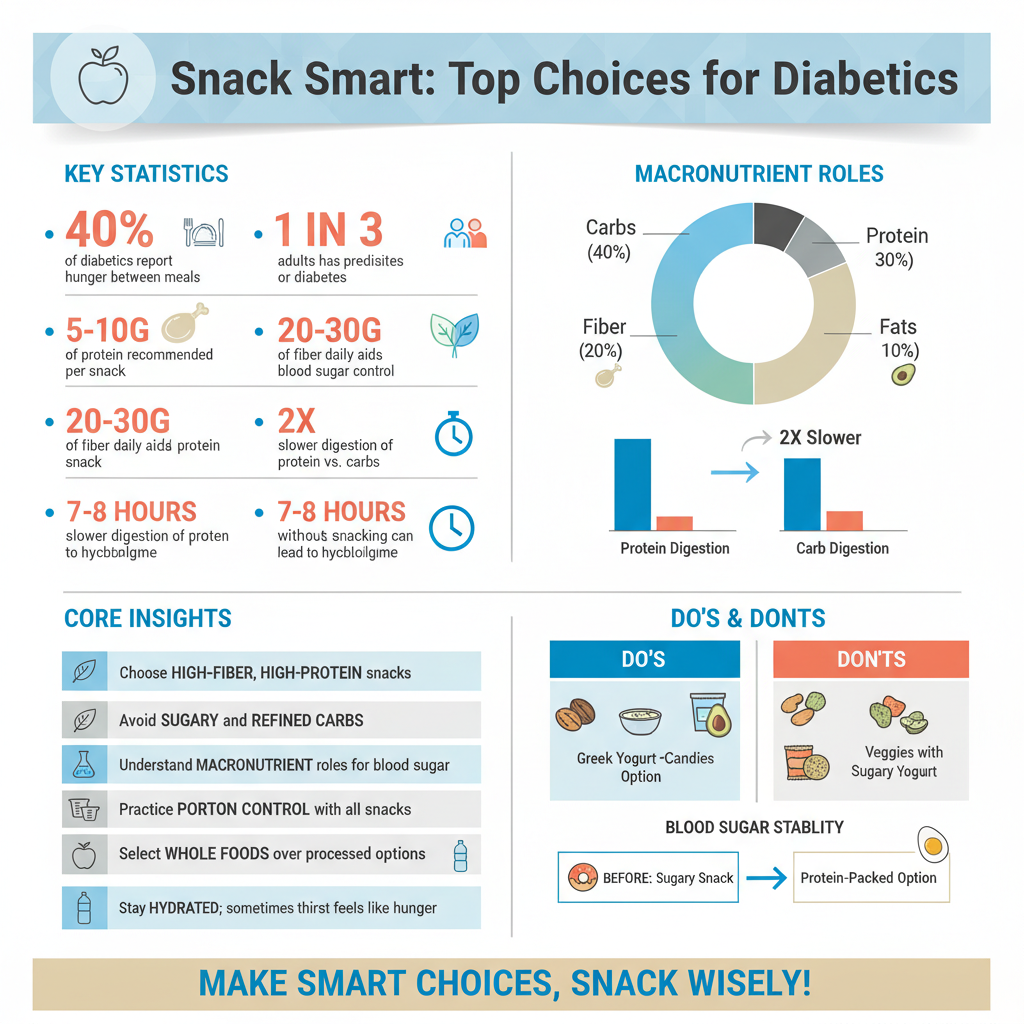

Protein is your best friend when it comes to feeling full and keeping those pesky blood sugar spikes at bay. It takes longer for your body to digest protein compared to carbohydrates, which means a slower, more sustained release of energy and a prolonged feeling of fullness. This satiety can be a game-changer, helping you resist the urge to overeat at your next meal or reach for less healthy options. Plus, protein is essential for building and repairing tissues, making it vital for overall health.
Let’s dive into some excellent protein-packed snack examples:
* Hard-Boiled Eggs: These are a perfect, portable protein source. Each egg packs about 6 grams of high-quality protein and virtually no carbs. They’re super convenient – boil a batch at the start of the week for quick grabs.
* Cottage Cheese: Creamy and versatile, cottage cheese is rich in casein, a slow-digesting protein that provides a steady supply of amino acids. A half-cup serving can offer around 12-14 grams of protein with minimal carbs. Choose plain, low-fat varieties and perhaps sprinkle with some cinnamon or add a few berries for flavor without added sugar.
* Plain Greek Yogurt: Unlike regular yogurt, Greek yogurt is strained, making it much thicker and significantly higher in protein (often double!). An individual serving can boast 15-20 grams of protein. Always opt for plain versions to avoid added sugars, and then customize with a few nuts, seeds, or a small handful of berries. It also provides beneficial probiotics for gut health!
* Lean Turkey Slices: Deli turkey is a quick, low-carb protein option. Look for nitrate-free, low-sodium varieties. You can roll them up with a slice of cheese, wrap them around some bell pepper strips, or simply enjoy them on their own.
Incorporating protein into your daily snack routine is simple. Think ahead! Prep hard-boiled eggs on Sunday. Buy individual Greek yogurt cups. Keep a container of cottage cheese in the fridge. Combine protein with fiber or healthy fats for an even more balanced snack, like an egg with a few slices of avocado, or Greek yogurt with chia seeds.
Fiber-Rich Veggies and Fruits
Fiber is another superhero in the diabetes management playbook. Since your body can’t digest fiber, it passes through your system relatively intact. This process has several benefits: it slows down the absorption of sugars into your bloodstream, which helps prevent sharp blood sugar spikes after eating. Additionally, fiber adds bulk to your diet, promoting a feeling of fullness and aiding in healthy digestion, which can prevent constipation – a common issue for many.
When it comes to snacking, non-starchy vegetables are your best friends. They are packed with vitamins, minerals, and fiber, but very low in carbohydrates, making them ideal for blood sugar control.
* Best low-carb vegetables for snacking:
* Celery: Crunchy and refreshing, celery sticks are fantastic with a dollop of peanut butter (check for no added sugar!) or hummus.
* Bell Peppers: Colorful and sweet, bell pepper strips (red, yellow, orange) are delicious on their own or dipped in guacamole or a healthy veggie dip.
* Cucumbers: Hydrating and mild, cucumber slices are great with a sprinkle of everything bagel seasoning or paired with cottage cheese.
* Carrots: While slightly higher in natural sugars than other non-starchy veggies, baby carrots in moderation are still a great fiber source. Pair them with a protein like a hard-boiled egg or some string cheese.
Fruits can certainly be part of a diabetes-friendly snack plan, but they require a bit more attention to portion sizes due to their natural sugar content. The fiber in whole fruits helps mitigate the sugar impact, but it’s still important not to overdo it.
* Diabetes-friendly fruits in moderation:
* Berries: Blueberries, raspberries, and strawberries are excellent choices. They’re loaded with antioxidants and fiber, and generally lower in sugar than other fruits. A half-cup serving is usually a good portion.
* Small Apple: Enjoying a small apple (with the skin on for maximum fiber!) can be a satisfying snack. Pair it with a tablespoon of almond butter to add healthy fats and protein, further stabilizing blood sugar.
* Pear: Like apples, pears are rich in fiber. A small pear can be a good option, especially if paired with a protein source.
Always aim for whole fruits rather than juices, which strip away the beneficial fiber and lead to quicker sugar absorption.
Healthy Fats for Sustained Energy
Don’t fear fats! Healthy fats are an essential part of a balanced diet, particularly for diabetes management. They play a crucial role in promoting satiety, meaning they keep you feeling full and satisfied for longer, which can help prevent overeating. Beyond that, healthy fats are vital for nutrient absorption (especially fat-soluble vitamins like A, D, E, K), hormone production, and maintaining healthy brain and heart function. Crucially, they have very little direct impact on blood sugar levels, making them an excellent addition to snacks.
When choosing fats, focus on unsaturated fats and natural sources:
* Almonds & Walnuts: These nuts are powerhouses of healthy fats, fiber, and even a bit of protein. Walnuts are particularly noteworthy for their omega-3 fatty acid content, which is beneficial for heart health and reducing inflammation. A small handful (about 1/4 cup) is a perfectly portioned snack.
* Chia Seeds: Tiny but mighty, chia seeds are a fantastic source of omega-3s, fiber, and some protein. When soaked in liquid, they form a gel, which can add a satisfying texture to plain Greek yogurt or be turned into a quick chia pudding (made with unsweetened almond milk).
* Avocado Slices: Avocados are rich in monounsaturated fats, which are known to be heart-healthy. They also provide fiber and potassium. A quarter to a half of an avocado, sliced and perhaps sprinkled with a little salt and pepper, makes for a creamy and satisfying snack. You can also mash it onto a small rice cake or pair it with some turkey slices.
While healthy fats are beneficial, it’s important to remember that they are calorie-dense. This means a small amount can provide a lot of energy. Therefore, portioning healthy fats is key to managing overall calorie intake and weight, which is often a component of diabetes management. Stick to recommended serving sizes – for nuts, it’s usually a small handful (around 15-20 almonds or 7-8 walnut halves); for avocado, a quarter to half of a medium fruit. Enjoy these nutritious fats mindfully!
Convenient Grab-and-Go Options
Life gets busy, and sometimes you just need a quick, no-fuss snack that’s ready to eat. The good news is that there are plenty of diabetes-friendly options that don’t require any prep beyond opening a package. These are perfect for tossing into your bag before heading out the door or for those moments when hunger strikes unexpectedly.
Here are some fantastic convenient grab-and-go snack ideas:
* String Cheese: A classic for a reason! String cheese offers a good dose of protein and calcium with very few carbs. It’s individually wrapped, perfectly portioned, and super easy to transport. Pair it with a few carrot sticks for added fiber.
* Sugar-Free Gelatin: If you’re craving something sweet but want to avoid sugar, sugar-free gelatin cups can be a refreshing option. They’re practically calorie-free and carb-free, offering a dessert-like treat without impacting your blood sugar. Just be mindful of artificial sweeteners if you’re sensitive to them.
* Olives: Olives are an excellent source of healthy monounsaturated fats and antioxidants, and they’re naturally low in carbohydrates. They come in various delicious flavors and are easy to portion out into a small container for on-the-go snacking. Black, green, or Kalamata – pick your favorite!
* Pre-Portioned Nuts/Seeds: While we’ve discussed nuts and seeds, buying them in small, pre-portioned bags or creating your own snack bags at home is a brilliant strategy. This prevents overeating, as it’s easy to mindlessly consume too many nuts directly from a large container. Look for unsalted or lightly salted varieties to manage sodium intake. Almonds, walnuts, pistachios, or pumpkin seeds are all great choices.
When choosing convenience items, it’s crucial to cultivate the habit of checking labels for hidden sugars. Many seemingly healthy packaged snacks can contain surprising amounts of added sugars, high-fructose corn syrup, or other sweeteners that can quickly sabotage your blood sugar goals. Look at the “added sugars” line on the nutrition facts panel and aim for items with 0-5 grams of added sugar per serving. Also, be mindful of sodium content in pre-packaged items. A quick glance at the label can save you from an unintended blood sugar spike or too much salt.
Snacks to Approach with Caution
While focusing on what you can eat is empowering, it’s equally important to be aware of snacks that can quickly derail your blood sugar management efforts. Identifying these high-sugar and refined carbohydrate snacks and limiting or avoiding them altogether is a crucial step in maintaining stable glucose levels and promoting overall health. These foods often provide little nutritional value and can lead to rapid blood sugar spikes followed by crashes, leaving you feeling tired and hungry again soon after.
Here are examples of snacks to approach with caution:
* Candies and Sweets: This might seem obvious, but any form of candy, chocolate bars (especially milk chocolate), gummy bears, or lollipops are essentially pure sugar. They cause an immediate and significant spike in blood glucose due to their high simple sugar content and lack of fiber or protein to slow absorption.
* Sugary Drinks: Sodas, sweetened teas, fruit juices (even 100% juice!), and energy drinks are particularly problematic. They deliver a concentrated dose of sugar directly to your bloodstream without any fiber to buffer the impact, leading to a very rapid and steep blood sugar increase.
* Pastries and Baked Goods: Donuts, muffins (even “healthy-looking” ones), croissants, cakes, and cookies are typically made with refined white flour, lots of added sugar, and unhealthy fats. They offer minimal nutritional benefit and can cause significant blood sugar spikes.
* White Crackers and Pretzels: These items, made from refined carbohydrates, behave very similarly to sugar in your body. They are quickly broken down into glucose, causing blood sugar to rise rapidly. They also tend to be low in fiber and protein, so they offer little satiety.
* Large Portions of Dried Fruit: While whole fruit is beneficial, dried fruit is a concentrated source of natural sugars. When water is removed, the sugar content per serving skyrockets. For example, a small handful of raisins contains significantly more sugar than the equivalent amount of fresh grapes. If you do enjoy dried fruit, keep portions very small and always pair it with a protein or healthy fat to help mitigate the sugar impact.
Understanding how these foods impact blood glucose levels is key. They lead to quick, sharp rises, which can put a strain on your pancreas and, over time, contribute to insulin resistance. Making conscious choices to limit or avoid these items and opting for the nutrient-dense snacks discussed earlier will greatly support your diabetes management journey.
Choosing the right snacks is a powerful tool in managing diabetes, helping you maintain stable blood sugar and feel satisfied throughout the day. By focusing on whole foods that balance protein, fiber, and healthy fats, you can make informed decisions that support your health. Experiment with these healthy options to find your favorites, and always consult with your healthcare provider or a registered dietitian for personalized dietary advice tailored to your specific needs.
Frequently Asked Questions
What are the best types of snacks for diabetics to maintain stable blood sugar levels?
The best snacks for diabetics are generally those rich in fiber, protein, and healthy fats, as these nutrients help slow down glucose absorption and prevent sudden blood sugar spikes. Focus on whole, unprocessed foods like nuts, seeds, non-starchy vegetables with hummus, hard-boiled eggs, Greek yogurt, or a small handful of berries. These options promote satiety and contribute to better overall blood glucose management.
How can diabetics choose a healthy snack when eating out or on the go?
When eating out or on the go, diabetics should prioritize snacks that are minimally processed and offer a good source of protein or fiber. Look for options like a small bag of unsalted almonds, a cheese stick, a piece of fruit (like an apple or orange), or a small container of plain Greek yogurt. It’s often best to plan ahead and pack your own diabetic-friendly snacks to ensure better control over ingredients and portion sizes.
Why is protein and fiber important in snacks for managing diabetes?
Protein and fiber are crucial in diabetic snacks because they work synergistically to help regulate blood sugar and promote satiety. Fiber slows down the digestion and absorption of carbohydrates, preventing rapid blood sugar spikes, while protein further contributes to fullness and helps stabilize glucose levels. Including these nutrients in your snack choices can improve glucose control and reduce the likelihood of overeating.
Which common snack foods should diabetics generally avoid or limit?
Diabetics should generally avoid or significantly limit snacks high in added sugars, refined carbohydrates, and unhealthy fats, as these can cause rapid blood sugar spikes and contribute to weight gain. Examples include sugary drinks, candy, cookies, cakes, white crackers, chips, and most processed snack bars that lack significant fiber or protein. Always check nutrition labels for hidden sugars and unhealthy ingredients.
Can fruit be a good snack for diabetics, and what are the best choices?
Yes, whole fruit can be a good snack for diabetics in moderation, as it provides essential vitamins, minerals, and fiber. However, due to natural sugars, portion control is key. Excellent choices include berries (strawberries, blueberries, raspberries), apples, pears, and oranges, as they tend to have a lower glycemic index. Always opt for whole fruit over fruit juice, which lacks fiber and can cause quicker blood sugar increases.
References
- https://www.diabetes.org/healthy-living/recipes-nutrition/eating-well/snack-ideas
- https://www.cdc.gov/diabetes/managing/eat-well/snacks.html
- https://www.health.harvard.edu/diseases-and-conditions/best-snack-for-diabetics
- https://www.mayoclinic.org/healthy-lifestyle/nutrition-and-healthy-eating/multimedia/diabetes-recipes/sls-20076757
- https://www.niddk.nih.gov/health-information/diabetes/overview/diet-eating-physical-activity/meal-planning
- https://pubmed.ncbi.nlm.nih.gov/35928731/
- https://www.diabetes.org/healthy-living/recipes-nutrition/understanding-carbs/carbohydrate-counting
- https://www.bhf.org.uk/informationsupport/heart-matters-magazine/medical/diabetes/healthy-eating-for-diabetes