
While whole fruits are generally preferred for individuals with diabetes due to their fiber content, certain low-sugar vegetable and specific fruit juices, consumed in strict moderation, can be part of a healthy diet. The key lies in understanding sugar content, portion sizes, and choosing nutrient-dense options to manage blood sugar effectively without causing unwanted spikes. Navigating the world of juices with diabetes can feel tricky, but with the right knowledge and a few smart strategies, you can enjoy refreshing beverages that support your health goals. Let’s dive into how you can make juice work for you, not against you, on your wellness journey.



Understanding Juice & Blood Sugar for Diabetics
When you’re managing diabetes, understanding how different foods and drinks impact your blood sugar is paramount. Juice, even “healthy” varieties, needs careful consideration due to its unique nutritional profile compared to whole foods.
* Fiber’s Absence: One of the biggest challenges with most juices is the removal of beneficial fiber during the juicing process. Fiber is a superhero for blood sugar management because it slows down the digestion and absorption of sugars into your bloodstream. When fiber is absent, the natural sugars from fruits and vegetables hit your system much faster. This can lead to a rapid increase in blood glucose levels, which is precisely what individuals with diabetes strive to avoid. Think of fiber as a natural speed bump for sugar absorption – without it, sugar has a clear highway to your bloodstream.
* Concentrated Sugars: Without fiber acting as a buffer, the natural sugars present in fruits and even some vegetables become highly concentrated in juice form. This means you can consume a much larger quantity of sugar from several pieces of fruit or vegetables in a single glass of juice than you would by eating them whole. This concentrated sugar load is absorbed much more quickly, potentially causing swift and significant blood sugar spikes that can be challenging to manage, leading to energy crashes and long-term health concerns if they occur frequently.
* Glycemic Index & Load: When considering any food or drink, especially juices, it’s helpful to be aware of its Glycemic Index (GI) and Glycemic Load (GL). The Glycemic Index ranks carbohydrates based on how quickly they raise blood sugar levels after eating. Foods with a high GI cause a rapid spike, while those with a low GI lead to a slower, more gradual rise. Glycemic Load takes this a step further by considering both the GI and the portion size, providing a more realistic picture of a food’s actual impact on blood sugar. For individuals with diabetes, prioritizing low-GI and low-GL ingredients in their juices is a smart move to help keep blood sugar levels stable and within target ranges.
Best Low-Sugar Juice Choices for Diabetes
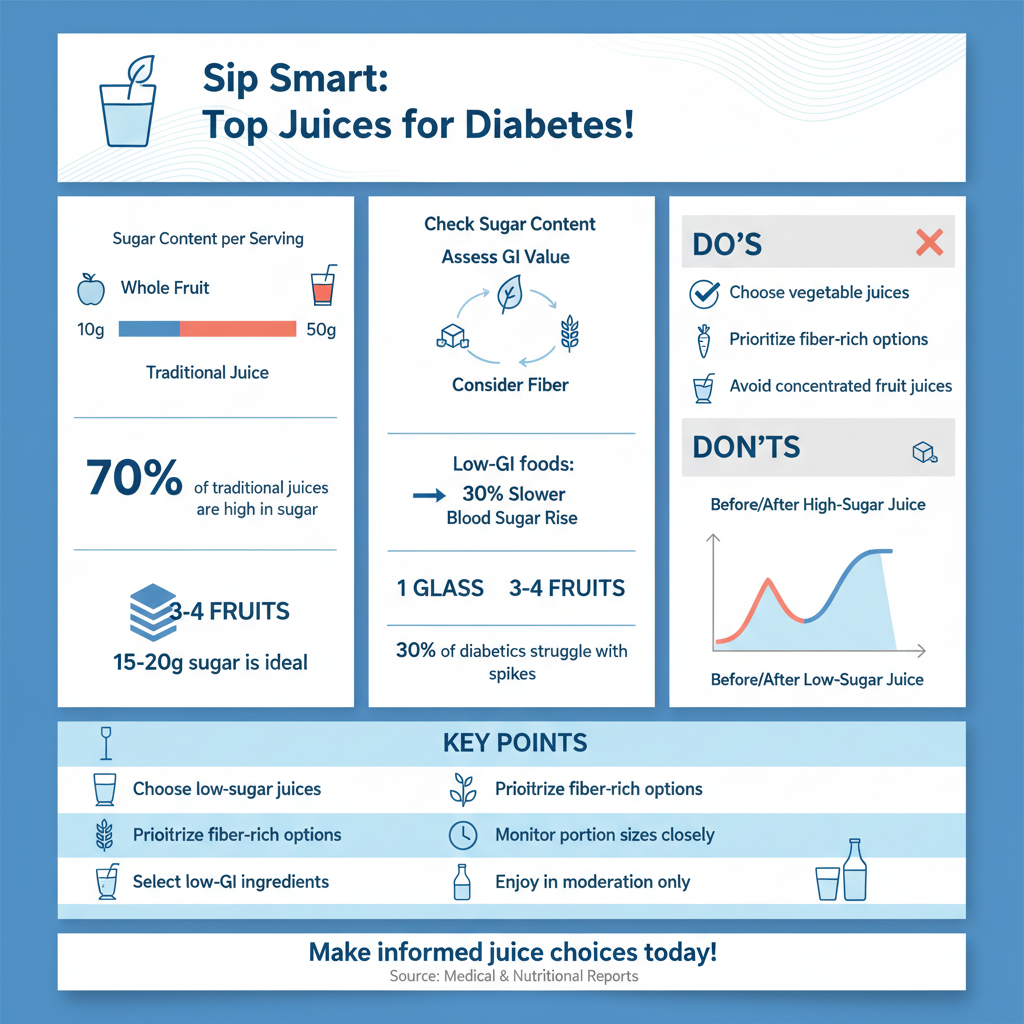
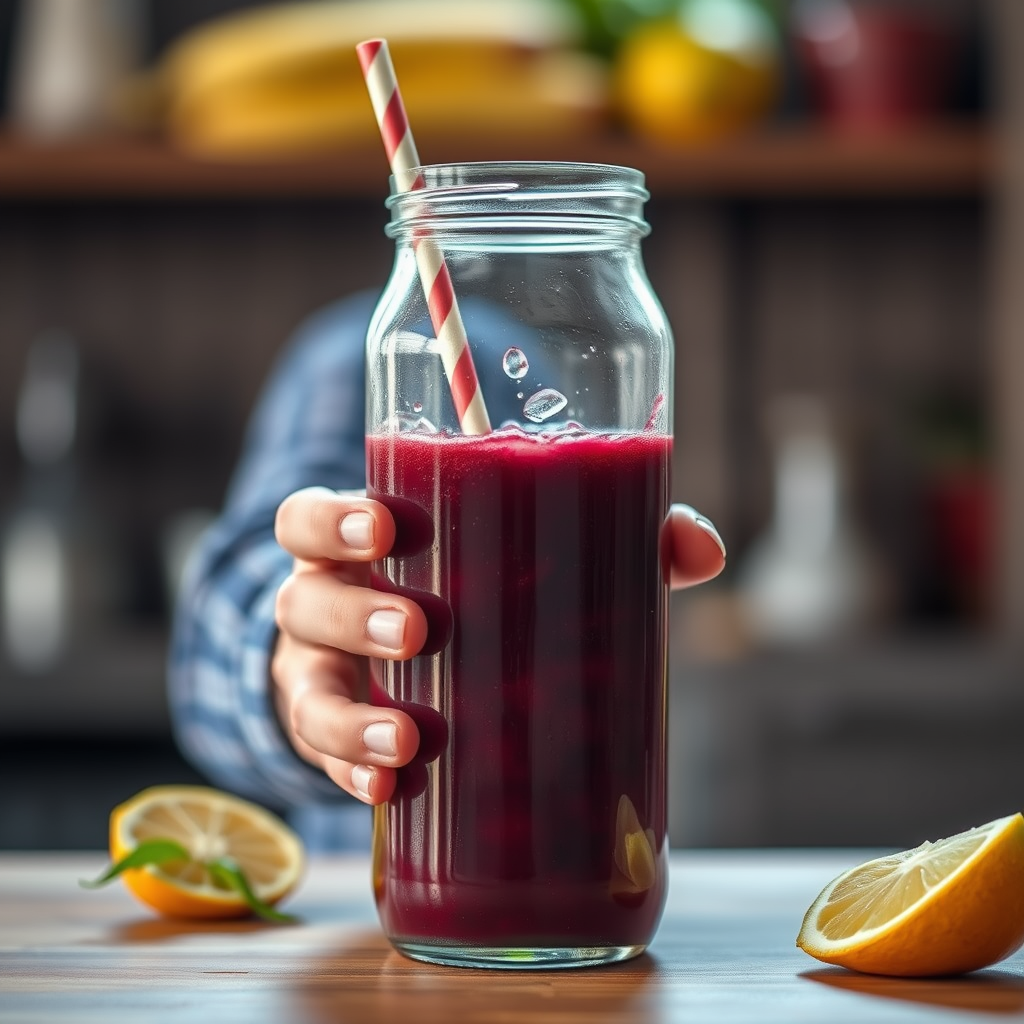
While many traditional fruit juices are off-limits due to their high sugar content, there are fantastic, flavorful, and nutrient-dense juice options that can be safely enjoyed in moderation by individuals with diabetes. The key is to lean heavily on non-starchy vegetables.
* Green Vegetable Juices: These are your best friends in the juicing world when you have diabetes! Opt for blends that primarily feature non-starchy, low-sugar vegetables like crisp celery, refreshing cucumber, nutrient-packed spinach, powerhouse kale, and detoxifying parsley. These green giants are not only incredibly low in sugar and carbohydrates but are also bursting with essential vitamins, minerals, and antioxidants. They provide hydration and a wealth of health benefits without the worry of sending your blood sugar soaring. You can create delicious and invigorating concoctions that support your overall well-being.
* Tomato Juice (Unsweetened): Pure, unsweetened tomato juice can be a surprisingly good choice for people with diabetes. Tomatoes are naturally lower in sugar compared to most fruits and offer a treasure trove of lycopene, a powerful antioxidant known for its heart-healthy benefits. When selecting tomato juice, make sure it’s 100% pure and unsweetened – avoid varieties with added sugars or high-fructose corn syrup. Choosing a low-sodium version is also preferable to support cardiovascular health, which is especially important for those managing diabetes. It’s a flavorful and versatile option that can add variety to your diet.
* Limited Fruit Additions: While the focus should be on vegetables, a tiny splash of specific low-GI fruits can be added to your green juices to enhance flavor without significantly impacting blood sugar. Think of these as accents, not the main event! A small handful of berries (like raspberries or blueberries) can add a touch of sweetness and antioxidants. A squeeze of fresh lemon or lime juice can brighten the flavor profile and provide a vitamin C boost with minimal sugar. The trick is “limited” – we’re talking about a small amount, perhaps a quarter cup of berries or just a wedge of citrus, to keep the overall sugar content in check.
Juices to Limit or Avoid with Diabetes

Understanding what to avoid is just as important as knowing what to include. Many popular juices, even those marketed as “healthy,” can be detrimental to blood sugar management for individuals with diabetes.
* High-Sugar Fruit Juices: This category includes many of the common, delicious fruit juices we’ve grown up with. It’s crucial to steer clear of juices made primarily from high-sugar fruits like orange, apple, grape, pineapple, and mango. Even if these juices are labeled as “100% natural” or “no added sugar,” they still contain a highly concentrated amount of natural fruit sugars (fructose). Because the fiber has been removed, these natural sugars are absorbed very rapidly, leading to quick and significant blood sugar spikes. A single glass of apple juice, for example, can have as much sugar as several whole apples, without any of the beneficial fiber. It’s best to enjoy the whole fruit instead to benefit from its fiber and nutrients in a blood-sugar-friendly way.
* Commercial Blends & “Fruit Cocktails”: Be extra wary of commercial juice blends and anything labeled a “fruit cocktail.” These beverages are often sugar bombs, containing not only natural fruit sugars but also copious amounts of added sugars like high-fructose corn syrup, cane sugar, or other sweeteners. Beyond the immediate blood sugar impact, these added sugars contribute to empty calories and can negatively affect overall health, including weight management and cardiovascular health. Even if they claim to contain some fruit juice, their primary ingredients are often water and sugar, making them essentially sugary drinks with little nutritional value.
* Beware of Hidden Sugars: The world of food labeling can be confusing, and “hidden sugars” are a real concern. Always read labels meticulously, even on seemingly healthy juices, health tonics, or smoothies. Manufacturers can be clever with their ingredient lists, using various names for sugar such as dextrose, maltose, sucrose, corn syrup, agave nectar, rice syrup, and fruit juice concentrate. These are all forms of sugar that will impact your blood glucose. Some vegetable juices might even have fruit concentrates added for sweetness, significantly increasing their sugar content. A quick scan of the “total carbohydrates” and “added sugars” sections on the nutrition label is your best defense against unexpected sugar bombs.
Smart Juicing Strategies for Diabetics
If you choose to incorporate juice into your diet, employing smart strategies can help you enjoy these beverages while keeping your blood sugar in check. It’s all about mindful consumption and making informed choices.
* Prioritize Vegetable-Heavy Blends: This is arguably the most crucial strategy. For optimal blood sugar control, aim for juice blends that are predominantly vegetable-based. A general guideline is to strive for a ratio of at least 80% non-starchy vegetables to a maximum of 20% low-GI fruit. For even better blood sugar management, consider going for 100% vegetable juice, perhaps with a squeeze of lemon or lime for flavor. Loading up on greens like spinach, kale, cucumber, and celery provides a nutrient boost with minimal carbohydrate impact, making these juices an excellent choice for individuals with diabetes.
* Dilute with Water: A simple yet effective strategy to reduce the sugar concentration and calorie load of your juice is to dilute it with water or sparkling water. For example, if you pour 4 ounces of juice, add another 4 ounces of water to effectively cut the sugar content of that serving in half. This not only makes your juice last longer but also reduces the intensity of the sugar hit on your system, helping to prevent sharp blood sugar spikes. Plus, it’s a great way to increase your daily water intake!
* Strict Portion Control: This cannot be emphasized enough. Even with low-sugar, vegetable-heavy juices, portion control is absolutely vital. Juice, despite its healthy ingredients, is still a concentrated source of nutrients and, potentially, carbohydrates. Limit your intake to a small glass, typically 4-6 ounces (about half a cup), and consider this serving as part of your overall carbohydrate count for the day. It’s not a free beverage to drink in unlimited quantities. Just like any other carb-containing food, track your juice consumption and factor it into your meal plan to maintain your blood sugar targets.
Consulting Your Healthcare Team & Label Reading
Managing diabetes is a highly personalized journey, and what works for one person might not work for another. Therefore, professional guidance and diligent self-monitoring are indispensable.
* Professional Guidance is Key: Before making any significant dietary changes, including incorporating regular juice consumption, it is absolutely essential to discuss your plans with your doctor or a registered dietitian. These healthcare professionals specialize in diabetes management and can provide tailored advice based on your individual health profile, medication regimen, and specific diabetes type. They can help you understand how different foods might interact with your medications and ensure your dietary choices support your overall treatment plan safely and effectively.
* Become a Label Expert: For any store-bought juice, becoming a meticulous label reader is non-negotiable. Don’t be swayed by marketing claims like “natural” or “healthy.” Instead, focus on the nutrition facts panel. Look for the “Total Carbohydrates” and “Added Sugars” sections. Remember that even natural sugars contribute to your carb count. Pay close attention to serving sizes; often, what looks like a single serving bottle is actually two or more servings, doubling or tripling the actual carbohydrate and sugar content you consume. Ingredients lists should also be scrutinized for hidden sugars or artificial sweeteners that you might wish to avoid.
* Monitor Blood Sugar: The most accurate way to understand how any food or drink affects *your* body is by monitoring your blood sugar levels. If you decide to include juice in your diet, test your blood sugar before consuming it and again about 1-2 hours afterward. This practice will give you immediate feedback on how different types of juices, in specific portion sizes, impact your individual glycemic response. Keeping a food and blood sugar log can help you identify patterns and make adjustments to your juice choices, ensuring they align with your blood sugar management goals.
While whole fruits offer the most benefits for managing diabetes due to their intact fiber, thoughtful and moderate consumption of specific low-sugar juices can occasionally fit into a balanced diet. By prioritizing vegetable-based options, being mindful of portion sizes, and understanding the sugar content of what you drink, you can make smarter, healthier choices. Always consult with your healthcare provider or a registered dietitian to tailor these recommendations to your specific health needs and ensure they align with your overall diabetes management plan. Your health journey is unique, and with expert guidance and careful attention, you can enjoy a variety of foods and beverages responsibly.
Frequently Asked Questions
What is the best type of juice for people with diabetes to drink safely?
The best juice for individuals with diabetes is typically unsweetened vegetable juice, such as tomato, celery, or spinach juice, due to their lower carbohydrate and sugar content. If considering fruit juice, opt for very small portions of 100% unsweetened juice from low-glycemic fruits like berries or tart cherries. Prioritizing whole fruits over juice is generally recommended for better blood sugar management because of the fiber content.
Which types of juice should people with diabetes strictly avoid to prevent blood sugar spikes?
People with diabetes should strictly avoid juices with added sugars, high-fructose corn syrup, or fruit juice concentrates, as these can cause rapid and significant blood sugar spikes. This includes most commercially sweetened fruit nectars, fruit “drinks,” and even many 100% fruit juices like grape, pineapple, and orange juice due to their naturally high sugar load. Always check the nutrition label carefully for total carbohydrates and added sugars.
How can a diabetic choose a healthy juice option when grocery shopping?
When grocery shopping, diabetics should prioritize juices labeled “100% vegetable juice” with no added salt or sugar, or “100% fruit juice” that explicitly states “no added sugar” and is made from lower-glycemic fruits. Carefully read the nutrition facts panel to identify total carbohydrates and sugar content per serving, aiming for the lowest numbers possible. Diluting any juice with water is also a smart strategy to reduce sugar concentration per intake.
Why is eating whole fruit generally recommended over drinking fruit juice for managing diabetes?
Eating whole fruit is generally recommended over drinking fruit juice for diabetes management primarily because whole fruits retain their natural fiber. This dietary fiber slows down the absorption of sugar into the bloodstream, preventing rapid blood glucose spikes and promoting stable energy levels. Additionally, whole fruits offer greater satiety and a broader spectrum of vitamins and minerals compared to the concentrated sugars often found in fruit juices.
Are there specific low-sugar juice recipes suitable for diabetics to make at home?
Yes, creating low-sugar juice recipes at home is an excellent way for diabetics to enjoy juice while controlling ingredients. Focus on a base of non-starchy vegetables like cucumber, kale, celery, and spinach, blended with a small amount of water or a splash of lemon juice. For a touch of natural sweetness without significant sugar, you can add a few berries or a very small piece of green apple. Homemade unsalted tomato juice with herbs is another great low-carb option.
References
- https://www.diabetes.org/healthy-living/recipes-nutrition/eating-well/drinks
- https://www.cdc.gov/diabetes/managing/healthy-drinks.html
- https://www.mayoclinic.org/diseases-conditions/diabetes/in-depth/diabetes-diet/art-20044295
- https://www.health.harvard.edu/diseases-and-conditions/what-should-you-drink-if-you-have-diabetes
- https://www.niddk.nih.gov/health-information/diabetes/overview/diet-eating-physical-activity/what-can-i-eat-if-i-have-diabetes
- Diet in diabetes