

For individuals managing diabetes, the absolute best drink choice is plain water, hands down. It has zero carbohydrates, sugar, or calories, making it the perfect beverage to stay hydrated without impacting blood sugar levels. Beyond water, unsweetened coffee, tea, and certain carefully selected low-carb options can also be safely incorporated into a diabetes-friendly diet, offering variety without derailing your health goals. Making informed beverage choices is a cornerstone of effective diabetes management, as drinks can often be hidden sources of sugar and empty calories. This guide will help you navigate the world of beverages, empowering you to make choices that support stable blood sugar and overall well-being.




Water: The Ultimate Diabetes-Friendly Beverage
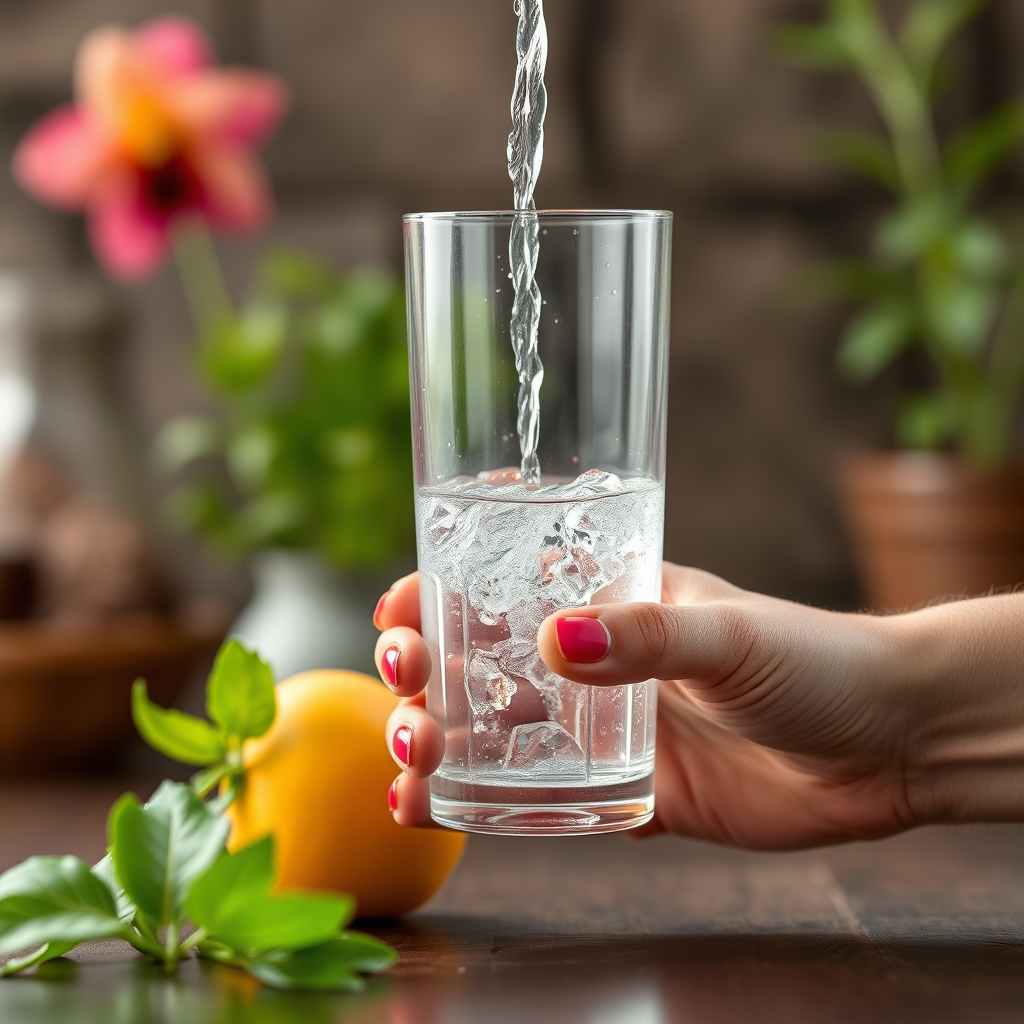
Plain water isn’t just good for you; it’s absolutely essential, especially when you’re managing diabetes. Think of it as your body’s best friend for maintaining balance.
* Zero Carbs & Calories: This is the big one! Plain water is free from any ingredients that can raise blood sugar, making it the safest and most recommended drink choice for anyone looking to keep their glucose levels steady. You can drink as much as you need without any concern for carb counts or calorie intake, which is a huge relief when you’re watching your diet closely.
* Essential for Hydration: Proper hydration is crucial for overall health, kidney function, and can even help the body manage blood glucose more effectively. When you’re well-hydrated, your body can flush out excess glucose through urine, and it helps your cells respond better to insulin. Dehydration can actually cause blood sugar levels to become more concentrated, potentially leading to higher readings. So, sipping water throughout the day is a simple yet powerful strategy.
* Flavor Naturally: If plain water sometimes feels a little too… plain, don’t worry! There are fantastic, sugar-free ways to make it more exciting. Enhance plain water with slices of lemon, lime, cucumber, mint, or berries for a refreshing, sugar-free twist. You can also try infusing it overnight with a mix like ginger and orange slices, or even a few sprigs of rosemary. These natural additions provide a burst of flavor without adding any unwanted sugars or artificial ingredients, helping you meet your daily hydration goals with pleasure.
Unsweetened Coffee and Tea
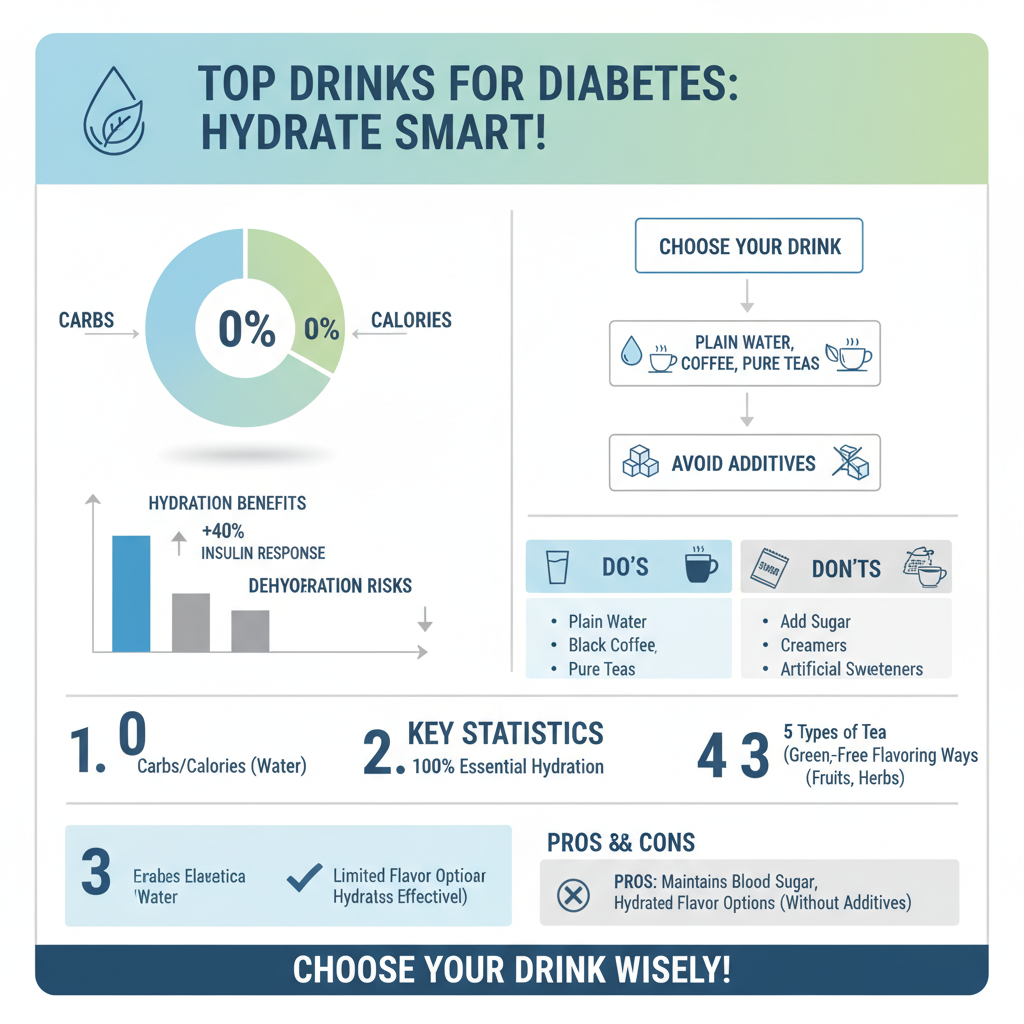

Good news for coffee and tea lovers! These beloved beverages can absolutely be part of a diabetes-friendly diet, provided you enjoy them in their purest forms.
* Safe Without Additives: Black coffee and plain teas (green, black, white, oolong, and most herbal varieties like peppermint or chamomile) are excellent choices as long as they are consumed without added sugar, artificial sweeteners, creamers, or syrups. These additives are often sugar bombs or contain ingredients that might not be ideal for long-term health. Enjoying your coffee or tea black allows you to savor their natural flavors and benefit from their compounds without impacting your blood sugar.
* Potential Health Benefits: Some studies suggest moderate coffee and tea consumption may offer antioxidant benefits and potentially reduce the risk of type 2 diabetes. Green tea, in particular, is rich in catechins, which have been linked to improved insulin sensitivity. Coffee also contains compounds that may help protect against certain chronic diseases. These potential benefits are an added bonus to their blood sugar-neutral status.
* Mind Caffeine & Milk: While generally safe, be mindful of your caffeine intake. High levels of caffeine can affect some individuals’ blood sugar levels or interfere with sleep, which in turn can impact glucose management. If you prefer to add something to your coffee or tea, choose unsweetened options like almond milk, soy milk, or coconut milk, which are typically low in carbs. A small splash of skim milk or unsweetened dairy creamer can also be fine, but remember to account for its natural lactose (sugar) content in your daily carbohydrate count. Always check the nutrition label to ensure “unsweetened” truly means no added sugars.
Low-Carb Milk and Milk Alternatives
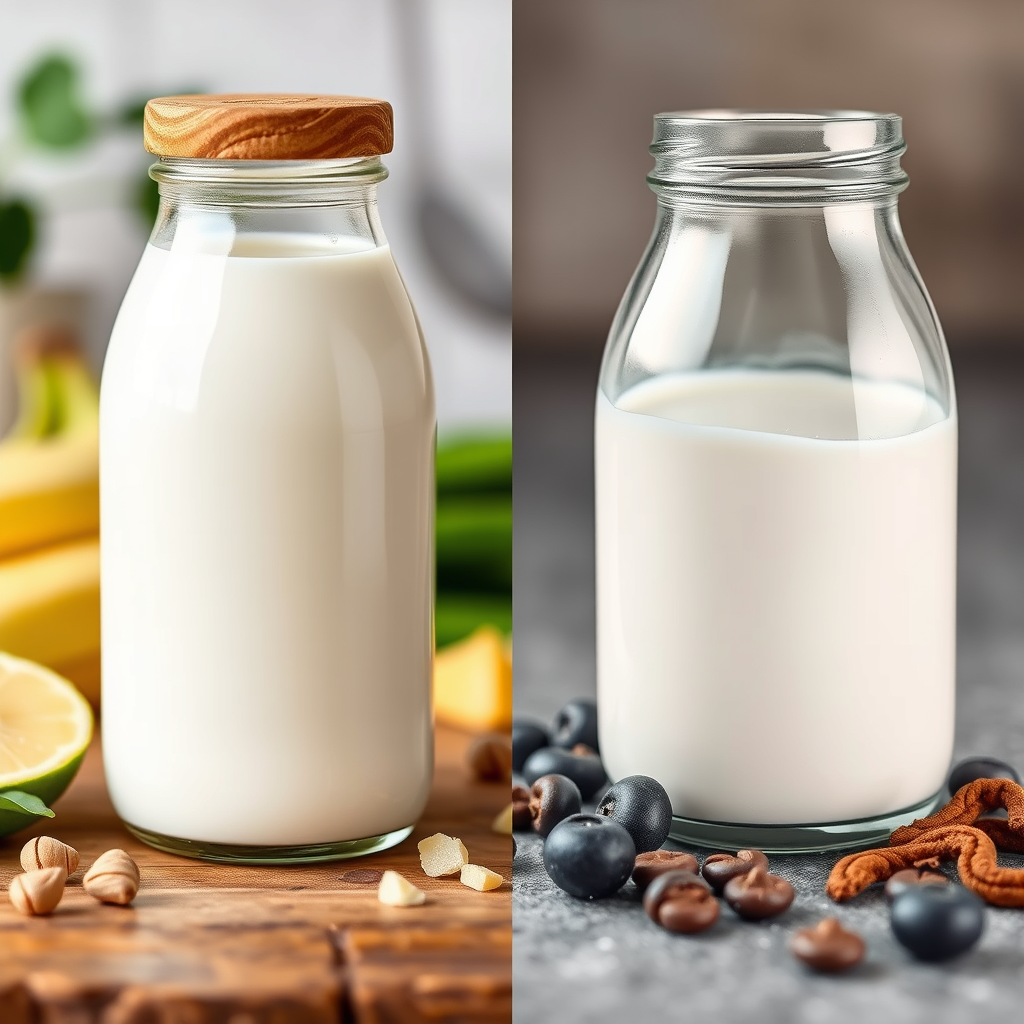
For those who enjoy a creamy texture or need a boost of nutrients, many milk and milk alternatives can fit into a diabetes-friendly eating plan. The key, once again, is choosing unsweetened varieties.
* Unsweetened Varieties: When selecting plant-based milks, always opt for unsweetened almond milk, unsweetened soy milk, or unsweetened oat milk. These options are generally much lower in carbohydrates than their dairy counterparts or sweetened plant-based versions, which can contain a surprising amount of added sugar. Unsweetened almond milk, for instance, often has less than 1 gram of carbohydrates per cup, making it an excellent choice for beverages and recipes. Unsweetened soy milk offers a good protein boost, while unsweetened oat milk, though slightly higher in carbs than almond or soy, can still be a good choice in moderation.
* Dairy Milk in Moderation: If you prefer traditional dairy milk, choose skim or low-fat options. Be aware that dairy milk contains natural sugars called lactose, which contribute to its carbohydrate count. While it’s not “added” sugar, lactose still affects blood sugar levels. A cup of skim milk typically contains around 12-13 grams of carbohydrates. So, dairy milk can be included, but it requires portion control and should be factored into your meal plan, just like any other carb-containing food.
* Nutrient Boost: These options can provide essential vitamins and minerals crucial for bone health, such as calcium and vitamin D, which are often fortified in both dairy and plant-based milks. Always check the nutrition label to ensure you’re getting these vital nutrients. Some brands also fortify with vitamin B12, important for those following a vegan diet. Incorporating these milks can help you meet your daily nutritional needs while keeping blood sugar in check.
Sparkling Water and Diet Beverages (With Caution)
Sometimes you crave something with a bit more fizz or flavor than plain water. Sparkling water and diet beverages can offer variety, but it’s important to approach them with a mindful perspective.
* Plain Sparkling Water: This is a fantastic alternative to sugary sodas. Plain sparkling water offers that satisfying fizziness without any added sugar, calories, or artificial ingredients. It’s simply water with carbonation! You can enjoy it as is, or enhance it with slices of fruit, a squeeze of lemon or lime, or a few drops of natural extract (like vanilla or almond) for a sugar-free, refreshing drink. It’s a great way to feel like you’re having a “special” drink without any downsides.
* Sugar-Free Flavored Waters: Many brands offer sugar-free sparkling waters with natural fruit essences, which can add a delightful variety to your beverage routine. These typically contain natural flavors without any added sugars or artificial sweeteners, making them a safe and enjoyable option. Always double-check the ingredient list and nutrition label to confirm there are no hidden sugars or artificial sweeteners if you prefer to avoid them.
* Diet Sodas/Artificial Sweeteners: This category comes with a significant “caution” label. While diet sodas and drinks with artificial sweeteners (like aspartame, sucralose, saccharin, or stevia, erythritol) do not directly raise blood sugar levels because they contain no calories or carbs, their long-term health effects are still being studied and debated. Some research suggests that artificial sweeteners might impact gut microbiome, alter sweet taste perception, or even be associated with other health concerns. For these reasons, it’s generally recommended to consume diet sodas and drinks with artificial sweeteners in moderation. Prioritizing plain water and naturally flavored options is always the best approach, reserving diet drinks for occasional enjoyment rather than a daily staple.
Drinks to Strictly Limit or Avoid
This section is just as crucial as the “best choices.” Knowing what to avoid is paramount for effective diabetes management and preventing blood sugar spikes.
* Sugary Sodas and Sweetened Beverages: These are at the top of the “avoid” list, hands down. Drinks like regular soda, sweetened iced tea, lemonade, fruit punch, and sports drinks are typically loaded with rapidly absorbed sugars (often high-fructose corn syrup). This causes sharp spikes in blood glucose levels, which can be dangerous for individuals with diabetes and contribute significantly to insulin resistance and weight gain. Just one regular soda can contain upwards of 40 grams of sugar, equivalent to 10 teaspoons! There’s simply no nutritional benefit to these drinks, only harm when it comes to blood sugar control.
* Fruit Juices: Even 100% fruit juice, despite its “natural” label, is concentrated with natural sugars and lacks the fiber of whole fruit. Without the fiber, the sugars are absorbed much more quickly into the bloodstream, leading to quicker blood sugar rises similar to those caused by soda. For example, a glass of apple juice can have as much sugar as a can of soda. While whole fruit provides fiber, vitamins, and minerals in a balanced package, fruit juice strips away the fiber, leaving behind a sugar-dense liquid. It’s always better to eat a whole piece of fruit to get the nutritional benefits without the rapid sugar spike.
* Energy Drinks and Sweetened Coffee Drinks: These beverages are a double whammy: often loaded with excessive amounts of sugar, high levels of caffeine, and other stimulants. The sugar content can be shockingly high (some large sweetened coffee drinks have more than 70 grams of sugar!), leading to massive blood sugar spikes. The high caffeine can also have unpredictable effects on blood sugar in some individuals, and the combination can be detrimental to overall health, sleep patterns, and cardiac function. Stick to unsweetened coffee or tea for your caffeine fix, and avoid energy drinks entirely.
Reading Labels and Making Smart Choices
Empowering yourself with knowledge about nutrition labels is one of the most effective ways to manage your diabetes through smart beverage choices. It’s like having a secret decoder ring for your drinks!
* Check Nutrition Labels: Always, always read labels for “Total Carbohydrates” and “Added Sugars” to make informed decisions about your beverages. “Total Carbohydrates” tells you the total amount of carbs, including natural sugars, added sugars, and fiber. For diabetes management, focusing on total carbs is crucial. “Added Sugars” specifically highlights sugars that don’t occur naturally in the food, which is often the biggest culprit for blood sugar spikes in drinks. Aim for beverages with 0 grams of added sugar whenever possible. Don’t forget to look at the serving size, as some bottles contain multiple servings, meaning you’d multiply the carb and sugar counts!
* Understand Sweeteners: Familiarize yourself with common artificial sweeteners (e.g., sucralose/Splenda, aspartame/NutraSweet, saccharin/Sweet’N Low) and natural sugar substitutes (e.g., stevia, erythritol, monk fruit). While these typically don’t raise blood sugar, understanding which ones you’re consuming allows you to make personal choices based on your preferences and any potential sensitivities. Some people prefer to limit artificial sweeteners due to concerns about gut health or maintaining a preference for naturally sweet tastes, while others find them helpful for enjoying a treat without the sugar impact.
* Prioritize Whole & Unprocessed: Whenever possible, choose beverages closest to their natural state without added sugars or excessive processing. This means opting for plain water, brewing your own unsweetened coffee or tea, or creating your own fruit-infused waters. This approach minimizes hidden ingredients and gives you complete control over what you consume, ensuring your drinks are truly supportive of your blood sugar goals. Thinking “whole” and “unprocessed” extends beyond food to your liquid intake too.
Making smart beverage choices is a cornerstone of effective diabetes management. By prioritizing plain water and unsweetened options, and carefully scrutinizing labels for hidden sugars, you can enjoy a variety of refreshing drinks without compromising your health goals. Remember that every sip counts towards your overall well-being and blood sugar stability. Always consult with your doctor or a registered dietitian to tailor beverage recommendations to your specific health needs and dietary plan, ensuring your choices align perfectly with your unique journey to better health.
Frequently Asked Questions
What is the absolute best drink for diabetics to maintain stable blood sugar?
The absolute best drink for diabetics is plain water, as it contains zero calories, carbohydrates, or sugar, making it ideal for maintaining stable blood glucose levels. Staying well-hydrated is crucial for overall health, aiding kidney function, metabolism, and helping your body process excess glucose more effectively without any adverse impact. Water is essential for every bodily function and poses no risk of blood sugar spikes.
Which sugar-free alternatives to soda are safe and enjoyable for diabetics?
For diabetics seeking flavorful alternatives to sugary sodas, excellent choices include unsweetened iced tea, black coffee (or with a small amount of sugar-free creamer), and sparkling water infused with natural fruit slices like lemon, lime, or berries. Herbal teas (e.g., peppermint, chamomile) and vegetable juice (in moderation, checking sodium content) also offer enjoyable, low-carb options that won’t raise blood sugar. These beverages provide variety and taste without relying on artificial sweeteners or added sugars.
How can diabetics safely incorporate fruit juice or smoothies into their diet without spiking blood sugar?
Diabetics should generally limit fruit juice due to its concentrated sugar and lack of fiber, which can cause rapid blood sugar spikes. If consumed, opt for small portions of 100% pure fruit juice diluted with water, or better yet, blend whole fruits into a small smoothie (keeping portions controlled) to retain beneficial fiber. The fiber helps slow down sugar absorption, providing more nutrients and less dramatic blood sugar impact than juice alone.
Why should diabetics be cautious about “sugar-free” or “diet” drinks containing artificial sweeteners?
While “sugar-free” or “diet” drinks don’t directly raise blood glucose, some research suggests artificial sweeteners might impact gut bacteria, potentially influencing insulin sensitivity over time, though more studies are needed. Additionally, relying heavily on these beverages can perpetuate a preference for sweet tastes, making it harder to enjoy naturally less sweet, healthier drink options. It’s generally best for diabetics to consume artificially sweetened drinks in moderation and prioritize truly unsweetened beverages.
What are some low-carb alcoholic drink options for diabetics, and what precautions should be taken?
Diabetics who choose to drink alcohol should opt for low-carb options such as light beer, dry wine, or spirits (like vodka, gin, whiskey) mixed with sugar-free mixers (e.g., club soda, diet tonic). It’s crucial to consume alcohol in moderation, as it can lower blood sugar levels, especially on an empty stomach, potentially leading to hypoglycemia. Always eat a meal before drinking, monitor blood sugar closely, and discuss alcohol consumption with your healthcare provider to ensure it’s safe with your medications and health condition.
References
- https://diabetes.org/healthy-living/recipes-nutrition/eating-well/food-choices-meal-plans/drinks-people-diabetes
- https://www.cdc.gov/diabetes/managing/healthy-eating/food-choices-beverages.html
- https://www.mayoclinic.org/diseases-conditions/type-2-diabetes/in-depth/diabetes-drinks/art-20456108
- https://www.health.harvard.edu/diseases-and-conditions/what-to-drink-when-you-have-diabetes
- https://health.clevelandclinic.org/best-drinks-for-diabetics
- https://www.aces.edu/blog/topics/food-nutrition/beverages-for-people-with-diabetes/
- Healthy Living with Diabetes – NIDDK




Pingback: 4 Top Tests for Diabetes Diagnosis - Best For Diabetics