
For individuals seeking the highest quality diabetes care in the Lone Star State, leading institutions such as Baylor St. Luke’s Medical Center, Houston Methodist Hospital, UT Southwestern Medical Center, Texas Health Presbyterian Hospital Dallas, and University Health System consistently rank among the best for their specialized programs and patient outcomes. Texas offers a wealth of exceptional medical facilities, and understanding which ones excel in diabetes management is crucial for optimal health, providing peace of mind that you’re receiving top-tier treatment and support for this complex condition.
Baylor St. Luke’s Medical Center (Houston)

Nestled in the heart of Houston’s world-renowned Texas Medical Center, Baylor St. Luke’s Medical Center stands out as a premier destination for diabetes care, offering a truly comprehensive approach through its dedicated Diabetes and Endocrine Center. This center is not just a clinic; it’s a hub for advanced diagnostic testing and a full spectrum of treatment services designed to manage all facets of diabetes, from initial diagnosis to complex long-term care. Patients benefit from sophisticated screening for complications, personalized insulin pump management, and access to the latest pharmaceutical advancements.
What truly sets Baylor St. Luke’s apart is its robust multidisciplinary team. Imagine having access to endocrinologists who are leaders in their field, certified diabetes educators who empower you with vital self-management skills, and registered dietitians who craft personalized nutrition plans tailored to your unique needs and preferences. This collaborative environment ensures that every aspect of your diabetes is addressed, fostering a holistic approach to wellness. Beyond standard care, Baylor St. Luke’s is a beacon of innovation, actively involved in cutting-edge clinical research. This means patients often have the unique opportunity to access innovative therapies and participate in clinical trials that are shaping the future of diabetes treatment, potentially leading to better outcomes and a higher quality of life. They are committed to not just treating diabetes, but also advancing the science behind its management.
Houston Methodist Hospital (Houston)
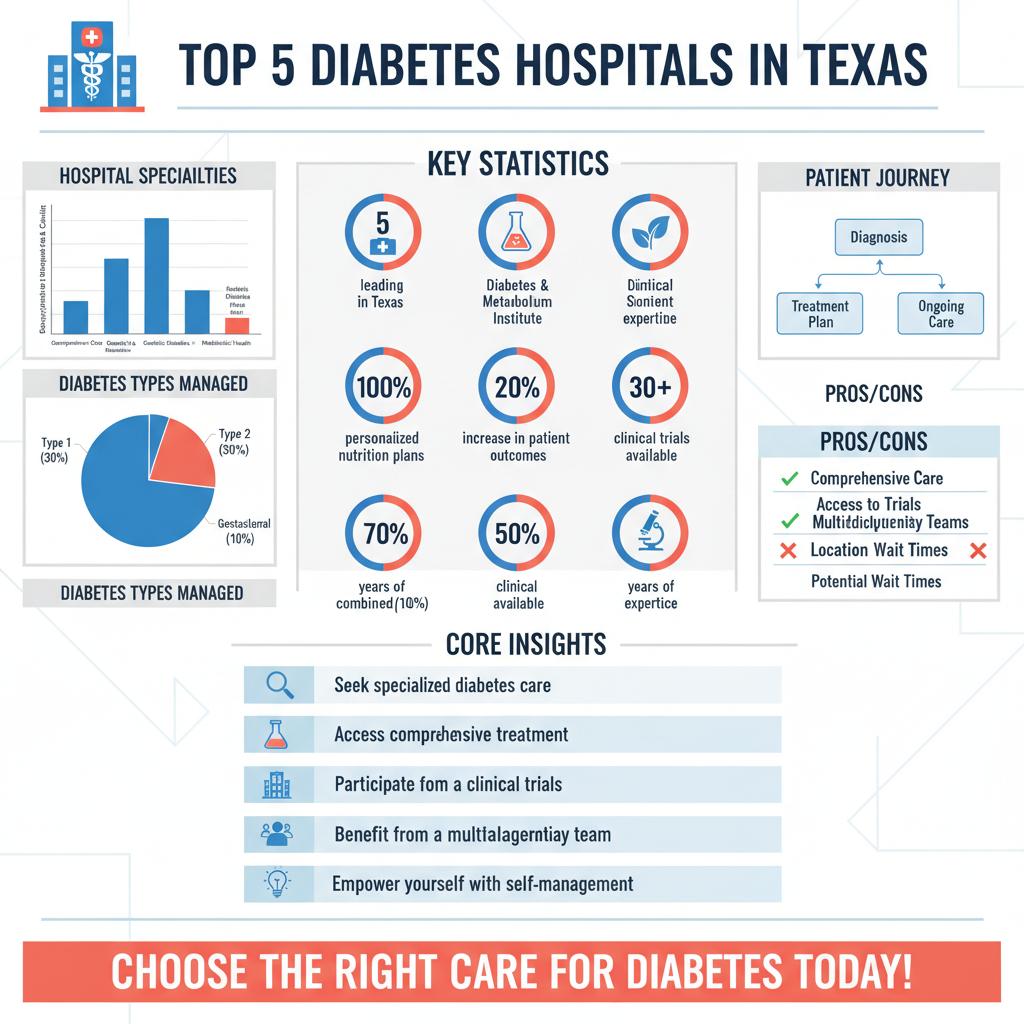

Also located in the bustling Texas Medical Center, Houston Methodist Hospital boasts a highly-regarded Diabetes & Metabolism Institute that is specifically designed to tackle both the complexities of existing diabetes and to lead the charge in prevention. This institute is a true center of excellence, particularly renowned for its expertise in managing complex cases, including difficult-to-control Type 1 and Type 2 diabetes, gestational diabetes, and other metabolic disorders. Their focus extends beyond mere treatment, aiming to equip patients with the knowledge and tools to prevent complications and improve their overall health trajectory.
A cornerstone of the institute’s philosophy is empowering individuals through extensive patient education and self-management programs. These aren’t just one-off lectures; they are carefully structured courses and workshops that cover everything from meal planning and carbohydrate counting to medication management, blood glucose monitoring, and exercise routines. The goal is to give you the confidence and capability to actively participate in your own care, making informed decisions daily. Furthermore, Houston Methodist is at the forefront of medical technology, utilizing cutting-edge tools and diagnostic equipment to ensure precision in care. They also play a significant role in national clinical trials, contributing vital research to the field of diabetes. This involvement means that patients often benefit from early access to groundbreaking treatments and devices, reinforcing their commitment to providing the most advanced care available.
UT Southwestern Medical Center (Dallas)

UT Southwestern Medical Center in Dallas has earned national recognition for its robust Diabetes Center and its exceptional endocrine division, solidifying its reputation as a leader in diabetes management and research. What makes UT Southwestern truly stand out is its deep-seated commitment to pioneering research. This isn’t just academic curiosity; it’s a driving force to translate groundbreaking scientific discoveries directly into new and improved treatment strategies for patients. Their researchers are constantly exploring novel approaches to understanding, preventing, and treating diabetes, ensuring that patients receive care informed by the very latest scientific advancements.
Beyond innovative treatments, UT Southwestern places a strong emphasis on integrated care, which is absolutely crucial for managing the myriad of complications that can arise from diabetes. They understand that diabetes doesn’t just affect blood sugar; it can impact the heart, kidneys, eyes, and nervous system. Therefore, their team works collaboratively to provide comprehensive care for these related issues. This means you might find your endocrinologist closely coordinating with cardiologists, nephrologists, ophthalmologists, and neurologists, all under one roof. This integrated approach ensures that all aspects of your health are monitored and managed proactively, aiming to prevent or mitigate severe complications and improve your long-term health outlook. Their holistic, research-driven approach makes them a top choice for complex diabetes care.
Texas Health Presbyterian Hospital Dallas (Dallas)
Texas Health Presbyterian Hospital Dallas offers a truly dedicated Diabetes Management Program that is meticulously tailored to meet the distinct needs of both Type 1 and Type 2 diabetes patients. They understand that managing these conditions requires different strategies and resources, and their program reflects this nuanced approach. Whether you’re navigating the complexities of insulin dependence or working to manage blood sugar through lifestyle and oral medications, their team is equipped to provide specialized guidance.
A core tenet of their program is a strong focus on preventative care and lifestyle modification. They believe in empowering patients to make sustainable changes that can significantly impact their health. This includes comprehensive education on healthy eating, regular physical activity, stress management, and medication adherence. Their goal is to help you take control of your health and reduce the risk of diabetes- related complications. To support this, patients have access to an invaluable network of resources, including certified diabetes educators (CDEs) who offer personalized coaching and guidance. You’ll also benefit from expert nutrition counseling, helping you navigate dietary choices that support blood sugar control without sacrificing enjoyment. Furthermore, Texas Health Presbyterian fosters a sense of community through support groups, allowing patients to connect with others facing similar challenges, share experiences, and find encouragement in a supportive environment. It’s a truly patient-centric program designed for long-term success.
University Health System (San Antonio)
In San Antonio, the University Health System offers an expansive and comprehensive Diabetes and Metabolic Disease Center that prides itself on a truly patient-centered approach. This means that every treatment plan, every educational session, and every consultation is designed with your individual needs, preferences, and lifestyle in mind. They understand that diabetes management is not a one-size-fits-all endeavor, and they strive to create personalized care pathways that are both effective and sustainable for you.
University Health System is particularly well-regarded for its robust community outreach programs and a deep-seated commitment to accessible, equitable care for all residents. They actively work to reduce health disparities and ensure that high-quality diabetes education and treatment are available to a broad population, regardless of socioeconomic status. This dedication to the community means they’re not just serving patients within their walls, but also reaching out to empower individuals across the greater San Antonio area. Furthermore, like many top-tier medical institutions, University Health System is actively engaged in clinical research. By participating in studies and trials, they contribute significantly to advancing the understanding and treatment of diabetes and related metabolic conditions. This commitment to research ensures that their patients benefit from the most current knowledge and potential future breakthroughs in diabetes care, solidifying their role as a leading institution in the region.
Key Considerations for Choosing Your Diabetes Hospital
Selecting the right hospital for your diabetes care is a deeply personal and significant decision that can profoundly impact your long-term health. To ensure you make the best choice, consider these important factors:
* Assess your specific type of diabetes, health history, and any existing complications. Are you managing Type 1, Type 2, gestational diabetes, or a more complex metabolic disorder? Do you have existing kidney disease, cardiovascular issues, or nerve damage related to diabetes? A hospital’s specialization in these areas might be critical. For instance, if you have advanced complications, a center known for integrated care (like UT Southwestern) might be ideal. If you’re newly diagnosed, a program with robust education (like Texas Health Presbyterian or Houston Methodist) could be a perfect fit. Be honest about your needs, as this will guide you toward the most appropriate facility.
* Evaluate the hospital’s specialized programs, technological capabilities, and patient support resources. Look beyond general care. Does the hospital have a dedicated Diabetes & Endocrine Center? Do they offer advanced diagnostic tools for early detection of complications? What about insulin pump therapy management, continuous glucose monitoring (CGM) support, or access to innovative treatments? Strong patient support resources, such as certified diabetes educators, registered dietitians, mental health professionals, and support groups, are invaluable for long-term success. The best facilities empower you with knowledge and tools, not just prescriptions.
* Consider factors like location, insurance coverage, and a positive patient experience. Proximity to your home or work can make a significant difference, especially for regular appointments or in case of emergencies. Verify that the hospital and its specialists are in-network with your insurance plan to avoid unexpected financial burdens. Finally, don’t underestimate the importance of a positive patient experience. Read reviews, consider recommendations, and if possible, speak with current patients. A supportive, empathetic, and communicative care team can make a huge difference in your journey to manage diabetes effectively.
Selecting the right hospital for diabetes care is a critical step in managing your health effectively. The institutions highlighted above represent some of Texas’s finest, offering advanced treatments, dedicated specialists, and comprehensive support to help you live a healthier life with diabetes. They are at the forefront of research, patient education, and integrated care, providing a wide array of options for individuals seeking top-tier diabetes management. We recommend consulting with your primary care physician to discuss your individual needs, explore these highly-rated options further, and to determine which facility is the absolute best fit for your personalized care plan and long-term well-being.
Frequently Asked Questions
Which hospitals are generally recognized for outstanding diabetes care and treatment in Texas?
Hospitals consistently recognized for excellent diabetes care in Texas often include major academic medical centers and specialized institutions. Look for facilities like UT Southwestern Medical Center in Dallas, Houston Methodist Hospital, Baylor St. Luke’s Medical Center within the Texas Medical Center, and other hospitals associated with comprehensive endocrinology programs across the state. These institutions typically offer advanced treatment options and multidisciplinary teams for managing diabetes.
What specialized services should I look for when evaluating top diabetes hospitals in Texas?
When evaluating top diabetes hospitals in Texas, prioritize facilities offering comprehensive services beyond basic management. Key features include a multidisciplinary team of endocrinologists, certified diabetes educators, dietitians, and podiatrists, along with advanced diagnostic testing and insulin pump therapy. Look for specialized clinics focusing on Type 1 diabetes, Type 2 diabetes, gestational diabetes, and programs for managing diabetes complications like neuropathy or kidney disease.
How can I choose the best diabetes hospital in Texas that fits my specific needs and condition?
To choose the best diabetes hospital in Texas, consider your specific needs such as the type of diabetes, severity, and any existing complications. Research hospitals known for their endocrinology departments, check if they participate in your insurance network, and look for patient reviews on their diabetes care programs. Consulting your primary care physician for a referral to a top diabetes specialist or center can also provide valuable guidance tailored to your health situation.
Why is it beneficial to seek diabetes care at a highly-rated or specialized hospital in Texas?
Seeking diabetes care at a highly-rated or specialized hospital in Texas provides access to cutting-edge treatments, advanced research, and a team of experts dedicated solely to diabetes management. These institutions often offer the latest technologies for glucose monitoring and insulin delivery, comprehensive education programs, and a holistic approach to care that addresses both the physical and emotional aspects of living with diabetes. This specialized environment can lead to better outcomes and improved quality of life.
Do these top Texas hospitals for diabetes offer specialized programs for complex cases or specific patient populations?
Yes, top Texas hospitals for diabetes frequently offer specialized programs designed for complex cases and specific patient populations. This includes dedicated clinics for Type 1 diabetes, advanced management for difficult-to-control Type 2 diabetes, and specific care plans for gestational diabetes. Many also provide programs for bariatric surgery patients, individuals with diabetes-related kidney disease, or those requiring intensive glucose management, ensuring comprehensive care for diverse needs.
References
- https://www.utsouthwestern.edu/patient-care/clinical-specialties/endocrinology-diabetes.html
- Section of Endocrinology, Diabetes and Metabolism | BCM
- https://www.mdanderson.org/research/departments-labs-centers/departments/endocrinology-diabetes-and-metabolism.html
- https://www.uth.edu/endocrinology/index.htm
- https://www.ttuhsc.edu/el-paso/medicine/diabetes-center/
- https://www.uthscsa.edu/patient-care/clinics/texas-diabetes-institute
