
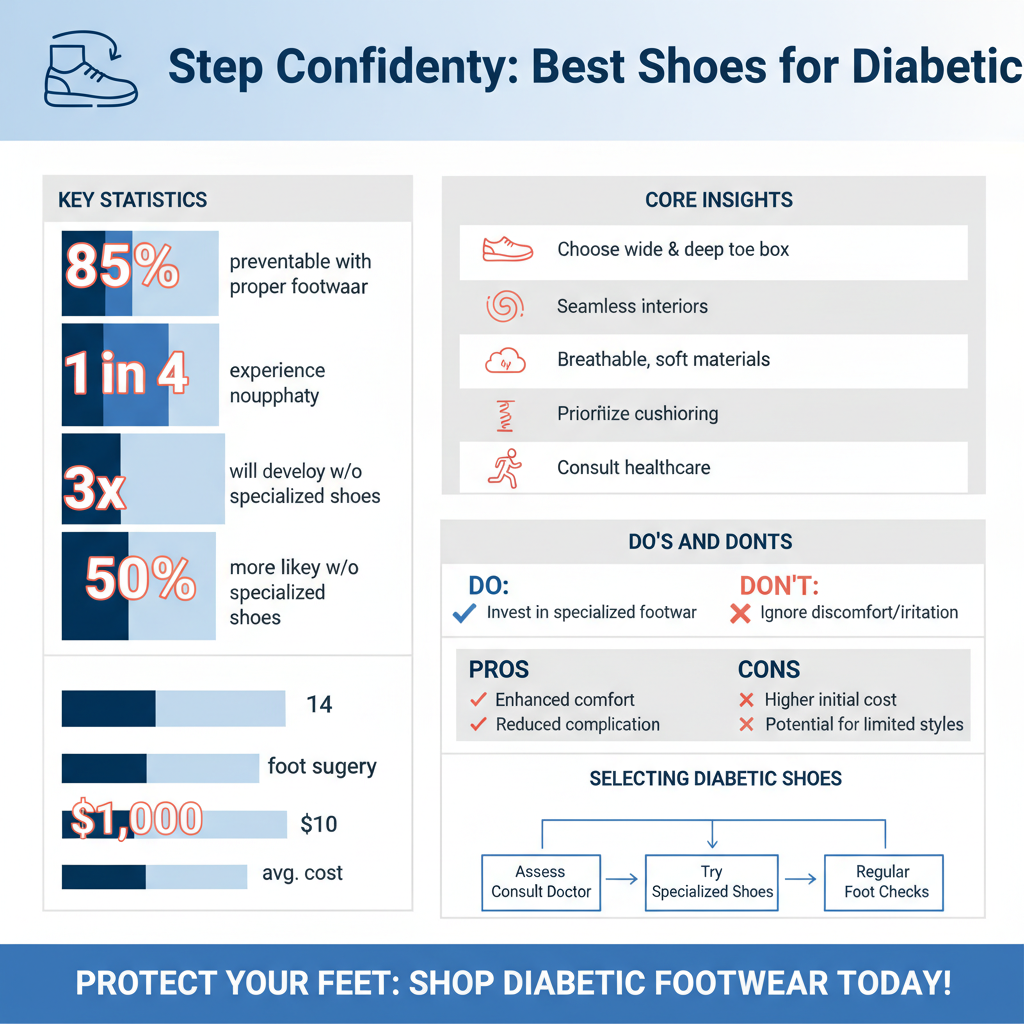
The best shoes for diabetics feature a wide and deep toe box, seamless interiors to prevent irritation, and specialized cushioning to reduce pressure on the soles of the feet. Brands like Orthofeet, New Balance, and Dr. Comfort are consistently rated as top choices because they offer Medicare-approved options designed specifically to accommodate neuropathy and poor circulation. Below, we break down the essential features you need and the top-rated footwear categories to protect your health. When you are living with diabetes, your feet require a level of care and attention that goes beyond simple aesthetics. Because high blood sugar can damage nerves (neuropathy) and reduce blood flow, a minor blister can quickly escalate into a serious infection. This guide is here to help you navigate the footwear market with confidence, ensuring you find a pair that feels like walking on a cloud while keeping your feet safe and sound.
Key Features to Look for in Diabetic Shoes
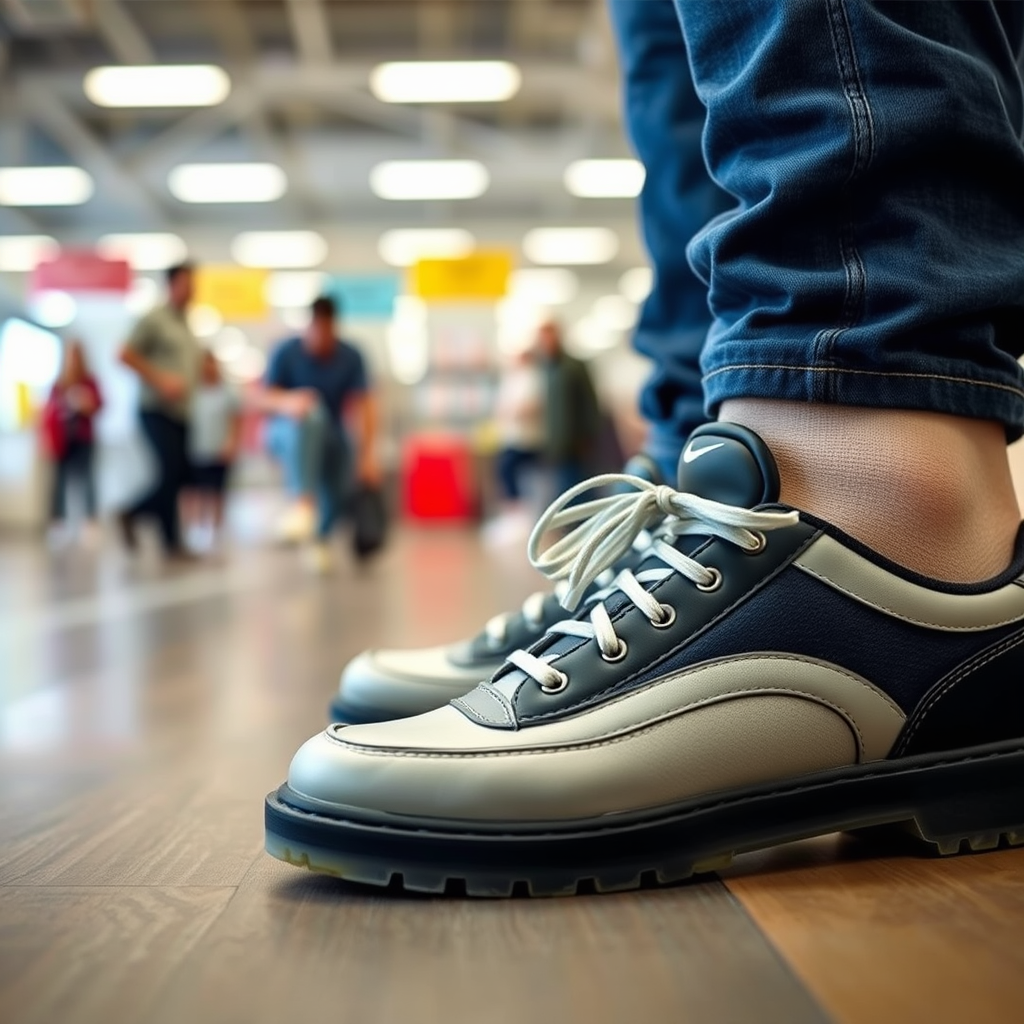
When you are shopping for diabetic footwear, you aren’t just looking for size; you are looking for engineering designed to protect vulnerable tissue. The difference between a standard sneaker and a diabetic shoe lies in the construction details.
– Extra Depth and Wide Toe Box: This is arguably the most critical feature. A wide toe box ensures there is absolutely no pressure on the sides of your feet, which is vital if you suffer from bunions, hammertoes, or overlapping toes. Furthermore, diabetic feet are prone to edema (swelling). Extra depth allows the foot to sit deep within the shoe without the top material pressing down on the instep. This space also accommodates custom orthotics or bulky diabetic insoles without making the shoe feel tight.
– Seamless Interiors: In a standard shoe, stitching often runs across the lining. For someone with neuropathy who cannot feel friction, a stray thread or rough seam can act like a saw against the skin, creating an ulcer before you even realize it hurts. Diabetic shoes utilize seamless interiors—often made of soft fabric or padded foam—to remove rough edges. This smooth environment virtually eliminates the risk of abrasion and skin breakdown.
– Breathable, Soft Materials: A moist environment is a breeding ground for bacteria and fungi. High-quality diabetic shoes use mesh uppers or soft, high-grade leathers that allow air to circulate. Keeping the feet dry reduces the risk of fungal infections like athlete’s foot, which can lead to secondary bacterial infections. Additionally, soft materials “give” with the foot’s movement, providing a non-constricting fit that adapts to changes in foot shape throughout the day.
Top Rated Athletic and Walking Shoes
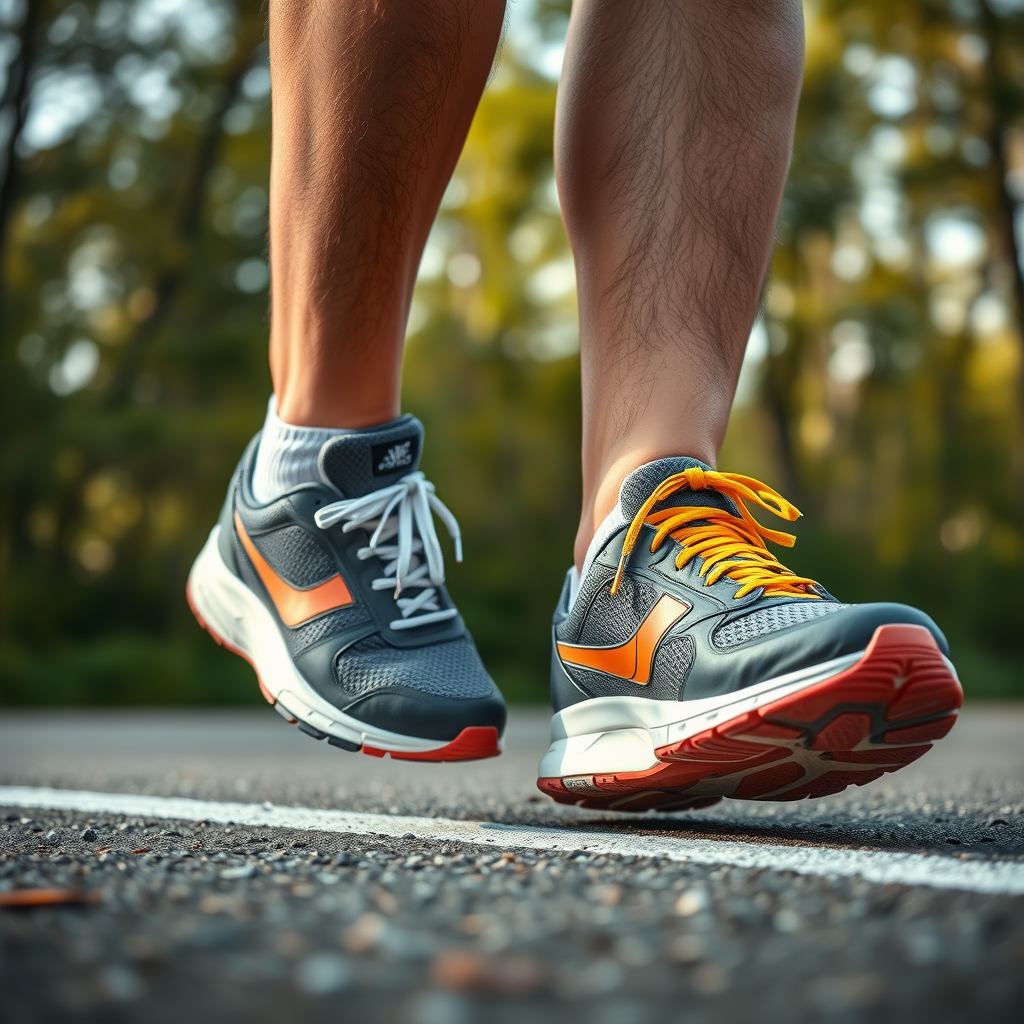
Remaining active is a cornerstone of managing diabetes, but you need the right equipment to do it safely. These athletic shoes are engineered to handle impact while pampering your feet.
– New Balance 847 or 928 Series: New Balance has long been a favorite in the podiatry community. The 928 series, in particular, is legendary for its motion control. It features a ROLLBAR stability post system that helps control rear-foot movement, which is excellent for active diabetics who need firm support to maintain balance. The 847 offers similar benefits but with a focus on premium cushioning. These shoes typically come in a massive range of widths (up to 6E), ensuring that even the widest feet have a pressure-free home.
– Brooks Addiction Walker: If you crave the feeling of a running shoe but need the safety of a medical walker, this is your best bet. The Brooks Addiction Walker is built on a linear platform, which provides maximum stability. It utilizes Brooks’ famous DNA cushioning technology that adapts to your specific stride and weight. It is designed to correct overpronation (rolling inward of the feet), which protects sensitive ankles and arches from strain. The leather upper is durable and protective, making it a great all-weather walking companion.
– Skechers Performance Go Walk: For those who prioritize a lightweight feel and easy-on convenience, the Skechers Go Walk series is a popular, budget-friendly option. These shoes are incredibly light and feature “Goga Mat” technology that provides high-rebound cushioning. However, a word of caution: while they are incredibly soft, they offer less structural stability than the New Balance or Brooks options. They are excellent for casual, short-duration wear, but for severe neuropathy, you may need to replace the standard insole with a more supportive diabetic insert.
Best Casual and Dress Shoes for Diabetics
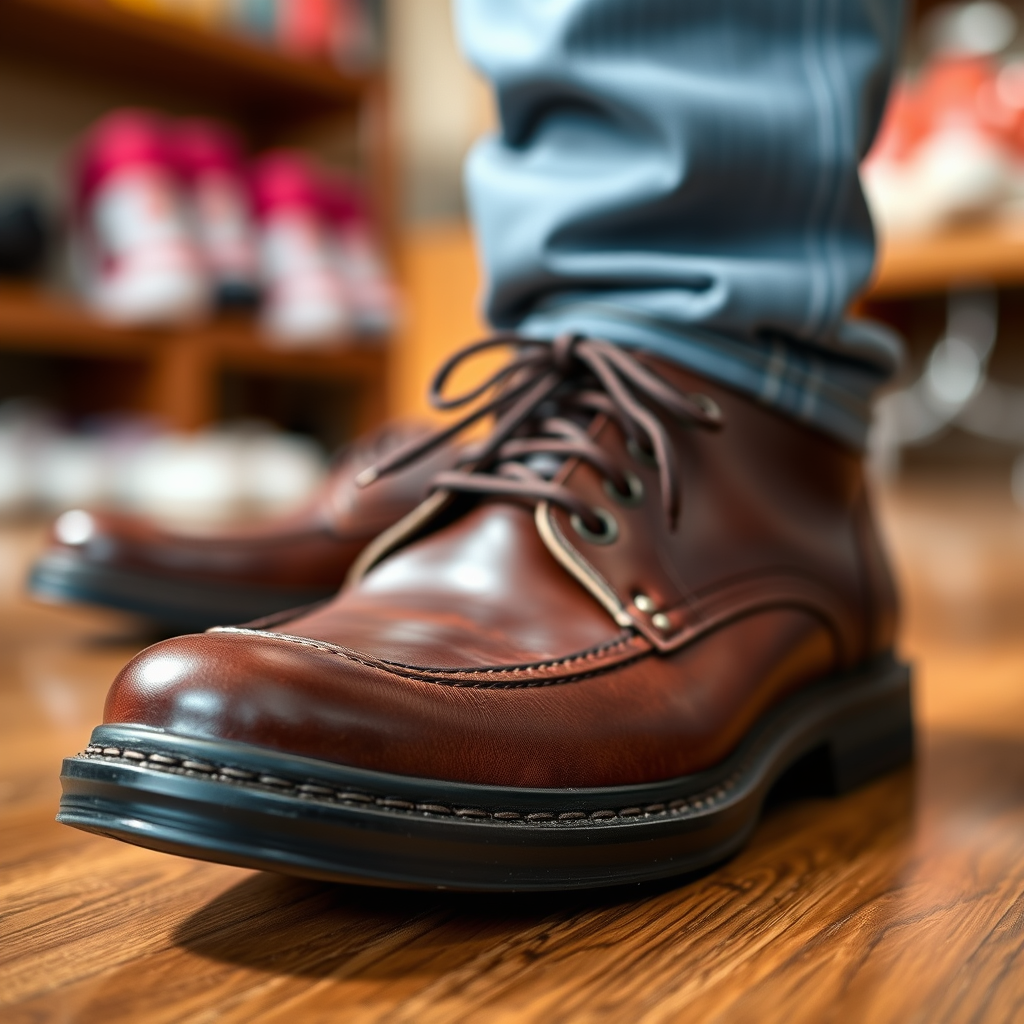
Having diabetes doesn’t mean you are resigned to wearing clunky, “medical-looking” shoes for the rest of your life. Manufacturers have made great strides in hiding therapeutic features inside stylish exteriors.
– Dr. Comfort: As the name implies, this brand is dedicated entirely to foot health. Dr. Comfort excels at making dress shoes and loafers that look appropriate for the office or a nice dinner but hide extra depth and width. They use top-grain leathers and offer designs ranging from classic Mary Janes to sleek oxfords. The beauty of Dr. Comfort shoes is that they usually come with gel inserts included, providing immediate relief right out of the box. They bridge the gap between medical necessity and classic style elegantly.
– Orthofeet Proven Pain Relief: Orthofeet is a powerhouse in the world of ergonomic footwear. They are famous for their “Orth-Cush” system and their innovative “Tie-Less” lacing system. This is a game-changer for diabetics who also suffer from arthritis or difficulty bending down; you can fasten the shoe using a heel strap or hook-and-loop tabs that look like laces. Their casual designs provide anatomical arch support and a mild rocker bottom, which adds spring to your step and reduces the effort needed to walk.
– Hush Puppies Power Walkers: Hush Puppies is a mainstream brand that has quietly produced some of the best PDAC-reviewed (Medicare-approved) shoes on the market. The Power Walker combines a classic, retro aesthetic with serious medical function. They feature a removable footbed to accommodate custom orthotics and use a “Dri-Lex” lining for superior moisture management. If you want a shoe that looks completely “normal” but functions like a medical device, this is a fantastic choice.
Understanding Medicare Coverage for Diabetic Footwear
Shoes can be expensive, but if you meet certain criteria, you might not have to pay the full price out of pocket. Understanding your benefits is key to maintaining foot health affordably.
– The Therapeutic Shoe Bill (TSB): Often referred to as the TSB, this Congress-enacted bill provides coverage under Medicare Part B. It specifically covers the cost of one pair of extra-depth shoes and three pairs of multi-density inserts per calendar year. This is a “use it or lose it” benefit; it resets every January, so it is vital to take advantage of it annually to ensure your shoes are always in top condition and providing maximum protection.
– Qualifying Conditions: Having diabetes alone does not automatically qualify you for free shoes. To be eligible, your doctor must document specific foot conditions. These include a history of partial amputation, foot ulcers, pre-ulcerative calluses, foot deformity (like bunions or Charcot foot), or poor circulation. Essentially, Medicare needs proof that your feet are “at-risk” and require these shoes to prevent hospitalization or further complications.
– Prescription Requirements: You cannot simply walk into a store and charge shoes to Medicare. The process requires a paper trail. You need a “Statement of Certifying Physician” from the doctor managing your diabetes (usually your M.D. or D.O.) confirming your condition. Then, you typically need a prescription from a podiatrist. Finally, the shoes must be fitted by a qualified supplier or pedorthist to ensure they meet the strict fitting standards required for reimbursement.
How to Ensure the Perfect Fit
Even the most expensive diabetic shoe will fail if the fit isn’t precise. A loose shoe causes friction; a tight shoe cuts off circulation. Here is how to get it right.
– Measure Feet in the Afternoon: Gravity causes fluids to accumulate in our lower extremities throughout the day. Consequently, your feet are actually larger in the evening than they are in the morning. Always shop for shoes or measure your feet in the late afternoon. If you buy shoes that fit perfectly at 9:00 AM, they might be dangerously tight by 5:00 PM, increasing the risk of pressure sores.
– The Thumb Test: When you try on the shoe, stand up and distribute your weight evenly. There should be about a half-inch of space—roughly the width of your thumb—between the end of your longest toe and the front of the shoe. If your toes are touching the end, the shoe is too small. Remember, diabetic shoes are about volume; you want your toes to be able to wiggle freely, almost as if they are floating, rather than being held snugly.
– Wear Your Socks and Orthotics: Never try on shoes barefoot or with the thin nylon socks provided by shoe stores. You must try the shoes on with the exact type of diabetic socks and custom inserts you plan to wear daily. These items take up significant volume inside the shoe (“displacement”), and failing to account for them can result in a shoe that is far too tight once you get it home.
Importance of Socks and Foot Care
Your shoes are the outer shield, but socks are the layer that sits directly against your skin. Pairing high-quality shoes with low-quality socks is a recipe for disaster.
– Moisture-Wicking Fabrics: Cotton is comfortable, but it holds onto moisture. For a diabetic, damp skin is weak skin. Avoid 100% cotton socks. Instead, look for synthetic blends, acrylics, or bamboo fibers. Bamboo is particularly excellent because it is naturally soft, anti-microbial, and incredible at wicking sweat away from the skin, keeping your feet dry and reducing the risk of fungal growth.
– Non-Binding Tops: Standard socks often have elastic bands at the top to keep them up. If you have peripheral artery disease or swelling, these bands can act like a tourniquet, restricting blood flow to the foot. Diabetic socks feature “non-binding” tops—loose knits that stay up without squeezing the calf. This promotes healthy circulation and prevents the “ring” or indentation marks often seen after removing standard socks.
– Daily Foot Inspections: The best shoes in the world cannot replace vigilance. Because neuropathy can hide pain, your eyes must do the work of your nerves. Inspect your feet every single time you take your shoes off. Look for red spots, blisters, cuts, or ingrown toenails. If you have trouble seeing the bottoms of your feet, place a mirror on the floor and hold your foot over it. Catching a red spot today prevents an ulcer tomorrow.
Finding the best shoes for diabetics is about balancing comfort, protection, and style to prevent serious foot complications. It is an investment in your mobility and independence. By prioritizing features like deep toe boxes, seamless linings, and firm heel counters, and by consulting with your podiatrist regarding Medicare coverage, you can maintain mobility and foot health safely. Remember, shoe interiors break down long before the outside looks worn out; always replace your shoes when the interior cushioning wears down to ensure you maintain the highest level of protection. Your feet carry you through life—give them the care they deserve.
Frequently Asked Questions
Why are specialized diabetic shoes necessary, and how do they differ from regular footwear?
Specialized diabetic shoes are medically necessary because people with diabetes often suffer from neuropathy (loss of sensation) and poor circulation, making them prone to foot ulcers and infections. Unlike regular footwear, diabetic shoes feature extra depth to accommodate custom orthotics, a wider toe box to prevent cramping, and a seamless interior to eliminate friction that causes blisters. These therapeutic design elements are crucial for protecting sensitive feet and preventing complications that could lead to amputation.
What are the most important features to look for when choosing the best shoes for diabetics?
When selecting the best shoes for diabetics, prioritize a wide and deep toe box that allows your toes to move freely without pressure, which helps prevent calluses and hammertoes. Look for shoes with breathable, flexible materials that conform to the foot’s shape, as well as firm heel counters and shock-absorbing outsoles for stability. Additionally, ensure the shoe has a non-binding upper and an adjustable closure system (like Velcro or laces) to accommodate fluctuating swelling or edema throughout the day.
Does Medicare cover the cost of therapeutic shoes and inserts for diabetic patients?
Yes, Medicare Part B typically covers the cost of one pair of extra-depth shoes and three pairs of inserts per calendar year for qualifying diabetic patients under the Therapeutic Shoe Bill. To qualify, you must have a doctor’s certification confirming you have diabetes and at least one specific foot condition, such as partial amputation, foot deformity, or poor circulation. It is essential to visit a podiatrist or certified orthotist to ensure proper fitting and documentation for insurance reimbursement.
Which shoe brands are most highly recommended for diabetics with neuropathy?
Top-rated brands often recommended by podiatrists for diabetic neuropathy include Orthofeet, Dr. Comfort, and Propet, as they specialize in orthopedic construction with protective interiors. Brands like New Balance and Brooks are also popular for their specific models that offer motion control, extended width options, and maximum cushioning. These manufacturers focus on ergonomic soles and anatomical arch support, which help reduce foot pain and provide the necessary protection for numb or sensitive feet.
How often should diabetics replace their shoes to ensure proper foot protection?
Diabetics should generally replace their shoes every 6 to 12 months, or sooner if there are visible signs of uneven wear on the heels or soles. Worn-out shoes lose their structural integrity and shock-absorbing capabilities, which can lead to increased pressure points and a higher risk of injury or ulcers. Regular inspection of both the inside and outside of the shoe is vital, and getting professionally re-fitted annually is recommended since foot shape and size can change over time.
References
- Diabetes & Foot Problems – NIDDK
- Diabetes care: 10 ways to avoid complications – Mayo Clinic
- https://www.diabetes.org.uk/guide-to-diabetes/complications/feet/shoes
- https://my.clevelandclinic.org/health/articles/15170-diabetes-foot-care
- https://www.webmd.com/diabetes/tips-buying-shoes
- Therapeutic shoes & inserts
- https://www.health.harvard.edu/diseases-and-conditions/the-right-shoes-for-diabetes
- https://www.apma.org/patients/learn-about-your-foot-health/diabetic-foot-care
