Why Proper Footwear is Crucial for Diabetic Men

For men living with diabetes, choosing the right footwear goes far beyond mere aesthetics or comfort; it’s a vital medical necessity. Your feet are susceptible to specific challenges due to diabetes, and appropriate shoes act as a critical first line of defense.
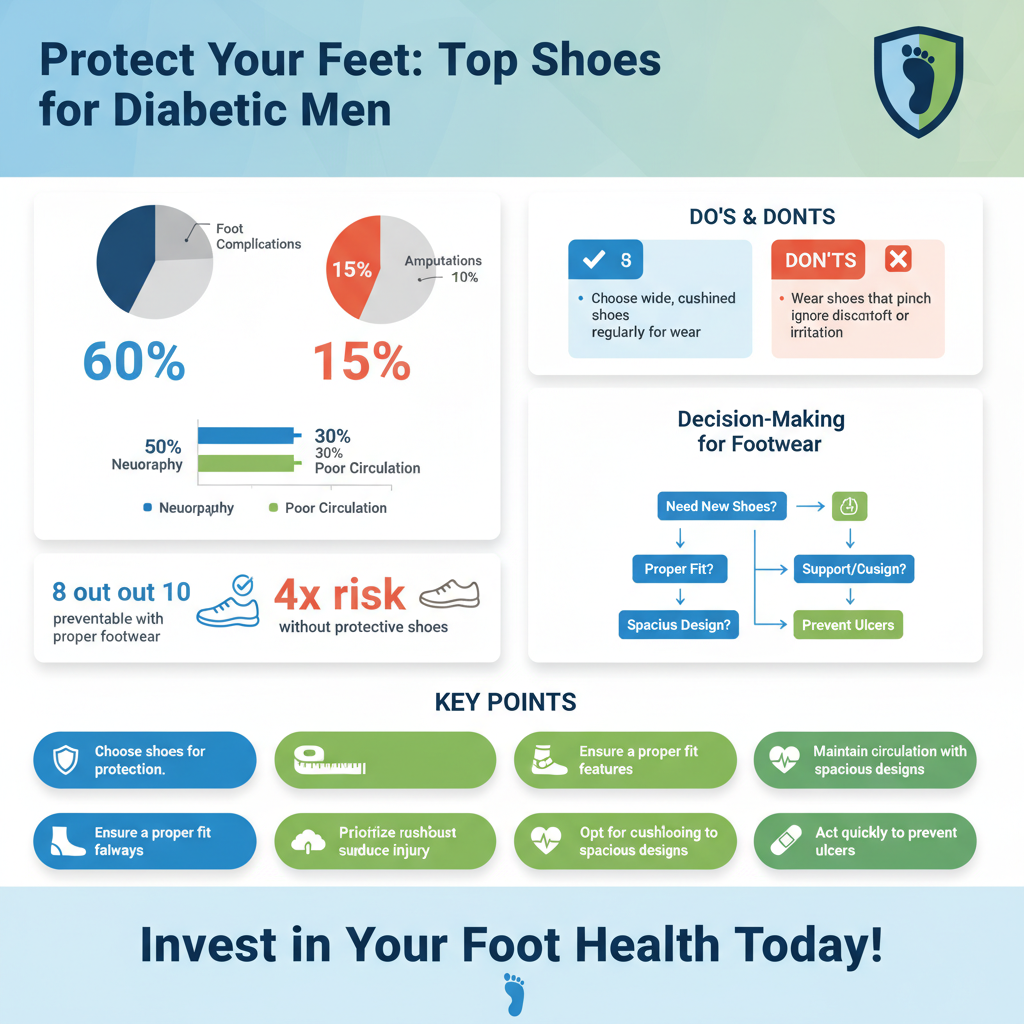
* Preventing Complications: Diabetes can lead to serious foot complications like neuropathy (nerve damage, often causing loss of sensation), poor circulation, and increased susceptibility to infections. Ill-fitting shoes, even slightly, can create pressure points and friction that, if unnoticed due to neuropathy, can quickly escalate into blisters, calluses, or open sores known as ulcers. These ulcers are particularly dangerous as they heal slowly and are prone to infection, potentially leading to amputation in severe cases. Diabetic-friendly shoes are specifically engineered to minimize these pressure points and reduce friction, offering a protective barrier against these common and serious issues. They provide a safe environment for your feet, reducing the risk of skin breakdown and subsequent infections.
* Maintaining Circulation: Good blood circulation is fundamental for healing and overall foot health. Diabetes often impairs blood flow, especially to the extremities. Shoes that are too tight, narrow, or restrictive can further compromise this already fragile circulation. Proper diabetic footwear is designed with a spacious fit that never constricts the foot, ensuring unimpeded blood flow. This is crucial not only for keeping feet healthy but also for enabling any minor cuts or abrasions to heal more effectively, preventing them from becoming larger, more problematic wounds.
* Reducing Injury Risk: Even minor injuries can become major problems for someone with diabetes. A small cut, stubbed toe, or blister can quickly turn into a non-healing wound due to neuropathy and poor circulation. Diabetic shoes offer superior cushioning and stability, which significantly lowers the chance of everyday injuries. They provide a protective shell against external hazards, absorb shock from walking, and offer a stable base to help prevent trips and falls, which can lead to more severe sprains or fractures. Think of them as a personal bodyguard for your feet, shielding them from the daily wear and tear that could otherwise have serious consequences.
Key Features of Diabetic-Friendly Shoes
When you’re on the hunt for the perfect pair of shoes, knowing what specific features to prioritize will make all the difference in ensuring your foot health and comfort.
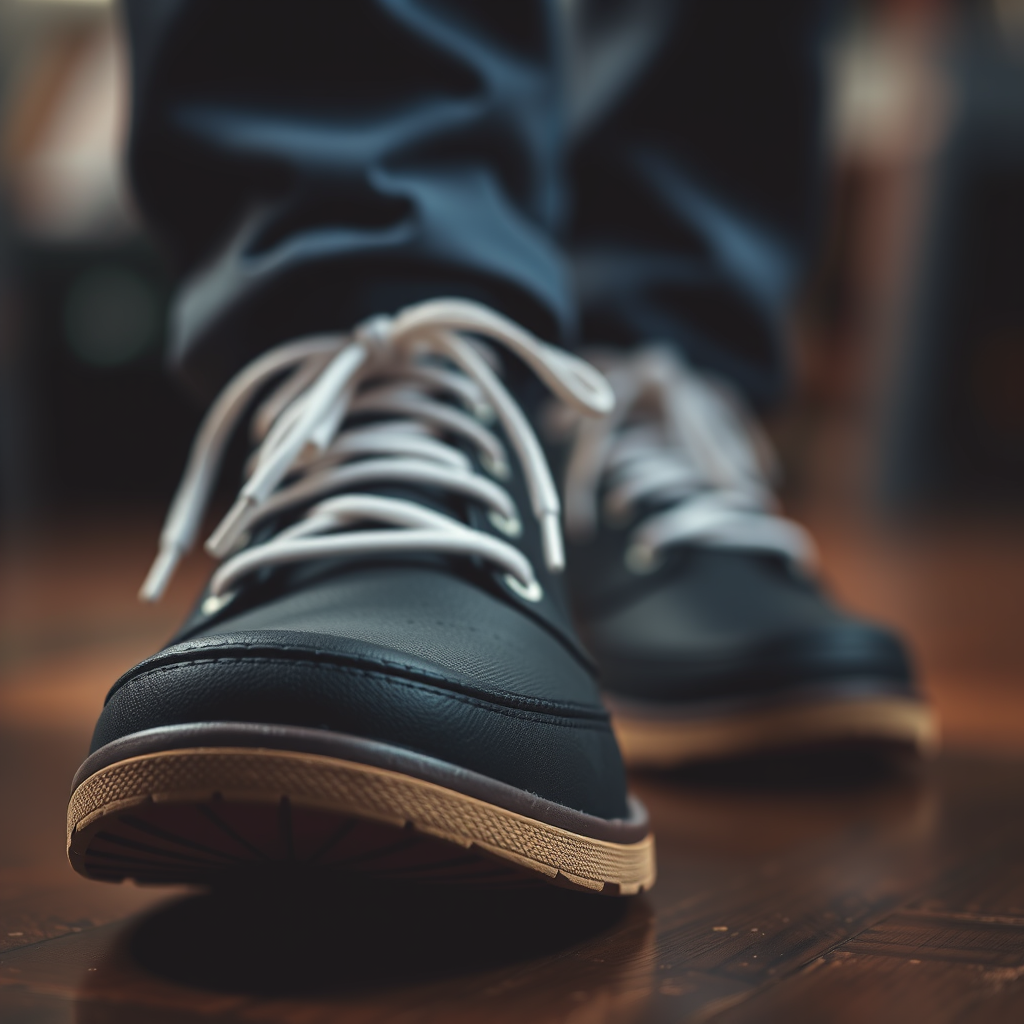
* Wide Toe Box and Deep Fit: One of the most critical features is a generously sized toe box. This isn’t just a comfort perk; it’s a medical necessity. A wide toe box ensures there’s ample room for your toes to spread naturally and move freely without any compression. This is incredibly important for preventing corns, calluses, and ingrown toenails that can result from toes being squeezed together. Furthermore, many men with diabetes may develop foot deformities like bunions or hammertoes, and a deep fit accommodates these conditions without putting undue pressure on sensitive areas. It prevents rubbing and irritation that could lead to skin breakdown, especially if sensation is impaired.
* Seamless Interior and Soft Lining: Pay close attention to the inside of the shoe. Rough seams, prominent stitching, or abrasive materials are huge no-nos. Diabetic-friendly shoes boast smooth, seamless interiors and soft, often padded linings. This design drastically reduces the risk of rubbing, chafing, and irritation that can lead to blisters or sores. For individuals with diabetic neuropathy, where the ability to feel pain or discomfort is reduced, such seemingly minor irritations can go unnoticed and quickly develop into serious wounds. A buttery-soft lining, made from materials like leather or specialized synthetic fabrics, provides a gentle embrace for your feet, ensuring maximum comfort and protection.
* Removable Insoles: The ability to remove the shoe’s existing insoles is a practical feature that offers significant benefits. It allows you to insert custom orthotics or specialized diabetic inserts prescribed by a podiatrist. These custom inserts are tailored to your specific foot shape and biomechanics, providing personalized support, cushioning, and most importantly, precise pressure relief. They can redistribute weight away from high-pressure areas, absorb shock, and correct gait imbalances, all of which are vital for preventing ulcers and maintaining foot health. Having removable insoles ensures that your shoes can adapt to your unique needs, offering a level of customization that standard insoles simply cannot.
Essential Support and Cushioning
The structural integrity and comfort provided by a shoe’s support and cushioning systems are paramount for diabetic foot health, helping to distribute weight and absorb impact effectively.
* Arch Support: Proper arch support is fundamental for overall foot health and particularly important for men with diabetes. It helps to maintain the natural alignment of your foot, distributing body weight evenly across the entire sole, rather than concentrating pressure on vulnerable areas like the ball of the foot or the heel. Good arch support can reduce strain on the ligaments and tendons, alleviate fatigue, and improve stability, which is crucial for preventing injuries and falls. For those with flat feet or high arches, targeted support can correct biomechanical issues, promoting a healthier gait and reducing the likelihood of developing painful pressure points that could lead to skin breakdown.
* Shock Absorption: Every step you take generates impact forces that travel up through your feet, ankles, knees, and even your spine. Diabetic-friendly shoes prioritize superior shock absorption to mitigate these forces. Midsoles crafted from materials like Ethylene-vinyl acetate (EVA), polyurethane, or gel are specifically designed to cushion the foot and absorb impact effectively. This protective layer shields the delicate structures of your feet, including bones, joints, and soft tissues, from repetitive stress and potential micro-trauma. Excellent shock absorption not only enhances comfort during long periods of standing or walking but also helps prevent injuries and reduces the risk of developing painful conditions like plantar fasciitis or stress fractures, which can be particularly problematic for individuals with diabetes.
* Rigid Sole with Rocker Bottom: A rigid sole provides essential stability and protection against uneven surfaces. Paired with a rocker bottom design – a slightly curved sole that encourages a smooth, rolling motion from heel to toe – it offers significant therapeutic benefits. This design reduces pressure on the balls of the feet and the metatarsal heads, areas often prone to painful calluses and ulcers in diabetic feet. The rocker bottom promotes a smoother, more efficient gait, minimizing the need for the foot to bend excessively. This action can significantly reduce stress on painful or arthritic joints, alleviate discomfort from conditions like hammertoes or bunions, and conserve energy, making walking more comfortable and safer for individuals with limited ankle mobility or those prone to forefoot pain.
Materials and Construction for Comfort & Durability
The choice of materials and the quality of construction play a pivotal role in ensuring that diabetic shoes are not only comfortable but also durable and protective for your feet.
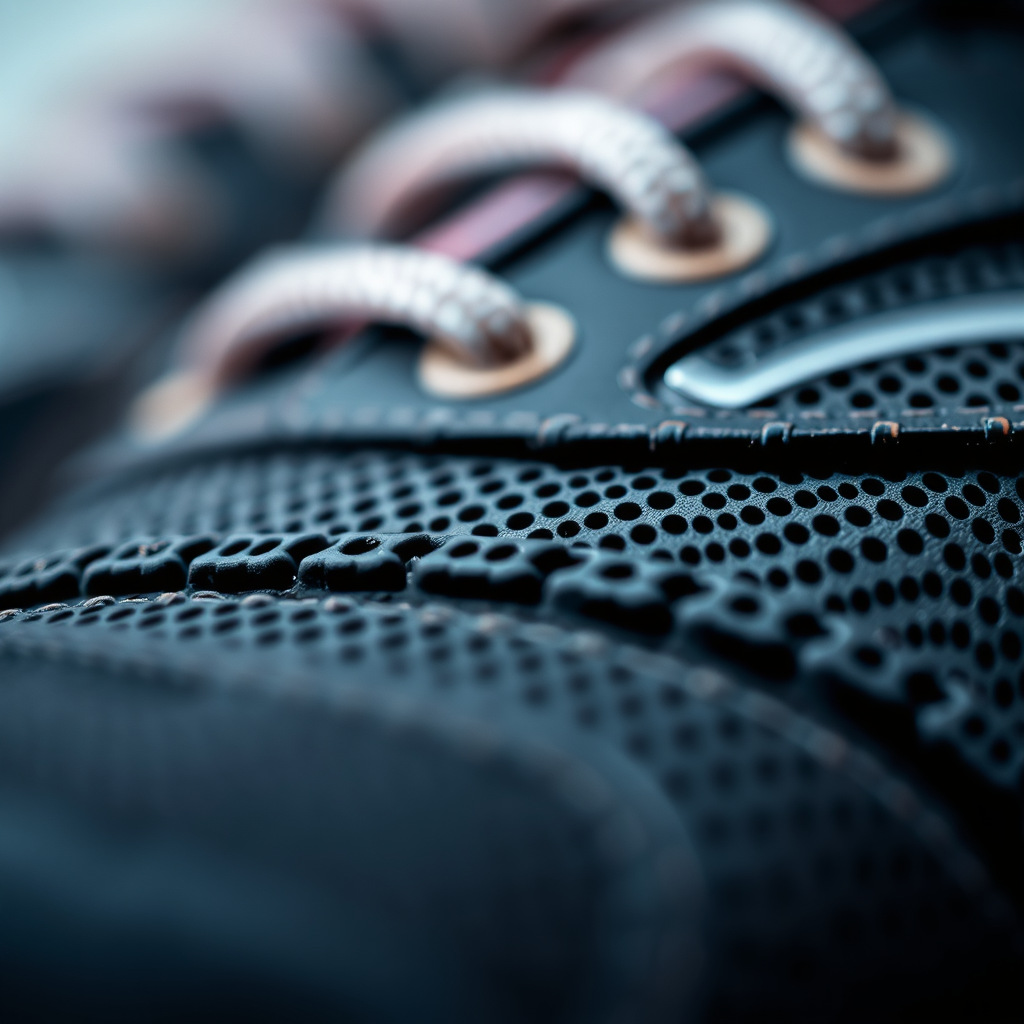
* Breathable Uppers: The material used for the upper part of the shoe is incredibly important for maintaining a healthy foot environment. Breathable materials such as soft, supple leather, advanced mesh fabrics, or specialized synthetic materials allow air to circulate freely around your feet. This ventilation helps to wick away moisture and regulate temperature, keeping your feet dry and cool. Moist, warm environments are breeding grounds for bacteria and fungi, which can lead to infections that are particularly dangerous for individuals with diabetes. By promoting airflow, breathable uppers help prevent conditions like athlete’s foot and reduce the risk of skin irritation, contributing significantly to overall foot hygiene and health.
* Non-Slip Outsoles: Safety is paramount, and a non-slip outsole is a non-negotiable feature for diabetic footwear. Durable rubber outsoles with aggressive tread patterns or specially designed traction elements provide excellent grip on a variety of surfaces, from wet sidewalks to polished floors. This superior traction significantly reduces the risk of slips, trips, and falls, which can lead to serious injuries like sprains, fractures, or even head trauma. For men with neuropathy who may have impaired balance or reduced sensation in their feet, the added stability provided by a non-slip sole offers crucial peace of mind and protection, ensuring every step is as secure as possible.
* Adjustable Closures: The ability to adjust the shoe’s fit throughout the day is a key advantage. Laces, Velcro straps, or secure buckles allow for a customizable and precise fit that can adapt to the natural swelling of feet, which often occurs over the course of the day or due to certain medications. This adjustability prevents the shoe from becoming too tight and constrictive, which could restrict circulation or create pressure points. Conversely, it ensures the shoe remains securely on your foot, preventing slipping and friction that can cause blisters. The flexibility offered by adjustable closures ensures consistent comfort and safety, accommodating minor changes in foot volume without compromising protection.
When to Consult a Podiatrist
A podiatrist is an invaluable partner in managing diabetic foot health, offering expert guidance that extends to your footwear choices. Their professional input can make a significant difference.
* Regular Foot Examinations: Even if your feet feel fine, regular professional foot checks are absolutely crucial for men with diabetes. A podiatrist can perform comprehensive examinations to monitor your foot health, check for signs of neuropathy, assess circulation, and identify any potential issues like skin changes, calluses, or early signs of ulcers before they become serious problems. These regular check-ups, often recommended annually or more frequently based on your condition, allow for early intervention and personalized advice, ensuring that your feet receive the preventative care they need to stay healthy and complication-free.
* Personalized Shoe Recommendations: A podiatrist possesses specialized knowledge of foot anatomy, biomechanics, and diabetic complications. They can assess your unique foot structure, gait pattern, and any existing deformities or nerve damage. Based on this thorough assessment, they can provide personalized recommendations for specific footwear styles, brands, or features that will best meet your individual needs. They can advise on the appropriate depth, width, and support required, and even suggest custom modifications or orthotics to address particular issues. Their expert guidance ensures you choose shoes that are therapeutically beneficial, not just generally “diabetic-friendly.”
* Addressing Existing Foot Problems: If you have pre-existing foot conditions such as bunions, hammertoes, severe calluses, ingrown toenails, or persistent foot pain, consulting a podiatrist is essential. These conditions can significantly impact your shoe choices and, if left unmanaged, can increase your risk of diabetic complications. A podiatrist can diagnose the root cause of the problem, provide appropriate treatment, and guide you toward footwear solutions that accommodate and alleviate these issues. They can also provide referrals for custom orthotics or therapeutic shoes, ensuring your footwear works with your treatment plan to protect and preserve your foot health.
Shopping Tips and What to Look For
Shopping for diabetic shoes requires a thoughtful approach to ensure you get the best fit and protection. Follow these tips to make an informed choice.
* Shop Later in the Day: Your feet naturally swell throughout the day due to gravity and activity. For men with diabetes, this swelling can sometimes be more pronounced. To ensure you purchase shoes that remain comfortable and non-restrictive all day long, it’s always best to try on shoes in the afternoon or evening when your feet are at their largest. This simple tip helps prevent buying shoes that feel fine in the morning but become uncomfortably tight later, potentially leading to pressure points and discomfort.
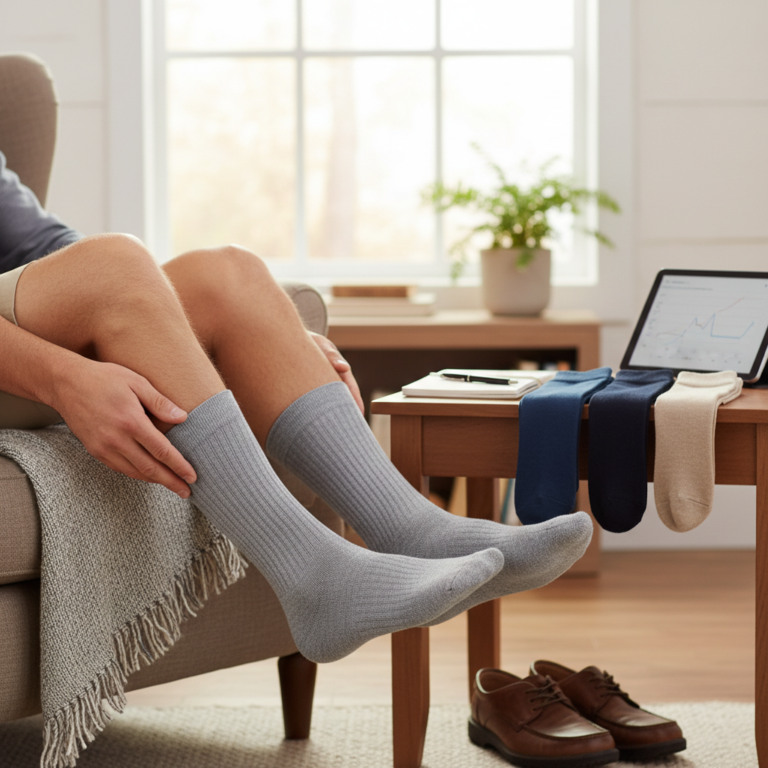
* Wear Your Diabetic Socks: The thickness and material of your socks can significantly impact the fit of a shoe. Always try on shoes with the type of socks you typically wear, especially if they are specialized diabetic socks. Diabetic socks are usually seamless, non-binding, and made from moisture-wicking materials, and they tend to be slightly thicker than regular dress socks. Trying on shoes with these socks ensures that the fit is accurate and comfortable, providing the space and cushioning you’ll experience during daily wear, preventing any surprises when you get home.
* Check for Certifications: When investing in diabetic footwear, look for shoes that have specific certifications or approvals from reputable organizations. For instance, in the United States, look for shoes approved by PDAC (Pricing, Data Analysis and Coding) for Medicare beneficiaries, or those specifically labeled as “therapeutic” or “extra-depth” footwear designed for diabetic foot health. These certifications indicate that the shoes meet stringent standards for materials, construction, and therapeutic benefits, assuring you that they are indeed designed with the unique needs of diabetic feet in mind. Don’t hesitate to ask store associates or consult your podiatrist for brands and models that come highly recommended and certified.
Choosing the right shoes is a proactive and incredibly important step in managing diabetes and maintaining optimal foot health. By prioritizing essential features like a spacious toe box, seamless interiors, excellent support, superior shock absorption, and quality, breathable materials, you can significantly reduce your risk of serious complications and ensure comfort with every single step you take. Remember that your feet are invaluable, and investing in the correct footwear is an investment in your overall well-being. Don’t hesitate to consult with a trusted podiatrist or healthcare professional to receive personalized recommendations and guidance tailored to your unique needs, helping you make the best choice in footwear that truly supports your active and healthy lifestyle.
Frequently Asked Questions
What are the key features to look for in the best shoes for diabetic men?
The best shoes for diabetic men prioritize protection, comfort, and proper support to prevent complications. Look for a deep and wide toe box to prevent toe compression, a seamless interior lining to minimize friction and blisters, and a wide, accommodating fit to reduce pressure points. Additionally, features like ample cushioning, breathable materials, and adjustable closures (e.g., Velcro or laces) are essential for optimal foot health and circulation in diabetic footwear.
Why is specialized footwear crucial for diabetic men?
Specialized footwear is crucial for diabetic men primarily because diabetes can lead to severe foot complications like peripheral neuropathy (nerve damage), poor circulation, and an increased risk of foot ulcers and infections. Diabetic shoes are specifically designed to alleviate pressure points, provide protective cushioning, and accommodate foot deformities, thereby preventing injuries and mitigating the serious consequences of unnoticed foot problems that can arise from regular shoes.
Which types of shoes or brands are generally recommended as the best shoes for diabetic men?
Therapeutic sneakers, walking shoes, and certain dress shoes designed with diabetic foot health in mind are highly recommended. Brands like Dr. Comfort, Orthofeet, Apex, and Propet are well-regarded for offering a range of styles that meet stringent medical standards for diabetic footwear. Always look for shoes that are certified or approved for diabetic use, ensuring they provide the necessary protective features like extra depth and seamless construction.
How do I ensure a proper fit when choosing diabetic shoes to prevent complications?
To ensure a proper fit, measure your feet late in the day when they are typically at their largest, and always wear the type of socks you intend to use with the shoes. There should be about a thumb’s width of space between your longest toe and the end of the shoe, with no pinching at the sides or slipping at the heel. It’s highly recommended to get professionally fitted at a store specializing in medical or diabetic footwear to accurately assess your foot shape and specific needs.
Can men with diabetes wear regular athletic shoes, or do they always need specialized diabetic shoes?
While some high-quality athletic shoes might offer certain benefits like cushioning and support, specialized diabetic shoes are generally preferred, especially for men with neuropathy, foot deformities, or a history of foot complications. Regular athletic shoes often lack the critical seamless interiors, extra depth, and protective features necessary to fully safeguard diabetic feet from pressure points and friction. Consulting a podiatrist can help determine if a specific athletic shoe meets the minimum requirements for your individual diabetic foot health needs, but dedicated diabetic footwear offers superior protection.
References
- https://www.mayoclinic.org/diseases-conditions/diabetes/in-depth/diabetic-shoes/art-20046985
- https://my.clevelandclinic.org/health/diseases/21650-diabetic-shoes
- Diabetes & Foot Problems – NIDDK
- https://orthoinfo.aaos.org/en/diseases–conditions/diabetic-foot-problems/
- https://www.diabetes.va.gov/education/diabetesfootcare.asp
- https://www.uofmhealth.org/health-library/hw42469