
Finding the best diabetic shoes for women means prioritizing footwear that offers superior protection, comfort, and proper support, crucial for preventing common foot complications associated with diabetes. The top choices feature essential elements like wide, deep toe boxes, seamless interiors to prevent irritation, and removable, cushioned insoles to accommodate custom orthotics. Brands like Orthofeet, Drew, and Dr. Comfort consistently lead the market with designs that blend therapeutic benefits with practical style, ensuring your feet stay healthy and happy.
Why Diabetic Shoes are Essential for Women’s Foot Health
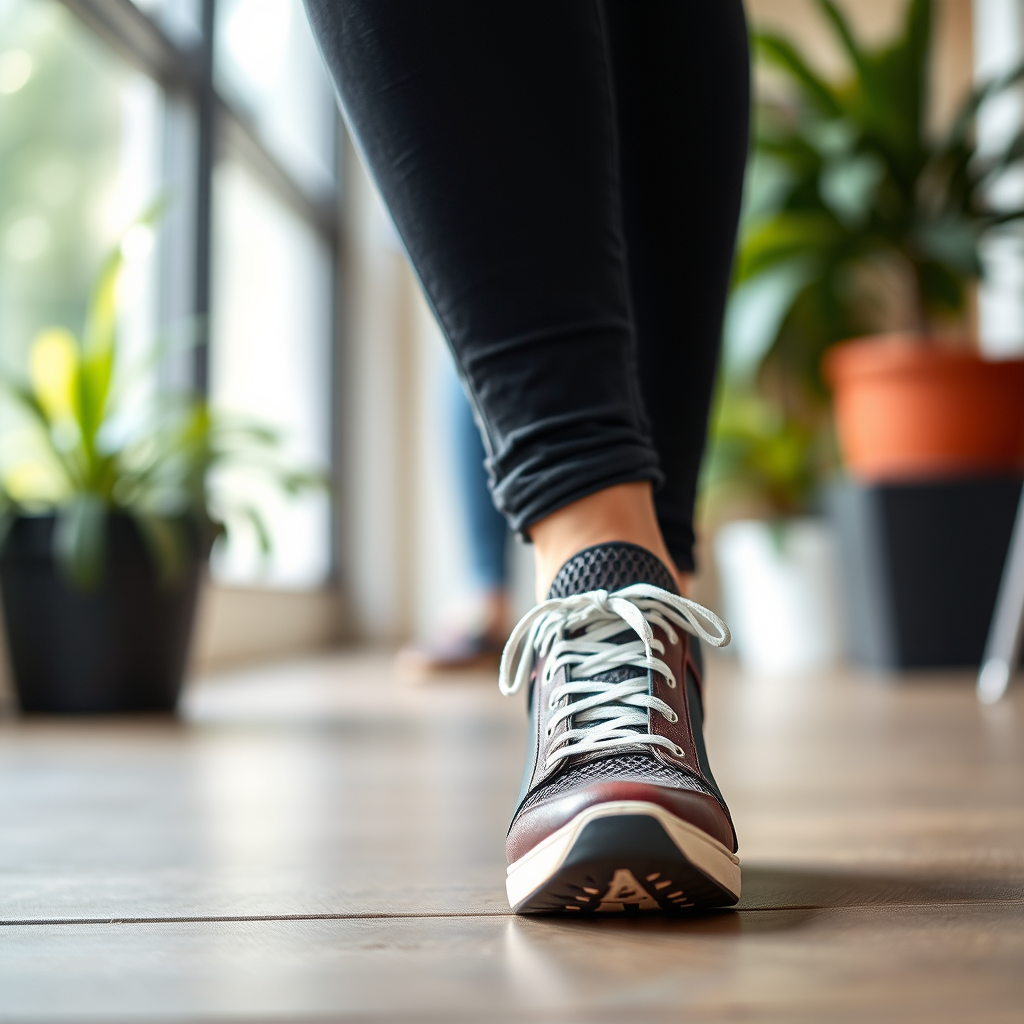
For women living with diabetes, choosing the right footwear isn’t just about comfort; it’s a critical component of overall health management. Diabetic shoes are meticulously designed to address the specific vulnerabilities that come with the condition, offering a crucial layer of protection that regular shoes simply can’t provide.
* Prevent serious complications such as ulcers, infections, and neuropathy. One of the most significant risks for individuals with diabetes is the development of foot ulcers, which can lead to severe infections and, in extreme cases, amputation. Diabetic shoes are engineered with protective features like extra depth, wide toe boxes, and non-binding uppers to reduce pressure points and friction that could otherwise cause skin breakdown. For those experiencing neuropathy (nerve damage that diminishes sensation), the protective barrier these shoes offer is even more vital, as it allows individuals to continue their daily activities without realizing they might be injuring their feet.
* Provide consistent comfort and stability, reducing foot fatigue and pain. Imagine standing or walking for hours with shoes that constantly pinch or rub. For anyone, this is uncomfortable, but for someone with diabetes, it can be dangerous. Diabetic shoes are built for sustained comfort, often featuring advanced cushioning systems, anatomical arch support, and stable outsoles that absorb shock and distribute pressure evenly. This design not only minimizes everyday aches and pains but also helps reduce foot fatigue, encouraging greater mobility and a more active lifestyle, which is beneficial for managing blood sugar levels.
* Accommodate common diabetic foot conditions like swelling, bunions, and hammertoes. Diabetes can lead to a variety of foot conditions, including fluctuating swelling (edema), bunions (bony bumps at the base of the big toe), and hammertoes (toes that bend abnormally at the middle joint). Regular shoes often exacerbate these issues, causing pain and further complications. Diabetic shoes, with their extra depth and generous width options, are specifically designed to accommodate these challenges without putting undue pressure on sensitive areas. Adjustable closures further allow for a customized fit that can be altered throughout the day as swelling patterns change, ensuring maximum comfort and protection.
Key Features to Look for in Quality Diabetic Shoes
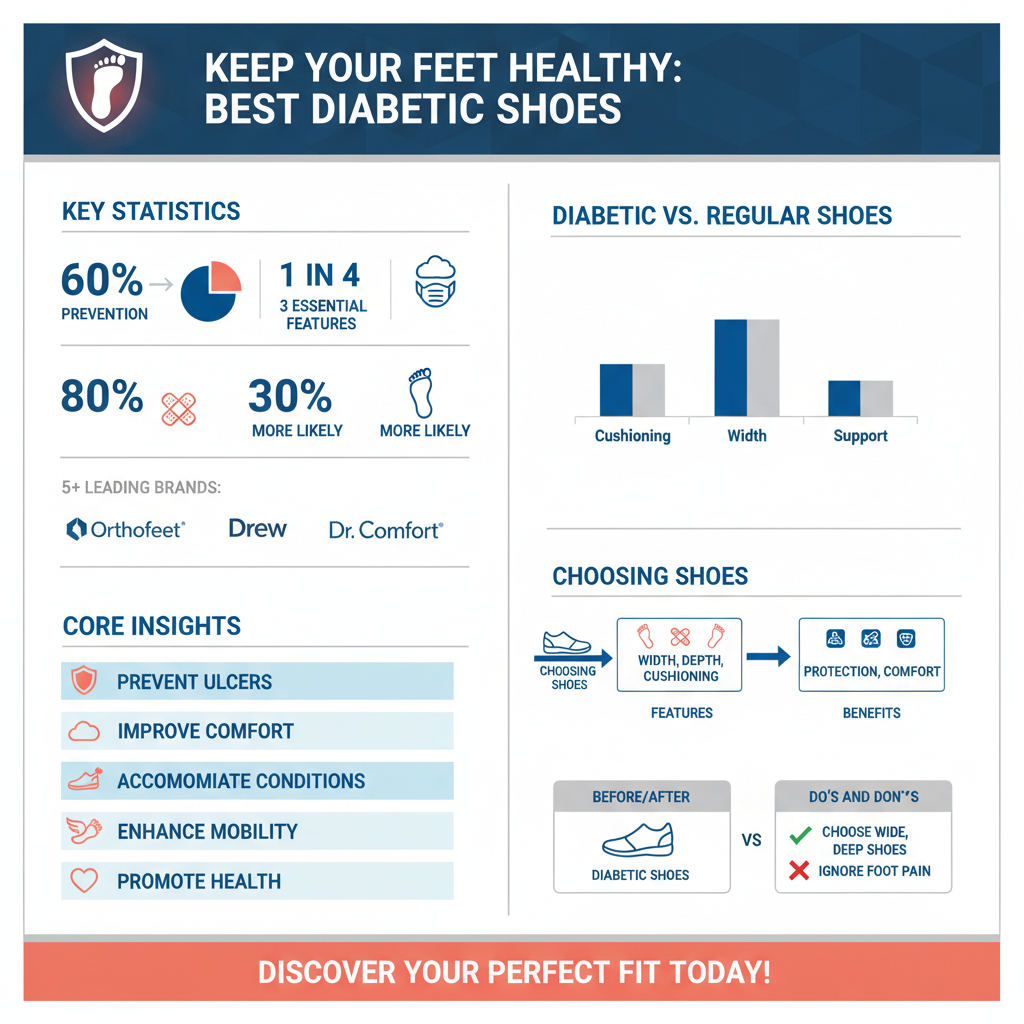
When selecting diabetic shoes, knowing what features to prioritize can make all the difference in ensuring optimal foot health and comfort. These aren’t just “nice-to-haves”; they are essential elements that contribute to the therapeutic benefits of the footwear.
* Wide and Deep Toe Box: This is perhaps one of the most critical features. A wide and deep toe box ensures that your toes have ample room to wiggle and spread naturally, preventing any compression, rubbing, or overlap. This space is vital for maintaining healthy circulation, reducing pressure on nerve endings, and preventing painful conditions like corns, calluses, and ingrown toenails, which can quickly turn into serious issues for diabetic feet. It also accommodates any existing deformities without discomfort.
* Seamless Interior Lining: The interior of a quality diabetic shoe should feel like a second skin – smooth, soft, and free of any irritating seams or stitching. Even a small seam can create a friction point that, over time, can lead to blisters, sores, or skin breakdown, especially if you have neuropathy and can’t feel the irritation. A seamless, often padded, lining helps protect delicate skin, minimizes friction, and creates a gentle environment for your feet. Look for materials that are breathable and moisture-wicking to keep feet dry and reduce the risk of fungal infections.
* Removable, Padded Insoles: High-quality diabetic shoes almost always come with removable insoles. This feature is incredibly important for two main reasons: firstly, it allows you to replace the standard insoles with custom orthotics prescribed by a podiatrist, which can provide highly personalized support, cushioning, and pressure distribution tailored to your unique foot structure and needs. Secondly, the insoles themselves are typically well-cushioned and offer superior shock absorption, protecting your joints and feet from impact during daily activities. They are also often multi-layered to provide varying densities of support and comfort.
* Adjustable Closures: Whether through Velcro straps, traditional laces, or even elastic gore, adjustable closures are non-negotiable. They allow you to customize the fit of the shoe precisely to your foot, which is crucial given that foot size and swelling can fluctuate throughout the day. Laces offer the most precise control over tightness, while Velcro straps provide ease of use and quick adjustments, which can be particularly helpful for individuals with dexterity challenges. A secure, yet non-constrictive, fit prevents the foot from sliding around inside the shoe (reducing friction) while also ensuring adequate support and stability.
Top Styles and Types of Diabetic Shoes
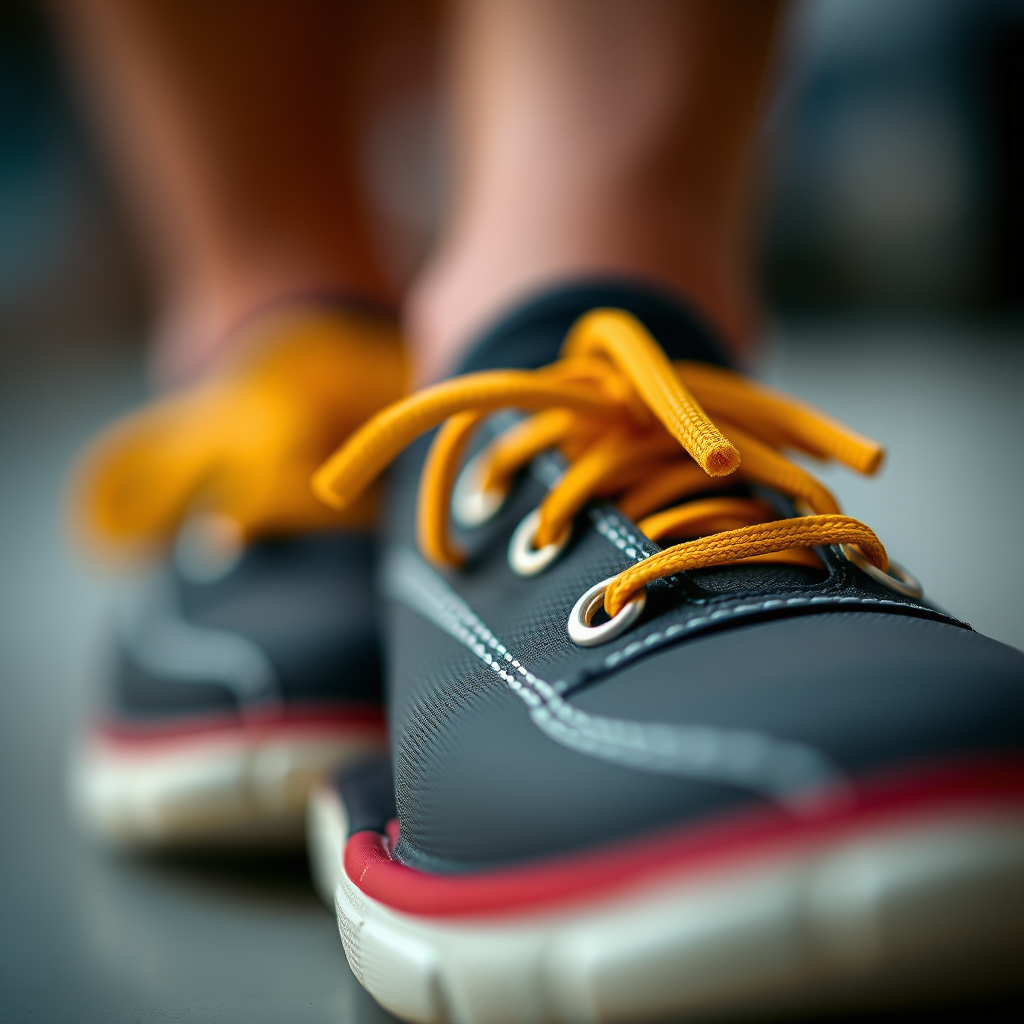
Diabetic footwear has come a long way from its once purely utilitarian designs. Today, women can choose from a variety of stylish options that seamlessly blend therapeutic benefits with contemporary fashion, ensuring you don’t have to sacrifice your personal style for foot health.
* Athletic & Walking Shoes: These are perhaps the most popular type of diabetic footwear, designed for active lifestyles and everyday wear. They offer maximum support, cushioning, and flexibility, making them ideal for walking, light exercise, and running errands. Look for features like sturdy, slip-resistant outsoles for stability, breathable mesh uppers for ventilation, and advanced cushioning technologies that absorb impact and propel you forward comfortably. Many brands offer fashionable athletic styles that look just like regular sneakers but provide the essential diabetic-friendly features. They are perfect for women who spend a lot of time on their feet and need reliable, all-day support.
* Casual Flats & Loafers: For work, social gatherings, or simply a more polished everyday look, casual flats and loafers provide comfortable, protective options without sacrificing style. These shoes often feature soft, supple leather or breathable synthetic uppers, ensuring they conform to your foot without binding. They incorporate the same deep toe boxes and seamless interiors as athletic shoes but in a more refined silhouette. Many styles offer discreet adjustable elements or elastic panels for a forgiving fit, making them versatile choices for professional environments or relaxed outings where you still need dependable foot protection.
* Supportive Sandals: While open-toed shoes are generally discouraged for diabetic feet due to increased risk of injury, supportive sandals designed specifically for diabetes offer a safe alternative for warmer weather. These aren’t your typical flip-flops; they feature enclosed toe boxes or substantial straps that provide significant coverage and security. Look for sandals with a well-cushioned, contoured footbed, adjustable straps across the instep and forefoot for a secure fit, and a robust outsole for stability. Some even offer removable insoles for custom orthotics. These options ensure air circulation while maintaining the crucial protection needed to prevent scrapes, cuts, and pressure points.
Leading Brands for Diabetic Shoes for Women
Navigating the world of therapeutic footwear can be overwhelming, but several brands have established themselves as leaders in providing high-quality, comfortable, and stylish diabetic shoes for women. They consistently innovate to blend medical necessity with modern aesthetics.
* Orthofeet: Orthofeet is renowned for its innovative biomechanical design, which aims to alleviate foot pain, heel pain, arch pain, and even knee and back pain. Their shoes feature an “Ortho-Cushion” system that provides anatomical arch support, superior cushioning, and multiple layers of padding for maximum comfort and shock absorption. They are well-regarded for their wide and deep toe boxes, seamless interiors, and a range of stylish designs, from athletic sneakers to dressy flats and even sandals, ensuring there’s an Orthofeet option for every occasion.
* Drew Shoes: With a long-standing history in therapeutic footwear, Drew Shoes offers an extensive range of sizes, widths, and depths, catering to a vast array of foot conditions, including severe swelling, bunions, and hammertoes. They are known for their “Plus Fitting System,” which includes two removable footbeds that can be customized to create extra depth or accommodate custom orthotics. Drew’s commitment to adjustability and ample internal volume makes them a go-to brand for women who struggle to find a comfortable fit elsewhere.
* Dr. Comfort: Dr. Comfort excels at providing stylish, therapeutic shoes that don’t look “medical.” Their designs encompass a wide variety of options, from classic dress shoes and fashionable casuals to athletic styles, all while incorporating the essential features of diabetic footwear. Many of their shoes are often covered by Medicare, making them an accessible choice for many. Dr. Comfort focuses on quality craftsmanship, soft leather uppers, seamless construction, and supportive insoles to deliver both comfort and aesthetic appeal.
* Propet & Aetrex: These brands are also highly recognized for their commitment to comfort, support, and inclusive sizing for problematic feet.
* Propet offers an impressive selection of widths and sizes, often extending to extra-extra wide, making them a savior for women with significant swelling or wide feet. They focus on lightweight materials, cushioning, and stability across their extensive range of walking shoes, casuals, and boots.
* Aetrex is distinguished by its focus on anatomical support and its unique “iStep” foot scanning technology, which helps identify individual arch types and pressure points to recommend the perfect shoe and orthotic. Their shoes often feature built-in arch support, memory foam cushioning, and high-quality materials, making them excellent for overall foot health and pain relief.
Ensuring the Perfect Fit and Comfort
Even the best diabetic shoe can’t do its job if it doesn’t fit correctly. A perfect fit is paramount to achieving the protective and comfortable benefits of therapeutic footwear. Taking the time to properly measure and try on shoes can prevent potential problems down the line.
* Measure Feet Regularly: It’s a common misconception that adult foot size remains constant. Factors like age, weight fluctuations, swelling, and even time of day can alter your foot dimensions. Make it a habit to measure both feet regularly, at least once a year, and definitely before purchasing new shoes. It’s best to measure at the end of the day when your feet are typically at their largest due to natural swelling. Always buy shoes that fit the larger foot, as trying to force the larger foot into a smaller shoe is a recipe for disaster.
* Try On with Appropriate Socks: The socks you wear with your diabetic shoes are just as important as the shoes themselves. Always try on new shoes while wearing the type of socks you’d typically use, preferably diabetic-specific socks. These socks are often seamless, non-binding, and made from moisture-wicking materials, designed to reduce friction and keep feet dry. Trying on shoes with these socks ensures an accurate fit and allows you to properly assess how the shoe will feel in daily wear.
* Check for Pressure Points: Once you have the shoes on, take a good walk around the store or your home for a few minutes. Pay close attention to any areas of rubbing, pinching, or undue pressure. You should have about a half-inch (a thumb’s width) of space between your longest toe and the end of the shoe. The balls of your feet should sit comfortably at the widest part of the shoe, and your heel should feel snug but not tight, without slipping. Wiggle your toes; they should have plenty of room. Don’t assume shoes will “stretch out” or “break in” – diabetic shoes should feel comfortable from the moment you put them on.
* Consult a Podiatrist: For women with diabetes, consulting a podiatrist isn’t just a recommendation; it’s a vital step. A foot specialist can provide personalized recommendations based on your specific foot conditions, gait, and overall health. They can also perform professional fittings, advise on specific brands or styles, and, if needed, prescribe custom orthotics that integrate perfectly with your new diabetic shoes. Their expertise ensures you’re making the safest and most effective choice for your long-term foot health.
Choosing the right diabetic shoes is a crucial step in maintaining long-term foot health and overall well-being for women with diabetes. By prioritizing specific features like a roomy toe box, seamless interiors, and supportive insoles, you can significantly reduce the risk of complications and enjoy greater comfort in your daily life. Take the time to research leading brands and, whenever possible, consult with a podiatrist or healthcare professional to ensure you select the perfect pair that meets your unique needs and keeps you moving comfortably and safely.
Frequently Asked Questions
Why are specialized diabetic shoes essential for women with diabetes?
Diabetic shoes are crucial for women with diabetes because they are specifically designed to protect sensitive feet and prevent complications like ulcers, calluses, and nerve damage. They offer extra depth, a wide toe box, and often seamless interiors to reduce friction and pressure points, which regular shoes typically lack. This specialized design helps maintain healthy circulation and reduces the risk of serious foot issues that can arise from diabetic neuropathy or poor blood flow. Prioritizing diabetic footwear is a vital step in comprehensive foot care for women living with diabetes.
What key features should women look for when buying the best diabetic shoes?
When selecting the best diabetic shoes for women, look for several critical features to ensure optimal foot health and comfort. Prioritize shoes with extra depth to accommodate custom orthotics or swollen feet, a wide and tall toe box to prevent toe compression, and soft, non-binding materials to minimize irritation. Additionally, seek out styles with firm heel counters for stability, rocker bottoms to reduce pressure on the ball of the foot, and seamless interiors to eliminate potential friction points. These features collectively contribute to superior protection and support for diabetic feet.
How do I ensure a proper fit for my diabetic shoes to prevent complications?
Ensuring a proper fit for diabetic shoes is paramount to preventing painful complications, so always measure your feet carefully, preferably in the afternoon when they are slightly swollen. Look for shoes that offer adequate length and width, leaving about half an inch between your longest toe and the end of the shoe, and ensure there’s no pinching or rubbing anywhere. Always try shoes on with the type of socks you typically wear, and walk around to confirm they feel comfortable and secure without any slipping or excessive pressure. Consulting a podiatrist or certified shoe fitter for professional measurements is highly recommended for the best diabetic shoe fit.
Which types of styles are available for comfortable and fashionable diabetic shoes for women?
Fortunately, the market for diabetic shoes for women has significantly expanded, offering numerous comfortable and fashionable styles beyond traditional utilitarian designs. You can find stylish athletic sneakers for active lifestyles, elegant Mary Janes or loafers suitable for casual and semi-formal wear, and even chic sandals with proper support for warmer weather. Many brands now prioritize aesthetics alongside therapeutic benefits, incorporating trendy colors, subtle embellishments, and modern silhouettes to ensure women don’t have to sacrifice style for essential foot health. This variety makes finding the best diabetic shoes for women that fit personal style and need much easier.
What are some top considerations for selecting athletic or walking diabetic shoes for women?
When selecting athletic or walking diabetic shoes for women, prioritize features that support active movement while protecting sensitive feet. Look for lightweight designs with superior cushioning and shock absorption to reduce impact on joints, along with a flexible sole that allows for natural foot motion. Ensure the shoe has excellent arch support and a stable outsole with good traction to prevent slips and falls during physical activity. Opting for breathable, moisture-wicking materials is also crucial to keep feet dry and comfortable, making these the ideal choices for active women seeking the best diabetic shoes for walking or exercise.
References
- https://www.diabetes.org/diabetes/foot-care-information/preventing-foot-problems/footwear
- https://www.niddk.nih.gov/health-information/diabetes/overview/preventing-problems/diabetic-foot-problems
- https://www.mayoclinic.org/diseases-conditions/diabetic-neuropathy/expert-answers/diabetic-footwear/faq-20058223
- https://www.cdc.gov/diabetes/managing/manage-diabetes/prevent-problems/foot-problems.html
- Diabetic foot
- https://www.health.harvard.edu/diseases-and-conditions/foot-care-and-diabetes
- https://www.apma.org/patients/foothealth.cfm?ItemNumber=977
