
When choosing the best socks for diabetic neuropathy, prioritize options that offer superior comfort, protection, and circulation support. The ideal socks are typically non-binding, seamless, moisture-wicking, and provide adequate cushioning, specifically designed to prevent skin irritation, blisters, and promote overall foot health in individuals with sensitive feet due to nerve damage. Understanding these key features will guide you to make the most beneficial choice for managing your foot care. Living with diabetic neuropathy means paying extra attention to your feet, and believe it or not, the right pair of socks can make a world of difference in preventing serious complications and keeping your feet happy and healthy every day. It’s about creating a protective, nurturing environment for your feet, mitigating risks that might otherwise go unnoticed.
Understanding Diabetic Neuropathy and Foot Health
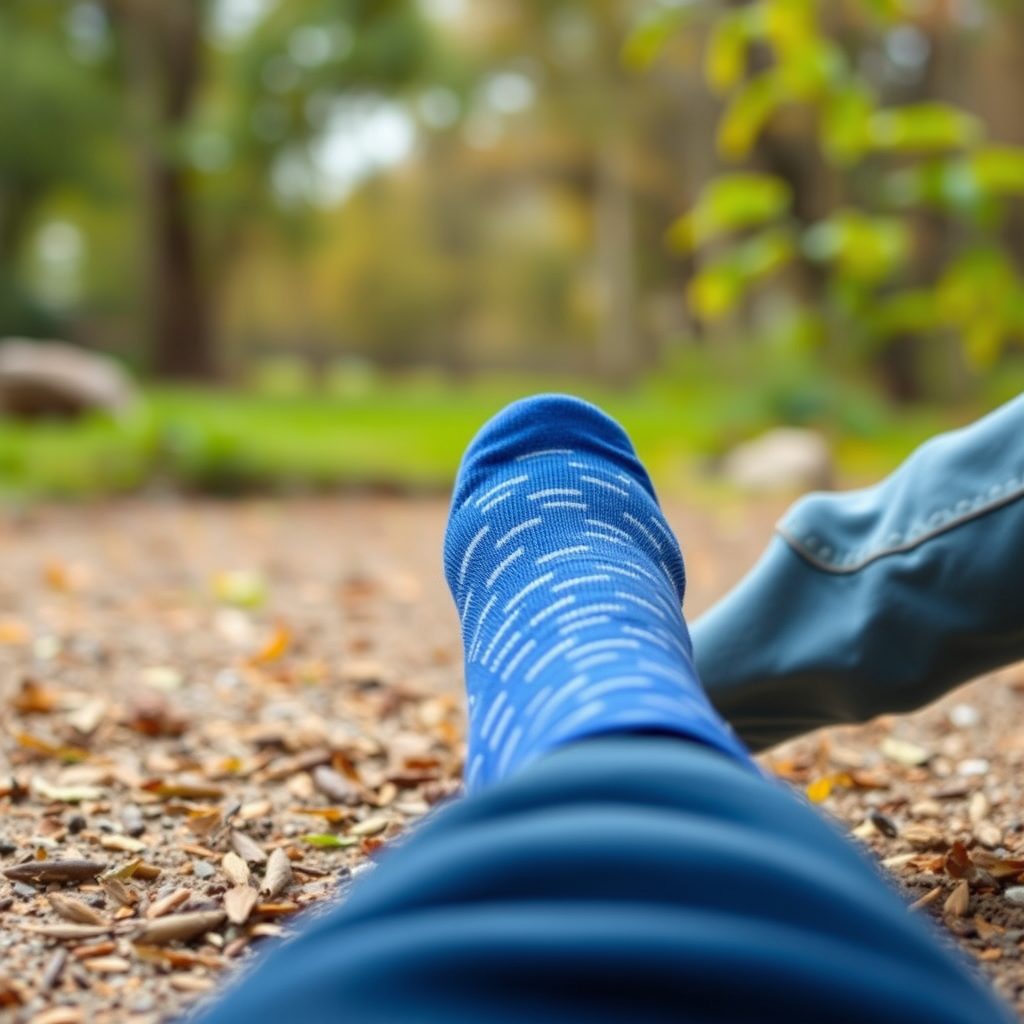
Diabetic neuropathy is a common complication of diabetes that can significantly impact foot health, making everyday foot care incredibly important. It’s not just about comfort; it’s about prevention and protection.
* Nerve Damage and Reduced Sensation: One of the most challenging aspects of diabetic neuropathy is the nerve damage that often leads to a loss of feeling in the feet. This means you might not feel pain, heat, or cold as acutely as someone without neuropathy. Imagine stepping on a sharp object or developing a blister from ill-fitting shoes and not realizing it until the problem has escalated. This reduced sensation can make it incredibly difficult to detect injuries, pressure points, or even minor abrasions that could become serious if left untreated. The nerves responsible for transmitting these warning signals are compromised, stripping away your body’s natural alert system. This loss of “protective sensation” is a primary reason why special diabetic socks are so vital—they provide a constant, gentle layer of protection against unseen threats.
* Increased Risk of Complications: Because of reduced sensation and often impaired circulation, even what seems like a minor cut, blister, or prolonged pressure can escalate quickly into a serious issue. A small wound, if undetected or poorly managed, can become a non-healing ulcer. With diabetes, the body’s ability to heal is often compromised, and the immune system might not fight off infections as effectively. This combination creates a dangerous scenario where a simple foot injury can lead to severe infections, tissue damage, and, in worst-case scenarios, amputation. Proactive measures, including selecting the right footwear and socks, are fundamental in breaking this cycle of risk and preventing these devastating outcomes.
* Proactive Foot Care is Crucial: Given these heightened risks, proactive foot care isn’t just a recommendation—it’s a necessity. Special socks act as a critical protective layer, mitigating risks by minimizing friction, wicking away moisture, and providing gentle cushioning. They are designed to create an optimal environment for your feet, reducing the likelihood of skin breakdown, promoting better circulation, and serving as a comfortable barrier against the outside world. Think of them as a daily investment in your overall foot well-being, working silently but effectively to support your comprehensive foot care regimen and keep your feet safe from potential harm.
Essential Features of Diabetic Neupathy Socks
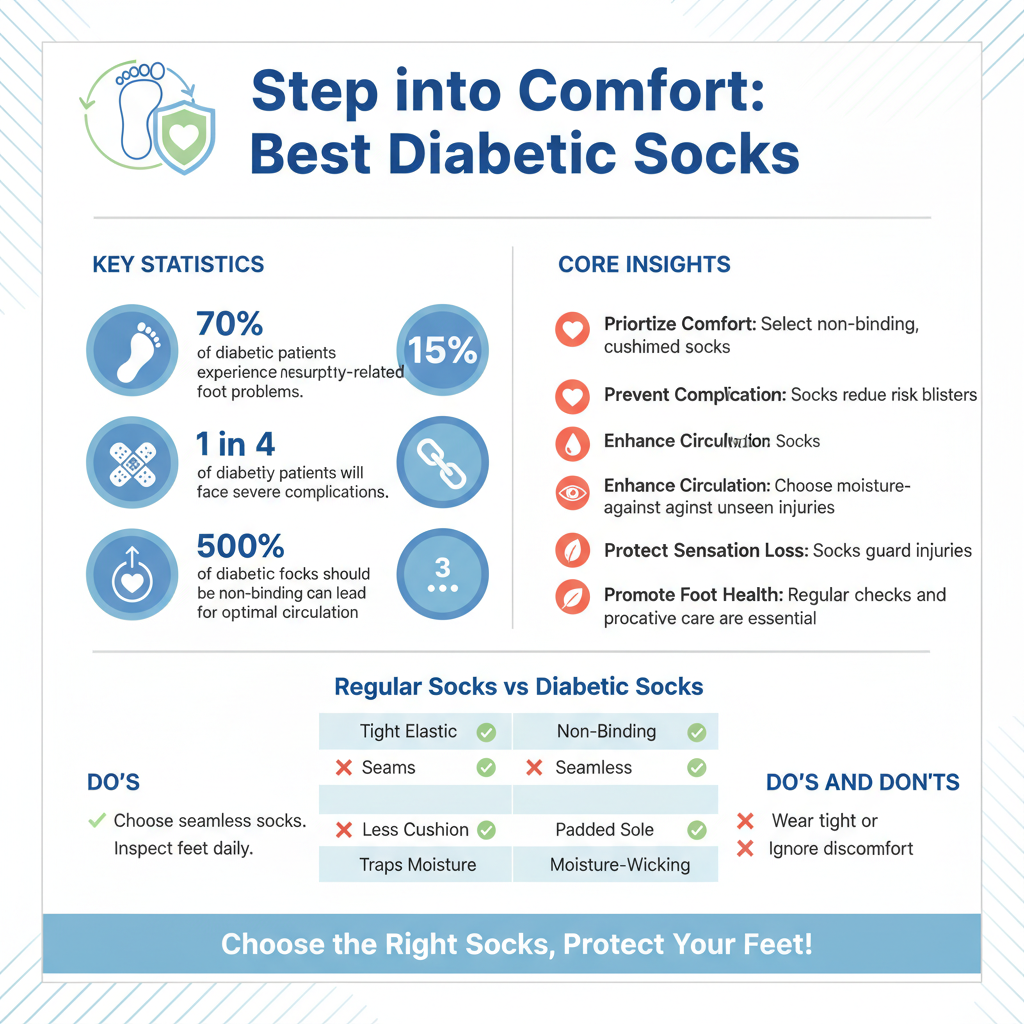
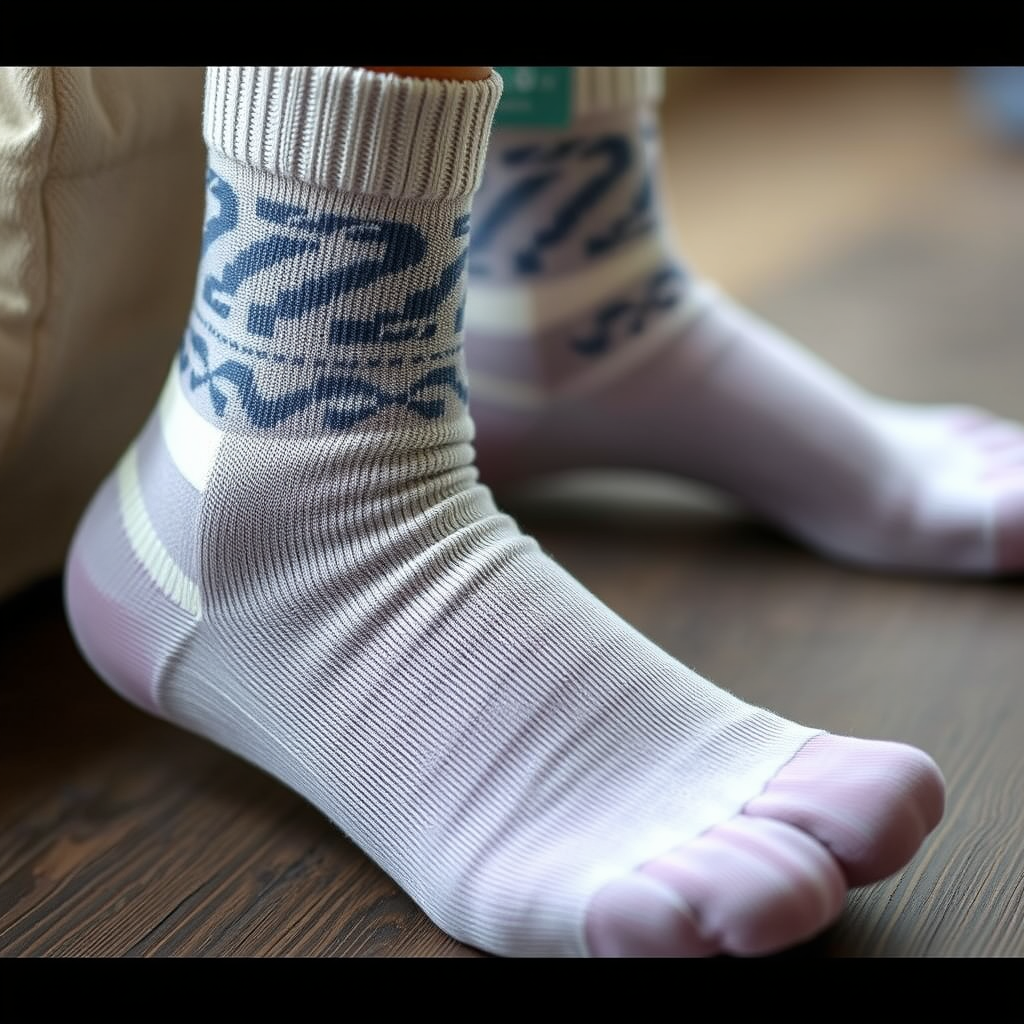
When shopping for socks, knowing what to look for can feel overwhelming. But for diabetic neuropathy, there are a few non-negotiable features that truly make a difference.
* Non-Binding Top: This is arguably one of the most critical features. Regular socks often have tight elastic bands that can constrict the leg, especially around the calf. For individuals with diabetic neuropathy, this constriction can impede vital blood flow, create pressure marks, and even irritate already sensitive skin or nerves. Non-binding socks are designed with a looser, wider knit at the top, allowing them to stay up gently without digging into your skin or leaving those tell-tale red indentations. This promotes unrestricted blood flow, which is crucial for nutrient delivery and waste removal in the lower extremities, and prevents any unnecessary pressure that could lead to skin breakdown or discomfort. They feel like a gentle hug, not a squeeze, ensuring comfort and promoting healthy circulation throughout the day.
* Seamless Construction: Traditional socks often have a raised seam across the toes, which can become a major friction point. For sensitive feet, this seemingly small detail can cause irritation, rubbing, blisters, or even open sores over time. Diabetic socks are specifically engineered with seamless construction, often using a “hand-linked” or flat-toe seam technique that makes the interior incredibly smooth. By eliminating these potential friction points, seamless socks significantly reduce the risk of skin damage, calluses, and ulcers, particularly in the delicate toe area where neuropathy is common. This thoughtful design ensures maximum comfort and protection, allowing your feet to move freely without encountering any abrasive surfaces.
* Moisture-Wicking Materials: Keeping feet dry is paramount for individuals with diabetic neuropathy. Excess moisture, whether from sweat or environmental factors, creates a breeding ground for bacteria and fungi, leading to infections like athlete’s foot. Damp skin also increases friction, making it more susceptible to blisters and sores. Moisture-wicking materials are specially designed to draw sweat away from the skin’s surface and push it to the outer layer of the fabric, where it can evaporate quickly. This process keeps your feet comfortably dry, preventing fungal growth, maintaining healthy skin integrity, and reducing the risk of odor. Look for materials that excel in this area to ensure your feet stay fresh and protected throughout your daily activities.
* Cushioning and Padding: For feet that have reduced sensation or are prone to pressure sores, strategic cushioning and padding provide invaluable protection. These socks often feature extra padding in high-impact areas such as the sole, heel, and ball of the foot. This added material acts as a shock absorber, reducing the impact of walking and standing on sensitive joints and bones. It also helps to evenly distribute pressure across the foot, preventing the concentration of weight on specific spots that could lead to calluses, ulcers, or discomfort. The cushioning enhances overall comfort, making long periods of standing or walking much more tolerable and protecting your feet from the daily micro-traumas that can accumulate over time.
Ideal Materials for Diabetic Footwear
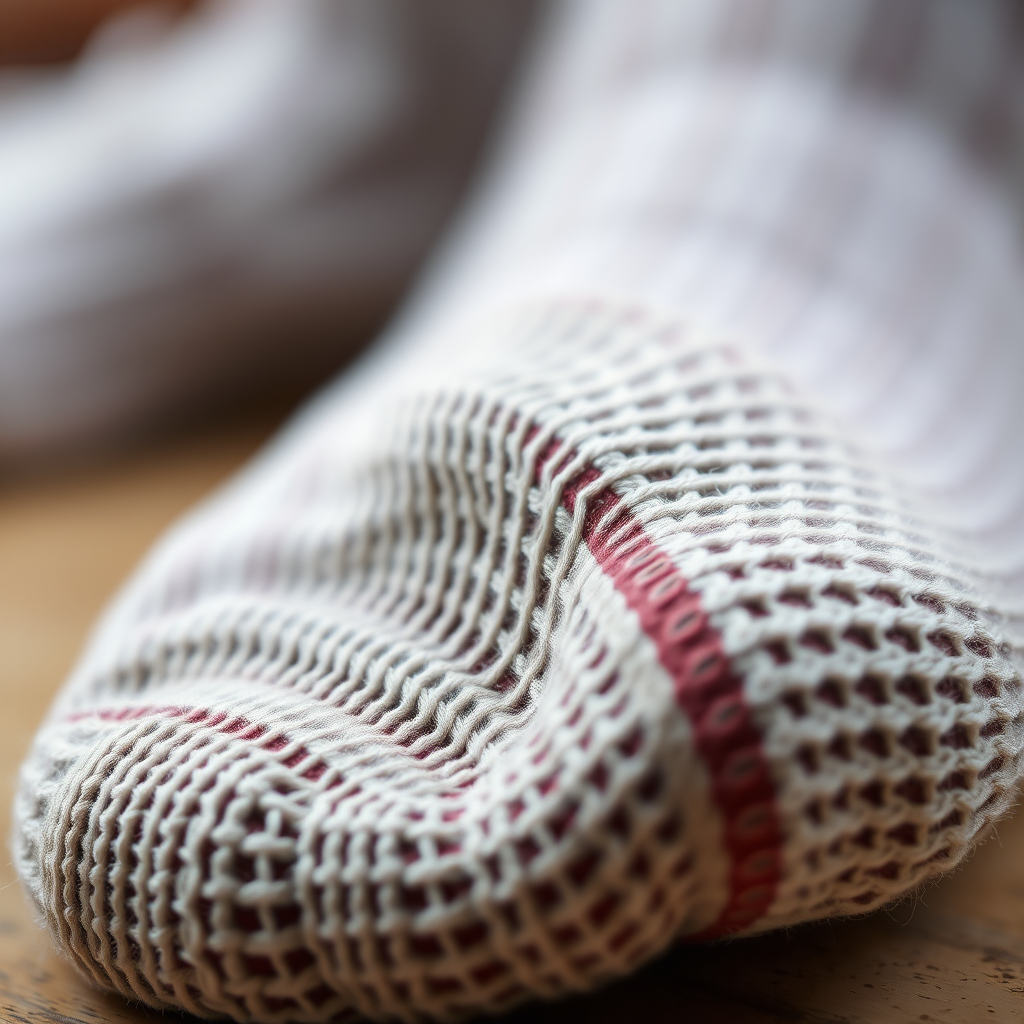
The material of your socks plays a huge role in their effectiveness. It’s not just about softness, but also about breathability, moisture management, and antimicrobial properties.
* Soft, Breathable Fabrics: When it comes to diabetic socks, comfort and protection begin with the fabric. Soft, breathable materials are preferred because they minimize friction against delicate skin and allow air to circulate freely around the feet. This breathability is key to preventing overheating and excessive sweating, which can contribute to skin breakdown and fungal infections. Materials like bamboo, merino wool, or specialized acrylic blends are excellent choices because they offer a smooth texture, flexibility, and the ability to regulate temperature effectively. These fabrics feel gentle against the skin, reducing the risk of irritation and providing a comforting environment for sensitive feet.
* Natural Fiber Benefits: Bamboo and merino wool stand out as exceptional natural fibers for diabetic socks, each offering unique advantages. Bamboo is renowned for its incredibly soft, silky feel, often compared to cashmere, making it gentle on neuropathic feet. It also boasts natural antimicrobial properties, which help to fight off odor-causing bacteria and reduce the risk of infections. Furthermore, bamboo is highly breathable and an excellent moisture-wicking material, efficiently drawing sweat away from the skin. Merino wool, on the other hand, is a fine, non-itchy wool that is remarkably soft and comfortable. It’s a natural thermoregulator, keeping feet warm in cold weather and cool in hot weather, and possesses superior moisture-wicking capabilities that can absorb a significant amount of moisture without feeling damp. Merino wool also has natural odor resistance, making it an excellent choice for prolonged wear. Unlike common cotton, which tends to absorb and hold moisture, these natural fibers actively manage moisture to keep feet dry and healthy.
* Avoid Harsh Synthetics: While some advanced synthetic blends are designed for moisture-wicking and cushioning, it’s crucial to be cautious of harsh or stiff synthetic materials. Rough polyesters or thick nylons that lack breathability can rub against the skin, create friction, and trap heat and moisture, leading to discomfort and an increased risk of skin irritation or fungal growth. When considering synthetic options, ensure they are specifically engineered to be soft, smooth, and highly breathable, often blended with natural fibers or designed with advanced moisture-management technologies. Always read the fabric composition carefully and prioritize socks that feel gentle to the touch and offer proven performance in moisture control and ventilation. The goal is to provide maximum comfort and protection without compromising foot health.
The Importance of Proper Fit and Sizing
Even the best-designed diabetic sock can fail if it doesn’t fit correctly. Proper fit is just as crucial as the material and features in protecting your feet.
* Preventing Bunching and Slippage: The perfect sock should fit like a second skin – snugly, but never tightly. A sock that is too large will bunch up, especially around the toes and heel, creating uncomfortable wrinkles and pressure points that can lead to friction, rubbing, and ultimately, blisters or sores. Conversely, a sock that is too small will stretch excessively, putting undue pressure on the foot, restricting circulation, and negating the non-binding benefits of diabetic socks. The ideal fit ensures that the sock stays in place without slipping down into your shoe, preventing any unnecessary movement that could cause skin irritation. Look for socks with a well-defined heel pocket that cups your heel without extra fabric or stretching.
* No Compression (Unless Advised): It’s vital to understand that diabetic socks are designed to be non-binding, promoting unrestricted blood flow. This is distinct from compression socks, which are specifically designed to apply graduated pressure to the leg to improve circulation, often prescribed for conditions like venous insufficiency or severe edema. Unless explicitly recommended and fitted by a medical professional (like your doctor or a podiatrist) for a particular condition, you should generally avoid wearing tight compression socks with diabetic neuropathy. Unprescribed compression can actually be detrimental to diabetic feet, potentially impairing already compromised circulation and creating dangerous pressure points that could lead to serious complications. Always consult your healthcare provider before considering any form of compression therapy.
* Measure Feet Regularly: Our feet can change size over time due to factors like swelling, weight fluctuations, or changes in arch structure. Therefore, it’s a good practice to measure your feet regularly—not just when buying shoes, but also when selecting new socks. Pay attention to both length and width. Many manufacturers provide detailed sizing charts, and taking a few moments to compare your measurements will help ensure you choose the correct size. It’s often recommended to measure your feet at the end of the day, when they might be slightly swollen, to ensure a comfortable fit that accommodates any daily variations. Wearing the correct size maximizes the benefits of your diabetic socks, ensuring they provide optimal comfort, protection, and support without creating new problems.
Beyond Socks: Comprehensive Foot Care Tips
While the right socks are incredibly important, they are just one component of a holistic approach to managing diabetic neuropathy and maintaining overall foot health.
* Daily Foot Inspections: Make it a non-negotiable part of your daily routine to visually inspect your feet every single day. Look for any cuts, blisters, redness, swelling, changes in skin color, warmth, or any unusual bumps or changes in your nails. Don’t forget to check between your toes, where moisture and friction can easily lead to problems. Use a mirror to see the bottoms of your feet, or ask a family member or caregiver for help if you have difficulty bending or seeing clearly. Early detection of any problem, no matter how small, is crucial for preventing minor issues from escalating into serious complications. If you notice anything concerning, contact your healthcare provider immediately.
* Appropriate Footwear: Beyond socks, the shoes you wear play an equally critical role in protecting your feet. Always opt for well-fitting, supportive shoes that offer ample room in the toe box, allowing your toes to wiggle freely without being cramped. Choose shoes with good arch support, a protective sole, and breathable materials. Avoid high heels, pointed toes, and open-toed shoes, which can increase the risk of injury. Before putting on your shoes, always check inside for any foreign objects, rough seams, or crumpled inserts that could cause pressure points or irritation. Rotating between a few pairs of shoes can also help ensure they dry out completely between wears, reducing moisture and bacterial growth.
* Regular Medical Check-ups: Your primary care physician or a podiatrist (a foot specialist) is an invaluable resource in your foot care journey. Schedule routine visits for professional foot examinations and advice. During these check-ups, your doctor can assess the sensation in your feet, check your circulation, trim your toenails safely, address any calluses or corns, and provide personalized guidance on managing your foot health. These regular medical checks are essential for monitoring the progression of neuropathy, addressing potential issues before they become severe, and ensuring you have a comprehensive foot care plan tailored to your specific needs. Think of your healthcare team as your partners in keeping your feet healthy and complication-free.
Investing in the right socks is a small but critical step in managing diabetic neuropathy and protecting your feet. By choosing socks with non-binding tops, seamless construction, and moisture-wicking properties, you significantly reduce the risk of complications and enhance daily comfort. These specialized socks, combined with diligent daily foot inspections, appropriate footwear, and regular medical check-ups, form a powerful defense against the potential challenges of diabetic neuropathy. Don’t underestimate the power of proper foot care—it’s an essential part of your overall health management. Consult your healthcare provider or a podiatrist to discuss the best sock options and a comprehensive foot care plan tailored to your needs. Your feet will thank you for it!
Frequently Asked Questions
What are diabetic socks, and why are they essential for people with diabetic neuropathy?
Diabetic socks are specially designed footwear crafted to provide superior comfort, protection, and circulation support for individuals with diabetes, especially those experiencing neuropathy. They are essential because diabetic neuropathy can lead to reduced sensation in the feet, making minor injuries, blisters, or pressure points go unnoticed, which can quickly escalate into serious complications like ulcers or infections. These specialized socks minimize risks by promoting a healthy, protective foot environment.
What specific features should I look for when choosing the best socks for diabetic neuropathy?
When selecting the best socks for diabetic neuropathy, prioritize seamless construction to prevent irritation, non-binding tops that won’t constrict circulation, and extra padding in high-pressure areas like the heel and ball of the foot. Moisture-wicking properties are also crucial to keep feet dry and prevent fungal infections, alongside a comfortable, non-restrictive fit that accommodates any foot swelling. These features collectively enhance comfort and protection for sensitive feet.
How do specially designed diabetic socks protect feet affected by neuropathy?
Diabetic socks protect neuropathic feet primarily by reducing friction and pressure points, thanks to their seamless design and extra cushioning. Their non-binding tops ensure unimpeded blood flow, which is vital for healing and preventing complications in feet with compromised circulation. Furthermore, moisture-wicking materials prevent the buildup of dampness, creating an unfavorable environment for bacteria and fungi, thus minimizing the risk of infections that can be particularly dangerous for individuals with diabetic neuropathy.
Are certain materials better than others for socks intended for diabetic neuropathy?
Yes, certain materials are significantly better for socks designed for diabetic neuropathy due to their unique properties. Soft, breathable, and moisture-wicking fabrics like bamboo, merino wool, or specialized synthetic blends are highly recommended. These materials help regulate foot temperature, prevent sweat accumulation, and reduce friction, all of which are crucial for maintaining healthy skin and preventing irritation or infections in sensitive, neuropathic feet.
How often should individuals with diabetic neuropathy change their socks to maintain optimal foot health?
Individuals with diabetic neuropathy should change their socks daily, and even more frequently if their feet become damp or sweaty. Regularly changing socks ensures a dry, clean environment, which is paramount for preventing skin breakdown, fungal infections, and bacterial growth. This simple practice significantly contributes to maintaining optimal foot hygiene and minimizing risks associated with the reduced sensation and impaired healing often experienced with diabetic neuropathy.
References
- https://www.mayoclinic.org/diseases-conditions/diabetic-foot/symptoms-causes/syc-20371902
- https://diabetes.org/healthy-living/foot-care
- Diabetes & Foot Problems – NIDDK
- https://health.clevelandclinic.org/how-to-pick-the-right-socks-for-diabetes/
- https://www.health.harvard.edu/diseases-and-conditions/diabetic-foot-care-do-it-every-day
- https://www.cdc.gov/diabetes/managing/care/foot-care.html
- Diabetic foot
