
The best shoes for diabetics are those specifically designed to offer extra depth, a wide toe box, seamless interiors, superior cushioning, and excellent support to protect sensitive feet and reduce pressure points. Understanding these critical features will empower you to select footwear that keeps your feet safe, comfortable, and healthy every day. For individuals managing diabetes, choosing the right footwear isn’t just about comfort or style; it’s a vital component of preventative healthcare that directly impacts foot health and can prevent serious complications.
Understanding Diabetic Foot Health & Why Shoes Matter

Living with diabetes means paying extra attention to your feet, and for good reason. Diabetics are unfortunately more prone to developing conditions like nerve damage, known as neuropathy, and poor circulation. Neuropathy can cause a loss of sensation, meaning you might not feel minor cuts, blisters, or pressure points that could otherwise lead to serious problems. Coupled with poor circulation, which hinders the body’s ability to heal and fight off infections, your feet become incredibly vulnerable to injury, ulcers, and slow-healing wounds. It’s a silent threat that can escalate quickly, making daily foot care and protection non-negotiable.
This is where your shoes come into play as an essential line of defense. Ill-fitting or poorly designed shoes are often silent culprits, causing friction, rubbing, and concentrated pressure spots that can lead to seemingly minor issues like blisters, calluses, or corns. For someone with diabetes, these seemingly small problems can quickly escalate into open sores, known as ulcers, which are notoriously difficult to heal and can lead to severe infections, even amputation if not properly managed. Think of your shoes as more than just foot coverings; they are a critical protective barrier. Appropriate footwear effectively reduces friction, distributes pressure evenly across the foot, and accommodates daily foot changes like swelling, acting as a proactive measure against potential harm. Investing in the right shoes is an investment in your long-term foot health and overall well-being.
Essential Features of Diabetic-Friendly Footwear
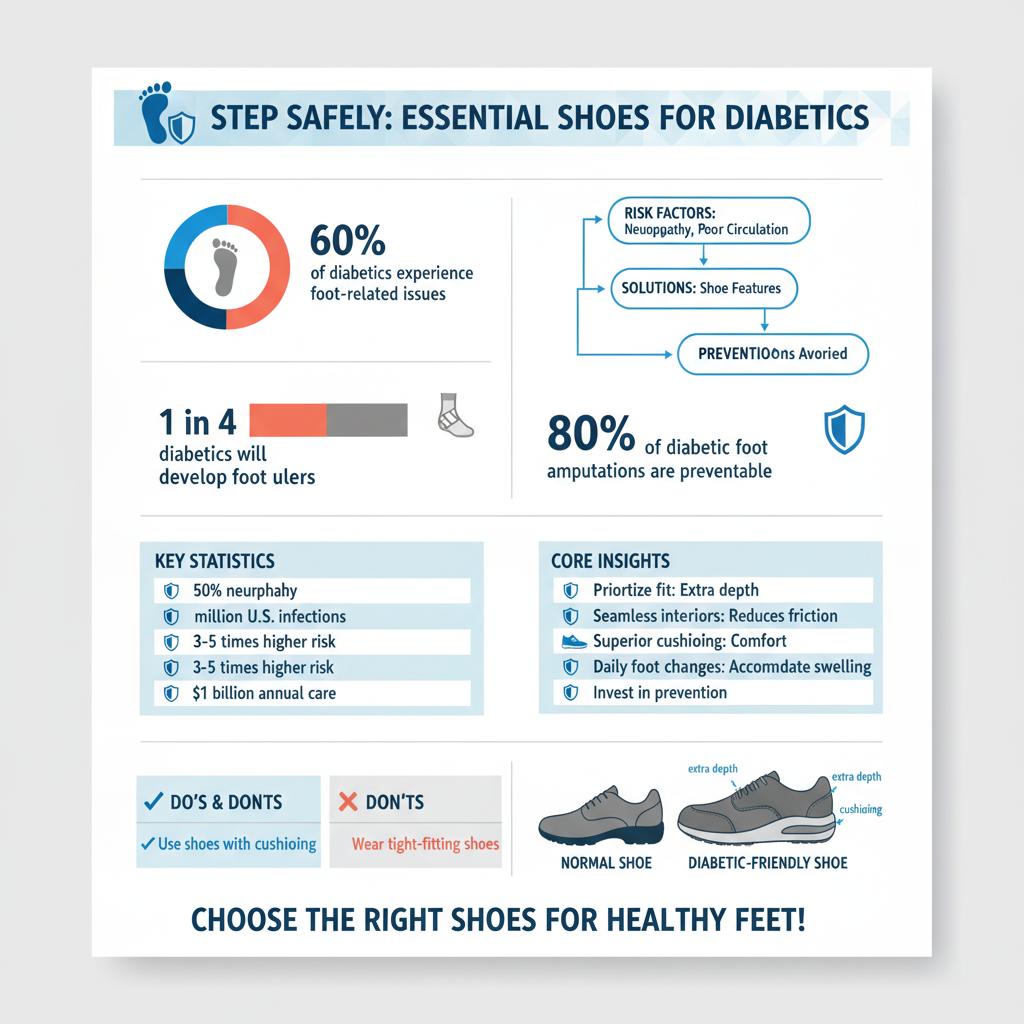
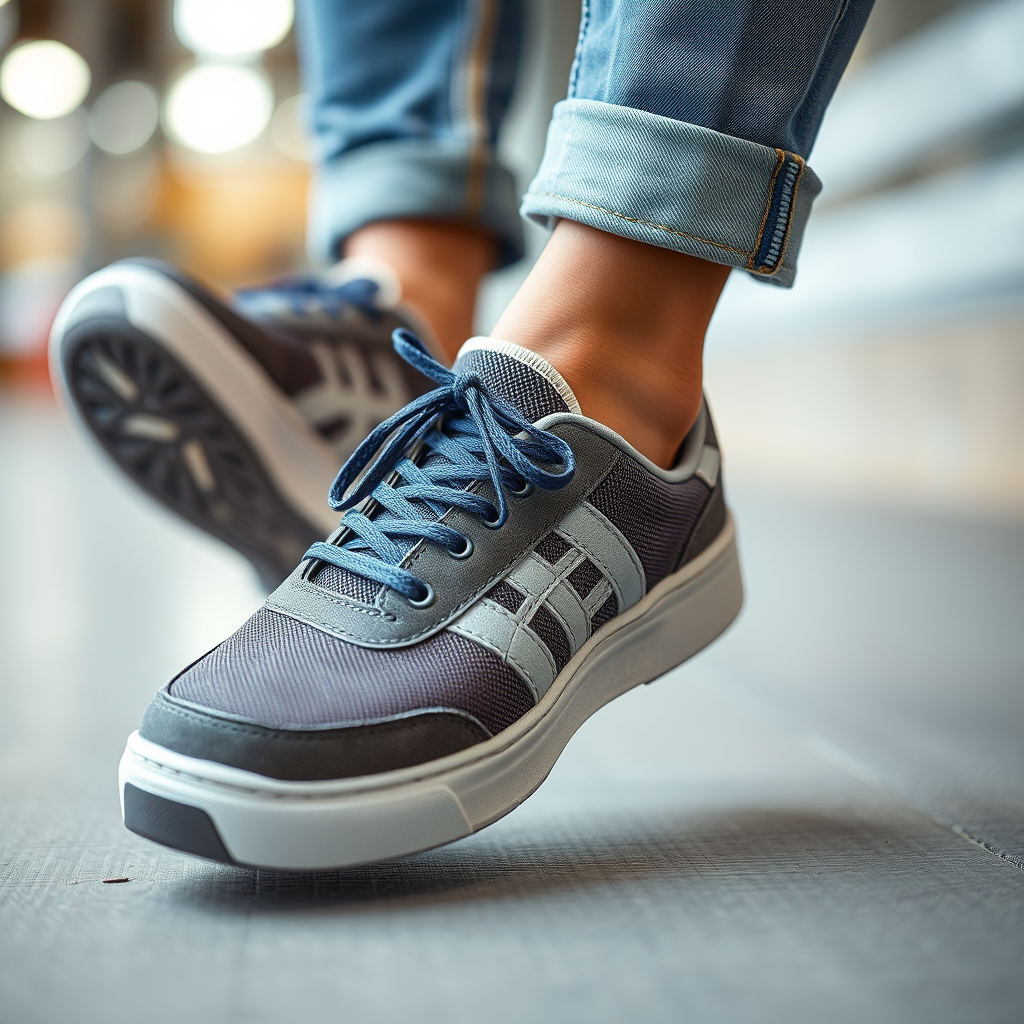
When you’re looking for diabetic-friendly footwear, specific design elements aren’t just “nice-to-haves” – they’re absolute necessities. Let’s break down the key features that make a real difference:
* Extra Depth and Wide Toe Box: This is perhaps one of the most critical features. Standard shoes often cram toes together, which can be highly problematic for sensitive diabetic feet. Extra depth provides ample room for your toes to move freely and prevents compression, reducing the risk of painful corns, calluses, and blisters. A wide toe box ensures that even if you have conditions like bunions, hammer toes, or just generally wider feet, there’s no undue pressure. This extra space is also crucial if you use custom orthotics or thicker diabetic socks, as it accommodates them without making the shoe feel tight or restrictive.
* Seamless Interior Design: Imagine a small stitch or seam inside a shoe constantly rubbing against a foot that might not feel the irritation due to neuropathy. This seemingly minor detail can cause significant skin breakdown over time. Diabetic-friendly shoes are specifically designed with smooth, seamless interiors, often made from soft, non-irritating materials. This thoughtful design minimizes friction and eliminates potential rub points that could otherwise lead to blisters, sores, or calluses, providing a ‘glove-like’ fit that protects delicate skin.
* Supportive Soles and Advanced Cushioning: The impact of walking can be tough on your feet and joints, especially for those with diabetes who need to protect their foot structure and skin integrity. Supportive soles, often featuring a firm heel counter and a stable outsole, provide crucial stability, helping to prevent twists and falls. Advanced cushioning, typically made from materials like EVA foam, gel inserts, or memory foam, offers superior shock absorption. This not only reduces the impact on your joints but also evenly distributes pressure across the bottom of your foot, preventing pressure points that can lead to calluses and ulcers. Good cushioning literally puts a spring in your step, making long walks more comfortable and safer.
* Adjustable Closures (Velcro, Laces): Your feet can change size throughout the day due to swelling, which is common for many individuals, including those with diabetes. Adjustable closures like laces or Velcro straps are vital because they allow you to customize the fit precisely. Laces offer the most precise adjustment, ensuring the shoe is snug but not tight. Velcro straps provide excellent adjustability and are often easier to manage for individuals with dexterity challenges. This customizability ensures a secure fit that prevents your foot from sliding (which can cause friction) while also allowing you to loosen the shoe if swelling occurs, maintaining optimal comfort and protection throughout the day.
Popular Types of Shoes for Diabetics
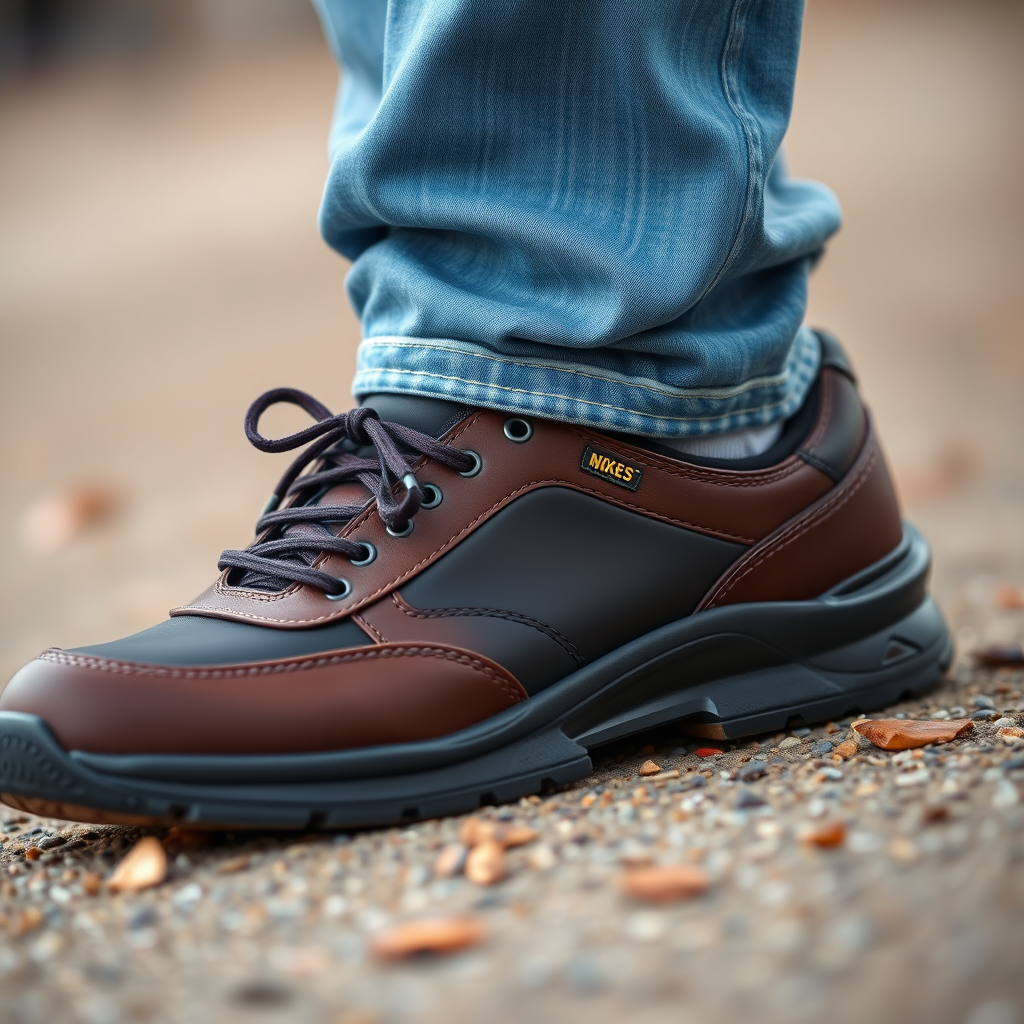
Navigating the world of footwear can feel overwhelming, but understanding the categories designed with diabetic foot health in mind can simplify your search.
* Therapeutic/Diabetic Shoes: These are often considered the gold standard for diabetic foot care, and they’re usually doctor-prescribed, especially for individuals with existing foot complications or significant risk factors. Therapeutic shoes are specifically constructed to meet stringent medical requirements. They typically feature extra depth to accommodate custom orthotics, wide toe boxes, seamless interiors, and firm yet cushioned soles. Many models also have rocker bottoms to reduce pressure on the ball of the foot. Brands like Dr. Comfort and Drew Shoes are well-known for their extensive lines of therapeutic footwear. In some cases, and with a doctor’s prescription, these shoes and custom inserts may even be covered by insurance.
* Comfort and Athletic Shoes: The good news is that you don’t always need specialized therapeutic shoes. Many popular comfort and athletic brands have recognized the need for features that benefit diabetic feet and now offer styles that incorporate them. Look for models from brands like New Balance, Brooks, Skechers, and Orthofeet that specifically highlight features like wide widths (often designated with letters like 2E, 4E), ample arch support, breathable uppers, and superior cushioning. While they may not be “diabetic shoes” by prescription standards, their design principles often align with healthy foot needs, making them suitable for many individuals with diabetes who don’t have severe complications. Always ensure they meet the essential features we discussed.
* Custom-Molded Shoes and Orthotics: For individuals with significant foot deformities, such as severe bunions, hammer toes, Charcot foot, or partial amputations, off-the-shelf solutions might not provide adequate protection. In these cases, custom-molded shoes become indispensable. These shoes are individually crafted from a mold of your foot, ensuring a perfect, pressure-free fit that addresses unique anatomical challenges. Similarly, custom orthotics, which are inserts specifically designed for your foot’s biomechanics, can be prescribed by a podiatrist to provide personalized support, redistribute pressure, and correct gait issues within an appropriate shoe. While a larger investment, custom solutions offer unparalleled protection and comfort for complex foot conditions.
Finding the Perfect Fit: Tips for Shopping
Finding the perfect pair of shoes for your diabetic feet is a crucial step, and doing it right can make all the difference. Here are some smart shopping tips to ensure you get the best fit and protection:
* Measure Your Feet Regularly: Don’t assume your shoe size stays the same over the years. Our feet can change significantly due to age, weight fluctuations, and even diabetes-related conditions like swelling or changes in foot structure. It’s wise to have both of your feet professionally measured for both length and width every time you buy new shoes. Always measure while standing, as your feet naturally spread when bearing weight. Remember, many people have one foot slightly larger than the other; always fit to the larger foot to prevent unwanted pressure points.
* Shop Later in the Day: This might sound like a strange tip, but there’s a good reason for it! Throughout the day, especially after hours of standing or activity, our feet tend to swell slightly. By shopping for shoes in the afternoon or evening, you ensure that you’re trying them on when your feet are at their largest. This way, you can guarantee a comfortable fit that won’t feel too tight or restrictive as the day progresses, preventing discomfort and potential harm.
* Bring Your Orthotics and Socks: Never try on shoes barefoot or with socks you wouldn’t normally wear. Always bring the specific type of socks you plan to wear with your new shoes, especially if they are seamless, moisture-wicking diabetic socks. If you use custom orthotics or any other inserts, bring those along too. They take up space inside the shoe, and it’s essential to ensure the new footwear accommodates them comfortably without making the shoe feel too tight or causing your foot to slip out. Try on both shoes, walk around the store for a few minutes, and pay close attention to any areas of pressure, rubbing, or discomfort. Your shoes should feel comfortable from the moment you put them on – there should be no “breaking in” period.
Recommended Brands and Where to Buy
Choosing the right brand and knowing where to shop can significantly impact your success in finding the perfect diabetic-friendly shoes.
* Reputable Brands: When it comes to trusted names in diabetic and orthopedic footwear, a few brands consistently stand out for their commitment to foot health. Orthofeet is highly regarded for its innovative designs, featuring arch support, cushioning, seamless interiors, and multiple widths. Drew Shoes offers a vast selection of therapeutic footwear known for its depth, removable insoles, and wide range of sizes and widths. Aetrex is another excellent choice, focusing on advanced arch support, memory foam cushioning, and often featuring removable insotics. Dr. Comfort specializes in medical-grade therapeutic shoes and inserts, often prescribed by podiatrists, offering superior protection and comfort. For more mainstream options, specific models from New Balance and Brooks (especially their running and walking shoes) are often recommended for their wide widths, excellent cushioning, and supportive designs; just be sure to check for the specific features like extra depth and seamless interiors within their diabetic-friendly lines. Look for brands that have the APMA (American Podiatric Medical Association) Seal of Acceptance, indicating that a panel of podiatrists has reviewed the product and found it to promote good foot health.
* Specialty Retailers: While it might be tempting to grab shoes from any store, specialty retailers that focus on comfort footwear or medical supplies are often your best bet. These stores typically employ staff, sometimes certified pedorthists, who are specifically trained to measure and fit diabetic shoes correctly. They understand the nuances of diabetic foot health and can guide you through various options, ensuring a personalized and precise fit. Visiting a local orthopedic shoe store or a dedicated medical supply store can provide an invaluable, hands-on experience that a general retailer simply can’t match.
* Online Resources: Online shopping offers unparalleled convenience and a wider selection, but it requires a bit more diligence. Many reputable brands (like those mentioned above) have excellent websites with detailed sizing guides, customer reviews, and virtual fit tools. Before purchasing online, make sure the retailer has a flexible and hassle-free return policy, allowing you to try the shoes on at home with your orthotics and socks and return them if they don’t provide the perfect fit. Always double-check sizing charts, as sizing can vary slightly between brands. Reading customer reviews, particularly those from other individuals with diabetes or specific foot conditions, can also offer valuable insights into the shoe’s true fit and comfort.
When to Consult a Podiatrist
While selecting the right shoes is a crucial step in managing diabetic foot health, there are times when professional guidance from a podiatrist is absolutely essential. Don’t hesitate to seek their expertise if:
* You have existing foot complications: If you’re already experiencing issues such as chronic ulcers, bunions, hammer toes, calluses that don’t respond to home care, ingrown toenails, or severe neuropathy (where you’ve lost significant sensation in your feet), a podiatrist can provide tailored advice. They can thoroughly assess your foot structure, identify specific problem areas, and recommend footwear features or modifications that are uniquely suited to your needs. Their specialized knowledge can help prevent minor issues from escalating into serious health threats.
* A podiatrist can prescribe therapeutic shoes or custom orthotics: For many individuals with diabetes, especially those with advanced conditions or high risk factors, standard comfort shoes may not be enough. A podiatrist has the authority to prescribe therapeutic shoes or custom-molded orthotics. These specialized items are designed for maximum protection and pressure redistribution. Crucially, a prescription for these items may make them eligible for coverage under your insurance plan, including Medicare Part B, which can significantly reduce your out-of-pocket costs for essential foot care equipment. Your podiatrist can guide you through the prescription and fitting process to ensure you receive the most beneficial solution.
* Regular foot check-ups with a healthcare professional are essential: Beyond just shoe recommendations, routine check-ups with a podiatrist or your primary care physician are a cornerstone of proactive diabetic foot care. These appointments allow professionals to monitor your foot health, detect potential issues like nerve damage or circulation problems early, and address concerns before they become serious. They can also provide professional nail care, advice on daily foot hygiene, and education on self-monitoring techniques. Think of your podiatrist as a key member of your healthcare team, working alongside you to keep your feet healthy and prevent complications.
Prioritizing proper footwear is a cornerstone of diabetic foot care, significantly reducing the risk of complications and enhancing your quality of life. By focusing on shoes with extra depth, seamless interiors, superior support, and adjustable fits, you can protect your feet effectively from the daily wear and tear that can lead to serious problems. Don’t compromise on comfort or safety; invest in footwear that champions your foot health, and always consult a podiatrist for personalized recommendations and care to keep your feet happy, healthy, and moving freely.
Frequently Asked Questions
What specific features should I look for in the best shoes for diabetics?
When choosing the best shoes for diabetics, prioritize features designed to protect vulnerable feet. Look for a wide, deep toe box to prevent pressure and accommodate foot changes, along with a seamless interior to minimize friction and rubbing that can lead to blisters or ulcers. Cushioned insoles, often removable for custom orthotics, and non-skid soles for stability are also crucial for optimal diabetic foot care. Additionally, adjustable closures like Velcro or laces ensure a secure, customizable fit throughout the day.
Why is proper footwear so crucial for individuals with diabetes?
Proper footwear is incredibly crucial for individuals with diabetes primarily due to the risk of neuropathy (nerve damage) and poor circulation. These conditions can diminish sensation, making it difficult to detect injuries or pressure points, and impair the body’s ability to heal. Wearing specialized diabetic shoes helps prevent common complications like foot ulcers, infections, and even amputation by providing protection, support, and pressure relief to sensitive areas.
How can I tell if my current shoes are providing adequate protection and support for my diabetic feet?
To assess if your current shoes offer adequate protection for your diabetic feet, regularly check for signs of rubbing, redness, blisters, or calluses on your feet after wearing them. Ensure there’s ample room in the toe box, at least half an inch, so your toes aren’t compressed. The shoe should fit snugly but not tightly, without any seams or rough areas inside that could cause irritation. If you notice any discomfort or foot issues, or if your shoes feel unsupportive, it’s wise to consult a podiatrist for a professional footwear evaluation.
Which types of shoes should diabetics generally avoid wearing, even if they seem comfortable?
Diabetics should generally avoid shoes that can increase the risk of injury or irritation, even if they initially feel comfortable. This includes high heels, pointed-toe shoes, or shoes that are too narrow, as they can cause unnatural pressure points and restrict circulation. Open-toed shoes like flip-flops or sandals offer insufficient protection against punctures and scrapes, while flimsy slip-ons often lack the necessary support and stability for diabetic feet. Choosing proper footwear that fully encloses and protects your foot is paramount for preventing complications.
Can people with diabetes wear regular athletic shoes or sneakers for everyday activities?
Yes, people with diabetes can often wear regular athletic shoes or sneakers for everyday activities, provided these shoes meet specific diabetic-friendly criteria. Look for athletic shoes with a spacious toe box, deep design, cushioned insoles, and minimal interior seams to reduce friction and pressure points. Many reputable brands now offer athletic shoe lines specifically designed with features beneficial for diabetic foot health, prioritizing support, stability, and protection. However, always ensure they fit correctly and don’t cause any irritation, as some standard sneakers may not offer adequate support or depth.
References
- https://www.diabetes.org/healthy-living/foot-care
- Diabetes & Foot Problems – NIDDK
- Flu shots: Especially important if you have heart disease – Mayo Clinic
- https://www.cdc.gov/diabetes/managing/prevent-problems/foot-care.html
- Diabetic foot
- https://my.clevelandclinic.org/health/diseases/17691-foot-care-for-people-with-diabetes
- https://www.hopkinsmedicine.org/health/conditions-and-diseases/diabetes/foot-care-and-diabetes
