
For individuals with type 2 diabetes, selecting the “best” multivitamin isn’t about a single product, but rather finding one specifically formulated to address common nutrient deficiencies and support metabolic health, while avoiding ingredients that could be harmful. The most effective multivitamins for type 2 diabetics typically provide targeted nutrients like B vitamins, magnesium, chromium, and vitamin D, and are free from excessive sugars or unnecessary additives. Your choice should always be personalized and made in consultation with your healthcare provider to ensure it complements your existing medication and dietary plan.
Why Multivitamins for Type 2 Diabetics?

Living with type 2 diabetes often involves a carefully managed diet, regular exercise, and sometimes medication, all aimed at keeping blood sugar levels stable and preventing complications. While these pillars are foundational, adding a multivitamin can offer valuable support by helping to bridge nutritional gaps and bolster overall health in unique ways for diabetics.
Firstly, individuals with type 2 diabetes are often more prone to certain nutrient deficiencies. This can be due to several factors:
* Medication Side Effects: A common example is metformin, a first-line medication for type 2 diabetes, which is known to deplete vitamin B12 levels over time. Other medications might also interfere with nutrient absorption or utilization.
* Dietary Restrictions: While essential for blood sugar control, some dietary plans might inadvertently limit the intake of certain vitamins and minerals if not meticulously planned. For instance, reducing certain food groups might lead to lower intake of specific micronutrients.
* Increased Urinary Excretion: High blood sugar levels can lead to increased urination, which in turn can cause the body to excrete more water-soluble vitamins (like B vitamins) and minerals (like magnesium) than usual, further contributing to deficiencies.
Secondly, specific nutrients are vital for supporting overall metabolic health, nerve function, and the immune system, all of which are crucial for effectively managing diabetes. For instance, optimal levels of certain vitamins and minerals can play a role in insulin sensitivity, energy production, and protecting against nerve damage (neuropathy) – a common diabetic complication. A strong immune system is also incredibly important, as people with diabetes can be more susceptible to infections.
Lastly, even with the best intentions and a well-planned diet, it can be challenging to cover every single nutritional base every day. Multivitamins can help bridge these nutritional gaps, acting as a reliable “safety net” to ensure your body receives the micronutrients it needs, especially during periods when you might be focusing on strict glucose control or facing higher demands due to stress or illness. Think of it as an extra layer of nutritional assurance for your journey towards better health.
Essential Nutrients for Type 2 Diabetics
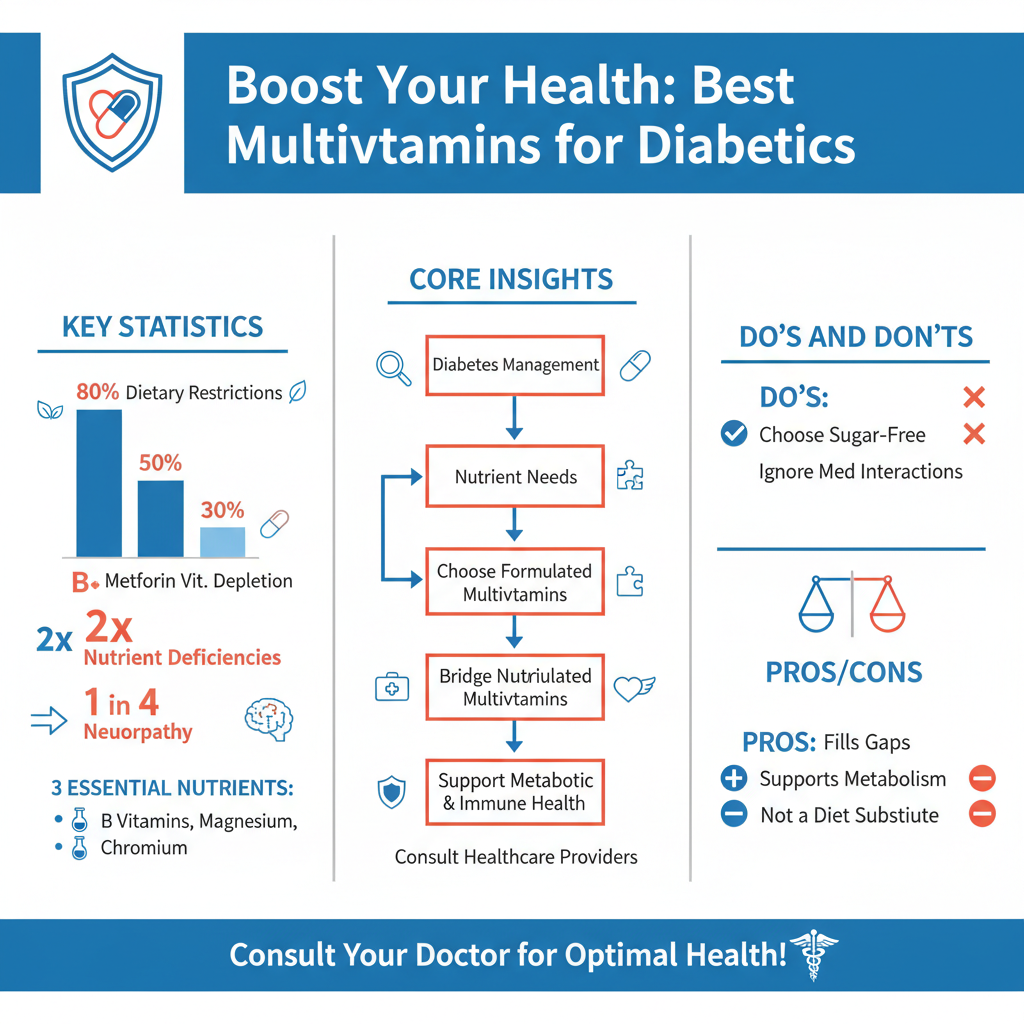

When you’re sifting through the seemingly endless options on the supplement aisle, knowing which specific nutrients are particularly beneficial for managing type 2 diabetes can make your choice much clearer. Here’s a closer look at some key players:
* B Vitamins (B1, B6, B12, Folate): This group is absolutely critical for individuals with type 2 diabetes, primarily for nerve health and energy metabolism.
* B1 (Thiamine): Plays a vital role in converting glucose into energy. Deficiency can contribute to nerve damage (neuropathy) and kidney damage, common complications of diabetes.
* B6 (Pyridoxine): Important for nerve function and can help reduce symptoms of diabetic neuropathy.
* B12 (Cobalamin): Crucial for nerve health and red blood cell formation. Metformin, a widely prescribed diabetes medication, is known to deplete B12 levels, making supplementation often necessary for those on long-term therapy. Symptoms of deficiency can include fatigue, numbness, and tingling.
* Folate (B9): Works with B12 to produce red blood cells and for nerve function. Methylfolate, the active form, is often preferred for better absorption.
* Magnesium: This often-overlooked mineral is a powerhouse, involved in over 300 biochemical reactions in the body. For diabetics, it plays a vital role in insulin sensitivity and glucose control. Magnesium helps your cells respond better to insulin, which in turn helps manage blood sugar. It’s also essential for nerve and muscle function, blood pressure regulation, and bone health. Unfortunately, magnesium deficiency is quite common in people with diabetes, partly due to increased urinary excretion caused by high blood sugar.
* Chromium: Often touted as a “glucose tolerance factor,” chromium may help improve insulin action and glucose metabolism. It’s thought to enhance the signaling of insulin receptors on cells, potentially making them more responsive to insulin. While research on chromium’s efficacy can be mixed and varies among individuals, it’s a common ingredient in many diabetes-specific formulas. It’s important to stick to appropriate dosages, as excessive intake isn’t beneficial.
* Vitamin D: More than just for bone health, Vitamin D functions like a hormone in the body and is linked to insulin sensitivity and overall immune function. Studies suggest that adequate vitamin D levels may improve insulin secretion from the pancreas and enhance the body’s response to insulin. Deficiency is widespread, particularly in individuals with type 2 diabetes, making supplementation a common recommendation, especially for those with limited sun exposure or darker skin tones.
Including these essential nutrients in your multivitamin can provide targeted support for the unique physiological challenges of type 2 diabetes.
Ingredients and Dosages to Look For

Navigating the supplement aisle can feel overwhelming, but by knowing what to look for, you can make an informed choice that truly benefits your health.
First off, consider Targeted Formulas. Many brands now offer multivitamins specifically marketed “for diabetics” or with a nutrient profile addressing common deficiencies seen in this population. These formulas are often a good starting point because they typically include the key nutrients we just discussed (like B vitamins, magnesium, chromium, and vitamin D) in ratios considered beneficial for blood sugar management and nerve health. They also tend to be mindful of ingredients to avoid, which we’ll cover next. Opting for a specialized formula can simplify your decision and help ensure you’re getting the most relevant support.
Next, pay close attention to Appropriate Dosages. More isn’t always better, especially when it comes to vitamins and minerals. You want nutrient levels that are adequate to address potential deficiencies but not excessive. This is particularly crucial for fat-soluble vitamins (A, D, E, K) because, unlike water-soluble vitamins that your body flushes out, fat-soluble ones can accumulate in your body and potentially reach toxic levels over time.
* For Vitamin D, a common dose for those with deficiency is often 1000-2000 IU daily, but always confirm your specific needs with a blood test and your doctor.
* For B vitamins, adequate doses are often above the basic Recommended Dietary Allowances (RDAs) for general health, especially for B12 if you’re on metformin. Look for 500-1000 mcg of B12.
* Magnesium often ranges from 200-400 mg, and it’s best to choose highly absorbable forms like magnesium glycinate or citrate.
Always cross-reference the dosages with the Recommended Dietary Allowances (RDAs) or Adequate Intakes (AIs) for your age and gender, keeping in mind that therapeutic doses might be higher under medical supervision.
Finally, prioritize Third-Party Testing. This is a non-negotiable for quality and safety. Supplements are not as strictly regulated by the FDA as prescription drugs, which means product purity and potency can vary wildly. Third-party certifications indicate that an independent organization has tested the product and verified its contents. Look for seals from reputable organizations such as:
* USP Verified: Ensures the product contains the ingredients listed on the label in the declared potency and amounts, doesn’t contain harmful levels of specified contaminants, and will break down and release into the body within a specified amount of time.
* NSF Certified: Guarantees that the product has been tested for contaminants, has the ingredients and amounts listed on the label, and is made in a facility that adheres to strict manufacturing standards.
* ConsumerLab.com: While not a certification, this is an independent reviewer that tests supplements and publishes its findings, providing a valuable resource for consumers.
Choosing products with these certifications provides peace of mind that you’re getting exactly what the label promises, without unwanted contaminants or inaccurate dosages.
Ingredients and Additives to Avoid
Just as important as knowing what to include in your multivitamin is knowing what to steer clear of. Some ingredients, while harmless for the general population, can be detrimental or counterproductive for individuals with type 2 diabetes.
First up: High Iron Content. Unless you’ve been specifically diagnosed with iron deficiency anemia by your doctor, it’s generally best to avoid multivitamins with high levels of iron. For many men and post-menopausal women, excess iron can actually be harmful. The body has a limited capacity to excrete iron, and too much can accumulate in organs, leading to oxidative stress, which can damage cells and contribute to insulin resistance. This is why many “men’s” or “50+” multivitamin formulas are iron-free. If you suspect an iron deficiency, it’s crucial to get a blood test and discuss it with your healthcare provider, rather than self-supplementing.
Secondly, be wary of Excessive Sugar or Artificial Sweeteners. It might sound obvious, but some gummy vitamins or flavored liquid supplements can contain added sugars, which directly counteract your efforts to manage blood sugar levels. Even artificial sweeteners, while calorie-free, can be a concern. Emerging research suggests that some artificial sweeteners may negatively impact gut microbiome health and could potentially influence glucose metabolism and insulin sensitivity, although more studies are needed. The goal of a multivitamin is to support your health, not to introduce unnecessary ingredients that could potentially interfere with your metabolic goals. Prioritize formulations that are naturally sweetened (if at all) or, ideally, sugar and artificial sweetener-free.
Lastly, try to avoid Unnecessary Fillers or Dyes. Many supplements contain inactive ingredients like binders, fillers, and artificial colors or flavors. While generally recognized as safe, these additives can sometimes cause sensitivities or digestive issues in certain individuals. For those with diabetes, who often prioritize clean eating and reducing inflammatory inputs, choosing a “clean label” formulation with minimal additives is a good practice. Look for products that clearly list all ingredients and state they are free from artificial colors, flavors, and unnecessary excipients. Less is often more when it comes to supplement ingredients beyond the active nutrients.
Integrating Multivitamins Safely
Adding a multivitamin to your daily routine, especially when managing a condition like type 2 diabetes, requires a thoughtful and cautious approach. Safety is paramount, and a few key steps can help ensure you’re making the best choices for your health.
The most critical step is always to Consult Your Healthcare Provider. Before starting *any* new supplement, including a multivitamin, have an open conversation with your doctor, endocrinologist, or a registered dietitian. They have a comprehensive understanding of your medical history, current health status, and medication regimen. They can help you determine if a multivitamin is truly necessary, identify specific nutrient deficiencies through blood tests if needed, and recommend products and dosages that are appropriate for *your* unique situation. What’s beneficial for one person with type 2 diabetes might not be ideal for another.
Secondly, it’s absolutely essential to Check for Medication Interactions. This is where your healthcare team’s expertise becomes invaluable. Certain vitamins and minerals can interact with diabetes medications or other prescriptions you might be taking, potentially altering their effectiveness or causing unwanted side effects.
For example, Vitamin K can interfere with blood-thinning medications like warfarin.
High doses of certain minerals (like calcium or magnesium) can affect the absorption of thyroid hormones or some antibiotics.
While we know metformin can deplete B12, some studies have looked at potential interactions between certain antioxidants and metformin’s efficacy, though the evidence is still developing.
Your doctor or pharmacist can review your entire medication list and advise you on potential interactions, ensuring your multivitamin complements, rather than complicates, your existing treatment plan.
Finally, and this cannot be stressed enough: Focus on Diet First. Multivitamins are, as the name suggests, *supplements* – they are meant to supplement a healthy diet, not replace it. The most powerful way to manage type 2 diabetes and achieve overall wellness is through a balanced, nutrient-rich diet that emphasizes whole, unprocessed foods. This means plenty of vegetables, fruits (in moderation), lean proteins, whole grains, and healthy fats. Foods offer a complex array of nutrients, fiber, and phytochemicals that often work synergistically and cannot be fully replicated by a pill. A multivitamin acts as an insurance policy, filling in potential gaps, but it should never be seen as a substitute for making conscious, healthy food choices every day.
How to Choose a Quality Multivitamin
When you’re ready to pick out a multivitamin, keeping a few practical tips in mind will help you land on a product that’s both effective and safe for your specific needs. It’s about being a savvy consumer!
Firstly, always opt for Reputable Brands. In the vast world of supplements, not all companies are created equal. Look for brands with a long-standing history of quality, transparency, and a commitment to scientific research. These brands typically:
Have clear information about their ingredient sourcing.
Adhere to Good Manufacturing Practices (GMP), which are regulations ensuring products are consistently produced and controlled according to quality standards.
Provide readily available third-party testing results (as mentioned before).
Have a positive track record of customer reviews and professional recommendations.
A little research into a brand’s background can go a long way in ensuring you’re investing in a trustworthy product. Don’t be afraid to visit their website or contact their customer service with questions.
Secondly, you need to Read Labels Carefully – this is your detective work! The “Supplement Facts” panel is your best friend. Look for:
* The forms of nutrients: For example, methylated forms of B vitamins (like methylcobalamin for B12 and methylfolate for folate) are often more bioavailable than their synthetic counterparts (cyanocobalamin and folic acid), which can be especially beneficial for those with certain genetic variations that affect nutrient processing. Similarly, magnesium glycinate or citrate are generally better absorbed than magnesium oxide.
* The dosages: As discussed, ensure they are appropriate and not excessive.
* Any additional ingredients: Check for fillers, artificial colors, flavors, and potential allergens like soy, gluten, or dairy if you have sensitivities.
* Expiration dates: Supplements lose potency over time, so ensure you’re buying fresh stock.
Don’t hesitate to compare several brands side-by-side to find the best fit.
Finally, and perhaps most importantly, Consider Your Individual Needs. This isn’t a one-size-fits-all situation. Your specific deficiencies, current medication regimen, dietary habits, and overall health goals should profoundly guide your choice.
Do you take metformin? Then a multivitamin with ample B12 is crucial.
Are your Vitamin D levels low according to recent blood tests? Then ensure your chosen multivitamin provides a significant amount of D, or consider a separate Vitamin D supplement.
Do you follow a vegetarian or vegan diet? You might need higher levels of B12 and potentially iron.
Are you experiencing symptoms of neuropathy? Ensuring adequate B vitamins and magnesium can be important.
Your doctor or a registered dietitian can help you connect these dots, making your multivitamin choice a truly personalized and effective part of your diabetes management strategy.
Choosing the right multivitamin for type 2 diabetes requires a careful, informed approach tailored to your unique health profile. While these supplements can play a supportive role in managing your condition and boosting overall wellness, they are most effective when integrated into a comprehensive health plan that includes a balanced diet, regular exercise, and consistent medical oversight. Always prioritize discussing your supplement choices with your doctor or a qualified dietitian to ensure safety and efficacy.
Frequently Asked Questions
What are the key ingredients to look for in the best multivitamins for Type 2 diabetics to support blood sugar and nerve health?
When choosing a multivitamin for Type 2 diabetics, prioritize formulations rich in B vitamins (especially B12, B6, and folate), as these are crucial for nerve health and energy metabolism, often compromised in diabetes. Essential minerals like chromium picolinate, magnesium, and zinc are important for glucose metabolism and insulin sensitivity. Additionally, look for antioxidants like alpha-lipoic acid (ALA) and vitamin D to support overall diabetic health and reduce oxidative stress.
Why might Type 2 diabetics need a specialized multivitamin compared to a standard one, and what nutrient deficiencies are common?
Type 2 diabetics often experience increased nutrient loss due to medications like metformin (which can deplete B12) or impaired absorption, making a standard multivitamin insufficient. Common deficiencies include B vitamins, magnesium, chromium, and vitamin D, all vital for energy production, nerve function, and blood sugar control. A specialized multivitamin is formulated to address these specific nutritional gaps, supporting better blood sugar management and preventing diabetes-related complications.
Are there any specific ingredients or forms of nutrients Type 2 diabetics should avoid or be cautious of when choosing a multivitamin?
Diabetics should be cautious of multivitamins containing excessive amounts of added sugars, artificial sweeteners, or unnecessary fillers that could impact blood glucose levels. High doses of certain fat-soluble vitamins (A, E, K) without medical supervision should also be avoided, as they can accumulate and potentially cause harm. Always check labels for potential allergens or ingredients that might interact with current diabetes medications, and opt for reputable brands with transparent ingredient lists.
How can Type 2 diabetics ensure their chosen multivitamin won’t negatively impact blood sugar levels or interfere with their diabetes medications?
To ensure a multivitamin won’t negatively impact blood sugar, choose products specifically marketed for diabetics, as these are typically free of added sugars and artificial ingredients. Always review the supplement’s ingredient list for any hidden carbohydrates or sweeteners. Crucially, consult with your healthcare provider or a pharmacist before starting any new supplement to discuss potential interactions with your current diabetes medications, such as metformin, insulin, or other blood glucose-lowering drugs.
When should a Type 2 diabetic consult their doctor or a registered dietitian before starting a new multivitamin supplement regimen?
A Type 2 diabetic should always consult their doctor or a registered dietitian before starting any new multivitamin, especially if they are taking other medications, have kidney issues, or existing health conditions. This consultation ensures the supplement is safe, appropriate for their individual needs, and won’t interact negatively with current treatments or dietary plans. Professional guidance helps tailor the best multivitamin choice, preventing potential risks and maximizing health benefits for long-term diabetic management.
References
- https://www.mayoclinic.org/diseases-conditions/type-2-diabetes/in-depth/diabetes-supplements/art-20047805
- https://diabetes.org/health-wellness/medication-treatments/vitamins-supplements
- https://www.ncbi.nlm.nih.gov/pmc/articles/PMC8900010/
- https://www.health.harvard.edu/staying-healthy/ask-the-doctor-what-are-the-best-vitamins-and-minerals-for-people-with-diabetes
- https://health.clevelandclinic.org/do-diabetics-need-vitamins/
- https://www.webmd.com/diabetes/supplements-diabetes
- https://www.niddk.nih.gov/health-information/diabetes/overview/managing-diabetes/diet-eating
