
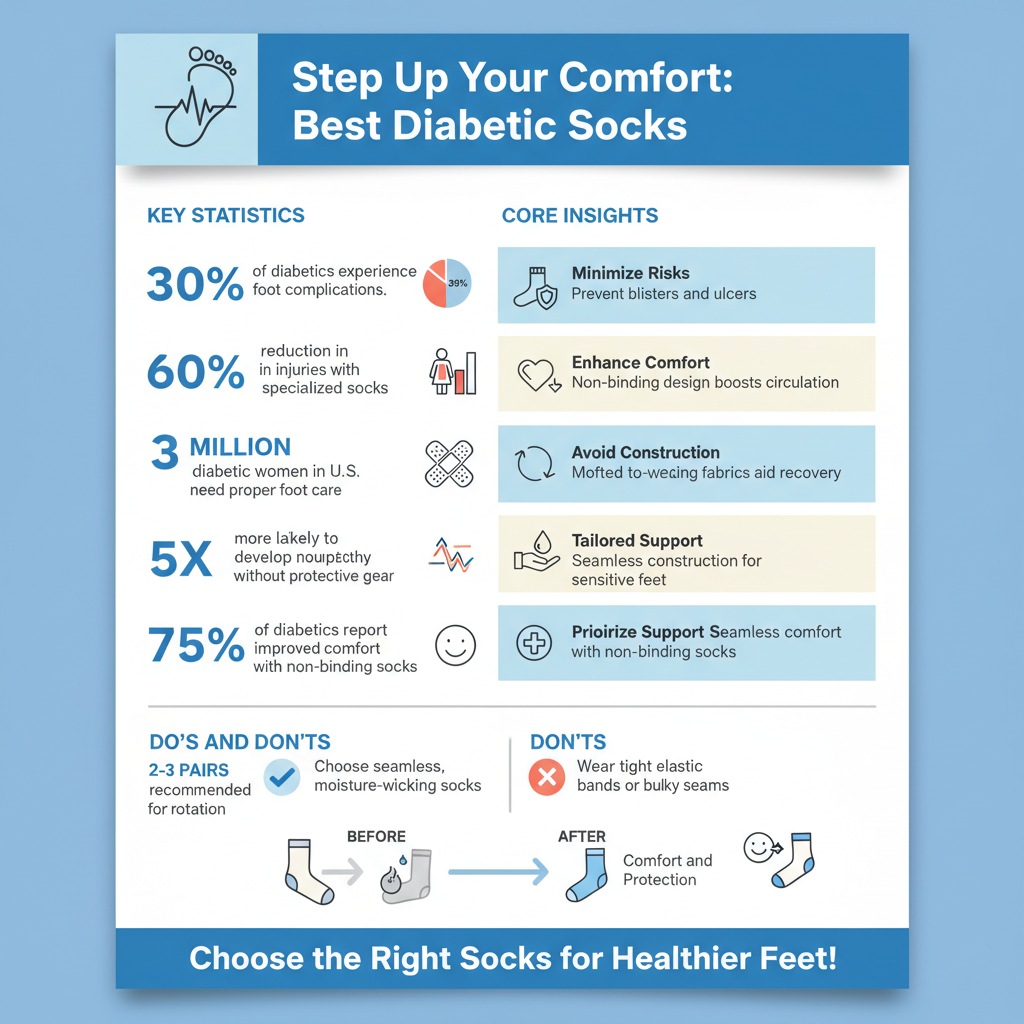
For women seeking the best diabetic socks, the ideal choice prioritizes non-binding tops, seamless construction, and advanced moisture-wicking fabrics to protect sensitive feet and promote healthy circulation. These specialized socks are crucial for preventing common complications such as blisters, ulcers, and nerve damage, offering comfort and crucial support tailored for diabetic foot health. This guide will walk you through the essential features and considerations to help you find the perfect pair that keeps your feet happy, healthy, and stylish!
Why Diabetic Socks Are Essential for Women’s Foot Health
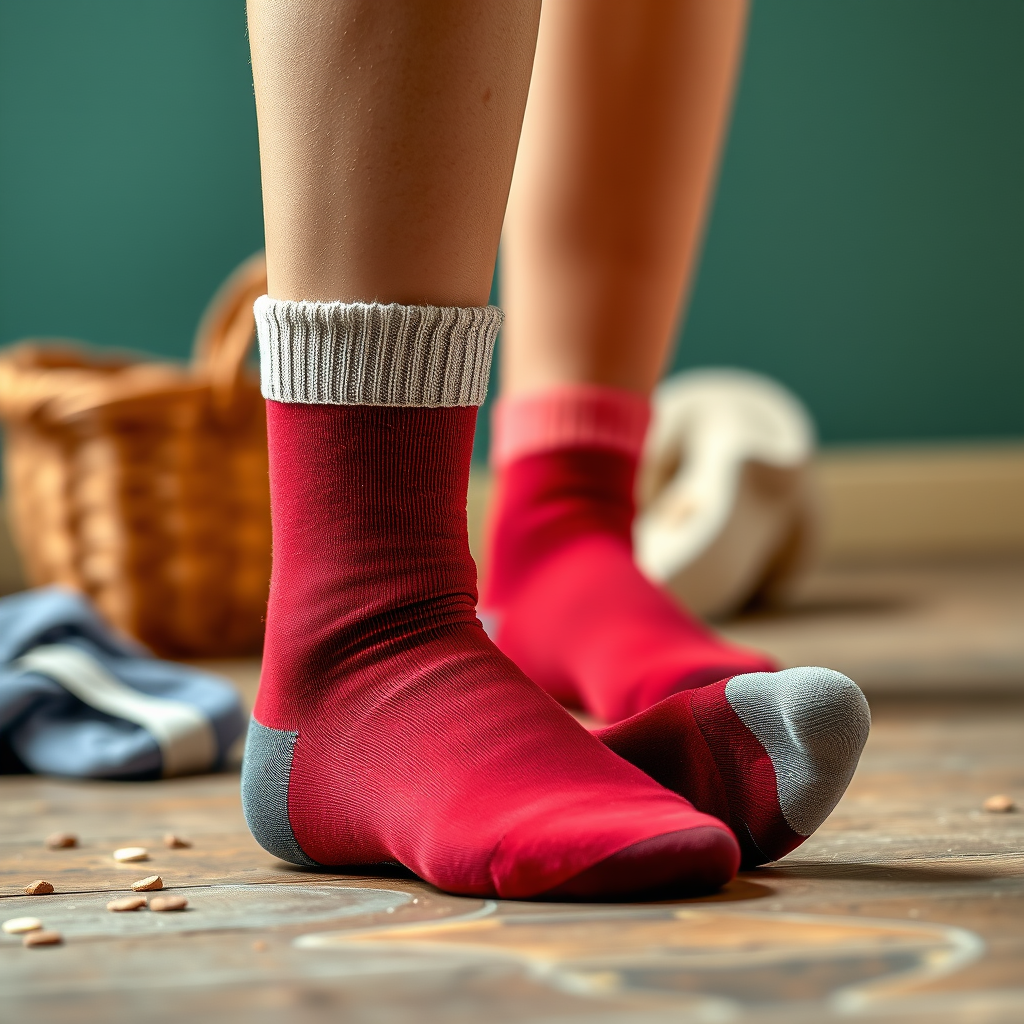
Living with diabetes means paying extra attention to your foot health, and the right socks play a surprisingly vital role. These aren’t just any socks; they are specifically engineered to provide critical protection and comfort for sensitive diabetic feet, which are more susceptible to complications.
* Protecting Against Complications: Diabetic socks significantly reduce the risk of foot injuries, infections, and nerve damage by minimizing friction and enhancing circulation. Women with diabetes often experience issues like neuropathy (nerve damage leading to reduced sensation) and poor circulation, which can make them less aware of minor injuries and slow down healing. These specialized socks act as a gentle, protective shield, cushioning the feet and preventing common culprits like blisters, calluses, and pressure sores that can escalate into serious problems. By providing a consistently smooth environment, they help prevent the small irritations that can turn into major concerns.
* Beyond Regular Socks: Unlike standard socks, diabetic socks are specifically designed to avoid constriction, manage moisture, and provide a protective layer crucial for sensitive diabetic feet. Regular socks often feature tight elastic bands that can restrict blood flow, especially around the calves and ankles, which is particularly risky for individuals with compromised circulation. Their seams can also be bulky and irritating, creating friction points. Diabetic socks, on the other hand, are crafted with these specific vulnerabilities in mind, offering a design that works *with* your foot health, not against it. They are a proactive measure, not just an accessory.
* Supporting Circulation: Their non-binding design prevents pressure on blood vessels, which is vital for maintaining healthy blood flow, a common concern for individuals with diabetes. Good circulation is paramount for delivering oxygen and nutrients to the feet and aiding in waste removal and healing. When circulation is impaired, even minor cuts or abrasions can become difficult to heal, leading to infections or ulcers. Diabetic socks are engineered to gently embrace your feet without leaving indentations or impeding blood flow, helping to maintain optimal circulation from your legs all the way down to your toes. This gentle approach is key to long-term foot health and comfort.
Key Features to Look for in Top Diabetic Socks
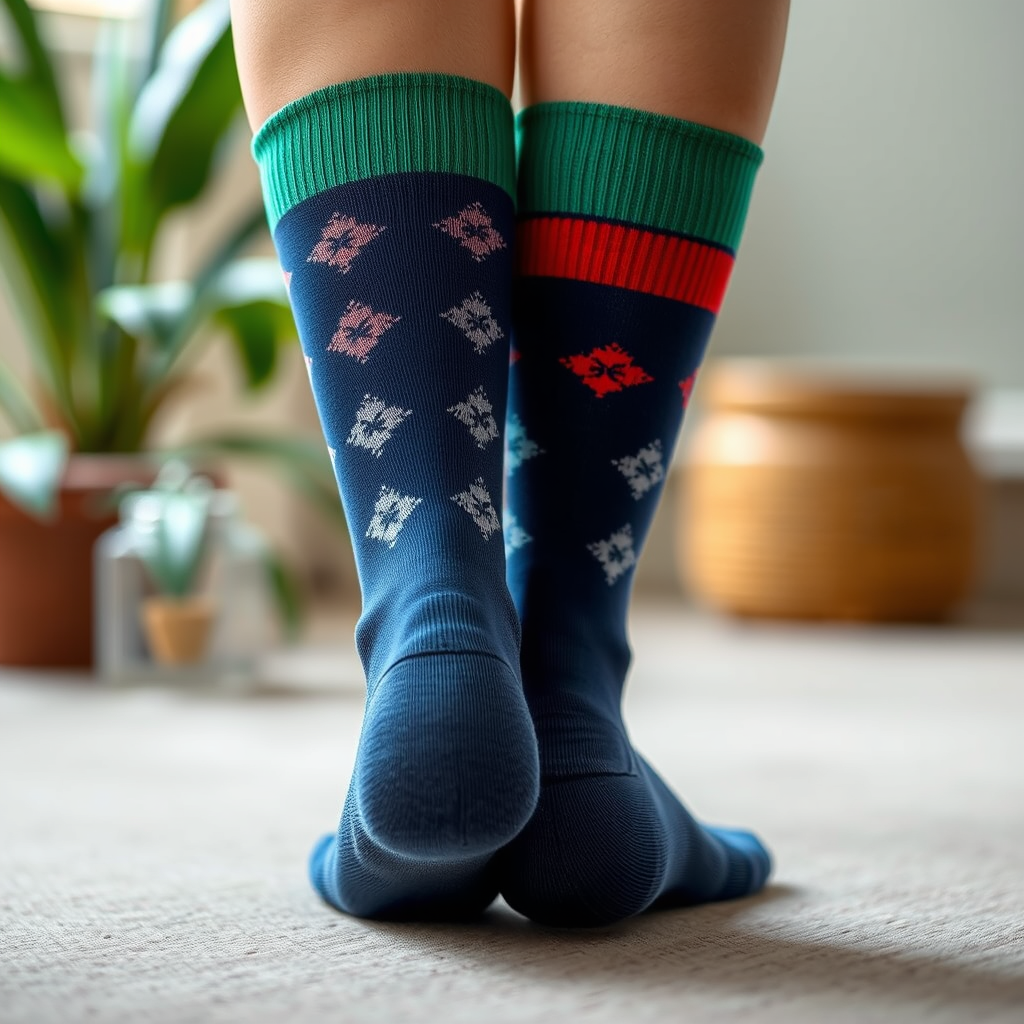
When you’re searching for the best diabetic socks for women, understanding the core features that set them apart is key. These aren’t just buzzwords; they’re design elements directly aimed at protecting your precious feet.
* Non-Binding Tops: This is arguably the most critical feature. Elastic-free or very loose-fitting cuffs prevent constriction around the calf or ankle, ensuring unobstructed blood flow. Imagine socks that stay up comfortably without leaving deep red marks or indentations on your skin – that’s the magic of a non-binding top. For women, especially those prone to swelling or with peripheral artery disease, this feature is non-negotiable. It helps prevent swelling from worsening and ensures vital blood flow isn’t restricted, which is crucial for overall foot and leg health. Look for terms like “comfort top,” “loose fit,” or “no elastic” in product descriptions.
* Seamless Construction: Even the smallest seam can become a major irritant for sensitive diabetic feet, potentially leading to blisters or sores. Flat, invisible seams or completely seamless designs eliminate friction points that can lead to these painful issues. Traditional socks often have a noticeable seam across the toe, which can rub and create pressure, particularly if you have neuropathy and can’t feel the irritation. Truly seamless socks, often made with a hand-linked toe closure, offer a silky-smooth interior that prevents any rubbing, significantly reducing the risk of skin breakdown.
* Moisture-Wicking Fabrics: Keeping your feet dry is essential for preventing fungal infections (like athlete’s foot) and bacterial growth, which thrive in damp environments. Materials like bamboo, merino wool, or specialized synthetics draw sweat away from the skin, keeping feet dry and preventing fungal infections. These fabrics actively pull moisture from the skin’s surface to the outer layer of the sock, where it can evaporate quickly. This not only keeps your feet more comfortable but also creates a less hospitable environment for harmful microorganisms, a crucial benefit for anyone managing diabetes.
* Cushioning and Padding: Extra padding in the sole, heel, and toe areas provides comfort and protection against impact and pressure, especially for neuropathic feet. This cushioning acts like a shock absorber, distributing pressure evenly across the foot and reducing the stress on sensitive areas. For women with neuropathy, who may not feel discomfort or pressure points, this added layer of protection is invaluable in preventing ulcers. Some socks offer targeted padding in specific areas, while others provide overall light cushioning. The right amount of padding can significantly enhance comfort during long periods of standing or walking.
Popular Materials & Their Benefits
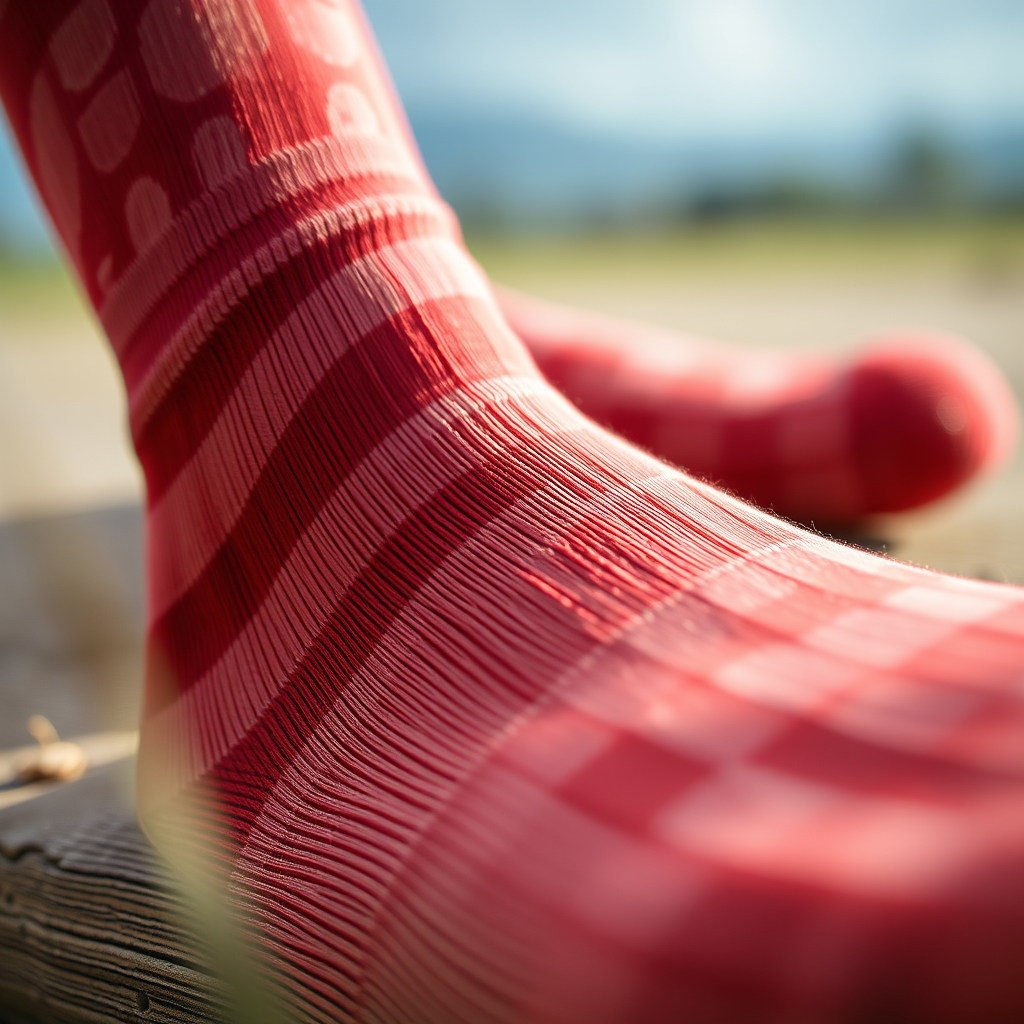
The fabric your diabetic socks are made from plays a huge role in their performance, comfort, and durability. Let’s dive into some of the most popular choices and why they’re excellent for women with diabetes.
* Bamboo: Known for its exceptional softness, breathability, and natural antimicrobial properties, bamboo helps keep feet cool and fresh. If you love a luxurious feel, bamboo socks are a dream come true. Bamboo fibers are incredibly soft and smooth, reducing friction against the skin. They’re also highly breathable, which means excellent air circulation, helping to regulate foot temperature and prevent overheating. A fantastic bonus is bamboo’s natural “bamboo kun” antimicrobial agent, which helps inhibit odor-causing bacteria, keeping your feet feeling fresh all day long. This makes bamboo socks a fantastic choice for everyday wear, especially in warmer climates or for women who experience excessive foot perspiration.
* Merino Wool: Often misunderstood as a “winter only” material, merino wool is a superstar for diabetic socks. It offers excellent temperature regulation, moisture-wicking capabilities, and odor resistance, making it comfortable in various climates. Unlike traditional scratchy wool, merino is incredibly fine and soft, making it gentle against sensitive skin. Its unique fiber structure allows it to keep your feet warm in the cold and surprisingly cool in the heat, adapting to your body’s needs. Merino can absorb a significant amount of moisture without feeling damp, pulling sweat away from your skin even more effectively than many synthetics. Plus, its natural antibacterial properties help combat foot odor, making it ideal for active lifestyles or long days on your feet.
* Specialized Synthetics: Don’t underestimate the power of modern engineering! Blends of polyester, nylon, and spandex provide durability, quick-drying properties, and often incorporate advanced moisture management or compression features. These specialized synthetics are designed for performance. Polyester offers excellent durability and moisture-wicking, while nylon contributes to strength and a smooth feel. Spandex is key for stretch and shape retention, ensuring the socks maintain their non-binding fit over time. Many synthetic blends also include advanced features like targeted cushioning, arch support, or even silver-infused fibers for enhanced antimicrobial protection. They are often a great choice for athletic activities or when you need a quick-drying option.
Finding Your Perfect Fit and Style
Choosing the right diabetic socks isn’t just about the features; it’s also about ensuring they fit perfectly and suit your personal style and needs. A poorly fitting sock, even with all the right features, can cause more harm than good.
* Accurate Sizing is Crucial: Always measure your foot and consult brand-specific sizing charts to ensure a proper fit that isn’t too tight or too loose. Diabetic feet can be sensitive, and even slight compression from an ill-fitting sock can restrict circulation or create pressure points. Never guess your size! Swelling can change your foot dimensions, so it’s a good idea to measure your feet (length and circumference, especially around the ankle) and compare them to the manufacturer’s specific chart. Too-tight socks are obvious no-nos, but socks that are too loose can bunch up, causing friction and potential blisters, so finding that “just right” fit is paramount.
* Choose the Right Length: Options include ankle, crew, and knee-high socks, catering to different preferences, outfits, and levels of coverage needed (e.g., knee-high for mild compression needs).
* Ankle socks are great for warmer weather or when you want your socks to be discreet under sneakers or low-cut shoes.
* Crew socks are the most versatile and popular length, offering good coverage and protection for most shoes and activities.
* Knee-high socks provide extended coverage and can be beneficial if you experience swelling in your calves or need a very mild, non-constricting form of support (though always consult your doctor if you’re considering compression socks for specific medical conditions). Think about your shoe choices, outfits, and the level of protection you desire throughout the day.
* Consider Your Lifestyle: Select styles appropriate for your daily activities, whether you need dress socks, athletic socks, or everyday casual wear, all while maintaining diabetic-friendly features.
* For the office or special events, look for thinner, subtly colored or patterned diabetic dress socks that fit smoothly under dress shoes without adding bulk.
* For active women, opt for diabetic athletic socks that offer more cushioning, enhanced moisture-wicking, and possibly arch support, designed to stand up to more rigorous movement.
* For everyday wear, comfort is king. Soft materials like bamboo or a comfortable cotton blend might be your go-to. The good news is that many brands now offer a wide array of styles and colors, so you don’t have to sacrifice fashion for foot health!
How to Identify Top-Performing Brands & Products
With so many options on the market, how do you sift through the noise to find the truly best diabetic socks for women? A few key indicators can guide you toward high-quality, reliable choices.
* Look for Medical Endorsements: Socks with seals of approval from reputable podiatric associations (e.g., APMA – American Podiatric Medical Association) often signify a higher standard of design and effectiveness. The APMA Seal of Acceptance, for example, means that a committee of podiatrists has reviewed the product and found it to promote good foot health. This isn’t just a marketing gimmick; it’s a stamp of approval from experts who understand foot mechanics and diabetic foot care. Seeing such an endorsement can give you significant peace of mind that you’re investing in a product designed with your specific health needs in mind.
* Read User Reviews: Feedback from other women with diabetes can provide valuable insights into comfort, durability, and overall satisfaction with specific brands or styles. Pay attention to what reviewers say about the non-binding tops – do they stay up without digging in? How do the seamless toes feel? Do the socks maintain their integrity after multiple washes? Look for consistent positive comments regarding the socks’ ability to stay dry, prevent blisters, and provide all-day comfort. While individual experiences can vary, a pattern of strong positive reviews often points to a high-quality product that delivers on its promises.
* Consult Your Healthcare Provider: Your doctor or podiatrist can offer personalized recommendations based on your specific foot health needs and conditions. This is perhaps the most crucial step! Your healthcare team knows your medical history, any existing complications like severe neuropathy, poor circulation, or a history of foot ulcers. They can recommend specific features, materials, or even particular brands that would be most beneficial for *you*. In some cases, they might even suggest prescription diabetic socks or specific compression levels (if indicated and carefully monitored). Always bring up your sock choices during your foot health check-ups for tailored advice.
Maintaining Your Diabetic Socks for Longevity & Hygiene
Once you’ve found your perfect pair of diabetic socks, taking care of them properly ensures they continue to offer maximum protection and comfort for as long as possible. Proper care also contributes to essential foot hygiene.
* Follow Washing Instructions: Always wash socks according to label directions, typically cold water and gentle cycles, to preserve fabric integrity and elastic properties. Diabetic socks are often made with delicate fibers or specialized weaves that can be damaged by harsh washing conditions. Using cold water and a gentle cycle helps prevent shrinkage, maintains the soft texture of the fabric, and protects any integrated features like antimicrobial treatments or targeted cushioning. Avoid using harsh detergents or bleach, which can break down fibers and diminish the socks’ beneficial properties.
* Air Dry or Low Heat: Avoid high heat drying, which can shrink fabrics and damage elastic, compromising the non-binding feature. Air drying is often best. High heat is the arch-enemy of elastic fibers, which are crucial for the non-binding tops to work effectively. Exposure to high temperatures can cause these fibers to break down, leading to stretched-out, ineffective tops that lose their gentle hold or, conversely, shrink the socks unevenly. Whenever possible, lay your diabetic socks flat to air dry or hang them on a drying rack. If you must use a dryer, select the lowest heat setting or a tumble-dry low option to minimize damage and extend their lifespan.
* Regularly Inspect and Replace: Check socks frequently for wear and tear, holes, or stretched elastic, and replace them promptly to ensure continued protective benefits. Even the highest quality diabetic socks won’t last forever. Over time, fabric can thin, cushioning can flatten, and the crucial non-binding tops can lose their elasticity. A worn-out sock loses its ability to protect your feet adequately, potentially reintroducing friction points or circulation issues. Make it a habit to inspect your socks after each wash. Look for any signs of damage, and when you spot them, it’s time to invest in a new pair. As a general guideline, replacing your most frequently worn diabetic socks every 6-12 months can help ensure your feet are always getting the protection they deserve. And remember to change your socks daily to maintain optimal hygiene!
Choosing the right diabetic socks is a proactive step in managing your foot health as a woman with diabetes. By focusing on non-binding designs, seamless construction, and effective moisture-wicking materials, you can significantly reduce risks and enhance comfort. Remember to consider your lifestyle, consult with healthcare professionals, and prioritize quality when selecting your top picks. Invest in your foot health today for greater comfort and peace of mind tomorrow.
Frequently Asked Questions
Why are diabetic socks essential for women with diabetes?
Diabetic socks for women are crucial because they are specifically designed to protect delicate feet prone to complications like neuropathy, ulcers, and poor circulation. They help prevent irritation and improve blood flow, significantly reducing the risk of serious foot issues that women with diabetes often face. By providing a comfortable, non-restrictive fit, these specialized socks play a vital role in daily foot care and overall health management for women with diabetes.
What key features should I prioritize when choosing the best diabetic socks for women?
When selecting the best diabetic socks for women, prioritize features like non-binding tops that won’t constrict circulation, seamless toes to prevent rubbing and blisters, and extra padding in high-pressure areas. Look for moisture-wicking materials to keep feet dry and breathable fabrics to regulate temperature, which are essential for maintaining healthy skin and preventing infections. These design elements ensure maximum comfort and protection for sensitive diabetic feet.
How do diabetic socks for women differ from regular socks, and why does it matter?
Diabetic socks for women differ significantly from regular socks primarily in their design to avoid constriction and minimize friction. Unlike standard socks that often have tight elastic bands and prominent seams, diabetic socks feature non-binding tops and smooth, seamless construction. This distinction is critical because it prevents pressure points, improves blood circulation, and reduces the likelihood of skin breakdown or injury, which are serious concerns for women managing diabetes.
Which materials are best for women’s diabetic socks to ensure comfort, breathability, and prevent irritation?
For optimal comfort, breathability, and irritation prevention, the best diabetic socks for women are typically made from soft, moisture-wicking materials like bamboo, merino wool, or specific synthetic blends. These fabrics help keep feet dry by drawing sweat away from the skin, preventing bacterial and fungal growth. Cotton can be used, but blends are often preferred as they dry faster, reducing the risk of moisture-related skin issues in women with diabetes.
Are there specific styles or types of diabetic socks recommended for women, such as ankle, crew, or knee-high?
Yes, the best diabetic socks for women come in various styles like ankle, crew, and knee-high, and the ideal choice depends on personal preference and specific needs. Ankle and crew socks are popular for everyday wear, offering comfort without being too bulky, while knee-high options can provide additional warmth and gentle support for circulation. Regardless of length, ensuring the chosen style maintains the non-binding, seamless, and moisture-wicking properties crucial for women’s diabetic foot health is most important.
References
- https://diabetes.org/healthy-living/foot-care
- Diabetes & Foot Problems – NIDDK
- https://www.mayoclinic.org/diseases-conditions/diabetes/in-depth/diabetes-foot-care/art-20044230
- https://my.clevelandclinic.org/health/articles/11099-diabetic-foot-care
- https://www.cdc.gov/diabetes/managing/complications-foot-care.html
- Diabetic foot
- https://health.ucsd.edu/care/diabetes/foot-care/Pages/default.aspx
