
Navigating healthy eating with diabetes doesn’t mean sacrificing flavor or satisfaction, especially when it comes to snacks. The best diabetic snacks are those that are rich in fiber, lean protein, and healthy fats, while being low in refined carbohydrates, effectively helping to stabilize blood sugar levels and keep you full longer. This guide will provide you with a curated list of delicious and practical snack ideas designed to support your health goals without compromising taste. Getting creative with your snack choices can truly empower you in your diabetes management journey, turning what might feel like a restriction into an opportunity for delicious discovery.
Understanding Diabetic-Friendly Snacks
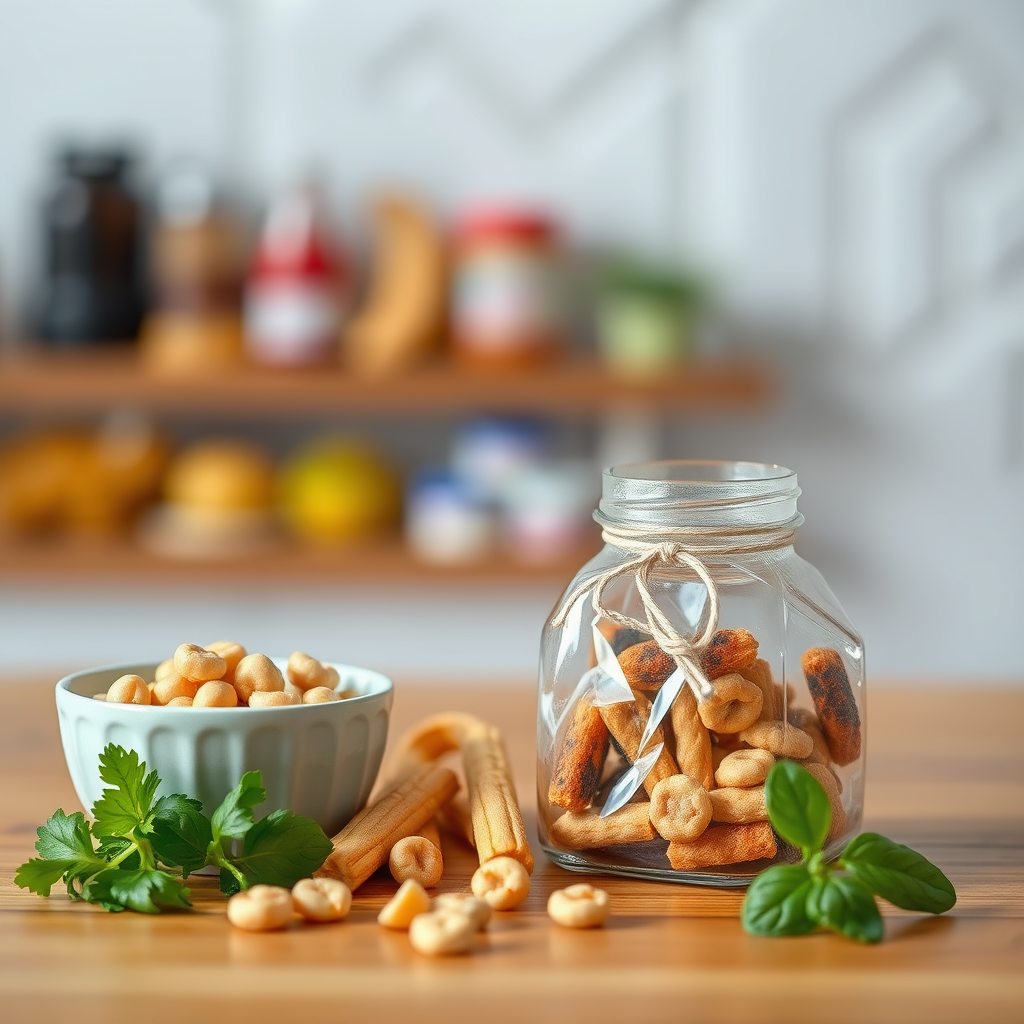
Making smart snack choices is a cornerstone of effective diabetes management, and it all starts with understanding what truly makes a snack “diabetic-friendly.” It’s not just about avoiding sugar; it’s about choosing foods that work with your body to maintain stable blood glucose levels and provide sustained energy.
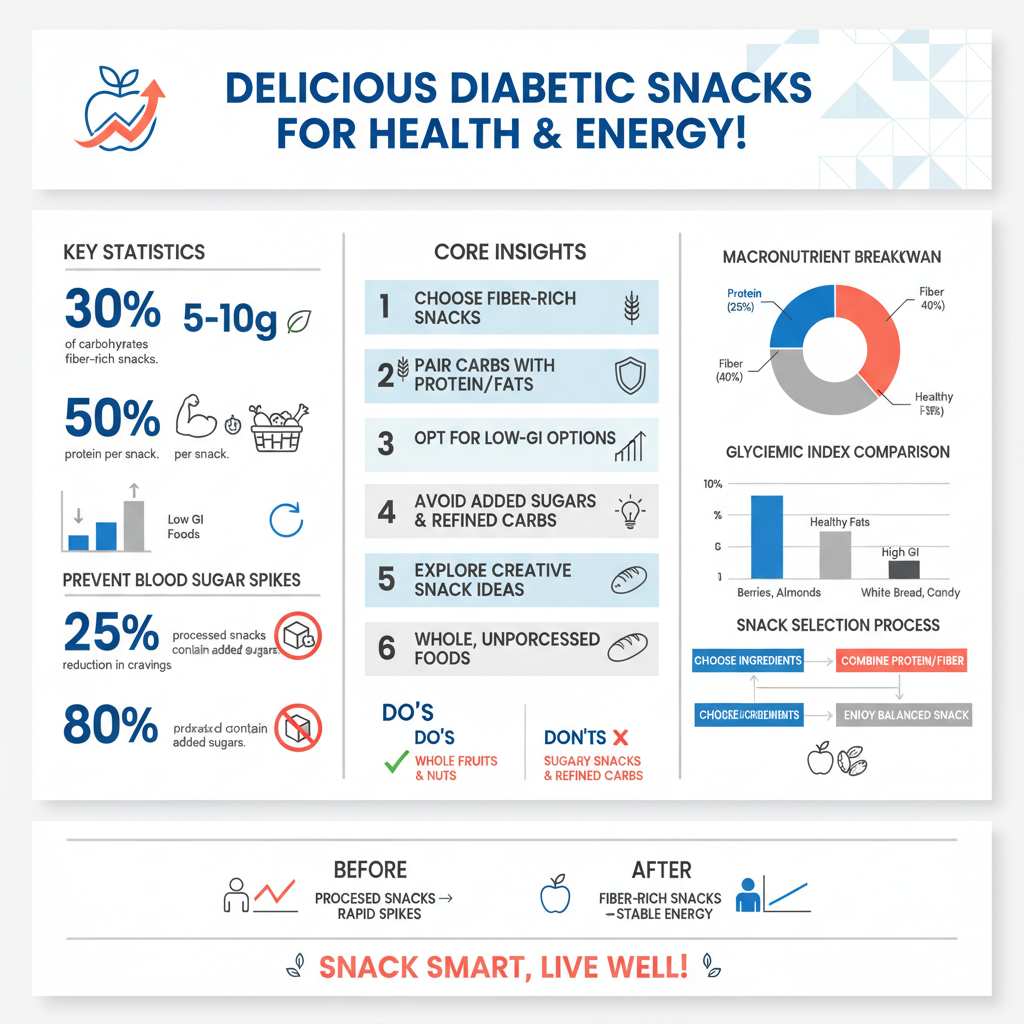
* Focus on Macronutrients: When you choose a snack, think about its composition. Prioritize snacks that offer a thoughtful balance of protein, fiber, and healthy fats. Why this trio? Protein is crucial for satiety and slowing down digestion, preventing rapid blood sugar spikes. Fiber, particularly soluble fiber, also slows the absorption of sugar and contributes to a feeling of fullness. Healthy fats provide long-lasting energy and help to keep hunger at bay. Together, these macronutrients create a powerful synergy that helps to stabilize blood sugar by slowing down the rate at which carbohydrates are digested and absorbed into your bloodstream. For instance, pairing a carbohydrate (like an apple) with a protein/fat source (like a handful of almonds) is a classic strategy.
* Low Glycemic Index (GI): The Glycemic Index is a tool that ranks carbohydrate-containing foods based on how quickly they raise blood sugar levels after eating. Foods with a low GI are digested and absorbed more slowly, resulting in a slower, more gradual rise in blood sugar, which is ideal for diabetes management. Conversely, high GI foods can cause rapid spikes. When choosing snacks, aim for those naturally lower on the GI scale. This often includes whole, unprocessed foods like most vegetables, many fruits, and whole grains. Opting for low-GI options helps prevent the “sugar roller coaster” of highs and lows, contributing to better overall glucose control and more stable energy levels throughout your day.
* Avoid Added Sugars & Refined Carbs: This might seem like an obvious one, but it bears repeating with emphasis. Added sugars and refined carbohydrates (like white bread, pastries, sugary cereals, and many processed snack foods) are quickly broken down into glucose, leading to rapid and often significant blood sugar spikes. These types of carbohydrates offer very little nutritional value beyond calories and can contribute to insulin resistance over time. Always check nutrition labels for hidden sugars, which can appear under many different names (e.g., high-fructose corn syrup, dextrose, maltose, corn syrup solids). Instead, reach for snacks that are naturally sweet from fruits, or derive their texture from whole grains and vegetables, minimizing the impact on your blood sugar and maximizing nutritional benefits.
High-Fiber Fruit & Veggie Powerhouses
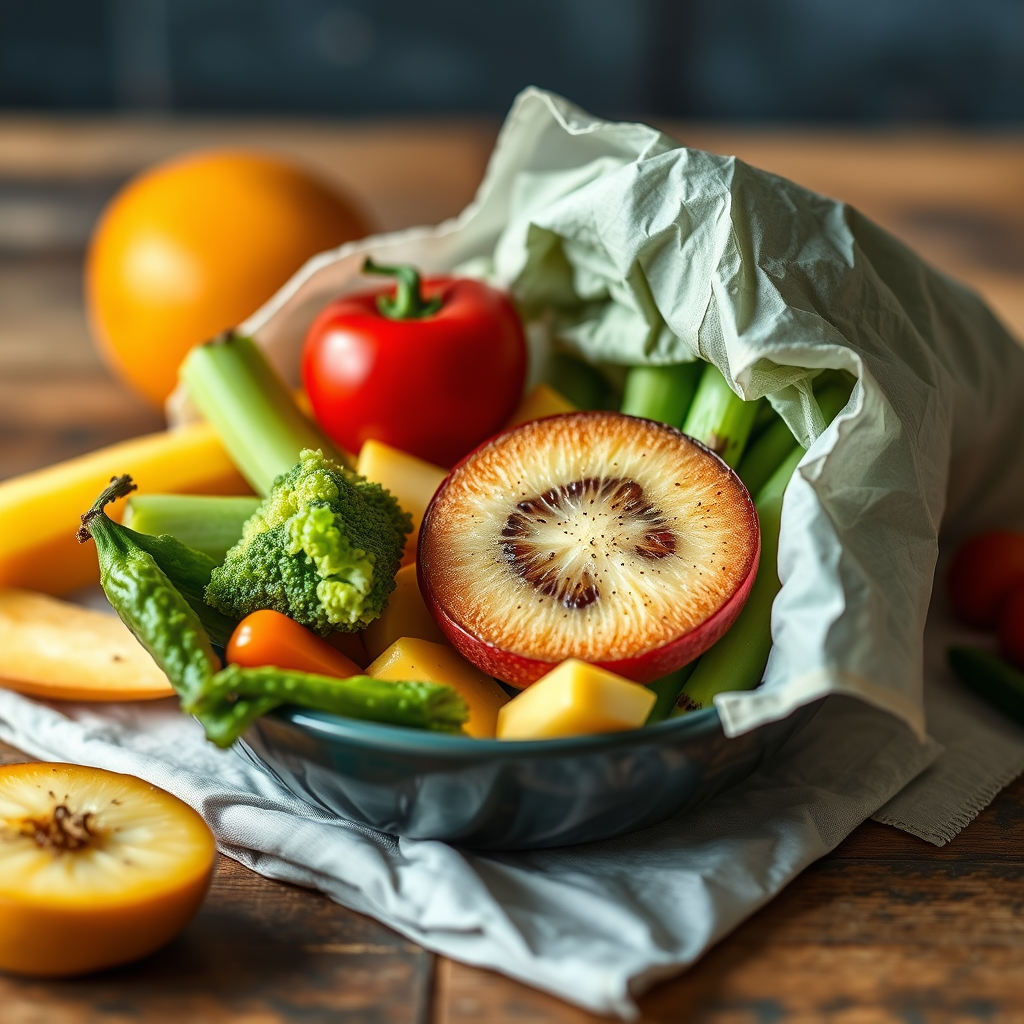
Fruits and vegetables are your best friends in a diabetic-friendly eating plan, offering a wealth of vitamins, minerals, and, crucially, fiber. When choosing them for snacks, focus on those that deliver a significant fiber punch without excessive natural sugars or starches.
* Non-Starchy Vegetables: These are your go-to for volume and crunch without a significant carbohydrate load. Think vibrant carrots, crisp celery sticks, colorful bell pepper strips (red, yellow, orange!), or refreshing cucumber slices. They are packed with water, vitamins, antioxidants, and a good dose of fiber. The fiber helps slow digestion and absorption, while the water content aids hydration and fullness. To make them even more satisfying and balance the macronutrients, pair them with a healthy dip like a few tablespoons of hummus (which adds plant-based protein and healthy fats) or a serving of guacamole. You can also get creative with cherry tomatoes, radish slices, or even steamed broccoli florets for an unexpected, nutrient-dense treat.
* Low-GI Fruits: While all fruits contain natural sugars, some have a lower glycemic index and a higher fiber content, making them excellent choices in moderation. A small apple (with the skin on for maximum fiber!), a handful of vibrant berries (strawberries, blueberries, raspberries, blackberries are all fantastic), or half a grapefruit provide natural sweetness, powerful antioxidants, and digestive-friendly fiber. Berries, in particular, are nutritional powerhouses, often having a lower sugar content compared to other fruits. These fruits can satisfy a sweet craving healthily and contribute important vitamins to your diet. Remember to stick to a small portion size to keep the carb count in check.
* Avocado Slices: Avocados are truly a superfood, especially for those managing diabetes. They are an outstanding source of healthy monounsaturated fats, which are heart-healthy and incredibly satiating, helping you feel full for longer. They also pack a significant amount of dietary fiber. A few slices of avocado can be enjoyed on their own, sprinkled with a little salt and pepper, or spread onto a couple of whole-grain crackers (ensure the crackers are truly whole grain and low in added sugars). They provide a creamy texture and a rich flavor that can elevate any simple snack, making it feel more indulgent while delivering excellent nutritional benefits.
Protein-Packed & Satisfying Choices
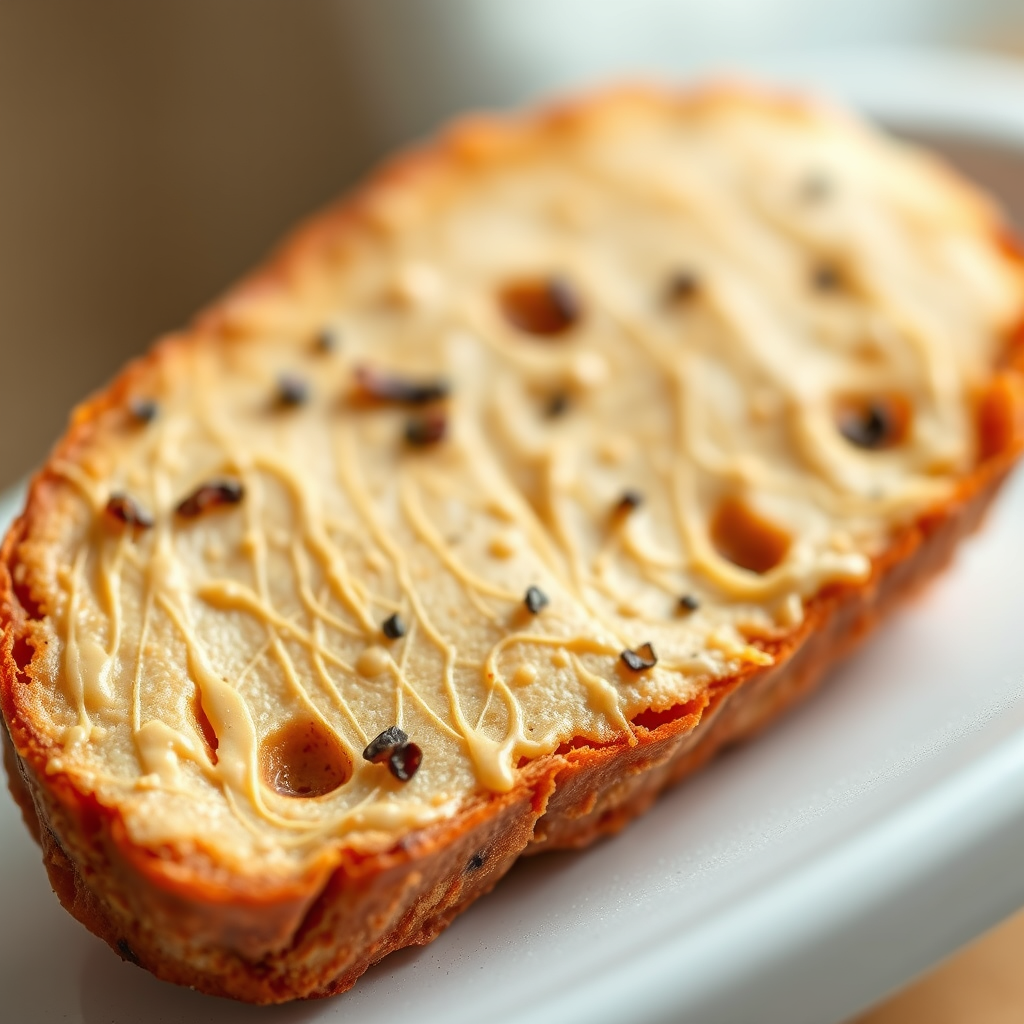
Protein is king when it comes to satiety and blood sugar control. Including a good source of lean protein in your snacks helps to slow digestion, prevent sugar spikes, and keep hunger at bay until your next meal.
* Greek Yogurt: Plain, unsweetened Greek yogurt is a phenomenal snack choice. It’s renowned for its high protein content, often double that of regular yogurt, which makes it exceptionally filling and great for stabilizing blood sugar. Look for varieties with live and active cultures for an added probiotic boost, supporting gut health. To enhance the flavor without adding sugar, stir in a sprinkle of cinnamon (which may also have blood sugar benefits!), a few fresh berries for natural sweetness and fiber, or a small amount of chopped nuts for healthy fats and crunch. Avoid fruit-on-the-bottom or flavored yogurts, as they often contain significant amounts of added sugar.
* Nuts & Seeds: A small handful of unsalted nuts (like almonds, walnuts, pecans, or pistachios) or seeds (such as pumpkin seeds, sunflower seeds, or chia seeds) makes for an excellent, convenient snack. They are packed with healthy fats (monounsaturated and polyunsaturated), plant-based protein, and fiber, all of which contribute to satiety and help to slow carbohydrate absorption. Walnuts, for example, are rich in omega-3 fatty acids, beneficial for heart health. Portion control is key here, as nuts and seeds are calorie-dense. A small handful, roughly ¼ cup or about 1 ounce, is typically a good serving size. You can also sprinkle them over your Greek yogurt or use them as a crunchy topping for a small salad.
* Hard-Boiled Eggs: Don’t underestimate the power of a simple hard-boiled egg! They are a complete protein source, meaning they contain all nine essential amino acids your body needs. Eggs are incredibly convenient (you can prepare a batch for the week), portable, and virtually carb-free, making them an ideal snack for blood sugar stability. One large egg provides about 6 grams of protein, making it highly effective at warding off hunger and providing sustained energy. Enjoy them on their own, seasoned with a little salt and pepper, or sliced and added to a few cucumber rounds for extra crunch and hydration.
Savory & Crunchy Snack Ideas
Sometimes, you just crave something savory and crunchy. The good news is that you don’t have to reach for unhealthy chips or crackers. There are plenty of delicious, diabetic-friendly options that can satisfy that craving without derailing your blood sugar goals.
* Cheese Sticks or Cubes: Cheese is a fantastic source of protein and calcium, offering a rich, savory flavor that can be incredibly satisfying. Individual cheese sticks or small cubes are perfect for portion control and convenience. The protein and fat in cheese help slow down digestion, keeping you feeling full and your blood sugar stable. Pair cheese with a few slices of apple or some whole-grain crackers to add fiber and a different texture, creating a balanced and delightful snack. Always choose natural, full-fat cheeses in moderation, as low-fat versions sometimes compensate with added starches or sugars.
* Roasted Chickpeas: If you’re looking for a satisfying crunch that’s also packed with nutrients, roasted chickpeas are a game-changer. Chickpeas (garbanzo beans) are an excellent source of plant-based protein and dietary fiber, making them incredibly filling and beneficial for blood sugar management. You can easily make them at home: simply drain and rinse a can of chickpeas, toss them with a little olive oil and your favorite spices (paprika, cumin, garlic powder, chili powder, salt, and pepper work wonderfully), then roast them in the oven until crispy. They offer a hearty texture and a satisfying savory flavor that rivals unhealthy potato chips but comes with a much healthier nutritional profile.
* Air-Popped Popcorn: In moderation and prepared correctly, air-popped popcorn can be a surprisingly good whole-grain, fiber-rich snack. The key is “air-popped” – this avoids the unhealthy fats and excessive sodium often found in microwave popcorn. Popcorn is a whole grain, meaning it contains all parts of the kernel, including the fibrous bran. Fiber is essential for digestive health and helps slow the rise in blood sugar. Lightly season your air-popped popcorn with a tiny sprinkle of salt, nutritional yeast for a cheesy flavor, or a dash of cinnamon for a touch of sweetness without added sugar. Be mindful of portion sizes, typically around 3 cups air-popped, to keep carbohydrate intake in check.
Smart Store-Bought & Convenience Picks
Life gets busy, and sometimes you need a quick, ready-to-eat snack. The good news is that the market offers more diabetic-friendly options than ever before. However, the caveat is always to be a diligent label reader.
* Sugar-Free Gelatin or Pudding: When you’re craving something sweet and light, sugar-free gelatin or pudding can be a good option. These products are typically very low in carbohydrates and calories, allowing you to indulge a sweet tooth without impacting your blood sugar. It’s crucial to look for options specifically labeled “sugar-free” and to check the ingredient list to ensure they don’t use artificial sweeteners that you prefer to avoid, or contain excessive carbs from other sources. While they don’t offer much in the way of protein or fiber, they can provide a moment of simple satisfaction and help curb cravings for higher-sugar desserts.
* Whole-Grain Crackers with Nut Butter: This classic combo can be a smart, convenient snack if you choose wisely. Start by selecting whole-grain crackers that genuinely live up to their name – look for at least 3 grams of fiber per serving and make sure “whole wheat flour” or another whole grain is the first ingredient. Avoid crackers with added sugars or excessive sodium. Pair these with an unsweetened nut butter (almond, peanut, or cashew butter are great). The healthy fats and protein from the nut butter, combined with the fiber from the crackers, create a balanced snack that’s both satisfying and blood-sugar friendly. Again, watch your portion of nut butter – a tablespoon or two is usually sufficient.
* Jerky (Low-Sodium): For a portable and protein-packed snack, jerky can be an excellent choice. It’s a convenient source of lean protein that can help keep you full and satisfied, especially when you’re on the go. However, label reading is paramount here. Many jerky brands are loaded with added sugars (like corn syrup, dextrose, or brown sugar) and high levels of sodium, which can counteract the benefits. Seek out “low-sodium” or “no sugar added” varieties made from lean cuts of meat (beef, turkey, or even salmon jerky). Always check the nutrition facts carefully to ensure the carbohydrate and sodium content aligns with your dietary needs.
Portion Control & Strategic Snacking
Even the healthiest snacks can contribute to unwanted blood sugar spikes or calorie surplus if not consumed thoughtfully. Mastering portion control and strategic timing are just as important as choosing the right foods.
* Mindful Eating: This practice is about paying full attention to your food and your body’s signals. Before you reach for a snack, take a moment to assess your hunger. Are you truly hungry, or are you just bored, stressed, or thirsty? When you eat, slow down, savor each bite, and pay attention to how your body feels. Stop when you’re satisfied, not necessarily uncomfortably full. Mindful eating helps you recognize your body’s true hunger and fullness cues, preventing mindless overeating and ensuring that your snacks serve their intended purpose: to bridge the gap between meals and maintain stable energy. Putting your snack on a plate instead of eating directly from a bag can also help with visual portion control.
* Read Nutrition Labels: This cannot be stressed enough – nutrition labels are your most powerful tool! Before buying or consuming any packaged snack, make it a habit to check the serving size, total carbohydrates (including fiber and sugar alcohols, if applicable), and sugar content. Pay close attention to the “Added Sugars” line, aiming for as little as possible. Also, look for fiber content; a higher amount is generally better. Understanding how to interpret these labels empowers you to make informed decisions and choose snacks that fit your carbohydrate budget and health goals. Don’t be fooled by front-of-package claims; the details are always in the fine print.
* Timing Your Snacks: When you eat your snacks can be just as important as what you eat. Strategically planning snacks between meals can be an effective way to prevent extreme hunger (which can lead to overeating at your next meal) and manage blood sugar fluctuations throughout the day. For example, if you have a long gap between lunch and dinner, a mid-afternoon snack can prevent a significant dip in blood sugar and keep your energy levels steady. Conversely, if your meals are relatively close together or you’re not feeling hungry, you might not need a snack. Discuss with your healthcare provider or a dietitian to determine the best snacking schedule for your individual diabetes management plan, especially if you take insulin or certain medications.
Embracing smart snacking is a powerful tool in managing diabetes, offering not just stable blood sugar but also sustained energy and satisfaction throughout your day. By focusing on nutrient-dense options rich in protein, fiber, and healthy fats, you can enjoy delicious snacks that support your health goals. Experimenting with these ideas and finding combinations that you genuinely love will make healthy eating feel less like a chore and more like a delightful part of your daily routine. Start experimenting with these ideas today to discover your favorite healthy and delicious diabetic-friendly snacks, and always consult with your healthcare provider or a registered dietitian for personalized advice tailored to your specific needs.
Frequently Asked Questions
What are the most important nutritional factors to consider when choosing the best diabetic snacks?
When selecting the best diabetic snacks, prioritize options that have a low glycemic index, are rich in fiber, and contain adequate protein and healthy fats. These components work together to slow down glucose absorption, prevent blood sugar spikes, and promote satiety, making it easier to manage your blood sugar effectively. Always check nutrition labels for carbohydrate counts, added sugars, and fiber content to make informed choices.
Which types of readily available snacks are generally considered best for managing blood sugar levels?
For effective blood sugar management, focus on whole, unprocessed foods that are easy to grab. Excellent options include a small handful of unsalted nuts or seeds, Greek yogurt (plain, unsweetened) with a few berries, vegetable sticks with hummus, or a hard-boiled egg. These snacks are packed with protein and fiber, helping to keep you full and stabilize glucose levels.
How can I prepare quick and easy homemade diabetic snacks to avoid unhealthy options when I’m busy?
To ensure you always have healthy options, dedicate some time each week to meal prep diabetic-friendly snacks. You can pre-portion unsalted mixed nuts, wash and cut raw vegetables like bell peppers or cucumbers, boil a batch of eggs, or prepare small containers of cottage cheese or plain yogurt. Having these ready-to-eat choices on hand helps prevent reaching for sugary or high-carb processed snacks.
Why is a combination of protein and fiber crucial in diabetic snacks, and what are some excellent sources?
Protein and fiber are crucial in diabetic snacks because they work synergistically to minimize blood sugar fluctuations. Fiber slows down digestion and the absorption of glucose, while protein helps with satiety and has minimal impact on blood sugar. Excellent sources include lean protein like chicken breast or hard-boiled eggs, plant-based proteins such as edamame or chickpeas, and fiber-rich options like apples with skin, berries, and chia seeds.
Are there specific snack ingredients or types that people with diabetes should definitely limit or avoid to maintain healthy blood sugar?
Yes, individuals with diabetes should definitely limit or avoid snacks high in added sugars, refined carbohydrates, and unhealthy trans or saturated fats. This includes items like sugary granola bars, sweetened yogurts, baked goods, white crackers, and most processed snack foods, which can cause rapid blood sugar spikes and contribute to weight gain. Always scrutinize ingredient lists for hidden sugars and unhealthy fats.
References
- Healthy Living with Diabetes – NIDDK
- https://www.cdc.gov/diabetes/managing/healthy-eating.html
- https://www.diabetes.org/healthy-living/recipes-nutrition/eating-well/meal-planning
- Diabetes diet: Create your healthy-eating plan – Mayo Clinic
- https://health.clevelandclinic.org/best-and-worst-snacks-for-people-with-diabetes/
- Not Found | American Heart Association | American Heart Association
- https://www.uwmedicine.org/diabetes-care-center/healthy-eating-diabetes
- https://www.ucsfhealth.org/conditions/diabetes/diet-and-nutrition
