
Finding the best diabetic shoes isn’t about a single brand or style, but rather identifying footwear that provides essential protection, comfort, and support tailored to your individual needs. The ideal diabetic shoe will feature a deep, roomy toe box, seamless interiors, adjustable closures, and supportive cushioning to minimize pressure points and prevent serious foot complications like ulcers or nerve damage. Understanding these key characteristics is the first step toward safeguarding your foot health.
Why Specialized Diabetic Shoes Are Essential

Living with diabetes means paying extra attention to your foot health. The unique challenges posed by conditions like neuropathy (nerve damage) and poor circulation make your feet more vulnerable to injury and infection. That’s where specialized diabetic shoes become not just a recommendation, but a critical tool in your daily self-care routine.
* Prevent Complications: Diabetic shoes are meticulously designed to shield your feet from the kinds of common issues that can escalate quickly for individuals with diabetes. Neuropathy, a common complication, can lead to a loss of sensation, meaning you might not feel a blister or a small cut developing. Poor circulation means these minor injuries heal slowly and are more prone to infection. Specialized shoes provide a protective barrier, reducing the risk of abrasions, pressure sores, and ultimately, severe infections that could lead to amputations if left unchecked. They are a proactive defense against the silent threats to your foot health.
* Reduce Pressure Points: Unlike regular shoes that can have tight spots, irritating seams, or inadequate cushioning, diabetic footwear is engineered with an acute understanding of foot biomechanics and the specific needs of sensitive feet. Their specialized construction focuses on distributing pressure evenly across the entire foot. This careful design prevents irritation, friction, and the formation of blisters or calluses, which are often precursors to more serious foot ulcers. Every curve and cushion is designed to cradle your foot, ensuring no single area bears excessive weight or friction.
* Promote Circulation: Maintaining healthy blood flow to your feet is paramount when you have diabetes. Tight, constricting shoes can impede circulation, exacerbating issues caused by poor vascular health. Diabetic shoes feature non-binding uppers, often made from soft, flexible materials, and generous toe room to ensure that nothing restricts blood flow. This unhindered circulation is crucial for delivering vital oxygen and nutrients to your foot tissues, supporting nerve health, and promoting the healing process should any minor injury occur. They allow your feet to breathe and your blood to flow freely, which is key for overall foot vitality.
Key Features of the Best Diabetic Shoes
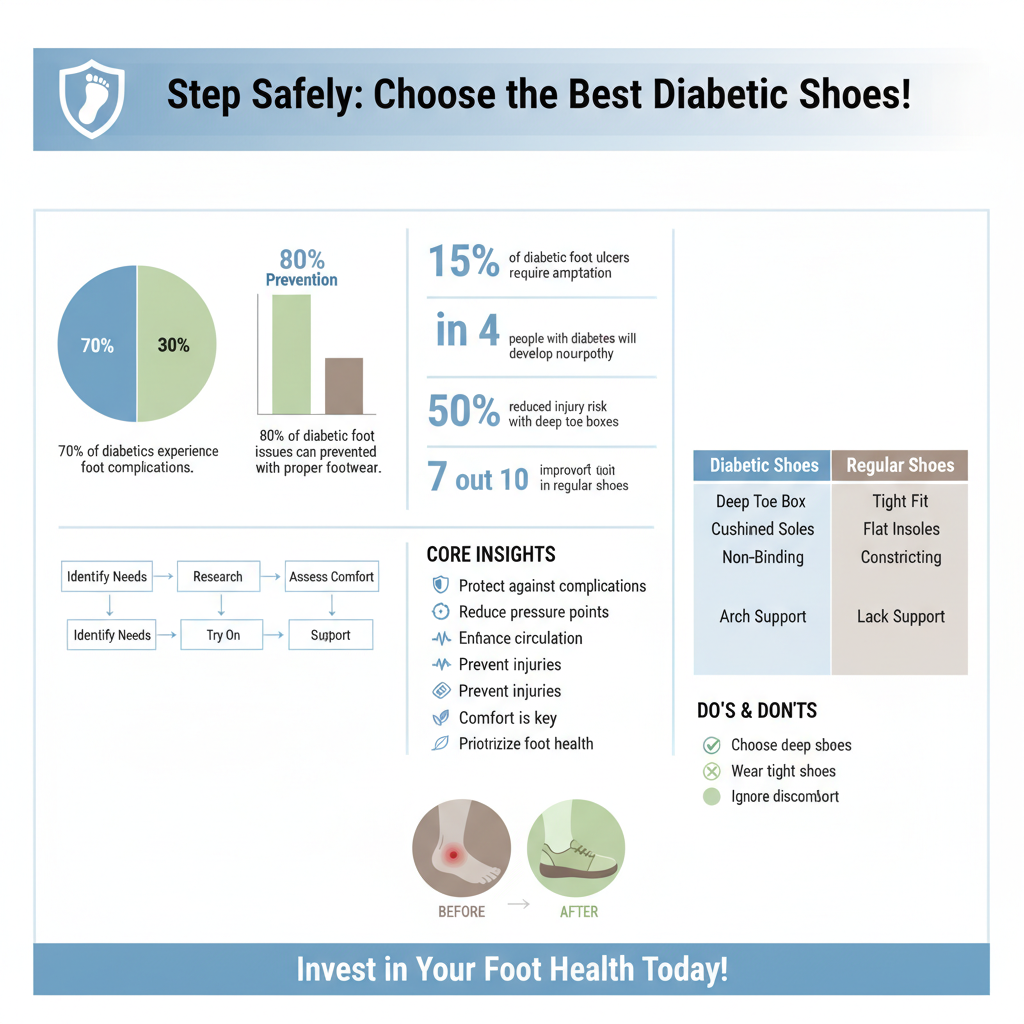
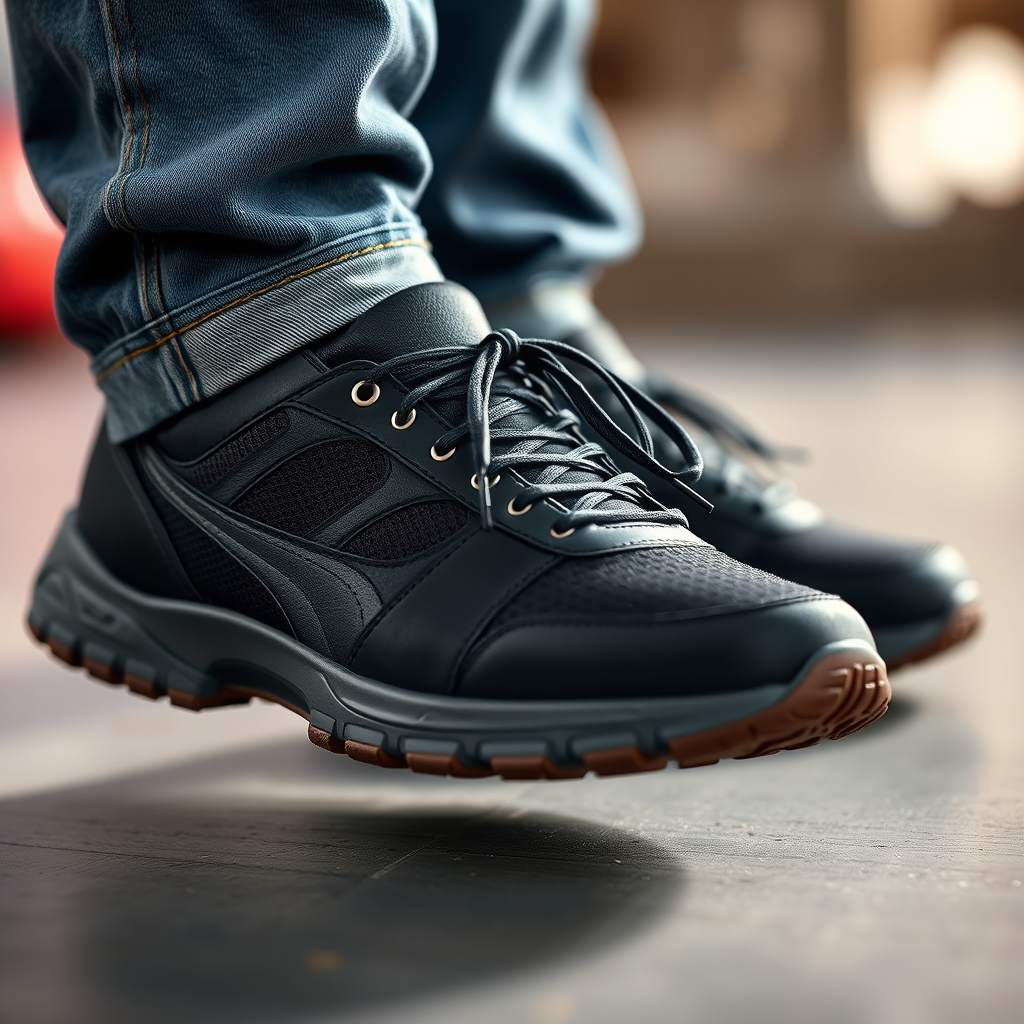
When you’re searching for the perfect pair of diabetic shoes, knowing what features to look for can make all the difference. These aren’t just comfort features; they are essential design elements engineered for protection and long-term foot health.
* Deep & Wide Toe Box: This is a non-negotiable feature. A deep and wide toe box provides ample space for your toes to move freely, preventing them from being compressed or rubbing against the shoe’s interior. This is particularly vital if you have common diabetic foot deformities like hammertoes or bunions, which can easily become irritated in standard footwear. It accommodates the natural splaying of your toes as you walk and helps prevent painful corns, calluses, and ulcers that can result from constant pressure and friction.
* Seamless Interiors: Even the slightest seam on the inside of a shoe can become a major source of irritation for sensitive or neuropathic feet. Diabetic shoes are designed with smooth, seamless interiors to eliminate these potential friction points. This meticulous attention to detail prevents rubbing, chafing, and skin breakdown, which are critical in preventing blisters and open sores that could lead to serious infections, especially when sensation is impaired.
* Adjustable Closures: Feet can swell throughout the day, particularly for individuals with diabetes. Adjustable closures, whether they are Velcro straps or traditional laces, are crucial for achieving a customized and secure fit that can adapt to these daily fluctuations. This ensures that the shoe remains snug enough to prevent slipping and friction, but also flexible enough to avoid constriction when your feet swell. The ability to fine-tune the fit provides consistent comfort and protection from morning to night.
* Removable Insoles: Many people with diabetes require custom orthotics or therapeutic inserts to provide specialized arch support, correct gait imbalances, or distribute pressure more effectively. The best diabetic shoes come with removable insoles, allowing you to easily swap them out for your prescribed custom inserts without compromising the shoe’s overall depth or fit. This feature ensures that your shoes can accommodate personalized foot care solutions, maximizing comfort and therapeutic benefits.
* Rigid Soles with Rocker Bottom: A rigid sole provides stability and helps protect the bottom of your foot from sharp objects or uneven surfaces. Combined with a rocker bottom design, this feature offers significant therapeutic benefits. A rocker bottom sole is slightly curved, facilitating a natural rolling motion as you walk. This design reduces pressure on the forefoot and toes, minimizes stress on joints, and helps propel your foot forward, making walking easier and more comfortable, especially for those with limited joint mobility or forefoot pain.
Top Brands Known for Quality Diabetic Footwear
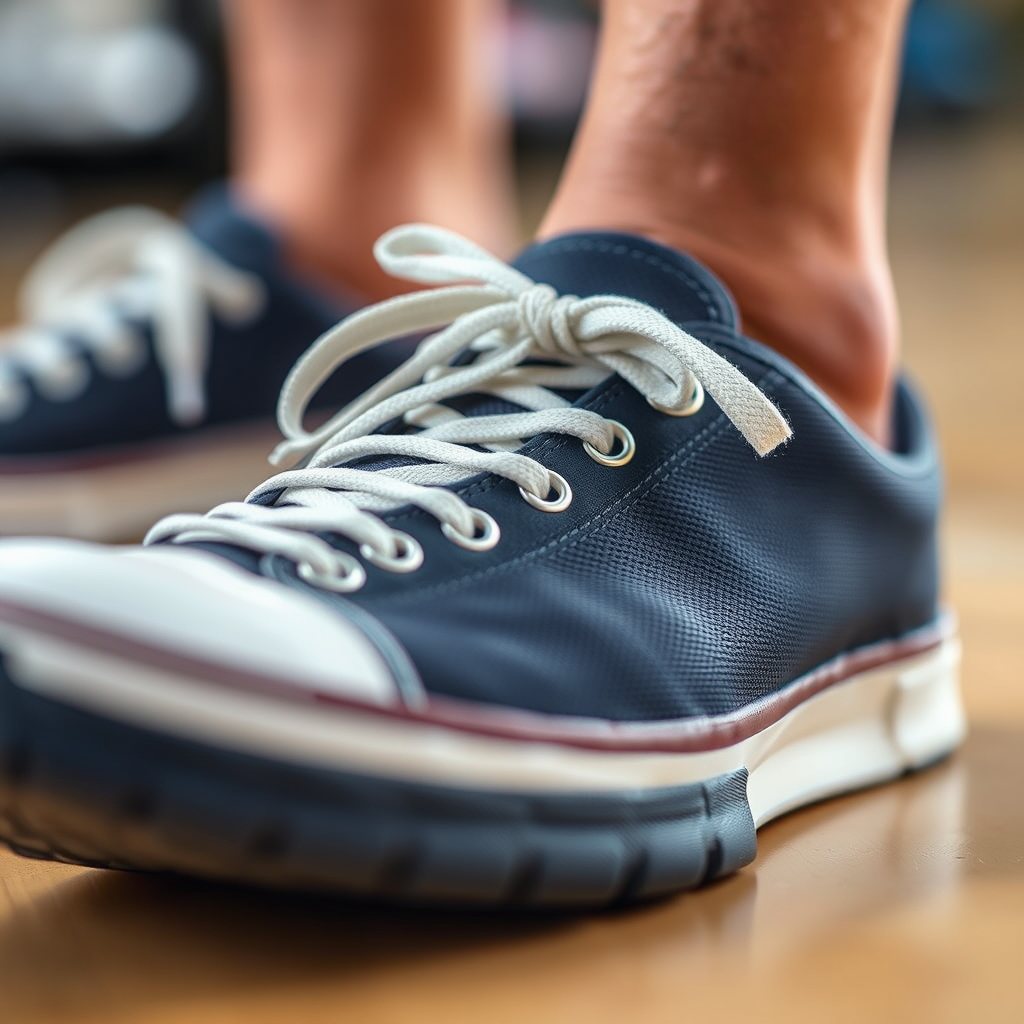
Navigating the vast market of footwear can be daunting, but several brands have established themselves as leaders in providing high-quality, therapeutic shoes specifically designed for individuals with diabetes. These brands combine essential protective features with an increasing focus on style and comfort.
* Dr. Comfort: A highly respected name in therapeutic footwear, Dr. Comfort is renowned for offering an extensive range of shoes that blend comprehensive protective features with surprising style. From athletic shoes to casual loafers and even dressier options, they focus on providing deep toe boxes, seamless linings, and customizable fits. Many of their styles are designed to be covered by Medicare for qualifying individuals, making them an accessible and reliable choice for serious foot care.
* Orthofeet: Orthofeet distinguishes itself with advanced ergonomic designs, prioritizing superior arch support and innovative cushioning systems. Their shoes often feature unique insoles that offer multiple layers of padding and anatomical support, making them excellent for various foot conditions beyond just diabetes, such as plantar fasciitis, bunions, and heel pain. They focus on minimizing pressure and enhancing stability, creating a walking experience that feels like walking on clouds.
* Apex Foot Health: With a long-standing reputation for quality, Apex Foot Health provides a wide range of athletic, casual, and dress shoes, all designed with foot health in mind. What truly sets them apart is their commitment to offering multiple widths and depths, ensuring an optimal and precise fit for nearly any foot shape. Their focus on adjustability and high-quality materials makes them a go-to for those who need a shoe that can accommodate specific orthopedic needs.
* New Balance (Select Models): While New Balance is primarily known as an athletic shoe brand, they offer specific lines and models that are highly recommended for individuals with diabetes. These select athletic shoes feature wider widths (often up to 6E), excellent arch support, and ample cushioning, making them suitable for active individuals who need diabetic-friendly footwear. When considering New Balance, always look for models with features like deeper toe boxes and removable inserts to ensure they meet therapeutic standards.
How to Select the Right Diabetic Shoes for You
Choosing the right pair of diabetic shoes is a highly personal decision that shouldn’t be rushed. It involves more than just picking a size; it’s about ensuring your chosen footwear meets your specific health needs and lifestyle.
* Consult Your Podiatrist: This is, without a doubt, the most crucial first step. Your podiatrist is your greatest ally in navigating diabetic foot care. They can assess the current condition of your feet, identify any specific issues like neuropathy, circulation problems, or deformities, and recommend shoes with features tailored precisely to your needs. They might even provide a prescription for therapeutic footwear, which can be essential for insurance coverage and ensuring you get the most appropriate design for your unique situation. Think of them as your expert guide in this important decision.
* Proper Sizing & Fit: The fit of your diabetic shoes is paramount. Always try on shoes late in the day when your feet are naturally at their largest due to swelling. Ensure you try on both shoes and walk around the store to feel how they perform under normal movement. Look for a thumb’s width of space between your longest toe and the end of the shoe, and make sure the widest part of your foot aligns with the widest part of the shoe. There should be no pinching, rubbing, or tightness anywhere. Remember to wear the type of socks you typically wear with your shoes, as this can significantly impact the fit.
* Prioritize Comfort Over Style: While many modern diabetic shoes have come a long way in terms of aesthetics, your primary goal must always be comfort and protection. Never compromise on a comfortable fit for the sake of fashion. A shoe that looks great but pinches, rubs, or feels tight is a hazard to your foot health. Fortunately, many leading brands now offer stylish options that don’t sacrifice therapeutic benefits, so you often don’t have to choose between looking good and feeling good. Focus on how the shoes feel on your feet, not just how they look in the mirror.
Caring for Your Diabetic Shoes and Feet
Selecting the right diabetic shoes is a fantastic start, but maintaining their effectiveness and practicing good foot hygiene are equally important. Your shoes and your feet work together to keep you mobile and healthy.
* Regular Shoe Inspection: Make it a daily habit to quickly inspect the inside of your shoes before you put them on. Check for any foreign objects like pebbles or debris that might have snuck in, and feel for any rough spots, torn linings, or damaged seams that could rub against your foot and cause irritation. This simple routine can prevent unnoticed injuries, especially if you have neuropathy and can’t feel minor discomfort. It’s a quick habit that offers invaluable protection.
* Daily Foot Checks: Even with the best shoes, daily foot checks are non-negotiable for anyone with diabetes. Set aside a few minutes each day to visually examine your entire foot, including the tops, bottoms, sides, heels, and between your toes. Look for any signs of cuts, blisters, redness, swelling, bruises, or changes in skin temperature. If you have trouble seeing the bottoms of your feet, use a mirror or ask a family member for help. Early detection of any issues allows for prompt treatment and can prevent minor problems from escalating into serious complications.
* Proper Cleaning & Maintenance: To maximize the lifespan and protective qualities of your diabetic shoes, follow the manufacturer’s cleaning and maintenance guidelines. Different materials (leather, synthetic, mesh) will require specific care. Regular cleaning not only keeps your shoes looking good but also prevents the buildup of bacteria and fungi, which thrive in warm, moist environments. Proper care ensures the integrity of the shoe’s structure, cushioning, and protective features, keeping your feet safe and healthy for longer.
Choosing the best diabetic shoes is a proactive, empowering step in managing your diabetes and preserving your long-term foot health. By prioritizing essential features like a deep, roomy toe box, seamless interiors, and adjustable fit, you can find footwear that offers both unparalleled comfort and crucial protection against potential complications. Never compromise on your foot health; instead, consult with your healthcare provider or podiatrist to ensure you select the perfect pair that meets your unique needs and supports an active, healthy lifestyle. Your feet carry you through life, so give them the care and protection they deserve!
Frequently Asked Questions
What are diabetic shoes and why are they essential for foot health?
Diabetic shoes are specialized footwear meticulously designed to protect the feet of individuals with diabetes, particularly those experiencing neuropathy, poor circulation, or foot deformities. They are essential because they significantly reduce the risk of serious foot complications like ulcers, infections, and even amputations, which can arise from nerve damage and reduced blood flow common in diabetic patients. Their unique construction provides critical support, cushioning, and pressure relief to prevent injury.
Which key features should I look for when buying the best diabetic shoes for everyday comfort and protection?
When buying the best diabetic shoes for everyday wear, prioritize features like a wide, deep toe box to prevent compression and accommodate deformities. Look for a seamless interior lining to minimize friction, removable insoles for custom orthotics, and excellent shock absorption to reduce impact on the feet. Additionally, adjustable closures like Velcro straps or laces ensure a secure, customizable fit, while a rocker bottom sole can help reduce pressure on the ball of the foot.
How do I choose the right size and fit for diabetic shoes to ensure maximum comfort and prevent complications?
Choosing the right size and fit for diabetic shoes is paramount; always get your feet professionally measured, ideally later in the day when they are slightly swollen. Ensure there’s about half an inch of space between your longest toe and the end of the shoe, and that they feel comfortable immediately without a “break-in” period. A proper fitting should also account for adequate depth to accommodate custom orthotics and prevent rubbing.
Why is proper footwear crucial for people with diabetes, and what risks do regular shoes pose?
Proper footwear is crucial for people with diabetes because nerve damage (neuropathy) can diminish sensation, making individuals unaware of cuts, blisters, or pressure points that regular shoes might cause. Regular shoes often lack the necessary depth, width, and protective features, leading to friction, calluses, and eventually serious foot ulcers that can become infected and difficult to heal. Diabetic shoes are specifically engineered to mitigate these risks by offering superior protection, support, and pressure relief.
How do diabetic shoes help prevent common foot complications like ulcers and nerve damage progression?
Diabetic shoes are engineered with several features to actively prevent foot complications like ulcers and the progression of nerve damage. They provide superior cushioning and evenly distribute pressure across the foot, preventing localized “hot spots” that can lead to skin breakdown and ulcer formation. The wide, deep construction accommodates swollen feet and allows ample space for custom orthotics, reducing friction and protecting vulnerable areas from injuries that might go unnoticed due to neuropathy.
References
- https://diabetes.org/health-wellness/foot-care
- https://www.cdc.gov/diabetes/managing/foot-care.html
- https://www.niddk.nih.gov/health-information/diabetes/overview/preventing-problems/diabetic-neuropathy
- Chemotherapy and sex: Is sexual activity OK during treatment? – Mayo Clinic
- https://health.clevelandclinic.org/diabetic-foot-care-9-ways-to-protect-your-feet/
- Diabetic foot
- https://www.uofmhealth.org/health-library/uh1107spec
