
Finding the best cough syrup for diabetic patients is crucial for managing symptoms without compromising blood sugar levels. The most suitable options are typically sugar-free formulations that explicitly state “sugar-free” on the label, and are devoid of high-fructose corn syrup, sucrose, and alcohol. Prioritize syrups with active ingredients appropriate for your specific cough type (e.g., guaifenesin for productive coughs, dextromethorphan for dry coughs) and always consult your healthcare provider to ensure the chosen product is safe and won’t interfere with your diabetes management or other medications. Managing a cough while living with diabetes requires a proactive approach, starting with informed choices about the medications you take. Let’s dive deeper into how to navigate the pharmacy aisle confidently and safely.
Why Regular Cough Syrups Pose Risks for Diabetics

Navigating the cold and flu aisle can be daunting for anyone, but for individuals managing diabetes, it presents a unique set of challenges. Many standard over-the-counter cough syrups, while effective for the general population, can pose significant risks to diabetic patients due to their formulation. Understanding these risks is the first step toward making safer choices.
* Hidden Sugars: This is perhaps the most immediate and significant concern. Many standard cough syrups are loaded with various forms of sugar, high-fructose corn syrup, or other caloric sweeteners that act as palatable bases. These can include sucrose, glucose, fructose, dextrose, honey, or even ingredients like corn syrup solids. Ingesting these can cause a rapid and often substantial spike in blood glucose levels, making it difficult to maintain diabetes control and potentially leading to hyperglycemia. For someone already struggling with illness, an unexpected blood sugar surge can exacerbate fatigue, impair recovery, and increase the risk of diabetic complications. It’s a classic “hidden in plain sight” trap that can undermine careful diet and medication management.
* Alcohol Content: Beyond sugars, some cough syrups contain alcohol (ethanol) as an active ingredient, a solvent, or for its mild sedative effects. While it might seem like a small amount, alcohol can interfere with blood sugar regulation in several ways for a diabetic. It can affect the liver’s ability to produce glucose, potentially leading to dangerously low blood sugar (hypoglycemia), especially if taken on an empty stomach or in conjunction with certain diabetes medications like sulfonylureas or metformin. Alcohol can also interact with other medications, intensify side effects, or mask the symptoms of hypoglycemia, making it harder for you to recognize when your blood sugar is dropping.
* Drug Interactions: Specific active ingredients found in common cough and cold remedies can also be problematic. Decongestants, for example, such as pseudoephedrine and phenylephrine, work by constricting blood vessels. While this helps clear stuffy noses, it can also lead to an increase in blood pressure and heart rate. For diabetics, who are often at a higher risk for cardiovascular disease and hypertension, this can be particularly concerning. These ingredients may also indirectly affect blood sugar control by increasing insulin resistance or interfering with the body’s natural glucose regulation. Furthermore, some ingredients might interact directly with your diabetes medications, either reducing their effectiveness or increasing side effects, underscoring the vital need for careful selection.
Essential Ingredients to Seek in Diabetic-Friendly Syrups
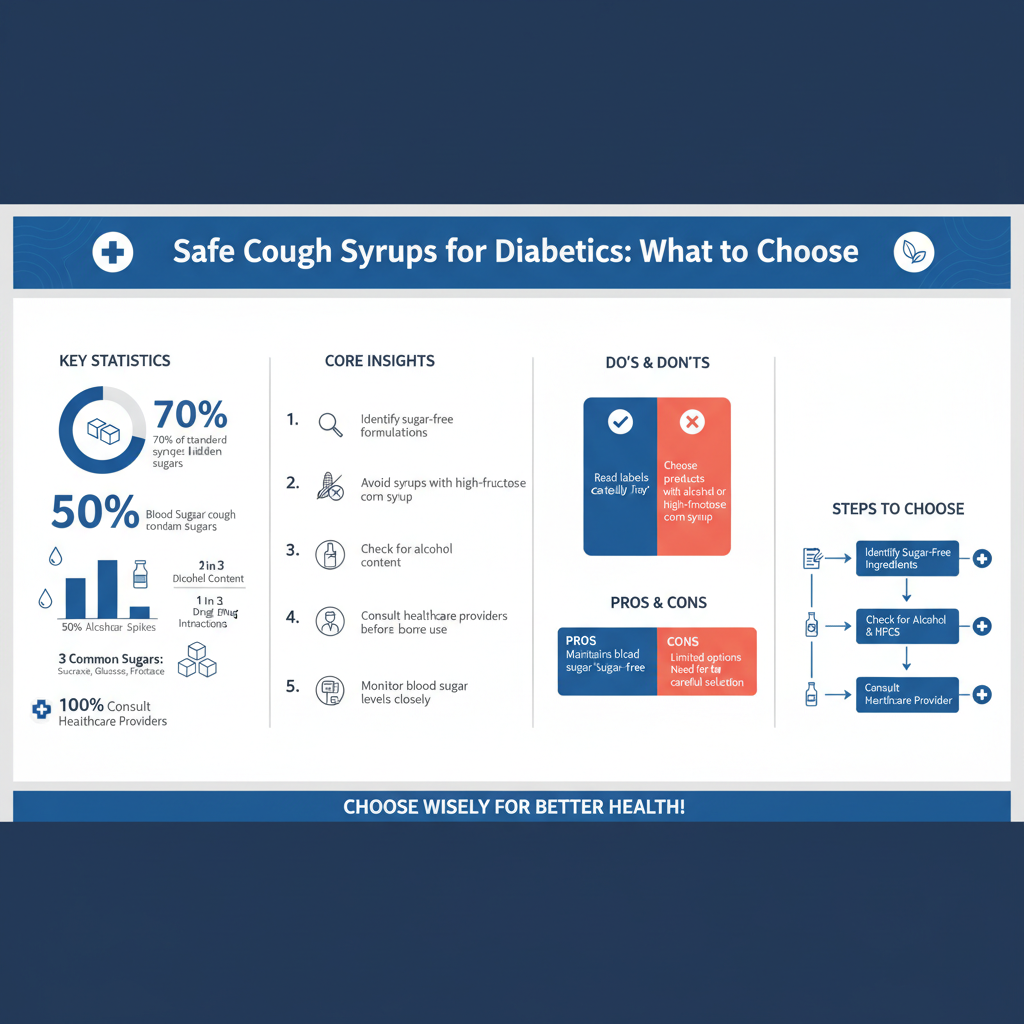

When you’re trying to soothe a cough as a diabetic, your goal is to find relief without disrupting your carefully managed blood sugar levels. Fortunately, the market now offers many excellent options specifically formulated with your needs in mind. Knowing which ingredients to look for will make your search much easier and safer.
* Sugar-Free Formulations: This is your golden rule. Always look for labels that explicitly state “sugar-free.” These formulations replace traditional sugars with artificial sweeteners like sucralose, aspartame, acesulfame K, or saccharin, or with natural alternatives such as stevia or erythritol. These sweeteners provide the desired taste without impacting blood glucose levels. Many reputable brands offer sugar-free versions of their popular cough syrups, so you don’t have to sacrifice effectiveness for safety. Always double-check the ingredient list to confirm the absence of any hidden sugars, even if the front label implies “diabetic-friendly.”
* Active Ingredients for Coughs: Once you’ve confirmed it’s sugar-free, focus on the active ingredients designed to address your specific type of cough. This is crucial for effective treatment.
* Expectorants (e.g., Guaifenesin): If you have a chesty cough that feels like there’s mucus stuck in your lungs, an expectorant like guaifenesin is your best friend. It works by thinning and loosening mucus in the airways, making it easier for you to cough it up and clear it from your system. This helps relieve chest congestion and promotes productive coughing, leading to a quicker recovery from illnesses like bronchitis or common colds. You’ll often find guaifenesin in sugar-free liquid formulations or extended-release tablets.
* Cough Suppressants (e.g., Dextromethorphan): For a dry, irritating, non-productive cough that keeps you up at night or disrupts your day, a cough suppressant like dextromethorphan (DM) is ideal. It works on the cough reflex center in your brain to reduce the urge to cough. This can provide much-needed relief and allow you to rest. Dextromethorphan is widely available in sugar-free syrups and lozenges. Make sure you don’t use a suppressant if you have a lot of phlegm, as it’s important to clear that from your lungs.
* Non-Drowsy Options: Many cough and cold remedies, especially multi-symptom formulations, include antihistamines (like diphenhydramine or doxylamine) that cause drowsiness. While helpful for nighttime relief, these can impair your ability to perform daily activities, drive, or concentrate during the day. If you need to stay alert, choose non-drowsy formulations. These typically only contain the expectorant or cough suppressant without the added sedating antihistamine. Always check the label if you need a daytime solution, and reserve any drowsy options for when you can safely rest.
Ingredients to Absolutely Avoid in Cough Syrups

Just as important as knowing what to look for, is knowing what to steer clear of. Certain ingredients in cough syrups can significantly jeopardize your blood sugar control and overall health as a diabetic. Being diligent in checking labels for these components is a non-negotiable step in your health management.
* Sugars and Syrups: This category is a definite no-go. Avoid any product that lists sucrose, glucose, fructose, high-fructose corn syrup, corn syrup, honey, molasses, maple syrup, or agave nectar as an ingredient. These are all forms of concentrated sugar that will rapidly elevate your blood glucose levels, potentially leading to hyperglycemia and making your diabetes much harder to manage. Even “natural” remedies often rely on honey or other syrups for their soothing properties, so don’t assume they’re safe without checking the label. Always be skeptical and read the full ingredient list, as these can be listed under various names.
* Alcohol: As mentioned previously, alcohol can wreak havoc on blood sugar levels and interact negatively with diabetes medications. Look for ethanol or “alcohol content” on the ingredient list, and simply put the product back on the shelf if you see it. Even small amounts can be risky, particularly if you are on medications like metformin or sulfonylureas, which can have dangerous interactions with alcohol. Your liver, which processes both alcohol and plays a key role in glucose regulation, can become overwhelmed, leading to unpredictable fluctuations in blood sugar.
* Certain Decongestants (Use with Caution): While some decongestants like pseudoephedrine and phenylephrine are highly effective at clearing stuffy noses, they demand extreme caution for diabetic patients. These ingredients work as vasoconstrictors, meaning they narrow blood vessels. This action can elevate blood pressure and heart rate, which is a significant concern for diabetics who often have co-existing conditions like hypertension or are at increased risk for cardiovascular problems. Furthermore, these decongestants can indirectly raise blood sugar levels by causing a stress response in the body or interacting with other medications. It is absolutely crucial to consult your doctor or pharmacist before using any product containing these decongestants to ensure it won’t adversely affect your blood pressure, blood sugar, or interact with your other medications. They might recommend alternative, safer methods for congestion relief.
Over-the-Counter Diabetic Cough Syrup Options
The good news is that manufacturers are increasingly aware of the specific needs of diabetic patients. This means that finding safe and effective over-the-counter (OTC) cough syrup options has become much easier than it once was. You’ll find a growing selection of products designed with your blood sugar management in mind.
* Dedicated Diabetic Formulations: Many well-known pharmaceutical brands have responded to the demand by creating specific “diabetic-friendly” lines. You might see products explicitly labeled as “Diabetic Tussin” or “Sugar-Free Cough Syrup.” These formulations are purpose-built to be free from sugars, alcohol, and often safer from concerning decongestants, although always verify the full ingredient list. Brands like Robitussin DM Sugar-Free, Mucinex DM Sugar-Free, or certain Tussin DM Sugar-Free varieties are good examples of options that cater directly to diabetic needs, focusing on effective symptom relief without the metabolic risks. They simplify the selection process, providing a clearer path to safe relief.
* Generic Sugar-Free Options: Don’t overlook the value and accessibility of generic or store-brand products. Many pharmacies and supermarkets offer their own sugar-free versions of common cough expectorants (containing guaifenesin) and suppressants (containing dextromethorphan). These generic options are typically just as effective as their brand-name counterparts, but often come at a more budget-friendly price. Just be sure to meticulously check the ingredient list on these store brands to confirm they are indeed sugar-free and devoid of alcohol or other problematic additives. The active ingredients will be clearly listed, allowing you to choose the right type of relief for your cough.
* Combinations: Sometimes, a cough isn’t your only symptom. You might also be dealing with a stuffy nose or sore throat. Several sugar-free options are available that combine different active ingredients to offer multi-symptom relief. For instance, you might find a sugar-free syrup that combines guaifenesin (expectorant) with dextromethorphan (cough suppressant), or one that includes an antihistamine (for nighttime relief from sneezing/runny nose, ensuring it’s a non-drowsy type for daytime use). While these can be convenient, it’s particularly important to scrutinize the labels of combination products. Ensure *all* active and inactive ingredients are safe for diabetics and that the formulation doesn’t introduce any unwanted sugars, alcohol, or decongestants that could elevate blood pressure or blood sugar.
The Importance of Reading Labels and Consulting Your Doctor
Even with a wealth of diabetic-friendly options available, the ultimate responsibility for your health lies in diligent label reading and, most importantly, consistent communication with your healthcare provider. These steps are not just recommendations; they are critical safeguards against potential adverse health outcomes.
* Thorough Label Check: Never take a product’s marketing claims at face value. A product might say “natural” or “soothing,” but this doesn’t automatically mean it’s sugar-free or safe for diabetics. Always take the time to read the full ingredient list and nutritional information, usually found on the back or side of the packaging. Look beyond just the “sugar-free” claim. Scrutinize the active ingredients to ensure they match your needs and the inactive ingredients for any hidden sugars (e.g., corn syrup solids, honey, fruit juice concentrates used as sweeteners) or alcohol. Also, check for artificial sweeteners to ensure you don’t have sensitivities to any of them. This vigilance empowers you to make truly informed decisions for your health.
* Dosage Instructions: Even when you’ve found a perfectly safe, sugar-free cough syrup, adherence to the recommended dosage is crucial. “More is better” is a dangerous myth in medication. Taking more than the prescribed amount, even of a sugar-free product, can lead to adverse side effects from the active ingredients (e.g., dizziness, nausea, drowsiness) or potential drug interactions. Always use the provided measuring cup or spoon for accurate dosing, and never exceed the maximum daily dose. Following instructions precisely ensures you get the therapeutic benefits without unnecessary risks.
* Professional Medical Advice: This is the paramount step in choosing any medication, especially when managing a chronic condition like diabetes. Before starting any new cough syrup, even one marketed as diabetic-friendly, it is absolutely essential to consult your doctor or pharmacist. They possess a comprehensive understanding of your medical history, current medications, and specific diabetes management plan. They can advise you on:
* Potential Drug Interactions: Some cough syrup ingredients can interact with your diabetes medications (e.g., insulin, metformin, sulfonylureas) or other drugs you might be taking for co-existing conditions like high blood pressure or heart disease.
* Ingredient Suitability: They can confirm if the active ingredients are suitable for your specific health profile and the type of cough you have.
* Underlying Causes: A persistent cough might be a symptom of a more serious underlying condition that requires specific medical attention, beyond just OTC relief. Your doctor can help differentiate.
* Personalized Recommendations: Based on your unique needs, they can provide personalized recommendations or even prescribe alternatives that are completely safe. Don’t hesitate to ask questions and voice any concerns you have.
Holistic Approaches and When to Seek Medical Attention
While finding the right cough syrup is important, managing a cough as a diabetic also involves embracing holistic care and knowing when to elevate your concerns to a medical professional. A comprehensive approach can support your recovery and protect your overall health.
* Natural Remedies: Alongside appropriate sugar-free cough syrups, several natural remedies can provide significant relief and complement your treatment without affecting blood sugar. Consider using:
* Sugar-free lozenges or hard candies: These stimulate saliva production, which can soothe a scratchy throat and temporarily relieve the urge to cough.
* Warm sugar-free herbal teas: Teas like chamomile, ginger, or peppermint, without added sugar, can be incredibly comforting. The warmth helps to soothe irritated airways, and hydration is always beneficial.
* Humidifiers or vaporizers: Adding moisture to the air, especially in your bedroom, can help loosen mucus and ease breathing, making dry coughs less irritating and productive coughs easier to manage.
* Saline nasal sprays: If congestion is contributing to your cough, a simple saline spray can help clear nasal passages without systemic effects.
* Gargling with warm salt water: This can reduce throat inflammation and help clear irritants, providing temporary relief from a sore throat that often accompanies a cough.
* Rest and Hydration: These two simple yet powerful interventions are fundamental to recovery from any illness, and they are especially critical for individuals with diabetes.
* Adequate rest allows your body to conserve energy and dedicate its resources to fighting off infection. When you’re sick, your body is under stress, which can naturally raise blood sugar levels. Getting enough sleep helps your body manage this stress response more effectively.
* Staying well-hydrated by drinking plenty of sugar-free fluids (water, unsweetened tea, clear broths) is vital. Hydration helps to thin mucus, making it easier to cough up, and prevents dehydration, which can be particularly risky for diabetics and can impact blood glucose readings.
* When to See a Doctor Immediately: While self-care and OTC remedies can be effective for common coughs, there are clear warning signs that necessitate prompt medical attention, particularly for diabetics who are at higher risk for complications. Seek immediate medical care if you experience:
* A cough that is severe or worsening rapidly.
* A persistent cough lasting more than a week, or one that is getting worse after a few days of self-treatment.
* A cough accompanied by a high fever (above 101°F or 38.3°C).
* Shortness of breath, difficulty breathing, or wheezing.
* Chest pain or tightness when you cough or breathe.
* Coughing up green, yellow, thick, or bloody phlegm.
* Night sweats, unexplained weight loss, or swollen legs.
* A significant impact on your ability to manage blood sugar, with unusually high or low readings that are difficult to control.
* Any new or unusual symptoms that concern you. As a diabetic, your immune system may be compromised, making you more susceptible to infections like pneumonia or bronchitis, which require medical intervention.
Navigating cough relief as a diabetic requires careful attention to ingredients and a proactive approach to your health. By choosing sugar-free options with appropriate active ingredients and, most importantly, consulting your healthcare provider, you can effectively manage your cough symptoms while maintaining optimal blood sugar control. Always prioritize your doctor’s advice to ensure your safety and well-being, allowing you to recover comfortably and securely.
Frequently Asked Questions
What ingredients should diabetic patients absolutely avoid in cough syrup?
Diabetic patients must primarily avoid cough syrups containing high amounts of sugar, including sucrose, fructose, corn syrup, honey, or molasses, as these can drastically elevate blood glucose levels. Additionally, be cautious of syrups with alcohol content, as it can interact with certain diabetes medications and also impact blood sugar. Always scrutinize the ingredient list for hidden sugars and alcohol to ensure a safe choice for effective diabetes management.
Which sugar-free cough syrups are generally considered safe and effective for diabetics?
For diabetic patients, the best cough syrups are explicitly labeled “sugar-free,” “diabetes-friendly,” or specifically formulated for people with diabetes. These typically use non-caloric artificial sweeteners that do not impact blood sugar. Look for active ingredients like dextromethorphan (cough suppressant) and guaifenesin (expectorant) in their sugar-free formulations, as these are common and effective for cough relief. Always consult your doctor or pharmacist for personalized recommendations suitable for your specific health needs and medication regimen.
How do artificial sweeteners in cough syrups affect blood sugar levels for diabetic patients?
Artificial sweeteners like sucralose, aspartame, stevia, or saccharin, commonly found in sugar-free cough syrups, are generally considered safe for diabetic patients as they typically do not raise blood sugar levels. Unlike caloric sugars, these sweeteners are not metabolized in a way that impacts glucose directly. However, it’s always wise for individuals with diabetes to monitor their blood sugar after trying a new product, as some highly sensitive individuals might experience minor variations.
Why is choosing a specific diabetic-friendly cough syrup crucial for managing blood sugar?
Choosing a specific diabetic-friendly cough syrup is crucial because regular cough syrups are often laden with high amounts of sugar, which can lead to rapid and significant spikes in blood glucose levels. Uncontrolled blood sugar can complicate diabetes management, increase the risk of hyperglycemia, and potentially interact negatively with existing diabetes medications. Opting for a sugar-free alternative helps maintain stable blood glucose, ensuring your cough relief doesn’t compromise your overall diabetes health.
Beyond sugar, are there specific active ingredients in cough syrups that diabetics should be cautious about?
Yes, beyond sugar, diabetic patients should be cautious with decongestants like pseudoephedrine or phenylephrine, commonly found in multi-symptom cold and cough syrups. These active ingredients can sometimes raise blood sugar and blood pressure, which can be problematic for individuals managing diabetes and related cardiovascular risks. While dextromethorphan (cough suppressant) and guaifenesin (expectorant) are generally safer, it’s always best to discuss any new medication, even over-the-counter options, with your doctor or pharmacist to avoid potential interactions or adverse effects on your diabetes.
References
- Pregnancy acne: What’s the best treatment? – Mayo Clinic
- https://diabetes.org/health-wellness/related-conditions/cold-flu-and-diabetes
- https://www.ucsfhealth.org/conditions/diabetes/managing-cold-and-flu-with-diabetes
- https://www.niddk.nih.gov/health-information/diabetes/managing-diabetes/flu-sick-days
- https://health.clevelandclinic.org/cold-and-flu-medicine-for-diabetics
- Healthcare & Patient Services | Mount Sinai – New York
