
For individuals managing diabetes, the best coffee choice is typically black coffee or coffee with minimal, unsweetened additions. While coffee itself offers potential health benefits due to its antioxidant properties, it’s crucial to understand how different preparations and additives can significantly impact blood sugar levels. This guide will help you navigate your coffee options to make informed choices that support your diabetes management goals.
The Basics: Coffee and Diabetes Management

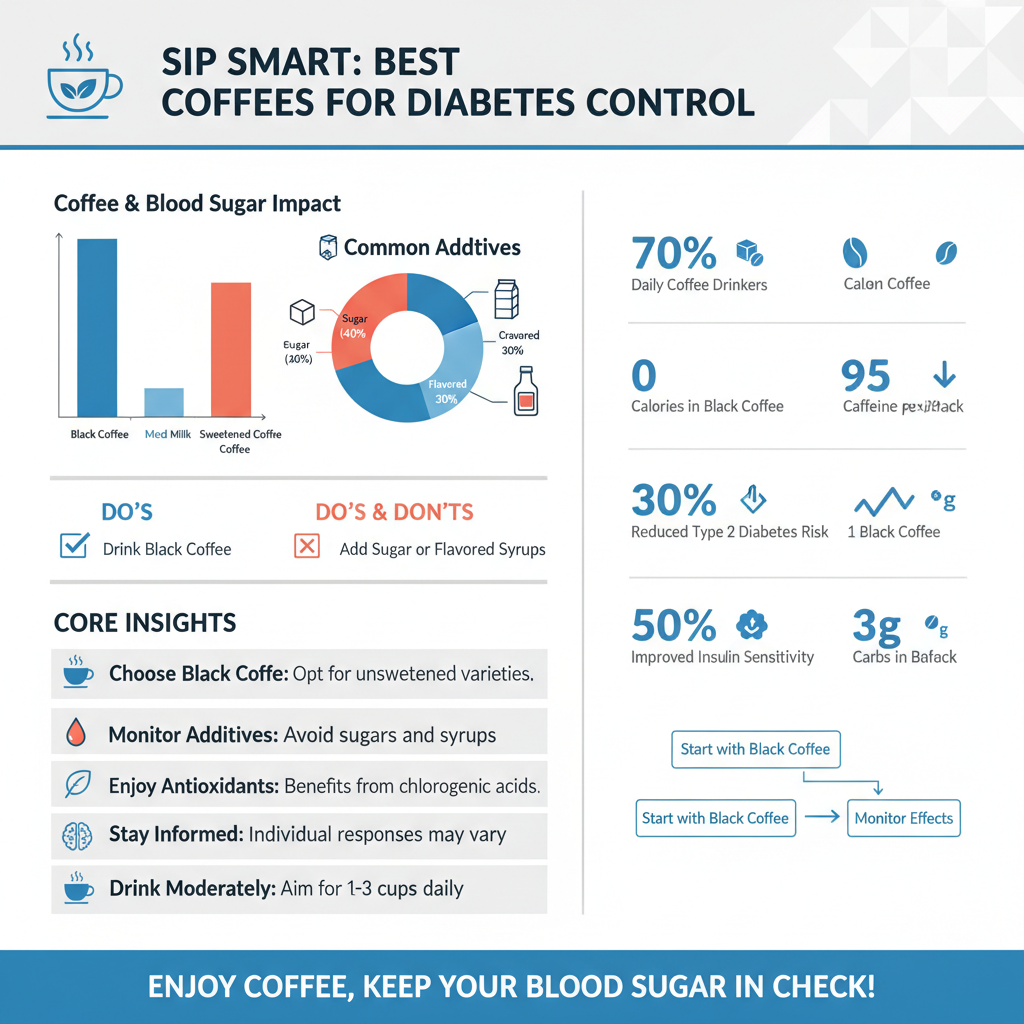
Coffee, particularly black coffee, often gets a bad rap in general health discussions, but for those managing diabetes, it can absolutely be a welcome part of a balanced diet. The key lies in understanding that pure coffee, in its simplest form, is a low-calorie, virtually carb-free beverage that is rich in antioxidants. These powerful compounds, like chlorogenic acids, have been linked to various health benefits, including potentially improving glucose metabolism and insulin sensitivity. This is great news for coffee lovers!
However, the real impact of coffee on blood sugar levels usually stems from what you add to it, not the coffee itself. A plain cup of joe offers these potential benefits without significantly affecting your glucose. But once you start introducing sugars, syrups, and certain creamers, you’re essentially turning a healthy beverage into a dessert-like drink that can cause rapid spikes in blood sugar, undermining your diabetes management efforts.
Interestingly, several long-term observational studies have suggested a fascinating connection: moderate coffee intake might even reduce the risk of developing type 2 diabetes. While the exact mechanisms are still being researched, the blend of antioxidants, minerals like magnesium, and other bioactive compounds in coffee are thought to play a protective role. It’s important to remember, though, that these findings are generally for unsweetened coffee, and individual responses can vary significantly. What works for one person might not be ideal for another, which is why personalized monitoring is always recommended when incorporating new dietary habits into your diabetes care plan. So, while coffee can be a beneficial addition, context and preparation are everything!
Your Top Coffee Choices for Diabetes Control
When you’re managing diabetes, making smart beverage choices is a huge part of staying on track, and your daily coffee ritual doesn’t have to be sacrificed. In fact, there are several fantastic options that allow you to savor your brew while keeping your blood sugar stable. Let’s dive into your top picks:
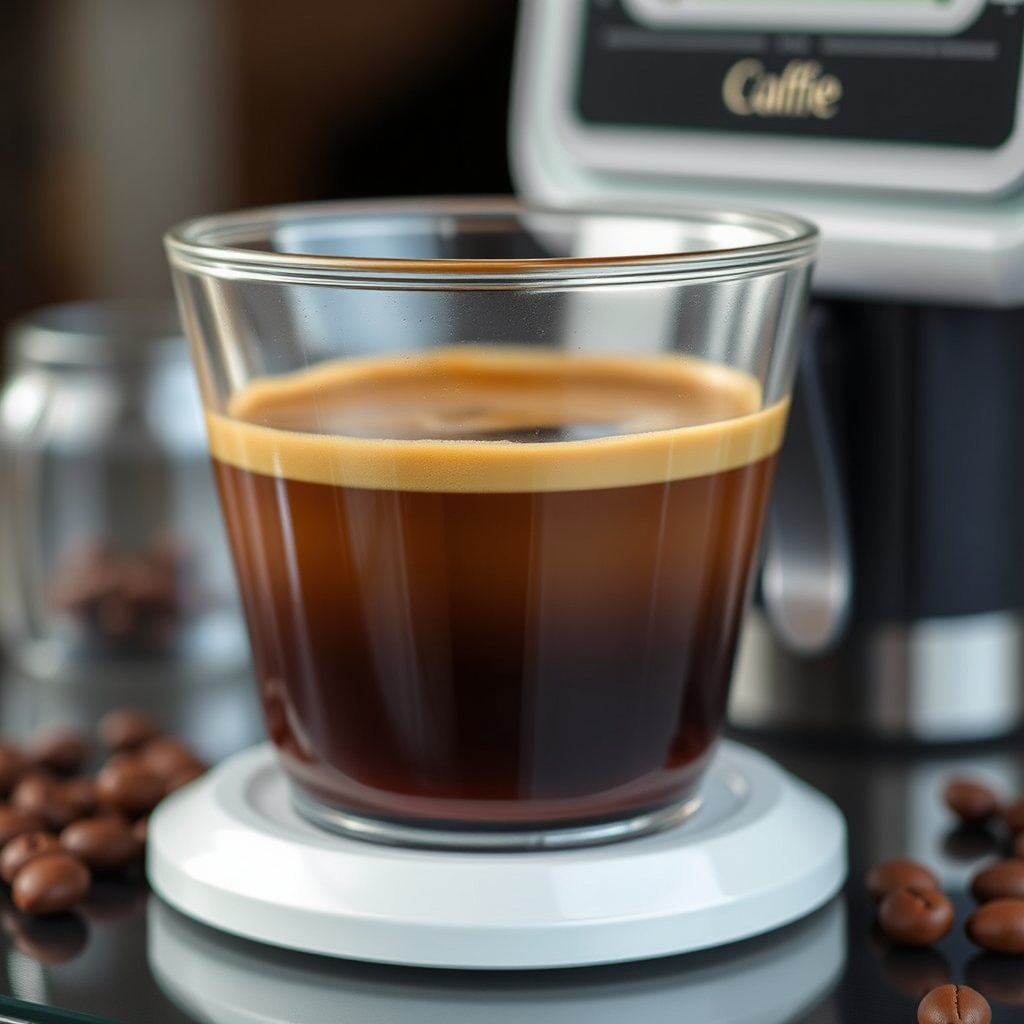
* Black Coffee: Without a doubt, plain, black coffee is your golden standard. Whether you prefer a strong espresso shot, a classic drip coffee, a velvety pour-over, or a robust French press, keeping it unsweetened and unadulterated ensures you’re enjoying all the benefits of coffee without any hidden sugars or unnecessary calories. This means no sugar, no artificial sweeteners, no cream, and no milk. You get the pure, rich flavor of the beans, the invigorating aroma, and a healthy dose of those beneficial antioxidants. It’s the cleanest way to enjoy your coffee and aligns perfectly with a diabetic-friendly eating plan, making it an excellent choice for daily consumption.
* Decaffeinated Coffee: For some individuals living with diabetes, caffeine can temporarily influence blood sugar levels. If you find yourself sensitive to caffeine’s stimulating effects or notice any significant fluctuations in your glucose readings after a regular cup, switching to decaffeinated coffee is a brilliant move. Decaf coffee offers a similar flavor profile and still provides many of the antioxidants found in regular coffee, but without the caffeine kick. This allows you to enjoy the ritual and taste of coffee throughout the day, even in the evening, without worrying about caffeine’s potential, albeit often temporary, impact on your blood sugar or sleep patterns. It’s a wonderful alternative for enjoying multiple cups or for those who are caffeine-sensitive.
* Plain Espresso or Americano: If you love the strong, concentrated flavor of espresso, you’re in luck! A plain shot of espresso, by itself, is a perfect diabetic-friendly choice. It’s simply coffee grounds and hot water, resulting in a rich, intense brew with no added sugars or calories. Similarly, an Americano is just espresso diluted with hot water, giving you a larger, equally clean coffee experience that’s very similar to black drip coffee but with the distinct espresso flavor. These options are fantastic when you’re at a coffee shop, as they are inherently simple and easy to order without any potentially problematic additions. Just remember to specify “plain” and “no sugar” to ensure your barista serves it up perfectly aligned with your health goals.
What to Avoid: Sugars, Syrups, and Unhealthy Additions

While coffee itself is often a friendly beverage for those managing diabetes, the moment you start adding certain ingredients, it can quickly transform into a blood-sugar-spiking culprit. Understanding what to steer clear of is just as important as knowing your best options. Let’s talk about the usual suspects that can derail your diabetes management.
* Refined Sugars: This might seem obvious, but it’s crucial to reiterate: granulated sugar, brown sugar, raw sugar, honey, agave nectar, maple syrup, and high-fructose corn syrup are all forms of concentrated sugar that can rapidly elevate your blood glucose levels. Many people think natural sweeteners like honey or agave are “better” alternatives, but for someone with diabetes, they act just like refined sugar in terms of their immediate impact on blood sugar. Even a small spoonful can contribute significantly to your daily carbohydrate intake and send your glucose readings soaring. It’s best to train your palate to enjoy coffee without these additions, or to explore natural, non-caloric alternatives if sweetness is a must-have for you.
* Sweetened Creamers & Syrups: This category is a major pitfall, as these products are often loaded with hidden sugars, unhealthy fats, and artificial ingredients. Many popular coffee creamers, even those labeled “fat-free,” compensate by packing in extra sugar. A single serving can contain multiple grams of added sugar, and let’s be honest, how often do we stick to just one small serving? Flavored syrups, like vanilla, caramel, or hazelnut, are pure sugar bombs. They’re designed to add intense sweetness and flavor but come at a steep cost to your blood sugar. These items often contribute to empty calories and can lead to significant glucose spikes, making them a definite no-go for diabetic-friendly coffee. Always check the nutrition label carefully, as sugar can be listed under many different names.
* Pre-made Flavored Coffee Drinks: Think of your favorite coffee shop’s specialty lattes, blended frozen drinks, or bottled iced coffees from the grocery store. While delicious, these are frequently more dessert than drink. Drinks like a caramel macchiato, a pumpkin spice latte, or a blended mocha often contain outrageous amounts of sugar, calories, and unhealthy fats. It’s not uncommon for a single medium-sized specialty coffee drink to have upwards of 50-70 grams of sugar—that’s equivalent to several candy bars! They often combine sugary syrups with sweetened condensed milk, whipped cream, and other high-carb additions. Making these a regular part of your diet can make blood sugar control incredibly challenging and can contribute to weight gain. When you’re out and about, stick to the simpler, customizable options discussed in the previous section to maintain control over your coffee’s ingredients.
Healthier Ways to Enhance Your Coffee
Giving up sugary additions doesn’t mean your coffee has to be boring! There are plenty of delicious and diabetes-friendly ways to add flavor and creaminess to your brew without compromising your blood sugar goals. Experimenting with these options can open up a whole new world of enjoyable coffee experiences.
* Unsweetened Plant-Based Milks: If you enjoy a touch of creaminess in your coffee, unsweetened plant-based milks are excellent choices. Options like unsweetened almond milk, unsweetened soy milk, and unsweetened oat milk offer a smooth texture and a subtle flavor without the added sugars found in regular or sweetened versions. When selecting these, it’s absolutely crucial to read the label carefully to ensure you’re choosing the “unsweetened” variety, as many flavored or regular plant milks can contain a surprising amount of added sugar. A splash of unsweetened almond milk, for instance, adds very few calories or carbs, making it a perfectly acceptable addition to your morning cup. Unsweetened coconut milk (from a carton, not canned) can also add a delightful richness.
* Natural Flavor Enhancers: Before reaching for a sugary syrup, consider the wonderful world of natural spices and extracts. These can transform your coffee’s flavor profile without adding any carbohydrates or calories. A sprinkle of cinnamon is a classic choice, and some studies even suggest cinnamon might have a positive effect on blood sugar control, though more research is needed. Nutmeg offers a warm, earthy note, especially lovely in the cooler months. A pinch of unsweetened cocoa powder can give your coffee a mocha-like richness without the sugar. A few drops of pure vanilla extract or almond extract can also provide a delightful aroma and taste. These natural additions are simple, effective, and completely free of added sugars, allowing you to personalize your coffee in a healthy way.
* Sugar Substitutes (in moderation): While the goal is often to reduce the need for sweetness, if you simply can’t enjoy your coffee without it, certain sugar substitutes can be better alternatives than artificial sweeteners and certainly better than refined sugar. Options derived from natural sources, such as stevia, erythritol, and monk fruit, are generally considered safe for people with diabetes because they do not raise blood sugar levels. They provide sweetness without calories or carbohydrates. However, it’s still wise to use these sparingly and in moderation. Over-reliance on intense sweeteners can sometimes maintain a craving for sweetness and may, for some individuals, have an impact on gut health. Always check labels for hidden ingredients in blends, and consult with your healthcare provider or dietitian if you have concerns about incorporating specific sweeteners into your diet.
Understanding Caffeine’s Effects on Blood Sugar
The relationship between caffeine and blood sugar is an interesting one, and it’s a topic that often comes up for individuals managing diabetes. While coffee itself (without additions) is generally safe, the caffeine component can have a temporary, albeit often subtle, impact on glucose levels for some people.
Research suggests that caffeine can temporarily increase blood sugar levels in certain individuals with diabetes. The exact mechanism isn’t fully understood, but it’s thought that caffeine might affect how your body responds to insulin, temporarily making cells less sensitive to it. It could also stimulate the release of adrenaline, a hormone that can raise blood sugar. This effect is usually mild and transient, meaning it doesn’t last for long, and it certainly doesn’t happen to everyone.
The crucial point here is that individual sensitivity varies greatly. One person might drink a strong cup of coffee and see no noticeable change in their blood sugar, while another might observe a slight uptick. Factors like your current diabetes management, medication, overall diet, and even the time of day can influence how you respond to caffeine. It’s not a universal response, which is why personalized observation is key.
Monitoring your blood sugar after coffee consumption can provide invaluable insights into your personal response. Try checking your glucose levels before you have your coffee and then again about one to two hours afterward. Keep a log for a few days or a week. If you consistently notice a significant or bothersome increase in your blood sugar after consuming caffeinated coffee, then exploring decaffeinated options might be a beneficial adjustment for you. If your blood sugar remains stable, then you can likely continue enjoying your caffeinated brew without worry. Always discuss any significant changes or concerns with your healthcare provider to ensure your coffee habits align with your overall diabetes treatment plan.
Making Informed Choices and Monitoring Your Health
Navigating your daily coffee choices with diabetes doesn’t have to be complicated, but it does require a mindful approach and a bit of detective work. By empowering yourself with knowledge and paying attention to your body’s signals, you can confidently enjoy your coffee while maintaining excellent blood sugar control.
* Read Labels Carefully: This cannot be stressed enough, especially when purchasing pre-packaged coffee products, creamers, or plant-based milks. Food manufacturers often use clever marketing and a myriad of names for sugar (dextrose, maltose, corn syrup solids, fruit juice concentrate, etc.). Become a label-reading detective! Always check the “Nutrition Facts” panel for “Added Sugars” and total carbohydrates. For plant-based milks, ensure you’re picking the “unsweetened” version. Even seemingly healthy additions can hide surprising amounts of sugar. If you’re unsure about an ingredient, a quick search on your phone can clarify its impact on your blood sugar. This vigilance empowers you to make truly informed choices, whether you’re at the grocery store or a coffee shop.
* Test and Observe: Your body provides the best data! Monitoring your blood sugar levels before and after drinking coffee is the most effective way to understand its personal impact on you. As mentioned earlier, try checking your glucose right before your morning coffee, and then again one to two hours after you’ve finished it. Keep a simple log or note in your blood sugar tracking app. Pay attention to how different coffee preparations (e.g., black vs. with unsweetened almond milk, or caffeinated vs. decaf) affect your levels. This personalized feedback will show you exactly what works best for *your* body and *your* diabetes management plan. Remember, what impacts one person may not affect another in the same way, so your individual data is gold.
* Consistency is Key: Developing a consistent coffee routine that aligns with your overall diabetes management plan is incredibly helpful. If you usually drink coffee at the same time each day and in a consistent preparation (e.g., black or with the same unsweetened plant milk), it becomes much easier to anticipate and manage its effects on your blood sugar. When you introduce too much variability—one day a black coffee, the next a heavily sweetened and creamed drink—it becomes harder to track patterns and make adjustments. A consistent routine allows your body to adapt, and it provides clearer data for you and your healthcare team to understand how coffee fits into your daily health regimen. Think of it as creating a predictable and manageable part of your day that supports, rather than hinders, your health goals.
Choosing the right coffee is a simple yet impactful step in managing diabetes. By prioritizing black or unsweetened coffee and being mindful of additions, you can continue to enjoy your daily brew without derailing your health goals. Always remember to monitor your blood sugar and consult with your healthcare provider or a registered dietitian for personalized advice on dietary choices that best suit your condition.
Frequently Asked Questions
What is the best type of coffee for diabetics to drink?
The best coffee for diabetics is typically plain, black coffee. It contains virtually no calories, carbohydrates, or sugar, making it a neutral beverage regarding blood sugar levels. To maintain its diabetes-friendly benefits, it’s crucial to avoid adding sugar, sweetened syrups, or high-sugar creamers.
How does regular black coffee impact blood sugar levels for diabetics?
For most diabetics, plain black coffee has a minimal direct impact on blood sugar levels. However, the caffeine in regular coffee can temporarily increase insulin resistance in some individuals, potentially leading to a slight, transient rise in blood glucose. Monitoring your personal response is key to understanding how coffee affects *your* diabetes management.
Which coffee additions or sweeteners should diabetics avoid to keep blood sugar stable?
Diabetics should definitely avoid high-sugar additions like sweetened syrups (e.g., vanilla, caramel), whipped cream, and sugary flavored creamers, as these can cause significant blood sugar spikes. Even some artificial sweeteners might affect gut microbiome and glucose metabolism for certain individuals, so it’s wise to limit these or opt for natural, unsweetened flavorings.
Are decaf coffee options a better choice for diabetics concerned about blood sugar spikes?
Decaf coffee can indeed be a better choice for diabetics sensitive to caffeine. Since caffeine can sometimes temporarily impact insulin sensitivity and blood sugar levels in some individuals, choosing decaffeinated versions eliminates this variable. This allows diabetics to enjoy the taste and ritual of coffee without the potential glycemic effects of caffeine.
What are some diabetes-friendly ways to enjoy flavored coffee without added sugars?
To enjoy flavored coffee without added sugars, diabetics can incorporate natural spices like cinnamon, nutmeg, or cardamom directly into their brew. Unsweetened cocoa powder or a splash of sugar-free vanilla or almond extract can also provide delicious flavor. Always double-check labels on flavored coffee beans or extracts to ensure no hidden sugars or artificial sweeteners are present.
References
- https://diabetes.org/food-nutrition/food-facts/coffee-and-diabetes
- Page Not Found – Site Help – Mayo Clinic
- https://www.ncbi.nlm.nih.gov/pmc/articles/PMC8900010/
- https://www.health.harvard.edu/diseases-and-conditions/the-secret-to-healthy-coffee-drinking
- https://www.nytimes.com/2023/11/27/well/eat/coffee-health-benefits.html
- https://www.bbc.com/news/health-65022091
- https://onlinelibrary.wiley.com/doi/full/10.1111/j.1464-5491.2012.03714.x
